
For everyday care
A simple routine that works
Tell us your skin or hair type and what you want to change. Get a short, kind routine and the plants most worth trying.
The botanical beauty reference · November 2026
Discover the plants the world has trusted for generations, learn how to use them at home today, and know which ones truly deliver. Recipes, daily rituals and a 73-plant encyclopedia, checked against published research so you can simply enjoy them.
TryCicaTocopherolMost lovedRosemary for hairBakuchiolArganAloeRose
Explore the reference
Each plant, and each use of it, carries one plain letter, from well proven to traditional wisdom.
How we gradeOpen the research yourself: every cited study is listed in our bibliography.
The bibliographyPartners cannot buy or change a grade, and anything sponsored is clearly labeled.
Our editorial policyNew to a plant? Try it on a small patch of skin before it goes on your face.
How to patch testStart where you are
Whether you want one good habit, a weekend project or the full research picture, there is a gentle way in.
For everyday care
Tell us your skin or hair type and what you want to change. Get a short, kind routine and the plants most worth trying.
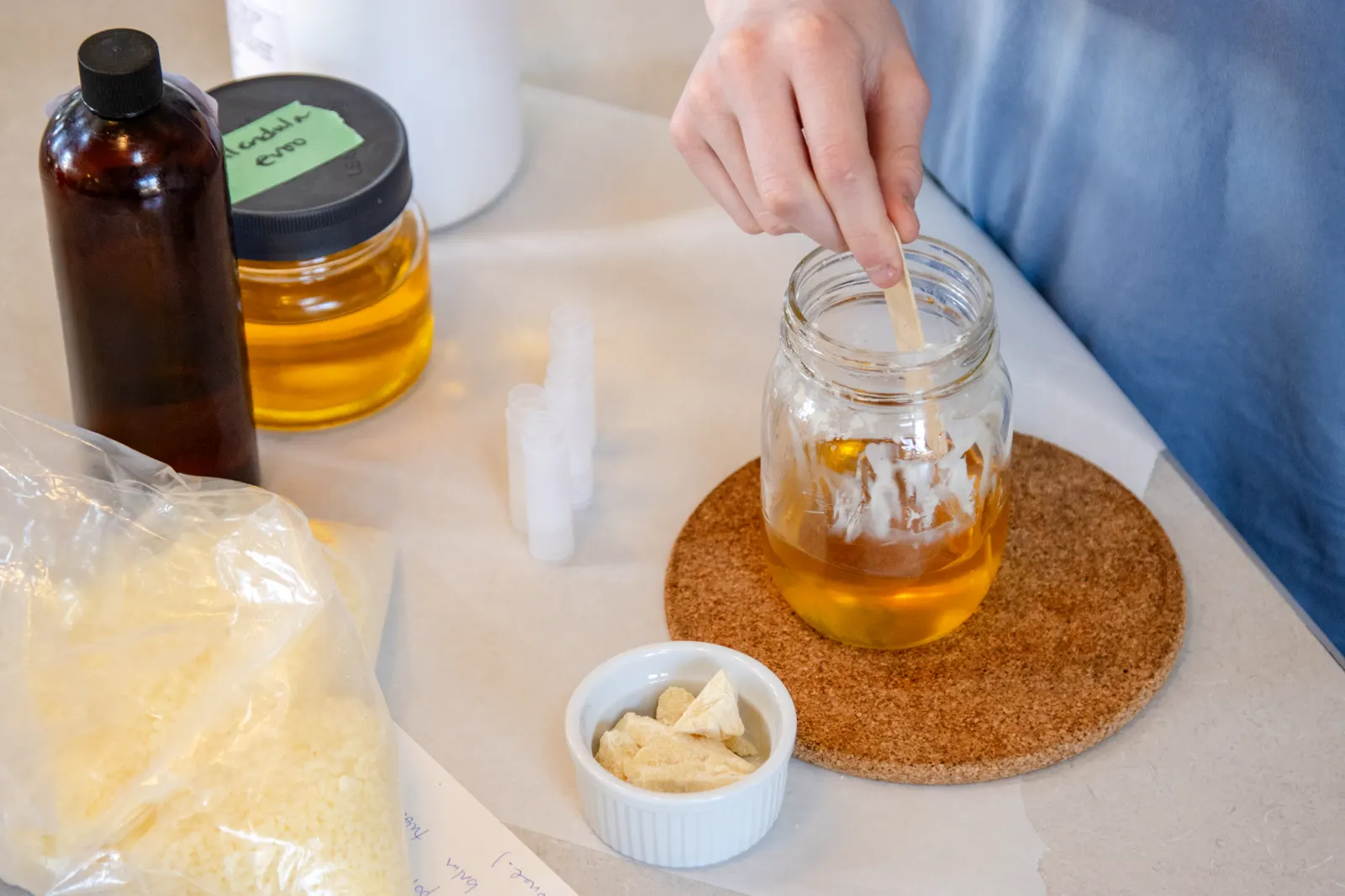
For makers
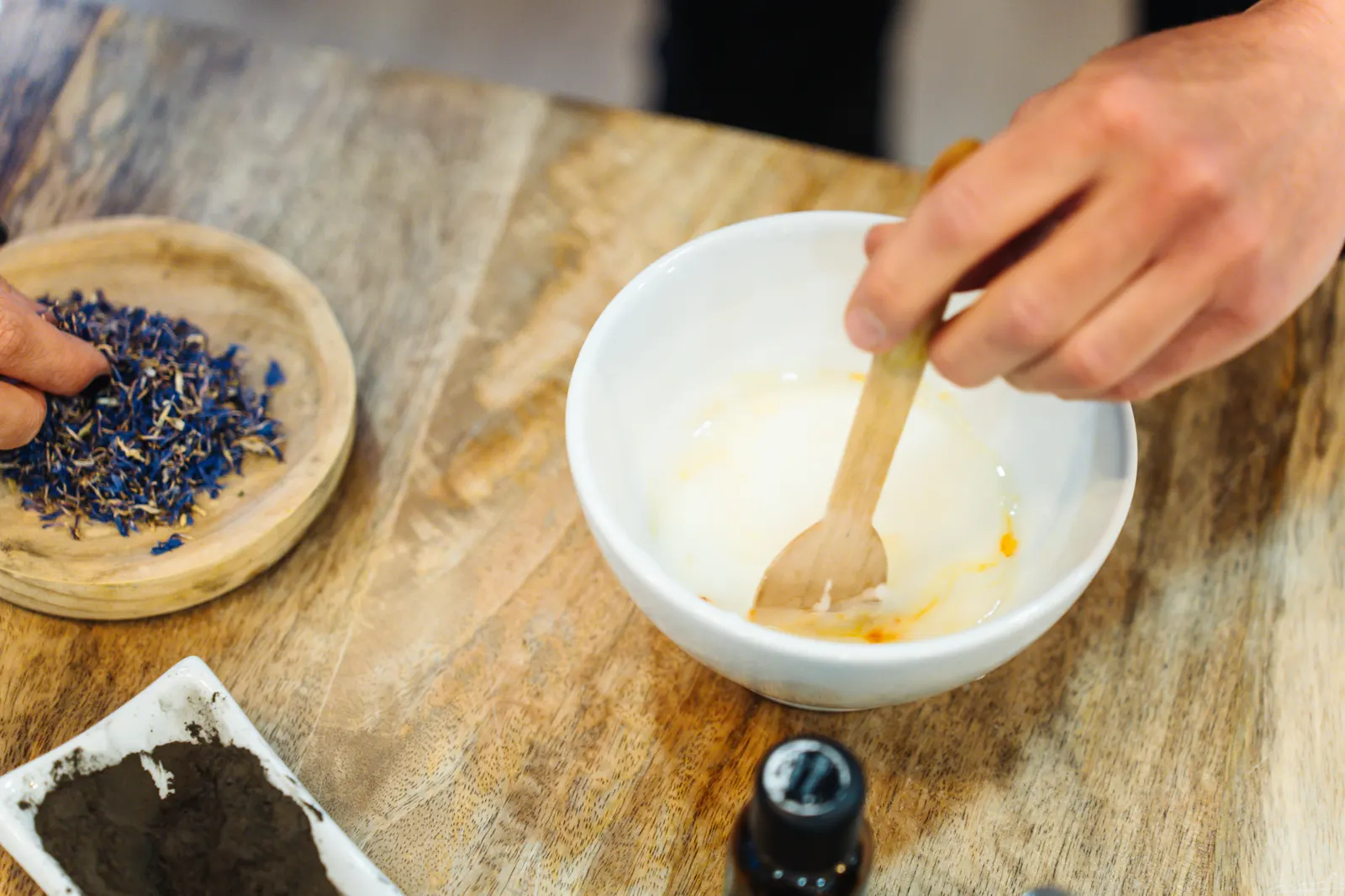
From a five-minute oat mask to a whipped body butter: clear recipes in grams, with safe keeping and a patch test built in.

For smart shoppers
Paste or photograph an ingredient list and see what each name means, what it does and whether it suits you.
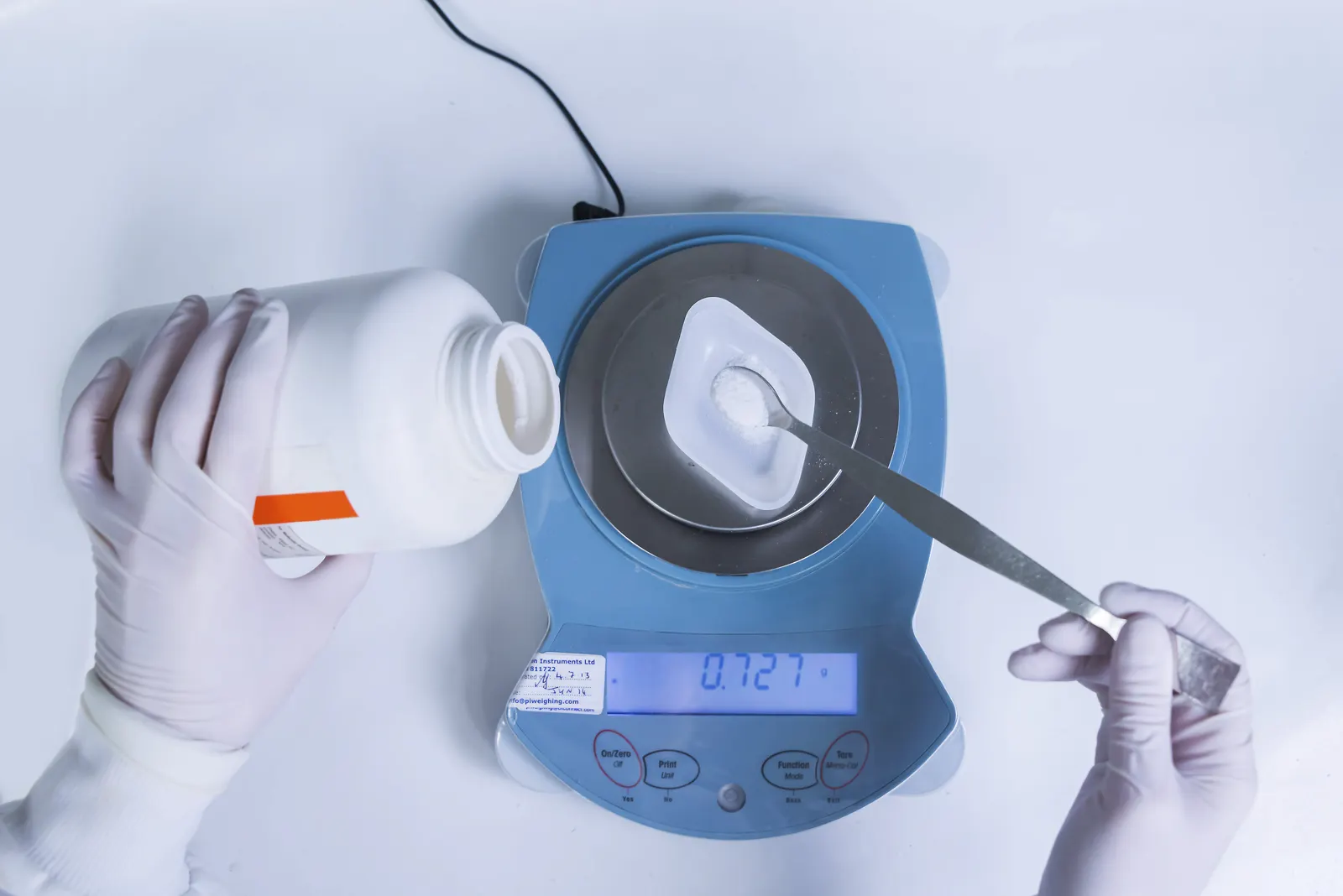
For professionals
Graded evidence, key studies, INCI names, use levels and formulation notes, with citations ready to copy.
Start here
New to botanical care? Begin with the plants that have the strongest human research behind them, ranked by how many uses are well supported.
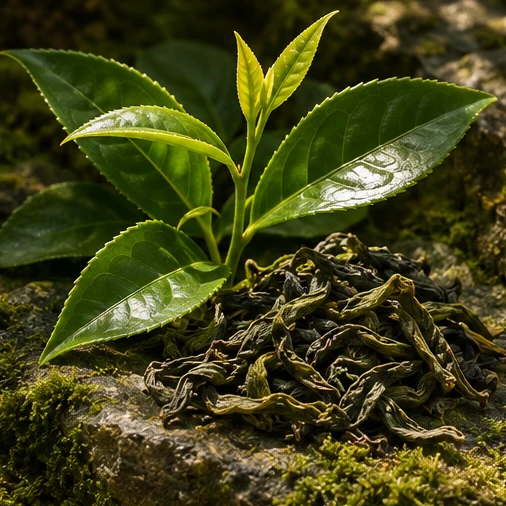 Green TeaCamellia sinensisThe morning cup that doubles as a skin ally: green tea brings antioxidant calm to oily, breakout-prone skin.BGood evidence
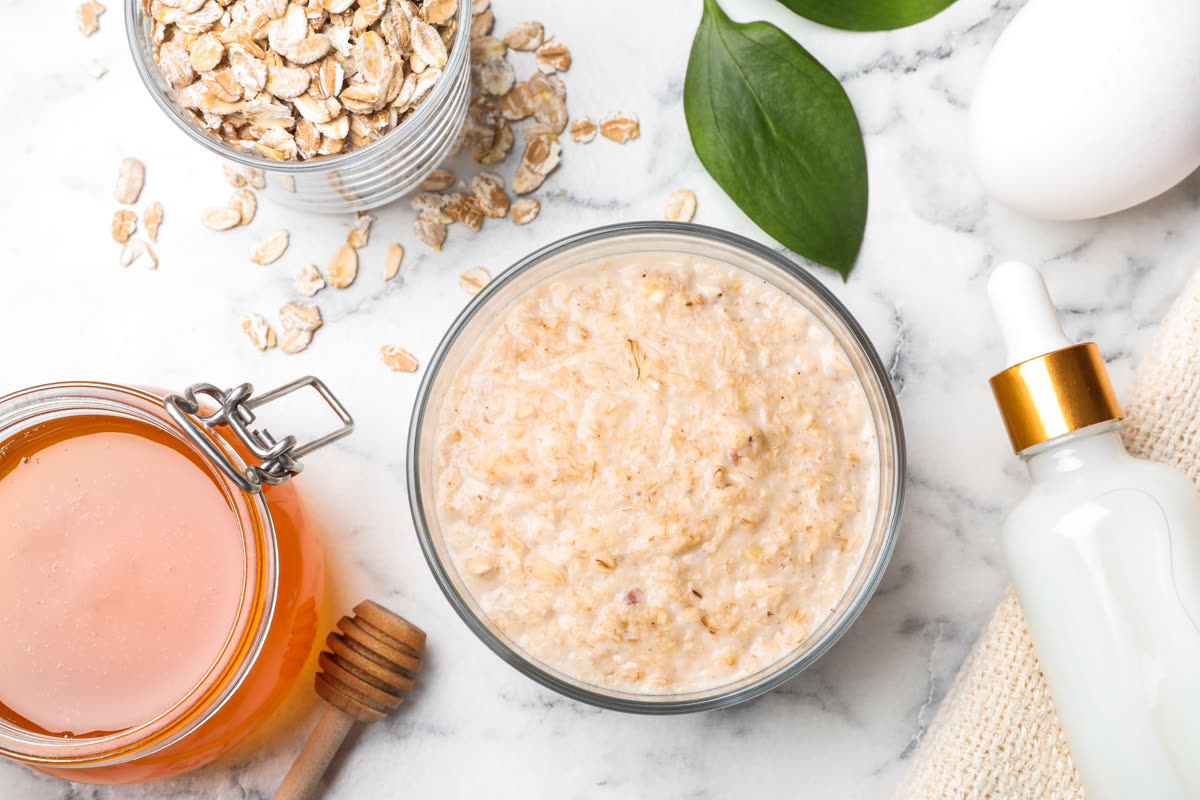 Colloidal OatmealAvena sativa L.Finely milled oats turn a lukewarm bath milky and soothing: an officially recognized skin protectant for itchy, irritated skin.BGood evidence
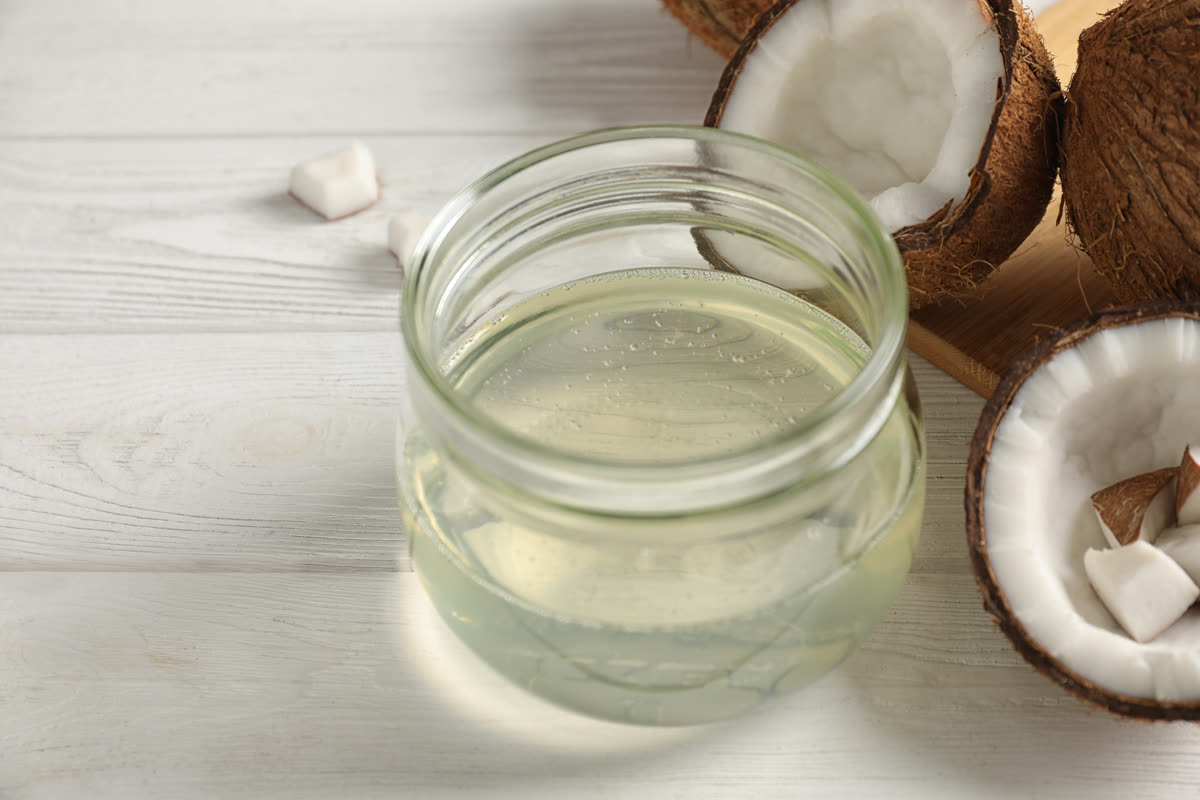 Coconut OilCocos nucifera L.The kitchen-cupboard classic with real trial support for dry skin, plus a pre-wash hair coat that helps protect every strand.BGood evidence
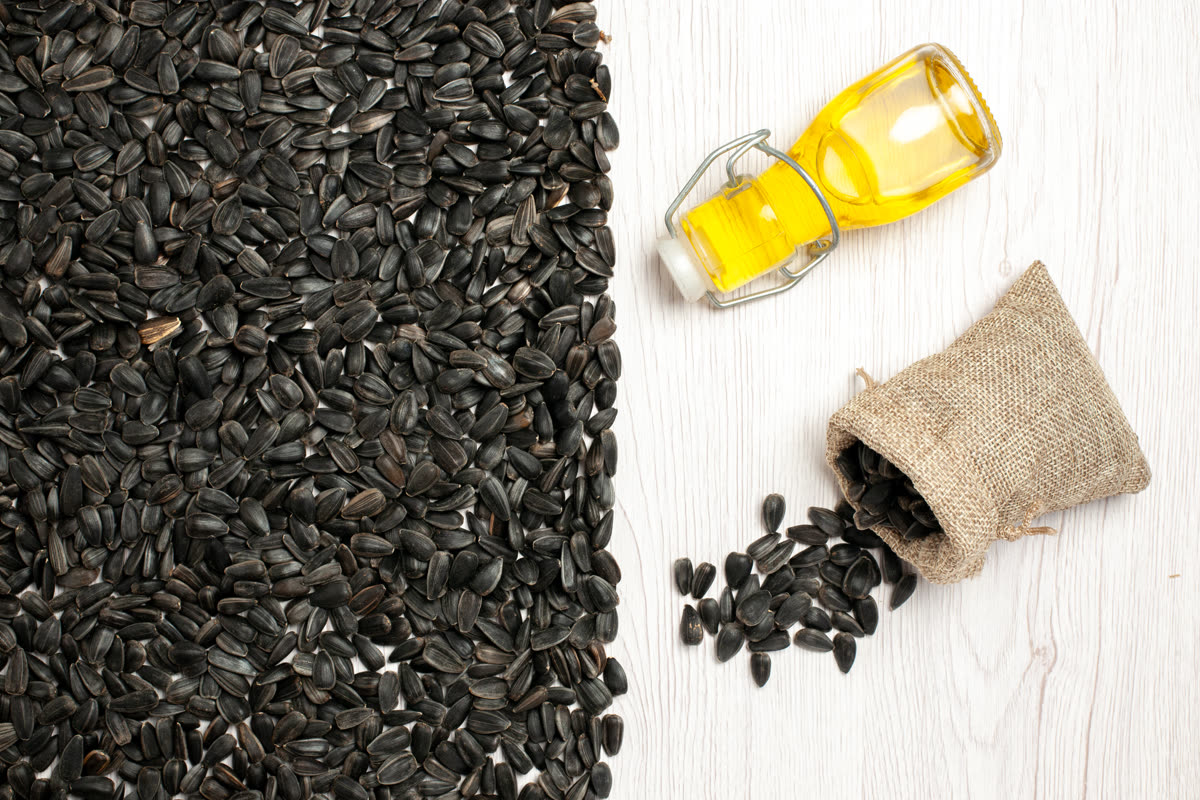 Sunflower OilHelianthus annuus L.The humble kitchen oil with some of the best barrier evidence of any plant oil: gentle, affordable and kind to dry skin.BGood evidence
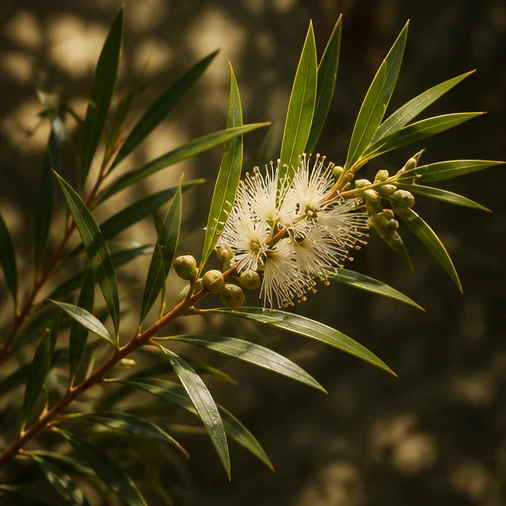 Tea TreeMelaleuca alternifoliaFresh, herbal and clinically studied, tea tree oil is a gentle, patient answer to mild breakouts.BGood evidence
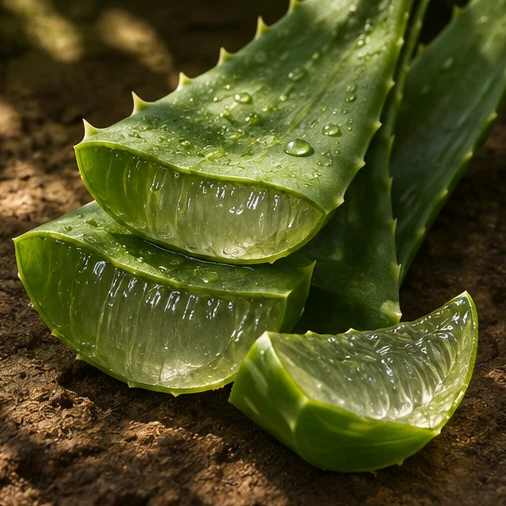 Aloe VeraAloe veraCool, clear and quietly soothing, aloe gel is the after-sun friend your skin reaches for first.BGood evidence
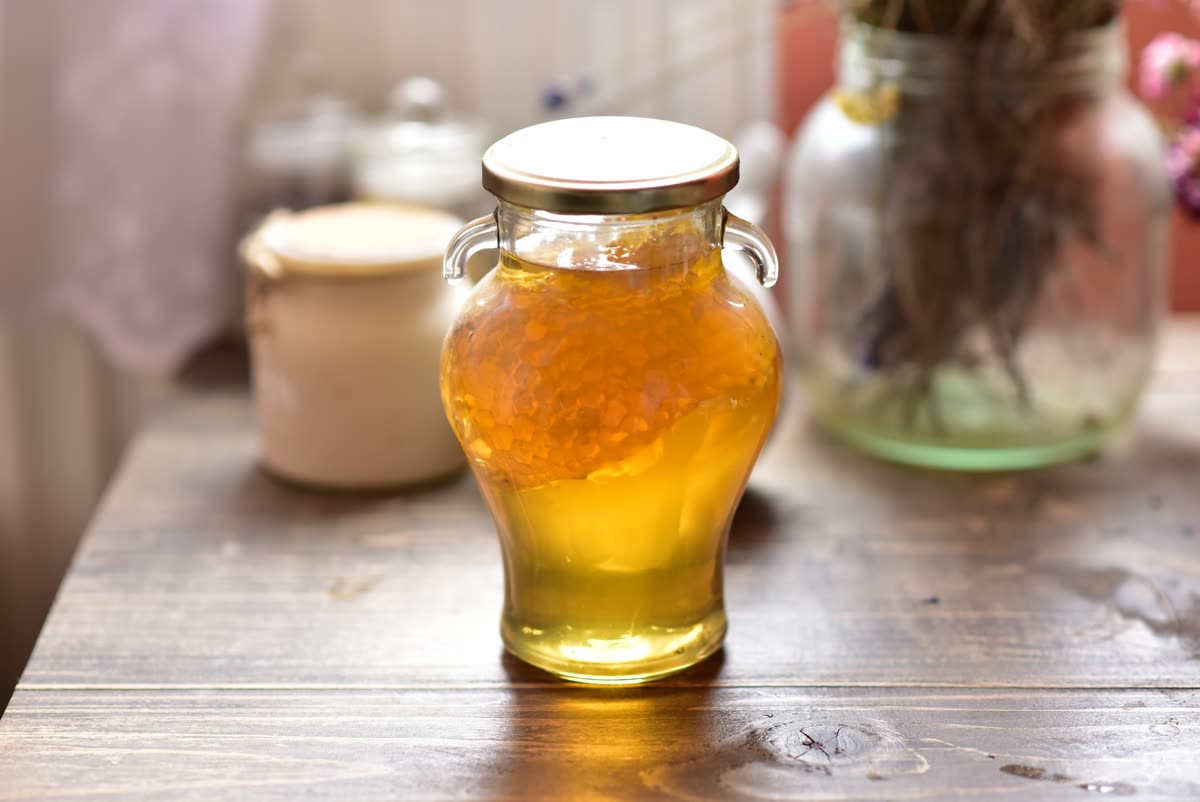
Ingredient spotlight
Mel (product of Apis mellifera L.)
A spoonful of raw honey is one of the simplest, loveliest masks there is: skin feels soft, plump and comforted.
What it does
Best-supported uses
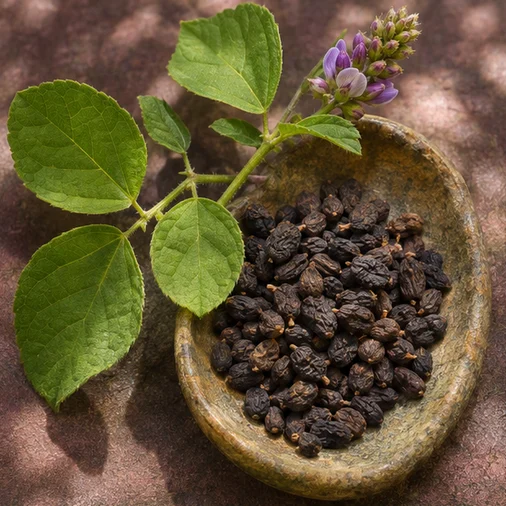
Ingredient spotlight
Cullen corylifolium
Bakuchiol offers retinol-like smoothing with a softer touch, plant-derived and, in a small trial, gentler than retinol.
What it does
Best-supported uses
Meet the plants on your label
What each plant does, how to use it, what to watch for and how to buy it well. Start with the favorites.
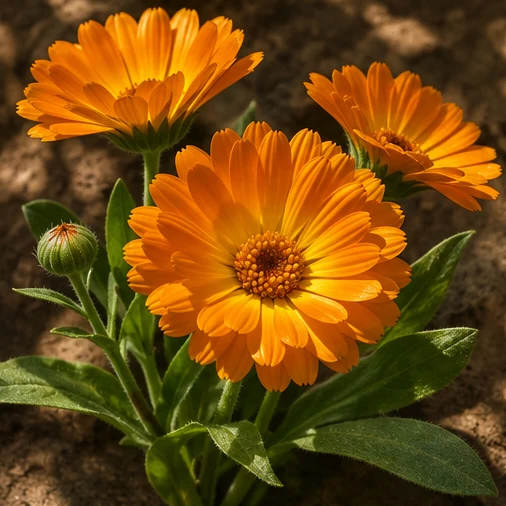 No. 002
CalendulaCalendula officinalisSunny pot marigold petals, steeped in oil, make one of the gentlest balms for dry, chapped skin.
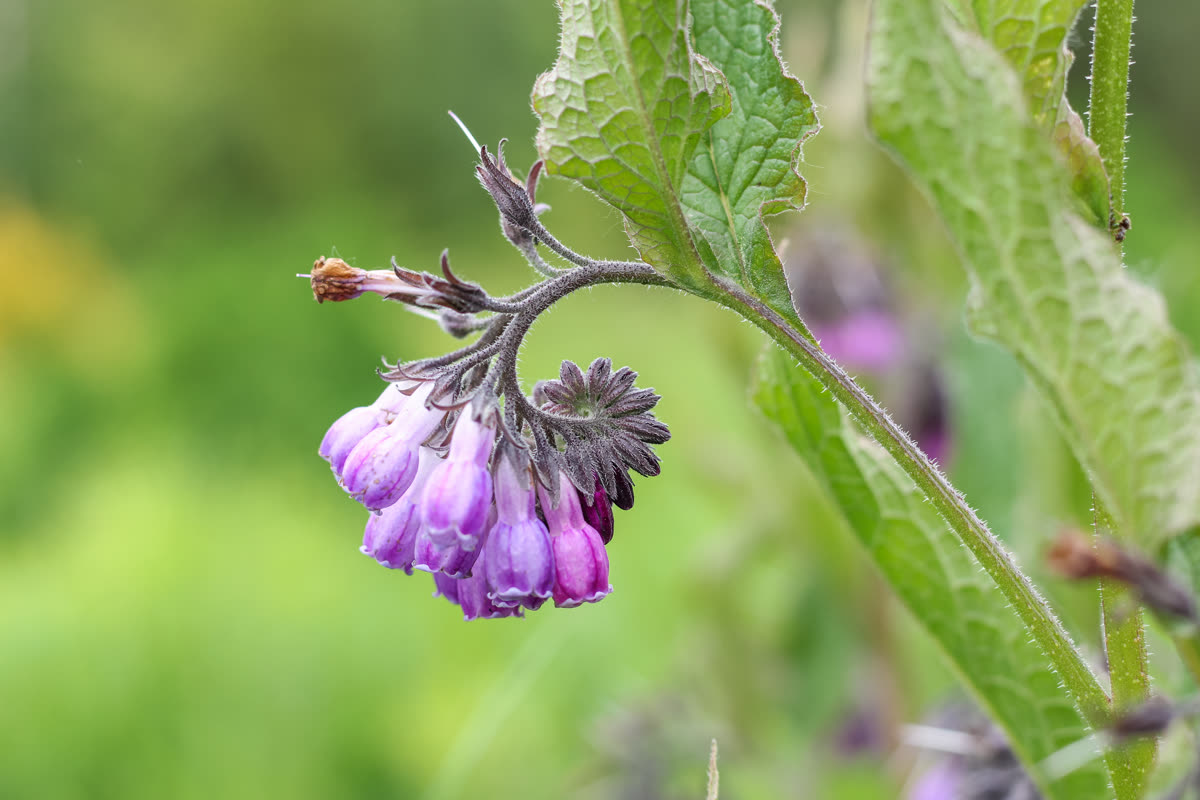 No. 016
ComfreySymphytum officinaleNicknamed knitbone, comfrey is a time-honored comfort for bruises and strains, used the safe, modern way.
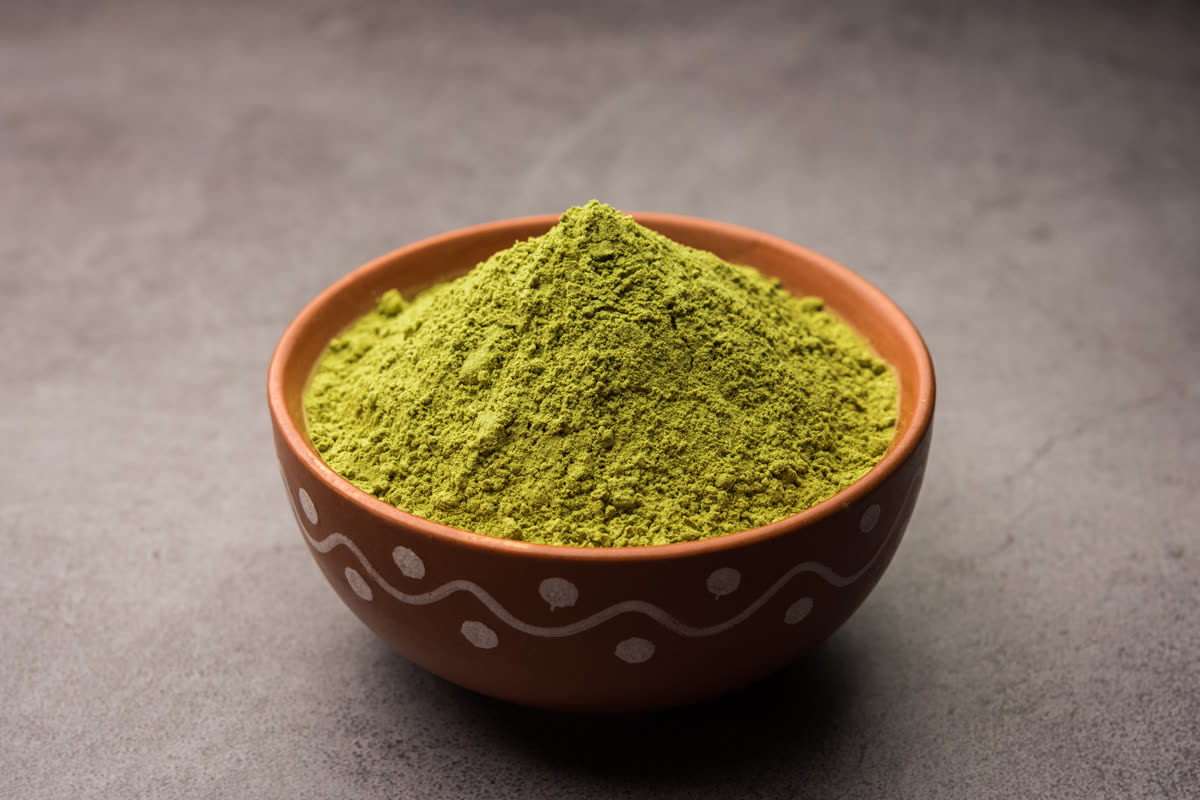 No. 022
HennaLawsonia inermisPure henna paints hair in glowing copper and red, a slow, ancient ritual of color and shine.
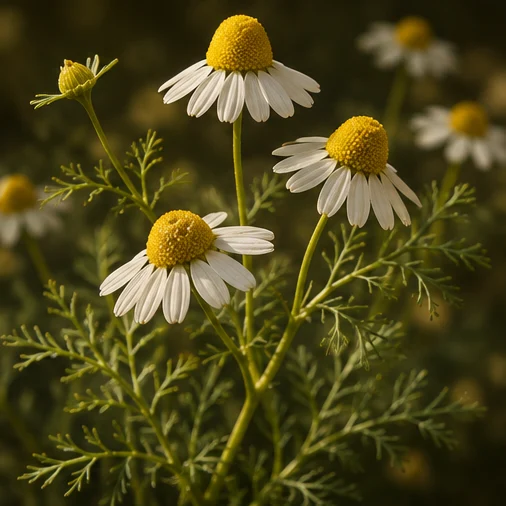 No. 003
ChamomileMatricaria chamomillaThe flower in your bedtime tea can calm warm, flushed skin too, with a soft, apple-sweet scent.
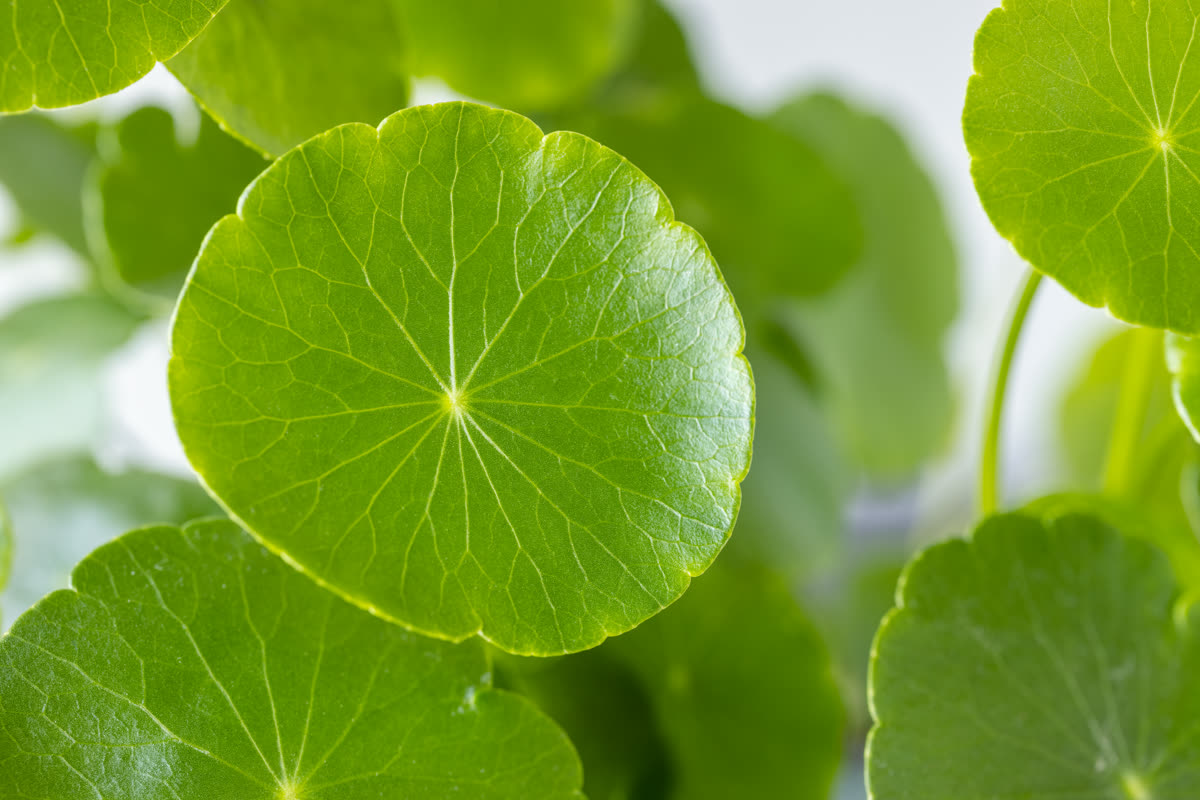 No. 004
Centella Asiatica (Cica)Centella asiaticaCica, the beloved “tiger grass” of Asian skincare, brings calm and comfort to stressed, reactive skin.
No. 006
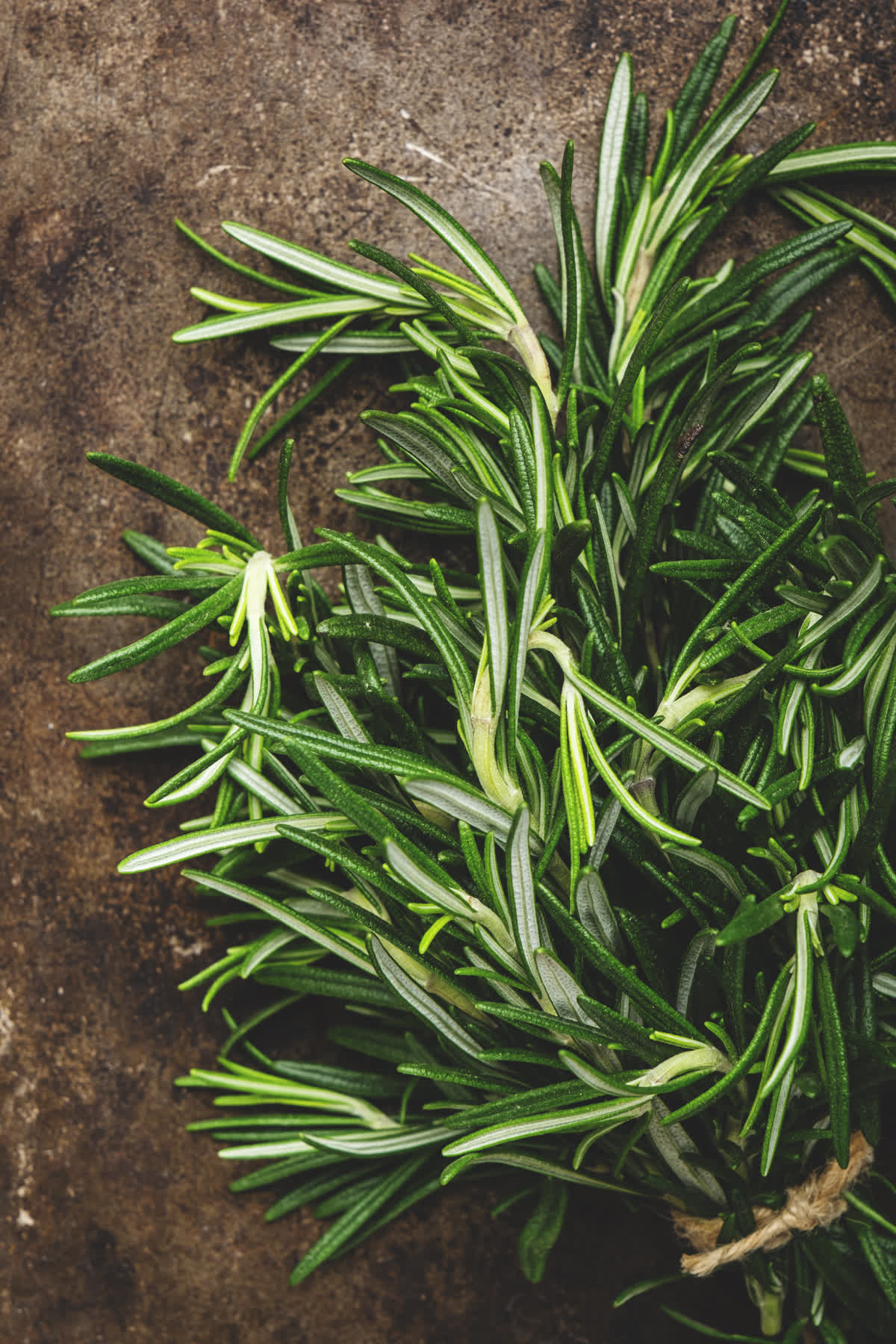
RosemarySalvia rosmarinusBright, herbal and invigorating, rosemary turns a simple scalp massage into a ritual worth keeping.
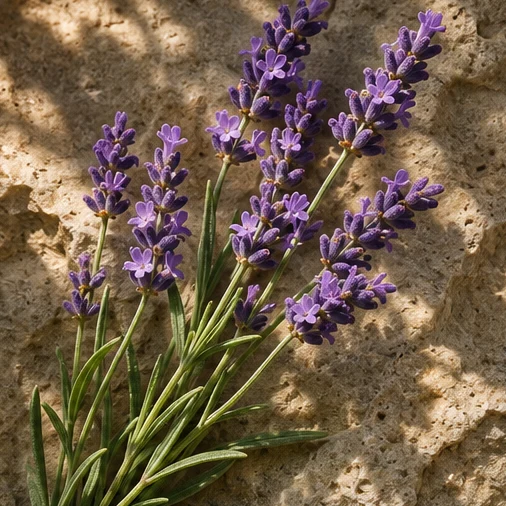 No. 007
LavenderLavandula angustifoliaLavender’s soft, floral calm turns an ordinary evening into a slow, scented wind-down.
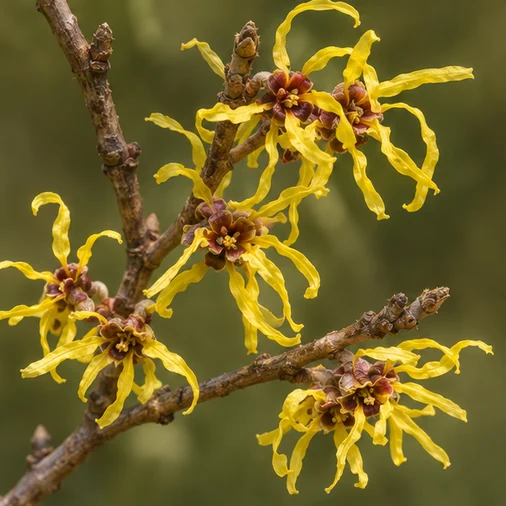 No. 009
Witch HazelHamamelis virginianaA cool, crisp swipe of witch hazel makes oily skin feel instantly fresh and tidy.
Why you can trust us
Every plant carries a simple label showing how well it is proven. Tradition is celebrated and named as tradition; when a pharmacy treatment works better, we say so and show how plants fit alongside it.
Every plant, and every plant-for-concern page, carries a letter from A to D in a seal. The fuller its ring, the stronger the evidence.
The ring fills with the evidence
A plant can be well supported for one concern and only promising for another. See the grade for each use.
Grades measure the evidence. Safety is rated separately on every page, and a patch test always comes first.
AWell provenBacked by several solid human trials or a systematic review. You can count on it.
No plant has earned an overall A yet. We give it only when several solid human trials or a systematic review agree.
BGood evidenceSupported by at least one well-designed human trial, or several smaller ones that agree.
11 plants
Aloe VeraBakuchiolCalendulaCoconut OilColloidal OatmealComfreyGreen TeaHenna+3 more
CPromisingEarly human studies or strong lab work. Worth trying, with realistic expectations.
40 plants
Argan OilArnicaAtlas CedarAvocado OilBaobab OilBlack Seed OilCamellia Oil (Tsubaki Oil)Centella Asiatica (Cica)+32 more
DTraditional wisdomGenerations of use, but little modern testing in people yet. Enjoy it for what it is.
22 plants
Amla (Indian Gooseberry)Castor OilCistus (Labdanum)CucumberDamask RoseFenugreekHelichrysum (Immortelle)Hibiscus+14 more
Every plant page is checked against published research, with the studies linked so you can read them yourself.
Allergens, sun sensitivity, pregnancy and children are covered on every plant, never hidden in a footnote.
Partners never see or influence what we write. Our editorial policy.
When the research changes, so do we, and every correction is published. See the register.
Begin with a concern
Each guide starts with a routine you can begin tonight, then the plants most worth trying and the signs it is time to see a professional.
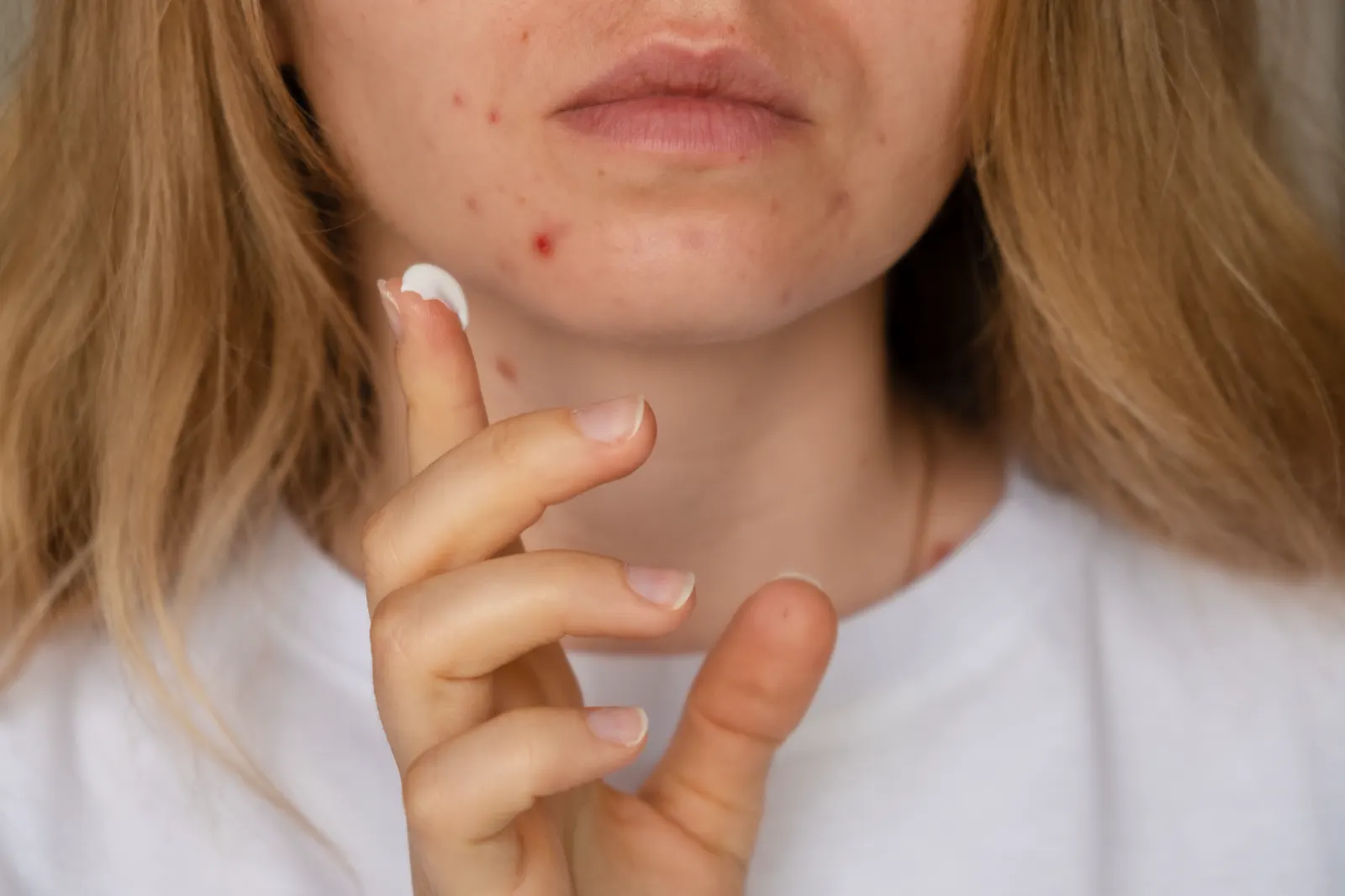 Acne & BreakoutsTea Tree · Green Tea · Aloe Vera
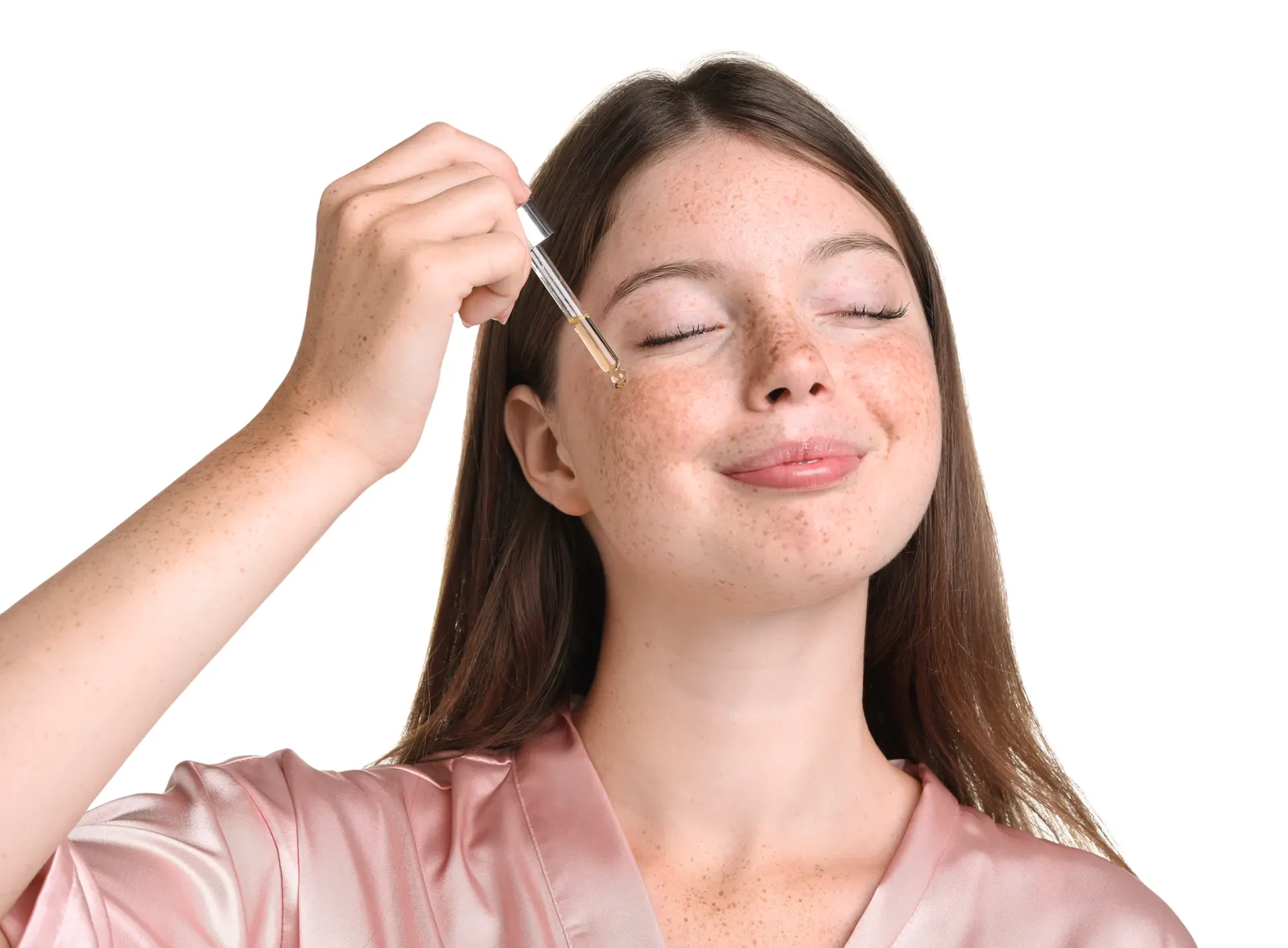 Dark Spots & HyperpigmentationLicorice Root · Bakuchiol · Aloe Vera
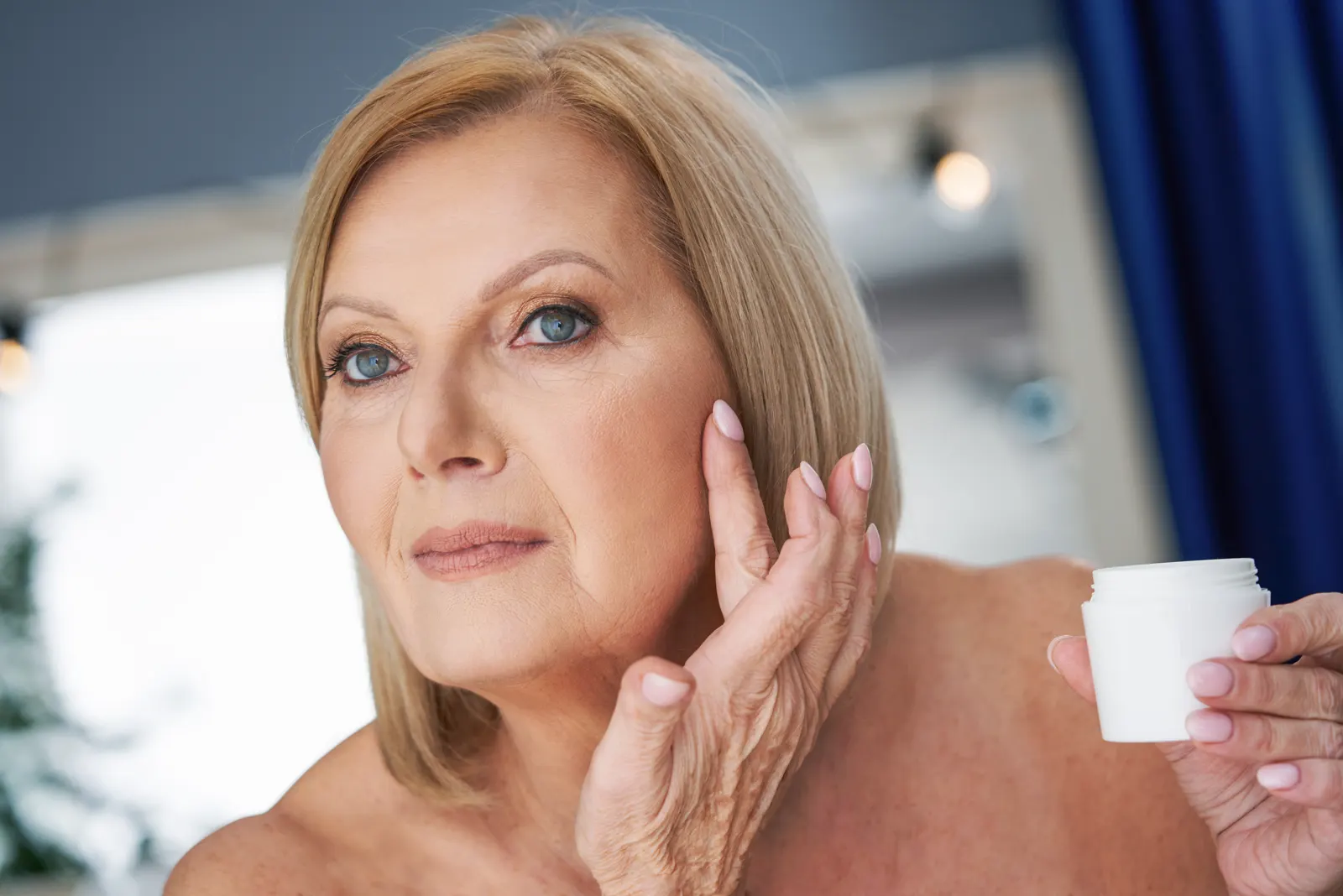 Aging & PhotoagingBakuchiol · Green Tea · Centella Asiatica (Cica)
 Dry & Dehydrated SkinColloidal Oatmeal · Sunflower Oil · Coconut Oil
 Sensitive Skin & RednessColloidal Oatmeal · Licorice Root · Centella Asiatica (Cica)
 Eczema-Prone SkinColloidal Oatmeal · Sunflower Oil · Coconut Oil
 Oily Skin & PoresGreen Tea · Willow Bark · Tea Tree
 Thinning Hair & Hair LossRosemary · Pumpkin Seed Oil · Fenugreek
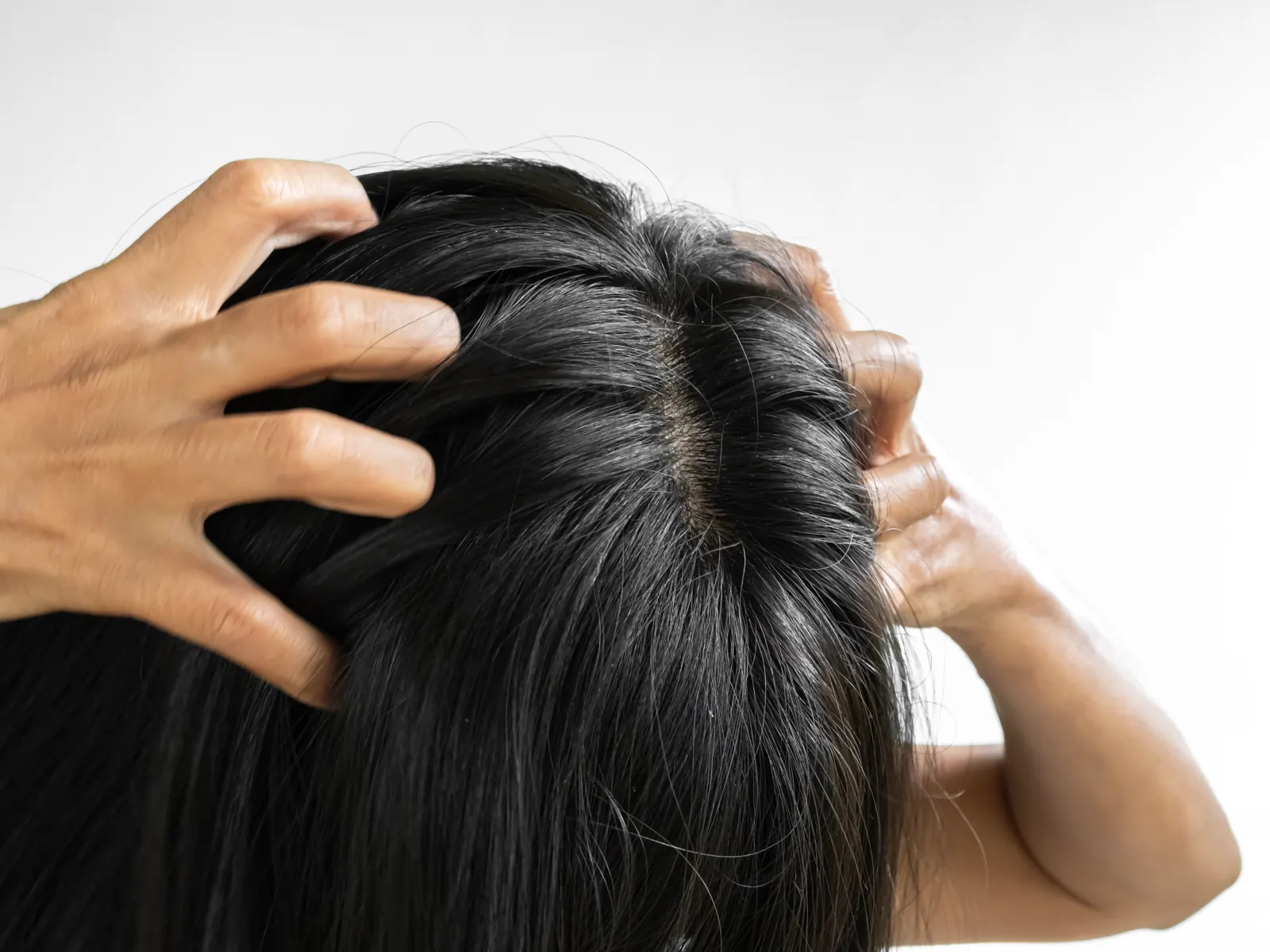 Dandruff & Itchy ScalpTea Tree · Aloe Vera · Honey
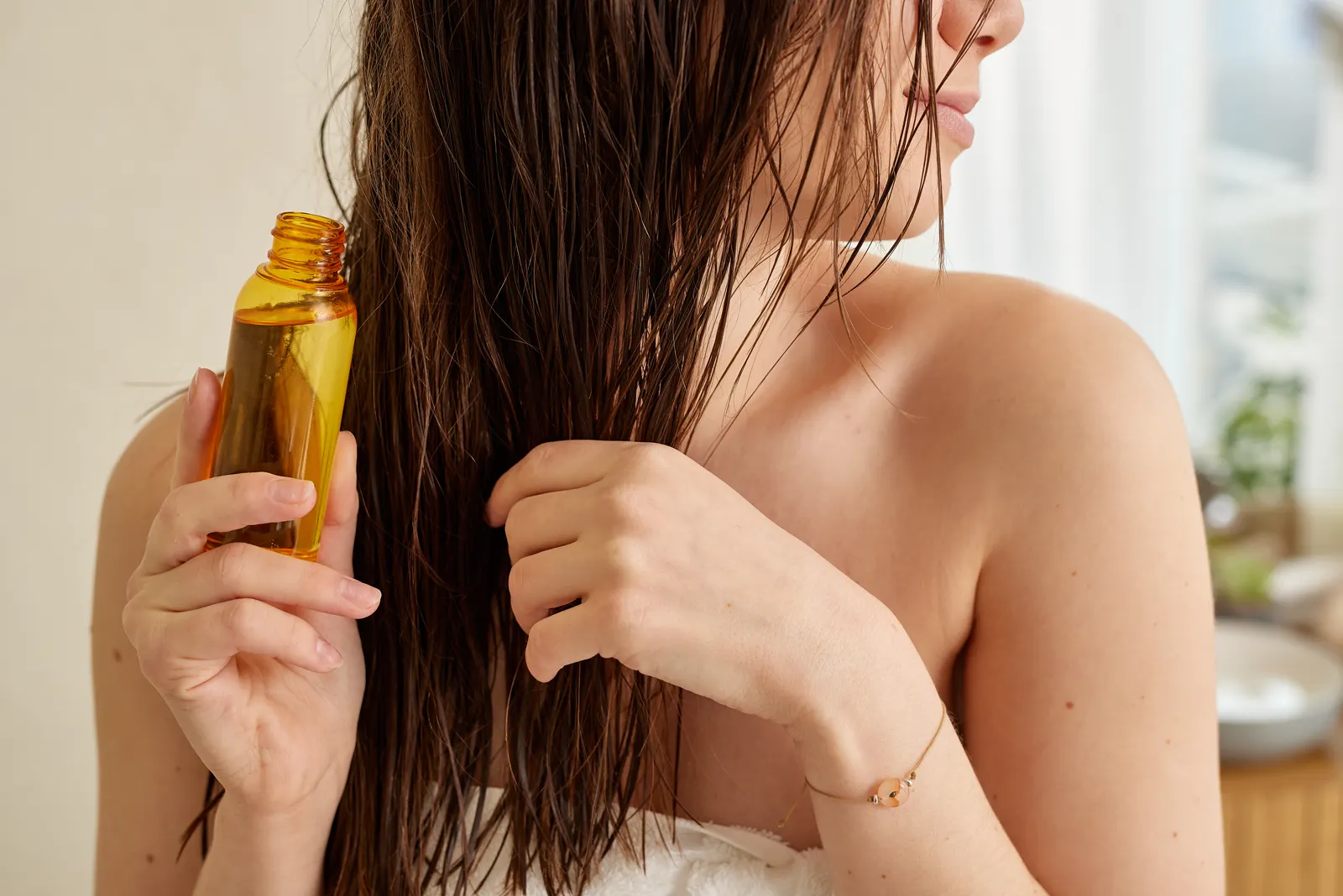 Dry, Damaged & Frizzy HairCoconut Oil · Argan Oil · Shea Butter
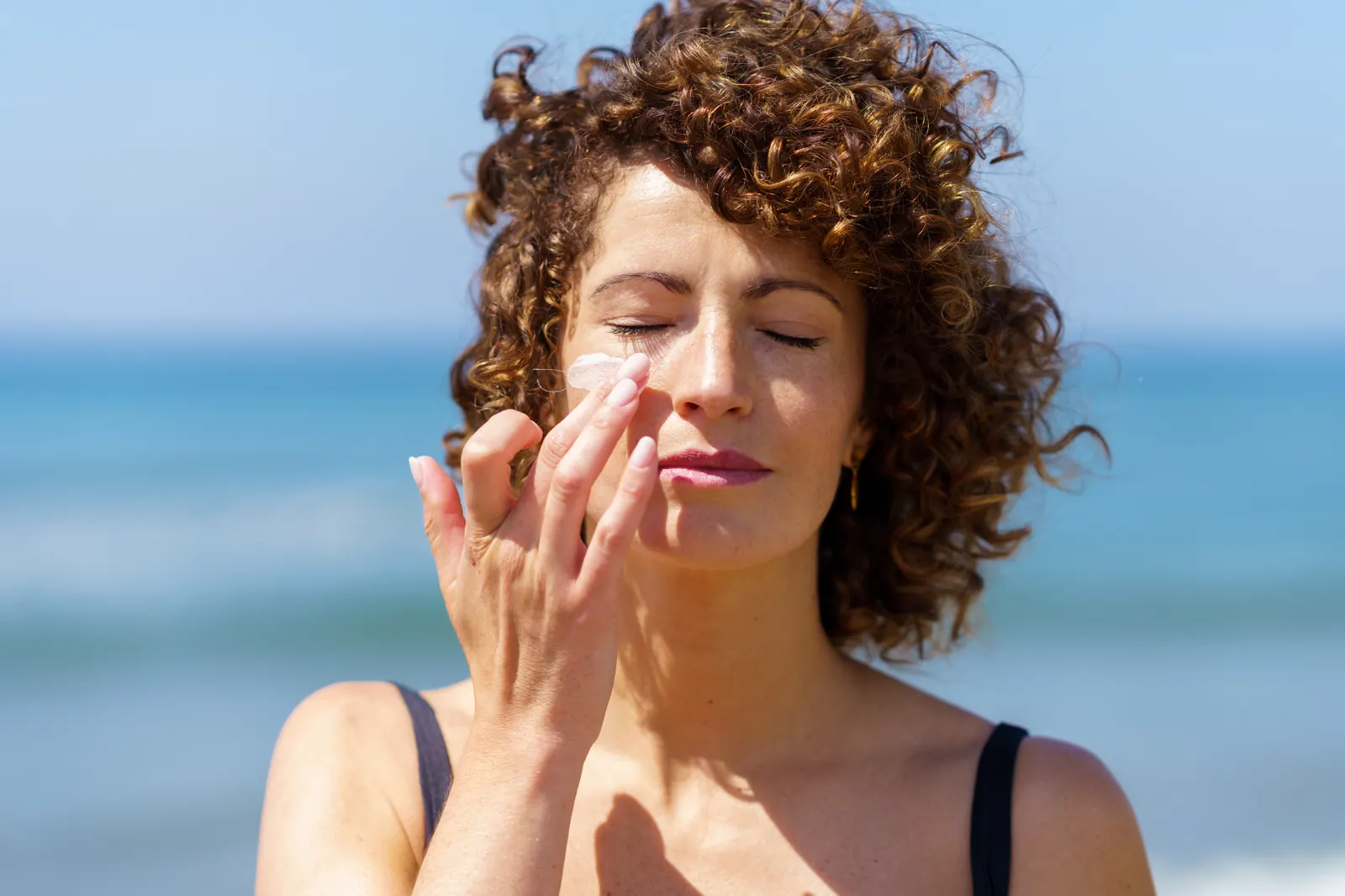 Sun Care & After-SunGreen Tea · Aloe Vera · Colloidal Oatmeal
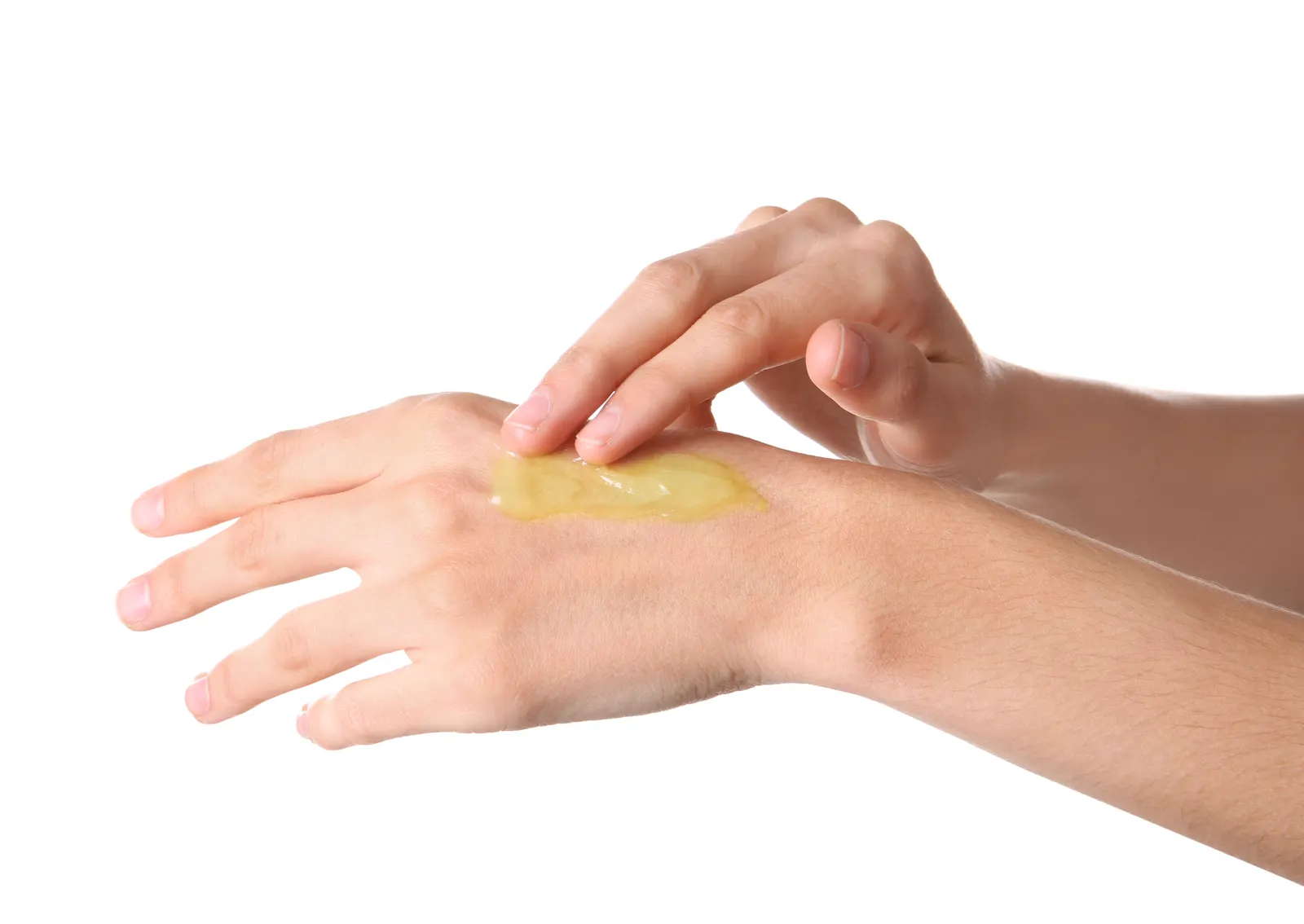 Scars, Wounds & Stretch MarksHoney · Aloe Vera · Centella Asiatica (Cica)
Daily rituals
Five to twenty minutes of care for skin, hair or body: what you need, the steps, and the small tips that make it work.
Today’s library pick
Write down a preference the recipient has actually expressed. Use that as the starting point for format, scent or gift type. If you do not know, a flexible option can be more thoughtful than guessing at a skincare need. Keep the original product information with any cosmetic you give.
Follow the reading pathA daily rotation of twelve evergreen lessons.
 Soak and Seal: The Three-Minute Rule for Eczema-Prone SkinMoisturize within three minutes of bathing, on still-damp skin. A simple winter habit for eczema-prone and very dry skin, with the evidence behind it.
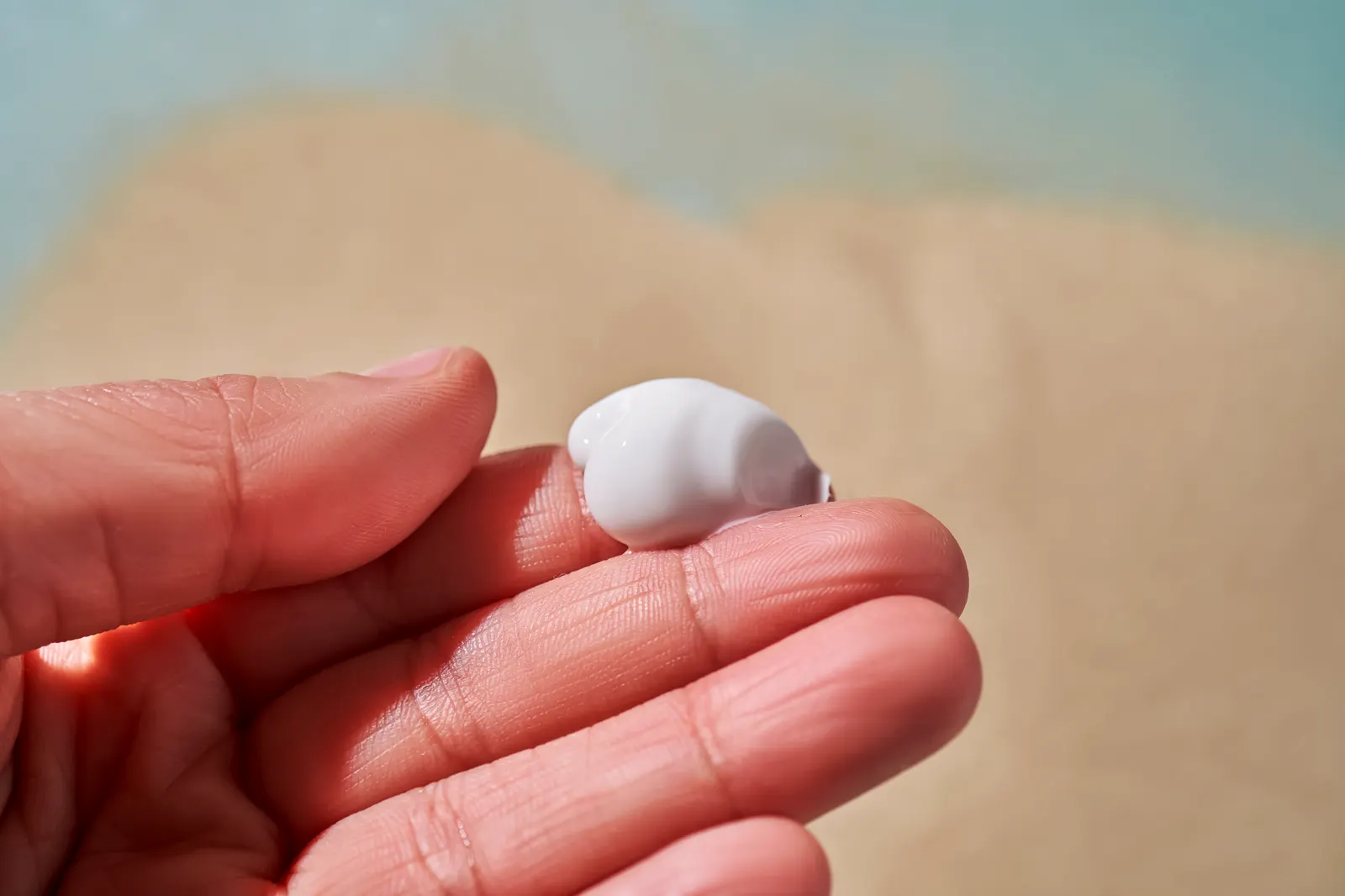 The Two-Finger Sunscreen Rule (and When to Reapply)Most of us apply a fraction of the sunscreen tested on the label. The two-finger rule fixes the dose for face and neck; here is how to reapply, too.
The seven-day reset
Follow a week of gentle habits and tick them off as you go. Your progress stays on your device.
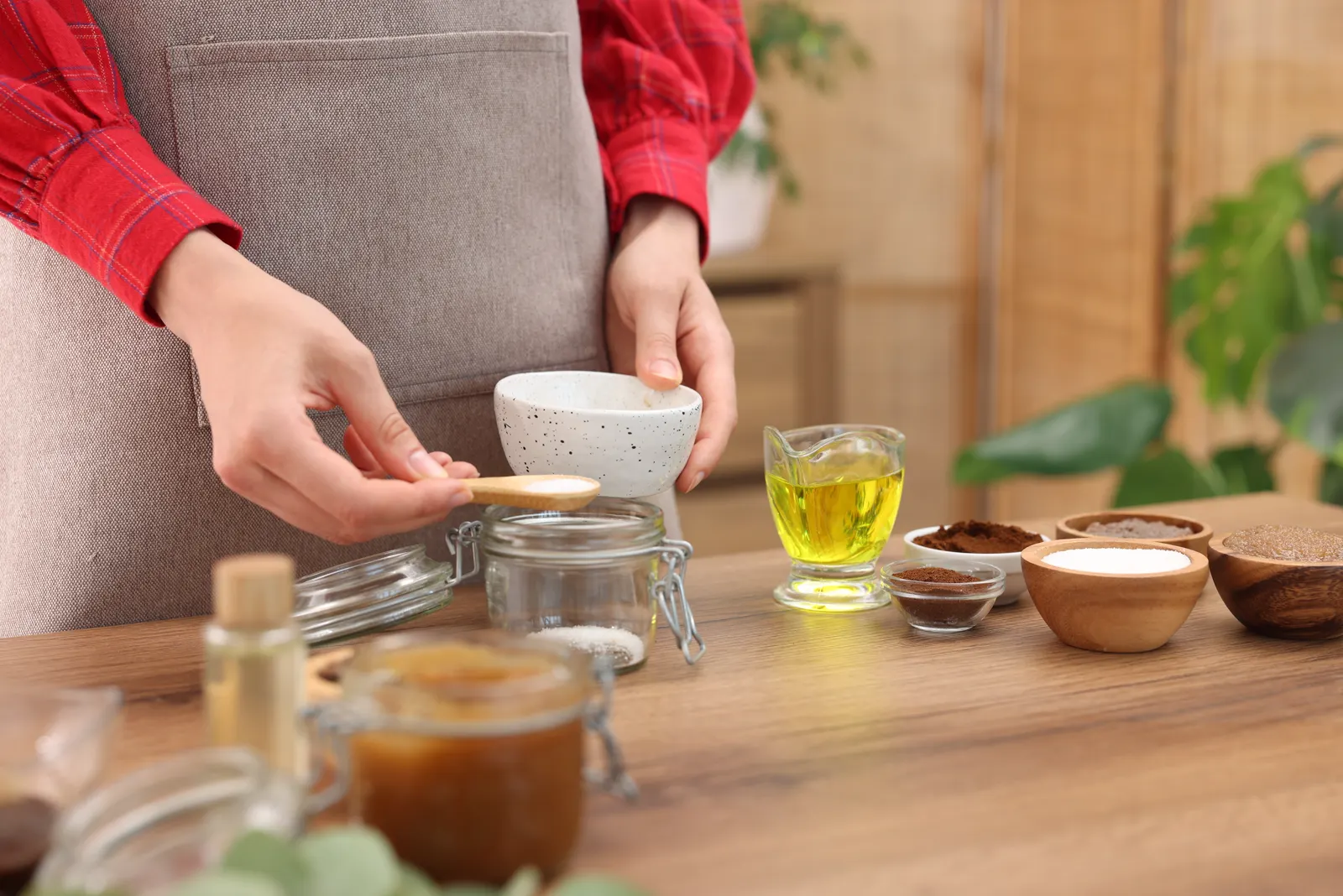
Botanical care you can try at home
Real recipes, written the way formulators write them: in grams, with a preservative where water is involved, and a patch test before anything touches your face. Start simple, then grow.
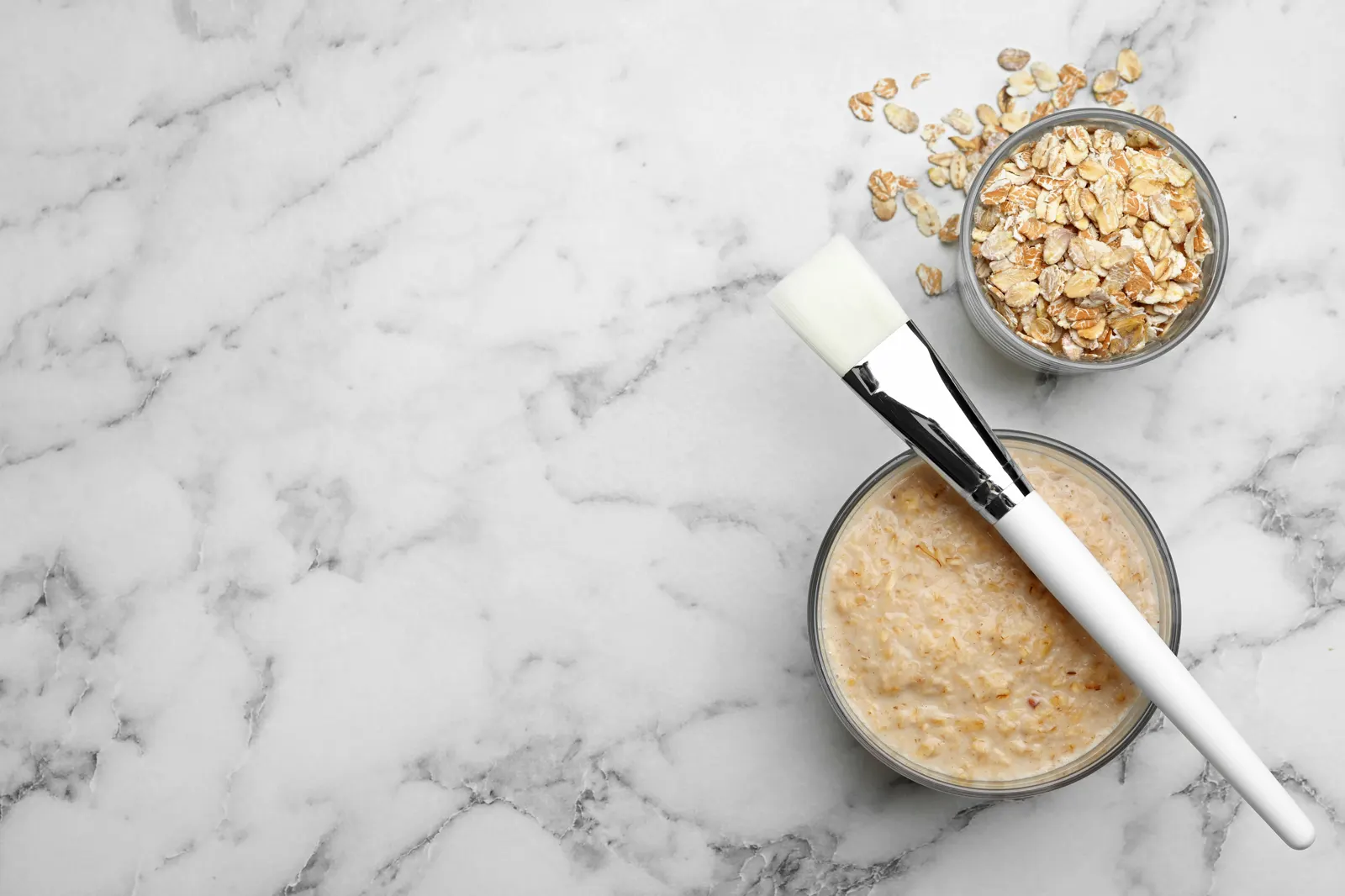 Mask · BeginnerCalming Oat & Chamomile MaskA soothing single-use paste of colloidal oatmeal, cooled chamomile tea, honey and aloe for skin that feels hot, tight or reactive.
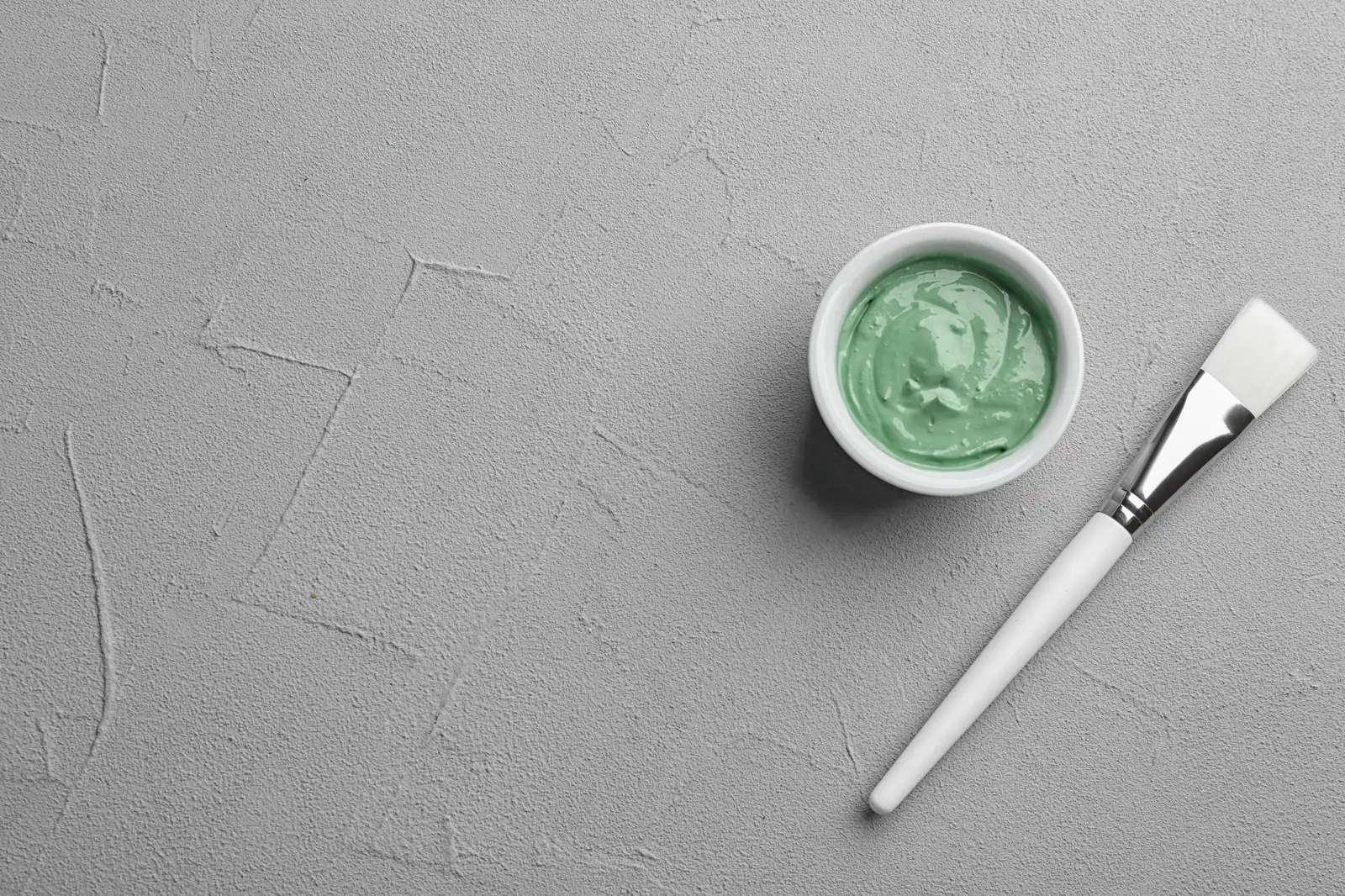 Mask · BeginnerMoroccan Rhassoul & Orange Blossom MaskRhassoul clay whipped with orange blossom water, argan oil and honey: the Moroccan way to cleanse and soften without squeaky tightness.
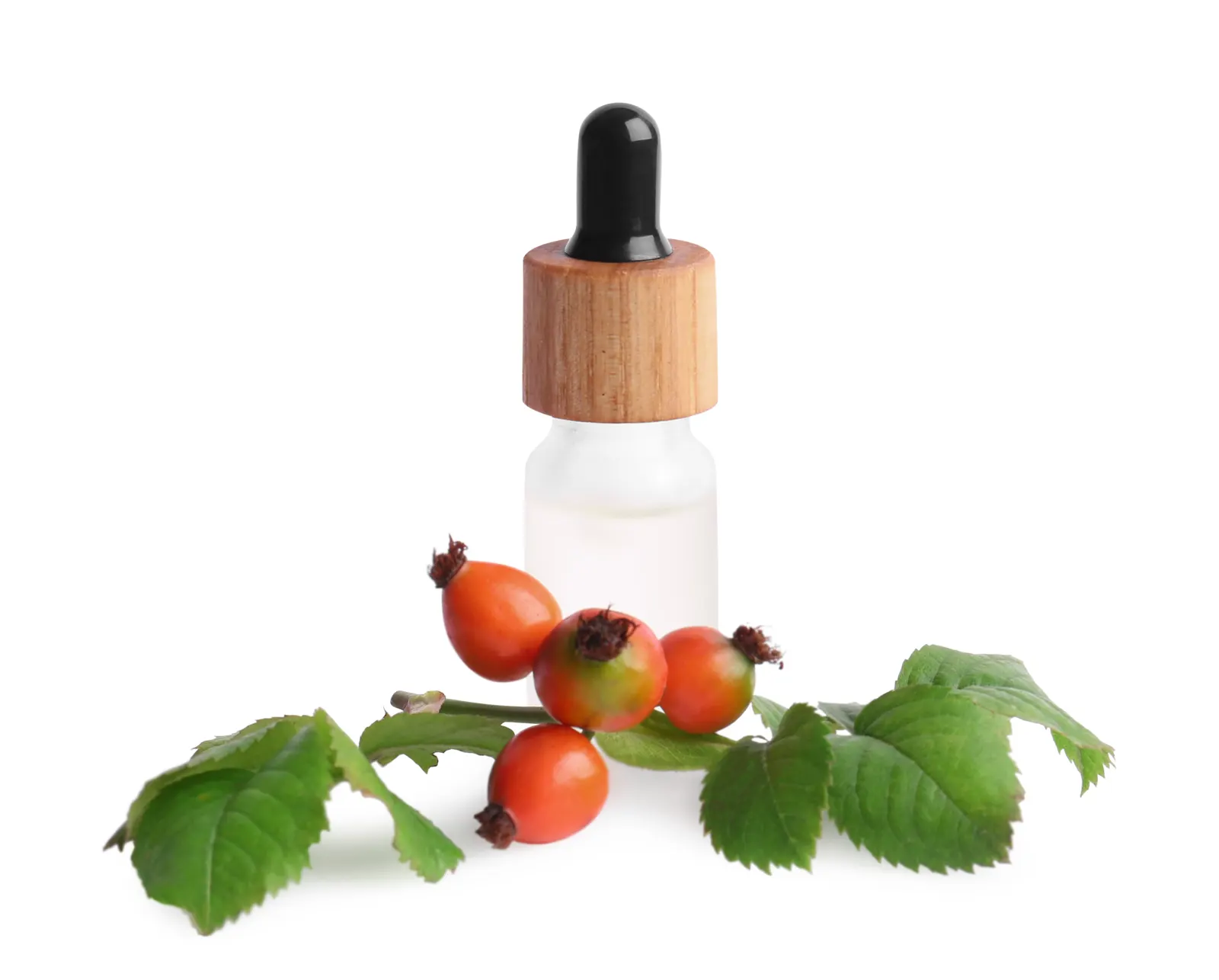 Face oil · BeginnerRosehip & Sea Buckthorn Glow OilA light face oil of rosehip, jojoba and squalane with a touch of sea buckthorn, protected with vitamin E. Three or four drops at night.
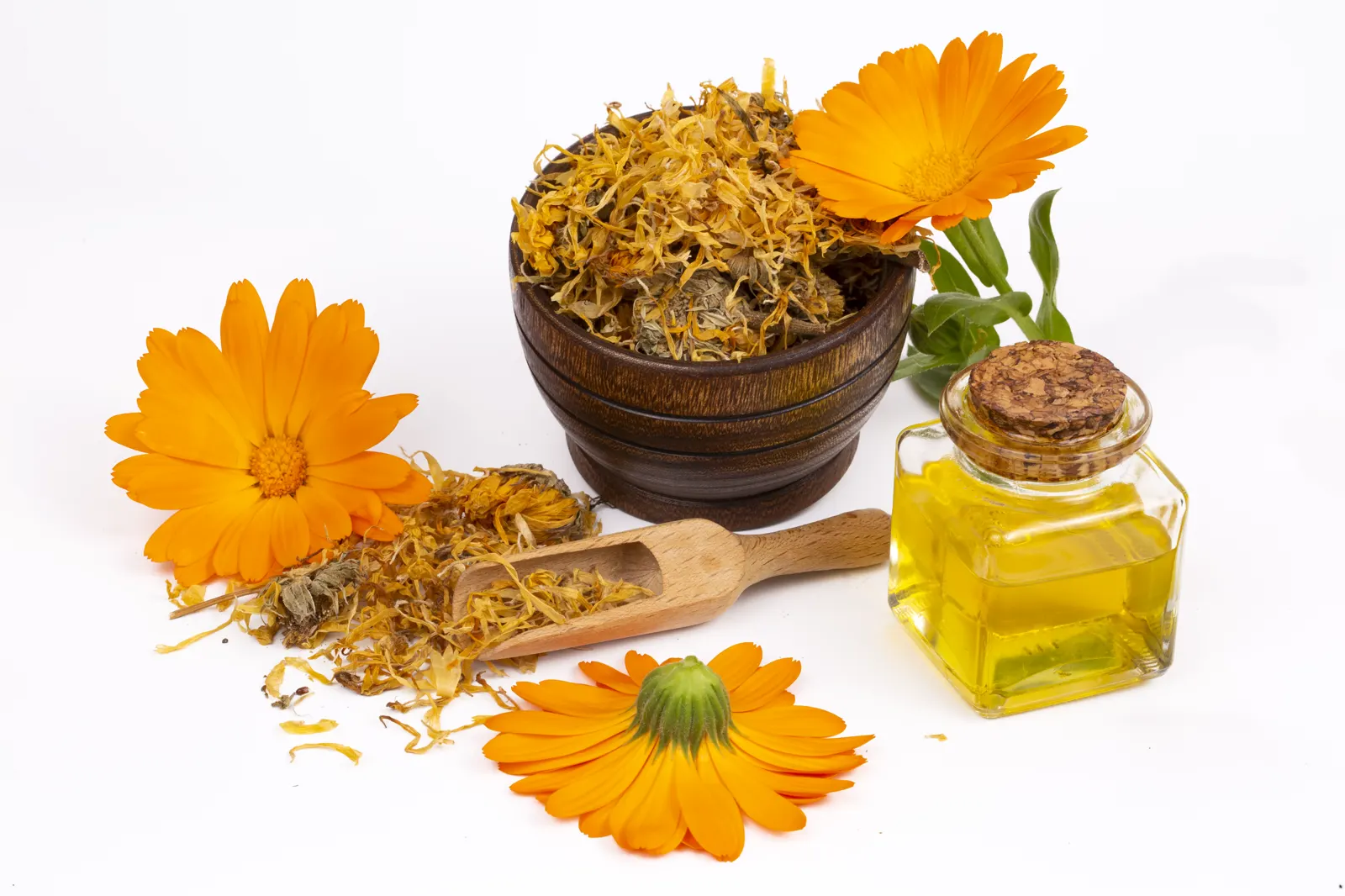 Balm · BeginnerCalendula Comfort BalmA rich, fragrance-free balm of calendula-infused oil, shea and beeswax for chapped hands, dry patches and minor scrapes once they have closed.
 Toner · IntermediateGreen Tea & Centella Soothing TonerA preserved, alcohol-free toner with green tea, centella, witch hazel and panthenol to hydrate and calm, formulated to pH 5.0–5.5.
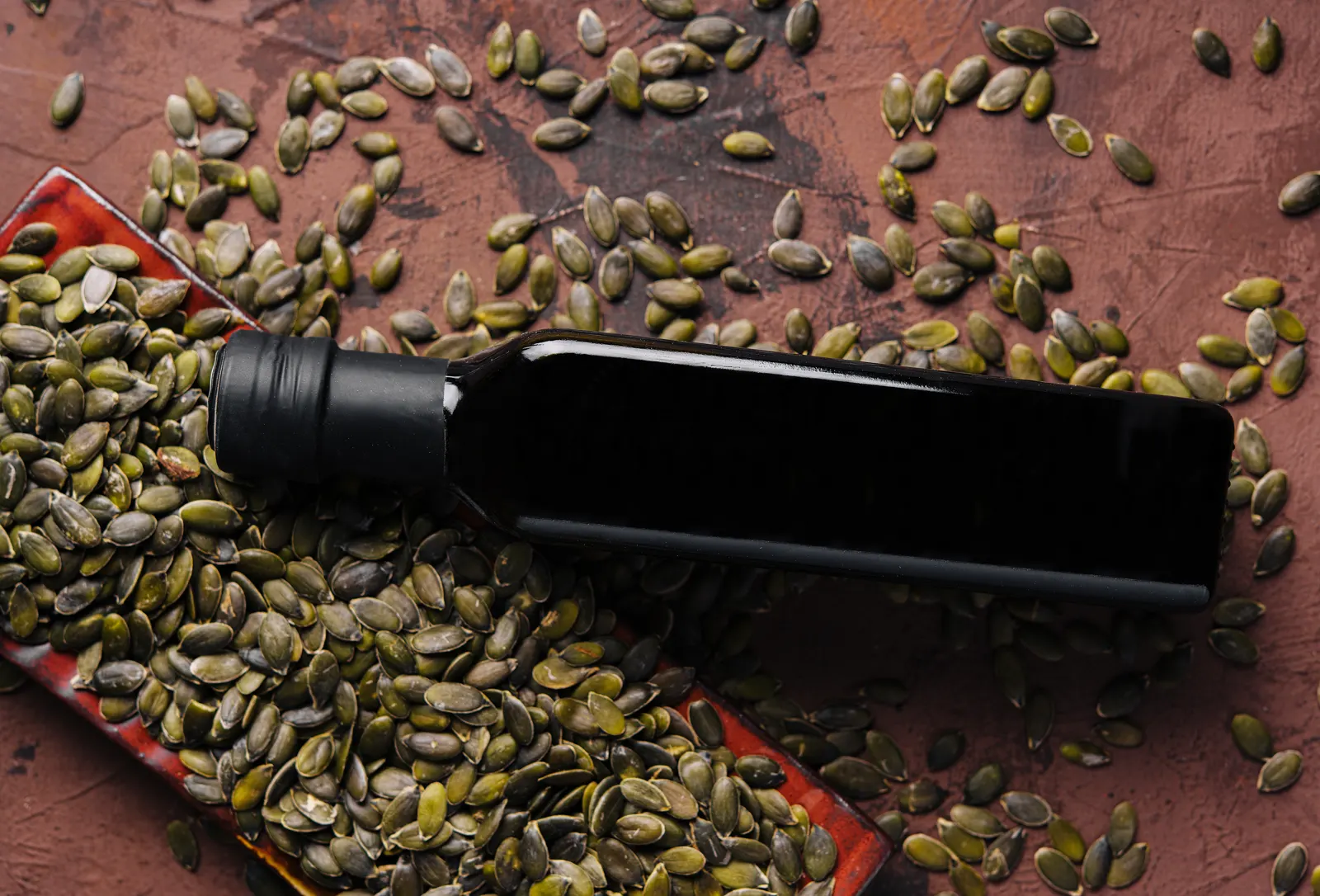 Hair care · BeginnerRosemary & Pumpkin Seed Scalp OilA pre-wash scalp massage oil with 2% rosemary essential oil in pumpkin seed, jojoba and argan oils — a supportive ritual, not a medical treatment.
World traditions
Every culture has its beauty secrets. Explore 10 apothecaries, from Ayurvedic oils and East Asian essences to bathhouse rituals, African butters and European herbals: the plants each tradition loves, the rituals around them, and what modern research adds.
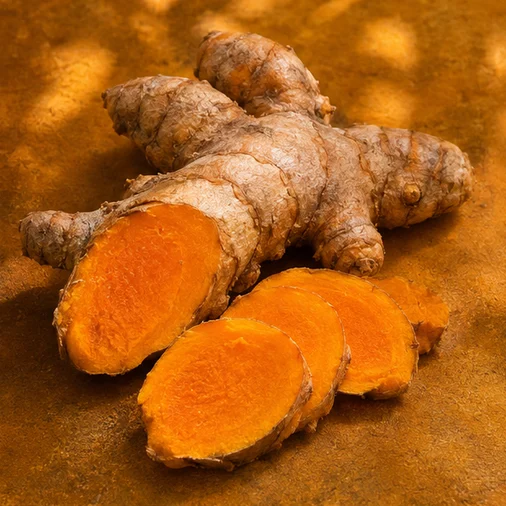 India & South Asia
Turmeric, neem, amla and the art of oiling
China, Japan & KoreaTea, camellia, rice and the culture of layers
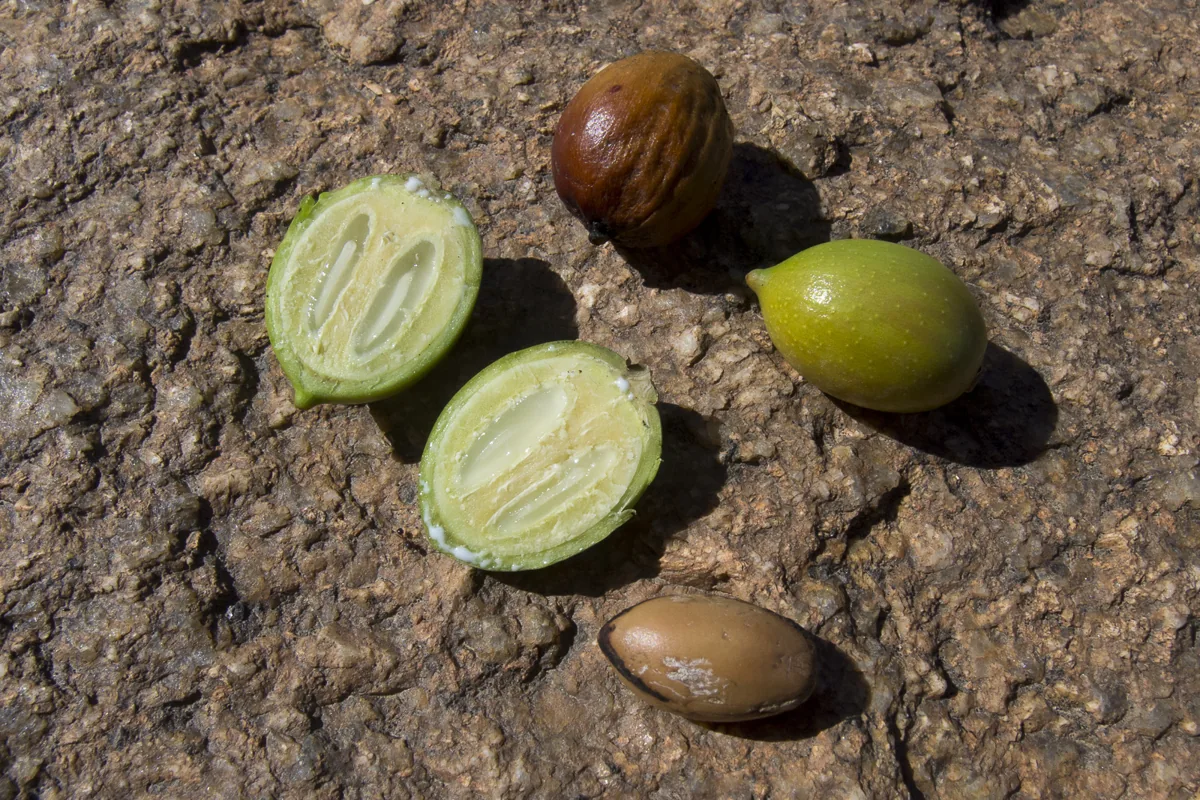 North Africa & the Middle East
Clay, steam, flower waters and argan
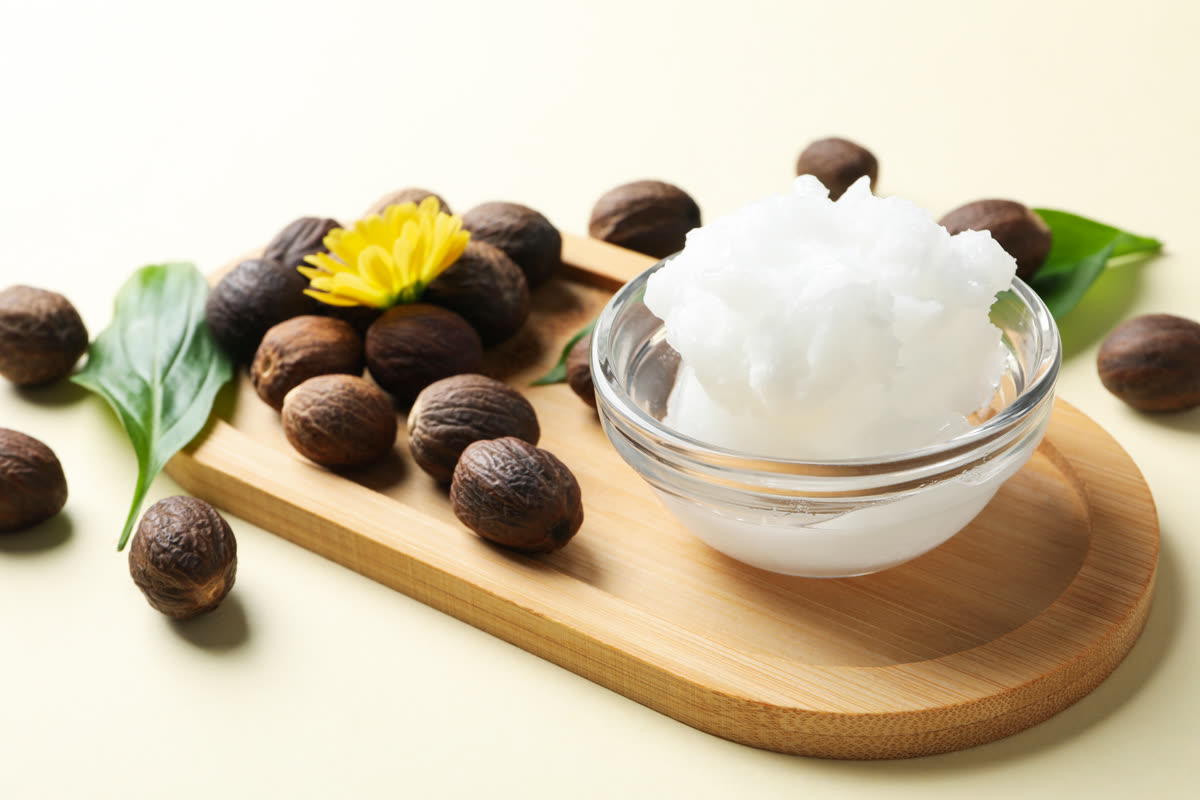 West, East, North & Southern Africa
Shea, marula, baobab and the women who make them
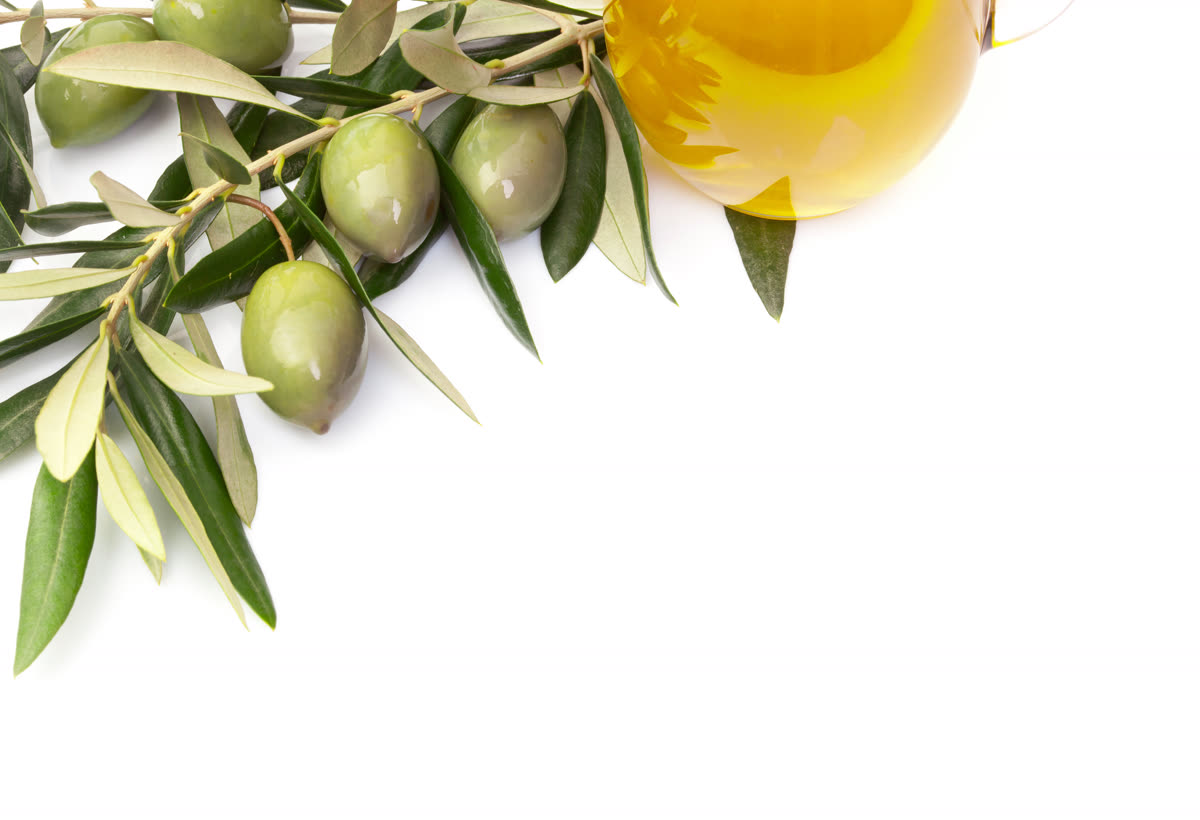 Andalusia & southern Spain
Orange blossom, olive, almond and the scent of the sierra
Europe & the North AtlanticCalendula, chamomile, lavender and the monastery garden
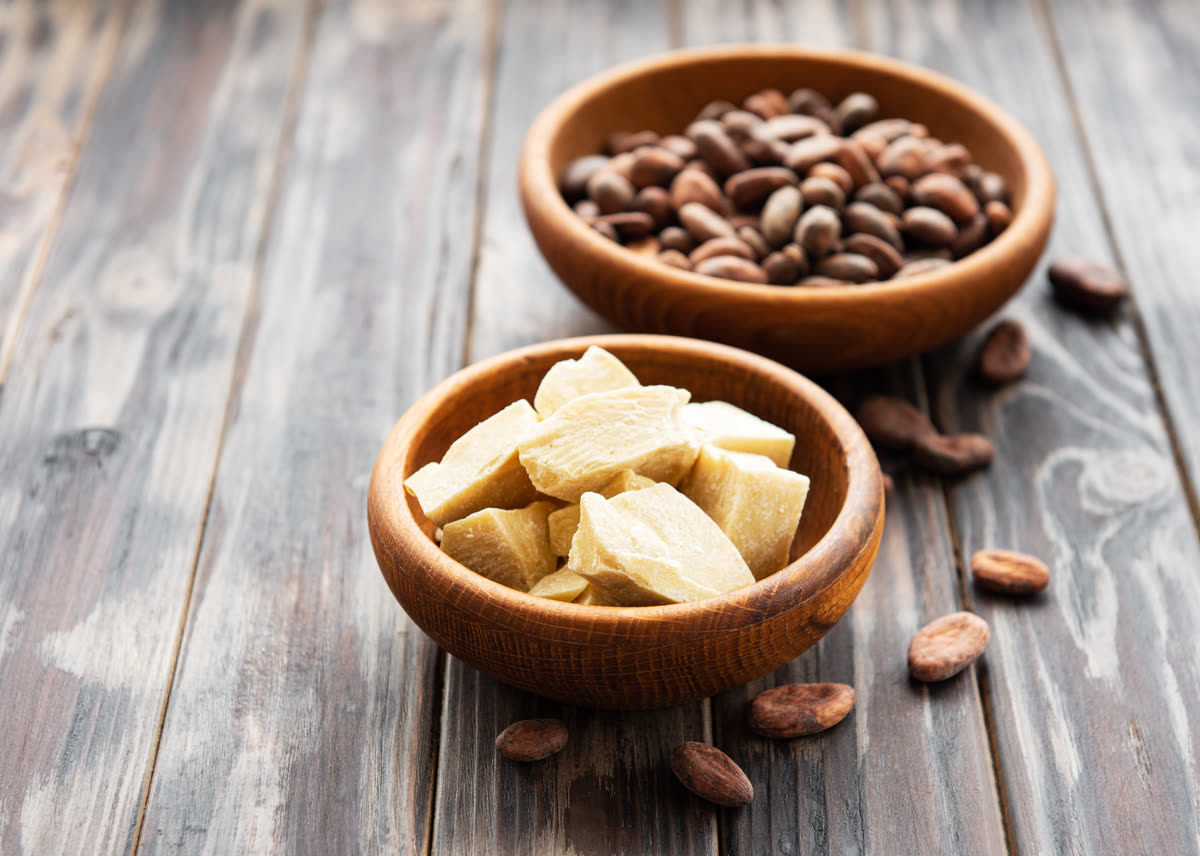 Mexico, Central & South America and the Caribbean
Cacao, avocado, aloe and the butters of the Amazon
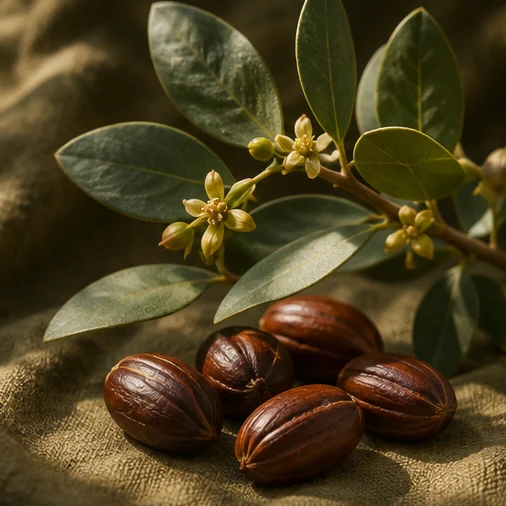 The United States, Canada & northern Mexico
Jojoba, witch hazel, sunflower and evening primrose
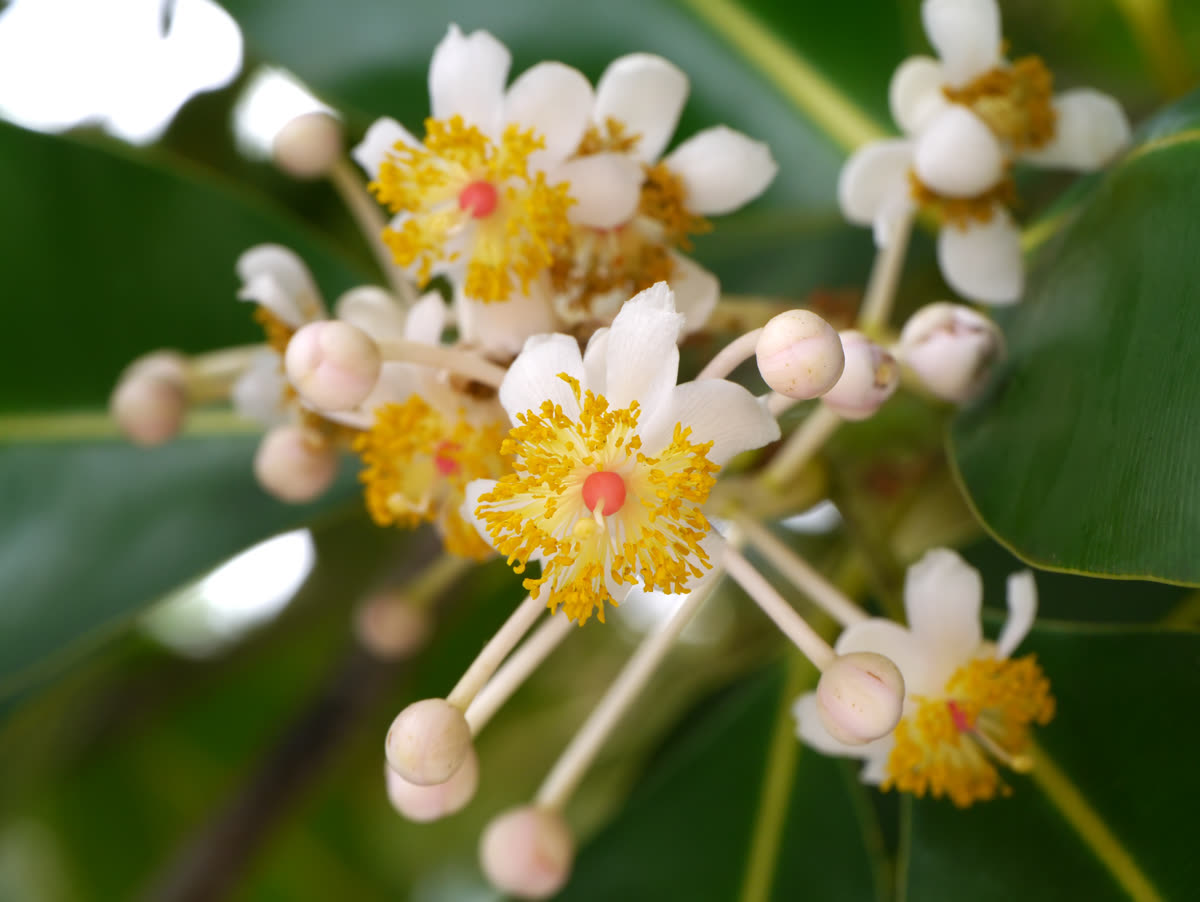 Polynesia, Melanesia, Australia & New Zealand
Tamanu, monoi, kakadu plum and mānuka
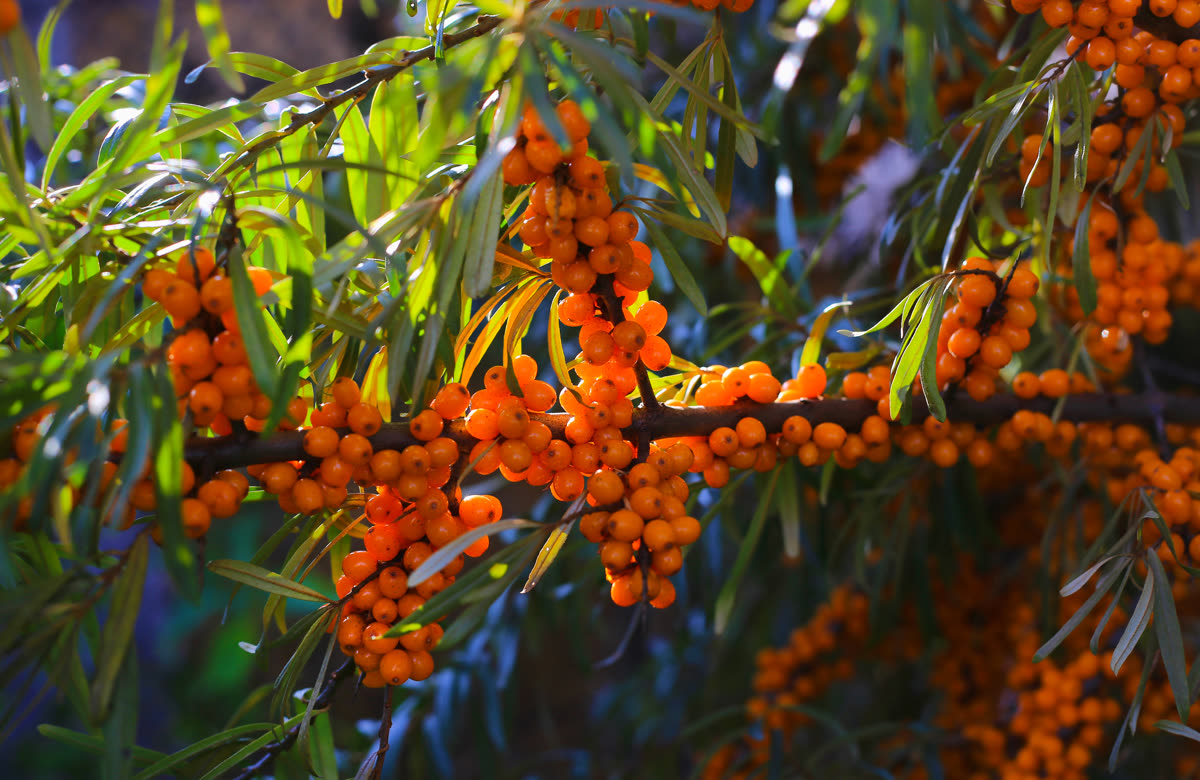 Finland, Sweden, Norway, Denmark & Iceland
Sauna, birch, sea buckthorn and berry seed oils
The magazine
Seasonal edits, beauty traditions, kitchen-garden ideas and conversations with the people who grow, make and study our favorite plants.
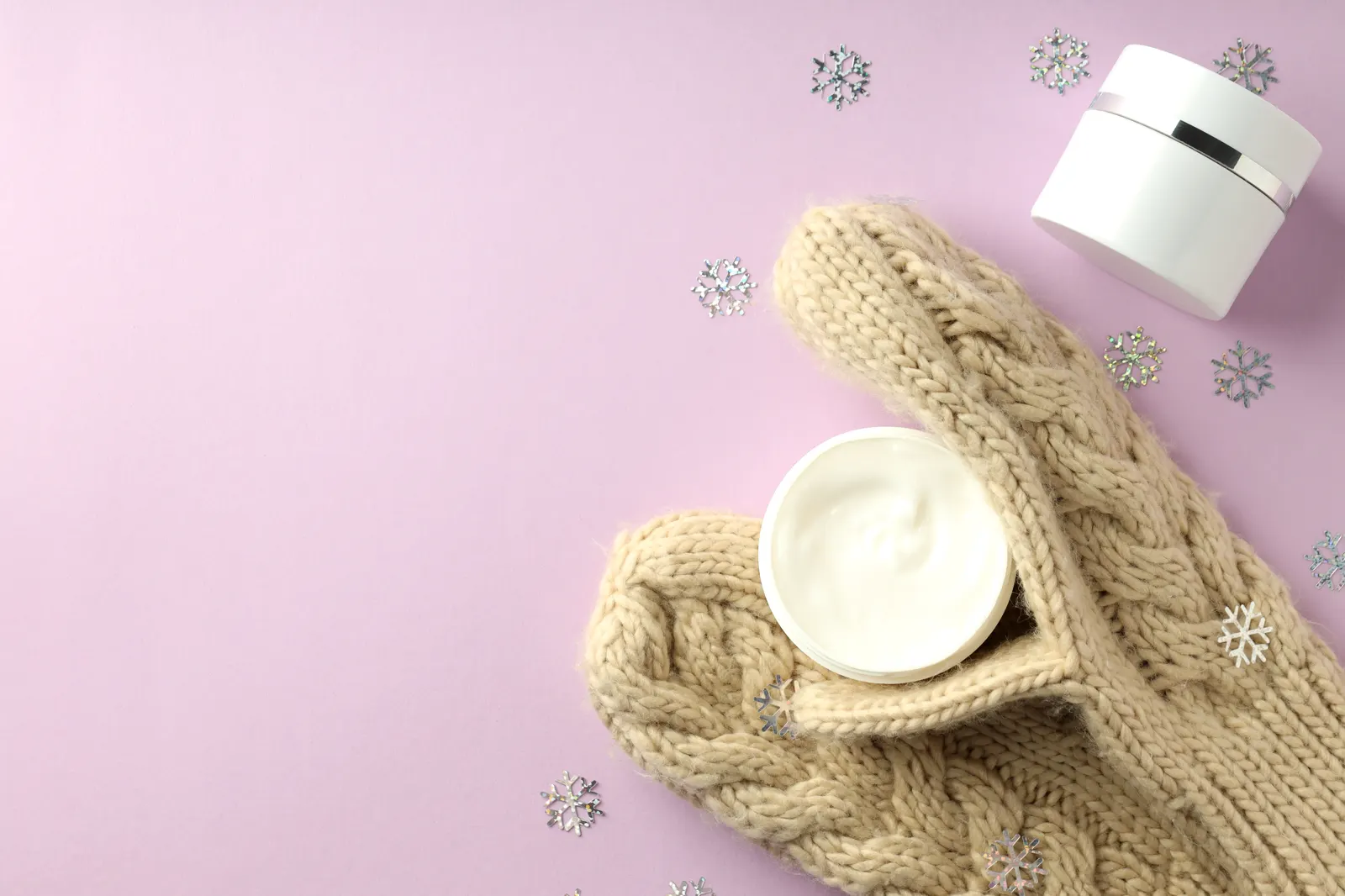 Seasonal living · 6 minA Winter Skin Plan, Week by WeekCold air outside, dry heat inside: a calm, four-week plan to keep skin soft, lips whole and hands comfortable until spring.
 Self-care & wellbeing · 6 minThe Ten-Minute Evening That Changes Your Skin and Your SleepA short, unhurried wind-down for the end of the day: clean skin, a little oil, softer light and a calmer mind before bed.
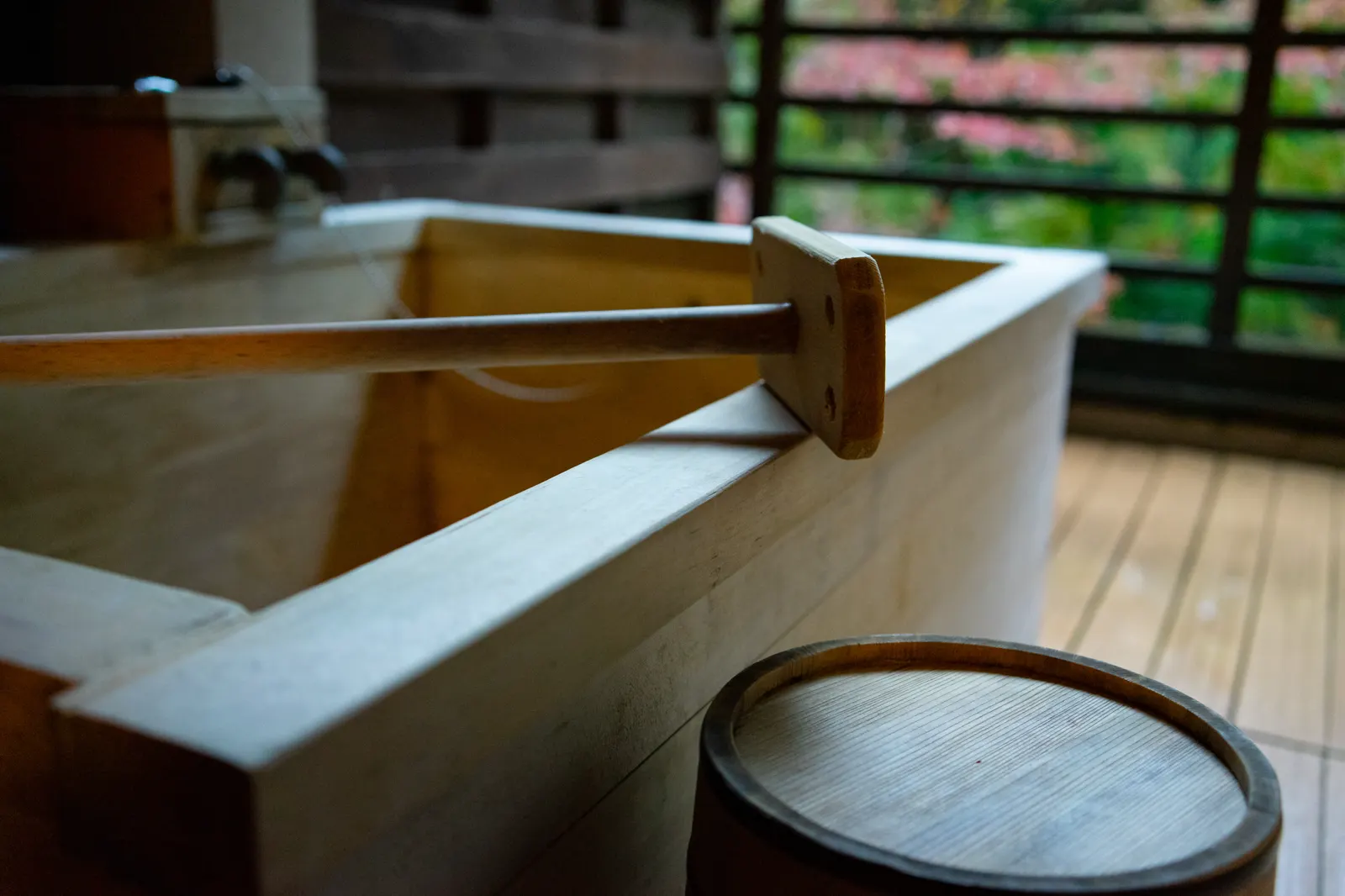 Rituals of the world · 6 minBathing Around the World: From Hammam to Onsen to SaunaSteam, hot springs and cedar heat: what the world’s great bathing traditions share, and how to borrow their best ideas at home, safely.
Explore by theme
The journal
Friendly investigations of real shelves and the studies behind popular claims, so you can choose with confidence.
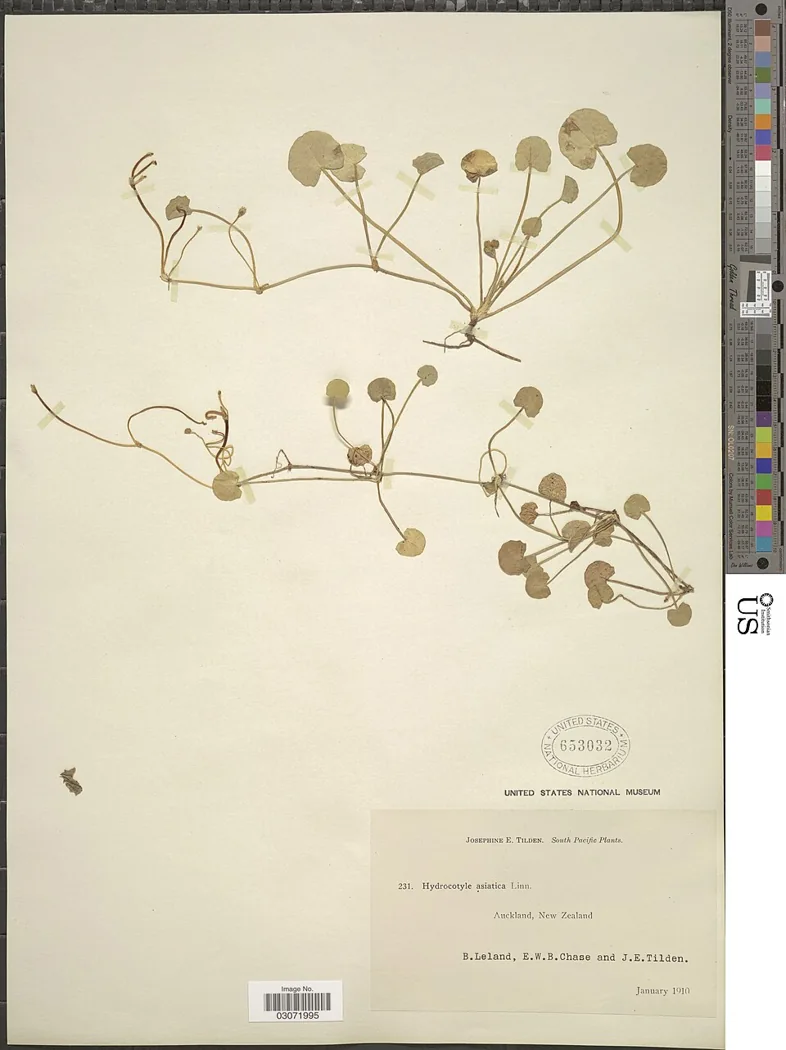 Investigations · 3 minWhat does cica mean on Spanish shelves?A dated label investigation of products listed for sale in Spain. See which formulas declare a Centella extract, a named constituent, both, or neither.Investigations · 4 minMoroccan argan: follow the kernel, not just the storyA practical sourcing guide from fruit to cosmetic formula, with questions about processing, traceability and who benefits.
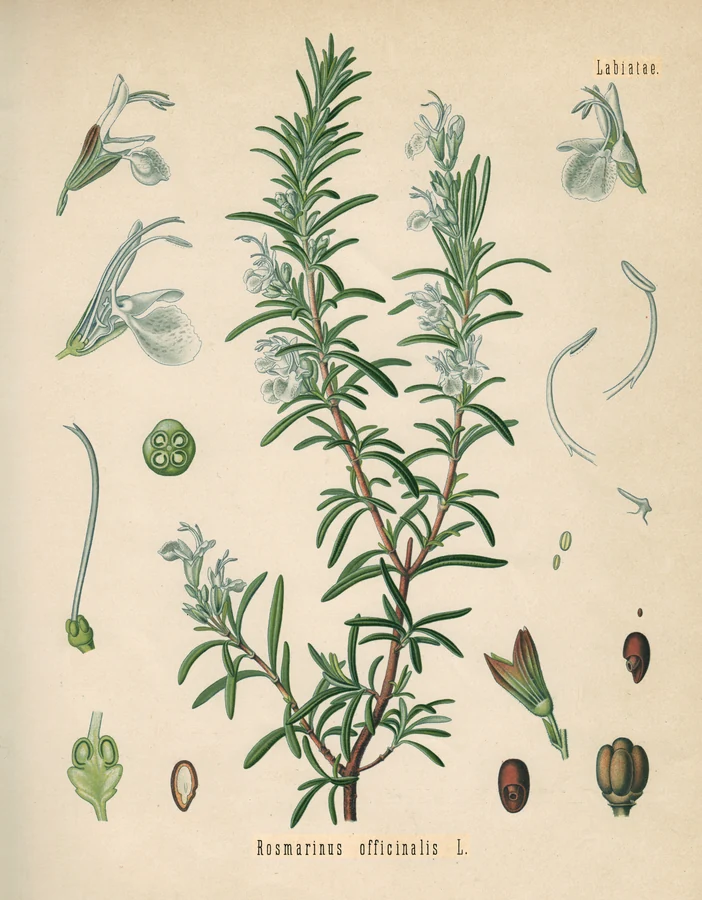 Investigations · 3 minRosemary oil and hair growth. Read the trial behind the claimThe frequently cited study followed 100 men for six months. Its numbers tell a narrower story than a claim about rosemary water, a shampoo or equivalence to minoxidil.
Everything in one place
Take the free course, play the plant quizzes, scan a label with your phone or look up the plant that fits your concern. You never need to leave.
Smart little helpers
Look up unfamiliar names, compare two plants or work out what each pack really costs per 100 mL or 100 g.
Which one is right for you?
The comparisons readers ask for most, with a clear answer for every skin.
The Botanical Briefing
Short, dated notes that help you shop and care a little smarter every week.
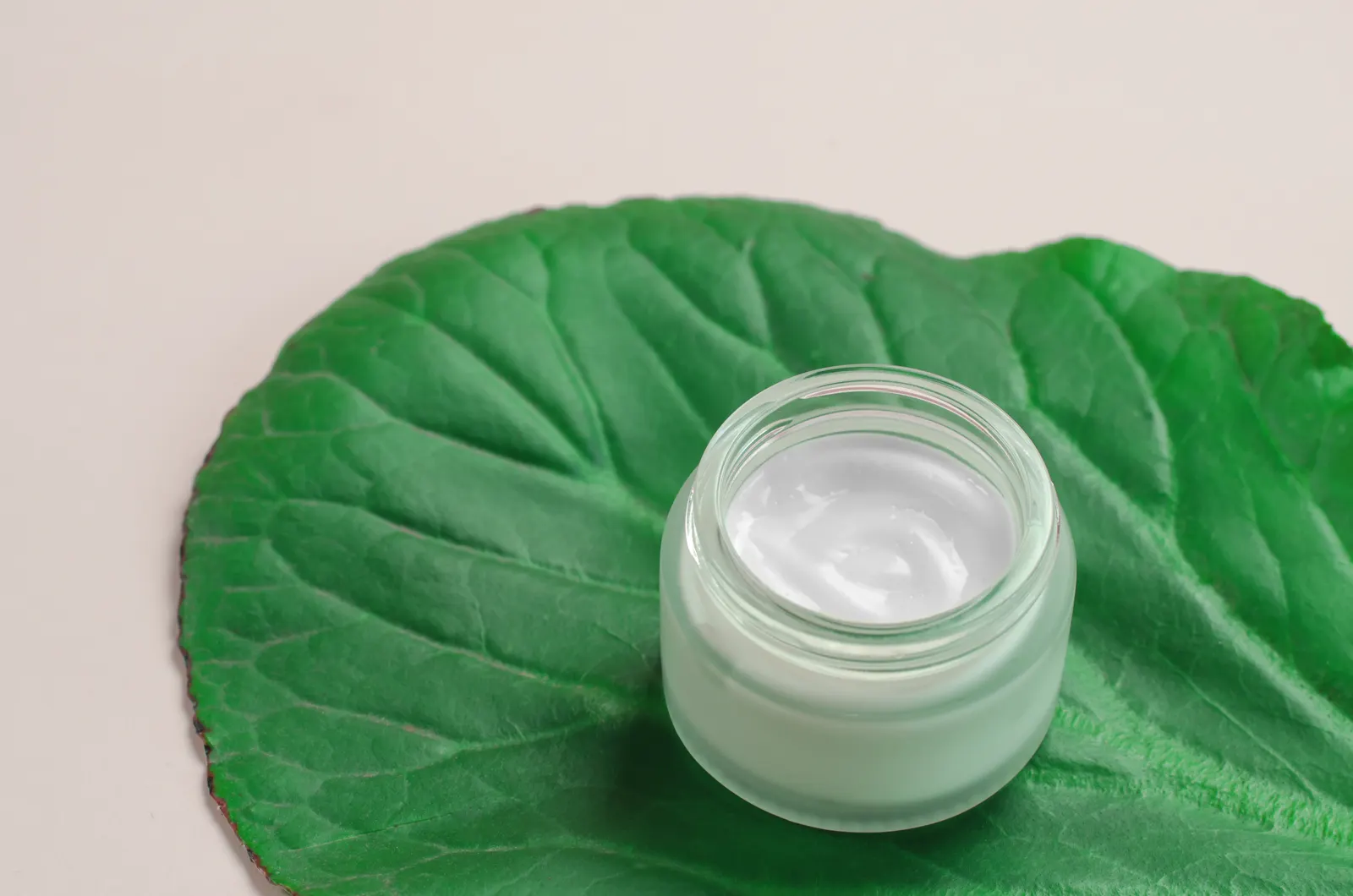 Botanical Briefing · 1 minRead the whole cica labelOne word on the front can lead to several ingredients on the back. Here’s how to read a cica label against the study that gets cited.
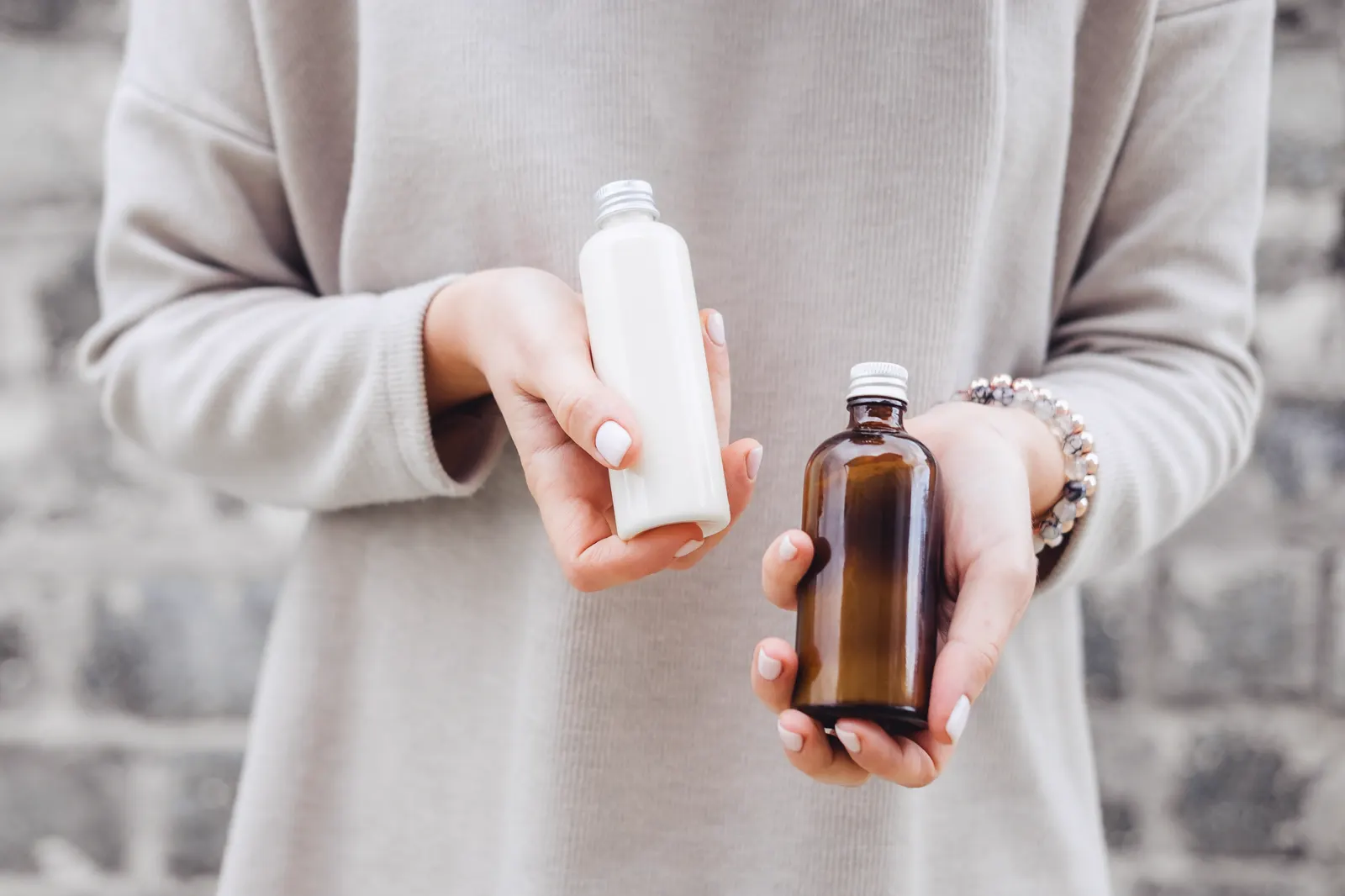 Botanical Briefing · 1 minOne name, two ingredient listsA cica balm makes a useful case study in how the same product name can lead to different online labels.
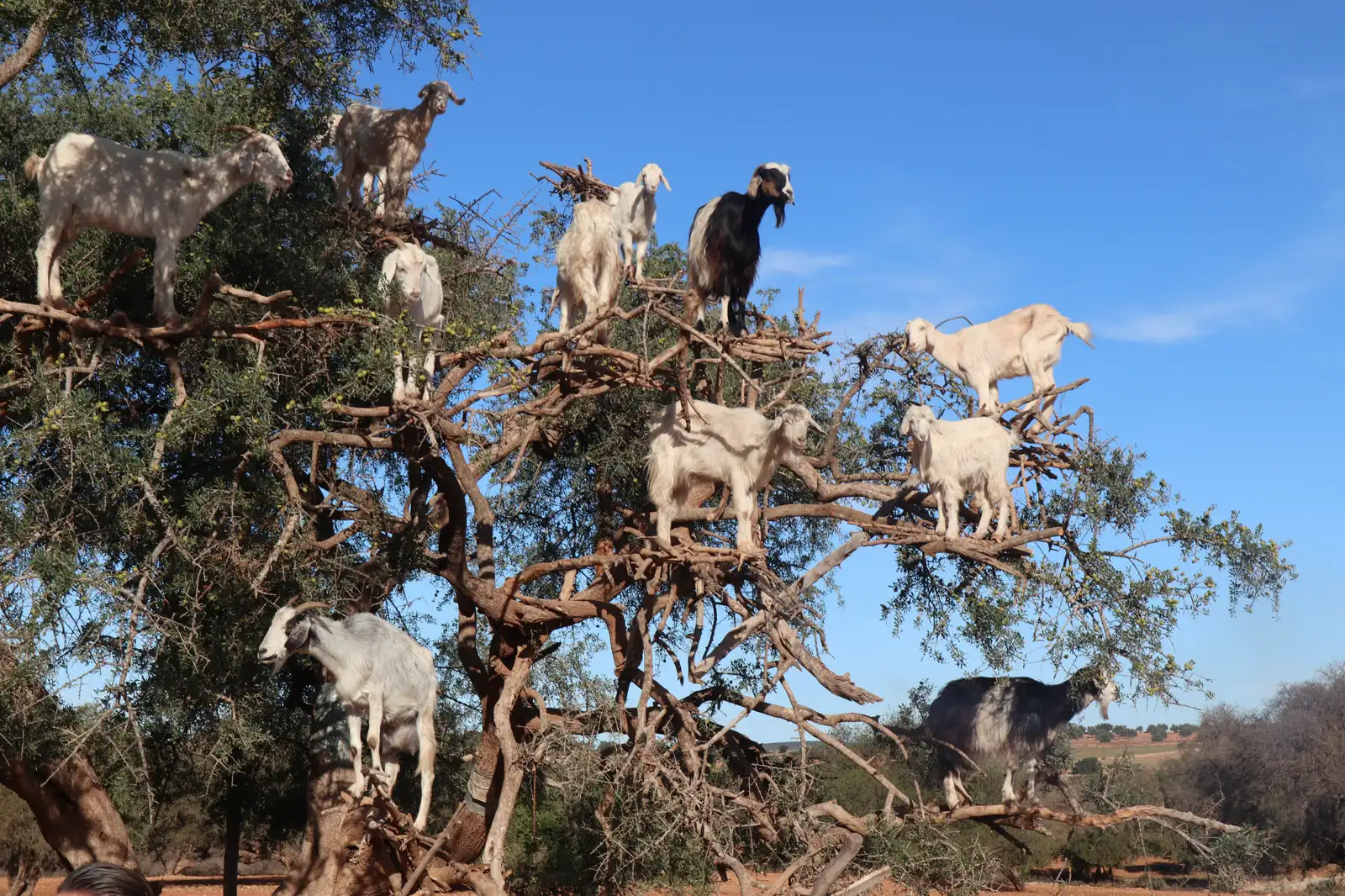 Botanical Briefing · 1 minWhat an argan origin claim can documentFollow a single ingredient from a kernel to the cosmetic bottle, one document at a time.
Your shelf
Save plants, recipes and rituals as you browse. They stay on this device, ready for your next visit, and you can export them any time.
The Academy
From your first balm to a product line ready for market: certificates in botanical formulation, essential oil safety and hair care.
Explore coursesMembership
Printable monographs, saved formulas, cost sheets and a monthly live session with a formulator.
See the plansThe beauty library
Shopping guides, printable worksheets and learning resources for a calmer, smarter routine.
Explore the libraryShop
The formulary, herbarium cards, cost templates and curated kits from vetted suppliers.
Visit the shopFor brands & professionals
Data licensing, formulation and regulatory consulting, vetted supplier listings and clearly labeled placements.
Partner with us