Does it work?
Honey for Scars, Wounds & Stretch Marks
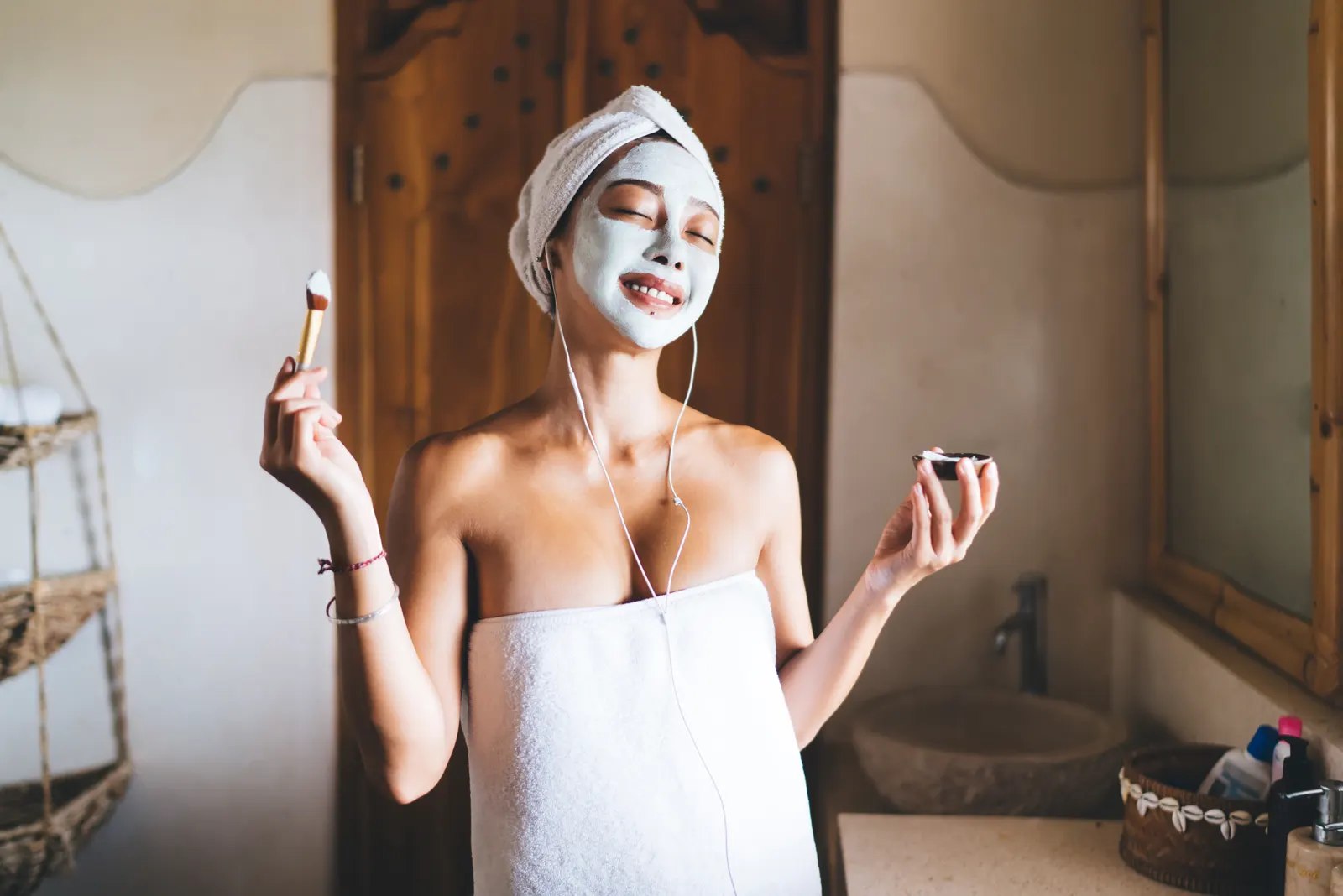
A spoonful of raw honey is one of the simplest, loveliest masks there is: skin feels soft, plump and comforted.
The short answer: Systematic reviews suggest sterile, medical-grade honey dressings heal partial-thickness burns faster than some conventional dressings, though trial quality varies; kitchen honey is not for open wounds.
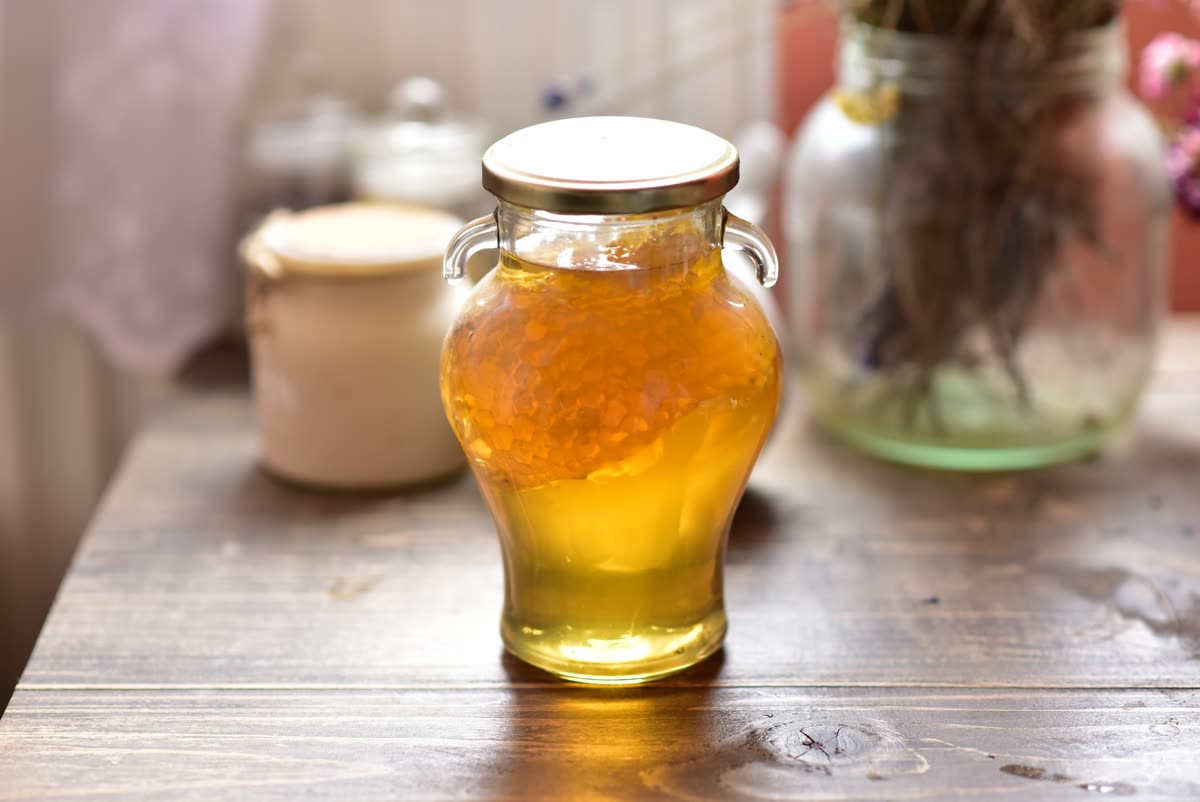
What Honey can do for Scars, Wounds & Stretch Marks
Honey is a supersaturated sugar solution made by bees that has been used on skin for thousands of years. In skin care it is a soothing, humectant mask and gentle cleanser; in medicine, sterilized medical-grade honey dressings have reasonable evidence for healing partial-thickness burns. A randomized trial in rosacea was positive, but one in acne was not — and kitchen honey should never be used on serious wounds.
Why people reach for it
- Humectant hydration. Sugars attract and hold water in the upper skin layers, leaving skin soft and plump after a mask.
- Wound healing (medical-grade only). Sterile, standardized honey dressings help partial-thickness burns heal faster than some conventional dressings — under medical supervision.
- Calming for rosacea. A medical-grade kanuka honey cream improved rosacea more than a control cream in a randomized trial.
- Gentle cleanser and mask base. Rinses off easily and pairs well with oats or turmeric in fresh masks.
How to use it
Try it today
A simple honey mask
- If you react to bee products, patch test on your inner arm first.
- Spread 1–2 teaspoons of raw honey over clean, damp skin.
- Relax for 10–20 minutes, rinse with warm water, and discard any honey you mixed with other ingredients.
| Form | Typical use | Notes |
|---|---|---|
| Face mask | 1–2 teaspoons raw honey, alone or in a fresh mask | Apply to clean, damp skin for 10–20 minutes and rinse with warm water; see Turmeric & Honey Glow Mask. |
| Cleanser | A teaspoon massaged onto damp skin | Rinses easily; see Honey & Oat Gentle Cleanser. Make fresh each time. |
| In formulations | 1–10% as a humectant | Needs a broad-spectrum preservative in any water-containing product; see DIY Safety: Water, Microbes & Preservatives. |
| Wounds and burns | Medical-grade honey dressings only | Use under the guidance of a doctor or nurse; never kitchen honey on deep, large or infected wounds. See Scars, Wounds & Stretch Marks. |
Recipes with Honey
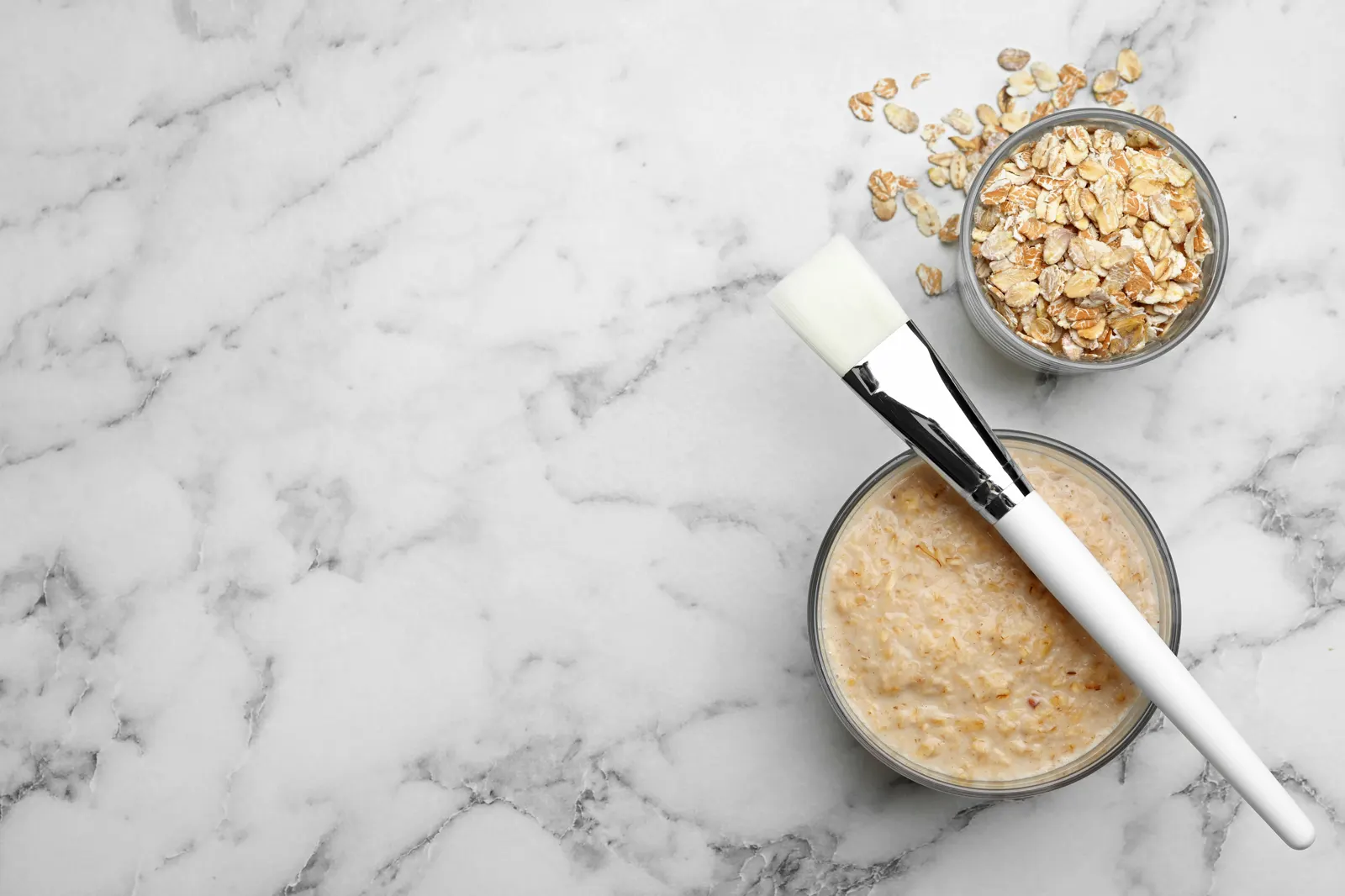 Mask · BeginnerCalming Oat & Chamomile MaskA soothing single-use paste of colloidal oatmeal, cooled chamomile tea, honey and aloe for skin that feels hot, tight or reactive.
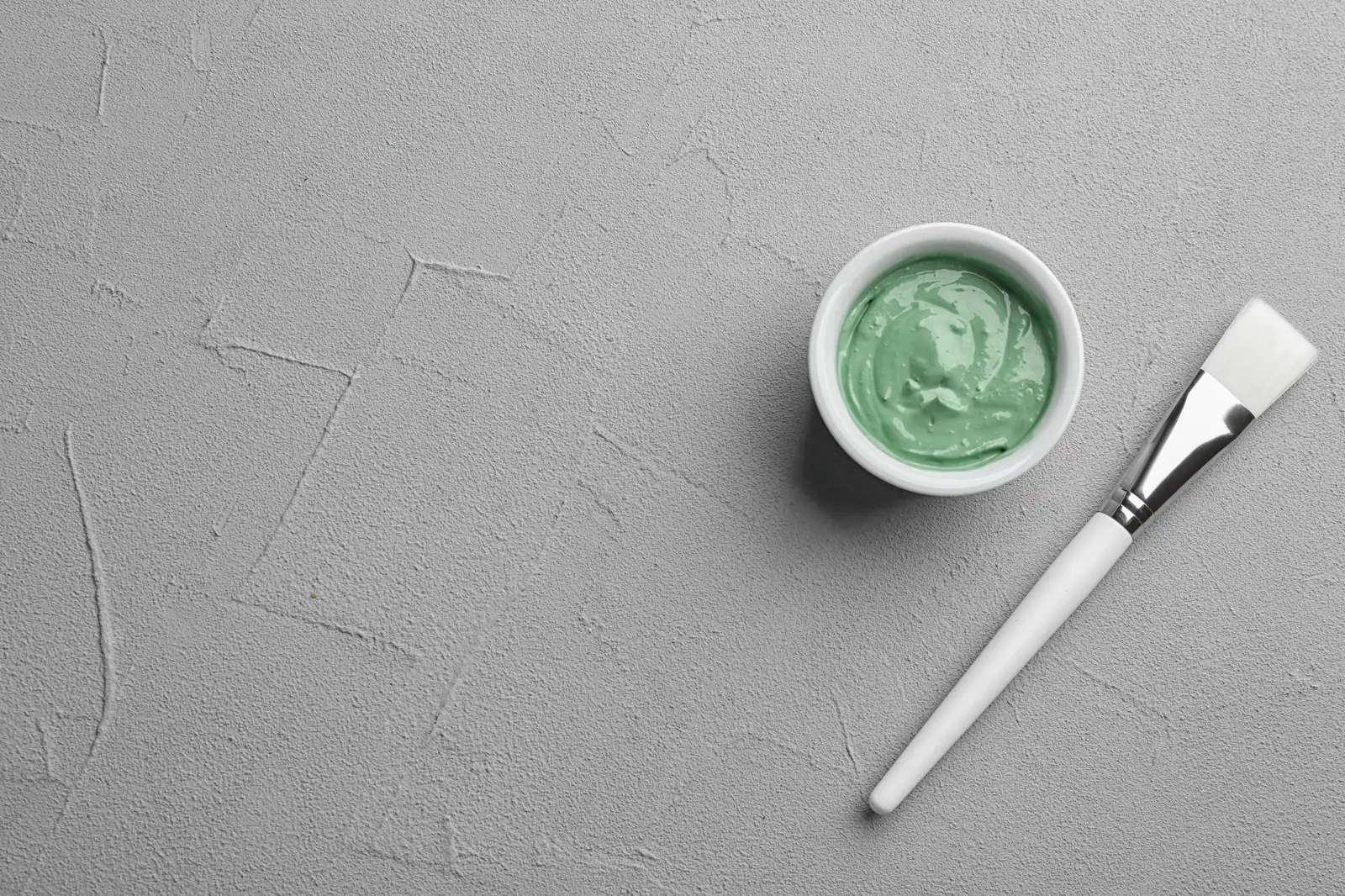 Mask · BeginnerMoroccan Rhassoul & Orange Blossom MaskRhassoul clay whipped with orange blossom water, argan oil and honey: the Moroccan way to cleanse and soften without squeaky tightness.
Daily rituals with Honey
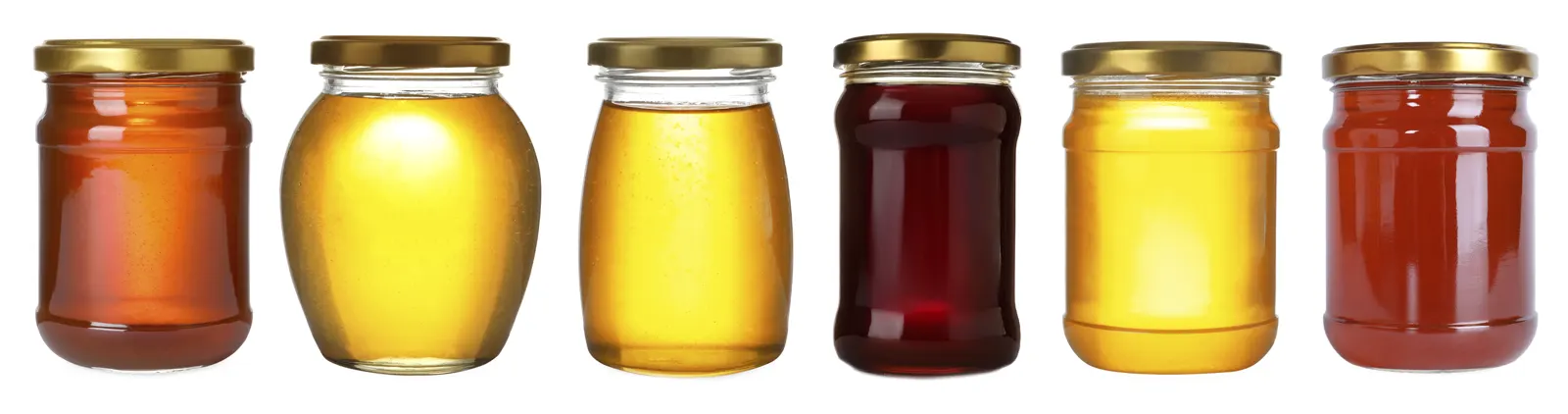 The Honey Mask: Medical-Grade or Supermarket Jar?A weekly honey mask for dry, dull or redness-prone skin, and the honest difference between medical-grade honey and the jar in your kitchen.
 A Weekly Rhassoul Reset for Oily SkinA once-a-week Moroccan rhassoul clay mask for oily and combination skin, with the winter rule that keeps it from over-drying.
Use it safely
- Do not use kitchen honey on deep, large or infected wounds or burns — see a clinician; medical-grade honey is sterile and standardized.
- Bee-product allergies exist; reactions to honey are rare, but propolis and pollen contaminants are more allergenic. Patch test if you react to bee products.
- Never give honey by mouth to infants under 12 months (risk of infant botulism); keep honey masks away from babies’ mouths.
- Medical honey dressings can sting briefly on application.
- Honey diluted with water spoils: mix masks fresh and preserve any aqueous product.
Pregnancy and breastfeeding: Topical honey is safe in pregnancy and breastfeeding.
New to an ingredient? Patch test first.
When to see a doctor
- Signs of infection: spreading redness or warmth, red streaks, increasing pain or swelling, pus, a bad smell, or fever.
- Deep, gaping or long cuts, wounds on the face, hands or joints, or bleeding that does not stop with 10 minutes of firm pressure — stitches work best within hours.
- Animal or human bites, puncture wounds, dirty wounds, or if your tetanus vaccination is not up to date.
- Burns larger than your palm, or any burn on the face, hands, feet, genitals or over joints, or with white, leathery or charred skin.
- Wounds not healing within two weeks, especially if you have diabetes, poor circulation or a weakened immune system.
- A scar that keeps growing beyond its edges, is painful or itchy (possible keloid), or an old scar that ulcerates, bleeds or changes.
- New, wide purple stretch marks together with weight gain, a rounded face, easy bruising or muscle weakness.
Other plants for Scars, Wounds & Stretch Marks
| Ingredient | Grade | What the evidence shows |
|---|---|---|
| Aloe Vera | B | Several trials and a systematic review suggest aloe preparations may shorten healing time of superficial burns; evidence for surgical wounds is inconclusive. |
| Centella Asiatica (Cica) | B | Asiaticoside and madecassoside promote collagen organization; small trials (mostly of combination creams) support use for stretch-mark prevention and scar appearance. |
| Calendula | C | Small trials suggest benefit for skin reactions to radiotherapy and minor wounds; daisy-family allergy is possible. |
| Rosehip Oil | C | A small controlled study suggested rosehip oil improved the color and appearance of post-surgical scars after the wound had closed. |
| Helichrysum (Immortelle) | D | Popular in aromatherapy for scars, but evidence is anecdotal or from lab studies; as an essential oil it must be diluted and never used on open wounds. |
| Olive Oil | D | Trials of massaging plain oils, including olive oil, in pregnancy have not shown clear prevention of stretch marks; massage itself is harmless and pleasant. |