World traditions · Finland, Sweden, Norway, Denmark & Iceland
The Nordic Apothecary
Sauna, birch, sea buckthorn and berry seed oils
Light, cold and the art of contrast
Nordic beauty begins with weather. Winters are long, dark and dry; summers bring nights that barely darken and a sudden rush of berries, flowers and green. Skin has to cope with indoor heating, wind off the sea and cold that bites. The answer, in Finland, Sweden, Norway, Denmark and Iceland, has rarely been a long routine. It is heat and cold, wood and water, and a few rich oils from the forest and the shore.
Much of this apothecary is gathered rather than grown. The Nordic countries share a tradition, protected in law in several of them, often called the right to roam (allemansrätten in Swedish, jokamiehenoikeus in Finnish). It lets anyone walk the forests and pick wild berries and mushrooms, with care and consideration, even on private land. An autumn afternoon with a berry pail is something close to a national pastime.
The far north is also Sápmi, the homeland of the Sámi, the Indigenous people whose lands cross Norway, Sweden, Finland and Russia’s Kola Peninsula. Their knowledge of northern plants is deep and their own. We return to that, carefully, at the end.
The sauna: heat, birch and löyly
In Finland, the sauna is not a luxury. It is in apartment blocks, lakeside cabins and offices, and even the Finnish parliament has one. Babies were once born in the sauna, often the cleanest room on a farm, and families still gather there on Saturday evenings and at Midsummer. In 2020 UNESCO added sauna culture in Finland to its list of intangible cultural heritage, and the smoke sauna tradition of Võromaa in southern Estonia was listed in 2014.
The heart of the sauna is löyly, the wave of steam that rises when water is ladled onto hot stones. In the old smoke sauna, the savusauna, a wood fire heats the stones for hours with no chimney; the smoke is let out before bathing, leaving a soft heat and the scent of tar and wood. Bathers gently beat their skin with a vihta or vasta, a whisk of leafy birch branches tied in early summer, which releases a fresh green scent and leaves skin tingling. Between rounds comes the cooling: a lake, the sea, a hole cut in the ice (avanto), a roll in the snow, or simply a shower and a sit on the porch.
The evidence is encouraging, with caveats. Large Finnish observational studies have linked frequent sauna bathing with better heart health, but they cannot prove that the sauna causes the benefit. For skin, heat and steam soften the outer layer and feel wonderful, while long, very hot sessions can leave dry skin drier, so moisturize afterwards. Cold-water swimming has passionate fans and some early research on mood and wellbeing; many of the bold claims made for it run well ahead of the evidence.
- Skip the sauna, or ask a doctor first, if you are pregnant, have heart disease, uncontrolled blood pressure or a history of fainting.
- Never mix sauna and alcohol, and drink water between rounds.
- Cold water can trigger a gasp reflex and dangerous heart rhythms. Enter slowly, never swim alone in cold water, and build up gradually.
Birch: the tree of the north
If one tree belongs to this apothecary, it is the birch. Silver and downy birches (Betula pendula and B. pubescens) are among the first trees to return after ice or fire, and they shaped northern life: bark for boxes, shoes and roofing, wood for fuel, leafy branches for the sauna whisk. Thousands of years ago, people in Scandinavia heated birch bark into a sticky pitch to use as glue, and chewed lumps of it have been found with their chewers’ DNA still inside.
In spring, for a few weeks before the leaves open, birches can be tapped for sap, a clear, faintly sweet water drunk fresh in Finland, the Baltic states and Russia. Birch leaf extracts and birch-sap waters appear in modern skin care, mostly for their freshness and their story.
The bark tells a more surprising science story. Its white color comes from betulin and related triterpenes, and a gel made from birch bark extract has been approved by European and US regulators to help wounds heal in epidermolysis bullosa, a rare and severe blistering skin disease. That does not make every birch cream a wound treatment, but it shows how seriously an old plant material can be tested. One caution: people with birch pollen allergy may also react to some birch products.
Sea buckthorn: the orange gold of the shore
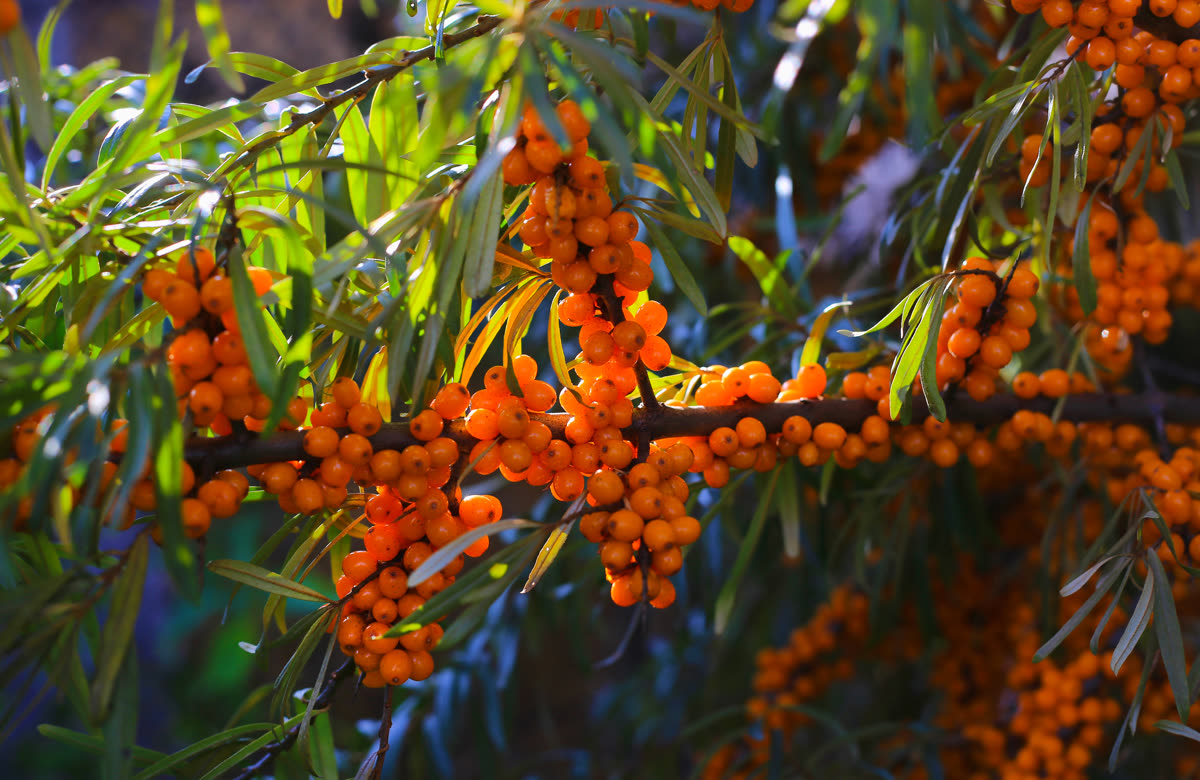
Along the Baltic and Gulf of Bothnia coasts, sea buckthorn, Hippophae rhamnoides, forms thorny, silver-leaved thickets on sand and shingle. In late summer the branches are crowded with small, glowing orange berries that taste sharply sour, somewhere between passion fruit and pineapple. Finns call it tyrni, and it turns up in juice, jam and liqueur. The berries cling so tightly that pickers often cut whole branches, freeze them and then shake the frozen berries loose.
The berry gives two very different oils. Pulp or fruit oil, pressed from the flesh, is a deep, almost luminous orange, rich in carotenoids and in palmitoleic acid, an omega-7 fatty acid also found in human skin. Seed oil is paler and rich in linoleic and alpha-linolenic acids. Both appear in sea buckthorn skin care, often blended.
Sea buckthorn is also an old medicinal plant of the Himalaya, Tibet and Mongolia, and it has been studied more than most berries, though mostly as an oral supplement. Small human studies of the oil taken by mouth have reported improvements in dry eyes and dry skin, while topical research is mostly laboratory and animal work on wound healing. It is best described as a traditional favorite with promising early research. In practice, it gives tired winter skin a lovely, nourished look.
A practical tip: the pulp oil stains skin, towels and pillowcases. Use one drop mixed into a carrier oil, apply at night, and keep light fabrics away. Our Rosehip & Sea Buckthorn Glow Oil does the blending for you, and our rosehip vs sea buckthorn comparison explains the difference.
Berries of the forest floor
Nordic forests and bogs are carpeted with berries, and their tiny seeds, left over when juice and jam are made, are pressed into some of skin care’s most interesting oils.
- Cloudberry (Rubus chamaemorus), the amber berry of northern bogs, is so prized that families keep their picking spots secret. Its seed oil is rich in omega-3 and omega-6 fatty acids and vitamin E.
- Lingonberry (Vaccinium vitis-idaea), the tart red berry served with meatballs and with sautéed reindeer, gives a seed oil rich in alpha-linolenic acid.
- Bilberry and blackcurrant seeds give oils that are also rich in polyunsaturated fats; blackcurrant seed oil contains GLA, like evening primrose.
- Rosehips of wild roses become a sweet Swedish soup, nyponsoppa, and rosehip seed oil, rosehip oil, is a well-loved face oil.
These oils are light and silky and, because they are so rich in polyunsaturated fats, quick to go rancid. Buy small bottles, check the pressing date and store them cool and dark. Their skin evidence is mostly about composition: they contain what a barrier-friendly oil should, but few have been tested in human trials.
There is also a human story behind the harvest. Much of the commercial wild-berry crop in Sweden and Finland is picked by seasonal workers, many recruited from Thailand, and there have been repeated reports and court cases about debt, low pay and poor conditions. A brand using Nordic berry oils should be able to say who picked the berries and how they were treated.
Oats, chamomile, nettle and the North Atlantic
Some of the most useful plants here are the humblest. Oats thrive in cool northern summers, and Finland and Sweden are major growers. Porridge is a breakfast staple, and oat baths for itchy winter skin are an old household remedy. Here tradition and science agree unusually well: finely milled colloidal oatmeal is recognized by regulators as a skin protectant and has good trial evidence for soothing dry, itchy and eczema-prone skin. Our Colloidal Oat Soothing Bath is the simplest way in.
Chamomile tea, drunk warm or used as a cooled compress for tired eyes and irritated skin, belongs to the kitchen pharmacy across northern Europe. It is gentle for most people, but those allergic to ragweed or other daisies can react. In spring, young stinging nettle tops are picked for soup across Scandinavia, and nettle rinses have long been used on the scalp. St. John’s wort takes its name from the feast of St John at Midsummer, and its red-infused oil is a classic European folk remedy, though it may make skin more sensitive to sunlight.
And then there is the sea. Norway and Iceland harvest North Atlantic seaweeds such as knotted wrack and kelp, and seaweed baths have a long history along northern Atlantic coasts. Seaweed (brown algae) extracts hold water and leave a soft film on skin, a real and pleasant effect; promises of firming or slimming are not supported. Harvesting should be licensed and careful, because kelp forests shelter fish and seabirds.
The Sámi, credited carefully
The Sámi are often described as the only recognized Indigenous people within the European Union, and their homeland, Sápmi, stretches across the north of Norway, Sweden and Finland and into Russia. Sámi life has included reindeer herding, fishing, hunting and gathering, and Sámi knowledge of northern plants is deep: angelica has long been used as food and medicine, and berries, birch and pine have many uses. Much of this knowledge lives in Sámi languages and families rather than in books, and some of it is not meant for outsiders.
The history is painful. For much of the twentieth century, Nordic states pursued assimilation policies, suppressed Sámi languages and took land for mines, dams and forestry; truth and reconciliation commissions in Norway, Sweden and Finland have been examining that history. Today each of the three countries has a Sámi Parliament, and Sámi organizations have repeatedly objected to companies that borrow Sámi dress, symbols or identity as marketing.
So, carefully: there is no “Sámi beauty secret” in this essay, and there should not be one on a label without a real Sámi partnership. If you want to support Sámi culture, buy from Sámi makers (the Sámi Duodji label marks authentic Sámi handicraft), credit them by name, and let Sámi voices tell their own story.
The north is generous with berries and birch. Its people’s knowledge is not free for the taking.
The signature plants
Sea BuckthornCPromisingThe glowing orange berry of Baltic shores; its pulp and seed oils bring omega-7, carotenoids and a nourished look to winter skin.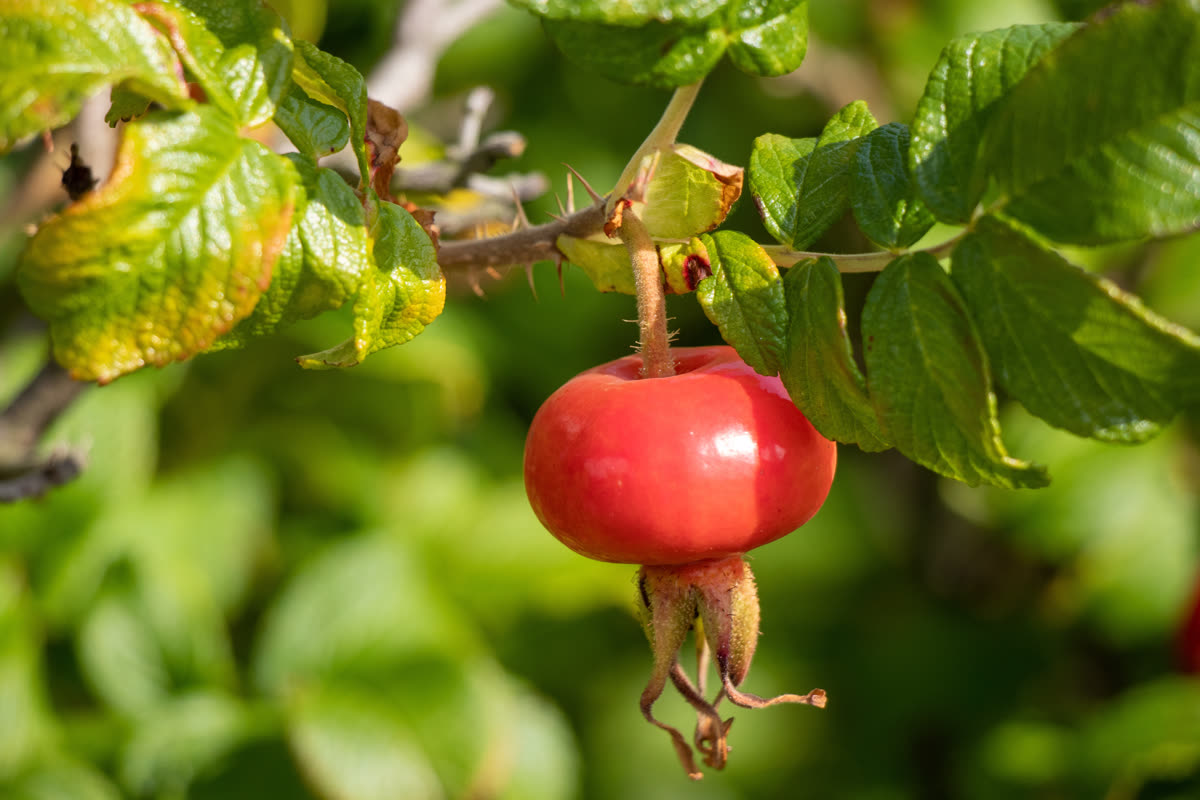 Rosehip OilCPromisingFrom the hips of wild roses that also make Sweden’s nyponsoppa; a light, linoleic-rich face oil.
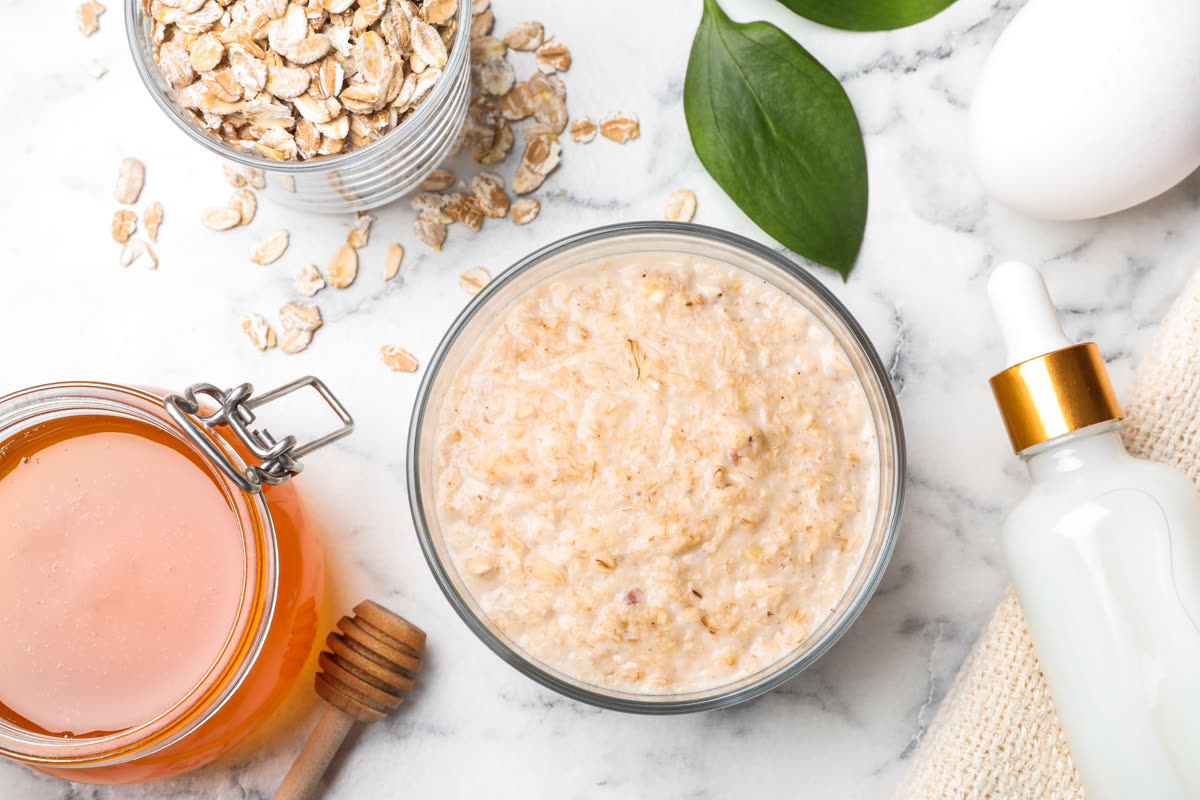 Colloidal OatmealBGood evidenceFrom the oats of cool northern fields; the rare folk remedy with strong evidence for soothing dry, itchy skin.
 Seaweed (Brown Algae)CPromisingKnotted wrack and kelp of the North Atlantic; water-binding extracts that leave skin soft and smooth.
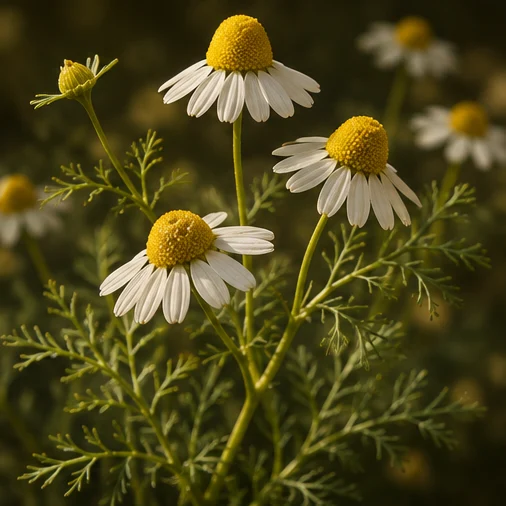 ChamomileCPromisingA gentle tea and cooled compress from the northern European kitchen pharmacy, for tired eyes and irritated skin.
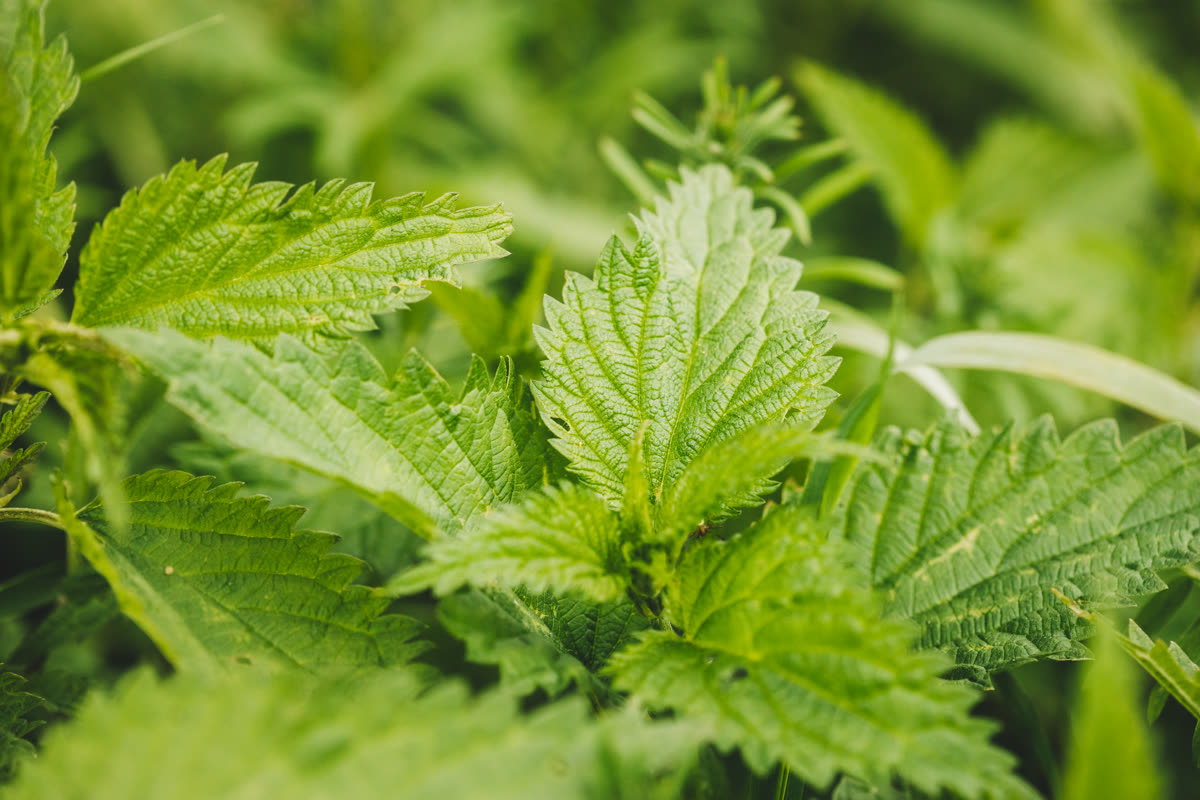 Stinging NettleDTraditional wisdomPicked young for spring soup and steeped for scalp rinses; a forager’s plant across Scandinavia.
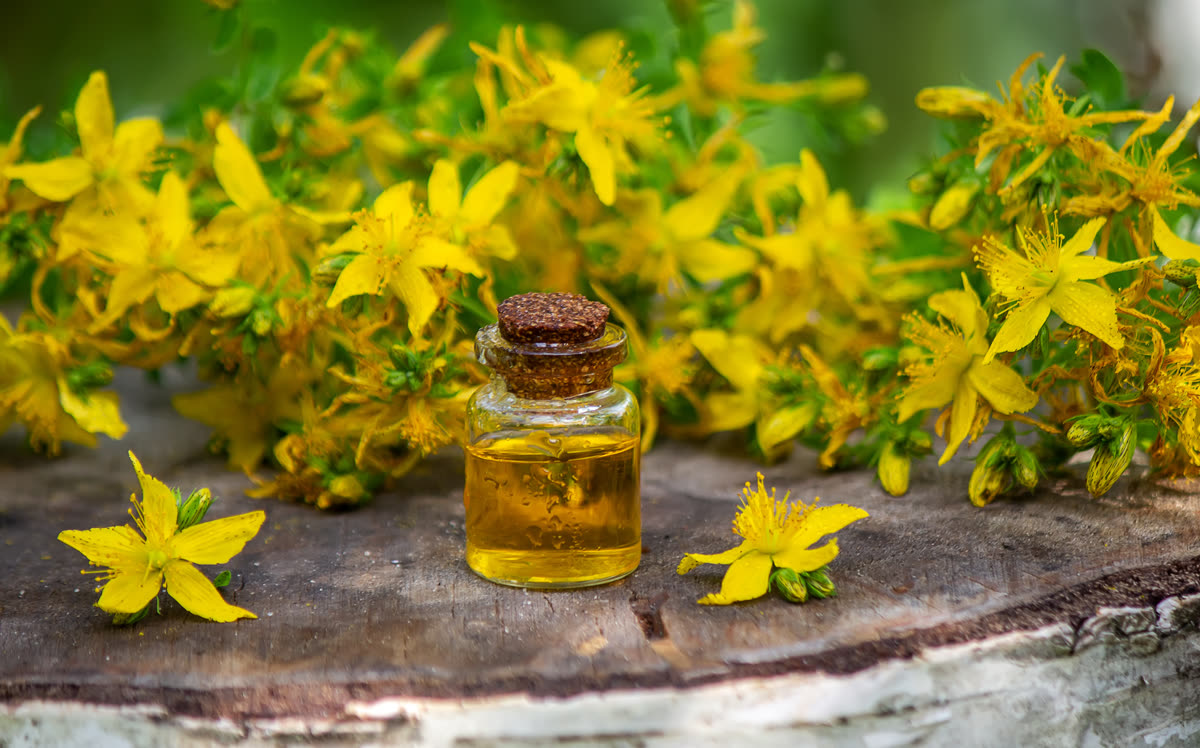 St. John’s WortCPromisingThe Midsummer flower of St. John’s feast, steeped into a red folk oil; use with care in the sun.
Warm, cool, oil: a gentle home sauna evening
- A week before, patch test your face oil blend on the inner arm as in our guide (twice daily for 7 days, read at 48 and 96 hours). Skip the cool rinse if you are pregnant, have a heart or blood-pressure condition, Raynaud’s or a history of fainting.
- Take a warm, not scalding, shower or bath for about ten minutes with the door closed. Let the room fill with steam and breathe slowly.
- Finish with a short burst of cool, not icy, water on your legs and arms, then return to warm if you like. Stop at once if you feel dizzy.
- Pat your skin until damp. If winter has left it itchy, swap the shower for a colloidal oat bath on another evening.
- In your palm, mix one drop of sea buckthorn pulp oil into four or five drops of rosehip oil and press it onto your face. Use an old pillowcase, because the orange oil can stain.
- Smooth a simple body oil over damp limbs, drink a glass of water and rest under a blanket for ten minutes, as a Finn would on the sauna porch.
Continue the journey
 Sauna, Cool Rinse, Rest: A Nordic EveningWarm up, cool down, rest, then moisturize. A Finnish-style sauna rhythm for gyms and spas, with friendly tips for skin and safety.
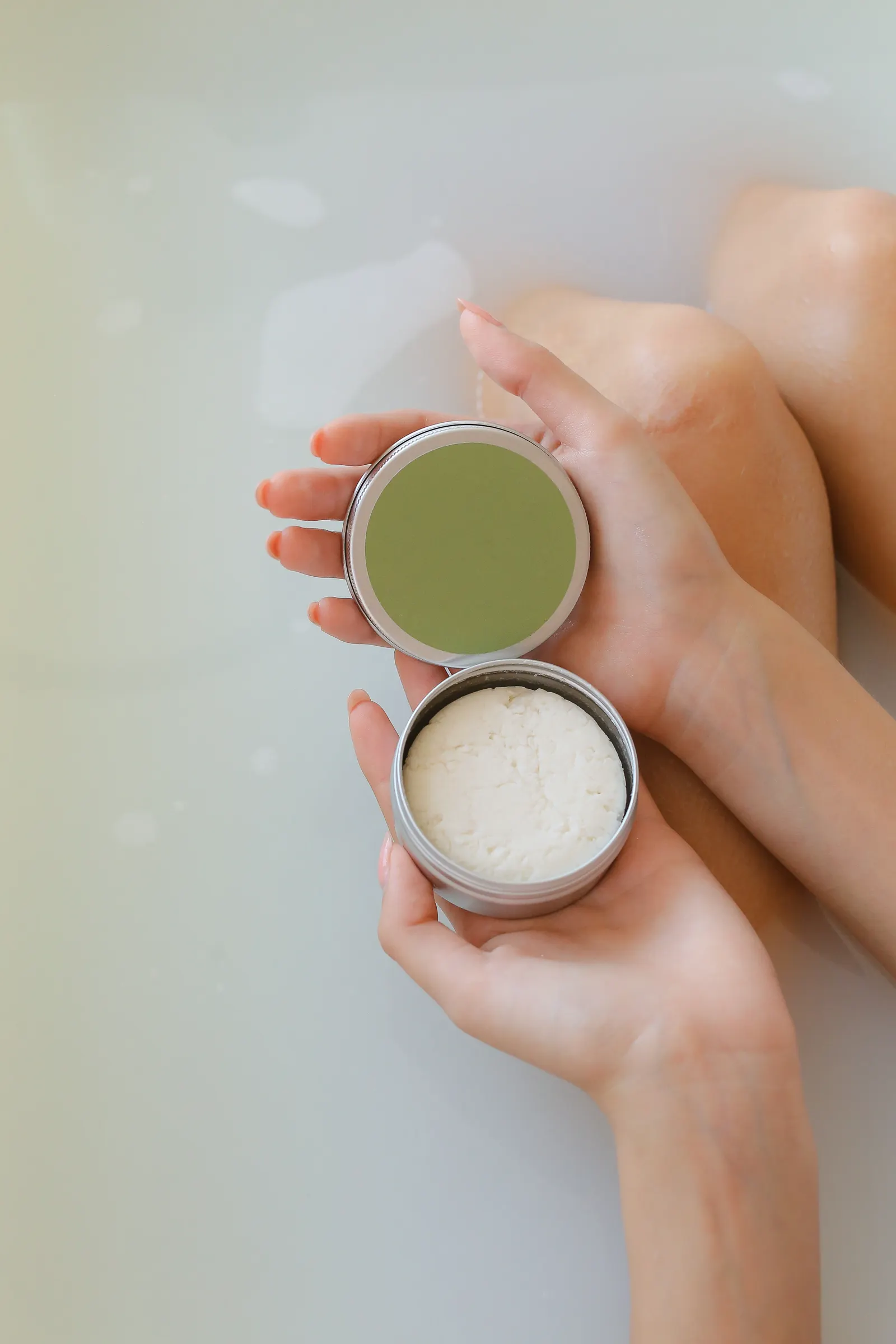 A Colloidal Oat Bath, Straight from the PackA colloidal oat bath starts with a sealed, labeled sachet. The pack sets the amount and the time; a kitchen-oat recipe is not the same thing.
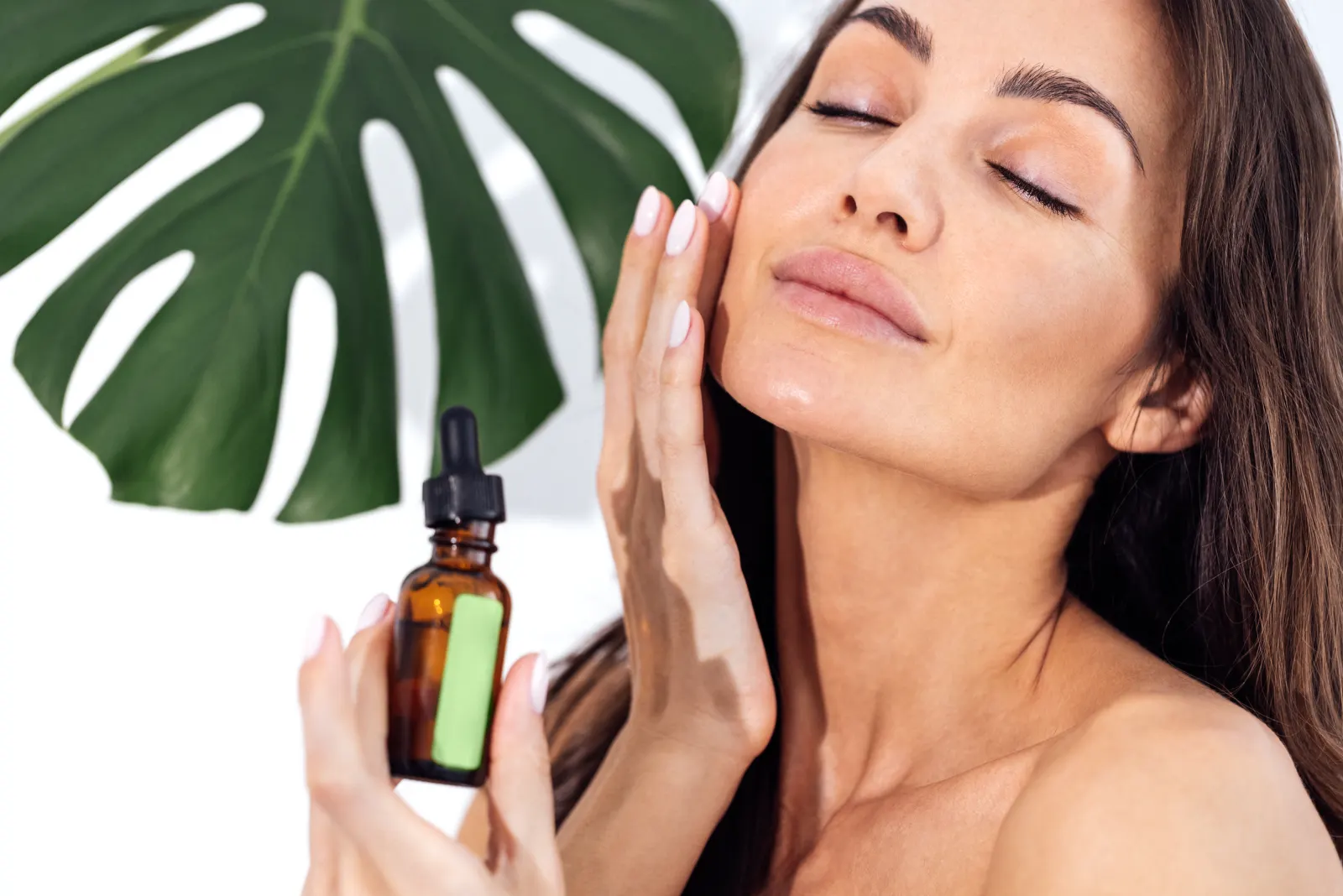 The Evening Press-and-Pat with Rosehip OilThree drops, warm palms, press and hold: the evening face-oil technique that uses less rosehip and sea buckthorn oil and leaves skin soft, not greasy.
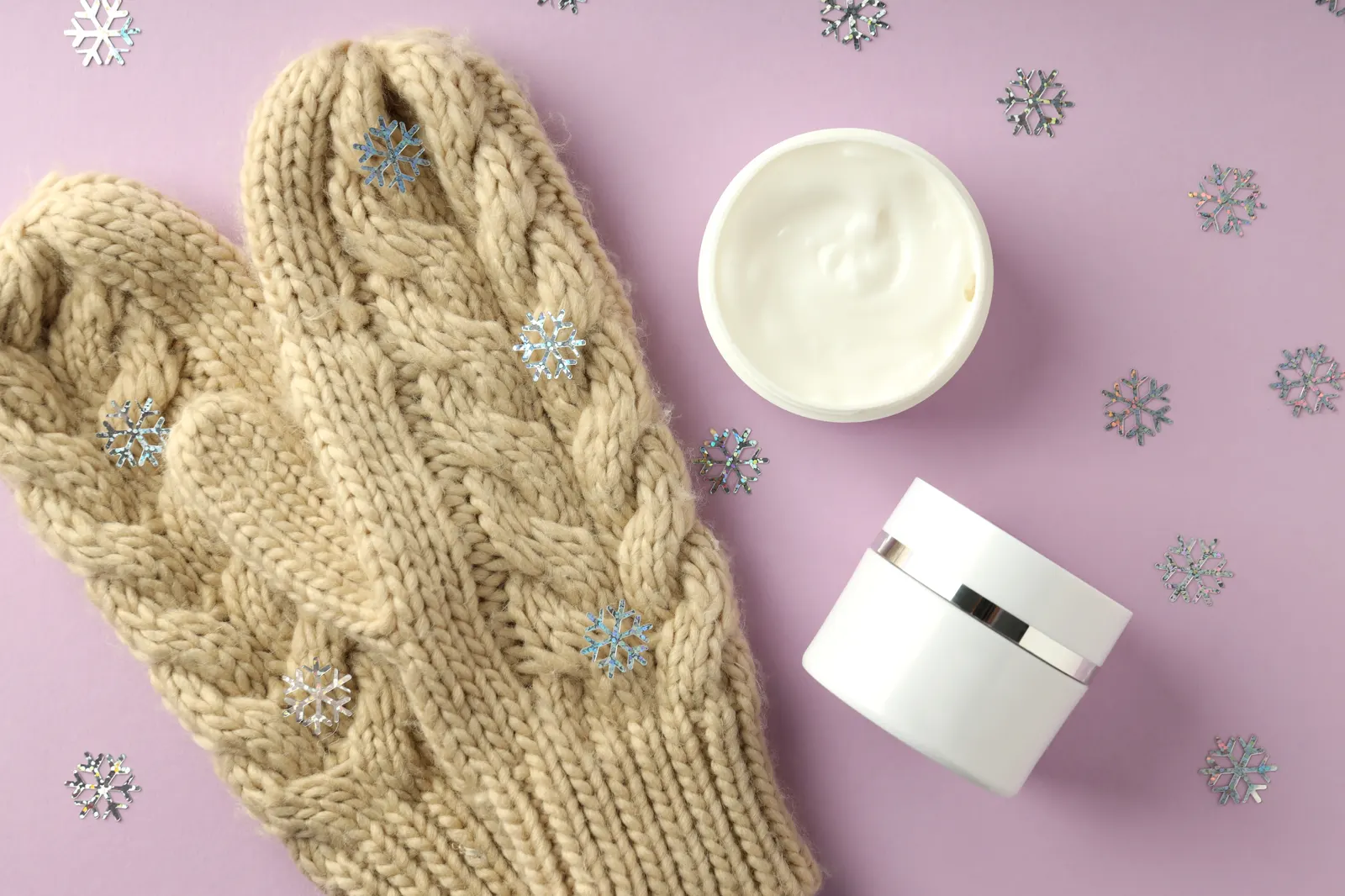 The Overnight Glove Method for Winter HandsCracked knuckles and rough fingertips? A thick balm under cotton gloves overnight, plus three daytime habits, rescues winter hands within days.
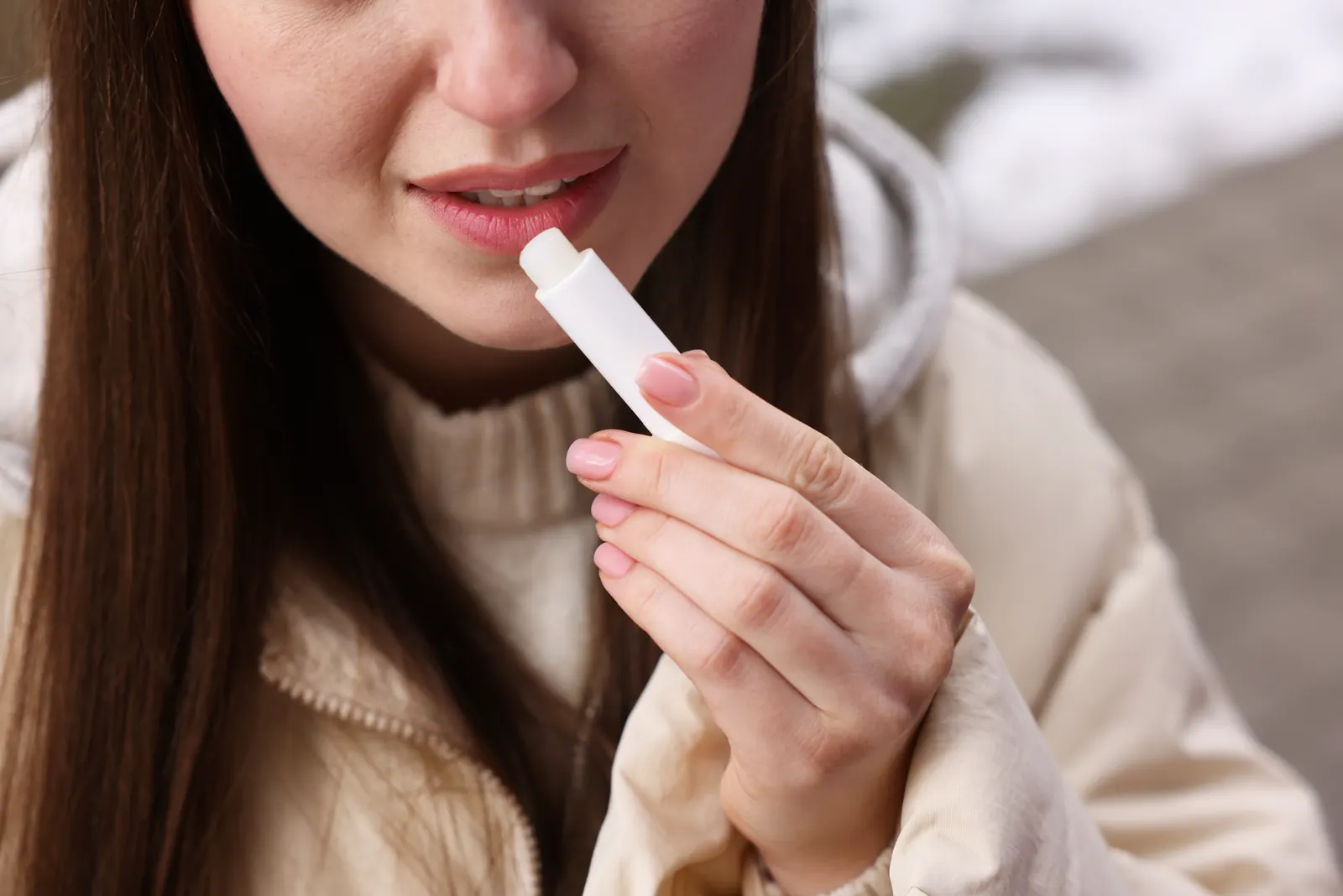 Lip Care for Cold, Windy DaysChapped lips in the cold wind? Stop licking, seal before you step out, and choose a plain balm over minty ones. A two-minute routine that works.
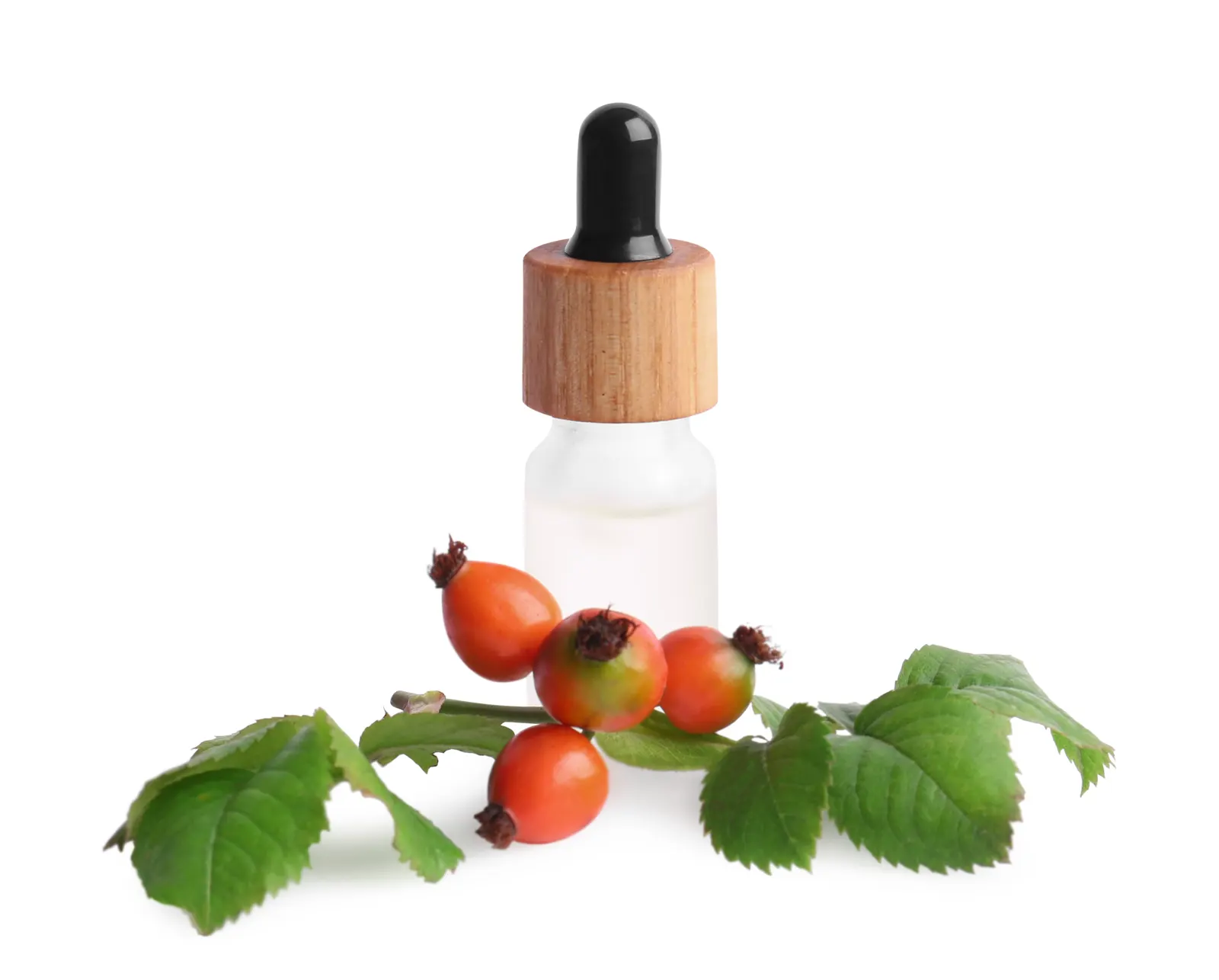 Face oil · BeginnerRosehip & Sea Buckthorn Glow OilA light face oil of rosehip, jojoba and squalane with a touch of sea buckthorn, protected with vitamin E. Three or four drops at night.
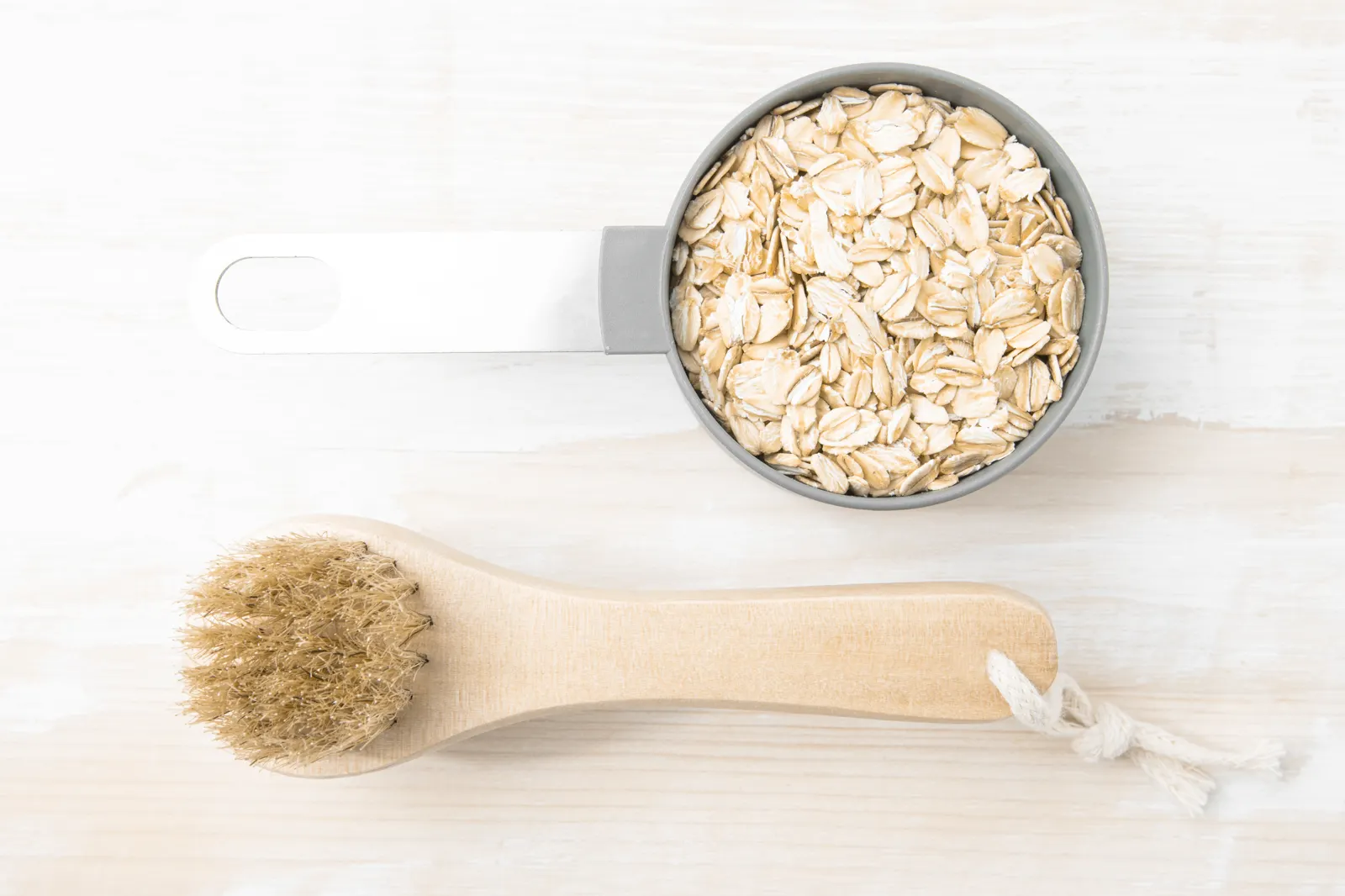 Bath · BeginnerColloidal Oat Soothing BathA lukewarm colloidal oatmeal soak with a little sunflower oil and marshmallow root to calm itchy, dry or eczema-prone skin.
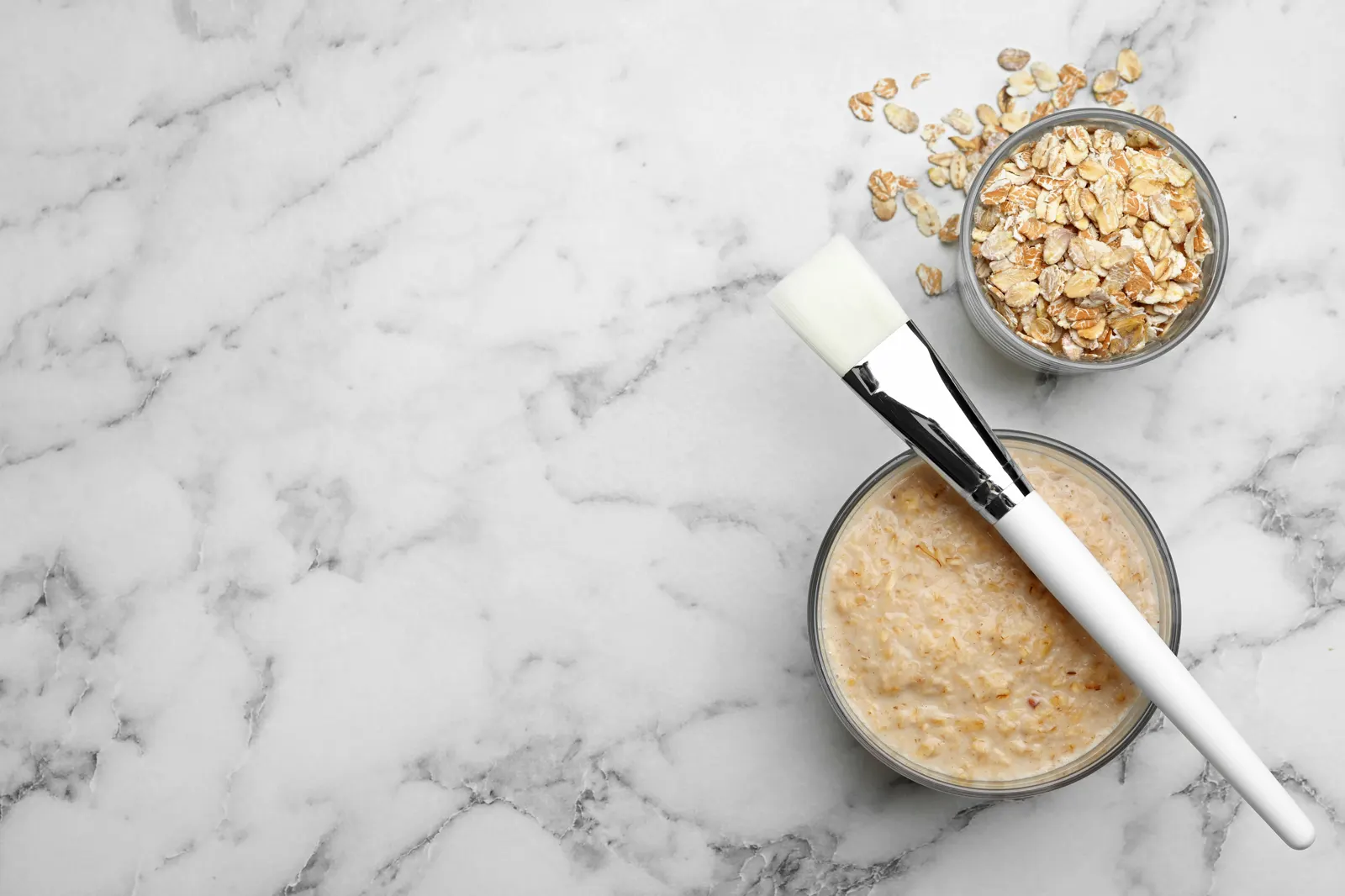 Mask · BeginnerCalming Oat & Chamomile MaskA soothing single-use paste of colloidal oatmeal, cooled chamomile tea, honey and aloe for skin that feels hot, tight or reactive.
GuideThe Skin Barrier, ExplainedBricks, mortar, acid mantle and microbes: how your skin barrier works, what damages it, and a calm, evidence-based plan to repair it.GuideSustainable & Ethical Botanical SourcingAt-risk botanicals, CITES and the IUCN Red List, argan cooperatives, RSPO palm, upcycled ingredients, adulteration and the questions to ask suppliers.GuideCarrier Oils: The Formulator’s GuideFatty acid chemistry, oxidative stability and skin feel for 12 core oils, plus why comedogenic ratings mislead and how to store oils well.