The ingredient encyclopedia · resin
Cistus (Labdanum)
Cistus ladanifer L. (Gum rockrose; labdanum is the resin it exudes. Do not confuse with Cistus creticus / C. incanus, the herbal-tea rockroses.) · Cistaceae
Sun-warmed Andalusian rockrose gives labdanum, the deep amber heart of perfumery, and a fresh, gently toning flower water.
FR Ciste ladanifère (ciste à gomme) ; labdanumES Jara pringosa (jara); ládano, la resinaAR لاذنGum rockrose (English); labdanum or ladanum (perfumery)
- How well proven
- DTraditional wisdom
- Safety
- Low topical risk
- Sun-sensitive
- No
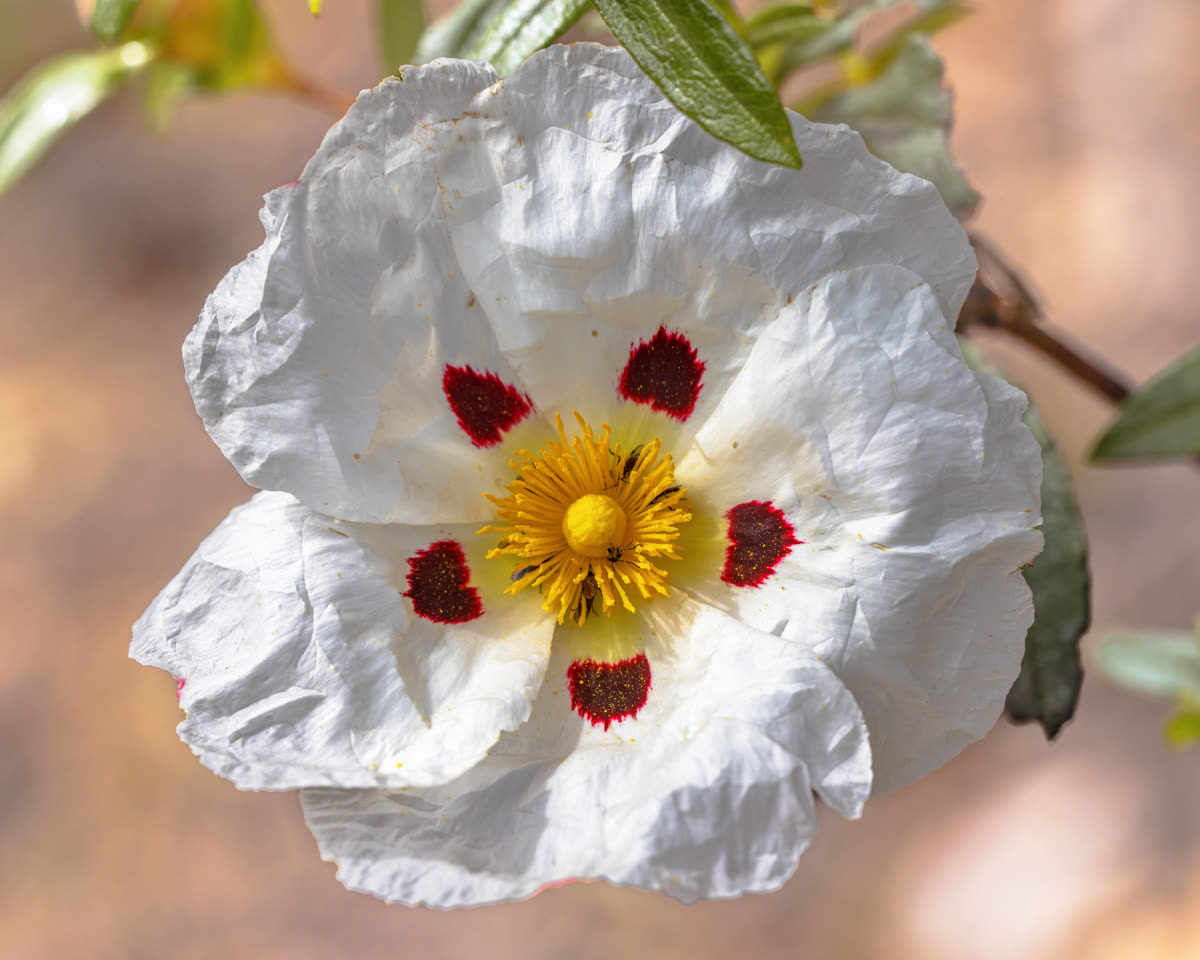
Also known as Cistus ladanifer L. (Gum rockrose; labdanum is the resin it exudes. Do not confuse with Cistus creticus / C. incanus, the herbal-tea rockroses.)
FR Ciste ladanifère (ciste à gomme) ; labdanumES Jara pringosa (jara); ládano, la resinaAR لاذنGum rockrose (English); labdanum or ladanum (perfumery)
What the evidence says
Antioxidant and antimicrobial activity in lab studies and a long traditional and perfumery history; no controlled human studies of skin outcomes.
- What it does
- A cornerstone of fine fragrance. Labdanum’s deep, ambery, slightly leathery scent anchors chypre and amber perfumes and is the classic plant-based echo of ambergris.
- How to use it
- Natural or solid perfume · Labdanum absolute or resinoid at roughly 1–10% of the fragrance concentrate
- Watch out for
- Labdanum and cistus oil are rarely reported as sensitizers, but natural materials can carry trace allergens: check the supplier’s allergen declaration and patch test.
Checked against the available literature and our safety review · Updated 26 November 2026 · How we grade
Why you’ll love Cistus (Labdanum)
Why you’ll love it
- A deep, ambery, softly leathery scent loved by perfumers
- Helps lighter notes linger in natural perfumes and balms
- A mild, refreshing toner feel for oily and combination skin
Best forNatural-perfume lovers, and oily or combination skin wanting a fresh, gentle toner.
Try it today
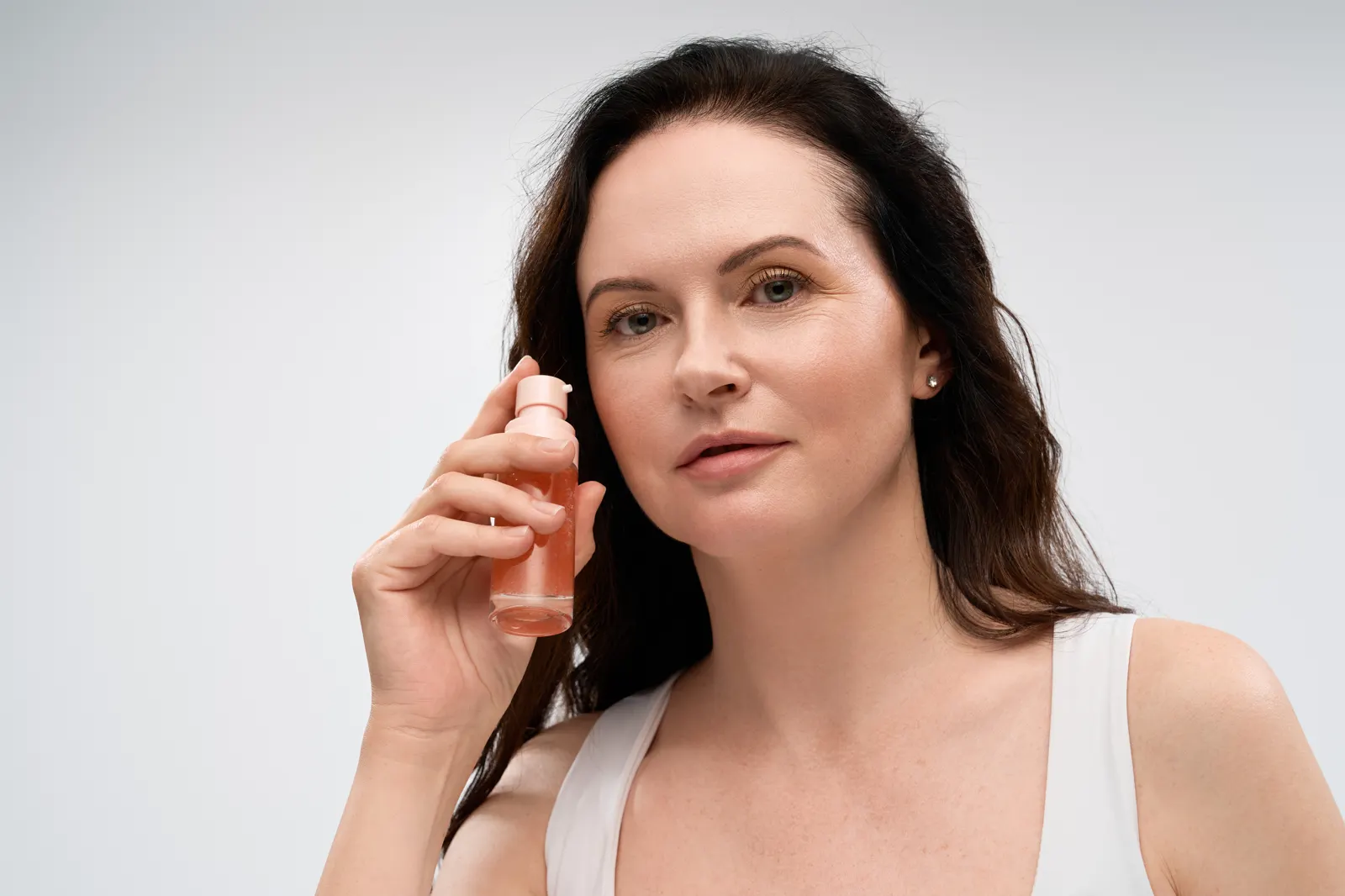
A cistus hydrosol toner
- Choose a commercial, preserved cistus hydrosol and keep it in the fridge once opened.
- Patch test on your inner arm, then pat it onto clean skin with your palms.
- Follow with a light moisturizer, and discard the hydrosol if it turns cloudy or smells off.
Good to know: Always dilute cistus essential oil (no more than 1% on the face), keep it away from eyes and infants, and wear gloves with the very sticky resin.
At a glance
| Parts used | Labdanum gum (resin exuded by leaves and young stems) and its resinoid and absolute; essential oil distilled from leafy twigs (cistus oil) or from the gum (labdanum oil); hydrosol |
|---|---|
| Key actives | Labdane diterpenes (e.g. labdanolic acid), α-Pinene and camphene (essential oil), Viridiflorol and ledol, 2,2,6‑Trimethylcyclohexanone, Methylated flavonoids (leaf exudate) |
| INCI names | Cistus Ladaniferus Oil Cistus Ladaniferus Resin Cistus Ladaniferus Leaf/Stem Extract |
| Skin types | normal, oily, combination, mature |
| Pairs well with | FrankincenseMyrrhDamask RoseAtlas Cedar |
| Evidence grade | DTraditional wisdom Antioxidant and antimicrobial activity in lab studies and a long traditional and perfumery history; no controlled human studies of skin outcomes. |
What it does for skin and hair
A cornerstone of fine fragrance
Labdanum’s deep, ambery, slightly leathery scent anchors chypre and amber perfumes and is the classic plant-based echo of ambergris.
A natural fixative
Its heavy diterpenes evaporate slowly, helping lighter notes linger in natural perfumes, solid perfumes and body balms.
Traditional astringent toner
Cistus hydrosol has a long folk reputation as a tightening toner for oily and combination skin; the effect is mild and sensory.
Antioxidant and antimicrobial in the lab
Leaf extracts and the essential oil show antioxidant and antibacterial activity in vitro — a rationale, not proof, for “skin-renewing” claims.
How to use it
Start low, be consistent, and give it four to eight weeks. These are the amounts that work in real products and home recipes.
| Form | Typical use level | Notes |
|---|---|---|
| Natural or solid perfume | Labdanum absolute or resinoid at roughly 1–10% of the fragrance concentrate | Keep the total fragrance at the levels allowed by the supplier’s IFRA certificate; for leave-on skin products that is typically ≤ 1% on the face and ≤ 2–3% on the body. Warm the thick resinoid gently to pour it. |
| Essential oil in face or body oils | 0.25–1% on the face, up to 2% on the body | Pairs well with frankincense, Damask rose and Atlas cedar. Calculate drops with the Essential Oil Dilution Calculator; see Essential Oil Safety: The Complete Guide. |
| Hydrosol toner | Neat as a toner (commercial, preserved), or 10–50% of the water phase | Homemade or opened hydrosols spoil; refrigerate and use within weeks unless a preservative is added. See DIY Safety: Water, Microbes & Preservatives. |
Use it safely
Low topical risk
- Labdanum and cistus oil are rarely reported as sensitizers, but natural materials can carry trace allergens: check the supplier’s allergen declaration and patch test.
- Do not rely on cistus to stop bleeding or treat wounds; clean minor cuts normally and seek care for deep, dirty or bleeding wounds.
- Always dilute the essential oil; avoid use on infants and keep it away from the eyes.
- The resin is extremely sticky and stains fabrics; work with gloves.
- Pregnancy & breastfeeding
- No specific hazard is documented, but data are lacking. Keep essential oil and absolute use low (≤ 1%) in pregnancy and breastfeeding, and prefer the hydrosol. See Skincare in Pregnancy & Breastfeeding. Pregnancy guide
- Phototoxicity
- Not phototoxic at normal use levels.
- Declared fragrance allergens
- None expected
New to an ingredient? Patch test first. Stop and seek advice if you get burning, swelling, blistering or a spreading rash.
Buying well
Sustainability
Cistus ladanifer is abundant: a pioneer shrub of the Iberian jarales whose seeds germinate readily after fire. Spain, especially Andalusia (Huelva, Seville, Córdoba) and Extremadura, is the world’s main source of labdanum, harvested by cutting branches that regrow, which provides seasonal rural work. Conservation concern is low; the more relevant questions are fair pay for harvesters and the solvents used in processing. See Sustainable & Ethical Botanical Sourcing.
How to choose quality
Know what you are buying: the raw gum is dark and sticky; the resinoid is solvent-extracted and very viscous; the absolute is alcohol-washed and more refined; cistus oil (from twigs) is thin, herbal and ambery; labdanum oil (from the gum) is richer. “Rock rose” on a label is ambiguous — check for Cistus ladanifer. Ask for the origin, a GC-MS report and the IFRA certificate. These materials keep for years but thicken; store tightly closed, cool and dark.
The research For professionals
The chemistry, the studies and the evidence by concern, for practitioners, formulators and the curious.
The sticky coating on cistus leaves is secreted by glandular hairs and is a mixture of labdane-type diterpenes — the chemical family is named after labdanum — including labdanolic acid, together with methylated flavonoids and waxes. Commercially, the gum is typically released by boiling the cut branches, then purified with solvents into a viscous resinoid or an alcohol-washed absolute. Steam distillation of leafy twigs yields cistus essential oil, rich in monoterpenes such as α-pinene and camphene with sesquiterpene alcohols such as viridiflorol and ledol, and small ketones like 2,2,6‑trimethylcyclohexanone that shape its characteristic smell. Composition varies widely with origin and process, and the ambery depth owes much to minor degradation products of the diterpenes.
In the laboratory, cistus extracts and oils show antioxidant, antibacterial and antifungal activity. Much of the more advanced research concerns a different species, the polyphenol-rich Cistus creticus/incanus, used in teas and throat lozenges; those findings should not be transferred to C. ladanifer skincare.
Aromatherapy books often credit cistus oil or hydrosol with stopping bleeding and “regenerating” skin. There are no clinical trials; any small effect on minor cuts is likely astringency, and real wounds need ordinary first aid. For mature skin, cistus is best thought of as a beautiful, gently astringent aromatic — see Aging & Photoaging for what actually works.
In perfumery, labdanum is irreplaceable: the classic chypre accord pairs bergamot, labdanum and oakmoss, and amber accords build on labdanum with vanilla and balsams. To our knowledge there is no dedicated IFRA Standard restricting labdanum or cistus oil as such, but finished fragrances must still respect IFRA limits for the constituents they contain and EU allergen labeling. Reputable suppliers issue an IFRA certificate giving maximum use levels by product category.
MythCistus oil stops bleeding instantly and heals scars.
EvidenceThis is aromatherapy folklore with no clinical studies behind it. Astringent hydrosols can make skin feel tighter, but they are not hemostatic dressings or scar treatments. Use pressure and ordinary first aid for cuts and see Scars, Wounds & Stretch Marks for what helps healing.
In tradition
Herodotus described Arabian ladanum combed from the beards of goats that browsed the shrubs, and Cretan villagers later gathered it with leather-thonged rakes. In Andalusia and Extremadura, the scent of jara on a hot afternoon is part of the landscape, and labdanum from these hills has supplied perfumers for generations.
Frequently asked questions
What does labdanum smell like?
Is cistus the same as the rockrose in Cistus tea?
Is cistus oil good for wrinkles?
Is labdanum restricted by IFRA?
Cite this page
Herbs.Beauty. Cistus (Labdanum) (Cistus ladanifer L.): evidence-based monograph. Updated 26 November 2026. https://herbs.beauty/ingredients/cistus.html