The ingredient encyclopedia · oil
Evening Primrose Oil
Oenothera biennis L. · Onagraceae
A light, golden wildflower oil that sinks in fast and loves a thirsty skin barrier.
FR Huile d’onagreES Aceite de onagraAR زيت زهرة الربيع المسائيةKing’s cure-all (folk English)
- How well proven
- CPromising
- Safety
- Low topical risk
- Sun-sensitive
- No
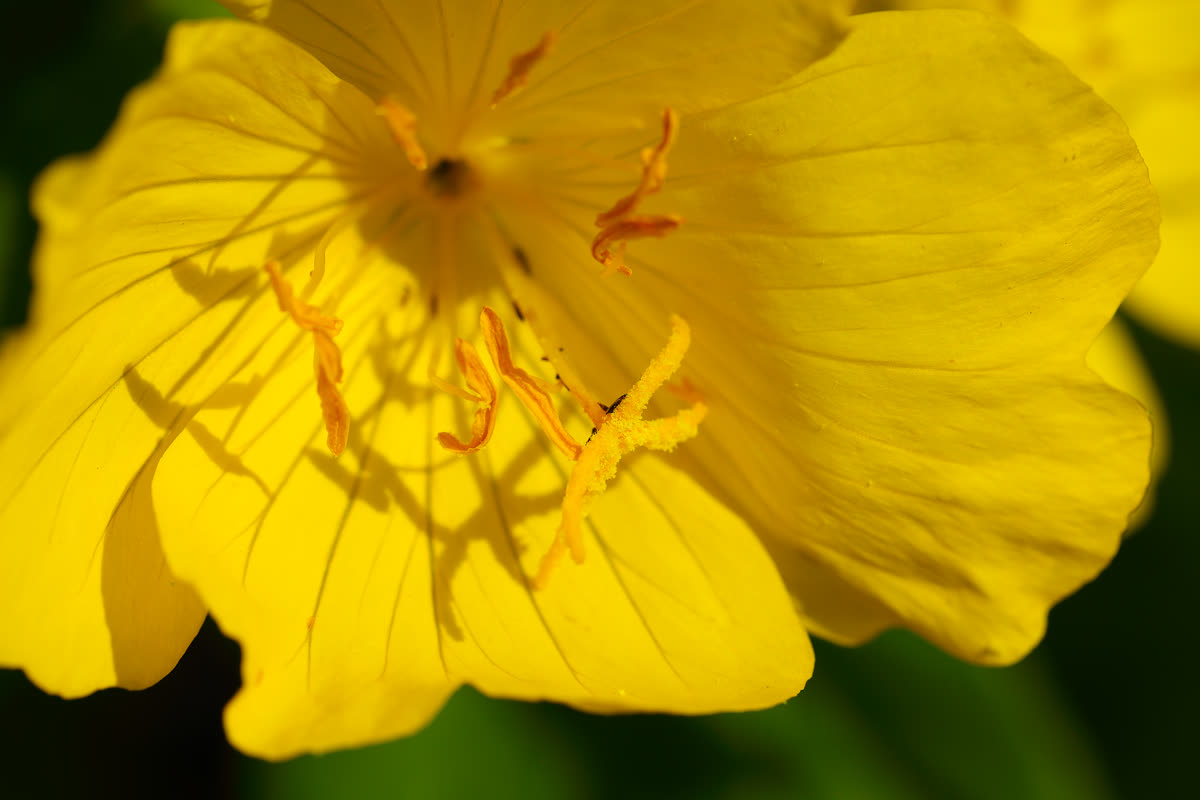
FR Huile d’onagreES Aceite de onagraAR زيت زهرة الربيع المسائيةKing’s cure-all (folk English)
What the evidence says
Graded for topical use as a linoleic-rich emollient (plausible barrier mechanism, limited trials); for oral use in eczema, a Cochrane review found no benefit over placebo.
- What it does
- Barrier-friendly linoleic acid. Linoleic acid is the fatty acid skin uses to build barrier ceramides; applied topically it supports a dry or eczema-prone barrier — see skin barrier 101.
- How to use it
- Face or body oil · 5–20% of a blend, with tocopherol 0.2–0.5%
- Watch out for
- Topical use is well tolerated; patch test if your skin is reactive.
Checked against 2 cited studies and our safety review · Updated 26 November 2026 · How we grade
Why you’ll love Evening Primrose Oil
Why you’ll love it
- Sinks in quickly, so even combination skin enjoys it
- Rich in linoleic acid, a building block of skin’s barrier
- A gentle choice for acne-prone routines that dislike heavy oils
Best forDry, combination or acne-prone skin that prefers a light oil.
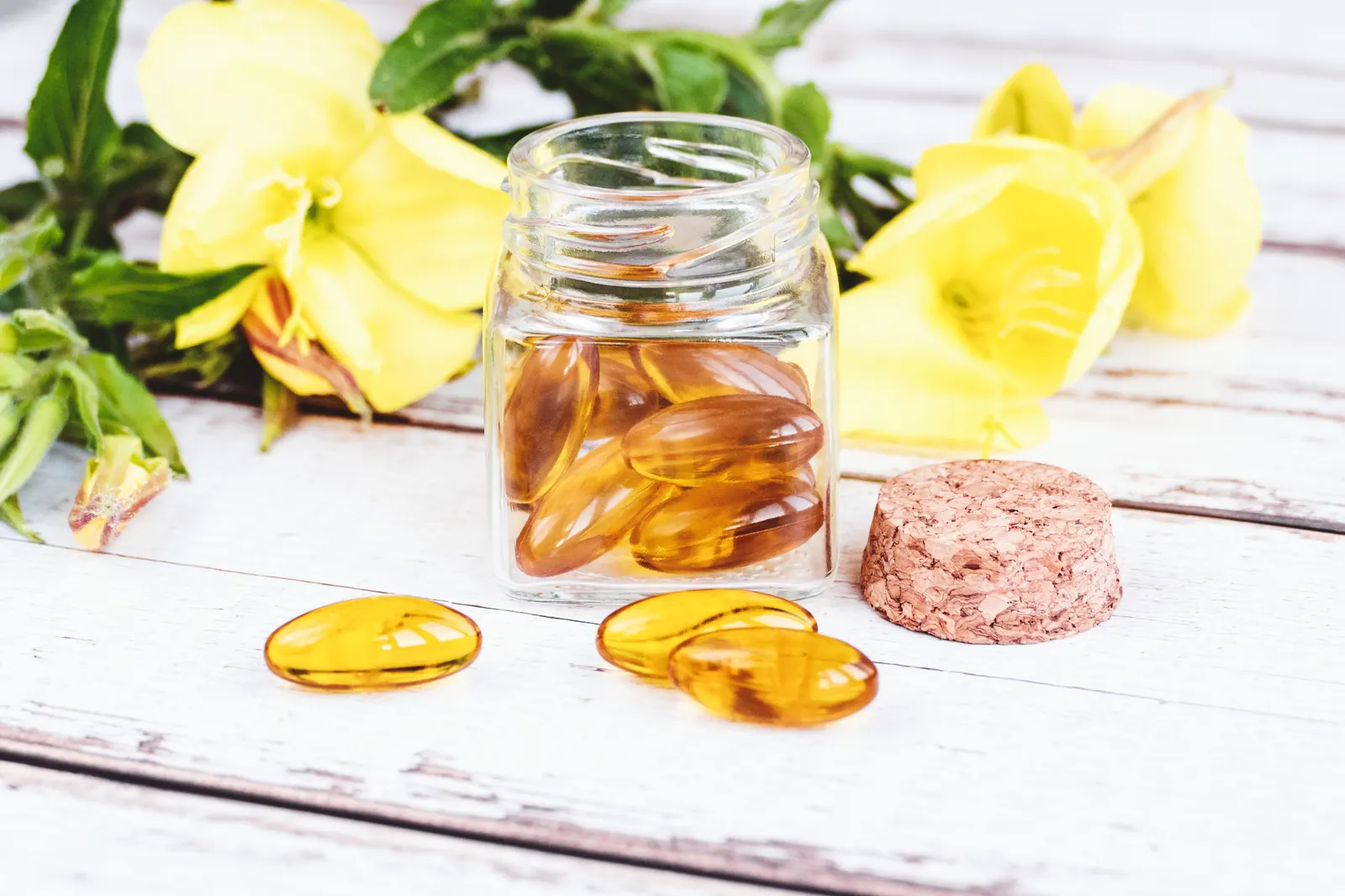
Try it today
A lighter nightly face oil
- Blend evening primrose into a stable oil such as jojoba, so it makes up 5–20% of the mix.
- Patch test, then press a few drops onto clean, slightly damp skin at night.
- Keep the bottle in the fridge and sniff before use; discard it if it smells sharp or fishy.
Good to know: Capsules by mouth did no better than placebo for eczema in a large review. Take blood thinners? Ask your doctor before trying them.
At a glance
| Parts used | Seed oil, cold-pressed or solvent-extracted and refined; also sold in capsules for oral use |
|---|---|
| Key actives | Linoleic acid (omega-6), γ-Linolenic acid (GLA), Oleic acid, Tocopherols, Phytosterols |
| INCI names | Oenothera Biennis Oil |
| Skin types | dry, sensitive, combination, oily |
| Pairs well with | Hemp Seed OilJojobaCalendulaColloidal Oatmeal |
| Evidence grade | CPromising Graded for topical use as a linoleic-rich emollient (plausible barrier mechanism, limited trials); for oral use in eczema, a Cochrane review found no benefit over placebo. |
What it does for skin and hair
Barrier-friendly linoleic acid
Linoleic acid is the fatty acid skin uses to build barrier ceramides; applied topically it supports a dry or eczema-prone barrier — see The Skin Barrier, Explained.
Light, fast-absorbing feel
A thin oil that sinks in quickly, suitable for combination and oily skin that dislikes heavier oils.
May suit acne-prone skin
Acne-prone skin tends to have low linoleic acid in its sebum; linoleic-rich oils are a reasonable choice in Acne & Breakouts routines, though direct evidence is limited.
How to use it
Start low, be consistent, and give it four to eight weeks. These are the amounts that work in real products and home recipes.
| Form | Typical use level | Notes |
|---|---|---|
| Face or body oil | 5–20% of a blend, with tocopherol 0.2–0.5% | Combine with stable oils such as jojoba or squalane to extend shelf life. Refrigerate and use within a few months. |
| Creams and lotions | 2–5% of the formula (oil phase) | Add in the cool-down phase where possible to reduce heat exposure; use an antioxidant. |
| Oral capsules | Only with medical advice | Not recommended for eczema based on Cochrane evidence. Discuss with a doctor or pharmacist, especially if you take blood thinners. |
Use it safely
Low topical risk
- Topical use is well tolerated; patch test if your skin is reactive.
- Rancid oil is more irritating: check the smell and discard oil that smells sharp or fishy.
- Oral use may add to the effect of anticoagulant and antiplatelet drugs; stop before surgery and ask your doctor if you take blood thinners.
- Older reports linked oral use with seizures in people taking phenothiazines; the evidence is weak, but people with epilepsy should seek advice before oral use.
- For eczema, see a doctor for effective anti-inflammatory treatment; see Eczema-Prone Skin.
- Pregnancy & breastfeeding
- Topical use is not a concern. Oral use to “ripen the cervix” before labor is not supported by evidence and has been associated with complications in observational data — avoid unless advised by your obstetric team. Pregnancy guide
- Phototoxicity
- Not phototoxic at normal use levels.
- Declared fragrance allergens
- None expected
New to an ingredient? Patch test first. Stop and seek advice if you get burning, swelling, blistering or a spreading rash.
Buying well
Sustainability
Evening primrose is a cultivated annual or biennial crop, grown widely including in China and parts of Europe and North America; it is not threatened. The main issue is quality: adulteration with cheaper oils is possible, and GLA content varies. See Sustainable & Ethical Botanical Sourcing.
How to choose quality
Buy small amounts from a supplier with a certificate of analysis showing GLA content (typically around 9–10%). Cold-pressed oil is pale yellow with a light, nutty smell. The INCI should read Oenothera Biennis Oil. Store in the refrigerator, in dark glass, and use within about six months.
The research For professionals
The chemistry, the studies and the evidence by concern, for practitioners, formulators and the curious.
Evening primrose oil is a polyunsaturated oil: roughly 65–80% linoleic acid, about 8–14% γ-linolenic acid (GLA, typically around 9–10%), 5–12% oleic acid and small amounts of palmitic and stearic acid. GLA is uncommon in foods; other sources include borage, blackcurrant seed and, in small amounts, hemp seed oil. With so much polyunsaturated fat, the oil has poor oxidative stability: it needs added antioxidant, cool storage and a use-by window of months rather than years.
The eczema theory, popularized in the 1980s, proposed that people with atopic dermatitis convert linoleic acid to GLA poorly (a delta-6-desaturase defect), so supplying GLA would restore anti-inflammatory mediators. Early trials looked promising, but larger and better-designed ones did not. A Cochrane review (Bamford and colleagues, 2013) of 27 studies with about 1,600 participants concluded that oral evening primrose oil and borage oil do not improve eczema symptoms compared with placebo. In the UK, prescription licenses for evening primrose oil products for eczema were withdrawn in 2002 for lack of evidence.
Topical evidence is thin. Small studies of creams containing evening primrose oil in eczema have been inconclusive, and the plausible benefit rests on linoleic acid’s role in barrier lipids and on general emollient effects. An oral study in healthy adults (Muggli, 2005) reported improvements in skin moisture, roughness and elasticity, but it does not establish benefit for skin disease.
Key studies
Review of 27 trials (about 1,600 participants): oral evening primrose oil and borage oil were no better than placebo for eczema symptoms.
Bamford JTM, et al. Cochrane Database Syst Rev. 2013 Read it in the bibliography Find on PubMedOral evening primrose oil for 12 weeks in healthy adults improved instrumental measures of skin moisture, roughness and elasticity versus placebo; not a study of eczema or of topical use.
Muggli R. Int J Cosmet Sci. 2005 Read it in the bibliography Find on PubMed
MythEvening primrose oil capsules clear eczema.
EvidenceA Cochrane review of 27 trials found that oral evening primrose oil works no better than placebo for eczema. Effective treatment involves emollients and, during flares, prescribed anti-inflammatory therapy.
In tradition
Evening primrose is native to North America, where several Indigenous peoples used the plant as food and in poultices for skin and bruises. It reached European gardens in the 17th century, earning folk names such as “king’s cure-all”.
Frequently asked questions
Does evening primrose oil help eczema?
Is evening primrose oil good for acne?
Does evening primrose oil help hormonal skin?
How long does evening primrose oil last?
Cite this page
Herbs.Beauty. Evening Primrose Oil (Oenothera biennis L.): evidence-based monograph. Updated 26 November 2026. https://herbs.beauty/ingredients/evening-primrose-oil.html