The ingredient encyclopedia · herb
Stinging Nettle
Urtica dioica · Urticaceae
Stinging nettle, tamed and dried, makes a fresh, green scalp rinse straight from the European herbal tradition.
FR Ortie (ortie dioïque)ES OrtigaAR القراص
- How well proven
- DTraditional wisdom
- Safety
- Low topical risk
- Sun-sensitive
- No
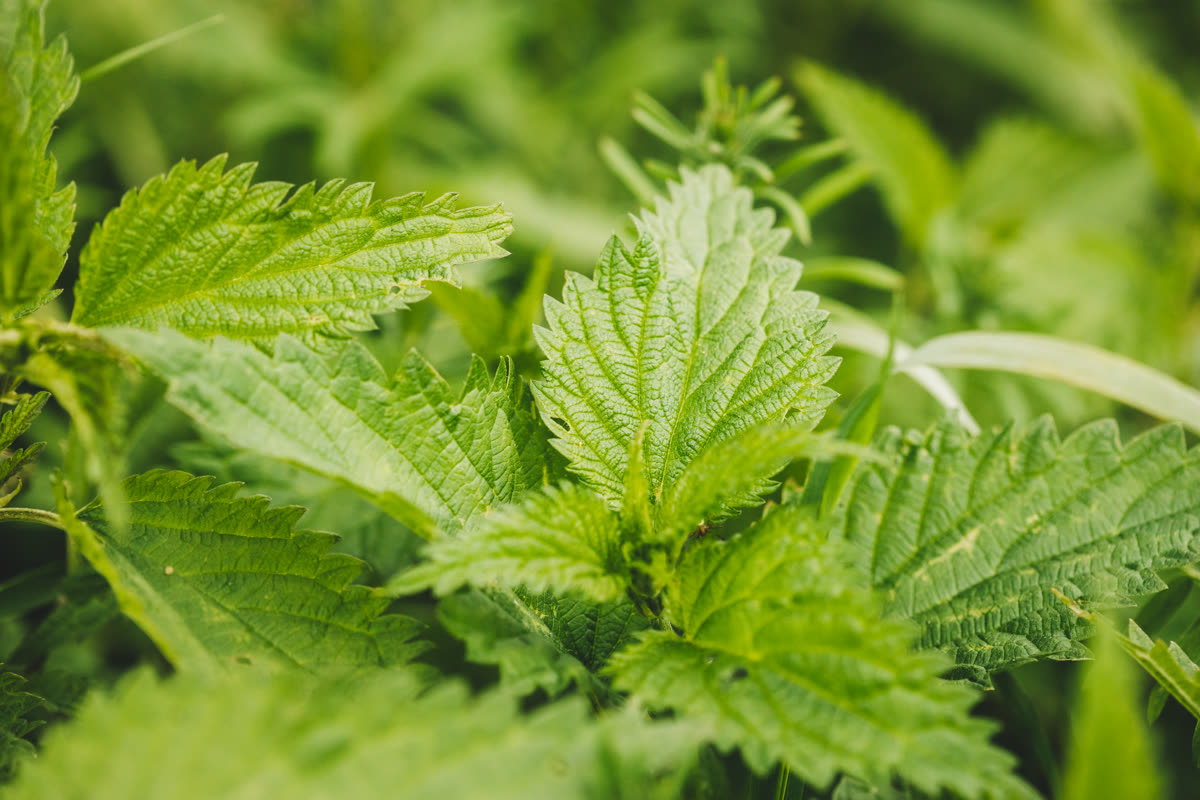
FR Ortie (ortie dioïque)ES OrtigaAR القراص
What the evidence says
Traditional use plus in-vitro data (mostly on the root, studied orally for prostate symptoms); no controlled human trials for hair or scalp.
- Best supported for
- Thinning Hair & Hair Loss D
- How to use it
- Infusion hair rinse · 5–10 g dried leaf per 250 ml hot water, cooled
- Watch out for
- Fresh nettle stings and can cause contact urticaria (itchy welts); use dried or processed material, and wear gloves when harvesting.
Checked against the available literature and our safety review · Updated 26 November 2026 · How we grade
Why you’ll love Stinging Nettle
Why you’ll love it
- Leaves an oily scalp feeling fresh and clean
- A simple, old-fashioned herbal rinse ritual
- Pairs naturally with rosemary in scalp tonics
Best forOily scalps, and anyone drawn to traditional European herbal hair care.
Try it today
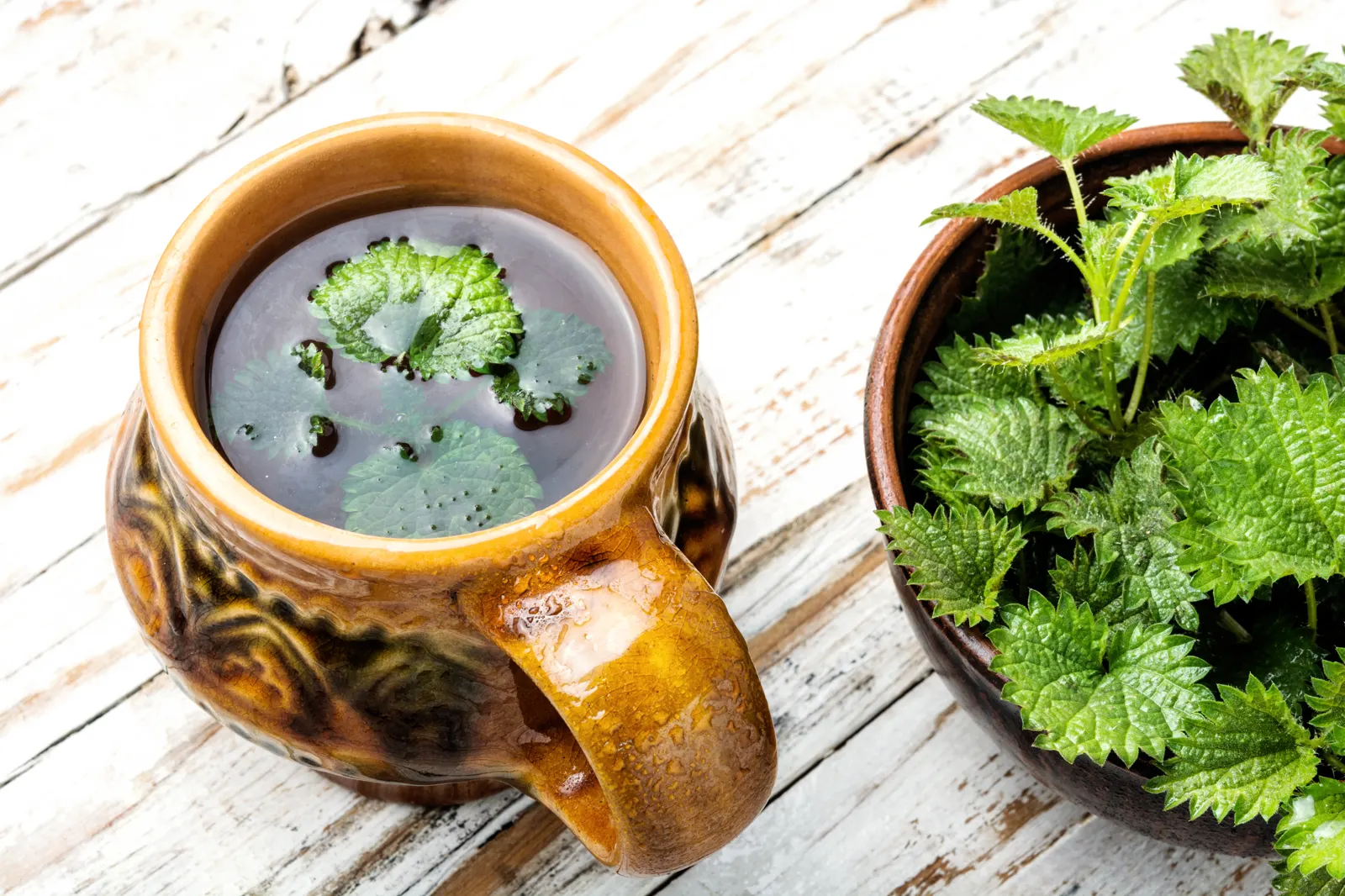
A green nettle rinse
- Steep 5–10 g dried nettle leaf in 250 ml hot water, then let it cool.
- After shampooing, pour it over your scalp and leave it in or rinse lightly.
- Pour away any leftovers the same day, and make it fresh each time.
Good to know: Fresh nettle stings, so use dried leaf and wear gloves if you harvest. Hair-growth claims are unproven; see a doctor for sudden shedding.
At a glance
| Parts used | Leaf (dried or fresh-processed); root |
|---|---|
| Key actives | Flavonoids (quercetin, rutin), Caffeoylmalic acid, Chlorophyll, Minerals (silica, iron, calcium), Root: lignans, β-sitosterol, UDA lectin |
| INCI names | Urtica Dioica Leaf Extract Urtica Dioica Root Extract |
| Hair & scalp | oily scalp, fine |
| Pairs well with | RosemaryPeppermintPumpkin Seed Oil |
| Evidence grade | DTraditional wisdom Traditional use plus in-vitro data (mostly on the root, studied orally for prostate symptoms); no controlled human trials for hair or scalp. |
What it does for skin and hair
Traditional scalp tonic
Nettle rinses are used to refresh an oily scalp and reduce the look of flakes; this is long-standing tradition rather than tested in trials. See Dandruff & Itchy Scalp.
Antioxidant and anti-inflammatory (lab data)
Leaf flavonoids and caffeic-acid derivatives show antioxidant and anti-inflammatory activity in the lab.
Hair-loss hypothesis (unproven)
Root extracts have shown weak effects on 5α-reductase and sex-hormone binding in vitro; no human study shows nettle prevents hair loss. See Thinning Hair & Hair Loss.
How to use it
Start low, be consistent, and give it four to eight weeks. These are the amounts that work in real products and home recipes.
| Form | Typical use level | Notes |
|---|---|---|
| Infusion hair rinse | 5–10 g dried leaf per 250 ml hot water, cooled | Pour over the scalp after shampooing and leave in or rinse lightly. Make fresh; discard leftovers within a day. |
| Scalp tonic | 2–5% nettle extract or glycerite in a preserved water/hydrosol base | Pairs with rosemary; see Nettle & Rosemary Scalp Tonic. Water-based tonics need a preservative. |
| Shampoo or conditioner additive | 0.5–3% extract | For an oily scalp feel; mainly a marketing-friendly botanical at these levels. |
Use it safely
Low topical risk
- Fresh nettle stings and can cause contact urticaria (itchy welts); use dried or processed material, and wear gloves when harvesting.
- Allergy to processed nettle is uncommon; patch test before leave-on use.
- Oral nettle (especially root, or concentrated supplements) can interact with diuretics, lithium, blood-pressure, diabetes and blood-thinning medicines; topical use does not raise these issues.
- Pregnancy & breastfeeding
- Topical rinses are considered low-risk. Avoid medicinal oral doses, especially of the root, during pregnancy unless your clinician advises them. Pregnancy guide
- Phototoxicity
- Not phototoxic at normal use levels.
- Declared fragrance allergens
- None expected
New to an ingredient? Patch test first. Stop and seek advice if you get burning, swelling, blistering or a spreading rash.
Make it at home: recipes with stinging nettle
Buying well
Sustainability
An abundant, fast-spreading plant found worldwide in temperate zones; responsibly wild-harvested or cultivated nettle is a low-impact ingredient. Avoid harvesting from roadsides or fields that may be contaminated.
How to choose quality
Use dried leaf that is deep green, not brown or dusty. For formulating, choose an extract that states the plant part (leaf or root). Be skeptical of shampoos promising to “block DHT” with nettle.
The research For professionals
The chemistry, the studies and the evidence by concern, for practitioners, formulators and the curious.
Nettle leaf and root are chemically different. The leaf contains flavonol glycosides (rutin, quercetin and kaempferol derivatives), caffeoylmalic and chlorogenic acids, chlorophyll, carotenoids and minerals including silica. The root contains lignans, sterols such as β-sitosterol, polysaccharides and a lectin (Urtica dioica agglutinin). The sting comes from tiny silica-tipped hairs on fresh plants that inject histamine, acetylcholine and serotonin along with organic acids (oxalic and tartaric acids appear to contribute to the lasting pain); drying or heating disarms them.
Nettle root is used orally in Europe for symptoms of benign prostatic enlargement, and in-vitro work suggests mild effects on 5α-reductase, aromatase and SHBG binding. That has led to the popular idea that nettle “blocks DHT” and so helps androgenetic hair loss. The data are weak even for the prostate, come mostly from the root (not the leaf used in teas and rinses), and have never been shown to affect human hair follicles when applied topically.
Nettle is therefore a traditional, low-risk scalp tonic whose benefits are mostly sensory and cleansing. For genuine hair loss, see a doctor; proven options include minoxidil and, for some people, prescription treatments.
Evidence by concern
| Concern | Grade | What the evidence shows |
|---|---|---|
| Thinning Hair & Hair Loss | D | Nettle root affects androgen pathways in prostate research, but there are no good hair-loss trials. |
MythNettle blocks DHT and regrows hair.
EvidenceWeak in-vitro effects come mainly from the root, studied orally for prostate symptoms. There is no human evidence that nettle applied to the scalp prevents or reverses hair loss.
In tradition
Nettle rinses for shiny, less greasy hair are a European folk staple, and nettle is eaten as a spring green across the Mediterranean; in North Africa it appears in folk remedies as al-qurrāṣ.
Frequently asked questions
Does nettle help hair loss?
How do I make a nettle hair rinse?
Is nettle good for an oily scalp?
Cite this page
Herbs.Beauty. Stinging Nettle (Urtica dioica): evidence-based monograph. Updated 26 November 2026. https://herbs.beauty/ingredients/nettle.html