The ingredient encyclopedia · oil
Argan Oil
Argania spinosa (L.) Skeels (syn. Sideroxylon spinosum L., name used in some recent classifications) · Sapotaceae
Golden, silky and quick to sink in, Moroccan argan oil is the easy everyday oil for soft skin and smoother, shinier ends.
FR Huile d’arganES Aceite de argánAR زيت الأركانArgan (Tamazight and Darija)
- How well proven
- CPromising
- Safety
- Low topical risk
- Sun-sensitive
- No
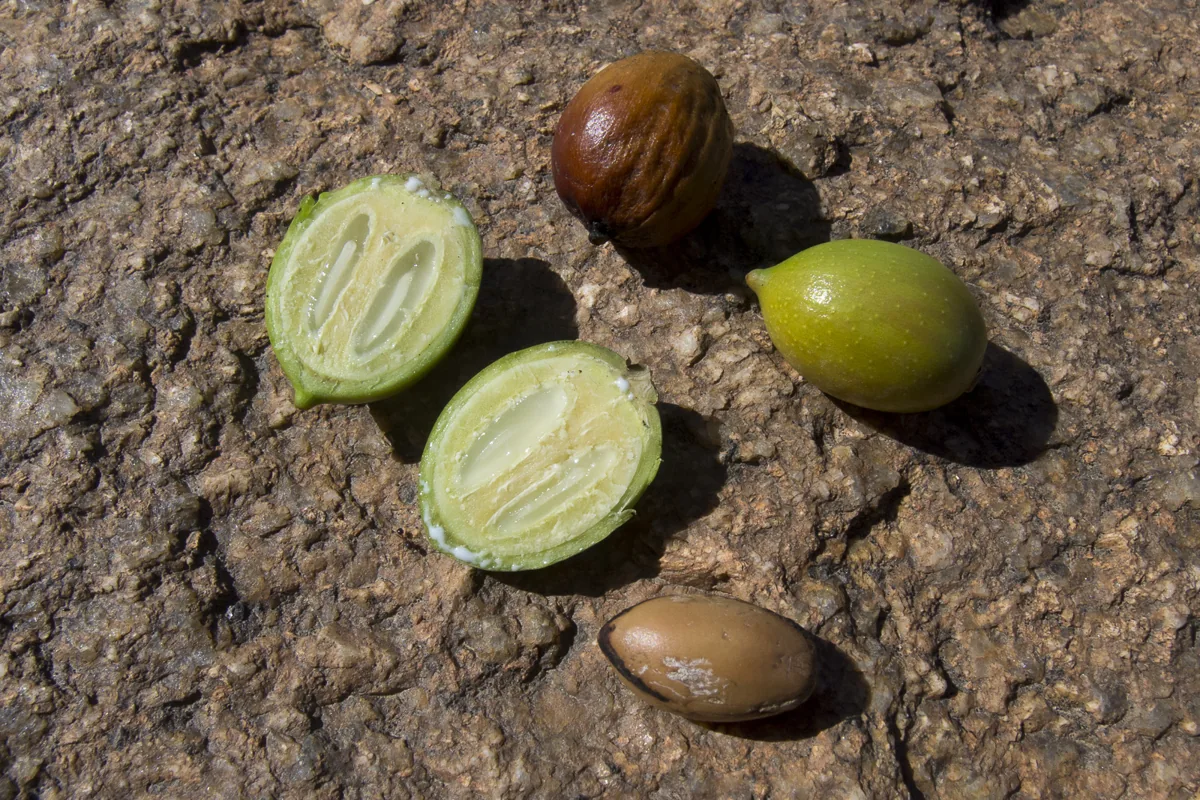
Also known as Argania spinosa (L.) Skeels (syn. Sideroxylon spinosum L., name used in some recent classifications)
FR Huile d’arganES Aceite de argánAR زيت الأركانArgan (Tamazight and Darija)
What the evidence says
Small, unblinded human studies plus general emollient data; no robust randomized trials for specific skin or hair claims.
- Best supported for
- Aging & Photoaging CDry, Damaged & Frizzy Hair C
- How to use it
- Face oil or serum · 2–4 drops neat, or 10–50% of an anhydrous serum
- Watch out for
- Allergic contact dermatitis to argan oil is uncommon but documented in case reports; patch test if your skin is reactive.
Checked against 2 cited studies and our safety review · Updated 26 November 2026 · How we grade
Why you’ll love Argan Oil
Why you’ll love it
- Softens dry, rough skin without a heavy, greasy finish
- A few drops tame frizz and add shine to dry ends
- Keeps well on the shelf, so it makes a forgiving first face oil
Best forDry and normal skin, dry or frizzy hair, and anyone new to face oils.
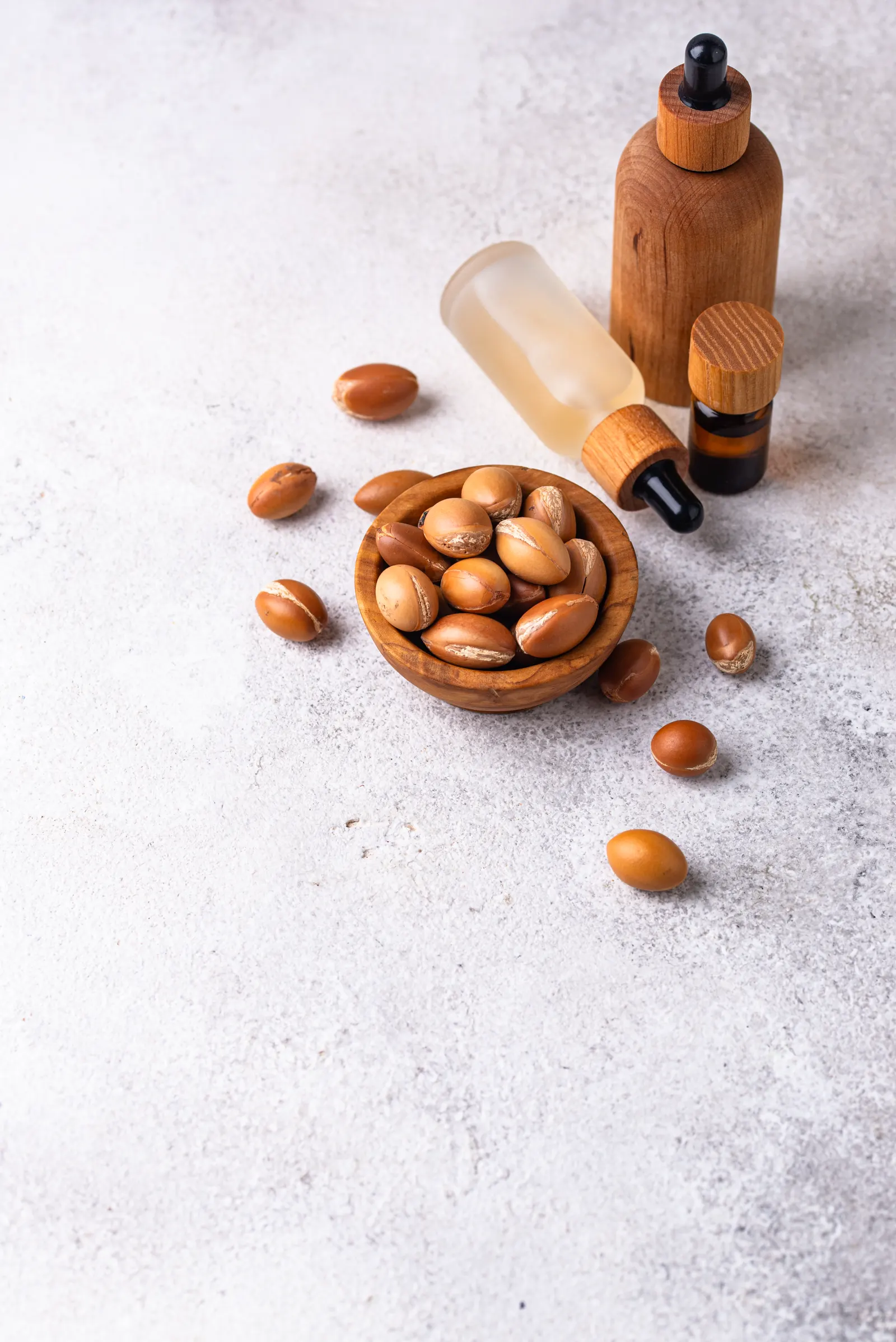
Try it today
A soft-finish evening face oil
- Cleanse, then leave your face slightly damp or apply your usual water-based moisturizer.
- Warm 2–4 drops of argan oil between your palms.
- Press gently over face and neck, and smooth any leftover onto the ends of your hair.
Good to know: For your face, choose unroasted cosmetic argan; the toasty culinary kind is for food. If it smells sharp or like old crayons, it has gone off.
At a glance
| Parts used | Kernel oil, cold-pressed from unroasted kernels (cosmetic) or roasted kernels (culinary) |
|---|---|
| Key actives | Oleic acid, Linoleic acid, γ-Tocopherol, Schottenol and spinasterol (Δ7-sterols), Squalene, Triterpene alcohols |
| INCI names | Argania Spinosa Kernel Oil |
| Skin types | dry, normal, combination, mature |
| Hair & scalp | curly, thick, color treated |
| Pairs well with | Prickly Pear Seed OilRhassoul ClayOrange Blossom (Neroli)Damask Rose |
| Evidence grade | CPromising Small, unblinded human studies plus general emollient data; no robust randomized trials for specific skin or hair claims. |
What it does for skin and hair
Softens and comforts dry skin
Its balanced fatty-acid profile and sterols help reduce water loss and smooth rough skin without a heavy, greasy finish — a reliable choice in dry-skin routines.
Tames frizz and adds shine
A few drops on mid-lengths and ends lubricate the cuticle, cut friction and reduce frizz and breakage — the best-understood benefit for dry hair.
Good stability for a face oil
Natural tocopherols and only moderate polyunsaturated content give argan a longer shelf life than rosehip or prickly pear oil, so it makes a forgiving base for serums.
Possible support for mature skin
One small, unblinded study in postmenopausal women reported improved elasticity where argan oil was applied — an interesting signal, not proof.
How to use it
Start low, be consistent, and give it four to eight weeks. These are the amounts that work in real products and home recipes.
| Form | Typical use level | Notes |
|---|---|---|
| Face oil or serum | 2–4 drops neat, or 10–50% of an anhydrous serum | Press onto slightly damp skin or over a water-based moisturizer to seal. See Argan & Prickly Pear Night Serum. |
| Hair finishing oil | 2–5 drops on ends; 1–5% in leave-in products | For a pre-wash treatment, apply to lengths 30–60 minutes before shampooing. |
| Creams and lotions | 2–10% of the formula (in the oil phase) | Add tocopherol at 0.1–0.5% to extend shelf life. Use the Formula & Cost Calculator to balance the oil phase. |
| Body oil after the hammam | Neat, a teaspoon for the body | The traditional finish after black soap and rhassoul clay; see Moroccan Hammam Ritual at Home. |
Use it safely
Low topical risk
- Allergic contact dermatitis to argan oil is uncommon but documented in case reports; patch test if your skin is reactive.
- Argan is a kernel oil; cosmetic oils carry very little protein, but people with severe nut or seed allergies have rarely reacted — ask an allergist if in doubt.
- Roasted (culinary) argan oil smells strongly toasted and is not meant for the face.
- Discard oil that smells sharp, waxy or like old crayons: oxidized oil is more irritating.
- Pregnancy & breastfeeding
- No specific concerns for topical use in pregnancy or breastfeeding. Skin can become more reactive in pregnancy, so patch test new products. Pregnancy guide
- Phototoxicity
- Not phototoxic at normal use levels.
- Declared fragrance allergens
- None expected
New to an ingredient? Patch test first. Stop and seek advice if you get burning, swelling, blistering or a spreading rash.
Make it at home: recipes with argan oil
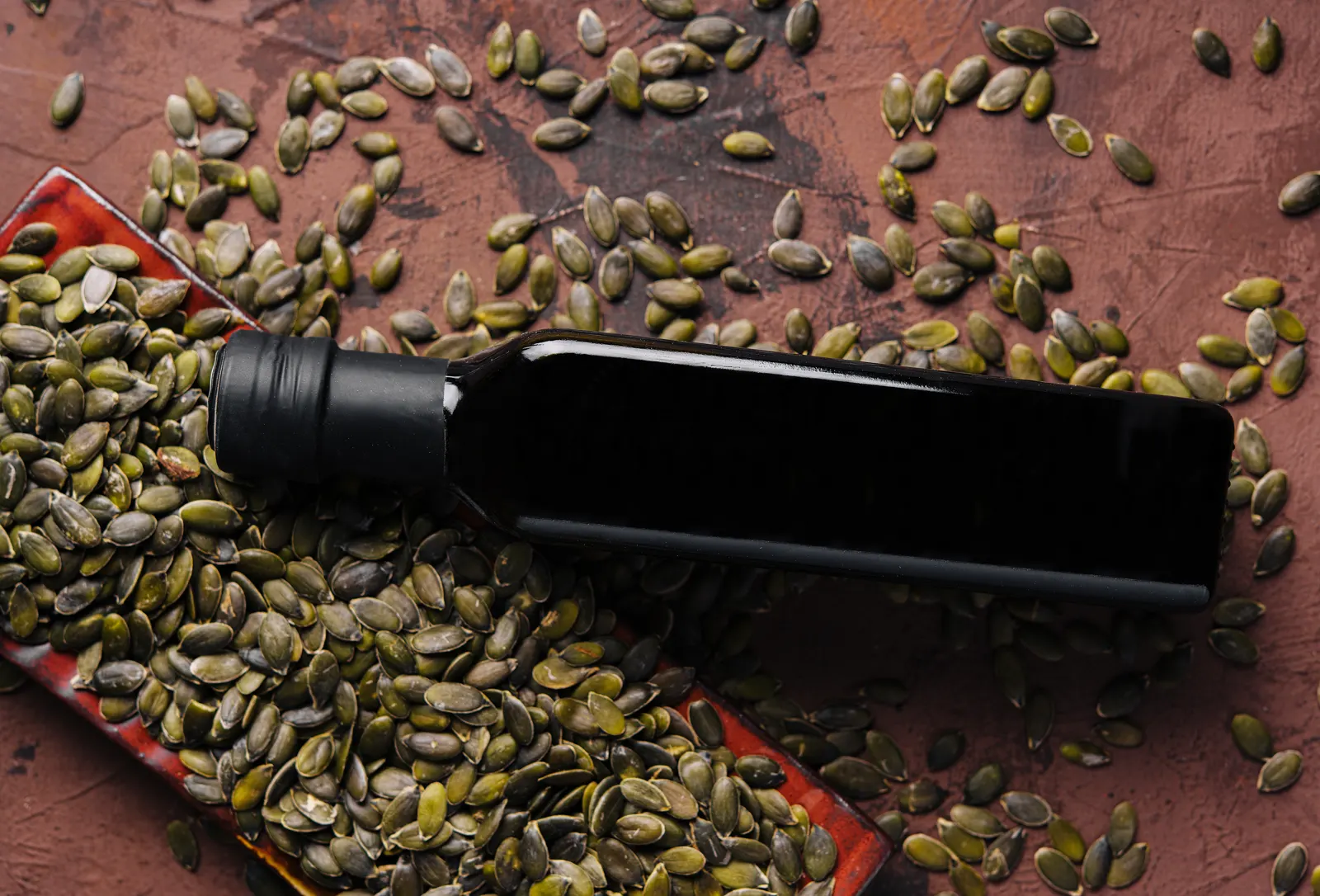 Hair care · BeginnerRosemary & Pumpkin Seed Scalp OilA pre-wash scalp massage oil with 2% rosemary essential oil in pumpkin seed, jojoba and argan oils — a supportive ritual, not a medical treatment.
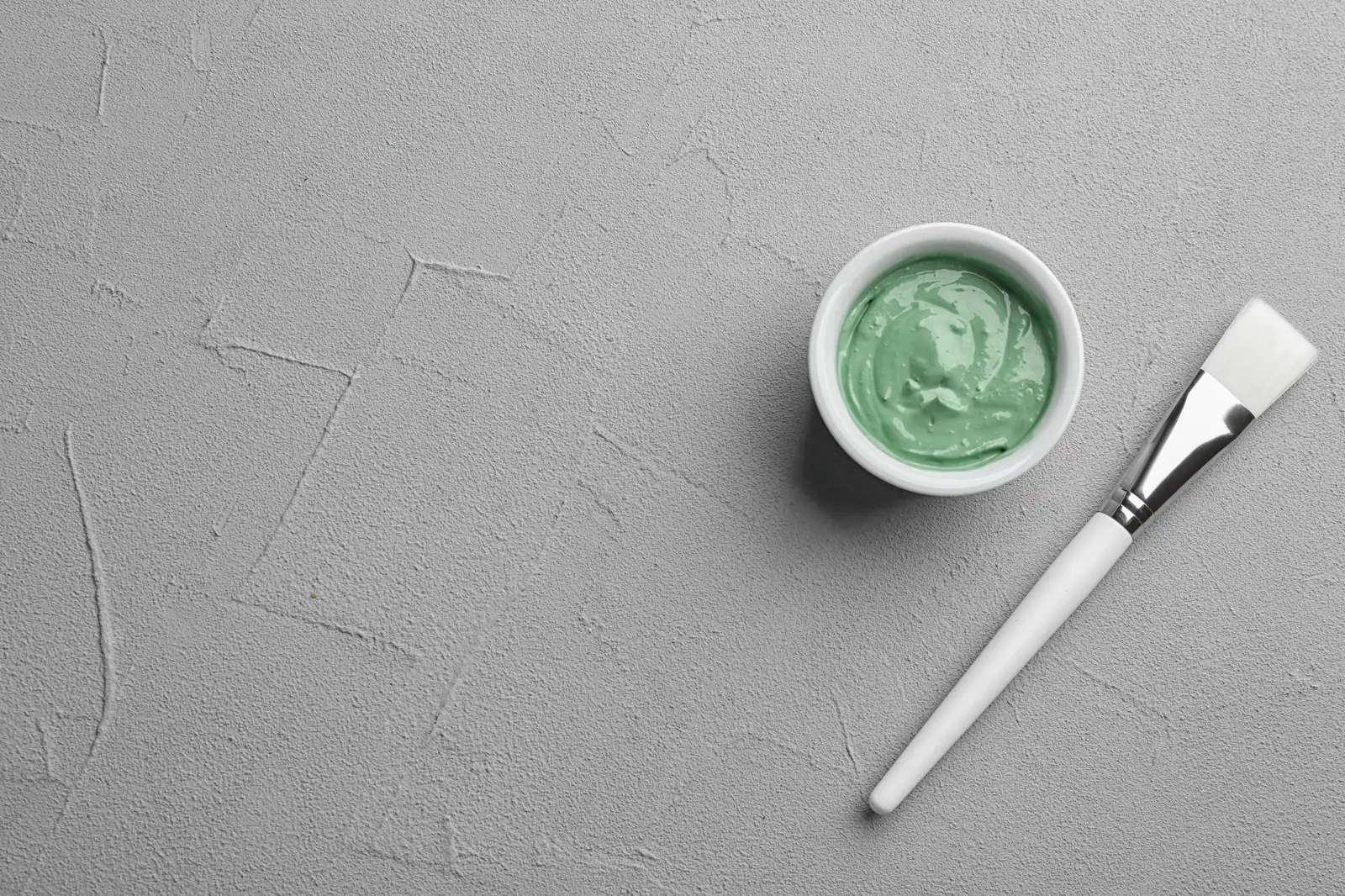 Mask · BeginnerMoroccan Rhassoul & Orange Blossom MaskRhassoul clay whipped with orange blossom water, argan oil and honey: the Moroccan way to cleanse and soften without squeaky tightness.
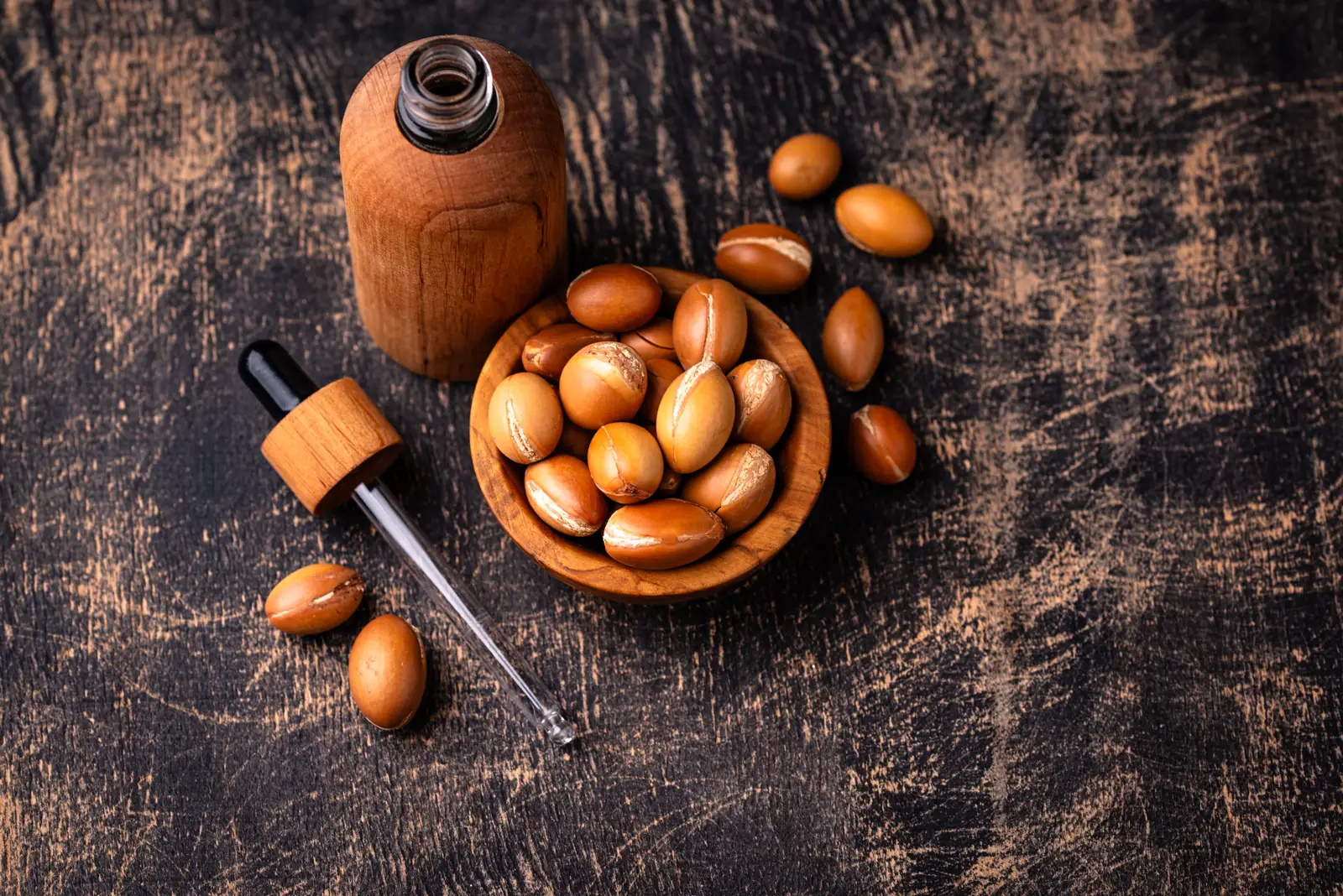 Serum · BeginnerArgan & Prickly Pear Night SerumA Moroccan night oil-serum of argan, prickly pear seed oil and squalane with 1% bakuchiol, a gentle alternative to retinol.
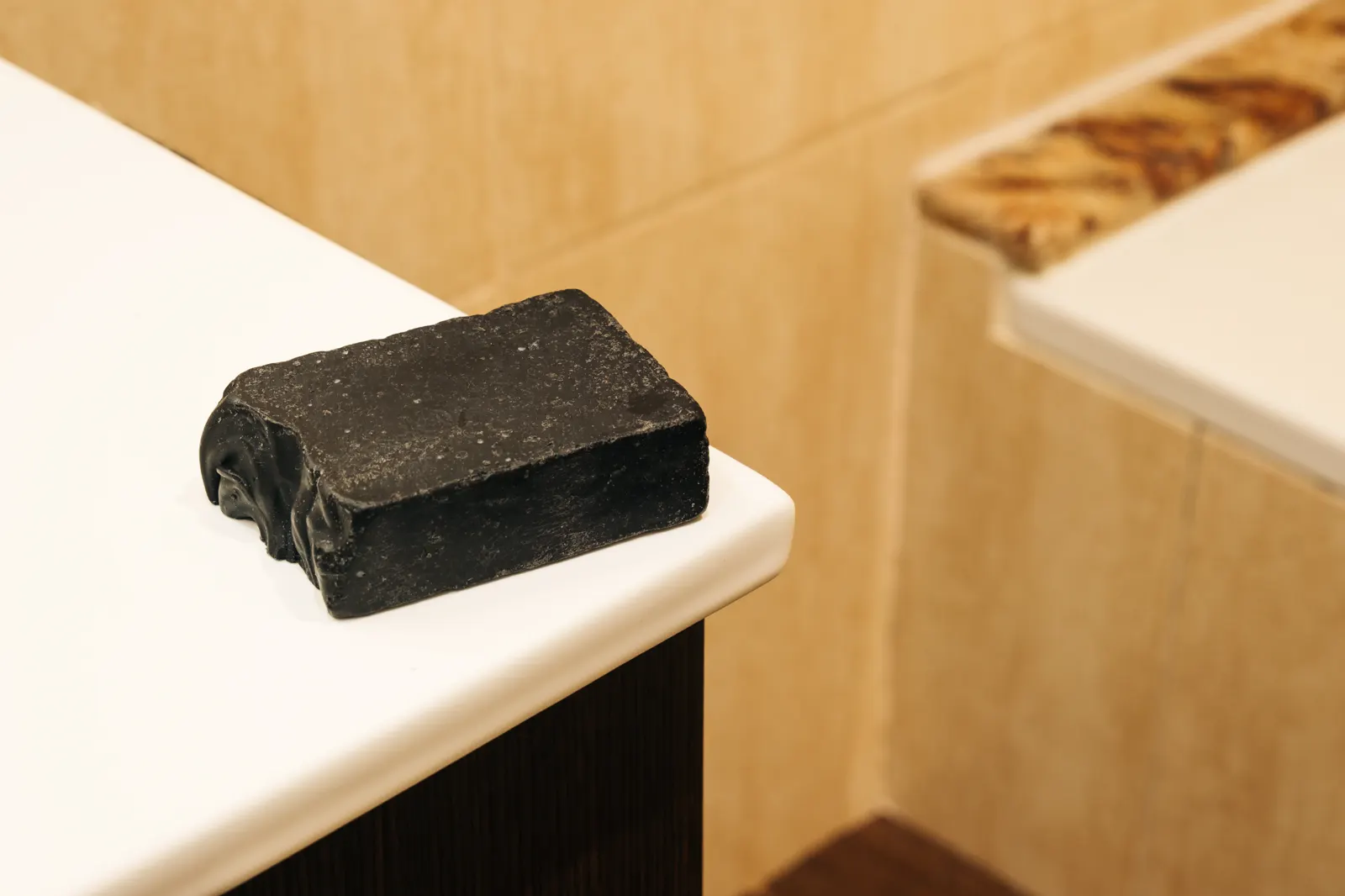 Ritual · BeginnerMoroccan Hammam Ritual at HomeBeldi black soap, the kessa glove, rhassoul clay, orange blossom water and argan oil: the traditional Moroccan hammam sequence, adapted safely for home.
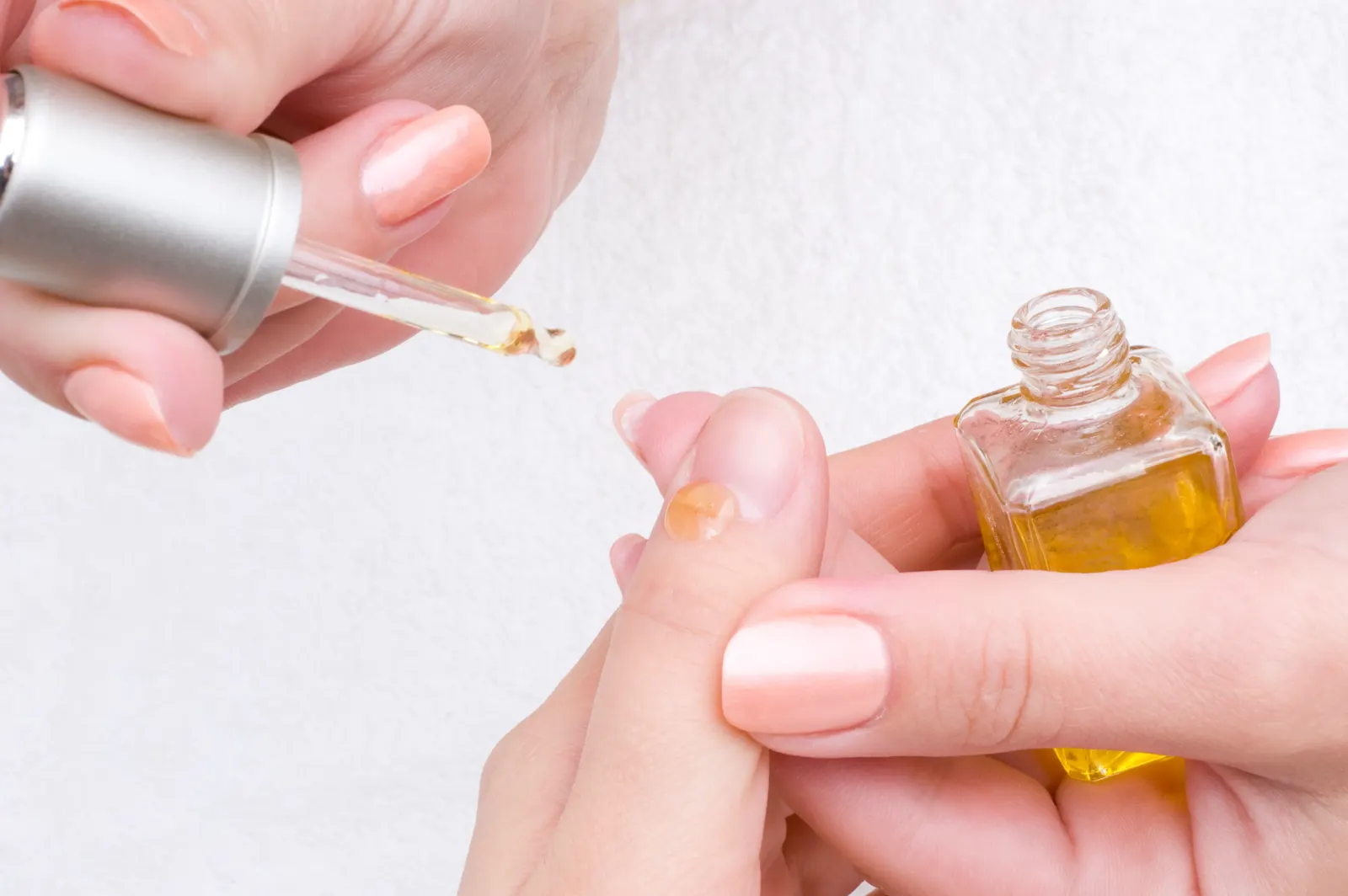 Body care · BeginnerOvernight Cuticle OilA tiny bottle of jojoba, almond, argan and castor oil for ragged cuticles and brittle, peeling nails. One drop per nail before bed.
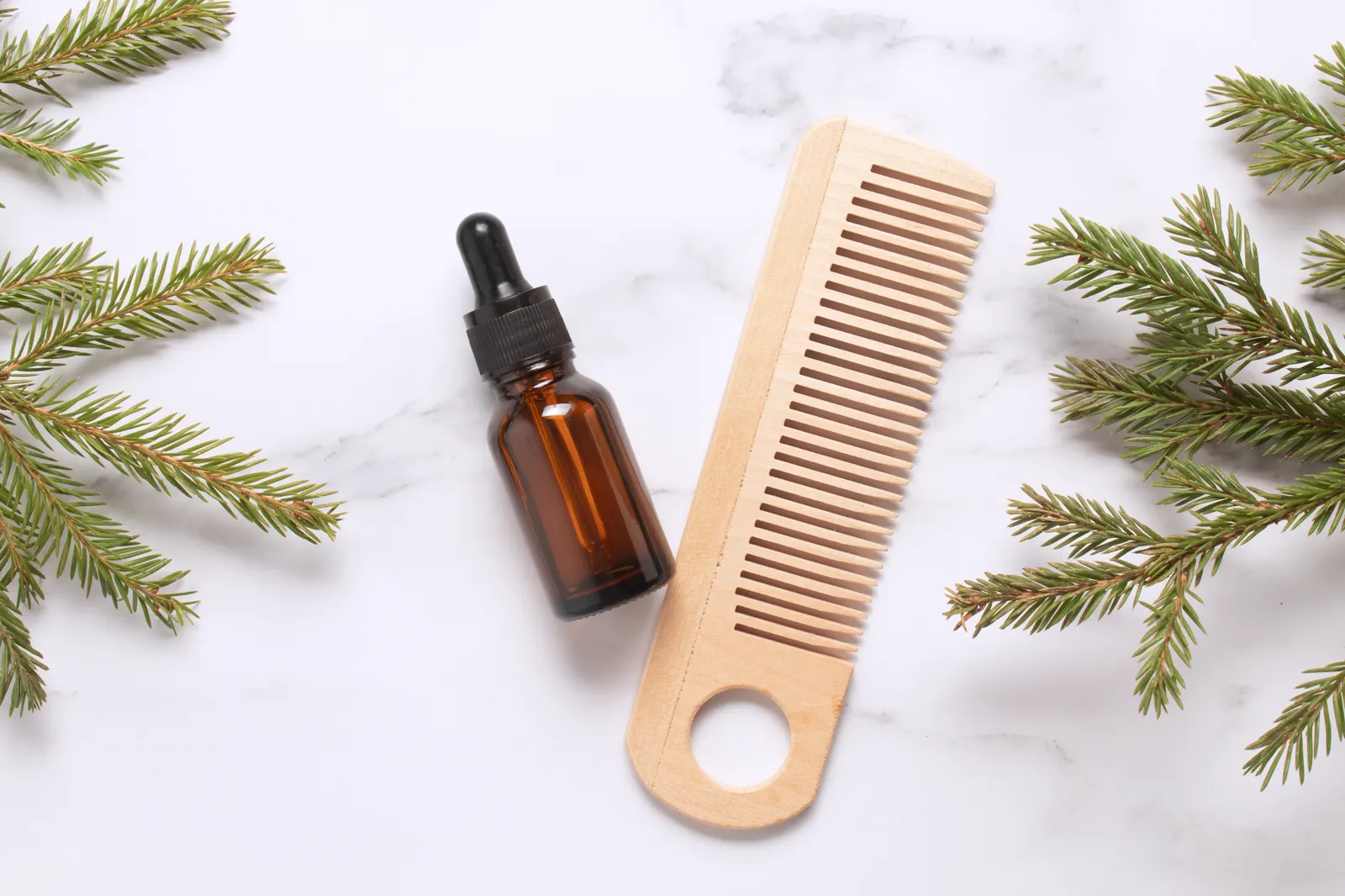 Face oil · BeginnerArgan & Jojoba Beard OilA light, woody beard oil of jojoba, argan and sunflower with a hint of Atlas cedar that softens bristles and calms the itchy skin beneath.
 Hair care · BeginnerRosemary Pre-Wash Hair & Scalp OilA weekly pre-shampoo oil of sunflower, coconut and argan with 1% rosemary essential oil, massaged into scalp and lengths before wash day.
Buying well
Sustainability
The argan forest (arganeraie) is protected as UNESCO’s Arganeraie Biosphere Reserve (1998), and the practices and know-how surrounding the argan tree were added to UNESCO’s Intangible Cultural Heritage list in 2014. Kernel cracking is traditionally women’s work; buying through women’s cooperatives keeps more income local, although soaring demand has also brought middlemen, mechanization and pressure on old trees. Look for traceable cooperative sourcing and Morocco’s geographical indication for argan oil where offered. See Sustainable & Ethical Botanical Sourcing.
How to choose quality
Cosmetic argan oil is cold-pressed from unroasted kernels: pale to golden yellow with a light, faintly nutty smell. Culinary oil is pressed from roasted kernels — darker and strongly toasted. Deodorized cosmetic oil is nearly odorless (useful in fragrance-free formulas) but carries fewer minor components. Red flags: a price far below the market, “argan” products where the oil sits near the end of the INCI list, or a colorless, watery oil. Buy in dark glass, store cool and dark, and use within about 12 months of opening.
The research For professionals
The chemistry, the studies and the evidence by concern, for practitioners, formulators and the curious.
Cosmetic argan oil is a triglyceride oil dominated by oleic acid (roughly 43–50%) and linoleic acid (roughly 29–37%), with palmitic (about 11–15%) and stearic acid (about 4–7%). What sets it apart is the minor, unsaponifiable fraction (around 1%): tocopherols at several hundred mg/kg, overwhelmingly γ-tocopherol; the Δ7-sterols schottenol and spinasterol, which are rare among common seed oils and serve as authenticity markers; plus squalene and triterpene alcohols.
On skin, argan behaves like other balanced oils. It forms a light emollient film that softens the stratum corneum and slows transepidermal water loss, and it supplies linoleic acid, the fatty acid the skin uses to build the acylceramides of the lipid barrier. The antioxidant fraction mainly protects the oil itself from rancidity; claims that its sterols “regenerate” skin rest on laboratory data.
Human evidence is thin. A 60-day study in 60 postmenopausal women (Boucetta 2015) reported improved elasticity on forearms where argan oil was applied, with an extra gain in women who also ate it; it was small and not blinded. Reviews of topical plant oils place argan among oils with plausible barrier benefits but few controlled trials. Argan is usually described as low-comedogenic, but comedogenicity ratings come largely from the rabbit-ear assay, which over-predicts human comedones and tested specific samples — treat any number as a rough guide.
Evidence by concern
| Concern | Grade | What the evidence shows |
|---|---|---|
| Aging & Photoaging | C | A small study in postmenopausal women found improved elasticity with argan oil (oral and topical arms); useful as an emollient. |
| Dry, Damaged & Frizzy Hair | C | A lab study on dyed hair fibers found argan oil improved fiber quality after repeated coloring; supports its use as a finishing and pre-wash oil. |
Key studies
60 postmenopausal women, 60 days: elasticity improved at forearm sites treated with argan oil; the group also consuming argan oil showed additional improvement. Small and unblinded.
Boucetta KQ, et al. Clin Interv Aging. 2015 Read it in the bibliography Find on PubMedNarrative review of topical plant oils (including argan, olive, sunflower, coconut, jojoba, rosehip): mechanisms for barrier repair and anti-inflammatory effects, with limited clinical data for most oils.
Lin TK, Zhong L, Santiago JL. Int J Mol Sci. 2017 Read it in the bibliography Find on PubMed
MythArgan oil is made from nuts that goats have eaten and passed.
EvidenceGoats really do climb argan trees to browse, and kernels were historically sometimes gleaned from their droppings, but quality cosmetic oil comes from fruit that is collected, dried, de-pulped and cracked by hand or machine. Some roadside “goats in trees” scenes are reportedly staged for tourists.
In tradition
In Amazigh communities of the Souss, argan is food, medicine and cosmetic at once: roasted oil goes into bread dips and amlou (with almonds and honey), while unroasted oil is used on hair, skin and nails. See Moroccan Beauty Rituals: Hammam, Rhassoul & Argan.
From the first-edition dossier
From study to shelf
A Moroccan seed oil, from skin studies to hair-care labels.
On this page
What the studies found
Qiraouani Boucetta et al. (2014) · Full report
- Study design
- 60 postmenopausal women were randomized to consume argan or olive oil. Every participant applied cosmetic argan oil to the left forearm for 60 days. The right forearm was untreated.
- Result
- The treated forearm showed lower water loss and greater epidermal water content from baseline in both diet groups. At day 60, treated-versus-untreated differences were statistically significant in the oral olive-oil group only.
- Limitations
- The study randomized the diets. The topical treatment was always on the left and had no vehicle comparator. It studied hydration measures on the forearm, so there is no information about hair growth.
What a provenance claim can verify
UNESCO’s inscription recognizes practices and know-how associated with the argan tree in Morocco. It is a record of living heritage. For a specific cosmetic, ask the seller for the production region and the name of the producer, processor or cooperative, and whether that information is available for the batch you are buying.
Checks before you buy
- Look for Argania Spinosa Kernel Oil if you want argan in the formula.
- Check the intended area. A finishing serum for lengths may contain argan, silicones and fragrance.
- For sourcing claims, ask the brand to identify the producing region, processor or cooperative.
Questions readers ask
Does the study show argan grows hair?
It measured water loss and water content on the forearm. Hair growth needs a separate clinical study.
Is pure argan oil the same as an argan serum?
A serum may blend argan with other oils or silicones. The formula and instructions shape how it performs.
Compare the preparations
Pure argan oil and a shine serum with silicones or other oils feel different. For a leave-on hair cosmetic, check how much to use and whether directions apply to lengths or scalp.
| Preparation | What to check |
|---|---|
| Argan kernel oil | Check the plant part or species declared and the manufacturer’s specification. |
| An oil blend or finishing serum | Check whether the same preparation appears in the study or the formula you are comparing. |
The research
Studies evaluated cosmetic or dietary argan oil in postmenopausal women. These data concern particular routes, participants and skin outcomes. They give no estimate of hair regrowth. In hair care, evaluate feel and manageability as cosmetic outcomes.
Safety and tolerance
Stop use if you notice irritation. If you have a relevant known allergy, discuss the product with your clinician before using it.
What to look for on the label
Look for “Argania Spinosa Kernel Oil”. Ask the brand for traceability information if origin and producer practices matter to you.
A real label example
Spain ·
The Ordinary 100% Organic Cold Pressed Moroccan Argan Oil
- Argania Spinosa Kernel Oil
This Spain listing identifies a single kernel oil. A styling blend can contain the same oil alongside other ingredients.
Compare Spain hair finish labels
Sources
Continue reading
First published in the original Herbs.Beauty atlas on 11 November 2026, with its sources as checked on that date.
Frequently asked questions
Is argan oil good for oily or acne-prone skin?
What is the difference between culinary and cosmetic argan oil?
Does argan oil make hair grow?
How can I tell if argan oil is pure?
Cite this page
Herbs.Beauty. Argan Oil (Argania spinosa (L.) Skeels): evidence-based monograph. Updated 26 November 2026. https://herbs.beauty/ingredients/argan-oil.html