The ingredient encyclopedia · oil
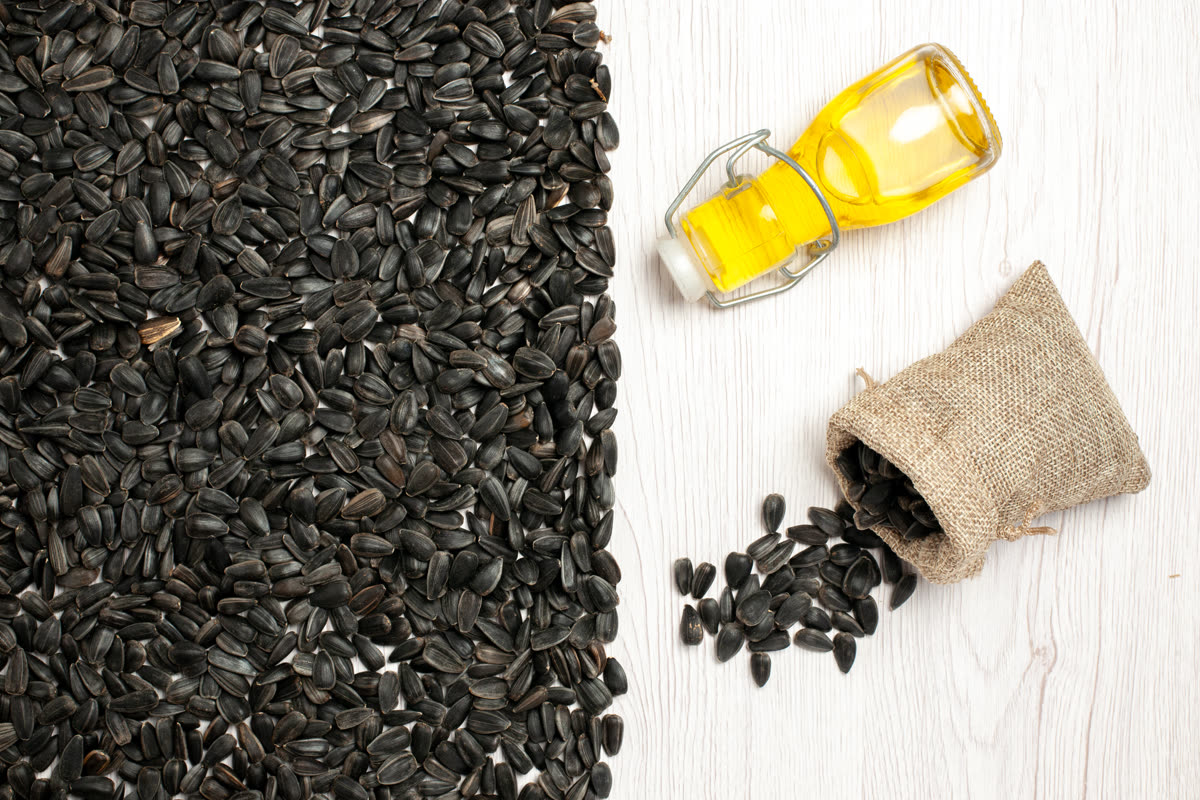
Sunflower Oil
Helianthus annuus L. · Asteraceae
The humble kitchen oil with some of the best barrier evidence of any plant oil: gentle, affordable and kind to dry skin.
FR Huile de tournesolES Aceite de girasolAR زيت دوار الشمس
- How well proven
- BGood evidence
- Safety
- Low topical risk
- Sun-sensitive
- No
FR Huile de tournesolES Aceite de girasolAR زيت دوار الشمس
What the evidence says
Controlled human studies show barrier preservation versus olive oil and benefits as an emollient in preterm infants; trials are small or in specific settings.
- Best supported for
- Dry & Dehydrated Skin BEczema-Prone Skin B
- How to use it
- Cleansing balm or oil · 30–70% of the formula
- Watch out for
- Very well tolerated.
Checked against 3 cited studies and our safety review · Updated 26 November 2026 · How we grade
Why you’ll love Sunflower Oil
Why you’ll love it
- Helped keep the skin barrier intact in a comparison with olive oil
- Mild, low-odor and very well tolerated, even on sensitive skin
- Affordable enough to use generously from head to toe
Best forDry, sensitive and eczema-prone body skin, and anyone after a gentle, low-cost oil.
Try it today
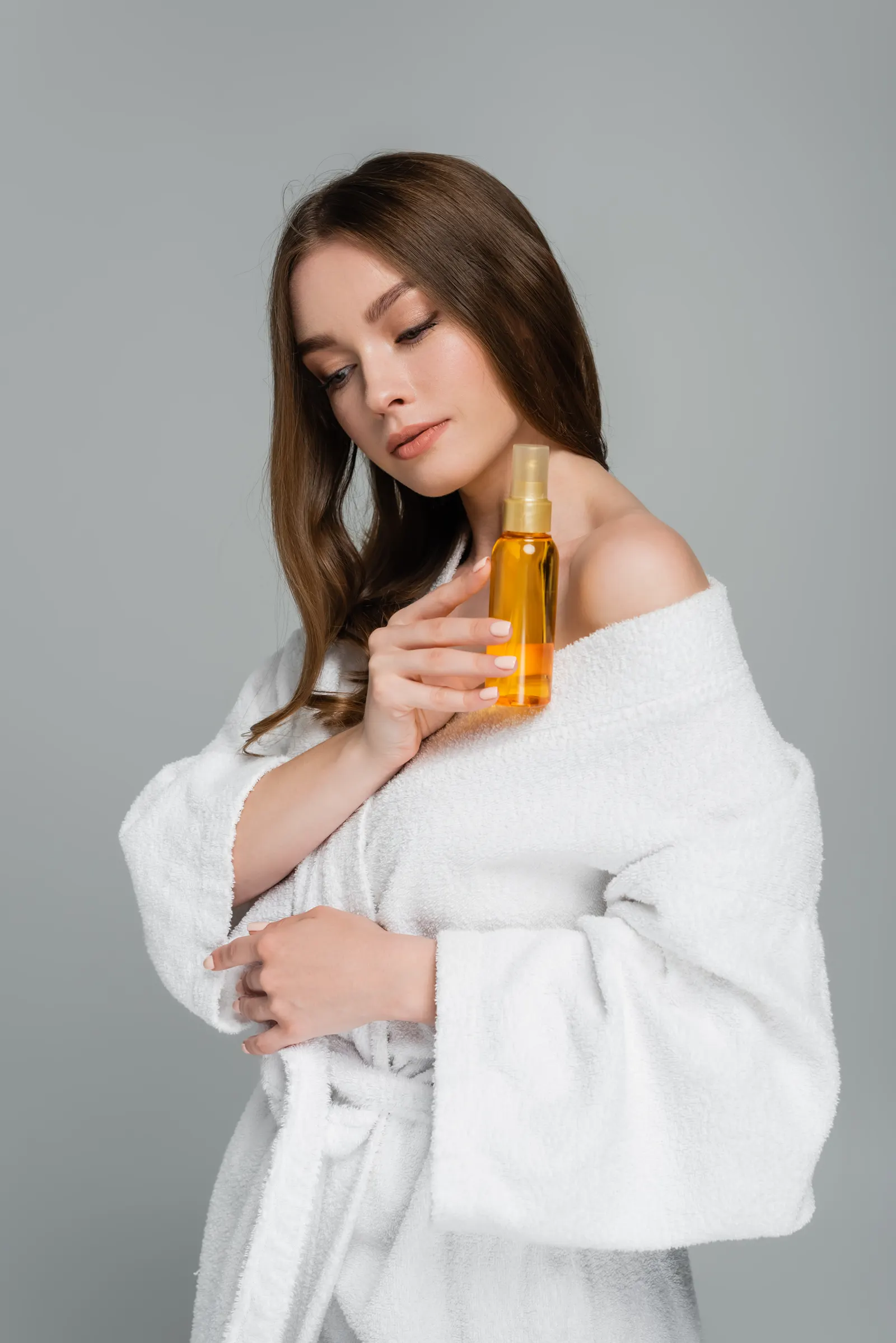
An after-bath body oil
- If you have a known daisy-family (Compositae) allergy, patch test first.
- Straight after a lukewarm bath, pat your skin until it is just damp.
- Smooth a thin layer of sunflower oil over arms, legs and body to seal in moisture.
Good to know: High-linoleic sunflower oil turns rancid fairly fast: buy small, keep it cool and dark, and bin it if it smells off. For newborns, ask your midwife first.
At a glance
| Parts used | Seed oil: high-linoleic (classic), mid-oleic and high-oleic types; unsaponifiable concentrates (oleodistillate) |
|---|---|
| Key actives | Linoleic acid, Oleic acid, α-Tocopherol, Phytosterols |
| INCI names | Helianthus Annuus Seed Oil Helianthus Annuus Hybrid Oil Helianthus Annuus Seed Oil Unsaponifiables |
| Skin types | dry, sensitive, normal, combination |
| Pairs well with | CalendulaColloidal OatmealChamomileShea Butter |
| Evidence grade | BGood evidence Controlled human studies show barrier preservation versus olive oil and benefits as an emollient in preterm infants; trials are small or in specific settings. |
What it does for skin and hair
Barrier-friendly emollient
Preserved stratum corneum integrity and improved hydration in a controlled comparison with olive oil — relevant for eczema-prone skin.
Linoleic acid for ceramides
Supplies linoleic acid, which the skin builds into the acylceramides essential for the lamellar barrier.
Gentle and low-cost
Mild, low-odor and low-allergy, it makes an affordable base for balms, cleansers and macerated (infused) herbal oils.
Studied in vulnerable skin
Used as an emollient in preterm infants in low-resource settings, where it reduced hospital-acquired infections in a randomized trial.
How to use it
Start low, be consistent, and give it four to eight weeks. These are the amounts that work in real products and home recipes.
| Form | Typical use level | Notes |
|---|---|---|
| Cleansing balm or oil | 30–70% of the formula | An affordable, gentle base; see Sunflower Cleansing Balm. |
| Infused (macerated) oil | As the carrier, 100% | The classic base for calendula oil; see Calendula Comfort Balm and Infused Oils, Hydrosols & Extracts. |
| Body oil and emollient | Neat or 20–80% of a blend | Apply to damp skin after bathing. Add tocopherol 0.2–0.5% to protect high-linoleic oil. |
| Creams | 3–15% of a formula | A cost-effective source of linoleic acid in the oil phase. |
Use it safely
Low topical risk
- Very well tolerated. People with sunflower-seed food allergy usually tolerate refined oil, but can react to cold-pressed oil — ask an allergist.
- Sunflower is in the daisy family (Asteraceae); refined oil carries negligible sesquiterpene lactones, but patch test if you have known Compositae allergy.
- High-linoleic oil oxidizes relatively fast; rancid oil can irritate.
- For newborns, use only with your midwife’s or pediatrician’s advice; daily emollients have not been shown to prevent eczema.
- Pregnancy & breastfeeding
- Safe topically in pregnancy and breastfeeding. Pregnancy guide
- Phototoxicity
- Not phototoxic at normal use levels.
- Declared fragrance allergens
- None expected
New to an ingredient? Patch test first. Stop and seek advice if you get burning, swelling, blistering or a spreading rash.
Make it at home: recipes with sunflower oil
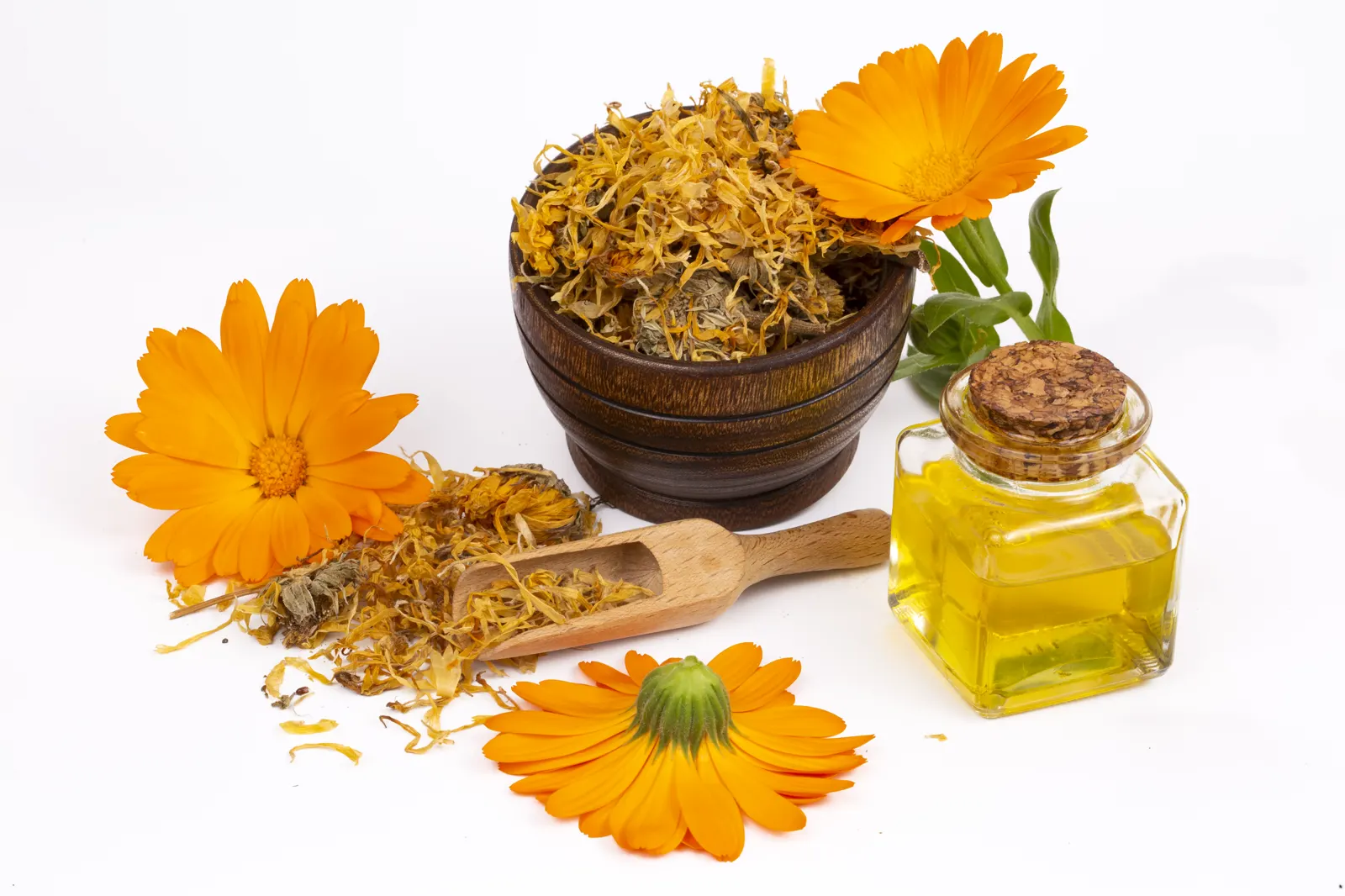 Balm · BeginnerCalendula Comfort BalmA rich, fragrance-free balm of calendula-infused oil, shea and beeswax for chapped hands, dry patches and minor scrapes once they have closed.
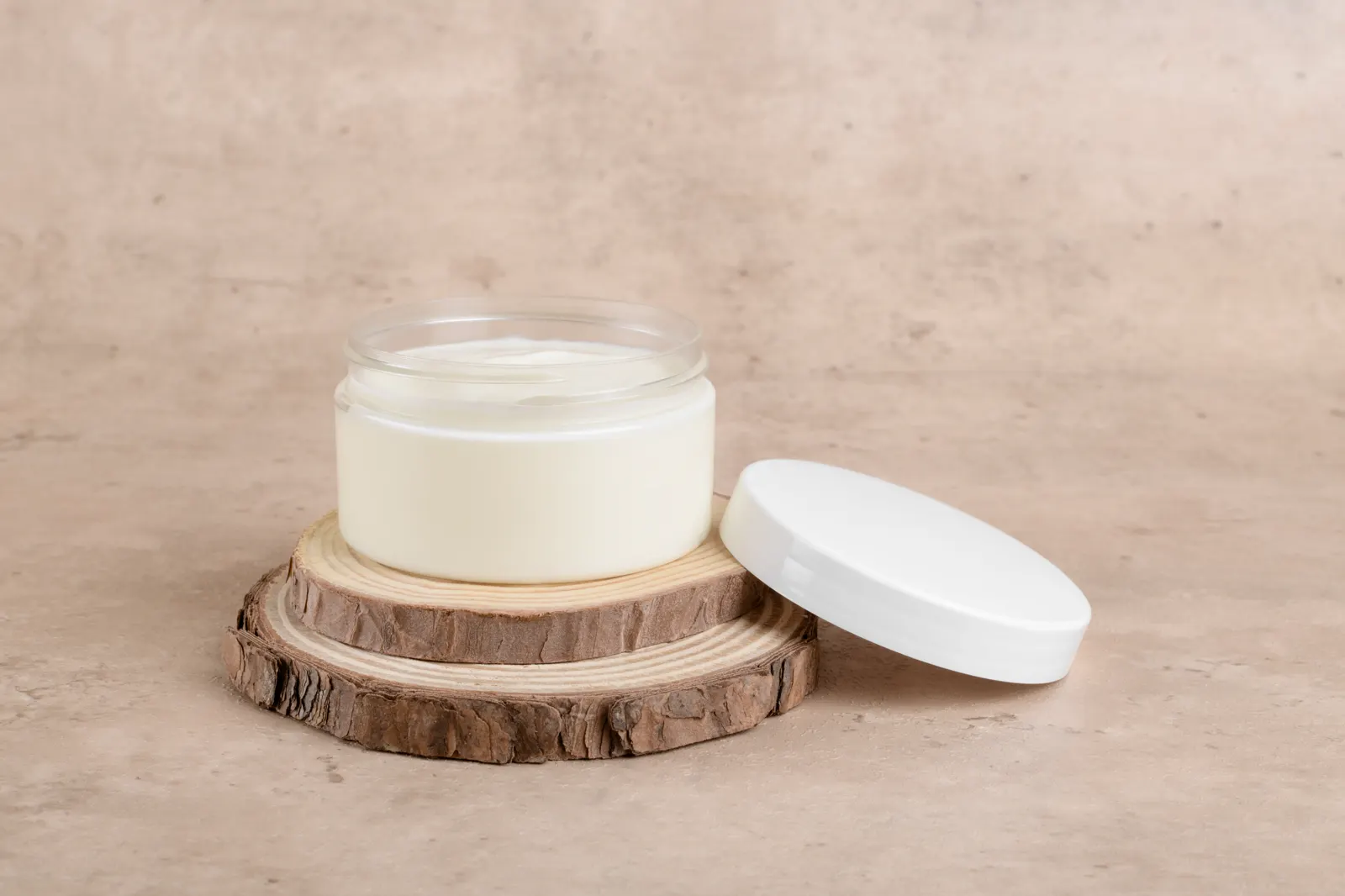 Body care · BeginnerWhipped Shea Body ButterCloud-light whipped shea with coconut and sunflower oils and a hint of lavender — rich care for dry skin, with the trick that prevents graininess.
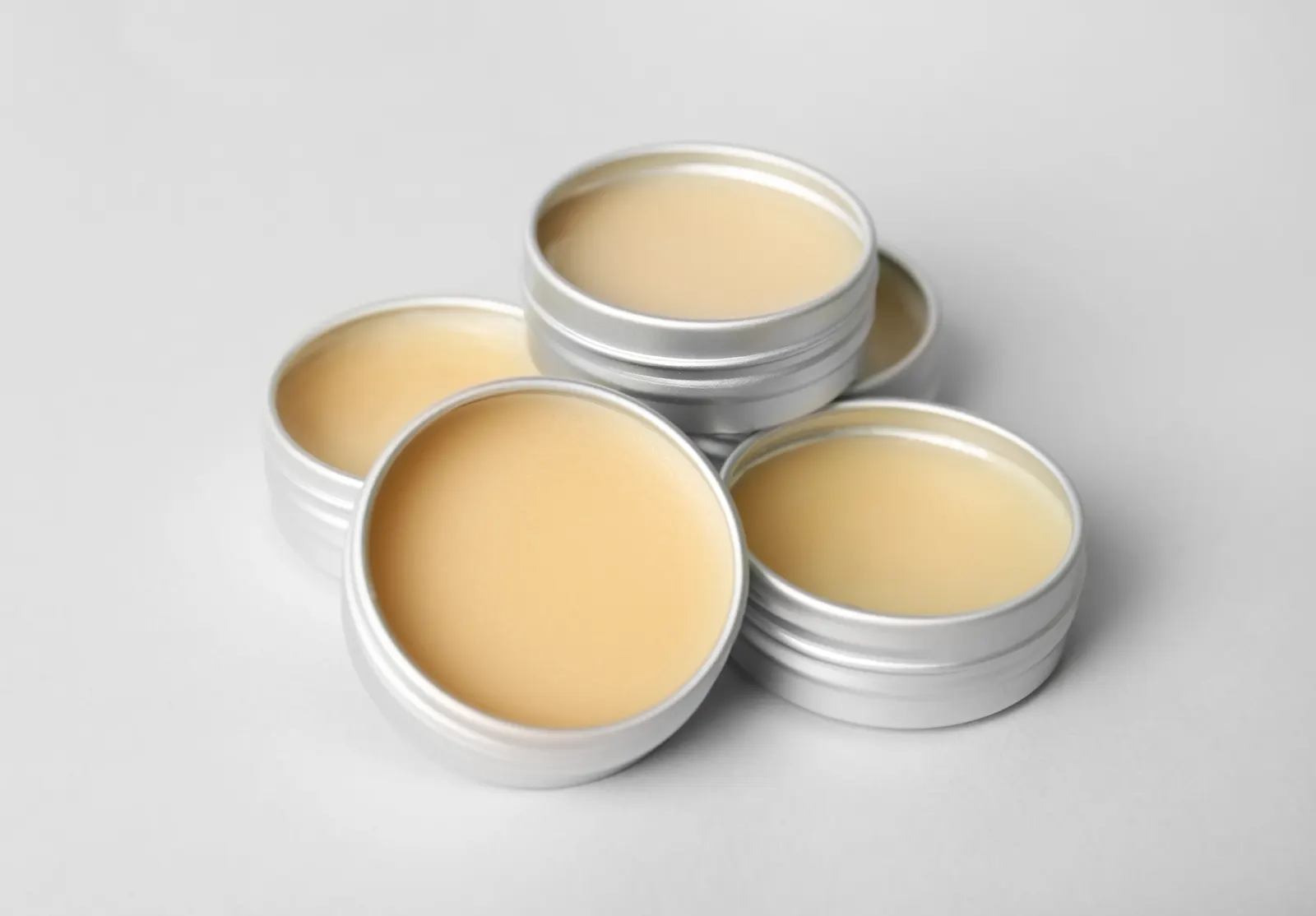 Lip care · BeginnerShea & Calendula Lip BalmA classic fragrance-free beeswax lip balm with shea, castor oil and calendula-infused oil — glossy, protective and easy to make.
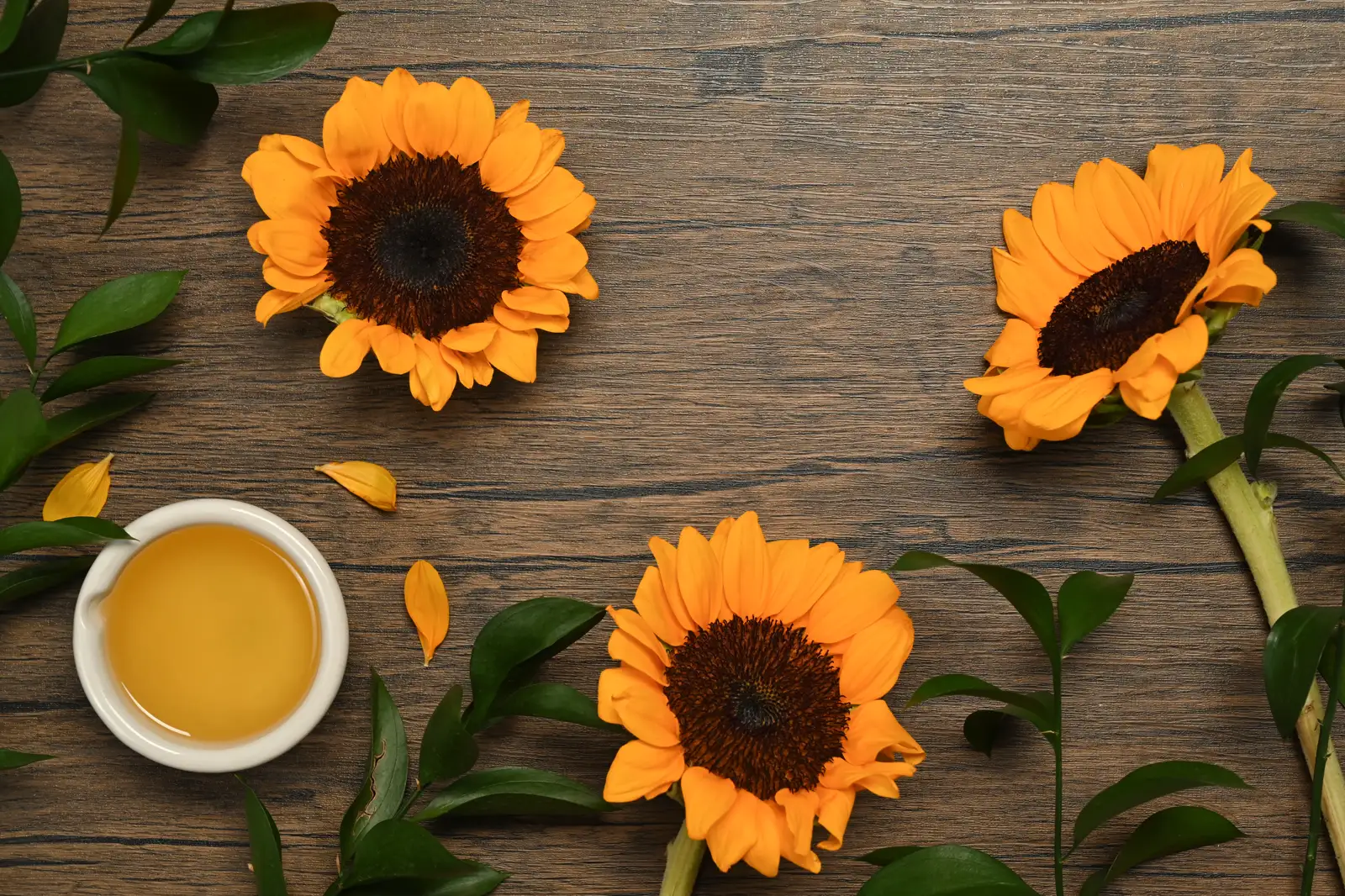 Cleanser · IntermediateSunflower Cleansing BalmA sherbet-textured cleansing balm of sunflower, shea and jojoba with a plant-derived emulsifier that turns milky and rinses clean, sunscreen included.
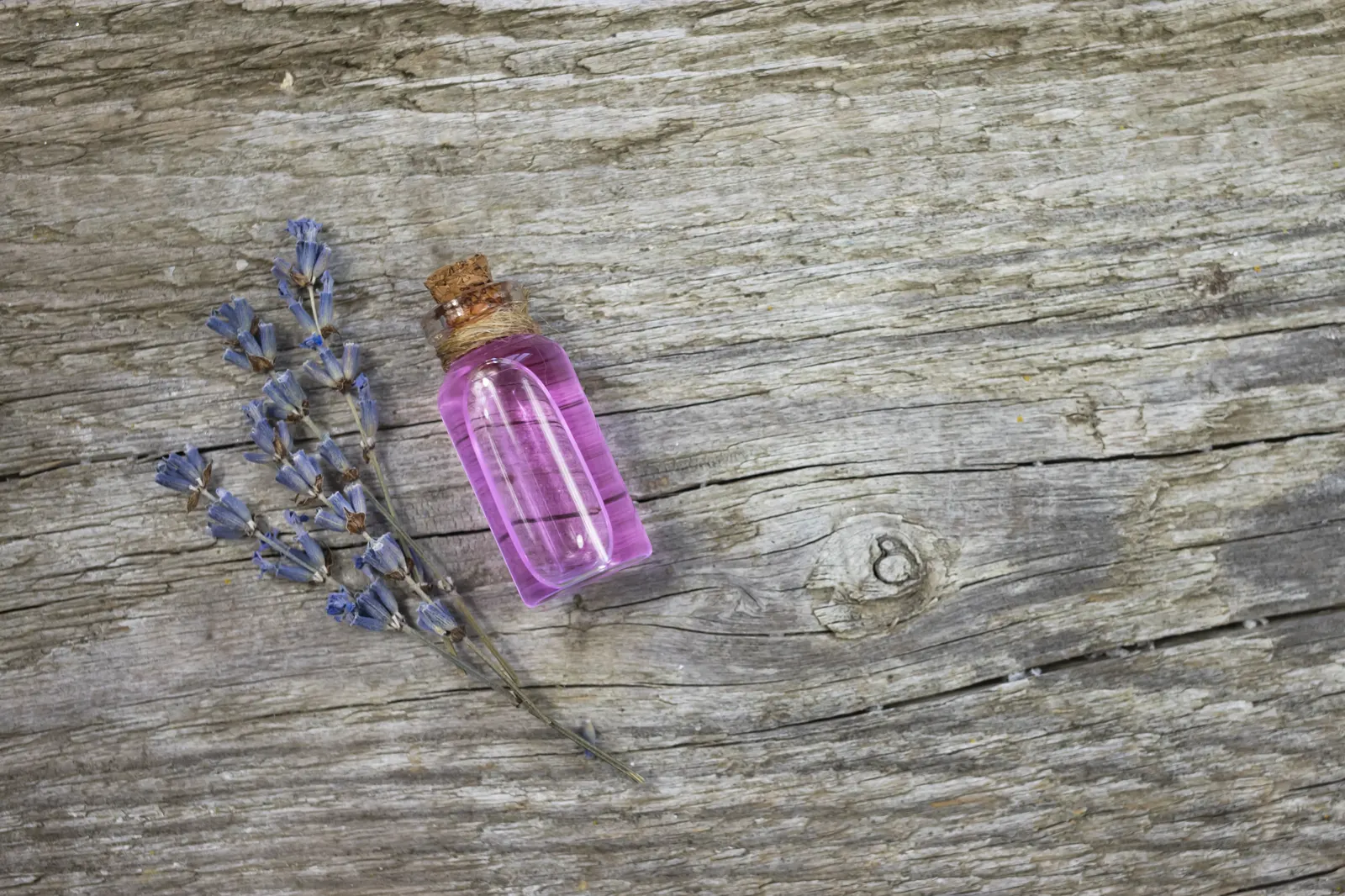 Body care · BeginnerLavender Calm Body OilA silky after-bath body oil of sunflower, apricot kernel and jojoba with 2% true lavender — the maximum we recommend for body use.
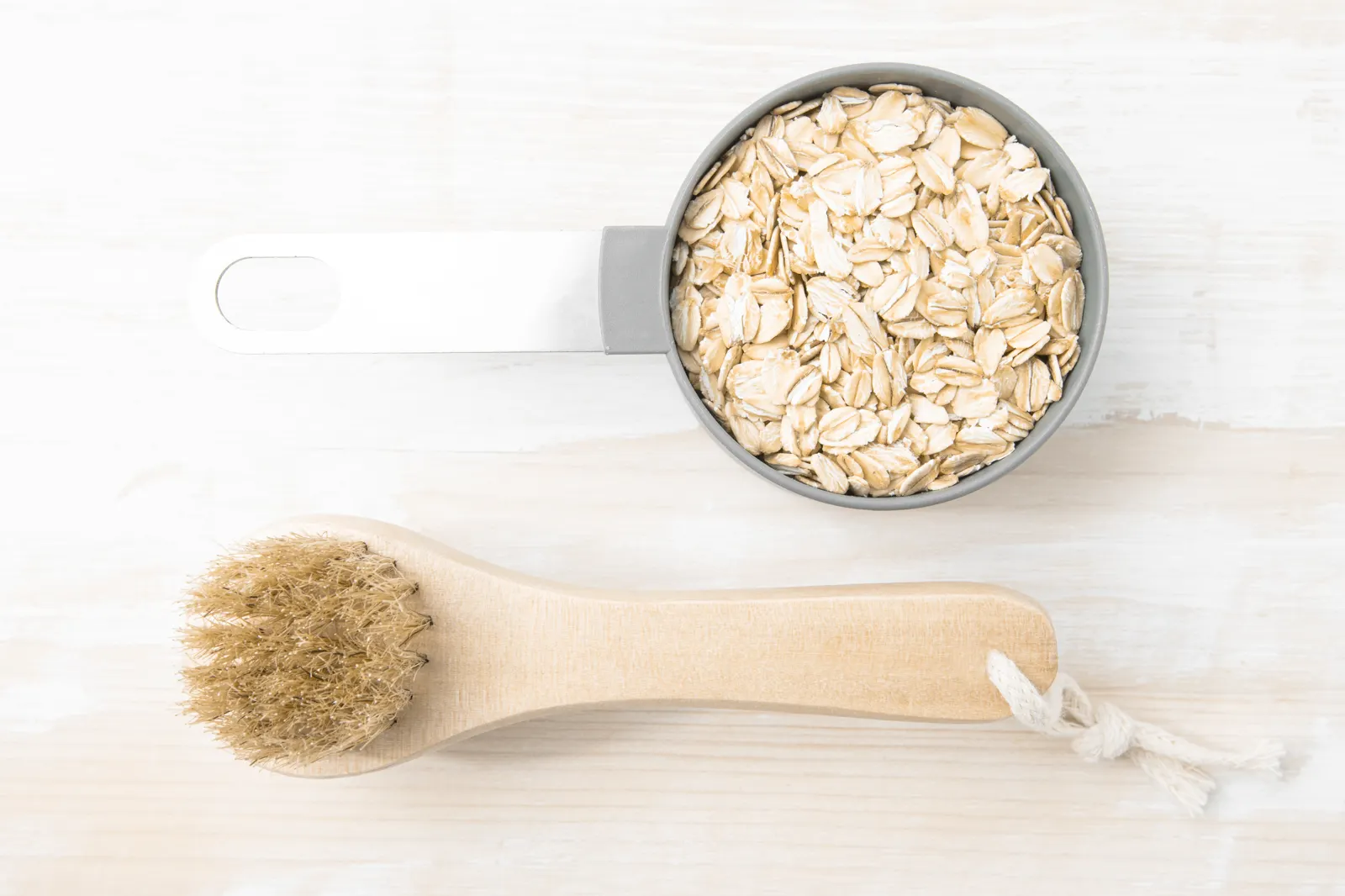 Bath · BeginnerColloidal Oat Soothing BathA lukewarm colloidal oatmeal soak with a little sunflower oil and marshmallow root to calm itchy, dry or eczema-prone skin.
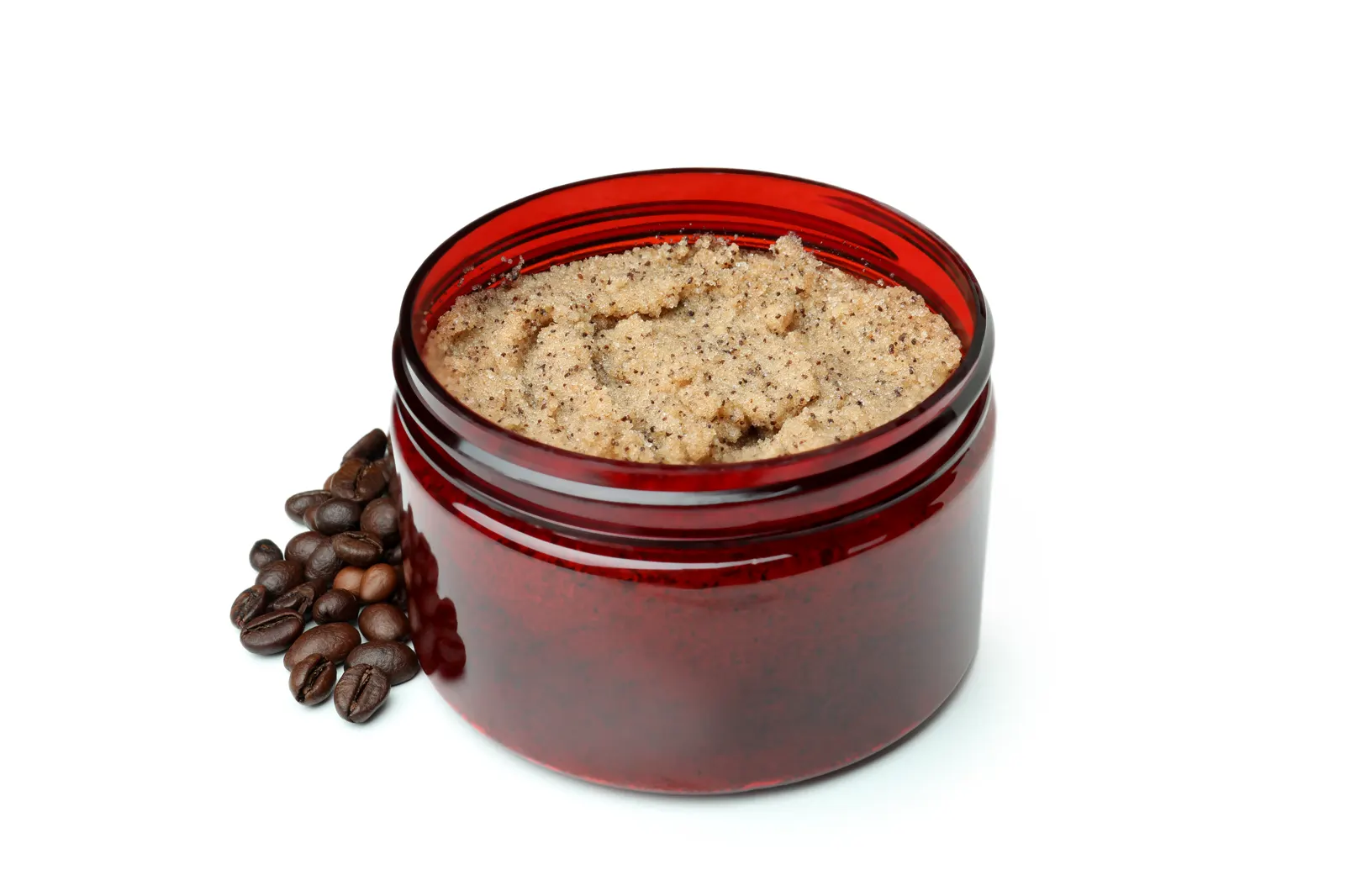 Body care · BeginnerCoffee & Coconut Body ScrubA wake-up body scrub of dry ground coffee, sugar and coconut oil that smells like a café and leaves skin soft — with tips for floors and drains.
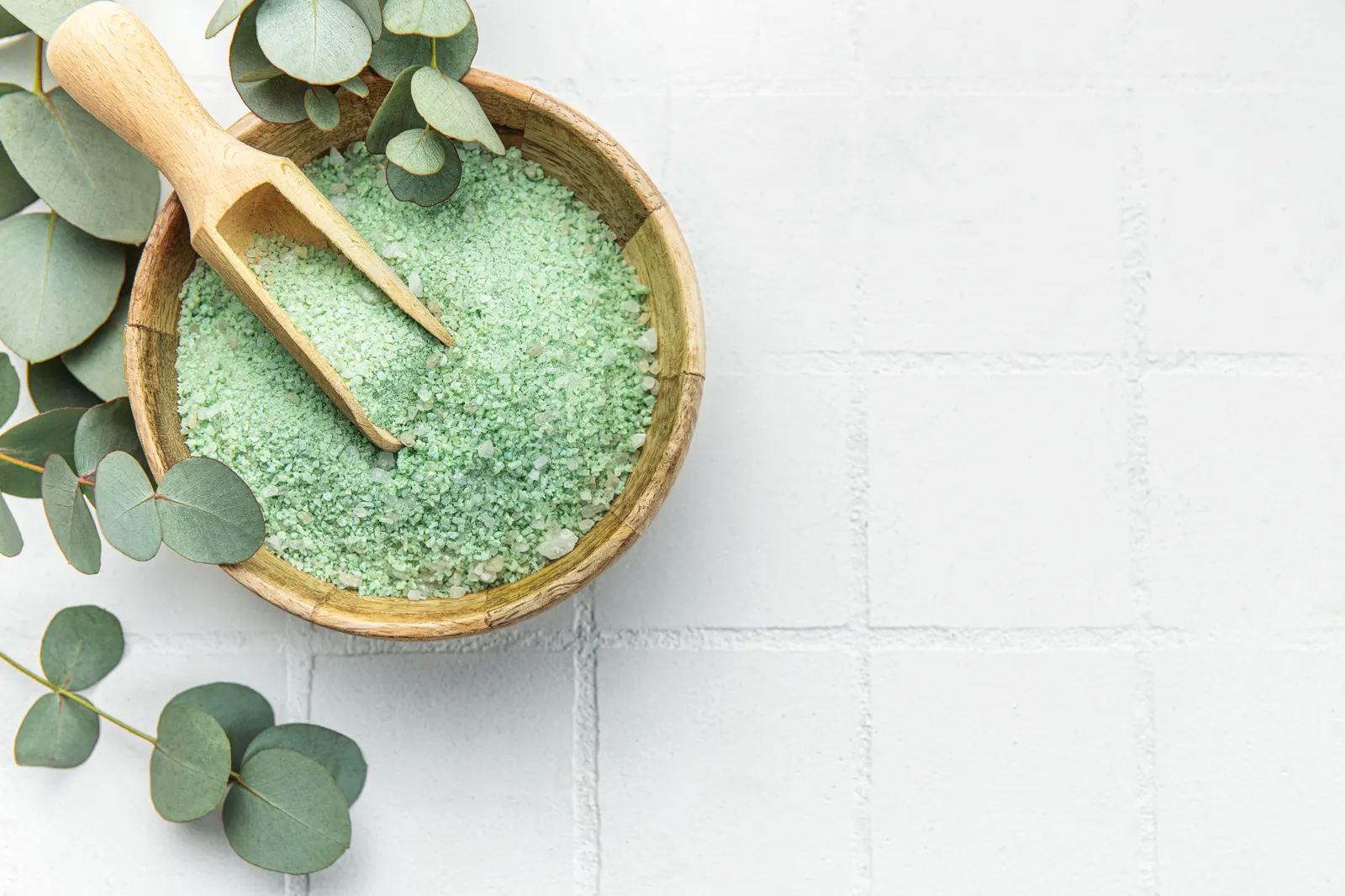 Bath · BeginnerPeppermint Sea-Salt Foot SoakA jar of sea salt and Epsom salt with a cool whisper of peppermint, pre-diluted in oil, for tired feet at the end of a long day.
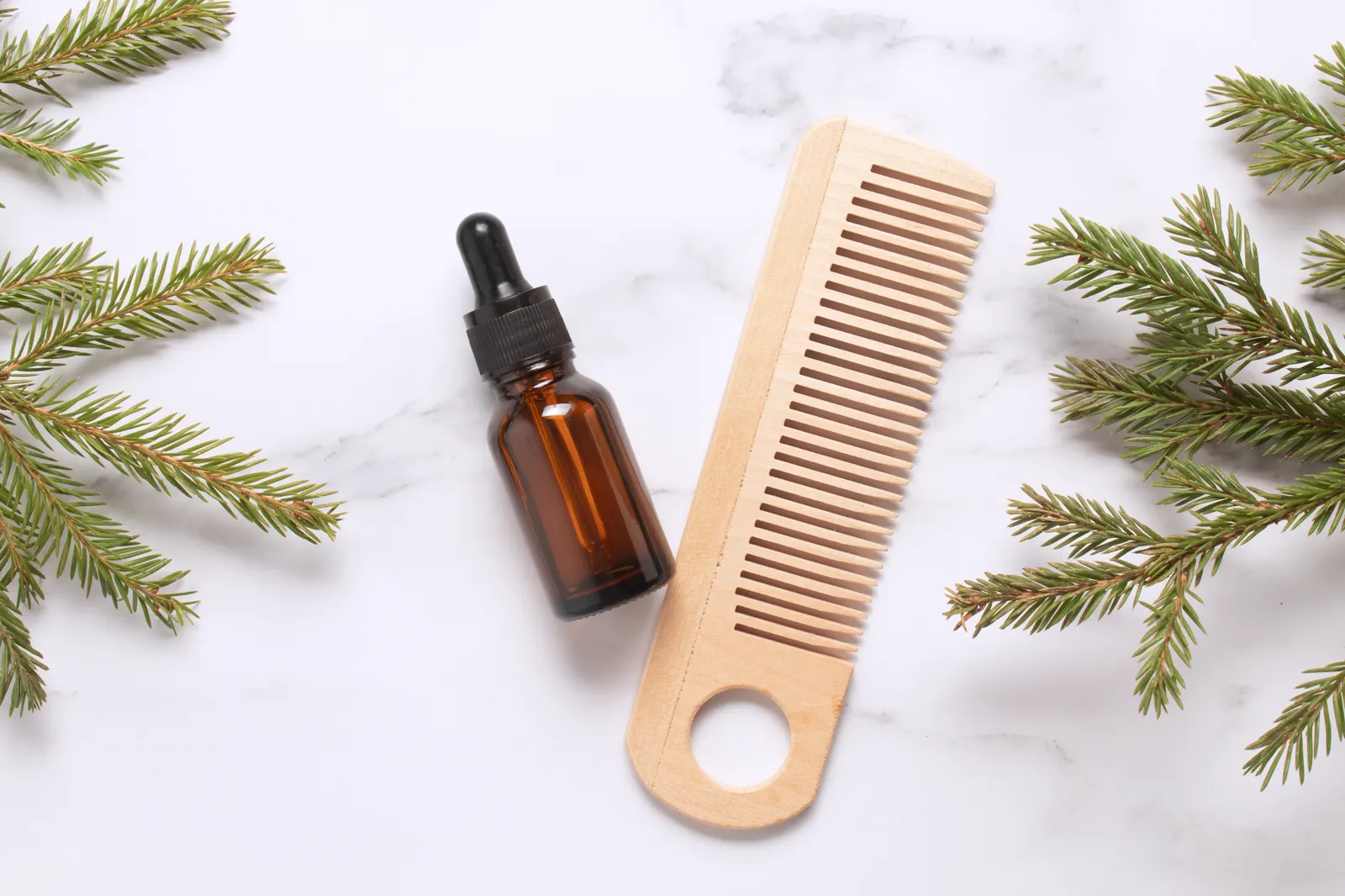 Face oil · BeginnerArgan & Jojoba Beard OilA light, woody beard oil of jojoba, argan and sunflower with a hint of Atlas cedar that softens bristles and calms the itchy skin beneath.
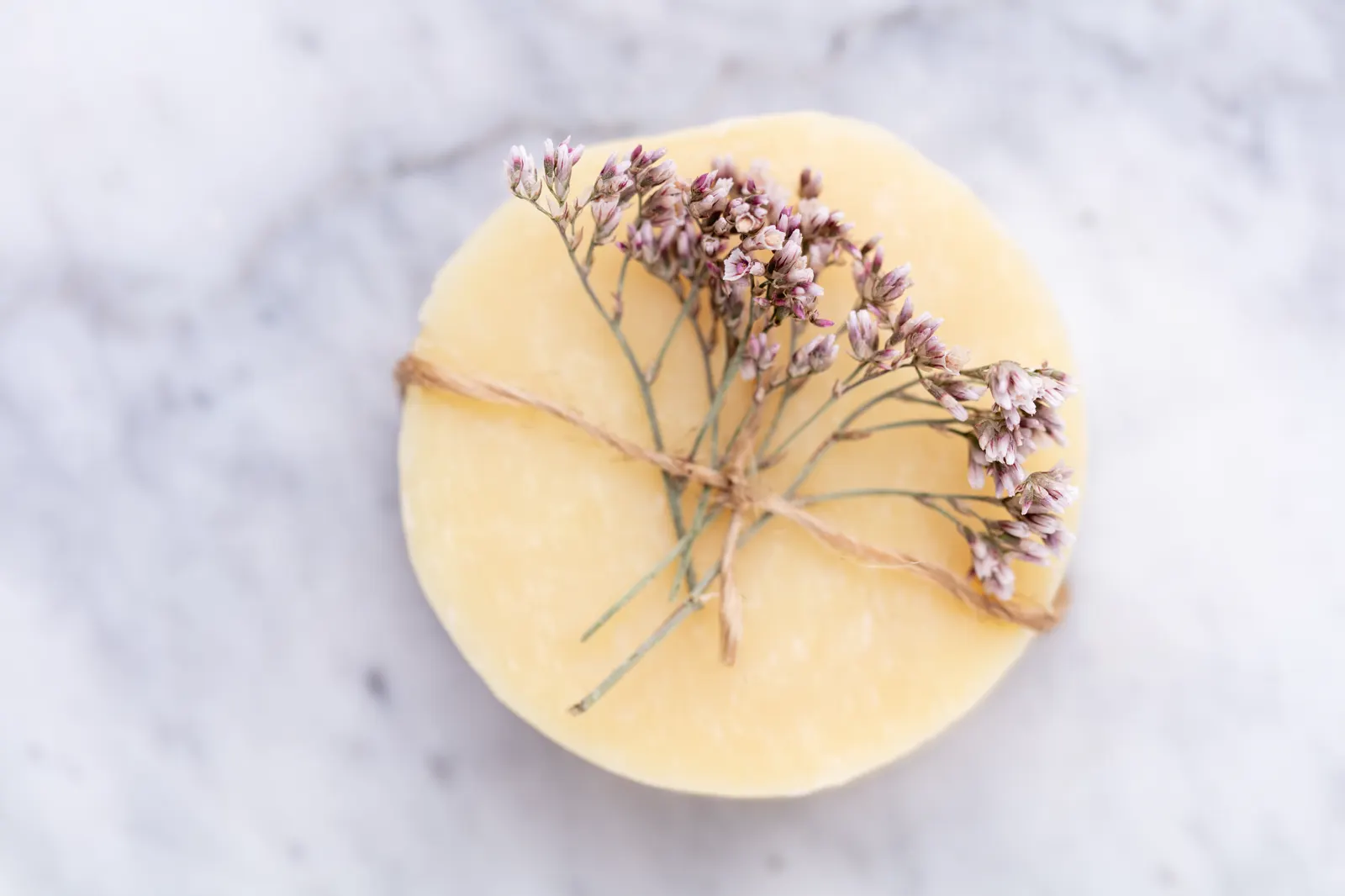 Body care · BeginnerShea Solid Lotion BarA three-ingredient lotion bar of shea, beeswax and sunflower oil that melts on contact with warm skin. No jar, no water, no preservative.
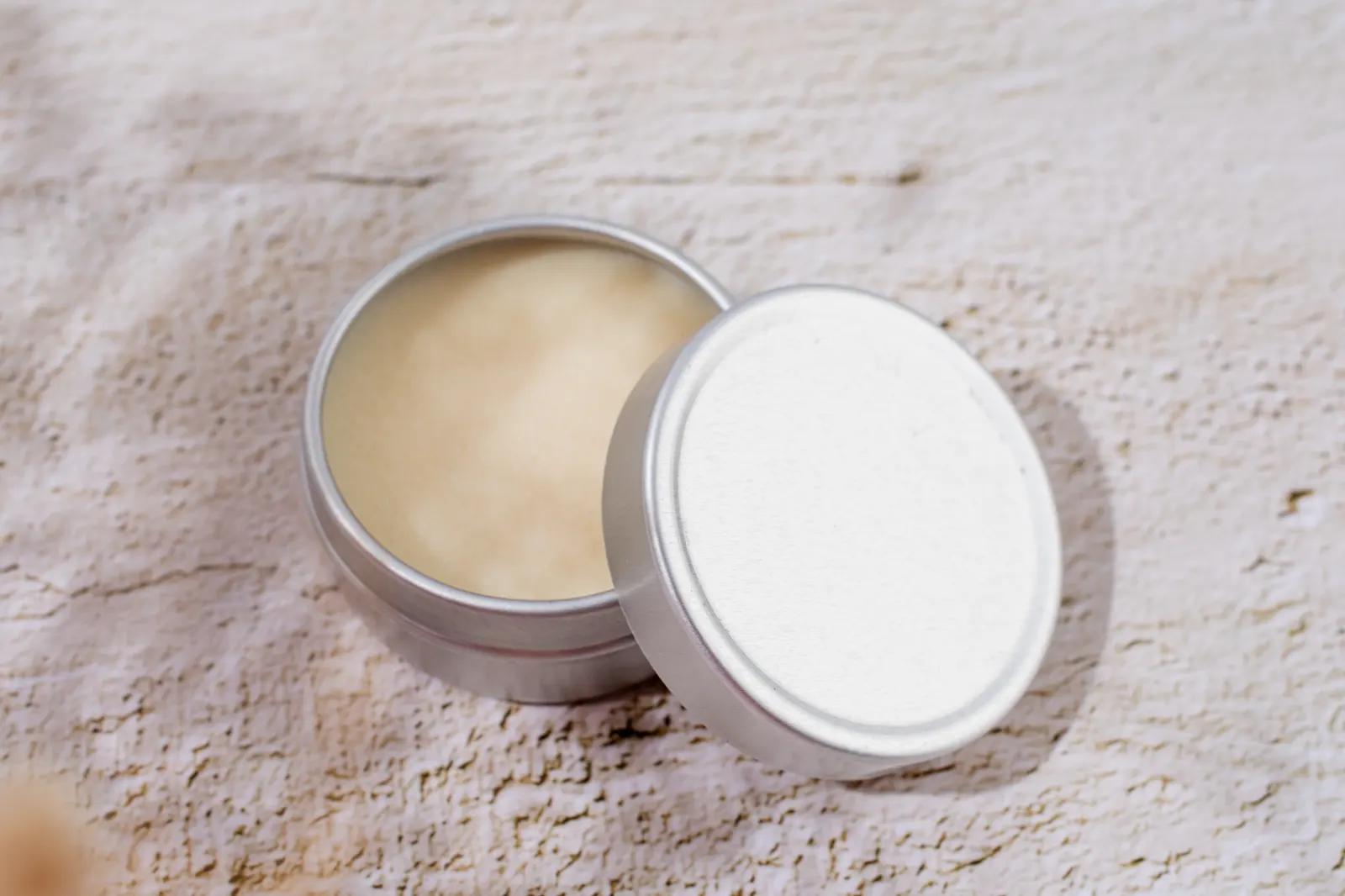 Balm · BeginnerGentle Balm for Dry PatchesAn unscented, fuss-free balm of sunflower oil, mango butter, jojoba and a little colloidal oatmeal for rough, tight patches on elbows, hands and shins.
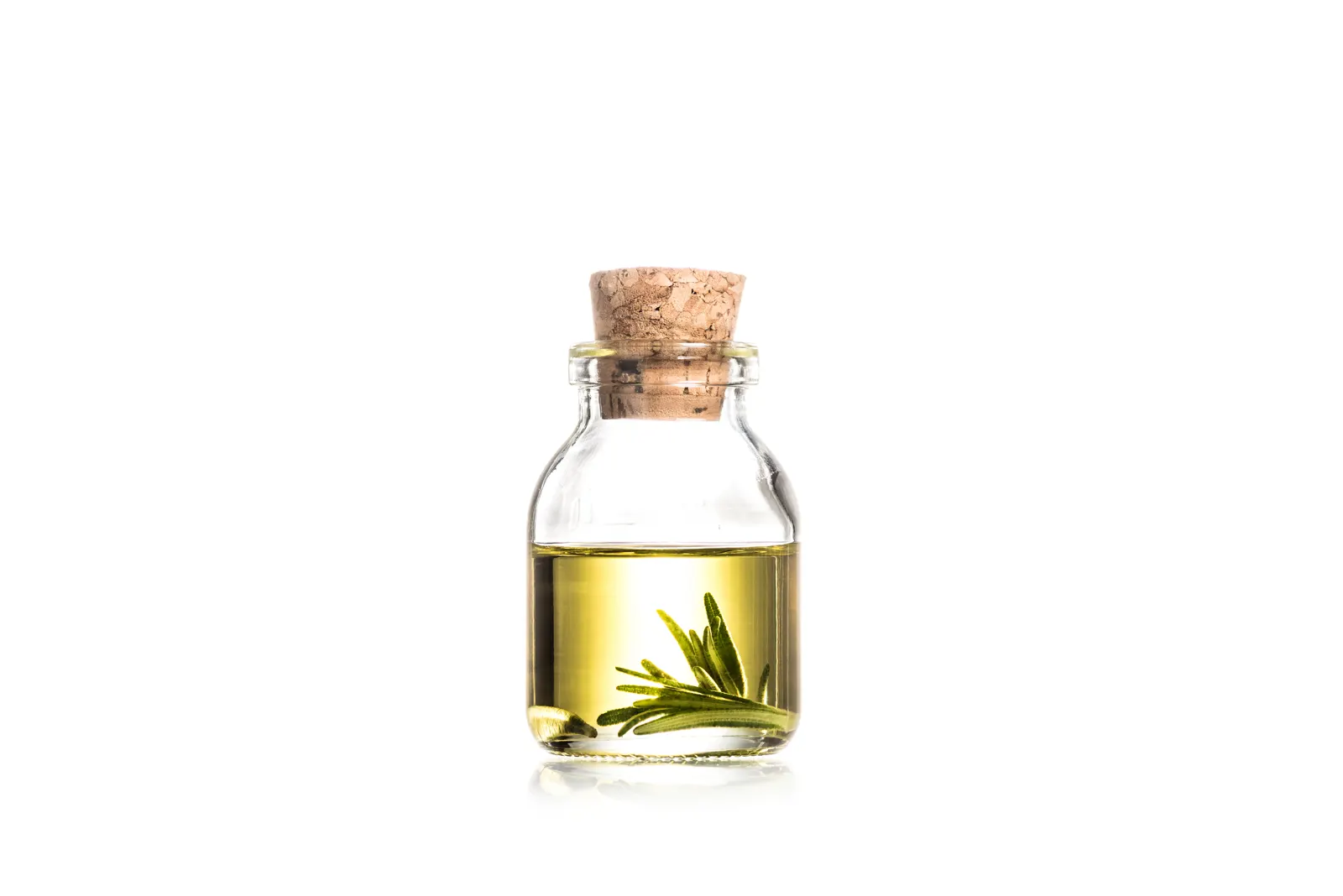 Hair care · BeginnerRosemary Pre-Wash Hair & Scalp OilA weekly pre-shampoo oil of sunflower, coconut and argan with 1% rosemary essential oil, massaged into scalp and lengths before wash day.
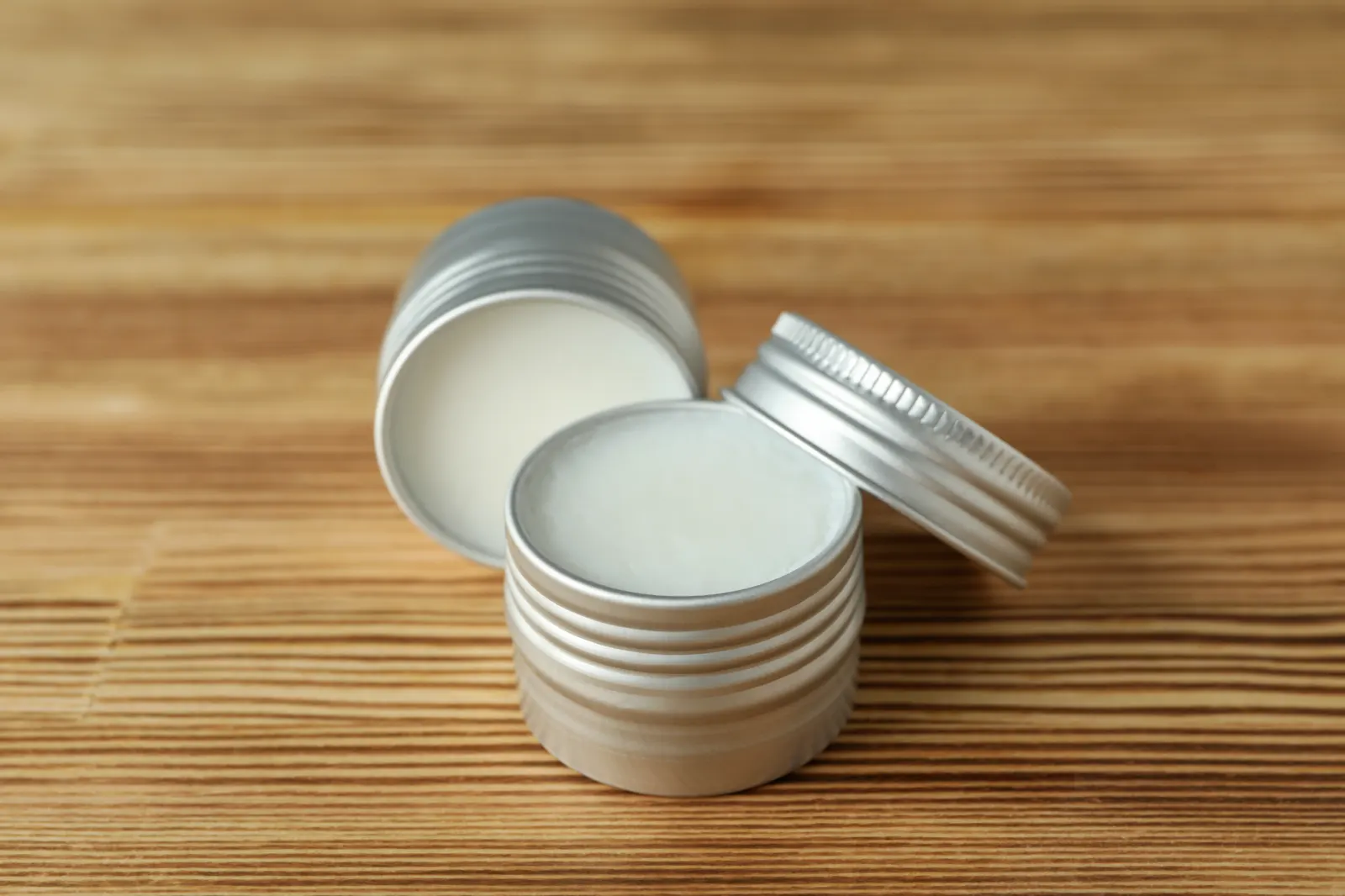 Balm · BeginnerTravel-Size Multi-BalmOne small, plant-based, unscented tin for lips, cuticles, brows, dry knuckles and flyaways, made with mango butter, jojoba, castor oil and candelilla.
Buying well
Sustainability
Sunflower is a temperate annual grown at large scale in Ukraine, Russia, Argentina and the EU (including Andalusia), with no deforestation link. The 2022 war in Ukraine disrupted global supply and prices. Look for organic, cold-pressed oil from traceable origin.
How to choose quality
For skin care choose cold-pressed, high-linoleic sunflower oil (often labeled “linoleic” or simply organic virgin); supermarket oil is frequently refined and may be high-oleic — fine for balms, less so for barrier claims. Add tocopherol if making products, store cool and dark, and use within 6–12 months of opening.
The research For professionals
The chemistry, the studies and the evidence by concern, for practitioners, formulators and the curious.
Sunflower oil comes in several types. Classic high-linoleic oil is roughly 48–74% linoleic acid; high-oleic oil (bred for frying stability) is about 75–90% oleic acid; mid-oleic types sit between. For barrier purposes the high-linoleic type is the one studied — and the least stable, so it benefits from added tocopherol.
Linoleic acid is the fatty acid esterified into ω-O-acylceramides, which hold the stratum corneum’s lipid lamellae together; it can also activate PPAR-α, a receptor that promotes keratinocyte differentiation and lipid synthesis. Danby and colleagues found that four weeks of sunflower oil preserved barrier integrity and improved hydration, whereas olive oil reduced integrity. In Bangladesh, a randomized trial of daily sunflower-oil massage in preterm infants reduced hospital-acquired infections compared with no emollient.
Limits: newborn trials in high-income settings have not shown that routine oiling or daily emollients prevent eczema, and a pilot study raised questions about lipid structure with any oil. High-oleic sunflower oil, being oleic-rich, should not be assumed to share the barrier benefits.
Evidence by concern
| Concern | Grade | What the evidence shows |
|---|---|---|
| Dry & Dehydrated Skin | B | Linoleic-rich sunflower seed oil preserved stratum corneum integrity and improved hydration in a comparative study with olive oil, and supports barrier function in neonatal studies. |
| Eczema-Prone Skin | B | Linoleic-rich sunflower oil supported barrier function in comparative studies and neonatal trials; it is a sensible base oil for eczema-prone skin. |
Key studies
19 adults, four weeks: sunflower seed oil preserved stratum corneum integrity, did not cause erythema and improved hydration; olive oil damaged the barrier.
Danby SG, et al. Pediatr Dermatol. 2013 Read it in the bibliography Find on PubMedRandomized trial in preterm infants in Bangladesh: daily topical sunflower seed oil significantly reduced hospital-acquired infections compared with no emollient.
Darmstadt GL, et al. Lancet. 2005 Read it in the bibliography Find on PubMedReview: linoleic-rich oils such as sunflower support barrier repair via acylceramide synthesis and PPAR-α activation; oleic-rich oils may disrupt it.
Lin TK, Zhong L, Santiago JL. Int J Mol Sci. 2017 Read it in the bibliography Find on PubMed
MythAll plant oils repair the skin barrier equally.
EvidenceThey do not. Linoleic-rich sunflower oil preserved the barrier in controlled testing, while oleic-rich olive oil weakened it. The fatty-acid profile matters more than the “natural” label.
In tradition
Sunflowers were domesticated by Indigenous peoples of North America and became a major oil crop in Russia and Ukraine in the nineteenth century; in South Asia, mustard and coconut oil are more traditional for baby massage, which is why sunflower oil was tested as a gentler alternative.
Frequently asked questions
Is sunflower oil good for eczema?
Can I use sunflower oil on my baby?
High-oleic or high-linoleic sunflower oil for skin?
Can I use kitchen sunflower oil on my skin?
Cite this page
Herbs.Beauty. Sunflower Oil (Helianthus annuus L.): evidence-based monograph. Updated 26 November 2026. https://herbs.beauty/ingredients/sunflower-oil.html