The ingredient encyclopedia · mineral
Rhassoul Clay
Stevensite-rich magnesian clay (Ghassoul; INCI “Moroccan Lava Clay”, a misnomer — it is sedimentary, not volcanic) · Mineral — trioctahedral magnesium smectite (stevensite) with minor dolomite and quartz
Silky Moroccan clay that cleanses without a single bubble, leaving skin fresh and matte and curls soft and defined.
FR Rhassoul (ghassoul)ES Arcilla rhassoul (ghassoul)AR الغاسولGhassoul (Arabic/Darija, from ghassala, “to wash”)
- How well proven
- DTraditional wisdom
- Safety
- Low topical risk
- Sun-sensitive
- No
Also known as Stevensite-rich magnesian clay (Ghassoul; INCI “Moroccan Lava Clay”, a misnomer — it is sedimentary, not volcanic)
FR Rhassoul (ghassoul)ES Arcilla rhassoul (ghassoul)AR الغاسولGhassoul (Arabic/Darija, from ghassala, “to wash”)
What the evidence says
Mineralogical and laboratory adsorption data plus long traditional use; no controlled human trials of rhassoul on skin or hair.
- Best supported for
- Acne & Breakouts DOily Skin & Pores D
- How to use it
- Face mask · 1 part clay to about 1.5–2 parts liquid (water, rose or orange-blossom water)
- Watch out for
- Never eat clay.
Checked against the available literature and our safety review · Updated 26 November 2026 · How we grade
Why you’ll love Rhassoul Clay
Why you’ll love it
- Lifts oil and grime gently, with no foaming cleanser needed
- Leaves oily and combination skin fresh and matte
- A traditional no-poo wash that keeps curls soft and defined
Best forOily and combination skin, oily scalps and curly hair; go easy on dry, sensitive skin.
Try it today
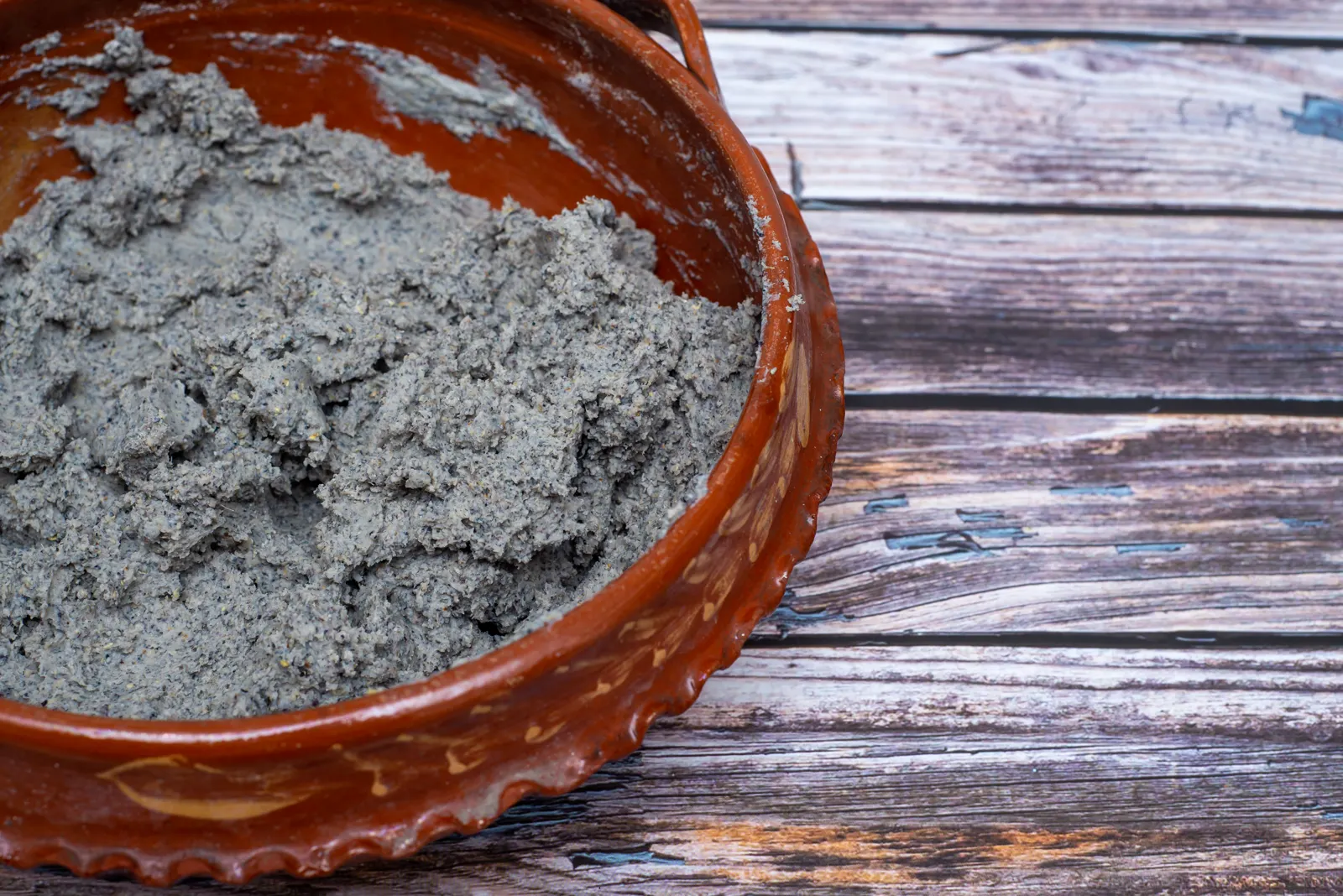
A hammam-style face mask
- Gently mix 1 teaspoon of rhassoul with about 2 teaspoons of rose or orange flower water.
- Smooth the paste over clean skin, avoiding the eyes, and leave it for 5–10 minutes.
- Rinse before it dries and cracks, moisturize, and discard any leftover paste.
Good to know: Choose clay sold with heavy-metal test certificates, mix it without raising dust, and never eat clay. Once or twice a week is plenty.
At a glance
| Parts used | Mined clay, washed, sun-dried and sieved; sold as lumps, flakes or fine powder; traditionally macerated with herbs and flower waters |
|---|---|
| Key actives | Stevensite (magnesium-rich smectite), Silica, Magnesium, Minor calcium, potassium, sodium and iron |
| INCI names | Moroccan Lava Clay |
| Skin types | oily, combination, normal |
| Hair & scalp | oily scalp, curly, thick |
| Pairs well with | Argan OilOrange Blossom (Neroli)Damask RoseOlive Oil |
| Evidence grade | DTraditional wisdom Mineralogical and laboratory adsorption data plus long traditional use; no controlled human trials of rhassoul on skin or hair. |
What it does for skin and hair
Gentle, lather-free cleansing
Clay particles adsorb sebum and grime and rinse away with them, cleansing without surfactants.
Oil control for oily skin
A short mask leaves oily and combination skin matte and refreshed.
Hair and scalp wash
Used as a traditional “no-poo” wash that cleans the scalp while leaving curls soft and defined.
Silky texture
Swells into a smooth, slippery paste that is easy to spread and rinse — less gritty than many clays.
How to use it
Start low, be consistent, and give it four to eight weeks. These are the amounts that work in real products and home recipes.
| Form | Typical use level | Notes |
|---|---|---|
| Face mask | 1 part clay to about 1.5–2 parts liquid (water, rose or orange-blossom water) | Apply for 5–10 minutes and rinse before it fully dries and cracks. Mix fresh each time — see Moroccan Rhassoul & Orange Blossom Mask. |
| Hair and scalp wash | 2–4 tablespoons in warm water to a thin, creamy paste | Massage into a wet scalp and lengths, leave 5 minutes, rinse thoroughly. |
| Hammam body cleanse | A paste after black soap and kessa scrub | See Moroccan Hammam Ritual at Home and Moroccan Beauty Rituals: Hammam, Rhassoul & Argan. |
| Formulations | 5–20% in masks; 1–5% in cleansers | Any water-containing product needs a broad-spectrum preservative; see DIY Safety: Water, Microbes & Preservatives. |
Use it safely
Low topical risk
- Never eat clay. Natural clays can contain lead and arsenic, and eating them (geophagy) has caused lead poisoning.
- Buy clay with heavy-metal and microbiological test certificates.
- A wet clay paste is a fresh product: mix a single use and discard leftovers.
- Avoid inhaling dry powder — mix gently and do not create dust clouds.
- It can be drying on dry, sensitive or eczema-prone skin; limit to once or twice a week and moisturize afterwards.
- Pregnancy & breastfeeding
- External use is generally considered fine in pregnancy and breastfeeding. Do not eat clay; if you crave clay or earth in pregnancy (pica), tell your midwife or doctor. Pregnancy guide
- Phototoxicity
- Not phototoxic at normal use levels.
- Declared fragrance allergens
- None expected
New to an ingredient? Patch test first. Stop and seek advice if you get burning, swelling, blistering or a spreading rash.
Make it at home: recipes with rhassoul clay
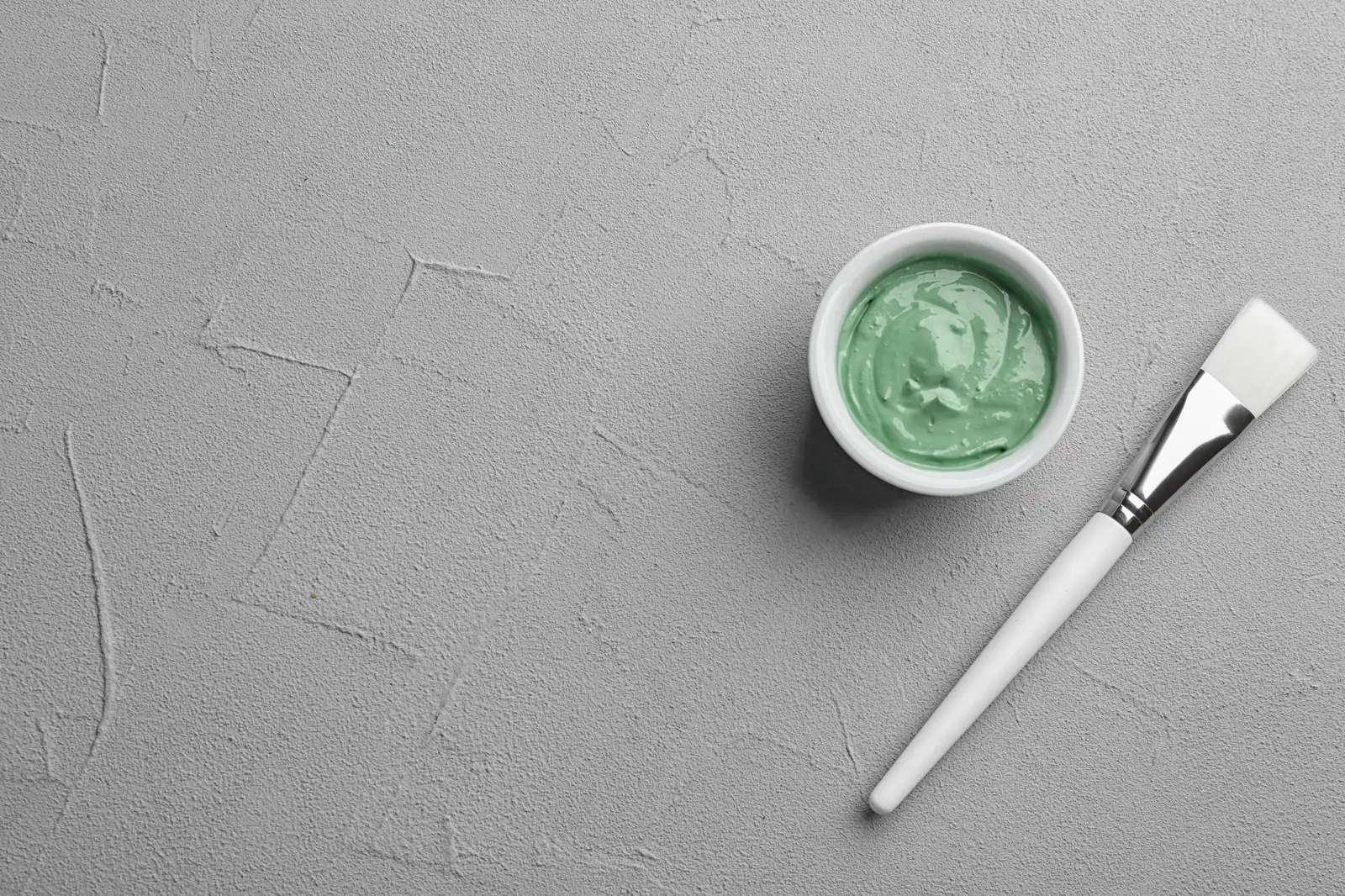 Mask · BeginnerMoroccan Rhassoul & Orange Blossom MaskRhassoul clay whipped with orange blossom water, argan oil and honey: the Moroccan way to cleanse and soften without squeaky tightness.
 Ritual · BeginnerMoroccan Hammam Ritual at HomeBeldi black soap, the kessa glove, rhassoul clay, orange blossom water and argan oil: the traditional Moroccan hammam sequence, adapted safely for home.
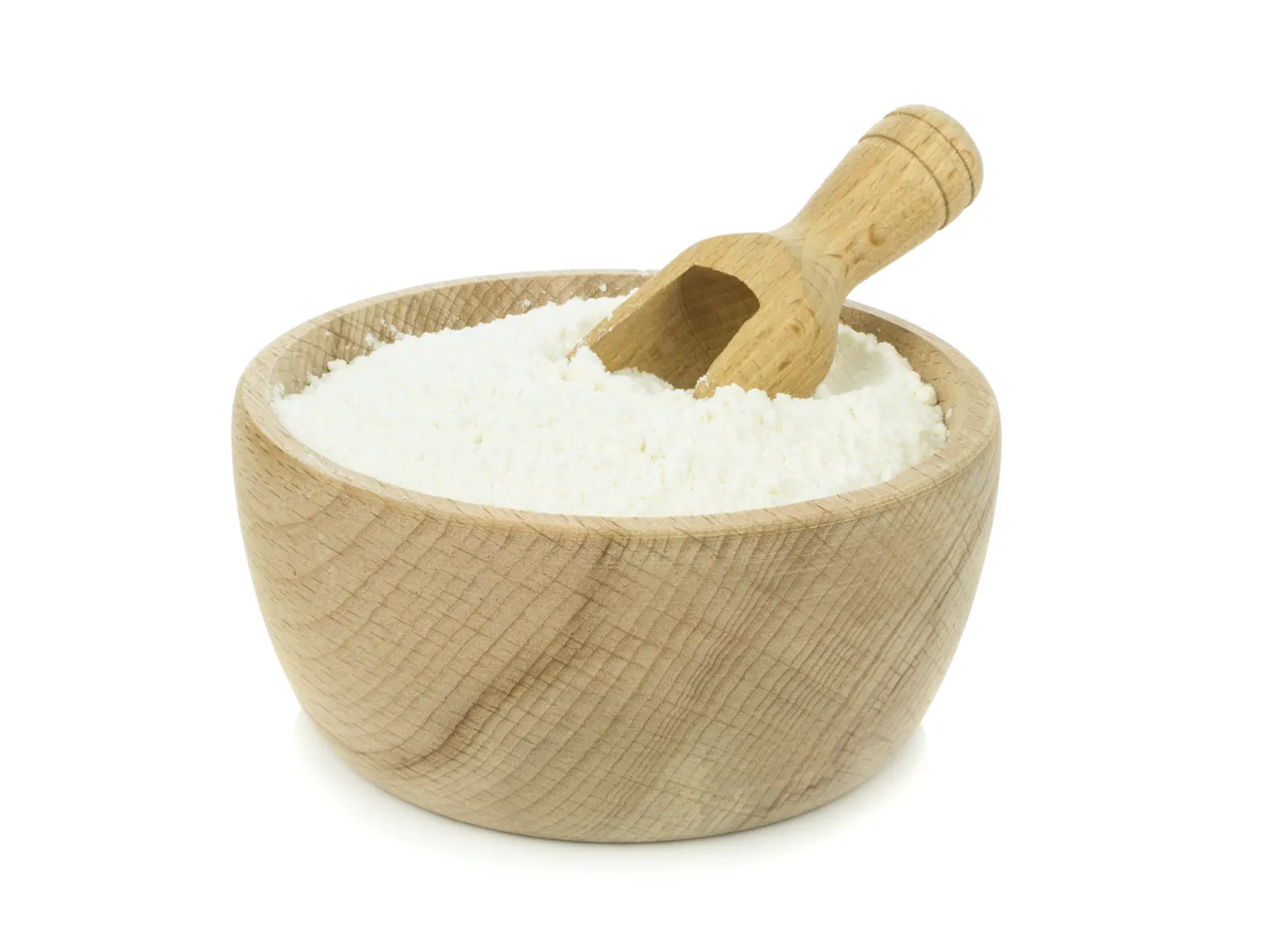 Hair care · BeginnerRice Starch & Rhassoul Dry ShampooA talc-free dry shampoo powder of rice starch, arrowroot and Moroccan rhassoul clay that soaks up oily roots between washes. Brush on, wait, brush out.
Buying well
Sustainability
Rhassoul comes from a single area — the Jbel Ghassoul deposits in the Moulouya valley, between the Middle and High Atlas — and is mined under concession; it is a finite mineral resource. Buy from suppliers who state Moroccan origin and provide test certificates; products sold as “rhassoul” are occasionally other clays.
How to choose quality
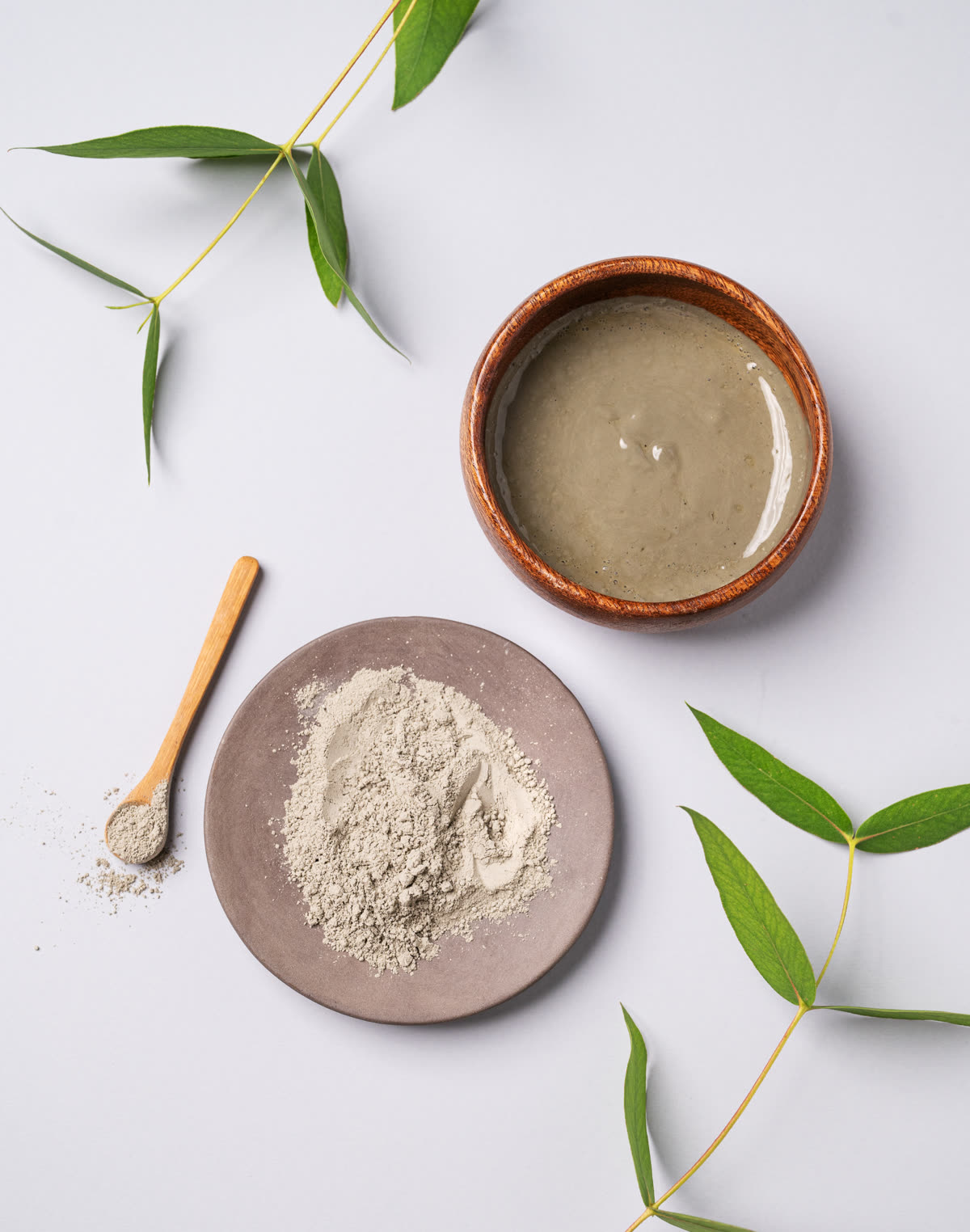
Genuine rhassoul is light reddish-brown to greyish-brown, very fine and silky when wet, with an earthy smell. Flakes or lumps are traditional; fine powder mixes faster. Look for INCI Moroccan Lava Clay, stated origin, and test certificates for heavy metals and microbes. Store dry, sealed and away from humidity; dry clay keeps indefinitely.
The research For professionals
The chemistry, the studies and the evidence by concern, for practitioners, formulators and the curious.
Rhassoul is a smectite clay dominated by stevensite, a trioctahedral magnesium silicate. Its chemistry is mostly silica and magnesium oxide, with smaller amounts of calcium, potassium, sodium and iron, and it is low in aluminum compared with kaolin or bentonite. It formed in ancient lake sediments, despite the “lava” in its INCI name. Like other smectites it has layered sheets that swell in water, a high surface area and a high cation-exchange capacity.
These properties explain its cleansing action: oils, sebum and particles adsorb onto clay surfaces and are rinsed off. In water it gives an alkaline suspension, so a mildly acidic rinse or toner (such as diluted flower water) afterwards can feel more comfortable. It does not “draw out” toxins from the body — it works only at the skin surface.
No controlled clinical trials of rhassoul on skin or hair have been published. Safety considerations are those of any natural clay: possible traces of heavy metals (lead, arsenic, cadmium, nickel), microbial contamination with soil spore-forming bacteria, and respirable dust when handling dry powder. Cosmetic suppliers should test for these.
Evidence by concern
| Concern | Grade | What the evidence shows |
|---|---|---|
| Acne & Breakouts | D | Absorbs surface oil temporarily for a matte finish; no evidence it treats acne lesions. |
| Oily Skin & Pores | D | Absorbs surface oil for a temporary matte finish and pleasant texture; does not change sebum production. |
MythClay masks pull toxins out of your skin.
EvidenceClays adsorb surface oil, dirt and some residues, which is why skin feels clean. They do not draw out internal “toxins” — the liver and kidneys handle those. The benefits are cosmetic: cleansing and oil control.
In tradition
Rhassoul is central to the Moroccan hammam: flakes are traditionally soaked in rose or orange-blossom water with herbs, then applied after black soap and kessa-glove scrubbing. It has long been part of the beauty gifts prepared for a bride.
Frequently asked questions
What is the difference between rhassoul, bentonite and kaolin clay?
Can I wash my hair with rhassoul clay?
How often should I use a rhassoul clay mask?
Is rhassoul clay safe to eat or to use in pregnancy?
Cite this page
Herbs.Beauty. Rhassoul Clay (Stevensite-rich magnesian clay): evidence-based monograph. Updated 26 November 2026. https://herbs.beauty/ingredients/rhassoul-clay.html