The ingredient encyclopedia · oil
Prickly Pear Seed Oil
Opuntia ficus-indica (L.) Mill. · Cactaceae
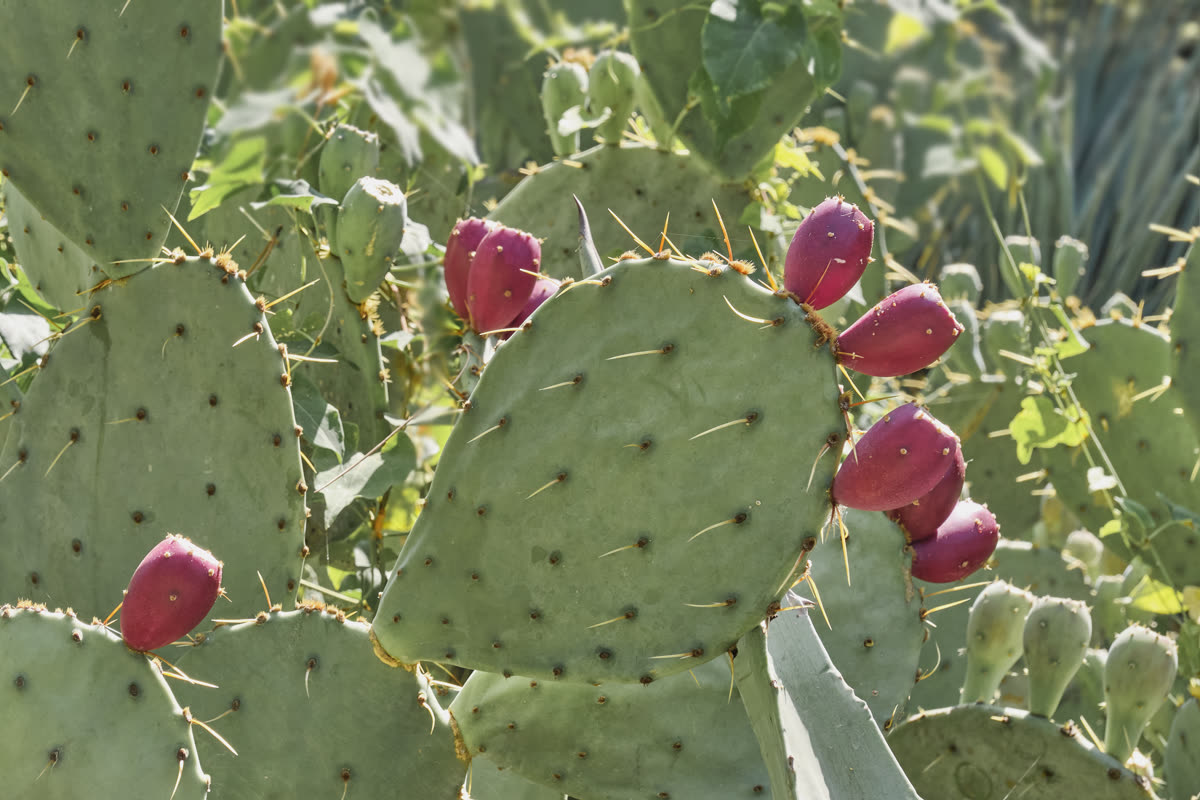
Pressed drop by precious drop in southern Morocco, prickly pear seed oil is a rare, feather-light luxury that melts into skin.
FR Huile de pépins de figue de BarbarieES Aceite de semilla de higo chumboAR زيت بذور التين الشوكيHendiya (Darija); nopal / tuna (Mexican Spanish)
- How well proven
- DTraditional wisdom
- Safety
- Low topical risk
- Sun-sensitive
- No
FR Huile de pépins de figue de BarbarieES Aceite de semilla de higo chumboAR زيت بذور التين الشوكيHendiya (Darija); nopal / tuna (Mexican Spanish)
What the evidence says
Compositional and lab antioxidant data only; no published controlled human trials of the topical oil.
- What it does
- Light, fast-absorbing face oil. High linoleic acid content gives a dry, non-greasy finish that suits combination skin.
- How to use it
- Face oil or serum · 2–3 drops neat, or 10–30% of a serum
- Watch out for
- No specific safety concerns are known; allergic reactions are rare.
Checked against the available literature and our safety review · Updated 26 November 2026 · How we grade
Why you’ll love Prickly Pear Seed Oil
Why you’ll love it
- Light and fast-absorbing, with a dry, non-greasy finish
- Rich in linoleic acid to support a comfortable skin barrier
- Naturally generous in vitamin E, which helps it stay fresh
Best forCombination and normal skin, and anyone who loves a light, luxurious face oil.
Try it today
A precious-drop evening ritual
- After cleansing, warm 2–3 drops between your fingertips.
- Press over face and neck, then pat the last trace gently around, never into, the eye area.
- Store the bottle in the fridge if you use it slowly.
Good to know: Prickly pear oil is rare and costly, so it is sometimes diluted with cheaper oils. Buy from trusted suppliers who name its origin.
At a glance
| Parts used | Seed oil, cold-pressed from seeds separated from the fruit pulp |
|---|---|
| Key actives | Linoleic acid, Oleic acid, γ-Tocopherol, β-Sitosterol, Betalains (traces) |
| INCI names | Opuntia Ficus-Indica Seed Oil |
| Skin types | normal, combination, dry, mature |
| Pairs well with | Argan OilRosehip OilSqualaneOrange Blossom (Neroli) |
| Evidence grade | DTraditional wisdom Compositional and lab antioxidant data only; no published controlled human trials of the topical oil. |
What it does for skin and hair
Light, fast-absorbing face oil
High linoleic acid content gives a dry, non-greasy finish that suits combination skin.
Barrier-supporting fatty acids
Linoleic acid feeds ceramide synthesis for the skin barrier, like other linoleic-rich oils.
Generous natural vitamin E
Tocopherols (mostly γ-tocopherol) help the oil resist rancidity better than many linoleic-rich oils.
How to use it
Start low, be consistent, and give it four to eight weeks. These are the amounts that work in real products and home recipes.
| Form | Typical use level | Notes |
|---|---|---|
| Face oil or serum | 2–3 drops neat, or 10–30% of a serum | Often blended with argan oil to stretch its cost; see Argan & Prickly Pear Night Serum. |
| Eye-area oil | 1 drop warmed between fingertips | Pat gently around (not into) the eye area; stop if irritation occurs. |
| Creams | 1–5% of a formula | Usually a premium claim ingredient at low levels; add tocopherol and use opaque packaging. |
Use it safely
Low topical risk
- No specific safety concerns are known; allergic reactions are rare. Patch test as with any new oil.
- As a linoleic-rich oil, it can go rancid; rancid oil irritates. Refrigerate after opening if you use it slowly.
- Products labeled as prickly pear oil may be diluted with cheaper oils — an issue of value more than safety.
- Pregnancy & breastfeeding
- No known concerns for topical use in pregnancy or breastfeeding. Pregnancy guide
- Phototoxicity
- Not phototoxic at normal use levels.
- Declared fragrance allergens
- None expected
New to an ingredient? Patch test first. Stop and seek advice if you get burning, swelling, blistering or a spreading rash.
Make it at home: recipes with prickly pear seed oil
Buying well
Sustainability
Moroccan production centers on the Aït Baâmrane region around Sidi Ifni, where women’s cooperatives press the oil. Since the mid-2010s a cochineal insect (Dactylopius opuntiae) has devastated cactus plantations in Morocco, tightening supply. Opuntia is native to Mexico and is invasive in parts of Africa, Australia and the Mediterranean, so plantings must be managed. See Sustainable & Ethical Botanical Sourcing.
How to choose quality
Genuine oil is pale yellow-green with a light, grassy smell, and the price is high — often several times that of argan oil. A very low price, a large bottle or a heavy, greasy feel suggests dilution. Ask for a certificate of analysis including sterols and tocopherols, buy small bottles in dark glass, and use within 12 months.
The research For professionals
The chemistry, the studies and the evidence by concern, for practitioners, formulators and the curious.
Prickly pear seed oil is roughly 55–65% linoleic acid, 15–25% oleic acid and 10–13% palmitic acid, with smaller amounts of stearic acid. Its unsaponifiable fraction is rich in sterols (mainly β-sitosterol) and tocopherols, particularly γ-tocopherol. Seeds contain only a modest percentage of oil, and they must first be separated from the pulp, washed and dried — which explains its cost.
Functionally, it behaves like other light, linoleic-rich oils such as grapeseed or safflower: it softens, spreads easily and supplies linoleic acid. Marketing often claims it has more vitamin E than argan oil or any other oil. Reported tocopherol levels vary widely between samples and analytical methods, and in any case tocopherol content mainly protects the oil itself; there is no clinical evidence that it outperforms other oils on wrinkles or hydration.
Laboratory studies show antioxidant activity of the oil and of Opuntia extracts, but no controlled human trials of the topical seed oil were identified. Its fatty-acid profile closely resembles cheaper oils, so gas chromatography alone may not detect dilution; sterol and tocopherol profiles help.
MythPrickly pear seed oil is the most powerful anti-aging oil because it has the most vitamin E.
EvidenceTocopherol figures vary widely between samples, and vitamin E in an oil mostly protects the oil from rancidity. There are no human trials showing that prickly pear seed oil reduces wrinkles more than other oils. Its price reflects low yield and labor, not proven superiority.
In tradition
In Morocco the fruit (hendiya) is a beloved summer street food and the cactus forms hedges around farms; pressing the seeds for cosmetic oil is a recent cooperative innovation, not an ancient practice. In Mexico, nopal pads are a staple food and their mucilage is a folk remedy for skin.
Frequently asked questions
Why is prickly pear seed oil so expensive?
Prickly pear vs argan vs rosehip oil — which should I choose?
Is prickly pear seed oil good for acne-prone skin?
How can I tell if prickly pear seed oil is real?
Cite this page
Herbs.Beauty. Prickly Pear Seed Oil (Opuntia ficus-indica (L.) Mill.): evidence-based monograph. Updated 26 November 2026. https://herbs.beauty/ingredients/prickly-pear-seed-oil.html