World traditions · The United States, Canada & northern Mexico
The North American Forest & Desert
Jojoba, witch hazel, sunflower and evening primrose
Forest, desert and the nations who know them
North America holds two very different apothecaries. One is the eastern hardwood forest, with witch hazel flowering after the leaves fall and evening primrose lighting up the roadsides at dusk. The other is the arid Southwest, where jojoba, yucca and creosote bush live on almost no rain. Between them lie prairies of sunflowers and mountain meadows gold with arnica.
All of this is Indigenous land. Hundreds of nations, among them the Haudenosaunee, Cherokee, Ojibwe, Lakota, Diné (Navajo), O’odham and many more, have used these plants for thousands of years, and their knowledge is specific, sophisticated and their own. Much of what outsiders know was written down by settler botanists and anthropologists, who sometimes misunderstood what they recorded, or published what was never meant to be shared.
So this essay does two things. It credits Indigenous knowledge where it is clearly on record, without pretending to own it. And it says honestly where today’s products come from: often plantations, distilleries and vast orchards that tell a newer, more industrial American story.
Jojoba: the desert’s liquid wax
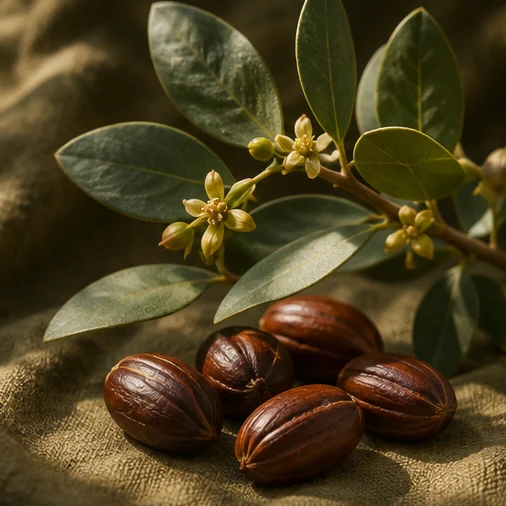
In the Sonoran Desert of Arizona, southern California, Baja California and Sonora, jojoba grows as a gray-green, leathery shrub that holds its leaves edge-on to the sun to save water. Its botanical name, Simmondsia chinensis, is a famous mistake: the botanist who named it is said to have misread a label marked “Calif” as “China”. The plant has nothing to do with China.
Peoples of the Sonoran Desert knew it long before botanists did. Ethnographic records, including those of the Seri (Comcaac) of Sonora, describe the seeds eaten and a paste or oil from them used on skin and hair, though the full depth of that knowledge belongs to the communities themselves.
What makes jojoba special is chemistry. It is not really an oil but a liquid wax: long chains of wax esters rather than the triglycerides found in almost every other plant oil. Human sebum also contains wax esters, which is one reason jojoba feels so at home on skin. It is light and silky, golden when unrefined and nearly colorless when refined, and it barely goes rancid. It suits almost everyone, including oily and combination skin, and allergic reactions are rare. Clinical studies are modest but match what users feel: a well-tolerated emollient that softens skin and hair without heaviness.
Commercial jojoba took off in the 1970s, after the United States stopped imports of sperm whale oil and industry needed a replacement wax. Plantations now grow in Arizona, Israel, Argentina, Peru and Australia. Our argan vs jojoba and squalane vs jojoba comparisons help you choose.
Witch hazel: the shrub that blooms in the cold
Witch hazel, Hamamelis virginiana, is a shrub of the eastern woodlands with a lovely oddity: it flowers in late autumn, after its leaves have fallen, in spidery yellow ribbons that brighten bare November woods. Its forked twigs were once used for water divining, and the “witch” in its name may come from an old English word for pliant, bendy wood.
According to ethnobotanical records, several nations of the eastern woodlands, among them the Haudenosaunee, Cherokee and Mohegan, used preparations of the bark and leaves for swellings, bruises, sores and aching muscles. Settlers learned from this use, and in the nineteenth century it became a business. Theron Pond in upstate New York sold a witch hazel extract from the 1840s, the beginning of the Pond’s name, and company lore says he learned of the plant from Oneida healers. Distilling began in Connecticut later in the century, and much of the world’s distilled witch hazel is still made there.
Two different products share the name. Distilled witch hazel, the clear water in pharmacy bottles, is made by steam-distilling the twigs and usually contains added alcohol; it is mild and refreshing. Extracts of the bark and leaves are rich in tannins such as hamamelitannin, which make them genuinely astringent. In small studies, witch hazel preparations have soothed mild skin irritation and sunburn redness, and Germany’s Commission E approved it for minor skin injuries and local inflammation. It is a pleasant toner, not an acne treatment. Choose alcohol-free versions for dry or sensitive skin, because alcohol-heavy toners can sting and dry. Witch hazel features in our Green Tea & Centella Soothing Toner.
Sunflower and evening primrose: prairie and roadside
The sunflower, Helianthus annuus, is a North American gift to the world. Indigenous farmers in eastern North America domesticated it several thousand years ago, and nations such as the Hidatsa, Mandan and Arikara of the Missouri River later grew it alongside maize, beans and squash. The seeds were food, and ethnographic records describe sunflower oil used on skin and hair. Sunflower reached Europe in the sixteenth century and became a great oil crop in Russia and Ukraine.
Sunflower oil, especially the high-linoleic kind, is one of the better-studied plant oils for the skin barrier. In a small, well-known study on adult forearms, sunflower oil preserved the barrier, while olive oil weakened it. Linoleic acid is a building block of the skin’s own barrier lipids. Sunflower oil is inexpensive and gentle, and it is the base of our Sunflower Cleansing Balm.
Evening primrose, Oenothera biennis, is a tall wildflower of eastern and central North America whose pale yellow flowers open at dusk, sometimes quickly enough to watch, and are visited by moths. Several nations used its roots and leaves as food and medicine, including poultices for bruises. Its seed oil, evening primrose oil, contains gamma-linolenic acid (GLA), and for decades it was sold as a supplement for eczema. A large systematic review found that taking it by mouth did not meaningfully help eczema. On the skin it is a soft, pleasant oil that oxidizes quickly, so buy small bottles and keep them cold.
Arnica and willow: the mountain medicine kit
Arnica is a golden daisy of high meadows. The species in most products, Arnica montana, is European, but North America has its own arnicas, such as heartleaf arnica, Arnica cordifolia, which brightens the mountain forests of the West in early summer. Some Western nations used local arnicas for bruises, sprains and sore muscles, much as Europeans did.
Arnica gels and creams remain popular for bruises and aches. The evidence is mixed: one trial in hand osteoarthritis found an arnica gel worked about as well as an ibuprofen gel, while studies of bruising after surgery have given mixed results. Arnica contains helenalin, which can cause allergic dermatitis, especially in people allergic to daisies. Use it only on unbroken skin, for short periods, and never swallow it unless it is a highly diluted homeopathic product.
Willows grow along rivers across the continent, and many nations used willow bark for pain, fever and skin complaints. Willow contains salicin, which the body converts to salicylic compounds, and it inspired the chemistry that led to aspirin in the nineteenth century. In skin care, willow bark extract is a gentle, mildly soothing ingredient, but it is not the same as the salicylic acid in acne treatments, which is made in a lab and used at far stronger levels.
California almonds, honestly
Sweet almond oil is the classic gentle carrier oil, and a large share of the world’s almonds now grows in California’s Central Valley. The almond tree, Prunus dulcis, is not American at all: it comes from Central and Southwest Asia, is said to have reached California with the Spanish missions in the eighteenth century, and became an industry in the twentieth.
The orchards are beautiful in February, a sea of pink-white blossom. They are also controversial. Almonds are a thirsty crop in a drought-prone state, and the bloom depends on huge numbers of honeybee hives trucked in from across the country, a hard journey for the bees. Many growers have invested in drip irrigation and in wildflower plantings for pollinators, and some orchards now carry bee-friendly certification. None of this makes almond oil bad. It means that “natural” is not the same as low-impact, and that knowing your source still matters. Spain and other Mediterranean countries also grow almonds, so the oil in your bottle may come from either side of the Atlantic.
Sweet almond oil itself is soft, slow to sink in and well tolerated, a favorite for massage. Refined almond oil contains very little protein, but if you have a tree-nut allergy, ask your allergist before using it, especially on babies.
Credit, not appropriation
Some plants should stay out of the beauty aisle. White sage, Salvia apiana, is sacred to many Native nations of California and the Southwest. As “smudge sticks” became fashionable, wild stands were stripped, sometimes illegally, and Native people have asked buyers to stop purchasing it from non-Native sellers. It is not the same plant as the culinary sage in our encyclopedia, and it is not ours to package.
Other plants carry ceremony as well as everyday use. Among the Diné (Navajo), suds whipped from yucca root, rich in foaming saponins, have long been used to wash hair, including in the Kinaaldá, a girl’s coming-of-age ceremony. A plant can be both practical and sacred, and the second fact should shape how the first is sold.
The United States is not a party to the Convention on Biological Diversity or its Nagoya Protocol on benefit sharing, so protection for Indigenous plant knowledge depends largely on tribal law, contracts and the choices of brands and buyers. Good practice is simple: credit the nation by name, ask before using knowledge or imagery, pay fairly, and buy directly from Native-owned businesses where you can. Our Sustainable & Ethical Botanical Sourcing guide has more.
Knowing a plant’s Indigenous name is a start. Knowing who still has the right to speak for it is the point.
The signature plants
JojobaCPromisingThe liquid wax of the Sonoran Desert, known to its peoples long before plantations; light, stable and at home on almost every skin type.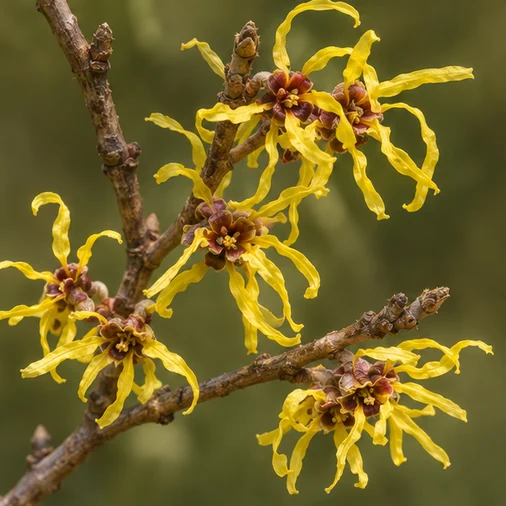 Witch HazelCPromisingA late-blooming shrub of the eastern woodlands, used by several Native nations for swellings and sores; today a gentle, astringent toner.
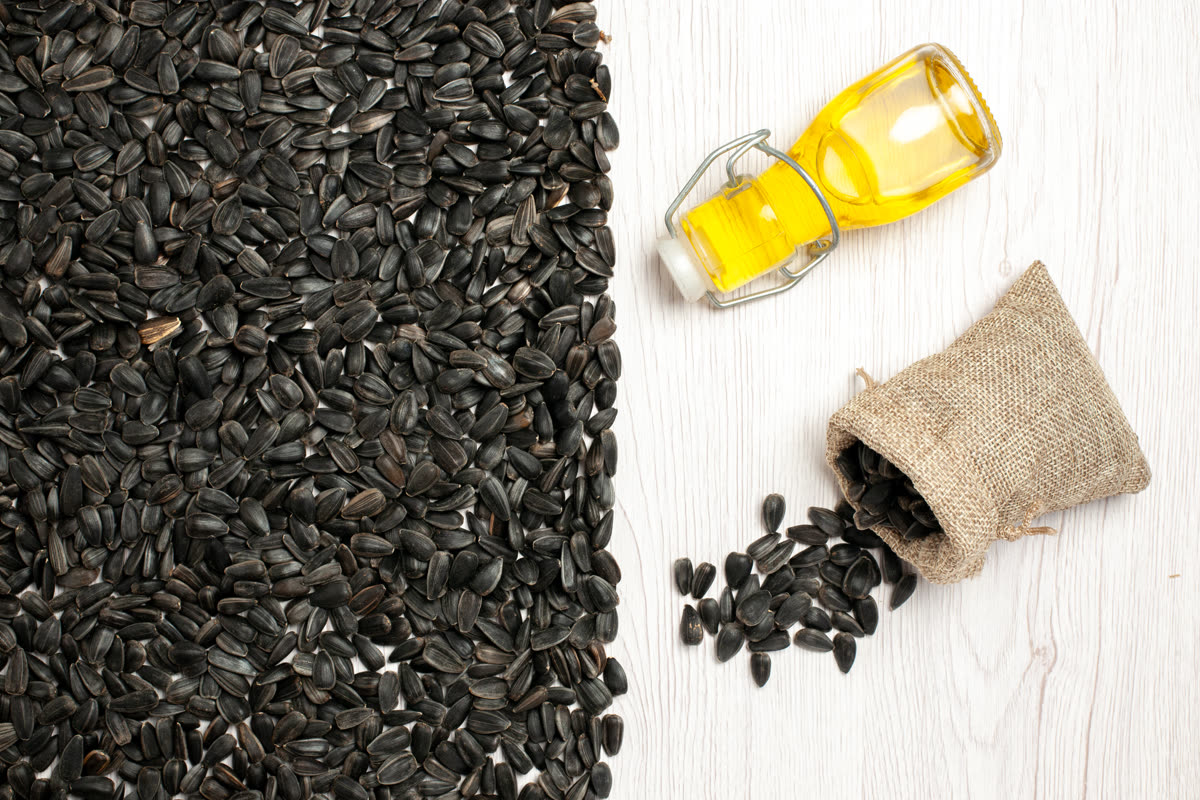 Sunflower OilBGood evidenceDomesticated by Indigenous farmers of eastern North America; its high-linoleic oil is a well-studied friend of the skin barrier.
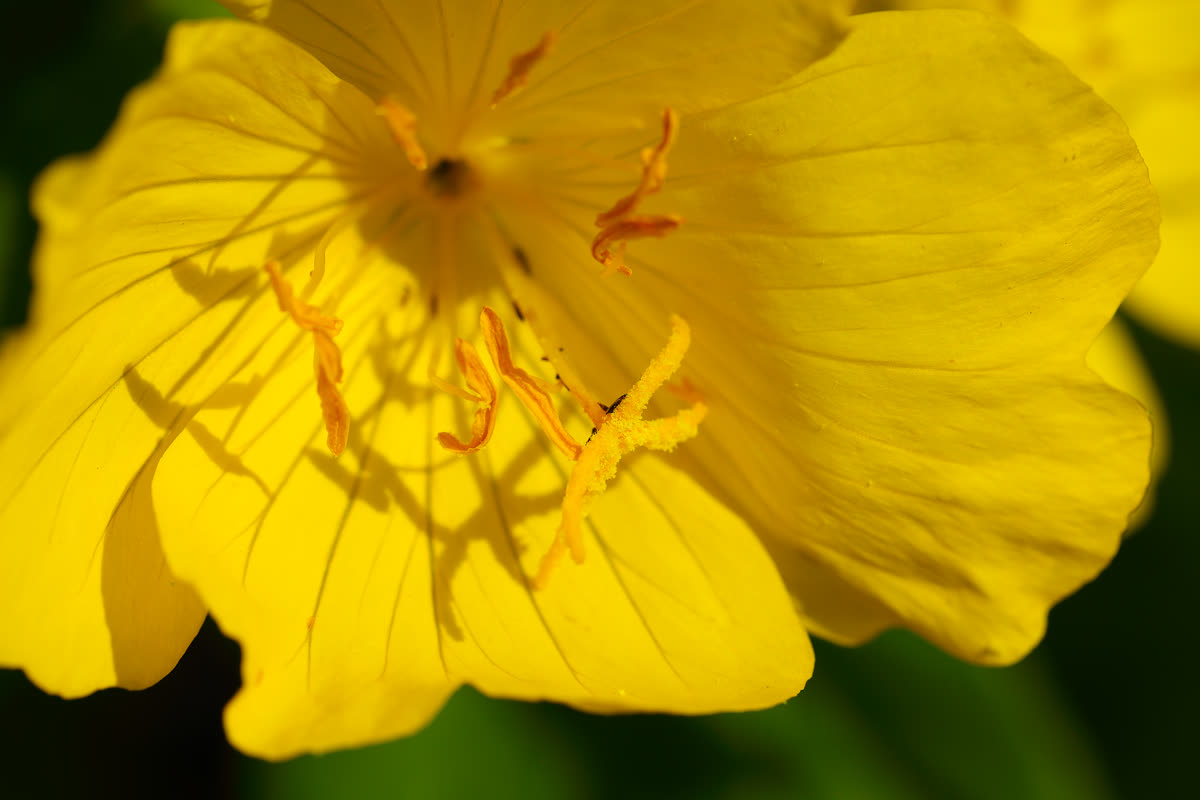 Evening Primrose OilCPromisingA dusk-blooming wildflower of eastern and central North America; a soft facial oil, though oral use for eczema has not held up.
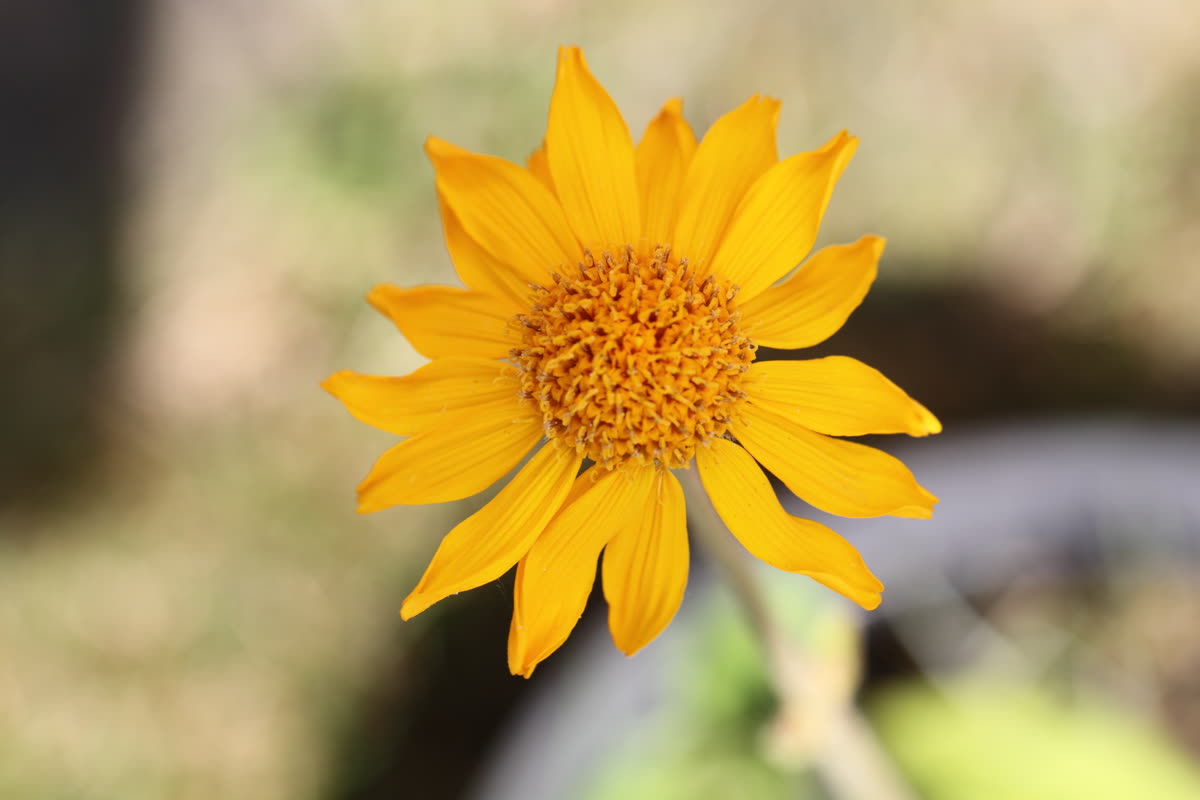 ArnicaCPromisingGolden daisies of mountain meadows, used on bruises and sprains; for unbroken skin only, and a known contact allergen.
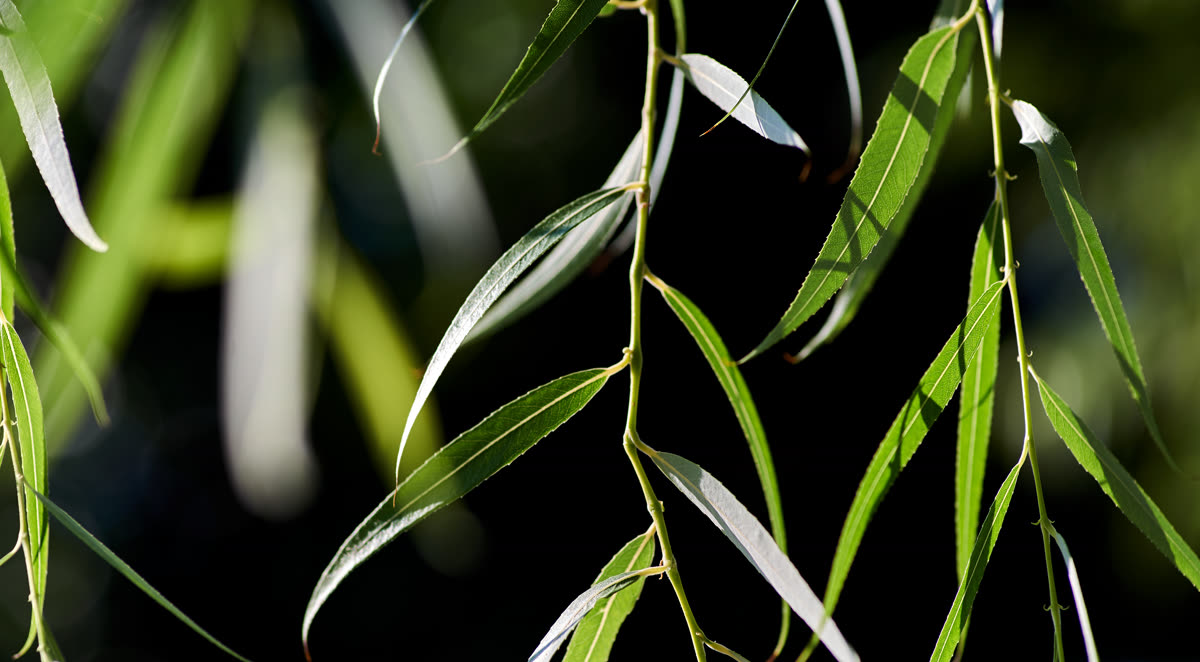 Willow BarkDTraditional wisdomA riverbank remedy for pain across the continent and the ancestor of aspirin; a gentle soother, not a stand-in for salicylic acid.
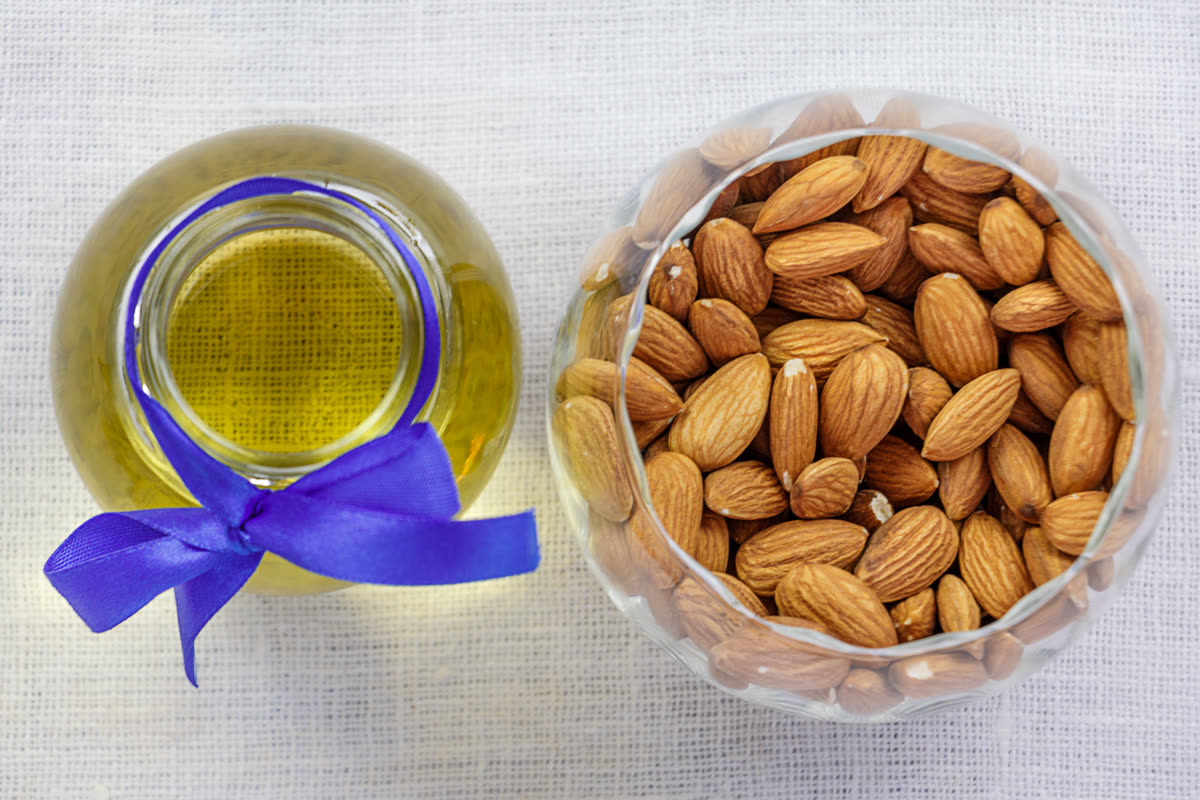 Sweet Almond OilCPromisingPressed from an Asian tree now grown on a vast scale in California; a soft massage oil with a thirsty, bee-dependent backstory.
Forest and desert, five minutes at night
- A week before, patch test any new witch hazel or jojoba on your inner arm as in our guide (twice daily for 7 days, read at 48 and 96 hours). Choose an alcohol-free witch hazel if your skin is dry or sensitive.
- Cleanse with lukewarm water, or massage a little sunflower cleansing balm over dry skin and rinse with a warm, damp cloth.
- Soak a cotton pad in alcohol-free witch hazel and press it gently over the face, more on the oily T-zone and less on dry cheeks. Keep it away from the eyes and any broken skin.
- While the skin is still damp, warm two to four drops of jojoba between your fingertips and press them in.
- On dry shins and arms, smooth a little sunflower oil onto damp skin after your shower.
- In the morning, finish your routine with a broad-spectrum sunscreen. If any product stings or reddens your skin, stop it and simplify.
Continue the journey
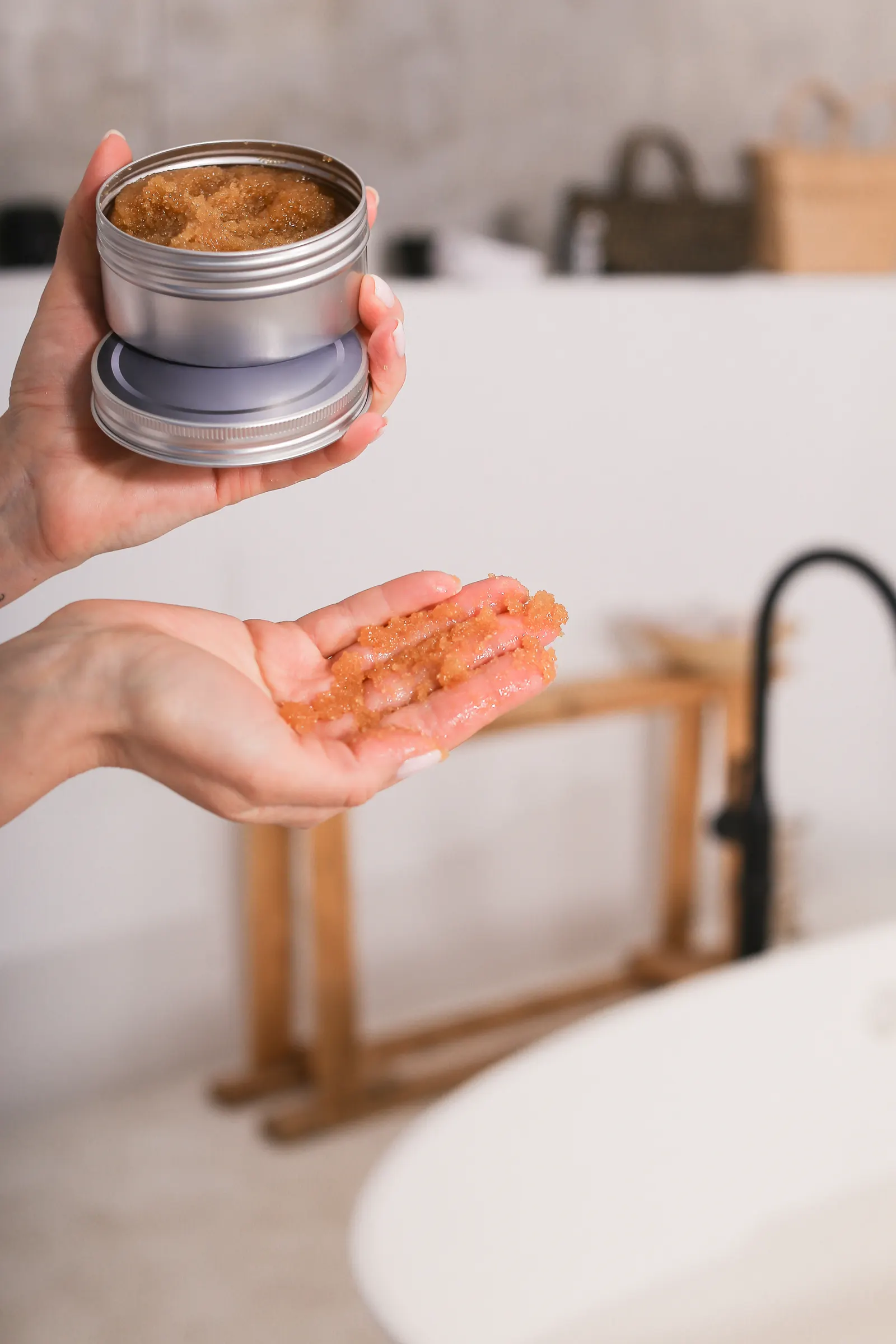 The Halloween Double Cleanse with an Oil BalmFace paint, long-wear makeup or sunscreen? An oil cleansing balm then a gentle second cleanse lifts it all without scrubbing or stripping.
 Soak and Seal: The Three-Minute Rule for Eczema-Prone SkinMoisturize within three minutes of bathing, on still-damp skin. A simple winter habit for eczema-prone and very dry skin, with the evidence behind it.
 Pick Your Body Oil: Sunflower, Jojoba or Olive?Not all plant oils treat the skin barrier alike. How to choose a body oil for dry skin, and a simple one-leg test to see what suits you.
 Cleanser · IntermediateSunflower Cleansing BalmA sherbet-textured cleansing balm of sunflower, shea and jojoba with a plant-derived emulsifier that turns milky and rinses clean, sunscreen included.
 Toner · IntermediateGreen Tea & Centella Soothing TonerA preserved, alcohol-free toner with green tea, centella, witch hazel and panthenol to hydrate and calm, formulated to pH 5.0–5.5.
 Body care · BeginnerLavender Calm Body OilA silky after-bath body oil of sunflower, apricot kernel and jojoba with 2% true lavender — the maximum we recommend for body use.
GuideCarrier Oils: The Formulator’s GuideFatty acid chemistry, oxidative stability and skin feel for 12 core oils, plus why comedogenic ratings mislead and how to store oils well.GuideThe Skin Barrier, ExplainedBricks, mortar, acid mantle and microbes: how your skin barrier works, what damages it, and a calm, evidence-based plan to repair it.GuideSustainable & Ethical Botanical SourcingAt-risk botanicals, CITES and the IUCN Red List, argan cooperatives, RSPO palm, upcycled ingredients, adulteration and the questions to ask suppliers.