The ingredient encyclopedia · herb
Green Tea
Camellia sinensis (syn. Thea sinensis) · Theaceae
The morning cup that doubles as a skin ally: green tea brings antioxidant calm to oily, breakout-prone skin.
FR Thé vertES Té verdeAR الشاي الأخضرAtay (Darija, the brewed Moroccan mint tea)
- How well proven
- BGood evidence
- Safety
- Low topical risk
- Sun-sensitive
- No
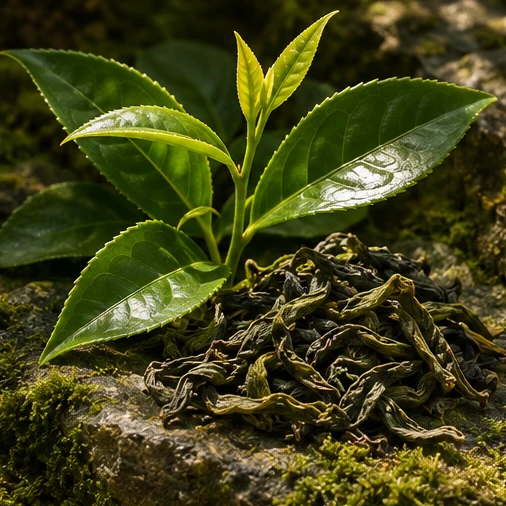
Also known as Camellia sinensis (syn. Thea sinensis)
FR Thé vertES Té verdeAR الشاي الأخضرAtay (Darija, the brewed Moroccan mint tea)
What the evidence says
Several small human trials consistently show reduced acne lesions and reduced UV-induced redness and DNA damage, though the trials are short and photoaging results are mixed.
- Best supported for
- Acne & Breakouts BAging & Photoaging BOily Skin & Pores B
- How to use it
- Green tea leaf extract (standardized polyphenols) · 0.5–5% in serums, toners and creams
- Watch out for
- Topical green tea is very well tolerated; contact allergy is rare.
Checked against 4 cited studies and our safety review · Updated 26 November 2026 · How we grade
Why you’ll love Green Tea
Why you’ll love it
- Helps settle breakouts, backed by small clinical studies
- Keeps oily skin feeling fresher and less shiny
- A cool tea compress soothes puffy, tired-looking skin
Best forOily, combination and breakout-prone skin, or any antioxidant morning routine.
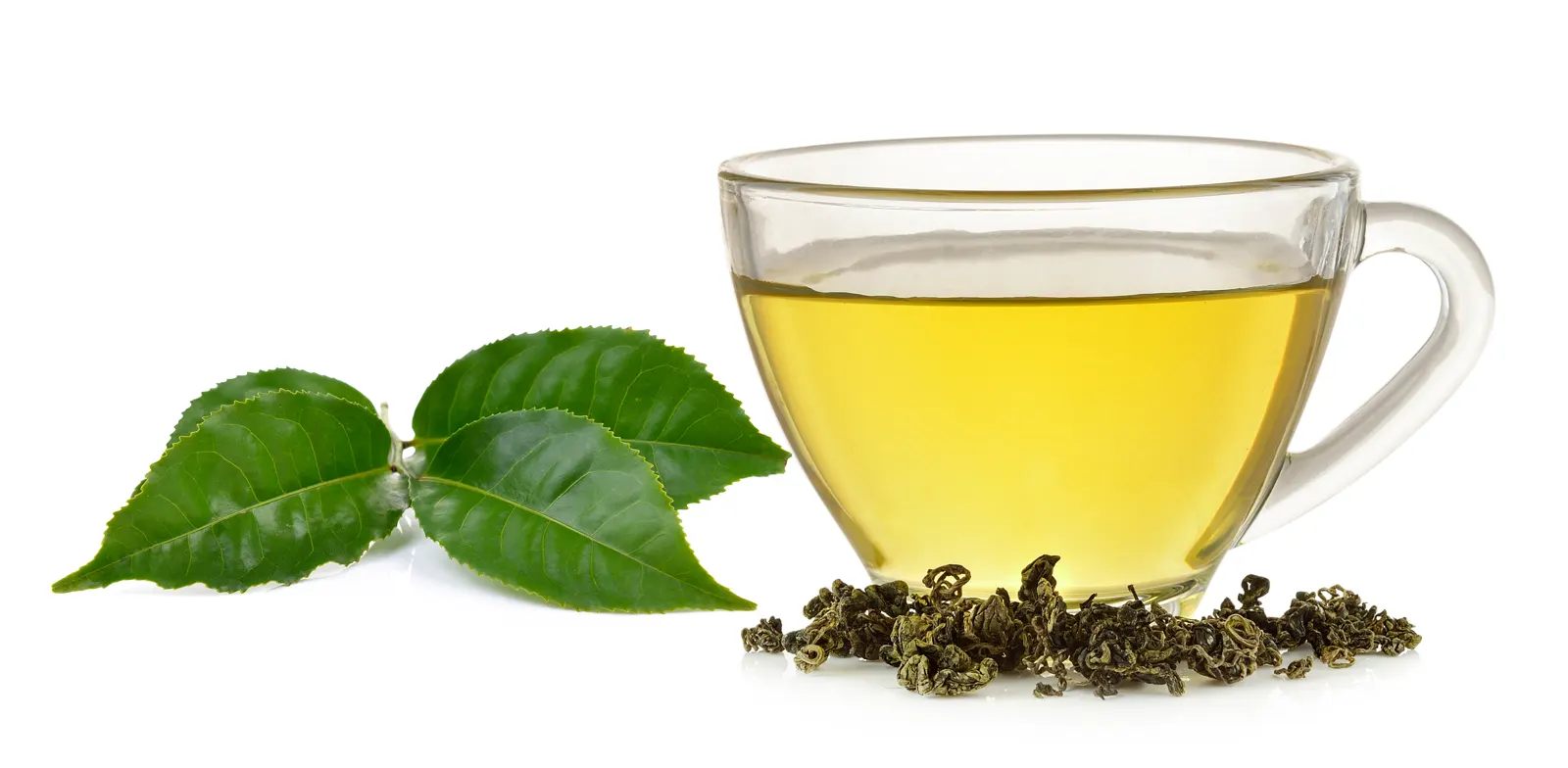
Try it today
A matcha-honey mini mask
- Stir a teaspoon of matcha into a honey or clay mask, making just enough for one use.
- Patch test if it’s new to you, then smooth it on, relax a few minutes and rinse with lukewarm water.
- Discard any leftovers, and finish your morning with broad-spectrum sunscreen.
Good to know: Green tea is a lovely antioxidant add-on, not a sunscreen. If your serum has turned brown, it has lost its punch, so replace it.
At a glance
| Parts used | Unfermented leaves; water, glycerin and hydroalcoholic extracts, purified EGCG, leaf powder (matcha), leaf water |
|---|---|
| Key actives | Epigallocatechin gallate (EGCG), Epicatechin gallate, epigallocatechin, epicatechin, Caffeine, L-theanine |
| INCI names | Camellia Sinensis Leaf Extract Camellia Sinensis Leaf Water Camellia Sinensis Leaf Powder Epigallocatechin Gallate Caffeine |
| Skin types | oily, combination, normal, sensitive, mature |
| Pairs well with | Centella Asiatica (Cica)Aloe VeraLicorice RootHoney |
| Evidence grade | BGood evidence Several small human trials consistently show reduced acne lesions and reduced UV-induced redness and DNA damage, though the trials are short and photoaging results are mixed. |
What it does for skin and hair
Reduces acne lesions
Small trials of a 2% green tea lotion and of topical EGCG reduced acne lesion counts over 6–8 weeks, with EGCG also lowering sebum production and inhibiting acne bacteria in lab work.
Helps control oiliness
EGCG down-regulates sebocyte lipid production in cell studies, and topical green tea has reduced sebum output in small human studies.
Antioxidant support against UV damage
Green tea polyphenols applied before UV exposure reduced redness and DNA damage in human volunteers. This complements, but never replaces, sunscreen.
Soothes and de-puffs
Caffeine and catechins have mild vasoconstrictive and anti-inflammatory effects, which is why green tea is common in eye creams and calming toners.
How to use it
Start low, be consistent, and give it four to eight weeks. These are the amounts that work in real products and home recipes.
| Form | Typical use level | Notes |
|---|---|---|
| Green tea leaf extract (standardized polyphenols) | 0.5–5% in serums, toners and creams | Formulate at roughly pH 4–5.5 with a chelator and vitamin E or ferulic acid; expect some color drift. Try Green Tea & Centella Soothing Toner. |
| Purified EGCG | 0.1–1% | More potent and more fragile; best in anhydrous or low-water systems, or in airless packaging. |
| Brewed tea or matcha (DIY) | Fresh, single use | A cooled brew makes a calming compress; 1 teaspoon of matcha can be stirred into a clay or honey mask. Use immediately and discard leftovers. |
Use it safely
Low topical risk
- Topical green tea is very well tolerated; contact allergy is rare.
- It is not a sunscreen. Use broad-spectrum SPF every day; antioxidants are an add-on.
- High-dose green tea extract supplements can cause liver injury. The European Food Safety Authority found intakes of 800 mg EGCG a day or more from supplements raised liver enzymes. Topical use does not carry this risk.
- Oxidized (brown) products have lost much of their activity; replace them.
- Pregnancy & breastfeeding
- Topical green tea is considered safe in pregnancy. Keep total caffeine intake within guidance (about 200 mg a day) and avoid concentrated green tea extract supplements. Pregnancy guide
- Phototoxicity
- Not phototoxic at normal use levels.
- Declared fragrance allergens
- None expected
New to an ingredient? Patch test first. Stop and seek advice if you get burning, swelling, blistering or a spreading rash.
Make it at home: recipes with green tea
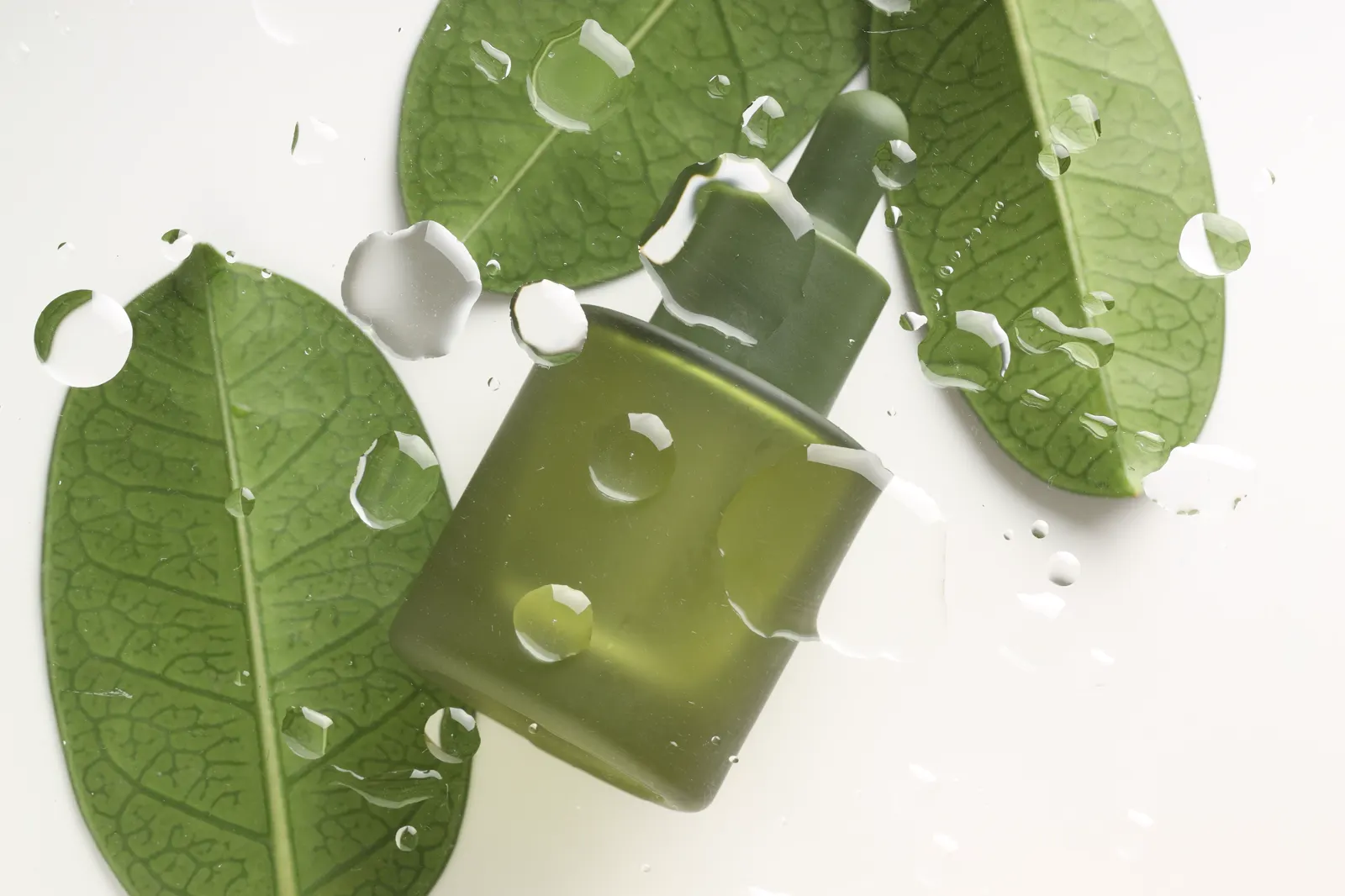 Toner · IntermediateGreen Tea & Centella Soothing TonerA preserved, alcohol-free toner with green tea, centella, witch hazel and panthenol to hydrate and calm, formulated to pH 5.0–5.5.
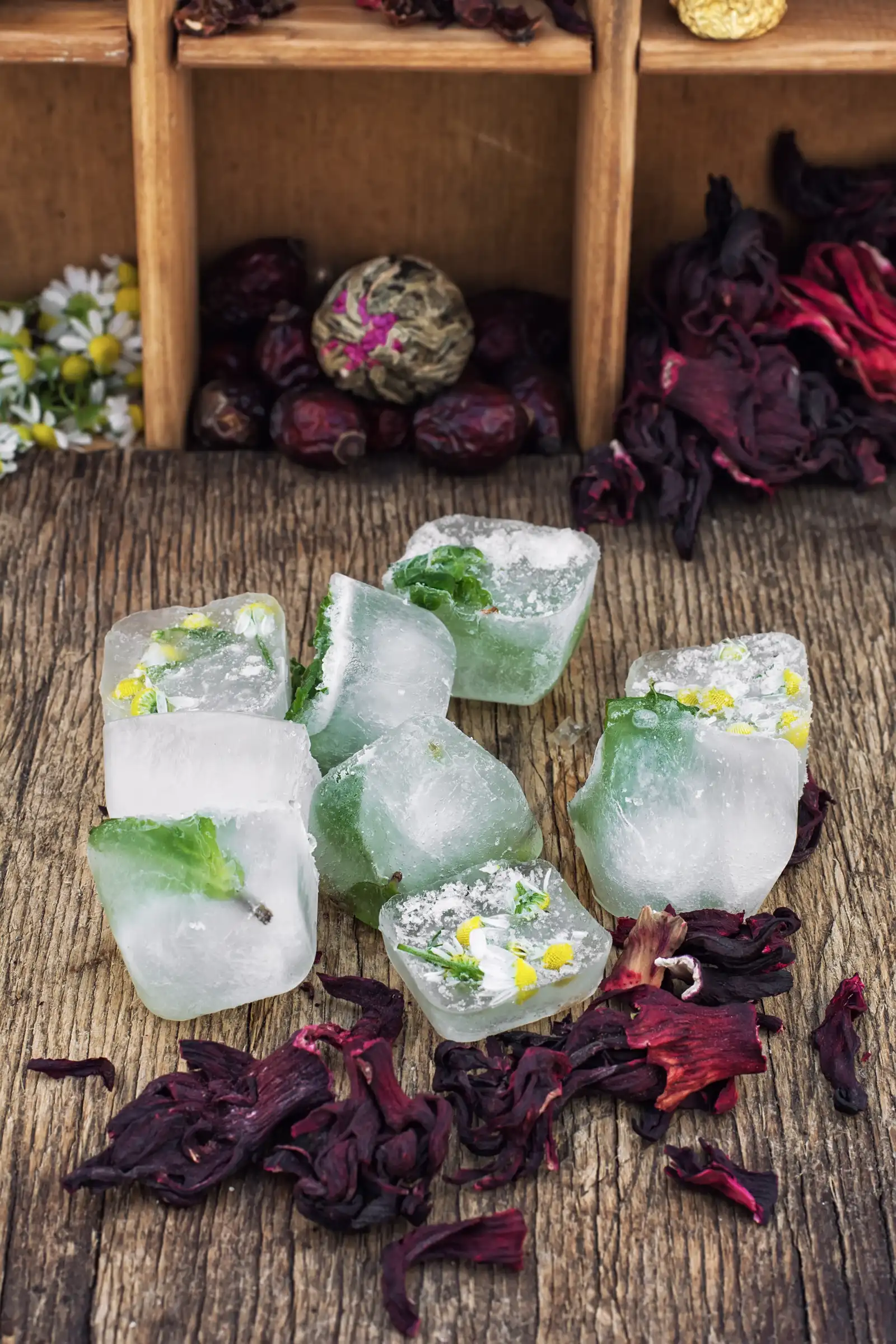 Ritual · BeginnerGreen Tea Morning Ice CubesBrewed green tea frozen into cubes for a sixty-second morning glide that wakes up puffy, sleepy skin. Kept frozen, one cube per use.
Buying well
Sustainability
Tea is a plantation crop with well-known labor and pesticide issues. Look for organic, Fairtrade or Rainforest Alliance certification for leaf and extracts. Japanese and Chinese green teas dominate cosmetic supply; matcha is shade-grown and costly, so cheap “matcha” is often low-grade powder.
How to choose quality
Choose extracts standardized for total polyphenols or EGCG, with a certificate of analysis. Bright green powder or a pale amber extract indicates freshness; brown, flat-smelling material has oxidized. Buy small amounts, keep them sealed, cool and dark, and refrigerate opened extracts.
The research For professionals
The chemistry, the studies and the evidence by concern, for practitioners, formulators and the curious.
Green tea leaves are steamed or pan-fired soon after picking, which inactivates the enzymes that would otherwise oxidize the catechins (as happens in black tea). Fresh leaf solids contain a large proportion of polyphenols, chiefly the flavan-3-ols EGCG, EGC, ECG and EC, plus caffeine and the amino acid L-theanine. EGCG is the most abundant and most studied.
Mechanistically, EGCG is a potent antioxidant and metal chelator; in cell studies it inhibits NF-κB and AP-1 signaling, matrix metalloproteinases that degrade collagen after UV exposure, and 5α-reductase. In human sebocytes it reduces lipogenesis via the AMPK–SREBP-1 pathway and induces sebocyte apoptosis, and it inhibits Cutibacterium acnes (Yoon, 2013). A sinecatechin ointment (purified green tea catechins) is an approved prescription medicine for external genital warts — evidence that topical catechins can have real biological effects in skin.
For acne, an open-label study of a 2% green tea lotion in 20 patients reduced lesion counts over six weeks (Elsaie, 2009), and a small 8-week randomized trial of topical EGCG reduced lesions versus vehicle (Yoon, 2013). For photoprotection, green tea polyphenols applied before UV reduced erythema and markers of DNA damage in volunteers (Elmets, 2001). For photoaging, however, a double-blind trial of combined topical and oral green tea found no significant clinical improvement over eight weeks, despite histological changes in elastic tissue (Chiu, 2005).
The practical limit is stability: EGCG oxidizes rapidly at neutral to alkaline pH, with heat, light and trace metals, turning formulas brown and losing activity. Formulate at mildly acidic pH, with a chelator and companion antioxidants, in opaque airless packaging.
Evidence by concern
| Concern | Grade | What the evidence shows |
|---|---|---|
| Acne & Breakouts | B | Small randomized trials of 2–3% green tea extract lotions reduced lesion counts and sebum in mild to moderate acne; effects are modest. |
| Dark Spots & Hyperpigmentation | C | EGCG reduces melanin production in the lab and protects against UV-induced inflammation; clinical depigmenting data are limited. |
| Aging & Photoaging | B | Topical green tea polyphenols reduce UV-induced redness and DNA damage in human skin; trials for wrinkles show mixed, modest results. |
| Sensitive Skin & Redness | C | EGCG is anti-inflammatory and reduces UV-induced redness; a small trial suggested benefit in papulopustular rosacea. |
| Oily Skin & Pores | B | Small controlled trials of topical green tea extract emulsions reduced sebum production over several weeks. |
| Thinning Hair & Hair Loss | D | EGCG inhibits 5-alpha-reductase and supports follicle cells in the lab; human evidence is lacking. |
| Sun Care & After-Sun | B | Topical green tea polyphenols reduced UV-induced redness and DNA damage in human skin studies — an antioxidant adjunct under sunscreen, never a substitute. |
Key studies
Open-label study in 20 people with mild-to-moderate acne: 2% green tea lotion twice daily for 6 weeks significantly reduced lesion counts.
Elsaie ML, et al. J Drugs Dermatol. 2009 Read it in the bibliography Find on PubMedTopical EGCG reduced acne lesions versus vehicle in a small 8-week randomized trial, and in lab work reduced sebocyte lipogenesis and inhibited C. acnes.
Yoon JY, et al. J Invest Dermatol. 2013 Read it in the bibliography Find on PubMedGreen tea polyphenols (especially EGCG) applied before UV exposure reduced erythema and DNA damage in human skin.
Elmets CA, et al. J Am Acad Dermatol. 2001 Read it in the bibliography Find on PubMed40 women with photoaging: 8 weeks of topical plus oral green tea produced no significant clinical improvement versus placebo, though biopsies showed improved elastic tissue.
Chiu AE, et al. Dermatol Surg. 2005 Read it in the bibliography Find on PubMed
MythA green tea cream works like sunscreen.
EvidenceGreen tea polyphenols reduce some UV damage in studies, but they absorb little UV and carry no meaningful SPF. Wear a tested broad-spectrum sunscreen; an antioxidant serum underneath is a bonus.
In tradition
Green tea has been central to daily life in China and Japan for centuries, and in Morocco gunpowder green tea brewed with fresh mint — atay — is the gesture of hospitality. Cooled tea leaves and compresses for tired eyes are a folk habit in many of these places.
From the first-edition dossier
From study to shelf
What topical green tea research can tell you about blemishes.
On this page
What the studies found
Kim et al. (2021) PubMed
- Study design
- The systematic review pooled five randomized trials across topical and oral use. The abstract reports 125 intervention and 122 control allocations, with a literature search through August 2019.
- Result
- Inflammatory lesion counts decreased in the pooled analysis. The overall result for non-inflammatory lesions was statistically inconclusive. The topical subgroup showed reductions in both types, while oral results were limited.
- Limitations
- These were small studies using different formulations. The findings were checked against the original abstract. The abstract does not establish a concentration or expected effect for an arbitrary green tea cosmetic.
Yoon et al. (2013) PubMed
- Study design
- In an eight-week randomized split-face study with 35 participants, one side received a solution with 1% or 5% EGCG. The other side received the vehicle containing 3% ethanol.
- Result
- The authors reported reductions in inflammatory and non-inflammatory lesion counts with the tested EGCG solutions.
- Limitations
- EGCG is one defined catechin. A seed oil, generic tea extract or brewed tea has a different composition. The study did not compare ordinary retail cosmetics.
Taking an extract and applying it answer different questions
In a four-week placebo-controlled trial, 64 of 80 women with acne completed follow-up. An oral decaffeinated green tea extract improved inflammatory lesion counts in some facial areas compared with placebo. The total lesion count did not differ significantly between groups. A result for a supplement or a particular facial area cannot answer how a topical cosmetic performs across the face.
Checks before you buy
- Check whether the label names Camellia Sinensis Leaf Extract or EGCG.
- For a blemish claim, look for measured results from the finished product and see what it was compared with.
- If acne is painful, persistent or scarring, get clinical advice.
Questions readers ask
Can drinking tea reproduce the topical results?
The routes give different exposures. The review found limited results for oral preparations.
Will every green tea toner deliver the studied dose?
A generic extract name provides no information about its catechin profile, concentration or how it was formulated.
Compare the preparations
Drinking tea, applying brewed tea and using a formulated extract are different exposures. An extract on a label gives no reliable indication of dose or performance.
| Preparation | What to check |
|---|---|
| Tea leaf water or extract | Check the plant part or species declared and the manufacturer’s specification. |
| Tea seed oil | Check whether the same preparation appears in the study or the formula you are comparing. |
The research
A systematic review of randomized trials reported fewer acne lesions with topical green tea extracts in the included trials. Studies were limited, and results apply to the preparations and regimens tested.
Safety and tolerance
Ask a health professional about persistent, painful or scarring acne. Choose cosmetic products by the full formula and stop if irritation develops.
What to look for on the label
Look for “Camellia Sinensis Leaf Extract”. Tea seed oil is another ingredient.
A real label example
Global (USD) ·
Beauty of Joseon Calming Barrier Serum : Green Tea-HA + Panthenol
- Camellia Sinensis Leaf Water
- Panthenol
This is the Calming Barrier Serum listing, which names tea leaf water. Do not substitute the ingredient list of the earlier Calming Serum: Green Tea + Panthenol.
Sources
Continue reading
First published in the original Herbs.Beauty atlas on 11 November 2026, with its sources as checked on that date.
Frequently asked questions
Is green tea good for acne?
Does green tea help puffy eyes and dark circles?
Can I use brewed green tea as a toner?
Can I use green tea with vitamin C?
Cite this page
Herbs.Beauty. Green Tea (Camellia sinensis): evidence-based monograph. Updated 26 November 2026. https://herbs.beauty/ingredients/green-tea.html