The ingredient encyclopedia · oil
Avocado Oil
Persea americana Mill. (INCI uses the older name Persea gratissima) · Lauraceae
Rich, green and buttery: avocado oil wraps dry, weathered skin and thirsty hair in real comfort.
FR Huile d’avocatES Aceite de aguacateAR زيت الأفوكادوPalta (Andean Spanish); āhuacatl (Nahuatl)
- How well proven
- CPromising
- Safety
- Low topical risk
- Sun-sensitive
- No
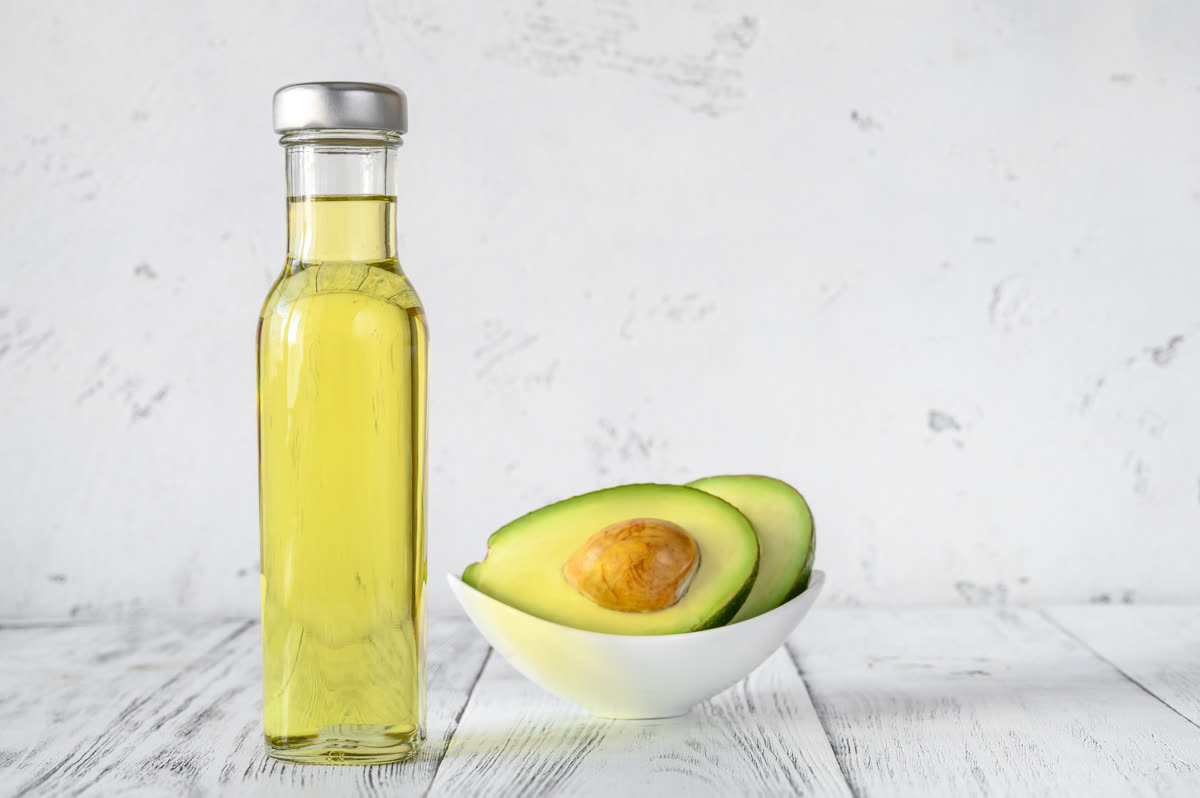
Also known as Persea americana Mill. (INCI uses the older name Persea gratissima)
FR Huile d’avocatES Aceite de aguacateAR زيت الأفوكادوPalta (Andean Spanish); āhuacatl (Nahuatl)
What the evidence says
Mostly animal and laboratory data plus a small psoriasis study of a cream containing avocado oil; no robust trials of avocado oil alone on skin.
- What it does
- Rich comfort for dry and mature skin. An oleic-rich, slightly heavy oil that softens and protects dry, weathered and mature skin, especially on the body and hands.
- How to use it
- Body and hand oil · Neat, or 20–50% of a body-oil blend
- Watch out for
- Allergy to avocado oil is uncommon; patch test if your skin is reactive.
Checked against 1 cited study and our safety review · Updated 26 November 2026 · How we grade
Why you’ll love Avocado Oil
Why you’ll love it
- Deep comfort for dry, weathered and mature skin
- Softens dry, curly or color-treated hair before washing
- Keeps better on the shelf than many fragile plant oils
Best forDry, mature or weathered skin and hands, and dry or color-treated hair.
Try it today
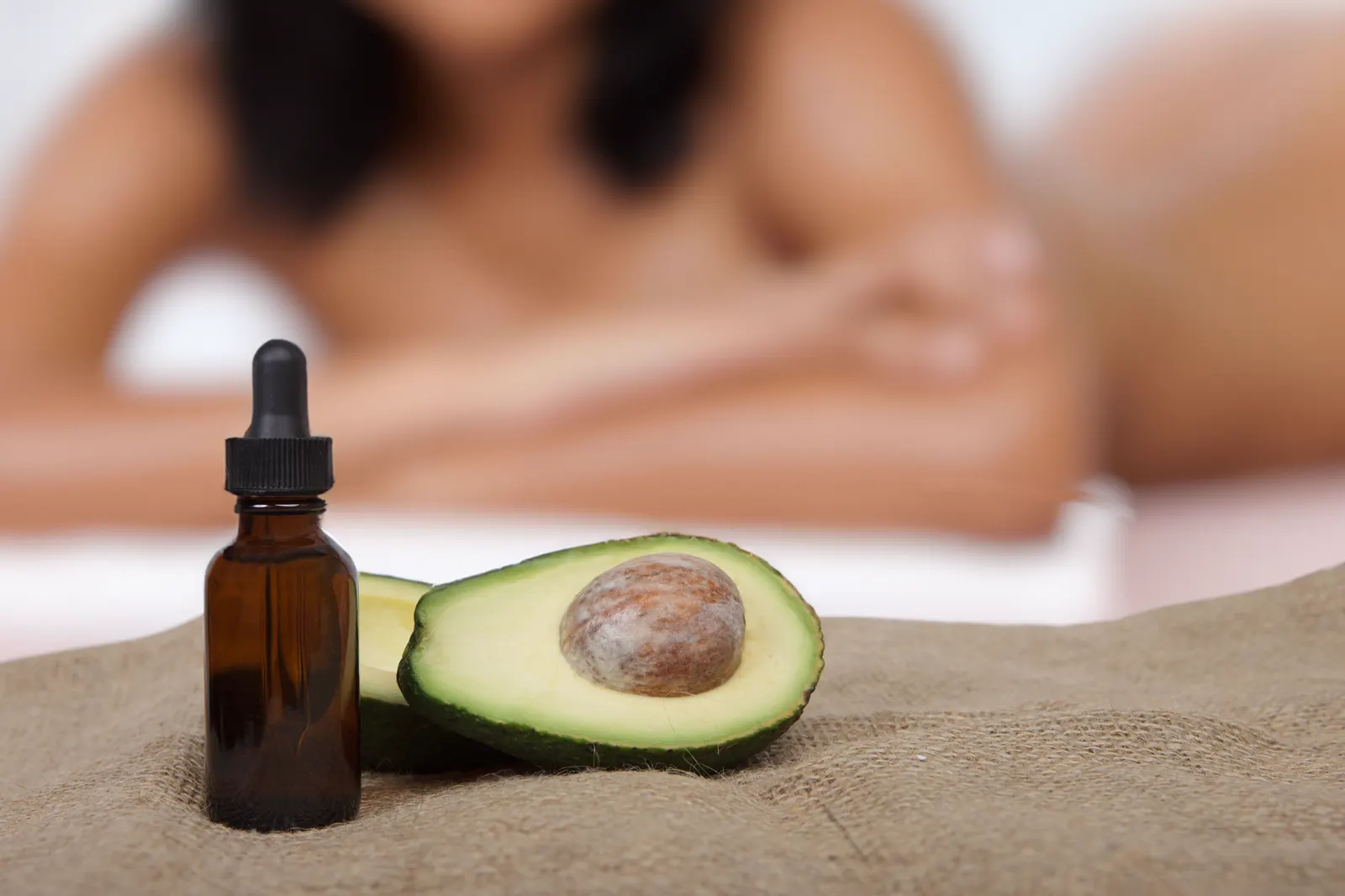
An after-bath body wrap
- New to it? Patch test first. After a warm shower, pat your skin until it is just damp.
- Smooth on avocado oil, alone or mixed with a lighter oil like sunflower, focusing on dry areas.
- Give it a few minutes to sink in before you get dressed.
Good to know: Green virgin oil dislikes light: keep it in dark glass and use within about a year. Latex–fruit allergy? Choose refined oil and ask first.
At a glance
| Parts used | Oil pressed from the fruit flesh (mesocarp): cold-pressed virgin (green) or refined (pale); unsaponifiable concentrate |
|---|---|
| Key actives | Oleic acid, Palmitic acid, Palmitoleic acid, Linoleic acid, Phytosterols (mainly β-sitosterol), Polyhydroxylated fatty alcohols, Chlorophyll and carotenoids (virgin oil), Tocopherols |
| INCI names | Persea Gratissima Oil Persea Gratissima Oil Unsaponifiables |
| Skin types | dry, mature, normal |
| Hair & scalp | curly, thick, color treated |
| Pairs well with | Shea ButterOlive OilRosehip OilCalendula |
| Evidence grade | CPromising Mostly animal and laboratory data plus a small psoriasis study of a cream containing avocado oil; no robust trials of avocado oil alone on skin. |
What it does for skin and hair
Rich comfort for dry and mature skin
An oleic-rich, slightly heavy oil that softens and protects dry, weathered and mature skin, especially on the body and hands.
Valuable unsaponifiables
Its phytosterols and polyhydroxylated fatty alcohols are studied for anti-inflammatory and barrier-supporting effects; concentrated unsaponifiables are used in some dermatological products.
Nourishing pre-wash for hair
Applied before shampooing, it lubricates and softens dry, curly or color-treated hair and reduces breakage from friction.
A stable everyday oil
Mostly monounsaturated, it resists rancidity better than polyunsaturated oils, though green virgin oil should be kept from light.
How to use it
Start low, be consistent, and give it four to eight weeks. These are the amounts that work in real products and home recipes.
| Form | Typical use level | Notes |
|---|---|---|
| Body and hand oil | Neat, or 20–50% of a body-oil blend | Apply to damp skin after bathing; blend with a lighter oil such as sunflower oil for a less heavy finish. |
| Face oil or night cream | 10–30% of a face oil; 3–15% of a cream | Best for dry and mature skin; add tocopherol at 0.1–0.5%. |
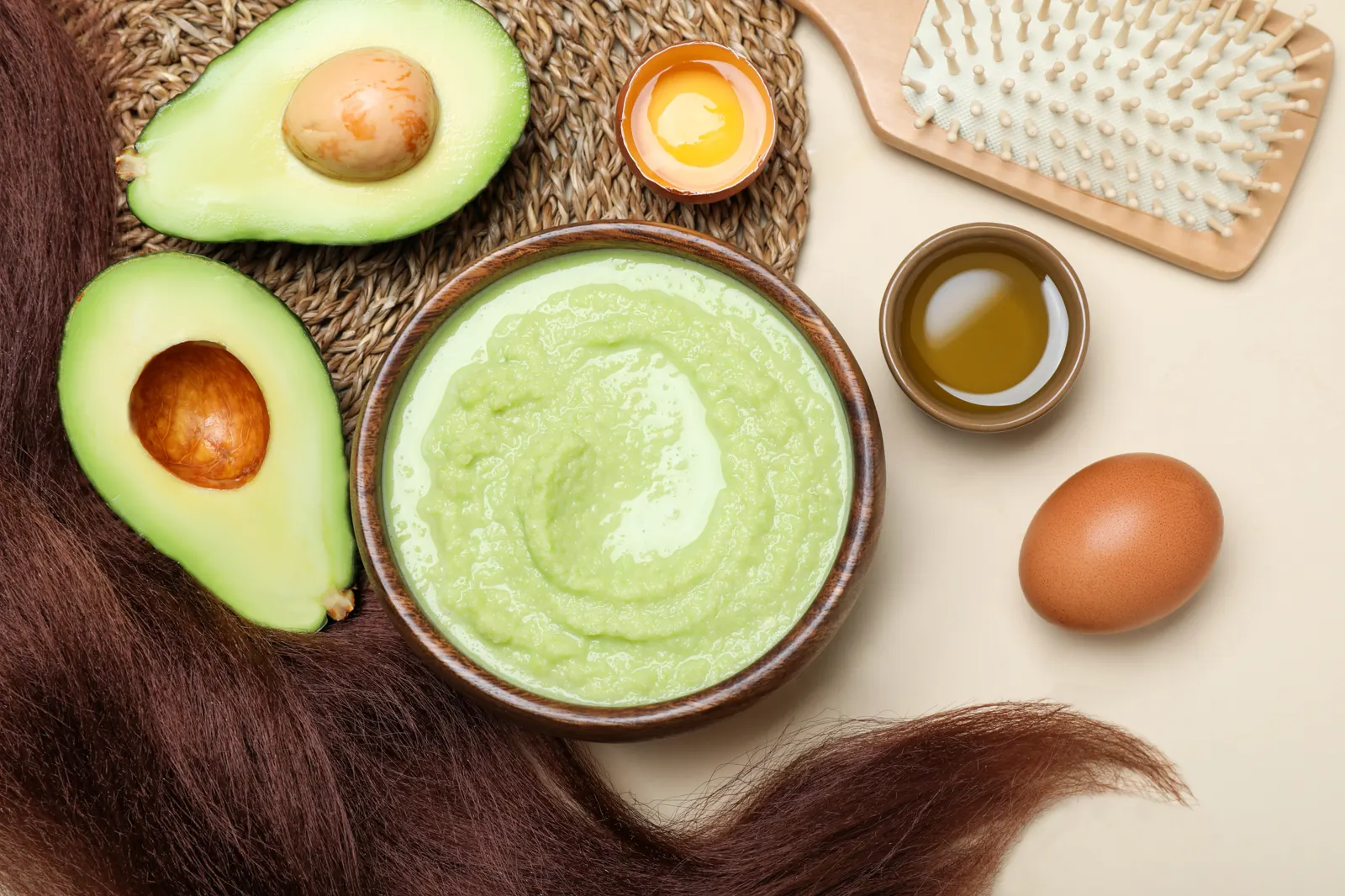
| Hair pre-wash treatment | 1–2 tablespoons on lengths | Leave 30–60 minutes or overnight under a cap, then shampoo. |
| Avocado unsaponifiables | Typically 0.5–2% (per supplier) | A concentrated fraction for barrier-focused creams; follow supplier guidance. |
Use it safely
Low topical risk
- Allergy to avocado oil is uncommon; patch test if your skin is reactive.
- People with latex–fruit syndrome or avocado food allergy react to proteins; refined oil contains very little protein, but use caution with unrefined oil and ask an allergist if reactions have been severe.
- Heavy, oleic oils can congest acne-prone skin in some people.
- Discard oil that smells sharp or fishy; keep green virgin oil away from light.
- Pregnancy & breastfeeding
- No specific concerns for topical use in pregnancy or breastfeeding. It does not prevent stretch marks, but it can ease dryness and itch. Pregnancy guide
- Phototoxicity
- Not phototoxic at normal use levels.
- Declared fragrance allergens
- None expected
New to an ingredient? Patch test first. Stop and seek advice if you get burning, swelling, blistering or a spreading rash.
Make it at home: recipes with avocado oil
Buying well
Sustainability
Avocados are a water-intensive crop. In drought-stressed regions such as Petorca province in Chile, irrigation for orchards has been linked to local water shortages, and in Michoacán, Mexico, orchard expansion has been linked to illegal clearing of pine–oak forest. On the positive side, oil is often pressed from cosmetically imperfect fruit that would otherwise be wasted. Prefer traceable oil from rain-fed or water-responsible growers. See Sustainable & Ethical Botanical Sourcing.
How to choose quality
Cold-pressed virgin avocado oil is emerald green with a buttery, mushroomy smell; refined oil is pale yellow and nearly odorless and suits fragrance-free formulas. The INCI should read Persea Gratissima Oil. Culinary oils are often blended with cheaper oils, so choose cosmetic-grade oil from a supplier who provides a certificate of analysis. Store in dark glass, cool, and use within about 12 months of opening.
The research For professionals
The chemistry, the studies and the evidence by concern, for practitioners, formulators and the curious.
Avocado oil is a fruit-pulp oil, like olive oil. Typical refined oil contains roughly 50–70% oleic acid, 10–25% palmitic acid, 8–15% linoleic acid and an unusual 2–10% palmitoleic acid (C16:1), a fatty acid also found in human sebum. Virgin (cold-pressed) oil is deep green from chlorophyll and carotenoids and keeps more of its minor compounds; refined oil is pale and mild.
The unsaponifiable fraction is relatively large for a plant oil and includes phytosterols (mainly β-sitosterol), tocopherols and polyhydroxylated fatty alcohols. Avocado–soybean unsaponifiables are a licensed oral osteoarthritis medicine in some countries, and avocado unsaponifiables are used in some dermatological creams. Laboratory and animal studies suggest effects on inflammation and collagen metabolism, but these do not establish topical benefit in people. A small study (Stücker and colleagues, 2001) found a vitamin B12 cream containing avocado oil improved plaque psoriasis in an intra-individual comparison with calcipotriol; the effect cannot be attributed to avocado oil alone.
Oxidative stability is good, thanks to the monounsaturated majority. One caveat: chlorophyll in virgin oil acts as a photosensitizer, accelerating oxidation in light, so green oil belongs in dark bottles. As with other very oleic oils, heavy use on a damaged or eczema-prone barrier may not suit everyone.
Key studies
Small intra-individual comparison in plaque psoriasis over 12 weeks: a vitamin B12 cream containing avocado oil improved lesions and was well tolerated compared with calcipotriol; avocado oil was not tested alone.
Stücker M, et al. Dermatology. 2001 Read it in the bibliography Find on PubMed
MythAvocado oil penetrates deep into the skin because it is similar to sebum.
EvidenceAvocado oil contains palmitoleic acid, also found in sebum, but plant oils mainly act in the outer layers of the stratum corneum. Its benefits are softening, occlusion and barrier support, not delivery of nutrients into deep skin.
In tradition
The avocado was domesticated in Mesoamerica thousands of years ago; the Nahuatl name āhuacatl gave us the word “avocado”. In Mexico and Central America, mashed avocado has long been used as a hair and skin dressing.
Frequently asked questions
Is avocado oil good for the face?
Is avocado oil good for hair growth?
Should I use green or refined avocado oil?
Can avocado oil replace sunscreen?
Cite this page
Herbs.Beauty. Avocado Oil (Persea americana Mill.): evidence-based monograph. Updated 26 November 2026. https://herbs.beauty/ingredients/avocado-oil.html