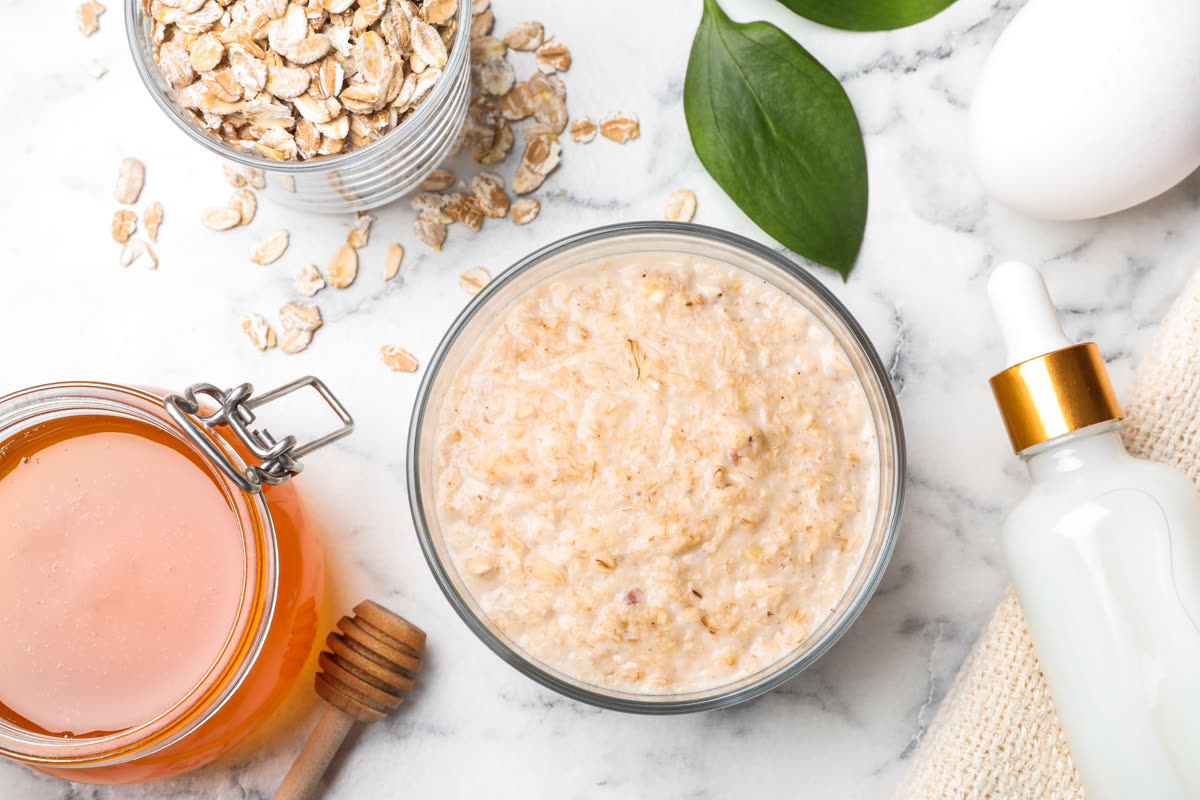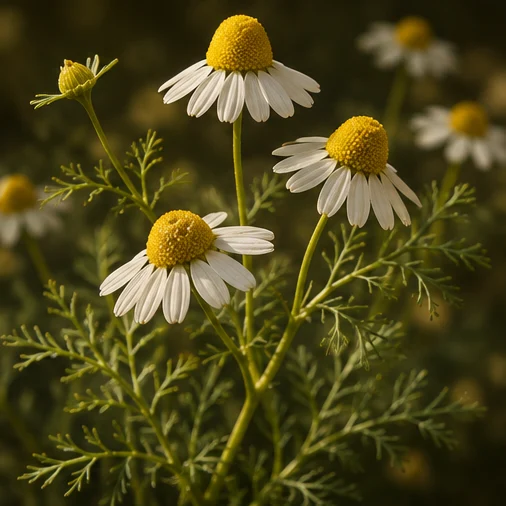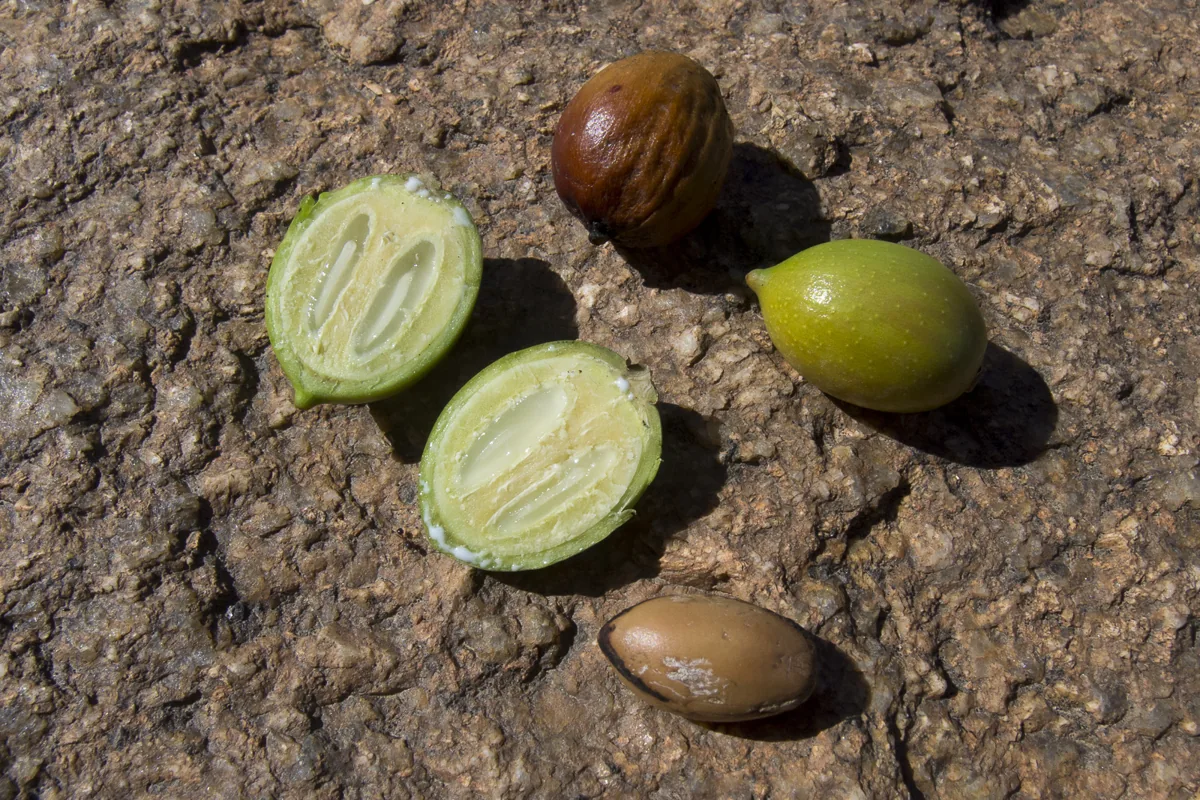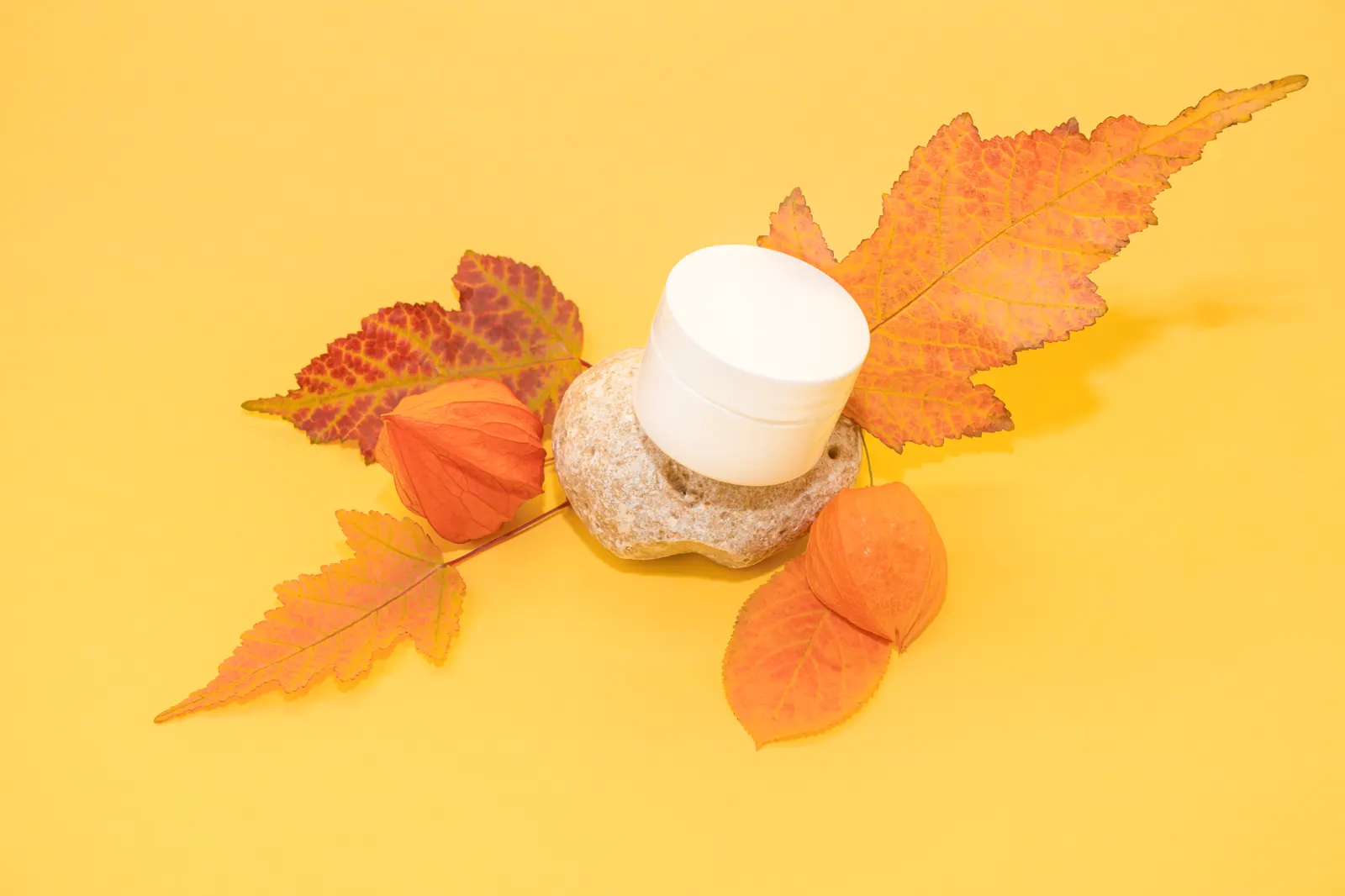
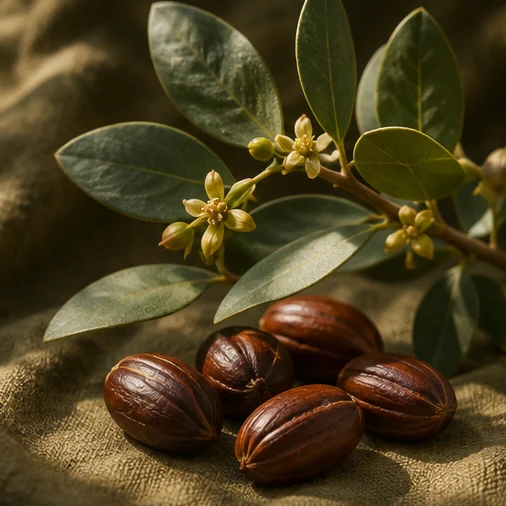
The botanical beauty reference

Planned · not yet available

The Monthly Ritual Box

Once a month, a small box that matches the season’s ritual: a few honest plants, sourced from cooperatives and certified growers, and a printed card that walks you through the ritual step by step. Only well-graded, low-risk ingredients go in.

This box does not exist yet. We are planning it in the open. There is no price, no launch date and no partner yet, and nothing on this page is for sale. If you would like to hear when it opens, join the waitlist.

Join the waitlist See the twelve boxes

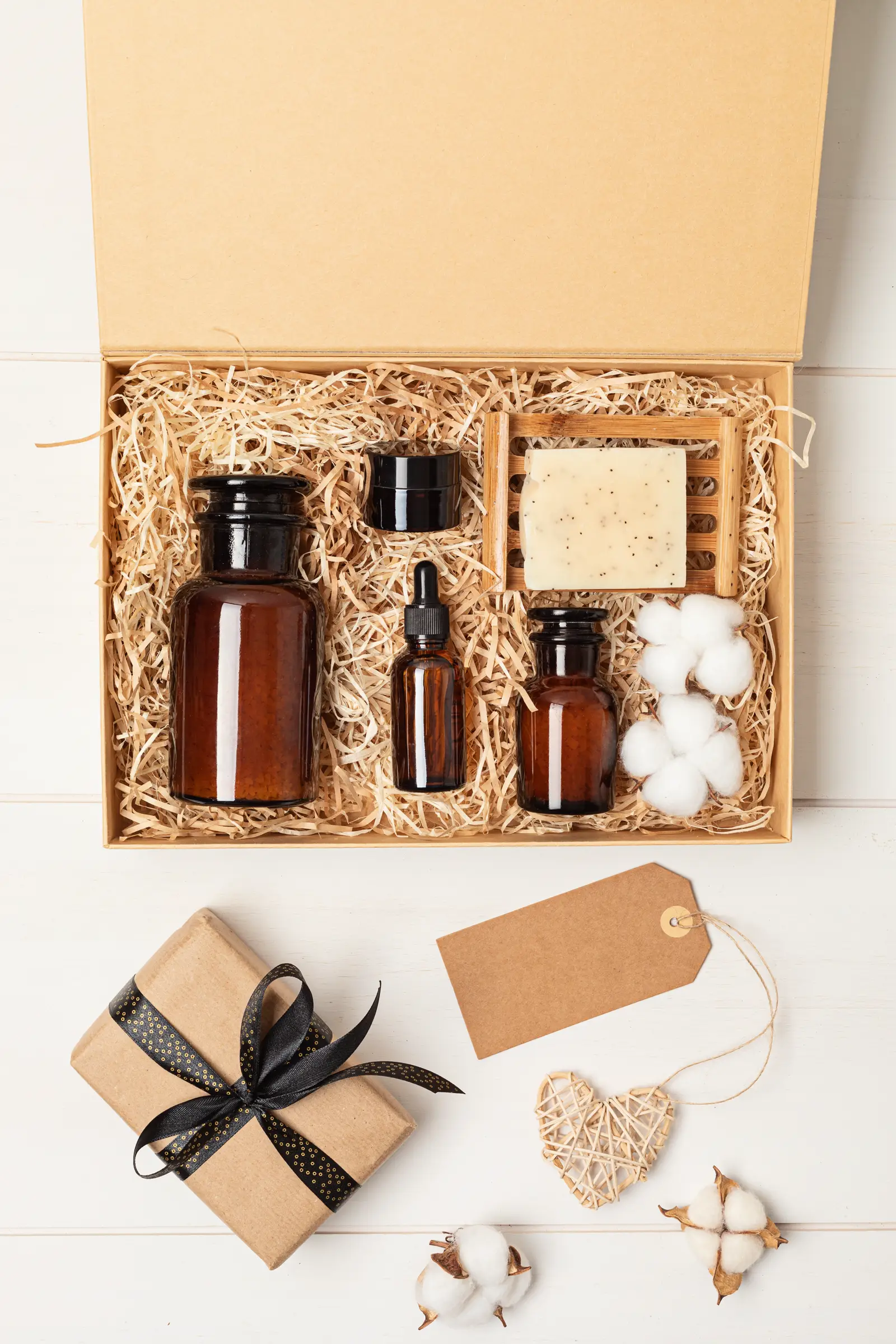
An open kraft box of natural care: amber bottles, a balm jar and cotton on straw

The idea

Most of us already own too many products and use too few of them well. The Ritual Box is the opposite of a haul: each month brings one ritual from our daily rituals and only the few plants it needs, in amounts you can finish while they are fresh.

Each plant links to its monograph, so you can read what it does, how good the evidence is and how to use it safely before you open a bottle. The printed card stays on your shelf long after the box is empty.

Twelve months, twelve boxes

Each month is matched to one of our daily rituals, and each sample box is built from that ritual’s own plants and their natural companions, keeping only those that pass the rules below. These are samples to show the idea: a real box could change with harvests and availability.

The calendar follows northern-hemisphere seasons.

Month 1 of 12

January

Cold air outside, dry heat inside. Hands and the skin barrier need the most care.

The ritual: The Overnight Glove Method for Winter Hands

Cracked knuckles and rough fingertips? A thick balm under cotton gloves overnight, plus three daytime habits, rescues winter hands within days.

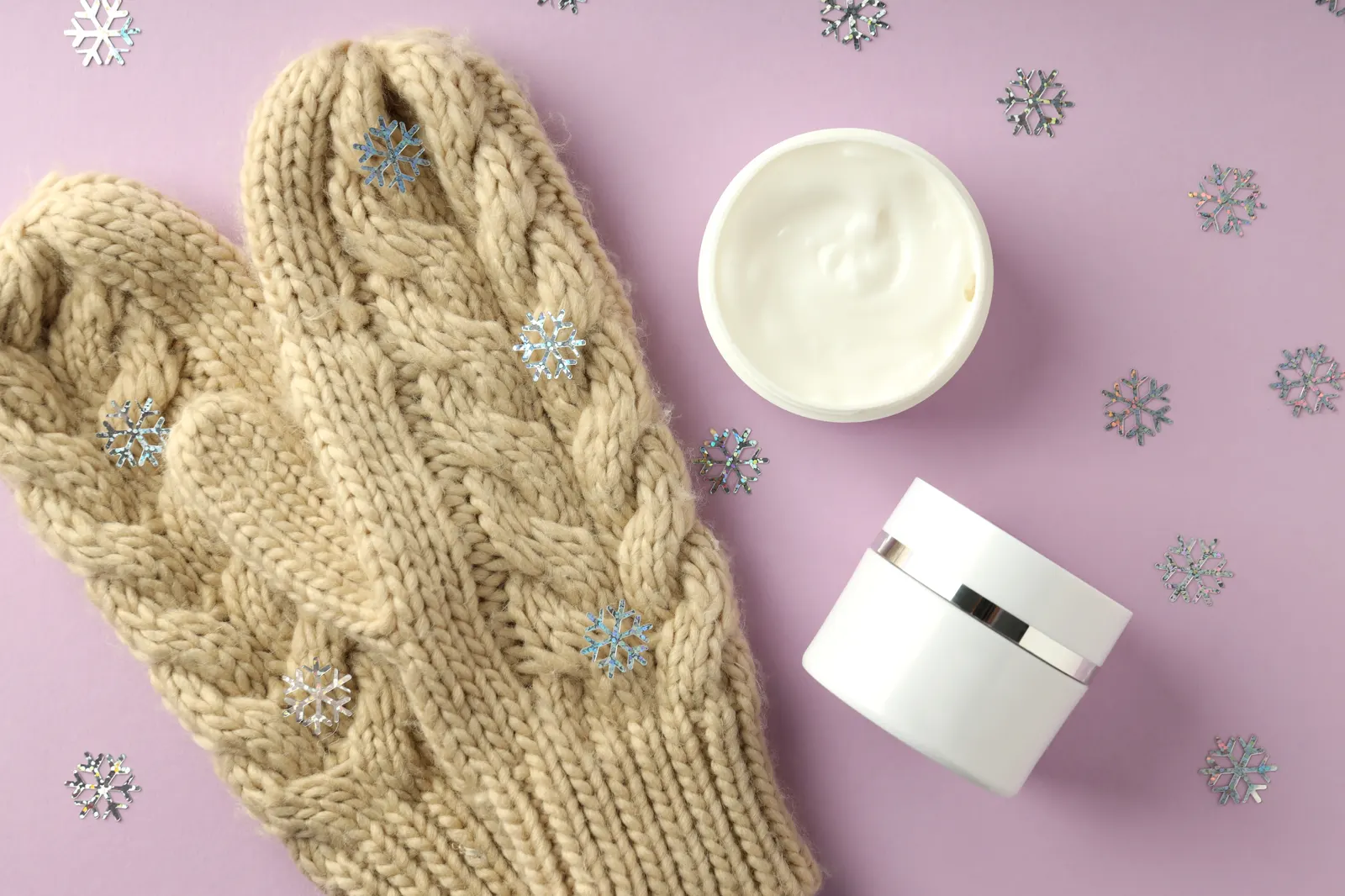
Winter season skin care with snowflake details

A sample box: 4 plants and the printed ritual card

The printed ritual card · January

The Overnight Glove Method for Winter Hands

Takes 10 min, then overnightEvidence for the ritual itself: BGood evidence

Read the card
You’ll need

The box holds only the plants that pass our rules. Anything else on this list comes from your own shelf.

Step by step
  1. Before bed, wash your hands in lukewarm water with a soap-free wash. Pat dry, leaving them slightly damp.
  2. Scoop about a teaspoon of balm and warm it between your palms until it softens.
  3. Massage it in: backs of hands, between the fingers, around each cuticle and over the knuckles, about two minutes in total.
  4. Add an extra dab to any cracks or split fingertips.
  5. Put on the cotton gloves and wear them for at least an hour, ideally overnight.
  6. In the morning, wash off any excess, then apply a light hand cream.
  7. By day: cream after every wash (keep a tube by each sink), wear warm gloves outdoors, and wear rubber gloves with cotton liners for dishes and cleaning.
Safety
  • If you have a known allergy to lanolin, beeswax, calendula or other daisy-family plants, check the balm’s label first.
  • Cracks that bleed, ooze, become hot or painful, or hand rash that is not improving after two weeks need a doctor; hand eczema linked to work may need formal patch testing.
  • Wash the cotton gloves often, and use a fresh pair if the skin is cracked.
Allergens in this box

No labeled fragrance allergens in this box.

Patch test every product first: apply a little to the inner forearm twice a day for 7 days, and look closely at 48 and 96 hours. How to patch test
Open the full ritual

Month 2 of 12

February

Wind, frost and chapped lips: the month for rich balms and slow evenings.

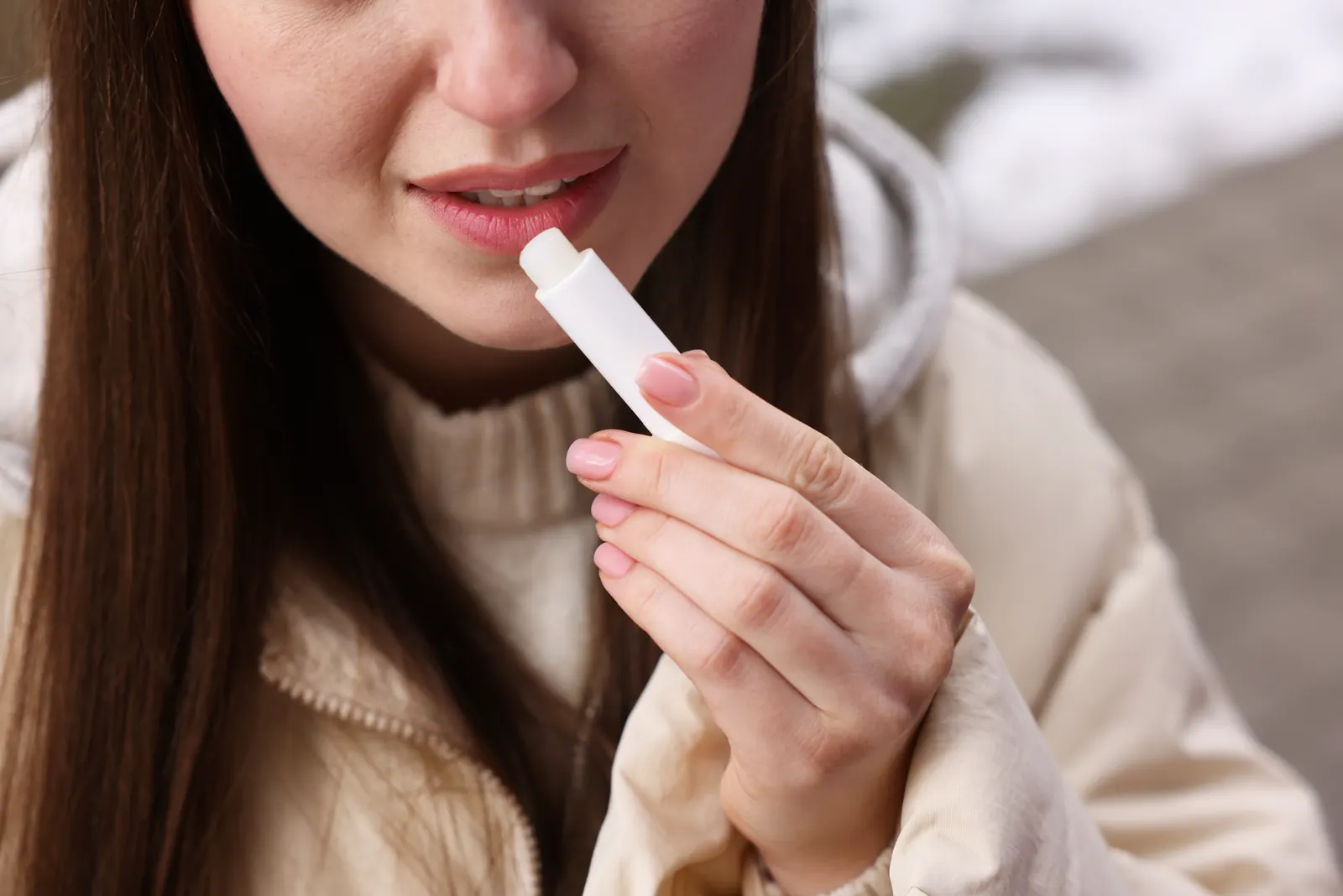
The ritual: Lip Care for Cold, Windy Days

Chapped lips in the cold wind? Stop licking, seal before you step out, and choose a plain balm over minty ones. A two-minute routine that works.

Woman applying lip balm for lip care

A sample box: 4 plants and the printed ritual card

The printed ritual card · February

Lip Care for Cold, Windy Days

Takes 2 minEvidence for the ritual itself: CPromising

Read the card
You’ll need
  • A plain, fragrance-free lip balm, such as Shea & Calendula Lip Balm or a simple petrolatum balm
  • An SPF lip balm for daytime outdoors
  • A clean, soft, damp washcloth

The box holds only the plants that pass our rules. Anything else on this list comes from your own shelf.

Step by step
  1. Morning: after brushing your teeth, pat your lips with lukewarm water so they are just damp.
  2. Apply a thin layer of balm right away, pressing it on rather than dragging it.
  3. Before going outside, add an SPF lip balm, or wear a scarf over your mouth on bitter days.
  4. Through the day, reapply whenever lips feel tight, and especially after eating and drinking. Do not lick them, even when they feel dry.
  5. At night, apply a thick layer and leave it on as an overnight mask.
  6. If flakes have lifted after a few days, soften them with the damp washcloth and let them come away on their own. Do not pick, and skip lip scrubs while lips are cracked.
Safety
  • Contact allergy to lip products is not rare; fragrance, flavorings, propolis and occasionally castor oil are known culprits. Patch test a new balm on the inner arm first.
  • Cracks at the corners of the mouth that last more than two weeks may be angular cheilitis and can need treatment; see a doctor or pharmacist.
  • A persistent rough, scaly or sore patch on the lip, especially the lower lip, should be checked by a doctor.
Allergens in this box

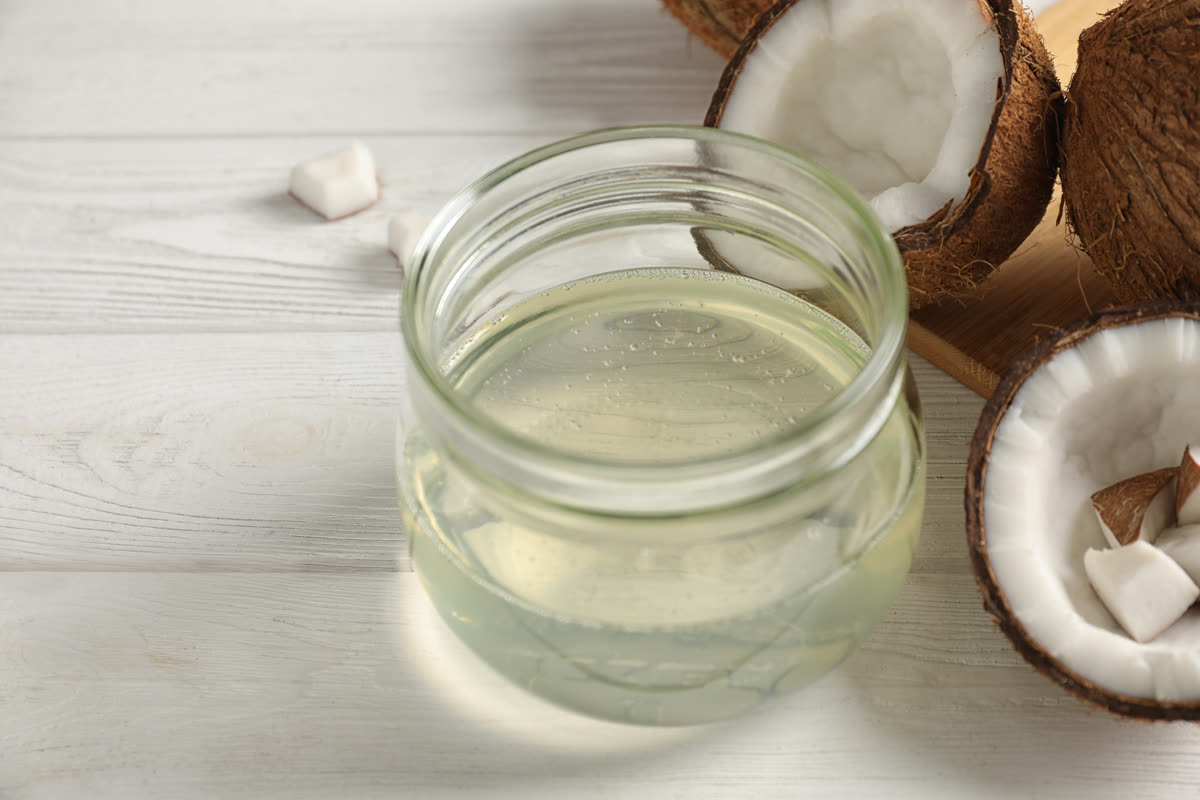
No labeled fragrance allergens in this box. Allergy notes: Coconut.

Patch test every product first: apply a little to the inner forearm twice a day for 7 days, and look closely at 48 and 96 hours. How to patch test
Open the full ritual

Month 3 of 12

March

Spring cleaning for the bathroom shelf: keep what works, finish what is open.

The ritual: The Slow Sunday Shelf Audit

Thirty minutes with your bathroom shelf: read the PAO symbols, sniff out rancid oils, and decide what to keep, move to the fridge or throw away.

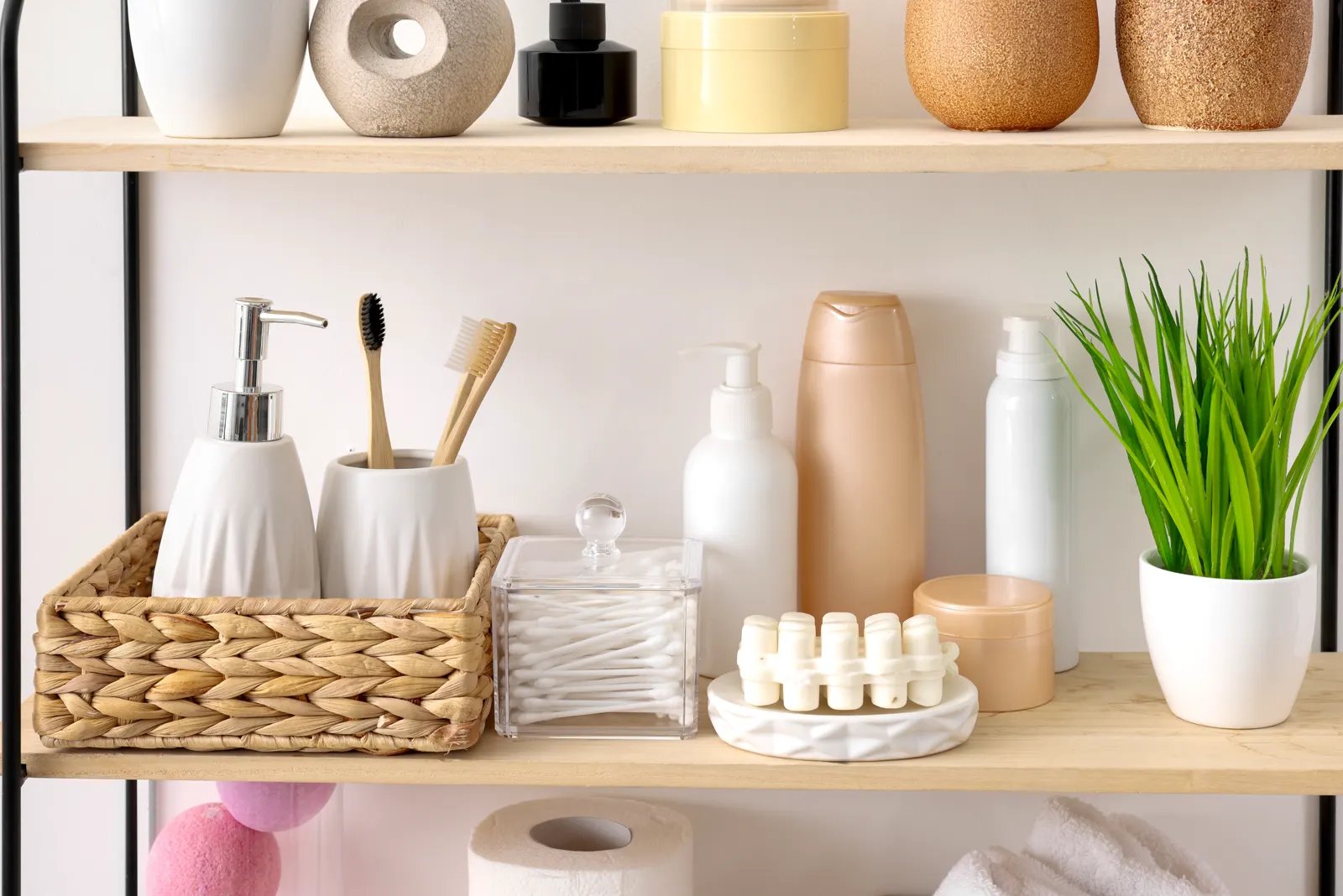
Bathroom shelves with toiletries and decoration

A sample box: 4 plants and the printed ritual card

The printed ritual card · March

The Slow Sunday Shelf Audit

Takes 30 minEvidence for the ritual itself: CPromising

Read the card
You’ll need
  • Every skincare product you own, gathered on a towel
  • A permanent marker and small labels
  • Good light and your nose
  • A bag for recycling and one for general waste (check local rules)

The box holds only the plants that pass our rules. Anything else on this list comes from your own shelf.

Step by step
  1. Sort into three piles: daily use, occasional, and “I forgot I had this”.
  2. Find the Period After Opening symbol on each: a small open jar with a number such as 6M or 12M. Compare it with when you opened the product; if you cannot remember, it is probably past it.
  3. Smell every oil and balm. Fresh oils smell mild, nutty or of the plant; rancid ones smell of crayons, old paint or stale nuts. Rancid goes.
  4. Look for separation that will not stir back, color changes, mold, cloudiness in toners or a sour smell in creams. Any of these goes.
  5. Check sunscreen expiry dates, and discard any that are past their date, have separated or have been baking in a hot car or windowsill.
  6. Discard homemade water-based products older than their stated shelf life, and anything homemade with water but no preservative.
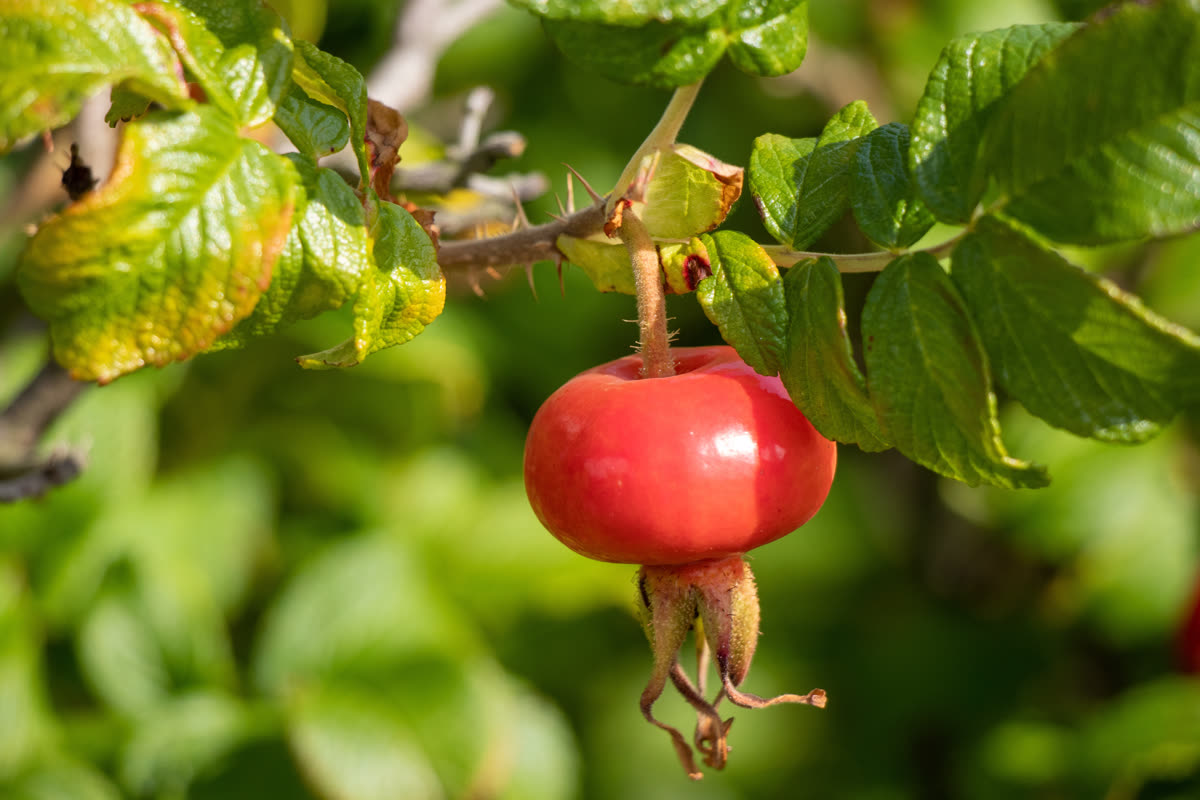
  7. Label what stays with the date opened. Move rosehip and other delicate oils to the fridge; keep everything else cool, dark and capped, away from steamy shower ledges.
Safety
  • Never “rescue” a spoiled product by adding essential oils or preservative after the fact.
  • Eye products are the strictest: replace mascara and liquid eyeliner about every three months, and immediately after an eye infection.
  • Do not pour oils down the sink; wipe jars out with paper and follow local recycling guidance.
Allergens in this box

No labeled fragrance allergens in this box.

Patch test every product first: apply a little to the inner forearm twice a day for 7 days, and look closely at 48 and 96 hours. How to patch test
Open the full ritual

Month 4 of 12

April

Lighter days, lighter layers: fresh, simple care as the weather turns.

The ritual: Korean Layering, Kept Simple

Thin to thick, press don’t rub: the heart of Korean skincare layering in four calm evening steps, no ten-step shelf required.

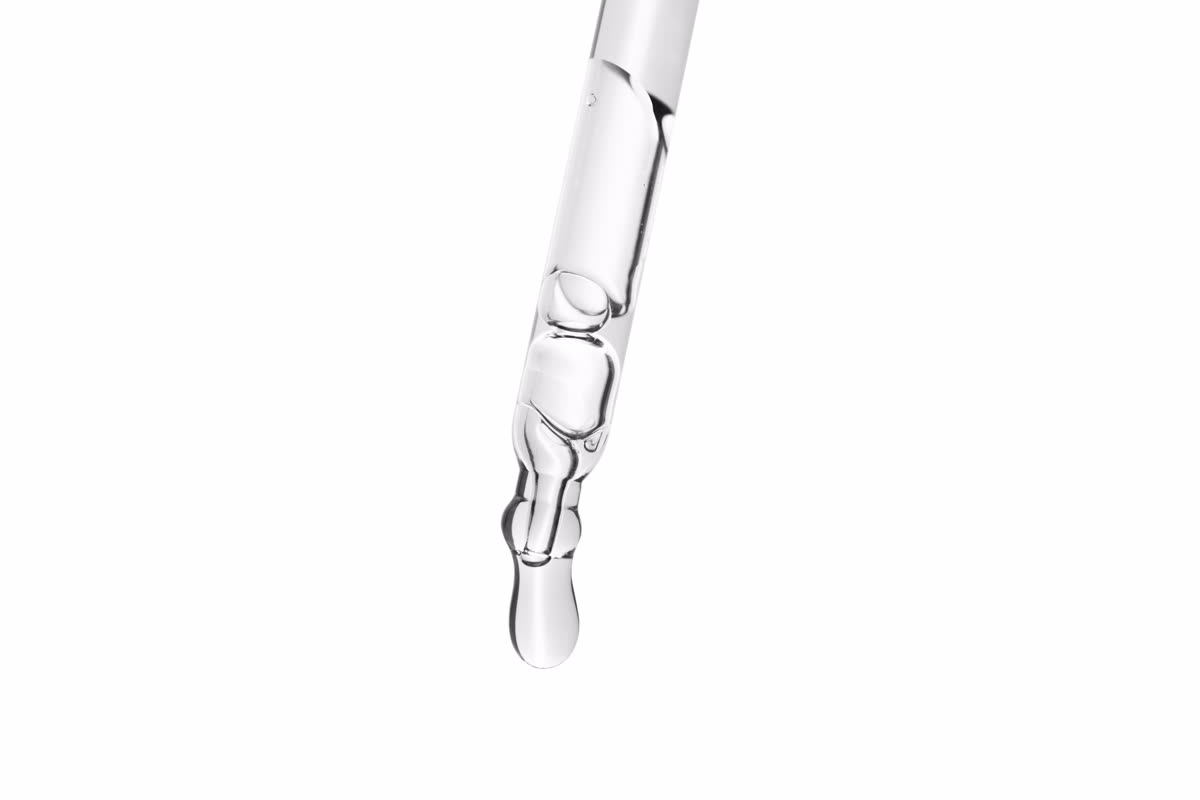
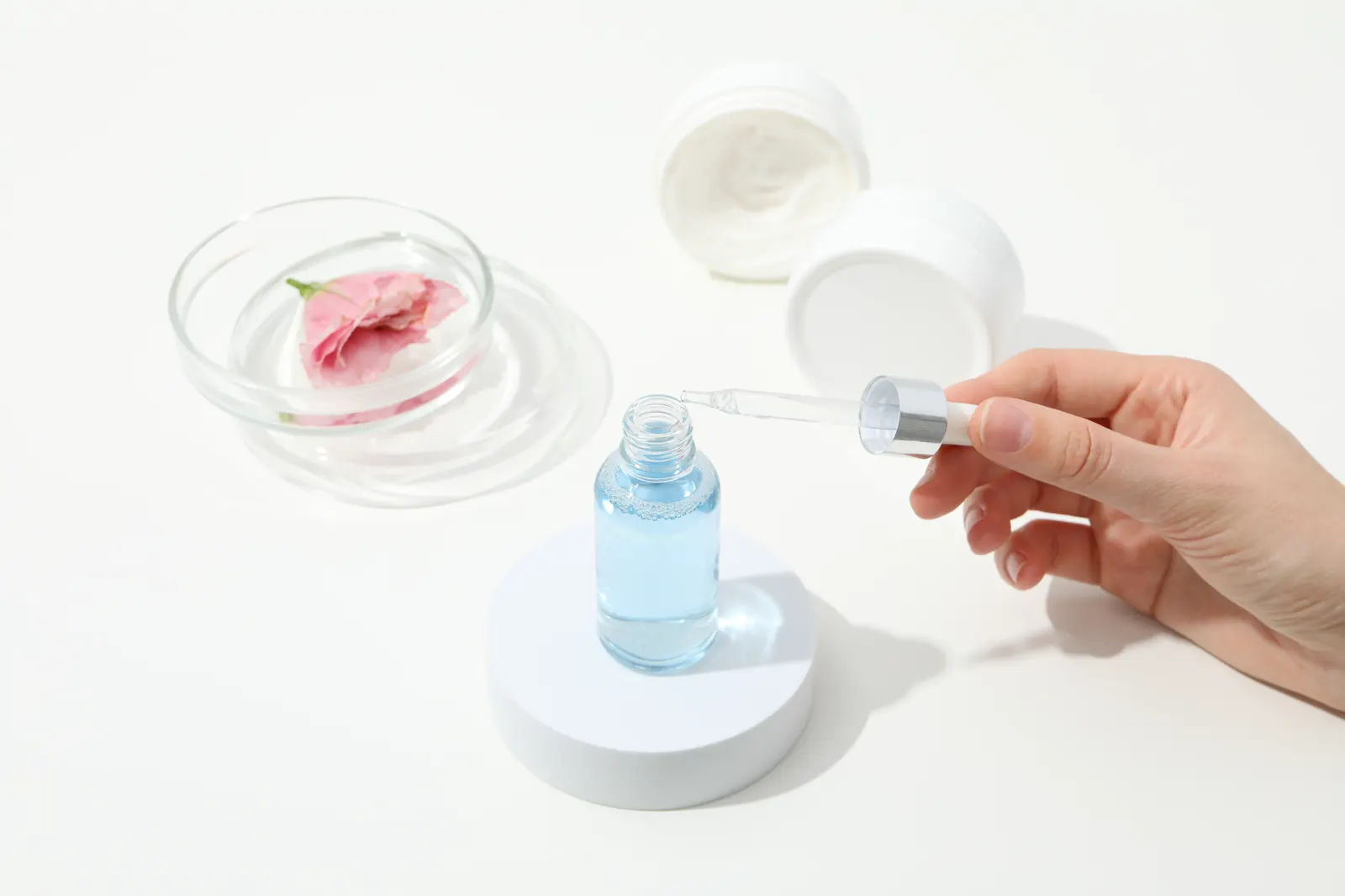
Hand holds pipette dropping liquid into glass bottle

A sample box: 4 plants and the printed ritual card

The printed ritual card · April

Korean Layering, Kept Simple

Takes 5 minEvidence for the ritual itself: CPromising

Read the card
You’ll need
  • A gentle cleanser
  • A hydrating toner or essence (watery and alcohol-free)
  • Optional: one serum you already use and like
  • A moisturizer or a richer sleeping cream

The box holds only the plants that pass our rules. Anything else on this list comes from your own shelf.

Step by step
  1. Cleanse gently and pat your face almost dry, leaving it a little damp.
  2. Pour a few drops of toner or essence into your palms and press it into your skin. Pat, don’t rub. One layer is enough; add a second only if your skin still feels thirsty.
  3. If you use a serum, apply it next, again pressing it in with flat palms.
  4. Finish with moisturizer. On dry nights, a slightly thicker cream seals everything in.
  5. If products start to pill or feel sticky, wait a minute between layers. Fewer, thinner layers beat more, thicker ones.
  6. In the morning, keep it shorter: toner, moisturizer and sunscreen.
Safety
  • Add one new product at a time and patch test it first (How to Patch Test).
  • Choose alcohol-free, lightly fragranced or fragrance-free toners if your skin is sensitive.
  • If you use a prescription treatment, ask where it fits; usually on clean, dry skin before moisturizer.
Allergens in this box

No labeled fragrance allergens in this box.

Patch test every product first: apply a little to the inner forearm twice a day for 7 days, and look closely at 48 and 96 hours. How to patch test
Open the full ritual

Month 5 of 12

May

The sun is back. Good habits now protect your skin all summer.

The ritual: The Two-Finger Sunscreen Rule (and When to Reapply)

Most of us apply a fraction of the sunscreen tested on the label. The two-finger rule fixes the dose for face and neck; here is how to reapply, too.

Cream on finger tip for topical application

A sample box: 4 plants and the printed ritual card

The printed ritual card · May

The Two-Finger Sunscreen Rule (and When to Reapply)

Takes 3 minEvidence for the ritual itself: AWell proven

Read the card
You’ll need
  • A broad-spectrum sunscreen, SPF 30 or higher, that you like enough to wear daily
  • A quarter-teaspoon measure (about 1.25 mL)
  • Your moisturizer, already applied and settled

The box holds only the plants that pass our rules. Anything else on this list comes from your own shelf.

Step by step
  1. Finish your skincare and give your moisturizer a minute or two to settle.
  2. Squeeze two full strips of sunscreen along the length of your index and middle fingers. For face and neck together, that is your dose.
  3. Calibrate once: squeeze the same amount into a quarter-teaspoon measure. It should roughly fill it for the face; the neck needs a little more. Notice how much more that is than you usually use.
  4. Dot it over forehead, cheeks, nose, chin and neck, then spread in two passes rather than one big smear. Do not forget ears, hairline, eyelids (with an eye-safe formula) and the back of the neck.
  5. Wait about 10–⁠15 minutes before makeup so the film can set evenly.
  6. Outdoors in strong sun, reapply every two hours and straight after swimming, sweating or towel-drying. On a short-daylight November day mostly indoors, one careful morning application is usually enough.
  7. Over makeup, a sunscreen stick, cushion or spray can top up, but treat powders and mists as a bonus layer, not your main protection.
Safety
  • Never make your own sunscreen or add oils, actives or essential oils to a bought one: you cannot measure the SPF at home, and dilution lowers it.
  • Babies under six months should be kept out of direct sun with shade and clothing rather than relying on sunscreen.
  • If a sunscreen stings your eyes or skin, try a mineral (zinc oxide or titanium dioxide) formula and patch test first.
Allergens in this box

No labeled fragrance allergens in this box. Allergy notes: Bee product (honey).

Patch test every product first: apply a little to the inner forearm twice a day for 7 days, and look closely at 48 and 96 hours. How to patch test
Open the full ritual

Month 6 of 12

June

Long days outdoors. Calm, cool care for skin that has seen the sun.

The ritual: After the Festival: A Gentle Sun-and-Dust Evening

Home from a long day outdoors? A cool shower, soft cleansing, aloe and oat for sun-warmed skin, and when to call a doctor. Never DIY sunscreen.

Woman cleansing her face at home

A sample box: 4 plants and the printed ritual card

The printed ritual card · June

After the Festival: A Gentle Sun-and-Dust Evening

Takes 30 minEvidence for the ritual itself: CPromising

Read the card
You’ll need
  • A cool or lukewarm shower
  • An oil or balm cleanser for glitter and makeup, plus a gentle cleanser
  • Plain, fragrance-free aloe vera gel
  • A fragrance-free moisturizer
  • Optional: a colloidal oat bath sachet, cucumber slices from the fridge and a big glass of water

The box holds only the plants that pass our rules. Anything else on this list comes from your own shelf.

Step by step
  1. Drink a glass of water as soon as you get home.
  2. Take a cool or lukewarm shower to rinse off dust and sweat. Avoid hot water on sun-warmed skin.
  3. Melt off glitter and makeup with the oil or balm cleanser, massaging gently, then follow with a gentle second cleanse. Never rub glitter around the eyes.
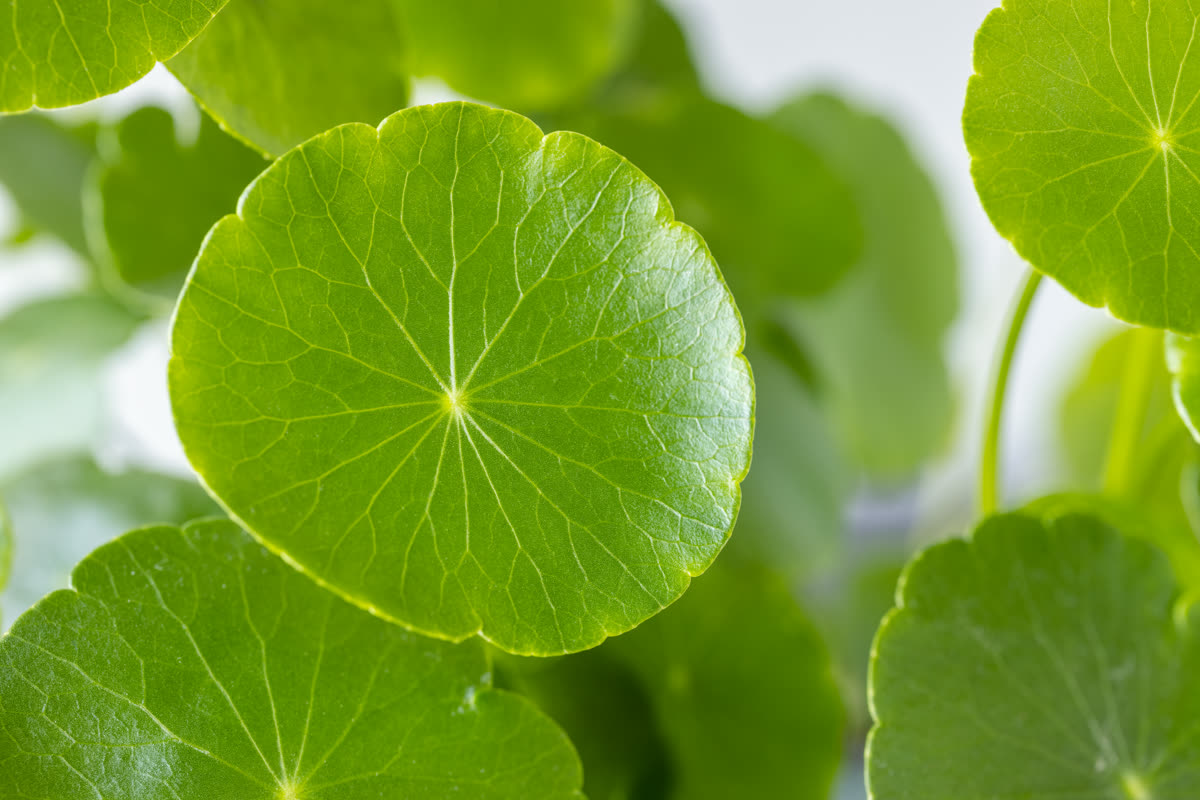
  4. Pat dry and smooth plain aloe gel over any pink areas. Gel kept in the fridge feels even better.
  5. Once the aloe has sunk in, apply a fragrance-free moisturizer. If your skin is itchy, a colloidal oat bath is soothing.
  6. Rest cool cucumber slices or a cold, damp cloth over tired eyes for a few minutes.
  7. Next time: broad-spectrum SPF 30+, reapplied every two hours and after sweating, plus a hat and shade breaks.
Safety
  • Get medical help urgently for widespread blistering, fever, chills, dizziness, confusion or signs of dehydration, especially in children.
  • Don’t pop blisters or pull at peeling skin; let it shed on its own.
  • Choose plain aloe gel without alcohol, perfume or numbing ingredients ending in “-caine”, which can sensitize skin.
  • Glitter in the eye: rinse with clean water and don’t rub; get help if irritation lasts.
Allergens in this box

No labeled fragrance allergens in this box. Allergy notes: Oat.

Patch test every product first: apply a little to the inner forearm twice a day for 7 days, and look closely at 48 and 96 hours. How to patch test
Open the full ritual

Month 7 of 12

July

Holidays, pools and sea salt: care for hair and skin on the move.

The ritual: Swimmer’s Hair: Wet, Coat, Cap, Rinse

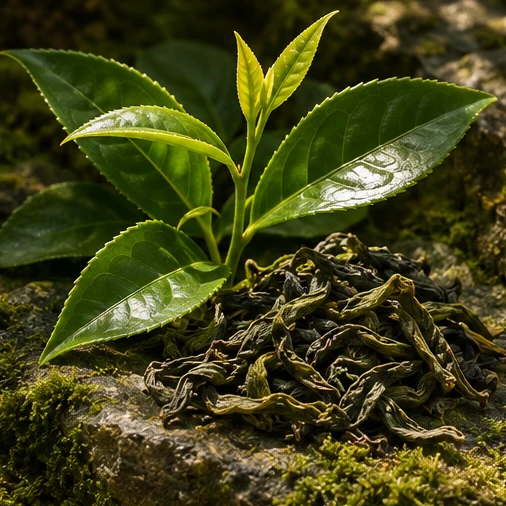
Pool water dries hair and can tint blondes green. A five-minute routine before and after you swim keeps lengths soft and color true.

Woman in swim cap posing in pool

A sample box: 4 plants and the printed ritual card

The printed ritual card · July

Swimmer’s Hair: Wet, Coat, Cap, Rinse

Takes 5 minEvidence for the ritual itself: CPromising

Read the card
You’ll need
  • A shower before and after (most pools ask for this anyway)
  • A leave-in conditioner, or a few drops of coconut or argan oil
  • A silicone swim cap
  • A gentle shampoo and conditioner, plus a clarifying or “swimmer’s” shampoo for once a week

The box holds only the plants that pass our rules. Anything else on this list comes from your own shelf.

Step by step
  1. Before swimming, soak your hair thoroughly in the shower. Hair already full of fresh water takes up less pool water.
  2. Smooth leave-in conditioner or a few drops of oil through the lengths and ends, avoiding the scalp if it gets oily.
  3. Put on a silicone cap. It won’t keep hair completely dry, but it cuts down how much water moves through it.
  4. After swimming, rinse your hair straight away, before it dries in the changing room.
  5. Shampoo gently, focusing on the scalp, then condition the lengths and comb through with conditioner in.
  6. Once a week, swap in a clarifying or chelating shampoo to lift mineral and chlorine residue, then condition well.
Safety
  • Rinse your skin too and moisturize afterwards; pool water dries skin and can flare eczema.
  • If your scalp stays itchy, flaky or sore after swimming, see a pharmacist or doctor; it may be irritation or a skin condition.
  • Keep oil off the pool deck and your feet so you don’t slip.
Allergens in this box

No labeled fragrance allergens in this box. Allergy notes: Coconut.

Patch test every product first: apply a little to the inner forearm twice a day for 7 days, and look closely at 48 and 96 hours. How to patch test
Open the full ritual

Month 8 of 12

August

Heat and humidity: light oils, less frizz and comfortable skin.

The ritual: A Frizz Plan for Humid Days

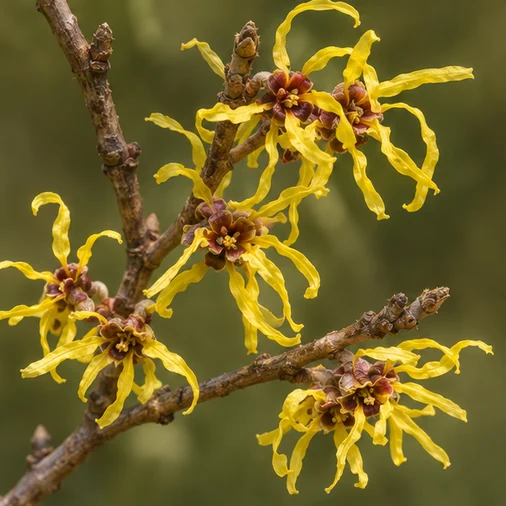
Humid air swells hair and lifts its cuticle. Condition, seal while damp, hands off: a ten-minute plan that keeps frizz calmer on sticky days.

Happy young woman with curly hair laughing outdoors near palm leaves

A sample box: 3 plants and the printed ritual card

The printed ritual card · August

A Frizz Plan for Humid Days

Takes 10 minEvidence for the ritual itself: CPromising

Read the card
You’ll need
  • A moisturizing conditioner
  • A leave-in conditioner or anti-frizz cream
  • A few drops of argan or jojoba oil
  • A microfiber towel or an old cotton T-shirt
  • A wide-tooth comb

The box holds only the plants that pass our rules. Anything else on this list comes from your own shelf.

Step by step
  1. Shampoo the scalp only, then condition the lengths generously and leave it on for a couple of minutes.
  2. Rinse, then squeeze out water with the microfiber towel or T-shirt. Don’t rub.
  3. While hair is still damp, comb leave-in through the lengths with the wide-tooth comb.
  4. Rub 2–⁠3 drops of oil between your palms and smooth them over the outer layer of your hair to seal.
  5. Air dry or diffuse on low, then hands off. Every scrunch and finger-comb adds frizz.
  6. On very humid days, wear it in a loose braid, twist or bun.
Safety
  • Use oil sparingly and keep it off the scalp if your roots get oily.
  • If you use heat, apply a heat protectant and keep the dryer on medium or low.
  • A sudden change in texture or a lot of breakage is worth raising with a dermatologist.
Allergens in this box

No labeled fragrance allergens in this box.

Patch test every product first: apply a little to the inner forearm twice a day for 7 days, and look closely at 48 and 96 hours. How to patch test
Open the full ritual

Month 9 of 12

September

Back to routine. A gentle reset after the summer sun.

The ritual: The Autumn Equinox Skin Reset

Summer’s over, the sunscreen stays. A twenty-minute equinox reset: check skin and moles, swap textures, and bring back actives slowly.

Cosmetic jar with fall leaves on yellow

A sample box: 4 plants and the printed ritual card

The printed ritual card · September

The Autumn Equinox Skin Reset

Takes 20 minEvidence for the ritual itself: CPromising

Read the card
You’ll need
  • Good daylight and a hand mirror
  • Your current products
  • A richer moisturizer for the cooler months
  • Your phone, for notes and a few photos

The box holds only the plants that pass our rules. Anything else on this list comes from your own shelf.

Step by step
  1. In daylight, check your skin, including your back, hairline and feet; a partner or a second mirror helps. Note any mole that is new, changing, itchy or bleeding.
  2. Check your sunscreen’s expiry date and where it spent the summer. A bottle that baked in a beach bag is worth replacing.
  3. Swap textures: a creamier cleanser if your skin feels tight, and a slightly richer moisturizer at night.
  4. If you paused retinoids or acids over summer, bring back one at a time, two or three nights a week at first.
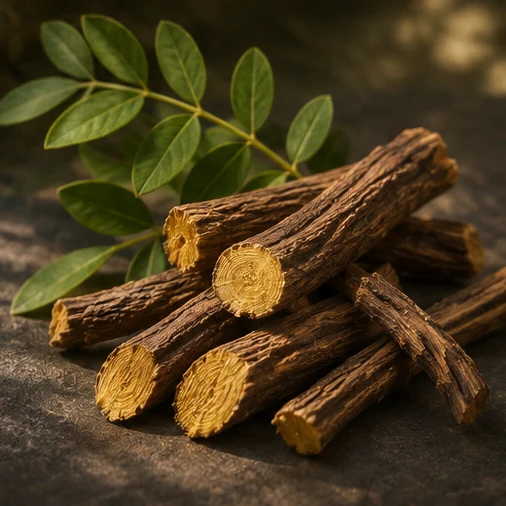
  5. For summer dark spots, choose one targeted serum, for example with licorice root extract, niacinamide or vitamin C, and give it two to three months.
  6. Keep wearing sunscreen every day. UVA, the rays most linked to skin aging, is around all year.
  7. Book a trim for sun- and sea-dried ends.
Safety
  • See a doctor promptly about any mole that changes in size, shape or color, or any spot that bleeds or won’t heal.
  • Reintroduce actives one at a time and patch test new serums (How to Patch Test).
  • Brightening products can irritate; stop if your skin stings or reddens.
Allergens in this box

No labeled fragrance allergens in this box.

Patch test every product first: apply a little to the inner forearm twice a day for 7 days, and look closely at 48 and 96 hours. How to patch test
Open the full ritual

Month 10 of 12

October

Cosy evenings and a little time for the scalp and hair.

The ritual: Champi, Shared: An Oil Head Massage for Someone You Love

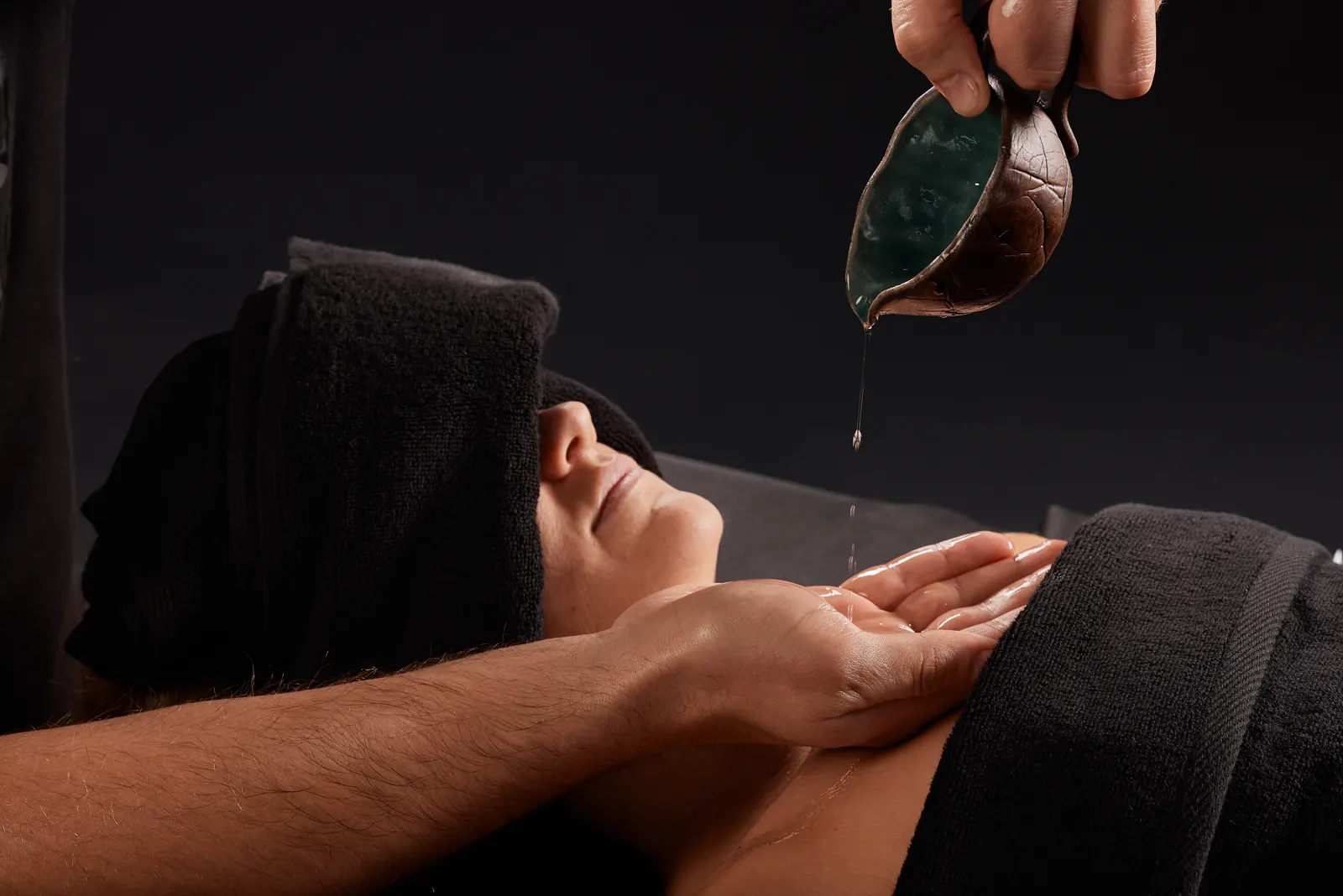
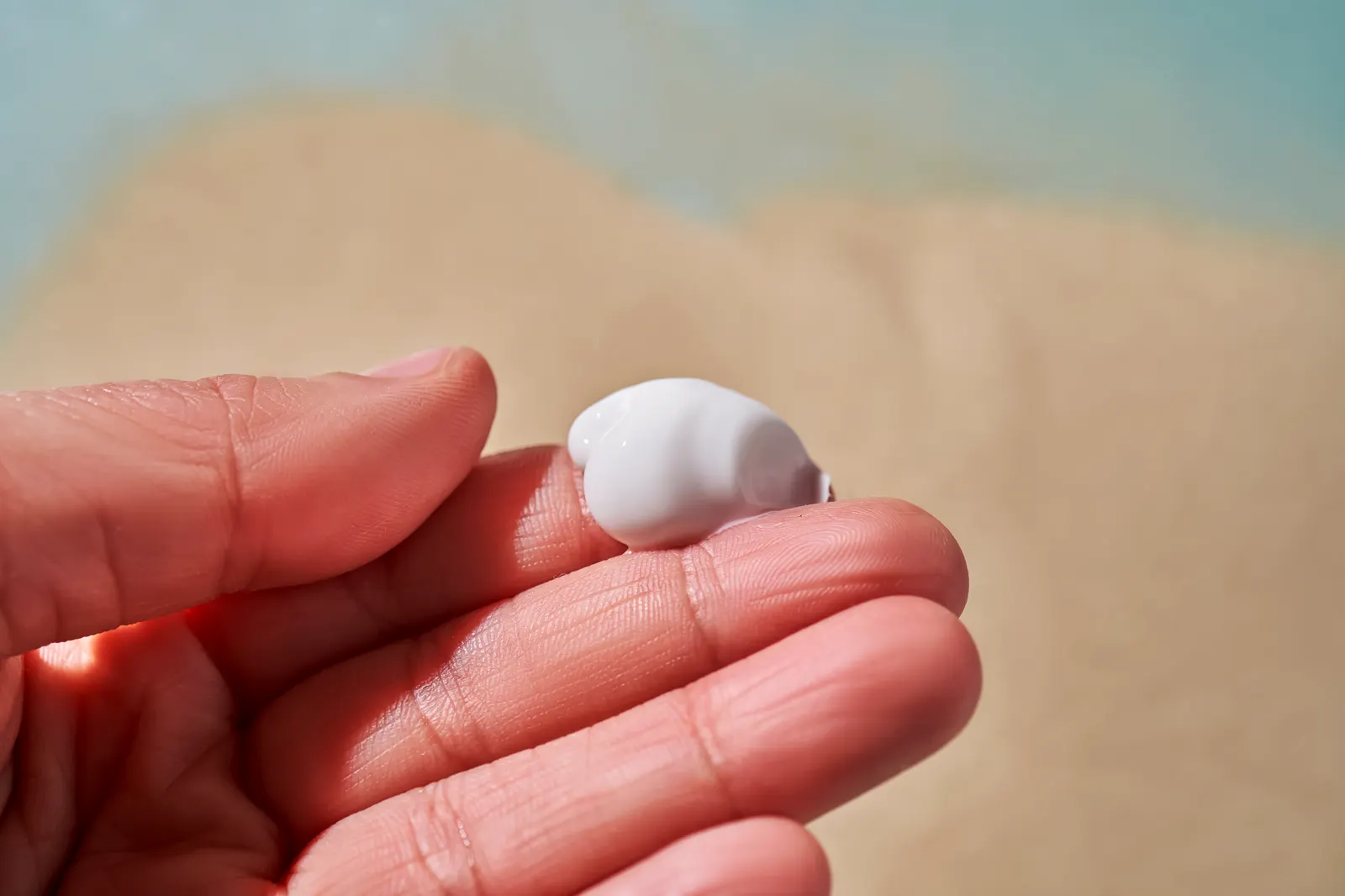
The Indian champi is often given, not done alone. Warm oil, slow fingertips and quiet company: a family ritual for the scalp and for calm.

Relaxing spa treatment with warm oil massage

A sample box: 3 plants and the printed ritual card

The printed ritual card · October

Champi, Shared: An Oil Head Massage for Someone You Love

Takes 30 minEvidence for the ritual itself: CPromising

Read the card
You’ll need
  • 2–⁠3 tablespoons of coconut oil, or an amla-infused hair oil
  • A small bowl set inside a larger bowl of hot water, to warm the oil
  • A comb, a towel for the shoulders and a low stool or cushion
  • Your usual shampoo for later

The box holds only the plants that pass our rules. Anything else on this list comes from your own shelf.

Step by step
  1. Warm the oil gently in its water bath. Test a drop on the inside of your wrist: it should feel pleasantly warm, never hot.
  2. Seat your person comfortably below you, shoulders draped in the towel. Comb the hair and make parts about two finger-widths apart.
  3. Dip your fingertips and dab oil along each part, then work it into the scalp with small, firm circles of the finger pads, never the nails.
  4. Move around the head: hairline, temples, crown, behind the ears and down to the nape. Ask “More or less pressure?” and listen.
  5. Finish with a few slow strokes down the neck and over the shoulders, then smooth any leftover oil through the ends.
  6. Leave the oil in for 30 minutes to an hour, then shampoo, lathering twice if needed.
Safety
  • Always test the oil temperature on your wrist before it touches anyone’s scalp, especially a child’s.
  • With dandruff or a flaky, itchy scalp, oil the lengths only; heavy oils can make flaking worse for some people.
  • Skip the scalp if there are cuts, sores or a rash, and use very light pressure for young children and older adults.
Allergens in this box

No labeled fragrance allergens in this box. Allergy notes: Coconut.

Patch test every product first: apply a little to the inner forearm twice a day for 7 days, and look closely at 48 and 96 hours. How to patch test
Open the full ritual

Month 11 of 12

November

Heating goes on and skin feels tight: the month to look after your barrier.

The ritual: The Two-Minute Barrier Check

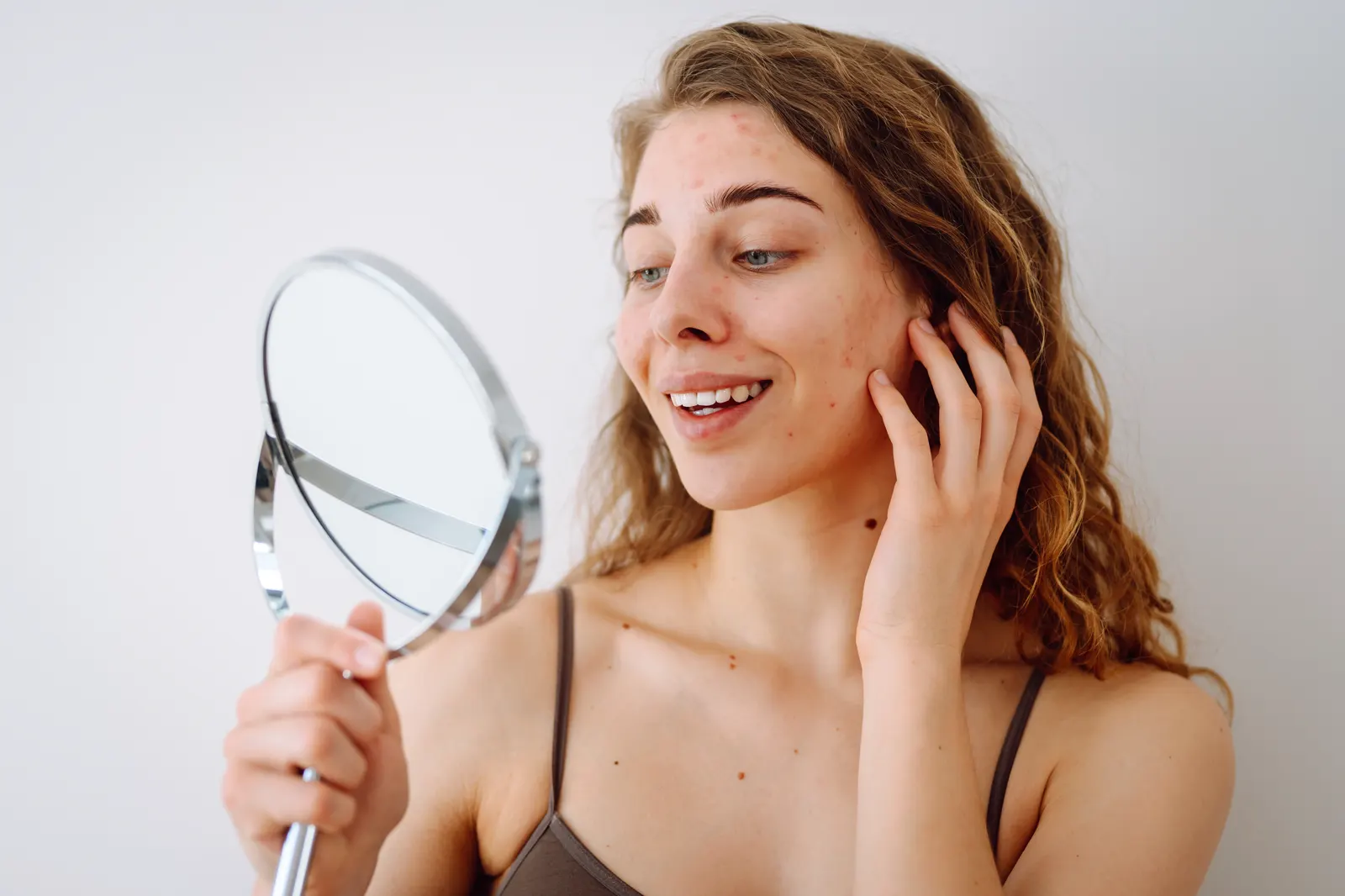
Tight, stinging, flaky and shiny at once? A two-minute morning check tells you when to pause actives and give your skin barrier a calm week.

Woman examining skin in mirror at home

A sample box: 4 plants and the printed ritual card

The printed ritual card · November

The Two-Minute Barrier Check

Takes 2 minEvidence for the ritual itself: CPromising

Read the card
You’ll need
  • A mirror near natural daylight
  • Lukewarm water, or your gentlest cleanser
  • A plain, fragrance-free moisturizer you already tolerate
  • Clean, dry fingertips

The box holds only the plants that pass our rules. Anything else on this list comes from your own shelf.

Step by step
  1. Rinse your face with lukewarm water only (or a gentle cleanser if you wore heavy products overnight). Pat dry with a clean towel; do not rub.
  2. Set a two-minute timer and apply nothing. Notice the sensation: a light, comfortable feel is good; a drum-tight, “too small” feeling that builds is a warning sign.
  3. Look in daylight for fine flaking around the nose, brows and chin, new patchy redness, or a strange combination of shine and tightness on the cheeks.
  4. Run a clean fingertip across your cheek. Skin with a happy barrier feels supple; a compromised barrier often feels rough, papery or slightly hot.
  5. Apply a pea-sized amount of your plain moisturizer. Stinging or burning for more than a few seconds with a product that never used to sting is the clearest signal of all.
  6. Count your signs. Two or more means a “barrier week”: for 7–⁠14 days, pause acids, retinoids, scrubs and clay, keep cleansing gentle, moisturize morning and night, and wear sunscreen.
Safety
  • Persistent redness, swelling, oozing, cracks that bleed or a rash spreading beyond the face needs a doctor or dermatologist, not a calmer routine.
  • If you use a prescription retinoid or acne treatment, ask your prescriber before pausing it; they may prefer you reduce frequency instead.
  • If new stinging started with one product, stop it and see How to Patch Test (and Read the Result) before reintroducing it.
Allergens in this box

No labeled fragrance allergens in this box. Allergy notes: Oat.

Patch test every product first: apply a little to the inner forearm twice a day for 7 days, and look closely at 48 and 96 hours. How to patch test
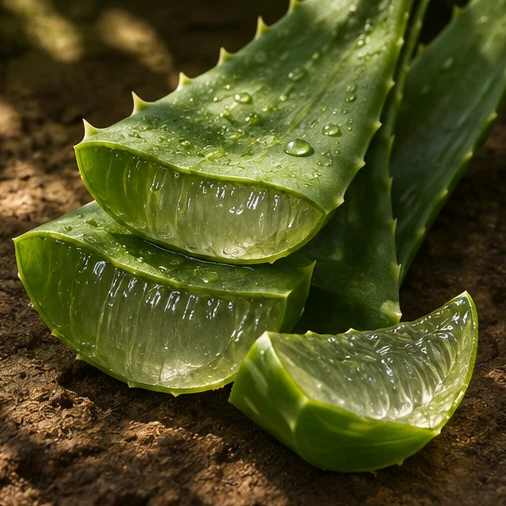
Open the full ritual

Month 12 of 12

December

Long nights and time at home: a warm, slow ritual to share or to give.

The ritual: The Home Hammam, Once a Week

Beldi black soap, a kessa glove, rhassoul and argan: a Moroccan weekly bath ritual adapted for home, with honest limits on scrubbing.

Arabic baths hammam in granada, andalusia, spain

A sample box: 3 plants and the printed ritual card

The printed ritual card · December

The Home Hammam, Once a Week

Takes 45 minEvidence for the ritual itself: DTraditional wisdom

Read the card
You’ll need
  • Beldi black soap (an olive-oil soap paste), about a teaspoon
  • A kessa exfoliating glove, clean and dry
  • 1–⁠2 tablespoons rhassoul clay and enough orange blossom water or plain water to make a paste
  • A few drops of argan oil for afterward
  • A large glass of water and a non-slip mat

The box holds only the plants that pass our rules. Anything else on this list comes from your own shelf.

Step by step
  1. Run a warm (not scalding) shower with the door closed for 5–⁠10 minutes to steam the room and soften the skin.
  2. Smooth a thin layer of black soap over damp body skin, avoiding the face, eyes and intimate areas. Leave for about 5 minutes, then rinse well.
  3. Wet the kessa glove and use long, light strokes over arms, legs, back and torso. Do each area only a few passes. Stop at pinkness, never at redness or stinging.
  4. Mix the rhassoul with water or orange blossom water into a smooth paste. Use it as a wash on body or hair, leave a few minutes, then rinse. Discard any leftover paste.
  5. Pat dry and press a few drops of argan oil into still-damp skin.
  6. Drink your water, dress warmly, and rest. Rinse the glove and hang it to dry completely.
Safety
  • Once a week at most. Skip the kessa on broken, sunburned, freshly shaved or waxed skin, on eczema or psoriasis patches, and on areas treated with retinoids or acids.
  • Black soap is alkaline and can be drying or stinging for sensitive skin; patch test new soap and clay first.
  • Heat: if you are pregnant, have heart disease, low blood pressure or feel faint, keep the water lukewarm and the session short.
  • Choose cosmetic-grade rhassoul from a seller who tests for heavy metals and microbes.
Allergens in this box

No labeled fragrance allergens in this box.

Patch test every product first: apply a little to the inner forearm twice a day for 7 days, and look closely at 48 and 96 hours. How to patch test
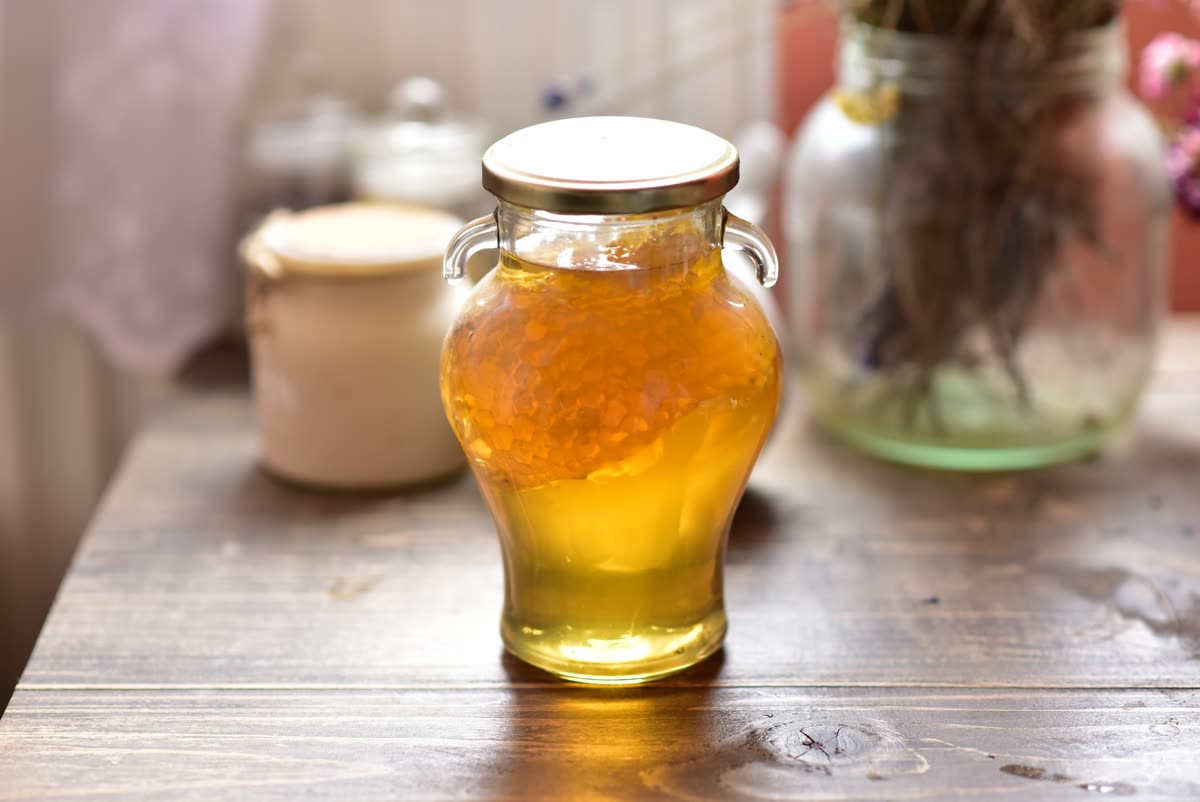
Open the full ritual

What goes in

A plant goes in the box only if its monograph gives it:

  • an evidence grade of A Well proven, B Good evidence or C Promising;
  • an overall rating of low topical risk;
  • no sun sensitivity (nothing phototoxic, since most of the box stays on the skin);
  • pregnancy and breastfeeding notes without a known gap in the safety data.

Today 33 of the 73 plants in our encyclopedia pass all four rules.

What will never go in

  • High-risk essential oils, or any essential oil sold neat for you to dilute.
  • Untested blends: nothing mixed for the box that has not been made, preserved and checked properly.
  • Anything phototoxic in a product that stays on the skin.
  • Plants graded D Traditional wisdom, however lovely, until there is human evidence for them.

Kept out because they can make skin react to sunlight:

YuzuSt. John’s Wort

Kept out because their monographs say to use them with care:

RosemaryLavenderTea TreeTurmericNeemPeppermintComfreyHennaBlack Seed OilSageThymeRose GeraniumTamanu OilSandalwoodArnica

These plants all have a place in a careful routine. They stay out of the box because a box should be safe for someone opening it for the first time.

How we would source it

These are the principles we intend to hold any supplier to. We have not chosen any supplier or partner yet, and we will not name one until an agreement exists.

  • Women’s cooperatives first where the tradition belongs to them, as it does for argan in Morocco and shea in West Africa, paying a fair price for their work.
  • Fair-trade and organic certification where it is relevant and genuine, and an honest note where a small grower cannot afford it.
  • Traceable batches: a batch number on every bottle that leads back to the harvest, with the supplier’s certificate of analysis on request.
  • A shipping partner to pack and post the boxes, chosen for careful handling and low-waste packaging.
  • Grades kept separate: what sells never changes a grade.

Read more in our guide to sustainable sourcing and in the hammam apothecary and African oils.

A Moroccan woman preparing argan nuts by hand, the traditional way

Safety, on every card

  • Patch test each product before you use it: a little on the inner forearm twice a day for 7 days, looking closely at 48 and 96 hours. How to patch test.
  • Allergens listed on every card: the labeled fragrance allergens in each plant, and food-source allergens such as almond, oat or honey.
  • Plain storage and use-by advice for each product, so nothing sits open for too long.
  • When to stop: if a product stings, itches or leaves a rash, stop and see our help page.

This is educational information, not medical advice.

Frequently asked questions

How much will the Ritual Box cost?
We have not set a price yet. We will only set one once we know what fair prices to growers and cooperatives, careful packing and shipping really cost, and we will show it here before anyone is asked to pay.
Where will it ship?
Shipping regions are still to be confirmed. Herbs.Beauty is read around the world, but plant products face different customs and cosmetics rules in each country, so we will name the regions once a shipping partner and the paperwork are in place.
When will it launch?
There is no launch date yet. The box is an idea we are planning carefully, and this page will say so plainly when that changes.
How do I join the waitlist?
Use the waitlist form on this page. It is not connected yet, so for now nothing you type is sent or stored; when the waitlist opens, this page will say so. Until then, the daily rituals are free to follow with what you already have.
Will the box change your evidence grades?
No. The box chooses from our grades, never the other way round. Grades are set by the evidence in each monograph, and a plant does not move up because it sells, or into the box because it is popular.
What if I am pregnant, have allergies or very sensitive skin?
Every plant in the box is rated low topical risk in its monograph, and we leave out plants whose pregnancy notes admit a gap in the data. Every card lists the labeled fragrance allergens and any food-source allergen such as almond or oat. Still patch test each product, and check with your doctor or midwife if you are unsure. See skincare in pregnancy.
I live in the southern hemisphere. Does the calendar still work?
The calendar follows northern-hemisphere seasons. If your winter falls in July, read it six months on: the January box suits your July.

The Ritual Box · waitlist

Hear first when the box opens

Leave your email and we will write once, when the box is ready, with the price and the regions we ship to.