Skin & body
What your skincare formula tells you
Read texture, comfort and appearance claims in the context of the whole formula.
Start reading
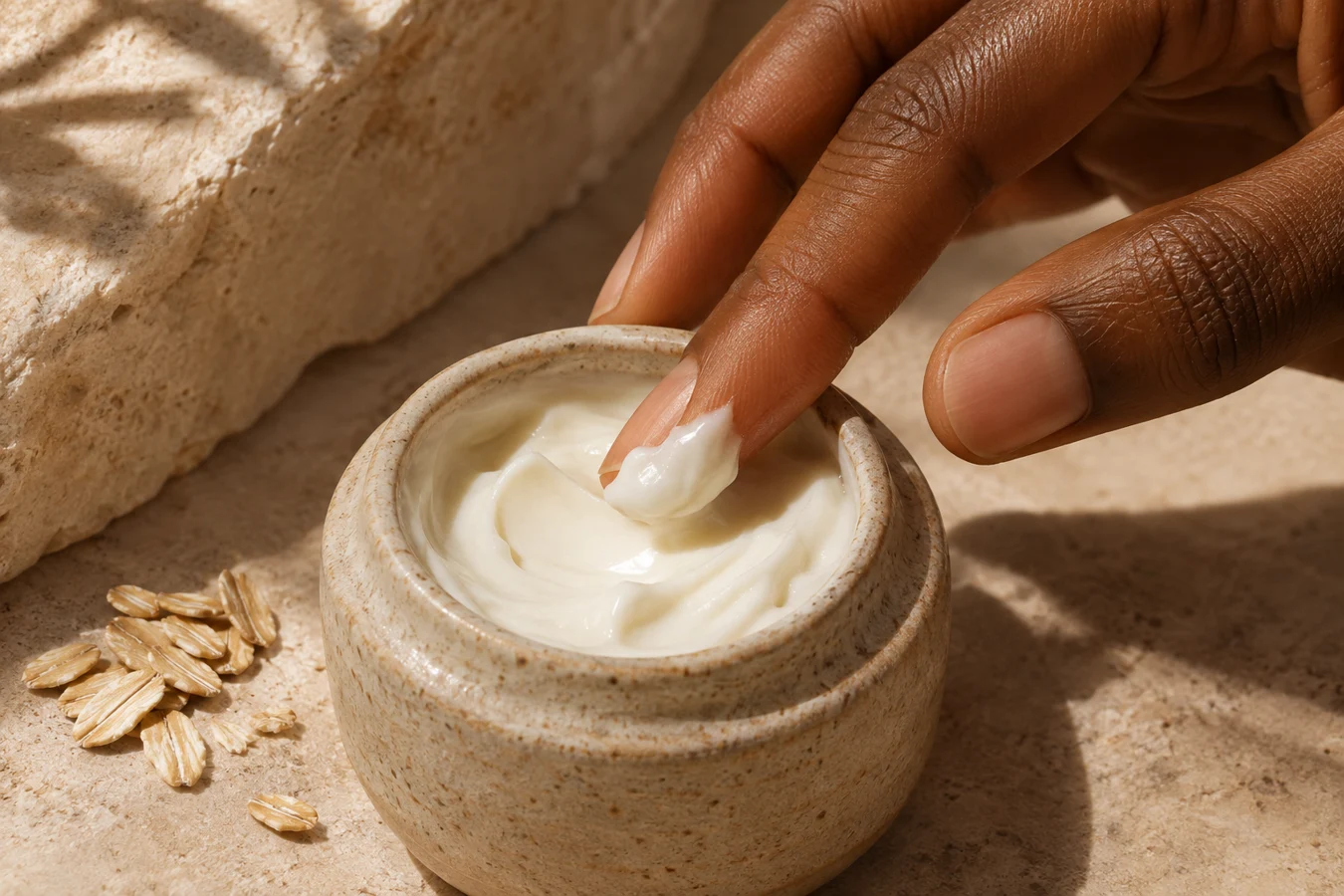 2 minA simpler routine for sensitive skinWhat to keep, what to pause and how to decide whether a botanical product earns a place in your routine.
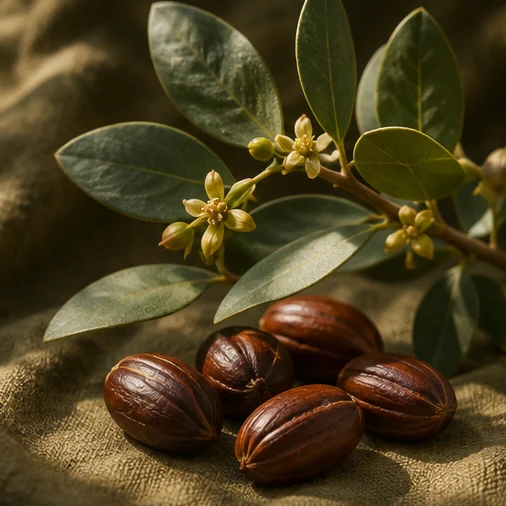 2 minDo face oils moisturize? What to look for beyond the plantWhat a plant oil can do, what a cream adds, and how to read the human studies without generalizing them to your face.
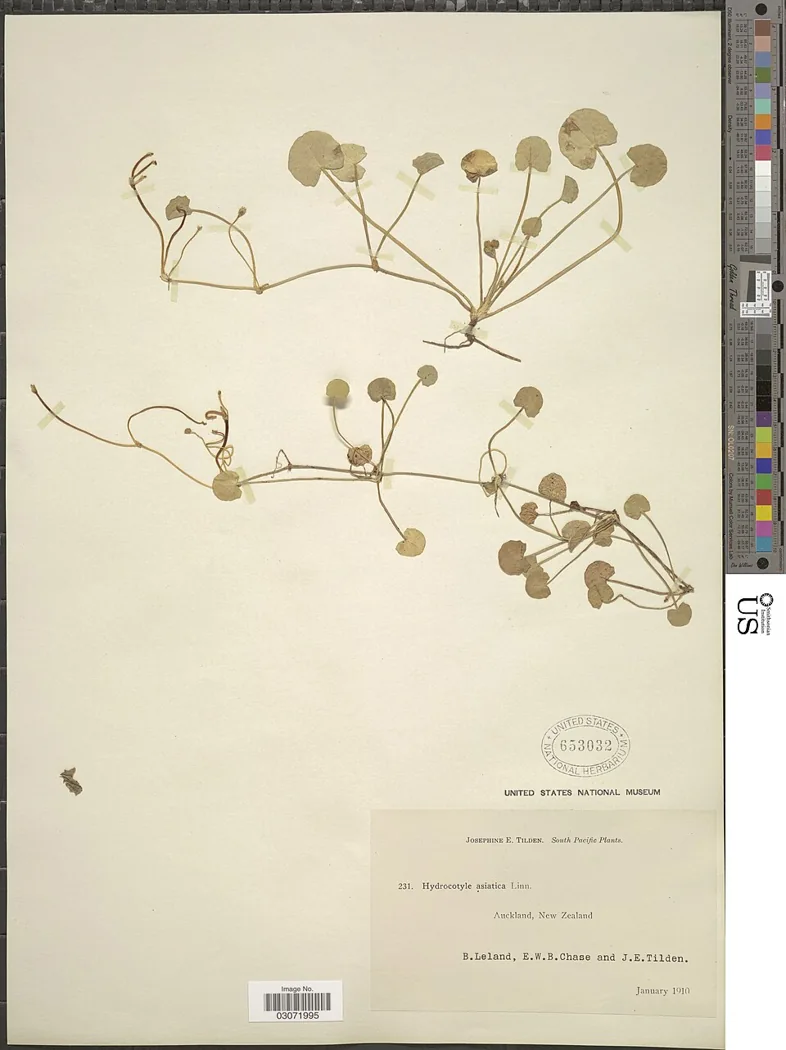 3 minCica, centella extract and madecassosideRead three actual labels, learn where the products differ and see how far the evidence goes.
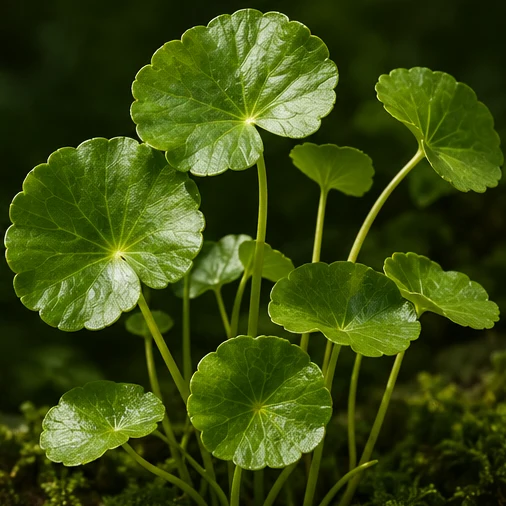 2 minCentella, cica and madecassoside on a skincare labelHow to recognize a whole-plant extract, an isolated constituent and a finished formula.
 3 minA field guide to cosmetic texturesLearn to describe what a product feels like, then use those observations to make a more precise shopping brief.1 minHow to try a new cosmeticA small-area test, one change at a time and a simple way to track tolerance.
Go deeper in the reference
Related ingredients
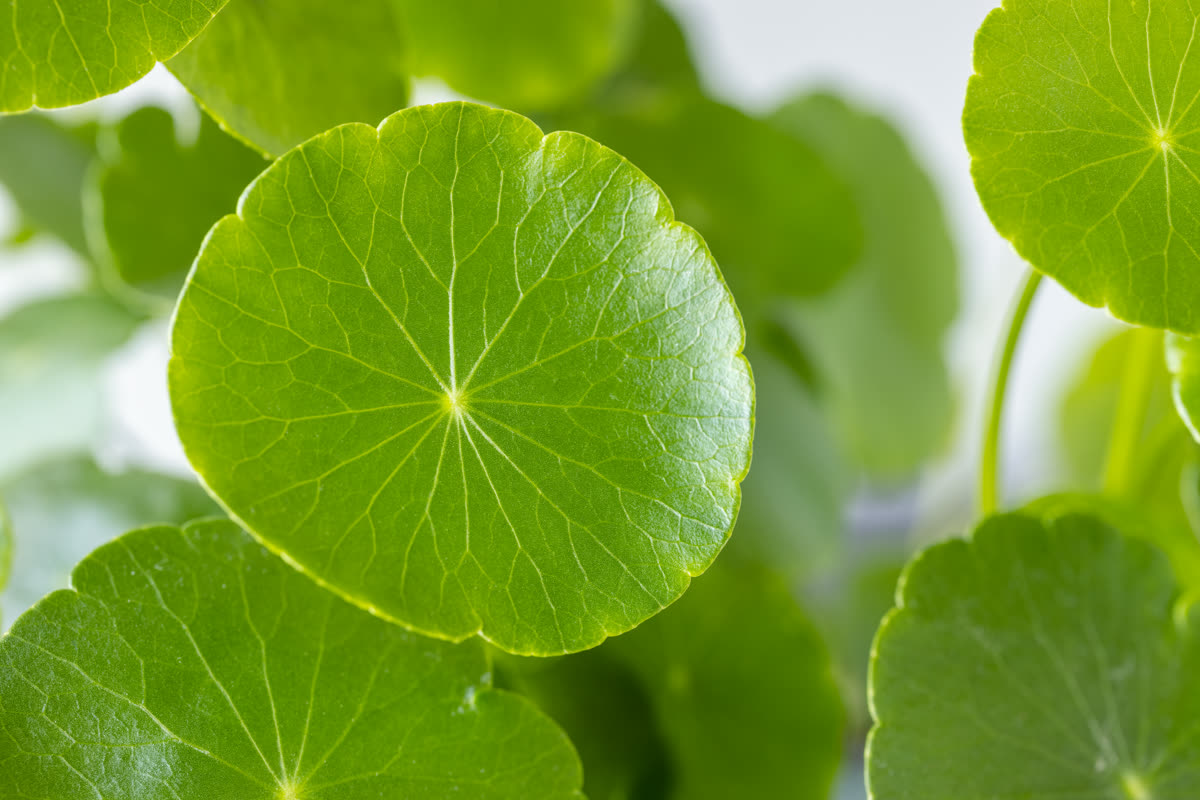 No. 004
Centella Asiatica (Cica)Centella asiaticaCica, the beloved “tiger grass” of Asian skincare, brings calm and comfort to stressed, reactive skin.
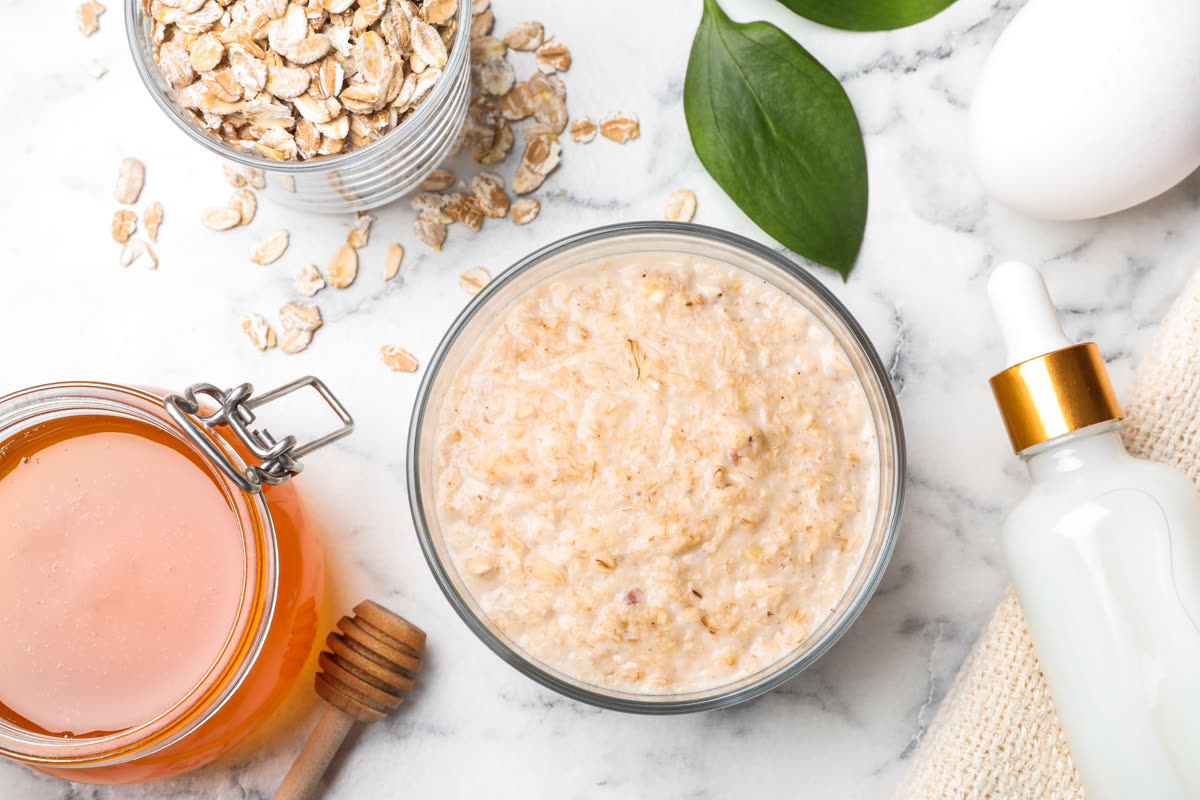 No. 042
Colloidal OatmealAvena sativa L.Finely milled oats turn a lukewarm bath milky and soothing: an officially recognized skin protectant for itchy, irritated skin.
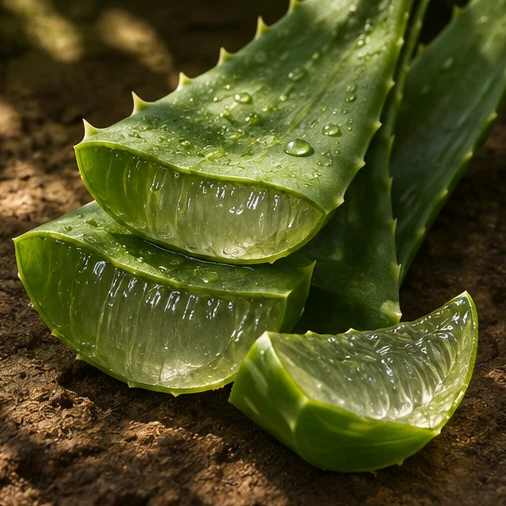 No. 001
Aloe VeraAloe veraCool, clear and quietly soothing, aloe gel is the after-sun friend your skin reaches for first.
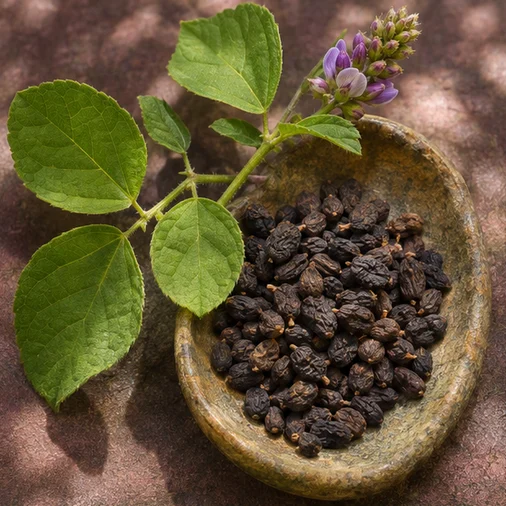 No. 014
BakuchiolCullen corylifoliumBakuchiol offers retinol-like smoothing with a softer touch, plant-derived and, in a small trial, gentler than retinol.
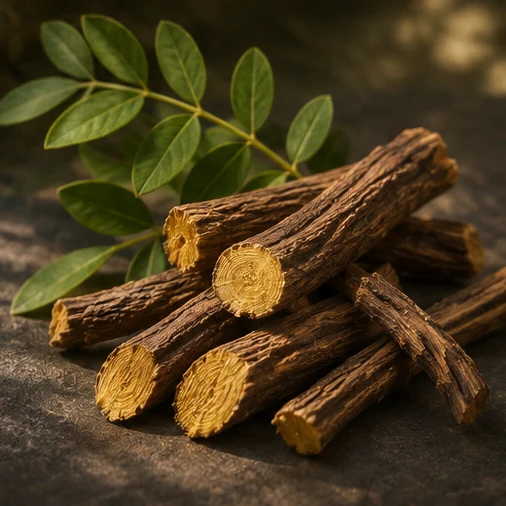 No. 010
Licorice RootGlycyrrhiza glabraSweet licorice root is a gentle, skin-friendly brightener for uneven tone and easily flushed skin.
No. 028
JojobaSimmondsia chinensis (Link) C.K.Schneid.Jojoba is really a liquid wax, which is why it feels so silky, sinks in with a satin finish and keeps for years.