Concern guide
Aging & Photoaging
Intrinsic aging vs sun damage, why sunscreen and retinoids lead the evidence, and where bakuchiol, green tea and nourishing plant oils fit.
Start here
Your routine, starting tonight
Simple, gentle and consistent beats complicated. Follow this for six to eight weeks before you judge it.
Morning
- Gentle cleanse or simply rinse with lukewarm water.
- Antioxidant serum (vitamin C, or a green-tea-based toner such as Green Tea & Centella Soothing Toner).
- Moisturizer suited to your skin type.
- Broad-spectrum SPF 30–50, including neck, ears and backs of hands.
Evening
- Cleanse.
- Retinoid (start 2–3 nights a week) — or bakuchiol if you are pregnant, breastfeeding or retinoid-intolerant.
- Moisturizer; a few drops of a face oil such as Argan & Prickly Pear Night Serum on drier skin.
Weekly
- Gentle chemical exfoliation once or twice a week if not already using a retinoid nightly.
- A once-yearly skin check if you have significant sun damage, many moles or a history of skin cancer.
What is going on
In plain language: as we age, skin makes less collagen, retains less moisture and repairs more slowly. Sunlight speeds this up dramatically by breaking down collagen and elastic fibers. Wrinkles, sagging, uneven tone and rough texture are the visible result.
Intrinsic (chronological) aging is genetically and hormonally driven: thinning epidermis, flattening of the dermal-epidermal junction, fewer fibroblasts producing less collagen, reduced sebum and natural moisturizing factor, and slower barrier recovery. In women, the fall in estrogen around menopause accelerates collagen loss and dryness. Intrinsically aged skin is thin, finely wrinkled and pale but evenly toned.
Extrinsic aging (photoaging) is driven mostly by UV radiation, with contributions from visible and infrared light, smoking, air pollution and glycation. UVA reaches the dermis, generates reactive oxygen species and switches on matrix metalloproteinases (MMPs) that degrade collagen, while repair falters. The hallmark is solar elastosis — clumped, damaged elastic tissue — producing coarse wrinkles, leathery texture, mottled pigmentation, broken capillaries and lentigines. Compare the sun-exposed face and hands with the protected inner arm to see the difference.
A long-term Australian randomized trial (Hughes et al., Annals of Internal Medicine, 2013) found that daily sunscreen use slowed visible skin aging in adults — the clearest proof that photoaging is modifiable. Precancerous changes (actinic keratoses) and skin cancers share the same cause, so sun-damaged skin deserves regular checks.
The plants most worth trying
 No. 014
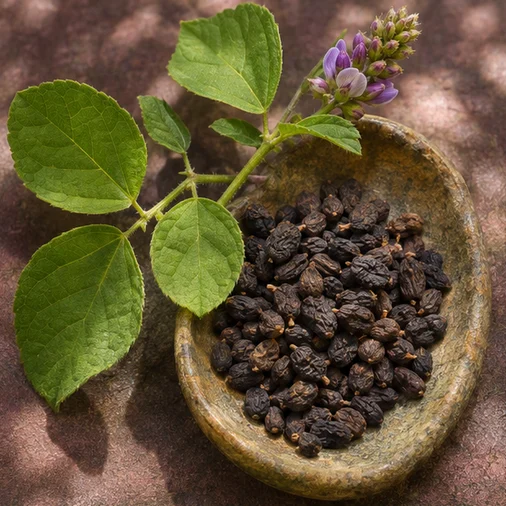
BakuchiolCullen corylifoliumA randomized, double-blind trial found 0.5% bakuchiol twice daily comparable to 0.5% retinol for wrinkles and pigmentation over 12 weeks, with less…
 No. 005
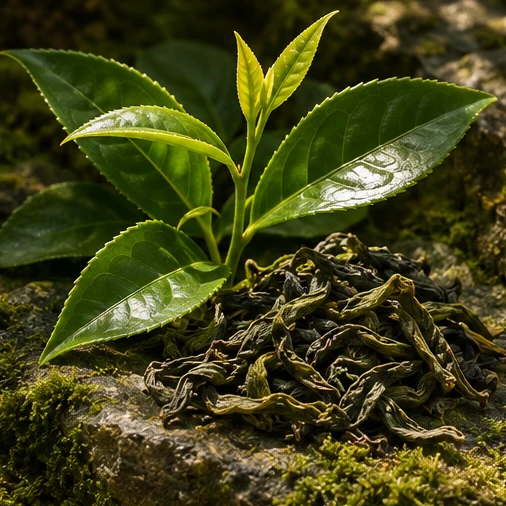
Green TeaCamellia sinensisTopical green tea polyphenols reduce UV-induced redness and DNA damage in human skin; trials for wrinkles show mixed, modest results.
 No. 004
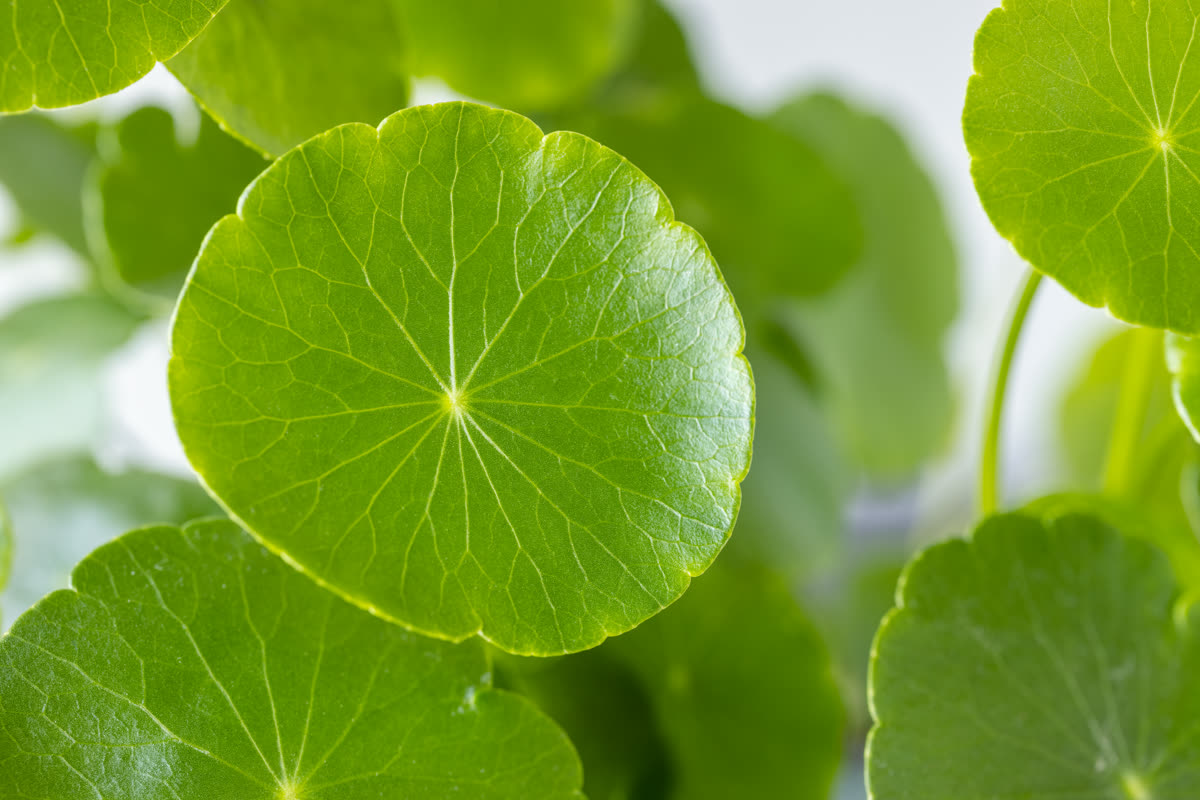
Centella Asiatica (Cica)Centella asiaticaMadecassoside and asiaticoside stimulate collagen in the lab; small trials of centella-containing creams showed improved firmness, mostly in…
The full list, best proven first:
| Ingredient | Grade | What the evidence shows |
|---|---|---|
| Bakuchiol | B | A randomized, double-blind trial found 0.5% bakuchiol twice daily comparable to 0.5% retinol for wrinkles and pigmentation over 12 weeks, with less stinging; it is not a true retinoid and is less studied. |
| Green Tea | B | Topical green tea polyphenols reduce UV-induced redness and DNA damage in human skin; trials for wrinkles show mixed, modest results. |
| Centella Asiatica (Cica) | C | Madecassoside and asiaticoside stimulate collagen in the lab; small trials of centella-containing creams showed improved firmness, mostly in combination products. |
| Argan Oil | C | A small study in postmenopausal women found improved elasticity with argan oil (oral and topical arms); useful as an emollient. |
| Rosehip Oil | C | Rich in linoleic acid and carotenoids; small studies (mainly of oral rosehip powder) suggest improved skin texture. Topical anti-wrinkle data are thin. |
| Frankincense | C | One small trial of a Boswellia serrata extract cream reported improvement in photoaging signs; needs replication. |
| Sea Buckthorn | D | High in antioxidants and omega-7 (palmitoleic acid), but clinical anti-aging evidence is minimal; unrefined oil stains orange. |
Proven partners beyond plants
The anti-aging evidence hierarchy is clear, and botanicals are not at the top:
- Daily broad-spectrum sunscreen SPF 30+ with good UVA protection — prevention outperforms every cream.
- Topical retinoids: prescription tretinoin and tazarotene have decades of evidence for reducing wrinkles and mottled pigmentation; cosmetic retinol and retinaldehyde are gentler and work more slowly. Avoid in pregnancy.
- Vitamin C (L-ascorbic acid), alpha-hydroxy acids and niacinamide have supportive evidence for tone and texture; peptides have more limited data.
- Not smoking, managing blood sugar and good sleep matter more than any serum.
- In-clinic treatments — fractional lasers, chemical peels, microneedling, botulinum toxin and fillers — address changes that topicals cannot.
Plant oils and extracts such as bakuchiol, green tea and argan oil are good supporting players: they hydrate, add antioxidants and suit people who cannot tolerate retinoids. They do not replace sunscreen.
What tends to make it worse
- Tanning, sunbeds and “base tans” — the leading avoidable cause of visible aging.
- Smoking and vaping, which degrade collagen and add perioral lines.
- Over-exfoliating with multiple acids, scrubs and retinoids at once — inflamed skin looks older, not younger.
- Expensive products with exotic botanicals but no sunscreen in the routine.
- Products claiming to “boost collagen” overnight; collagen remodeling takes months.
When to see a doctor
- A new or changing mole or spot, especially using the ABCDE signs (asymmetry, irregular border, uneven color, diameter over 6 mm, evolving).
- Rough, scaly patches on sun-exposed skin that persist (possible actinic keratoses).
- A pearly or shiny bump, a sore that does not heal within 3–4 weeks, or a lesion that bleeds easily.
- Sudden skin thinning, easy bruising or stretch marks that may be medication-related (e.g. long-term steroids).
- If you want prescription retinoids or in-office treatments, or are unsure which actives are safe for you.
Find a dermatologist or report a reaction to a cosmetic, wherever you live.
Myths and evidence
MythNatural oils reverse wrinkles.
EvidenceOils soften skin and make fine lines look less obvious for a few hours by improving hydration. They do not rebuild collagen the way retinoids can, nor prevent photoaging the way sunscreen does.
MythBakuchiol is a natural retinol.
EvidenceBakuchiol does not bind retinoid receptors in the same way; it produces some overlapping gene-expression effects and showed comparable results in one trial. It is a gentle alternative, not a twin.
MythYou only need sunscreen at the beach.
EvidenceMost lifetime UV exposure comes from daily, incidental exposure — walking, driving, sitting by windows. Daily use is what slowed aging in trials.
Recipes to try at home
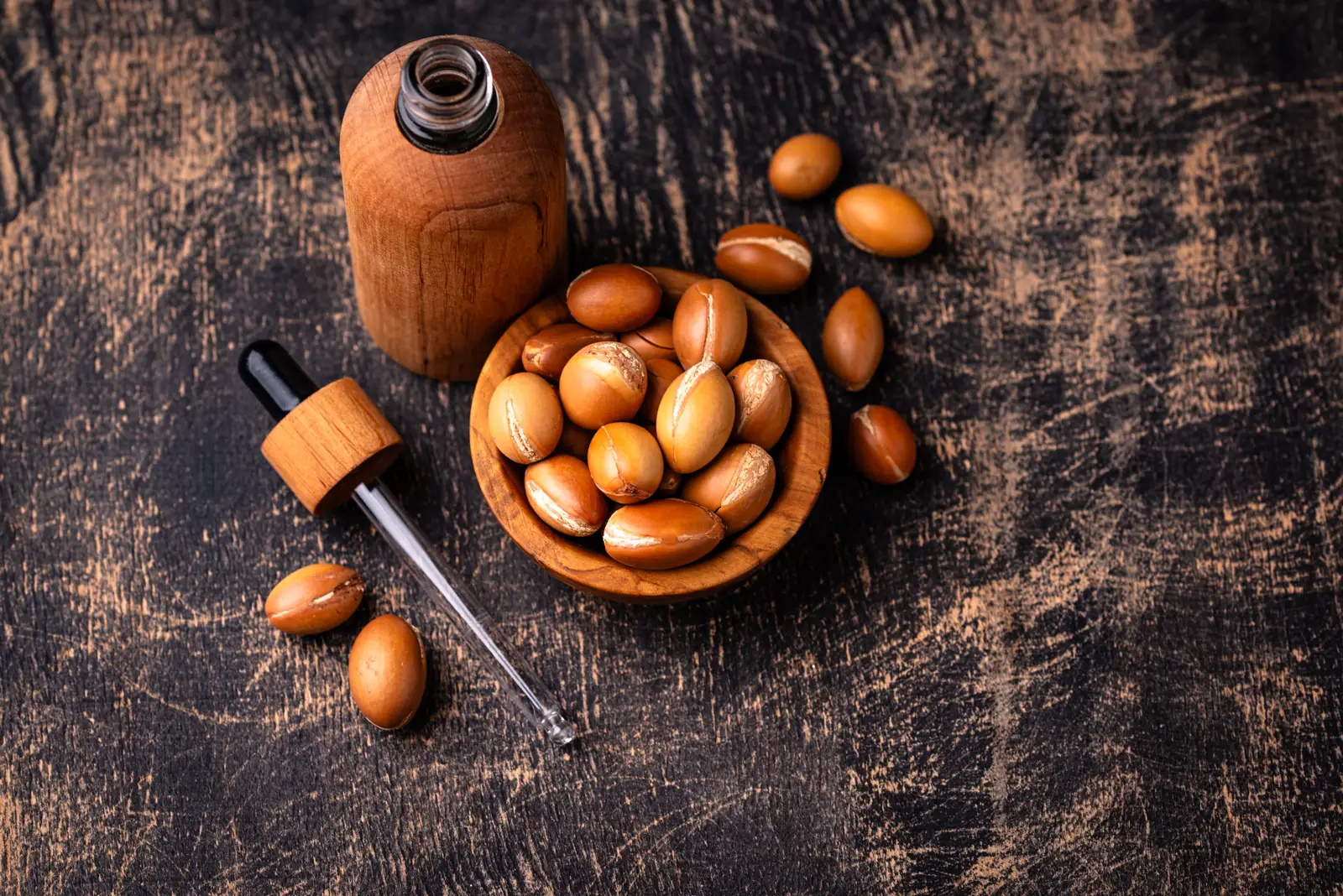 Serum · BeginnerArgan & Prickly Pear Night SerumA Moroccan night oil-serum of argan, prickly pear seed oil and squalane with 1% bakuchiol, a gentle alternative to retinol.
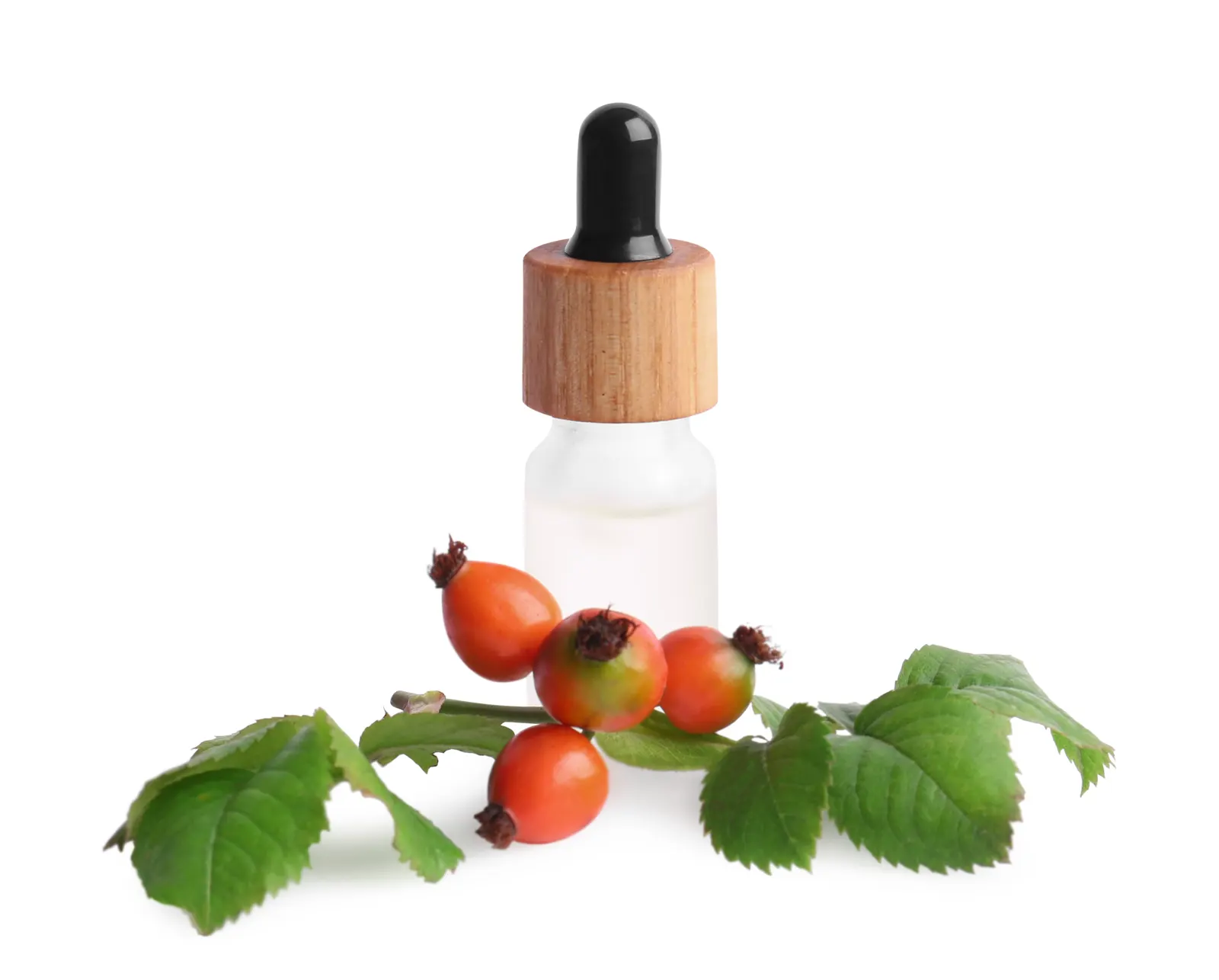 Face oil · BeginnerRosehip & Sea Buckthorn Glow OilA light face oil of rosehip, jojoba and squalane with a touch of sea buckthorn, protected with vitamin E. Three or four drops at night.
 Toner · IntermediateGreen Tea & Centella Soothing TonerA preserved, alcohol-free toner with green tea, centella, witch hazel and panthenol to hydrate and calm, formulated to pH 5.0–5.5.