The ingredient encyclopedia · food
Seaweed (Brown Algae)
Laminaria digitata, Fucus vesiculosus, Ascophyllum nodosum (Kelp/oarweed (Laminaria), bladderwrack (Fucus), knotted wrack (Ascophyllum). Red algae (e.g. Chondrus crispus, Porphyra) and green algae (e.g. Ulva) are also used) · Laminariaceae and Fucaceae (brown algae, Phaeophyceae)
Silky and mineral-rich from Atlantic shores: the heart of Breton thalassotherapy, for softly hydrated skin.
FR Algues brunes (laminaire, fucus vésiculeux, ascophylle)ES Algas pardas (laminaria, fucus, ascophyllum)AR الأعشاب البحرية (الطحالب البنية)Goémon, varech (Brittany and Normandy); kombu 昆布 (Japanese kelp, Saccharina japonica)
- How well proven
- CPromising
- Safety
- Low topical risk
- Sun-sensitive
- No
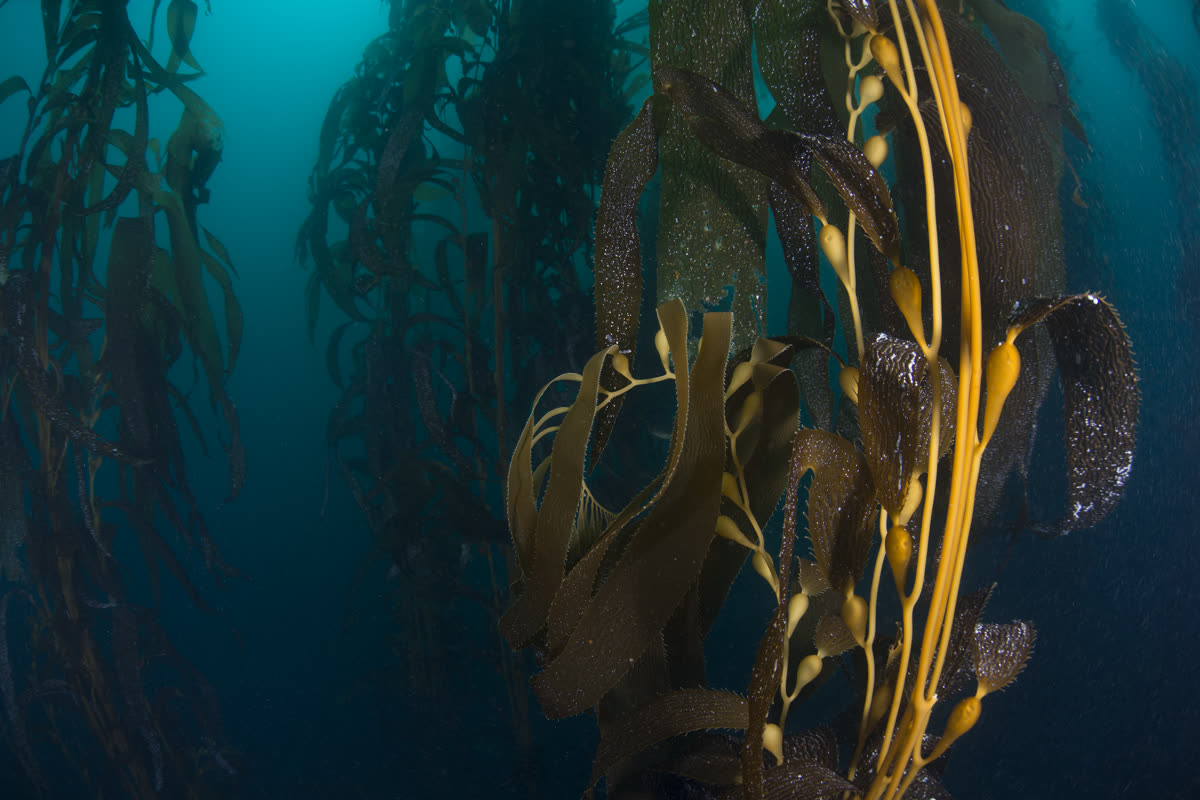
Also known as Laminaria digitata, Fucus vesiculosus, Ascophyllum nodosum (Kelp/oarweed (Laminaria), bladderwrack (Fucus), knotted wrack (Ascophyllum). Red algae (e.g. Chondrus crispus, Porphyra) and green algae (e.g. Ulva) are also used)
FR Algues brunes (laminaire, fucus vésiculeux, ascophylle)ES Algas pardas (laminaria, fucus, ascophyllum)AR الأعشاب البحرية (الطحالب البنية)Goémon, varech (Brittany and Normandy); kombu 昆布 (Japanese kelp, Saccharina japonica)
What the evidence says
Polysaccharides hydrate and form films predictably, and small split-face and supplier studies report hydration or elasticity changes with algae extracts, but independent controlled trials are few and slimming claims lack support.
- What it does
- Hydration and a soft, protective film. Alginate, fucoidan and red-algal carrageenans bind water and form flexible films on skin, reducing tightness and dryness.
- How to use it
- Seaweed extract (brown, red or green algae) · 0.5–5% of a gel, toner, serum or cream
- Watch out for
- Iodine and the thyroid: brown algae are very rich in iodine.
Checked against 2 cited studies and our safety review · Updated 26 November 2026 · How we grade
Why you’ll love Seaweed (Brown Algae)
Why you’ll love it
- A soft, water-binding film that eases tight, dry skin
- Cool peel-off masks that feel wonderfully refreshing
- Warm, silky seaweed baths that feel deeply soothing
Best forDry or dehydrated skin, oily skin (as a clay mask) and spa-style rituals.
Try it today
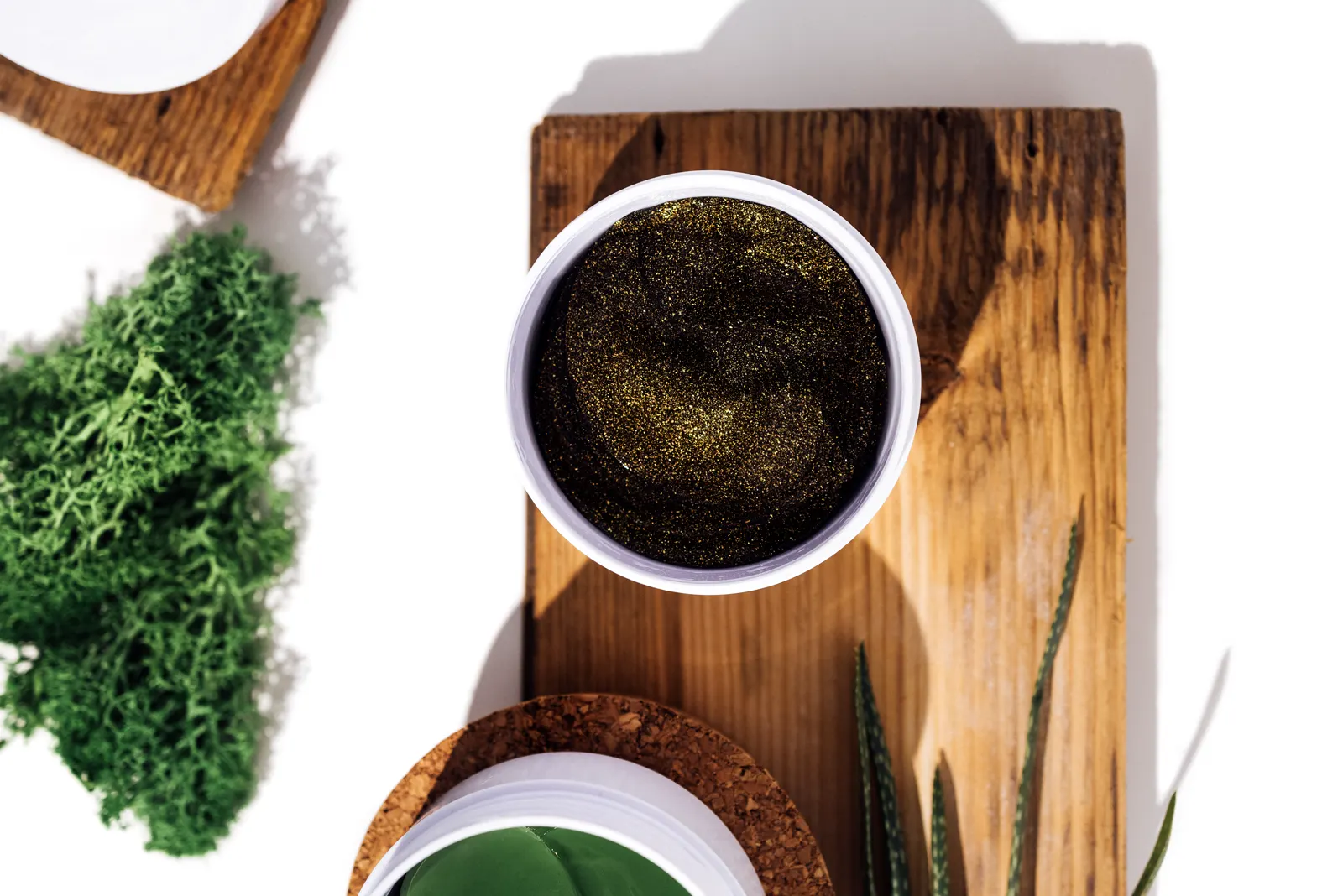
A single-use sea and clay mask
- Mix 1–2 tablespoons of kelp or bladderwrack powder with rhassoul clay or kaolin and water.
- Patch test, then apply to clean skin away from your eyes and leave for 10–15 minutes.
- Rinse well, discard any leftover mask, and use an old towel, as algae can stain.
Good to know: Brown seaweed is rich in iodine. With thyroid disease, or if pregnant or breastfeeding, keep wraps and baths occasional or ask your doctor.
At a glance
| Parts used | Whole thallus (fronds and stipes), dried and powdered for masks and wraps or extracted with water and glycols; purified polysaccharides (alginate, fucoidan, carrageenan, agar) |
|---|---|
| Key actives | Alginate (alginic acid and salts), Fucoidan (sulfated fucose-rich polysaccharide), Laminarin (β-glucan), Phlorotannins (brown-algal polyphenols), Fucoxanthin (carotenoid), Minerals and trace elements (iodine, magnesium, potassium), Mannitol and amino acids |
| INCI names | Laminaria Digitata Extract Fucus Vesiculosus Extract Ascophyllum Nodosum Extract Algin Chondrus Crispus Extract Ulva Lactuca Extract |
| Skin types | normal, dry, oily, combination, mature |
| Pairs well with | Rhassoul ClayAloe VeraSqualaneTremella (Snow Mushroom) |
| Evidence grade | CPromising Polysaccharides hydrate and form films predictably, and small split-face and supplier studies report hydration or elasticity changes with algae extracts, but independent controlled trials are few and slimming claims lack support. |
What it does for skin and hair
Hydration and a soft, protective film
Alginate, fucoidan and red-algal carrageenans bind water and form flexible films on skin, reducing tightness and dryness. They are reliable hydrating ingredients in gels, masks and creams (Dry & Dehydrated Skin).
Antioxidant and soothing activity
Brown-algal phlorotannins and fucoidan are antioxidant and anti-inflammatory in lab studies, and fucoidan inhibits collagen-degrading enzymes in vitro — a plausible supporting role in anti-aging care.
Absorbent masks for oily skin
Seaweed powders blended with clay make mineral-rich, absorbent wash-off masks that suit oily and combination skin, and alginate “peel-off” masks set into a cool, rubbery layer that feels refreshing.
A sensory spa ritual
Seaweed baths and wraps are central to thalassotherapy. Warm, silky algae on the skin feel genuinely soothing, though benefits beyond relaxation and softness are not well established.
How to use it
Start low, be consistent, and give it four to eight weeks. These are the amounts that work in real products and home recipes.
| Form | Typical use level | Notes |
|---|---|---|
| Seaweed extract (brown, red or green algae) | 0.5–5% of a gel, toner, serum or cream | Add to the water phase; extracts are usually supplied in water/glycol or glycerin. Preserve properly (DIY Safety: Water, Microbes & Preservatives). Pairs well with aloe vera and glycerin for a marine hydrating gel. |
| Sodium alginate as a gelling agent or peel-off mask | 0.5–2% to thicken gels; in alginate masks, mixed with calcium salts so it sets | Disperse in glycerin first to avoid lumps. Ready-made alginate mask powders are mixed with cold water and applied in a thick layer for 15–20 minutes, then lifted off in one piece. |
| Seaweed powder mask or wrap | 1–2 tablespoons kelp or bladderwrack powder with clay and water, 10–15 minutes; single use | Mix with rhassoul clay or kaolin and water just before use; discard leftovers. Rinse well; algae powders can stain pale towels. Skip if you have thyroid disease (see safety). |
| Seaweed bath | A handful (about 30–50 g) of dried bladderwrack in a muslin bag in a warm bath, occasionally | Steep the bag in hot water for a few minutes first so the algae release their slippery gel. Limit to occasional use if you have thyroid concerns, are pregnant or are breastfeeding. |
Use it safely
Low topical risk
- Iodine and the thyroid: brown algae are very rich in iodine. Leave-on creams contain little, but frequent kelp wraps or seaweed baths, and especially kelp supplements, may contribute meaningful iodine. People with thyroid disease, those taking thyroid medicines, amiodarone or lithium, and pregnant or breastfeeding women should use these only occasionally or ask their doctor.
- “Seafood” or “iodine allergy” is not a reason to avoid seaweed: shellfish allergy is to proteins, not iodine. True allergy to algae extracts is rare; patch test new products (How to Patch Test).
- Seaweed can accumulate heavy metals (arsenic, cadmium, lead) from polluted waters. Choose cosmetic ingredients from tested, clean-water sources.
- Do not use homemade seaweed gels or soaks as leave-on products; they spoil quickly without preservation.
- Pregnancy & breastfeeding
- Seaweed extracts in leave-on cosmetics are considered safe. Avoid frequent kelp wraps, seaweed baths and kelp supplements during pregnancy and breastfeeding unless your doctor agrees, because of iodine content. Pregnancy guide
- Phototoxicity
- Not phototoxic at normal use levels.
- Declared fragrance allergens
- None expected
New to an ingredient? Patch test first. Stop and seek advice if you get burning, swelling, blistering or a spreading rash.
Buying well
Sustainability
Most European cosmetic seaweed is wild-harvested in Brittany, Ireland, Scotland, Iceland and Norway under licensing that regulates cutting height and rotation; Ascophyllum regrows from its holdfast if hand-cut properly, while mechanical kelp harvesting is more controversial for kelp-forest ecosystems already stressed by warming seas. Farmed seaweed, such as sugar kelp, is expanding and needs no feed, fertilizer or fresh water. Look for organic or sustainability certification and named harvest regions (Sustainable & Ethical Botanical Sourcing).
How to choose quality
Look for the species name (Fucus vesiculosus, Laminaria digitata, Ascophyllum nodosum, Chondrus crispus) rather than just “marine extract”, a stated harvest region, and heavy-metal testing for powders. Organic-certified algae are harvested from monitored waters. Store powders sealed and dry; they absorb moisture readily. Treat body products promising “slimming” or “inch loss” with skepticism.
The research For professionals
The chemistry, the studies and the evidence by concern, for practitioners, formulators and the curious.
Seaweeds are not plants in the botanical sense but algae, grouped by pigment into brown (Phaeophyceae: kelps such as Laminaria and Saccharina, wracks such as Fucus and Ascophyllum), red (Rhodophyta: Chondrus crispus or Irish moss, Porphyra or nori) and green (Chlorophyta: Ulva, sea lettuce). Their chemistry is dominated by unusual polysaccharides. Brown algae contain alginate, a chain of mannuronic and guluronic acids that gels with calcium (the basis of peel-off “modeling” masks and wound dressings); fucoidan, a sulfated, fucose-rich polysaccharide; and laminarin, a storage β-glucan. Red algae give carrageenans and agar; green algae give ulvan. Brown algae also carry phlorotannins, polyphenols unique to them, and the orange carotenoid fucoxanthin; some red algae produce mycosporine-like amino acids that absorb UV, an active research area.
Kelps are famous for iodine. Laminaria concentrates iodide from seawater many thousands of times over, using it as an inorganic antioxidant that is released when the fronds are stressed or exposed at low tide (Küpper, PNAS, 2008). Iodine was in fact discovered in seaweed ash in 1811 by the French chemist Bernard Courtois. Small studies of seaweed baths suggest some iodine is taken up, possibly partly through breathing iodine released into the air, which is why frequent seaweed baths and kelp wraps deserve care in people with thyroid disease.
In the lab, fucoidan and phlorotannin-rich extracts are antioxidant, inhibit MMPs and elastase, and reduce inflammatory signaling. Human evidence is limited: in a small split-face study, a gel containing Fucus vesiculosus extract changed ultrasound-measured skin thickness and improved elasticity on the treated cheek compared with the vehicle side over five weeks (Fujimura, J Cosmet Sci, 2002); other data come mostly from supplier tests of hydration. Claims that seaweed wraps or creams slim the body or treat cellulite rest on the idea that iodine or algae “boost metabolism” through the skin, which has not been shown; any measured change after a wrap is temporary water loss.
The fair verdict: algae are versatile, well-tolerated hydrating, film-forming and antioxidant ingredients, with a rich spa tradition and modest human data.
Key studies
Small split-face study: a gel containing Fucus vesiculosus extract applied twice daily for five weeks changed ultrasound-measured skin thickness and improved skin elasticity on the treated cheek compared with the vehicle-treated cheek.
Fujimura T, et al. J Cosmet Sci. 2002 Read it in the bibliography Find on PubMedShowed that the kelp Laminaria digitata accumulates iodide to very high levels as an antioxidant and releases it when stressed, explaining kelp’s exceptional iodine content. A marine-biology study, not a skin trial.
Küpper FC, et al. Proc Natl Acad Sci USA. 2008 Read it in the bibliography Find on PubMed
MythSeaweed wraps slim the body and melt cellulite by boosting metabolism through the skin.
EvidenceThere is no good evidence that seaweed applied to skin raises metabolism or reduces fat. Tight wraps and warmth cause temporary water loss that returns within hours, and cellulite is structural. Enjoy seaweed for its softening, hydrating feel; and if you have thyroid disease, use iodine-rich wraps sparingly.
In tradition
On the coasts of Brittany, goémoniers harvested kelp for centuries — once burned for soda and iodine, later sold for food and alginates — and French doctors turned the sea into medicine: the term thalassothérapie was coined in the nineteenth century, and Roscoff opened one of the first seawater institutes in 1899. Seaweed baths are also a long-standing tradition on the west coast of Ireland, and kombu and nori remain staples of Japanese and Korean kitchens.
Frequently asked questions
What are the benefits of seaweed for skin?
Are seaweed baths or wraps safe if I have a thyroid condition?
What is thalassotherapy?
Do seaweed wraps help with cellulite or weight loss?
Cite this page
Herbs.Beauty. Seaweed (Brown Algae) (Laminaria digitata, Fucus vesiculosus, Ascophyllum nodosum): evidence-based monograph. Updated 26 November 2026. https://herbs.beauty/ingredients/seaweed.html