· Morning · 2 min
The Two-Minute Barrier Check
Tight, stinging, flaky and shiny at once? A two-minute morning check tells you when to pause actives and give your skin barrier a calm week.

- Time
- 2 min
- Evidence
- CPromising
- Time
- 2 min
- Evidence
- CPromising
You’ll need
- A mirror near natural daylight
- Lukewarm water, or your gentlest cleanser
- A plain, fragrance-free moisturizer you already tolerate
- Clean, dry fingertips
Promising: Barrier damage from cold, dry air and over-exfoliation is well documented, but these at-home signs are a practical proxy rather than a validated test.
Formulator’s tip
Do the check on the same weekday each week through winter and jot one word in your phone (“fine”, “tight”, “stinging”). Patterns appear fast, and you will catch a dip before it becomes a flare.
Step by step
- Rinse your face with lukewarm water only (or a gentle cleanser if you wore heavy products overnight). Pat dry with a clean towel; do not rub.
- Set a two-minute timer and apply nothing. Notice the sensation: a light, comfortable feel is good; a drum-tight, “too small” feeling that builds is a warning sign.
- Look in daylight for fine flaking around the nose, brows and chin, new patchy redness, or a strange combination of shine and tightness on the cheeks.
- Run a clean fingertip across your cheek. Skin with a happy barrier feels supple; a compromised barrier often feels rough, papery or slightly hot.
- Apply a pea-sized amount of your plain moisturizer. Stinging or burning for more than a few seconds with a product that never used to sting is the clearest signal of all.
- Count your signs. Two or more means a “barrier week”: for 7–14 days, pause acids, retinoids, scrubs and clay, keep cleansing gentle, moisturize morning and night, and wear sunscreen.
Why it works
Your outermost layer, the stratum corneum, works like bricks (corneocytes) held in a mortar of ceramides, cholesterol and fatty acids. When that mortar is depleted by dry indoor air, cold wind, hot showers or enthusiastic exfoliation, water escapes faster and irritants get in more easily, which is why products start to sting. The full story is in The Skin Barrier, Explained.
The fix is boring on purpose: fewer products and better lipids. Simple emollients such as squalane and linoleic-rich sunflower oil, and soothing colloidal oatmeal, support repair, while centella asiatica (cica) is a gentle, if modestly evidenced, companion. Dermatologists measure barrier function as transepidermal water loss with a probe; this check is a practical stand-in, not a lab test.
Where it comes from
Across the Mediterranean, the instinct in winter has long been to oil the skin more and wash it less, an old habit that matches modern barrier science well.
Enjoy it safely
- Persistent redness, swelling, oozing, cracks that bleed or a rash spreading beyond the face needs a doctor or dermatologist, not a calmer routine.
- If you use a prescription retinoid or acne treatment, ask your prescriber before pausing it; they may prefer you reduce frequency instead.
- If new stinging started with one product, stop it and see How to Patch Test (and Read the Result) before reintroducing it.
Ingredients in this ritual
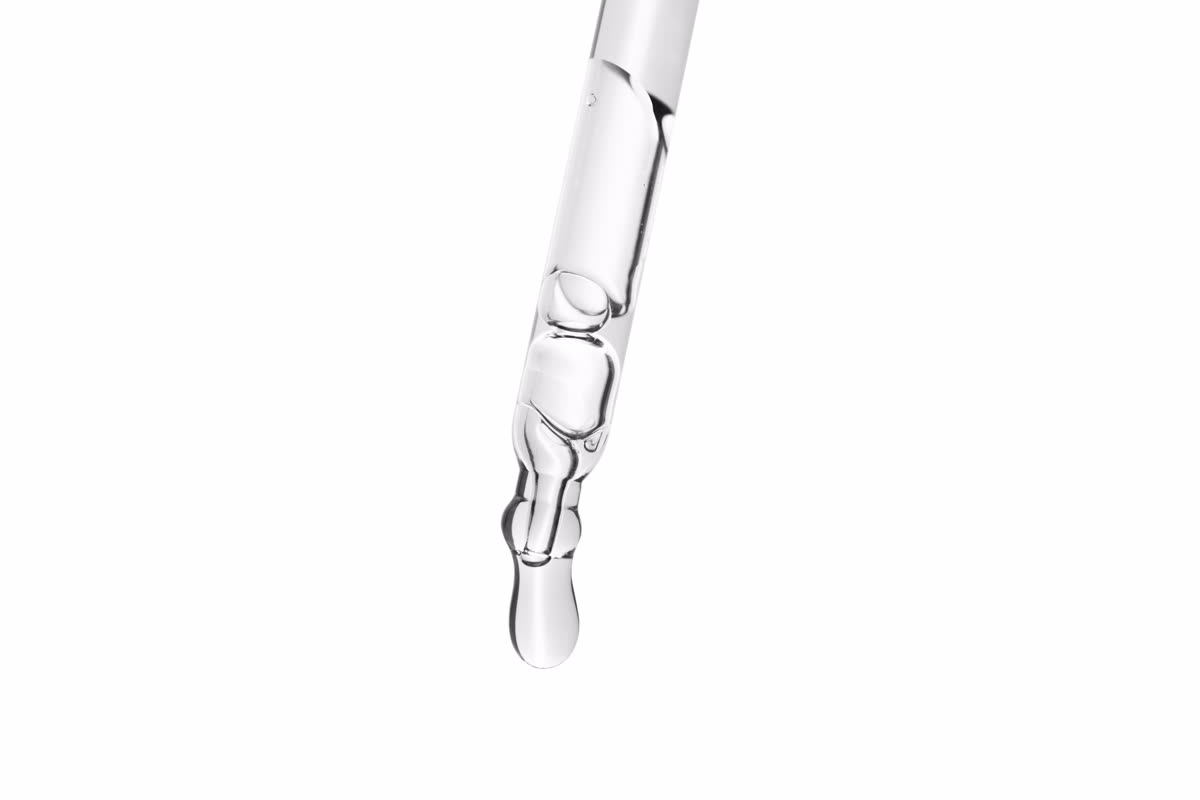 No. 039
SqualaneSqualane (C30H62)Weightless, silky and barely there once it sinks in, squalane is the perfect first oil for people who think they hate oils.
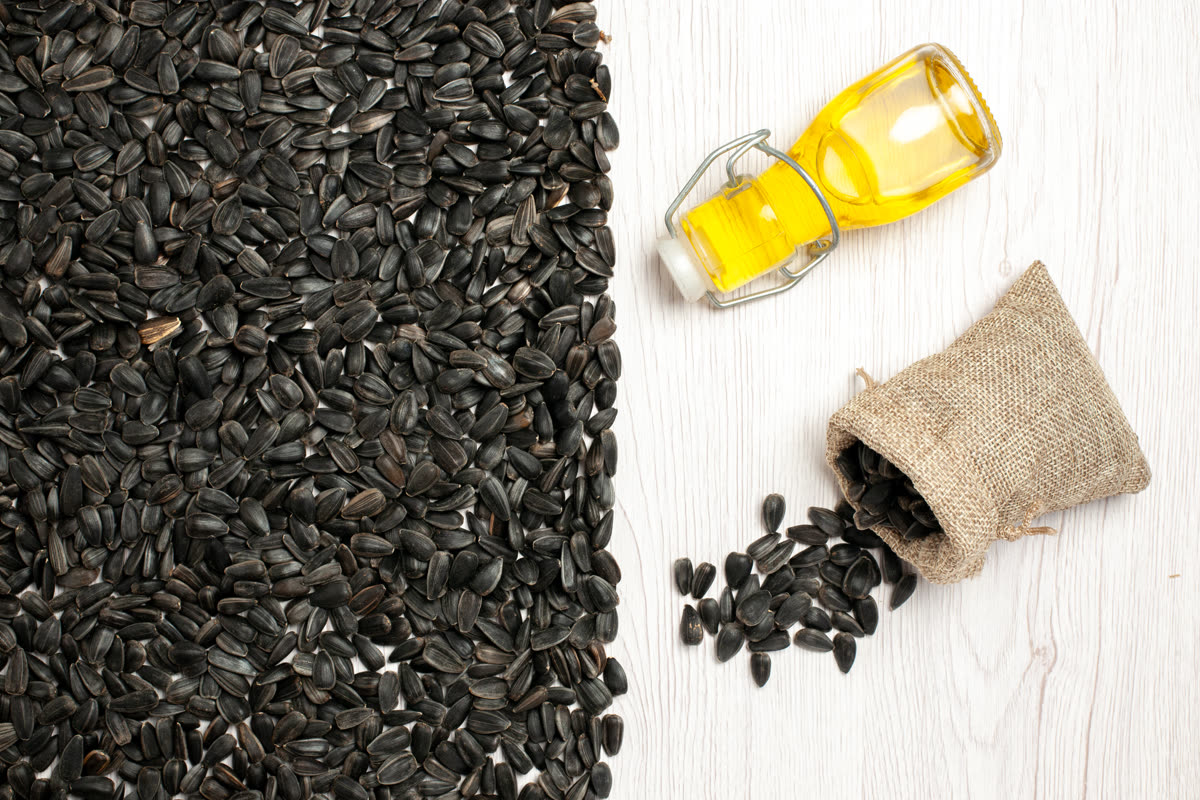 No. 033
Sunflower OilHelianthus annuus L.The humble kitchen oil with some of the best barrier evidence of any plant oil: gentle, affordable and kind to dry skin.
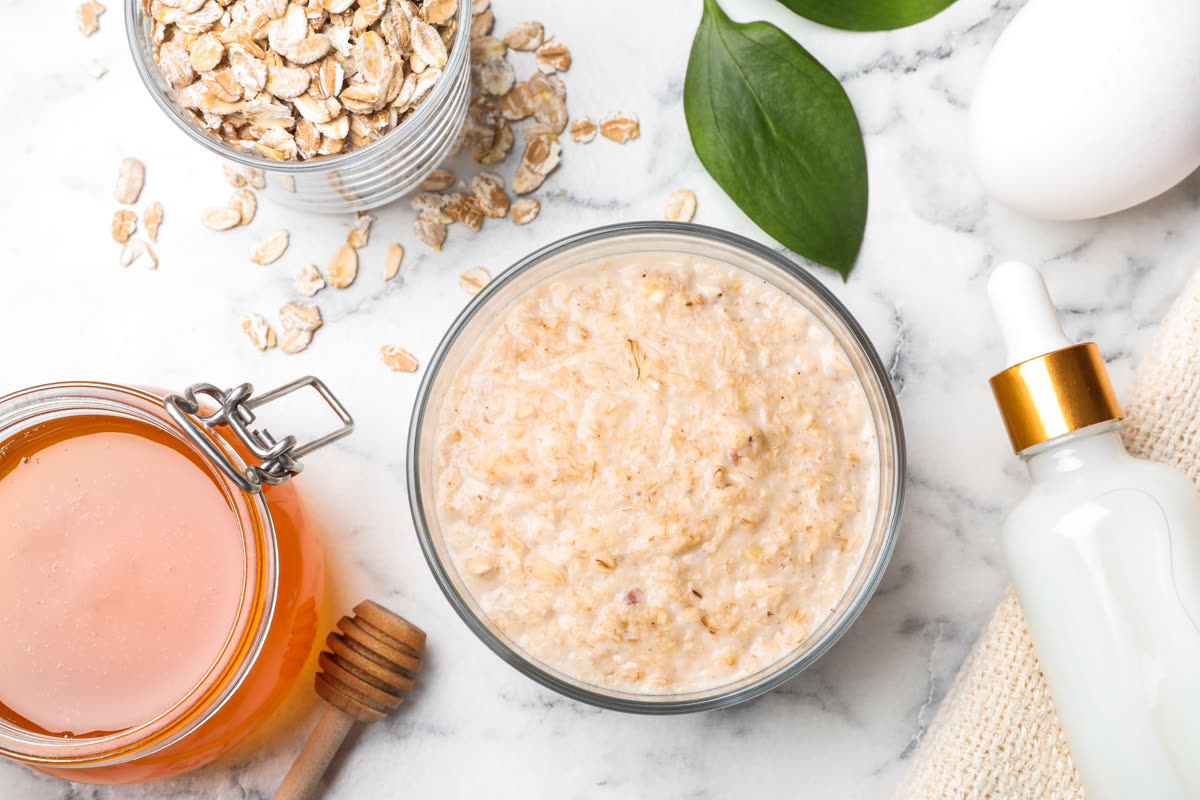 No. 042
Colloidal OatmealAvena sativa L.Finely milled oats turn a lukewarm bath milky and soothing: an officially recognized skin protectant for itchy, irritated skin.
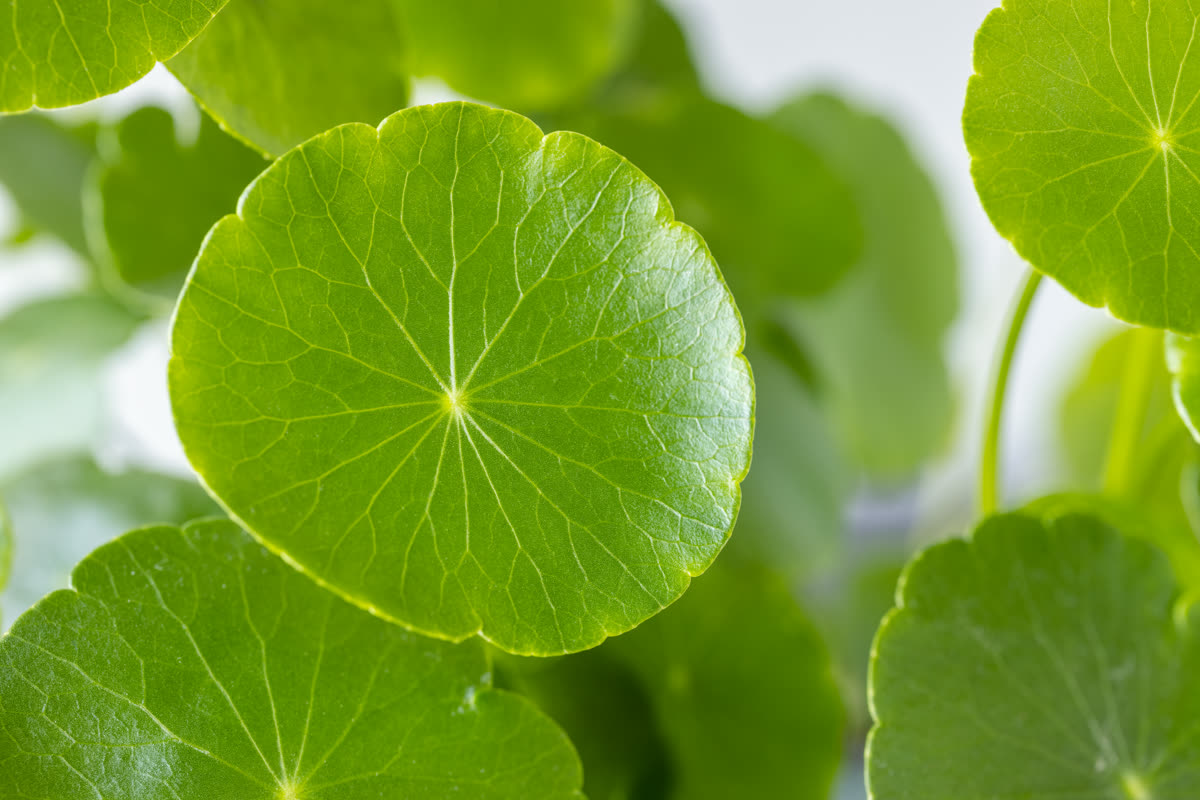 No. 004
Centella Asiatica (Cica)Centella asiaticaCica, the beloved “tiger grass” of Asian skincare, brings calm and comfort to stressed, reactive skin.