Head to head
Rosehip oil versus Sea buckthorn oil
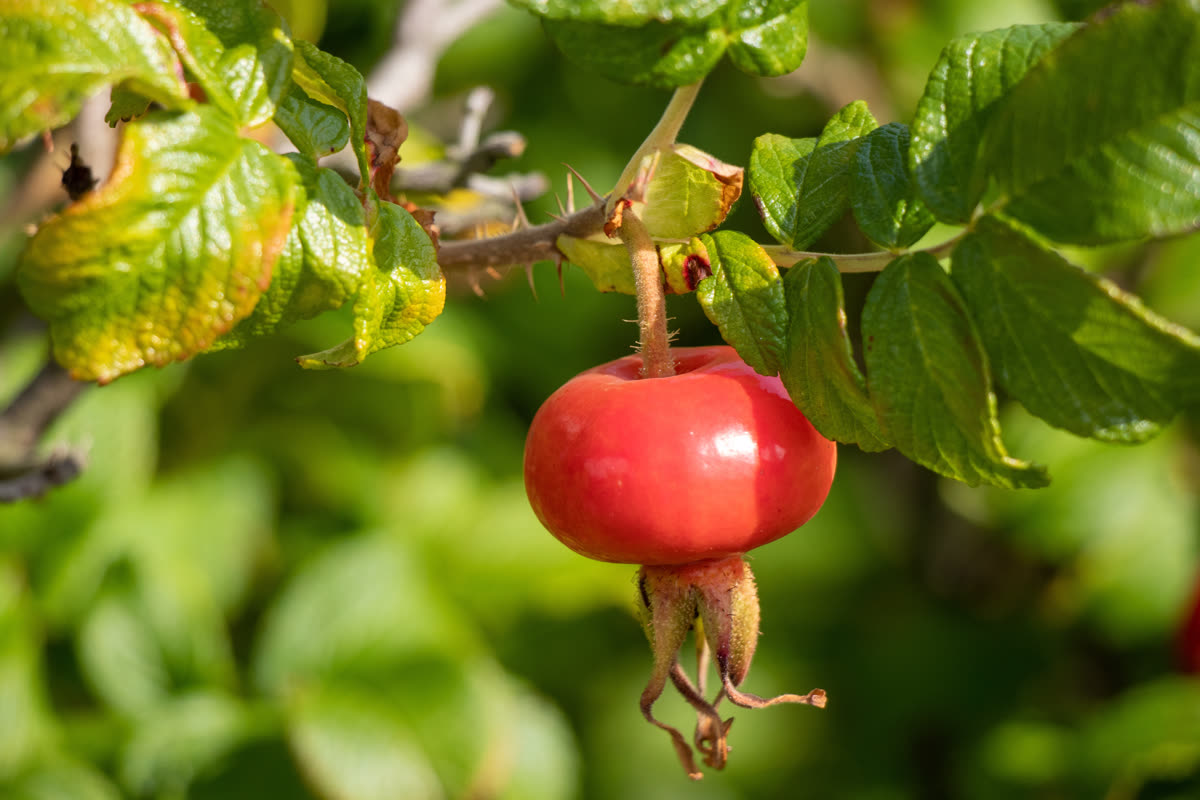 vs
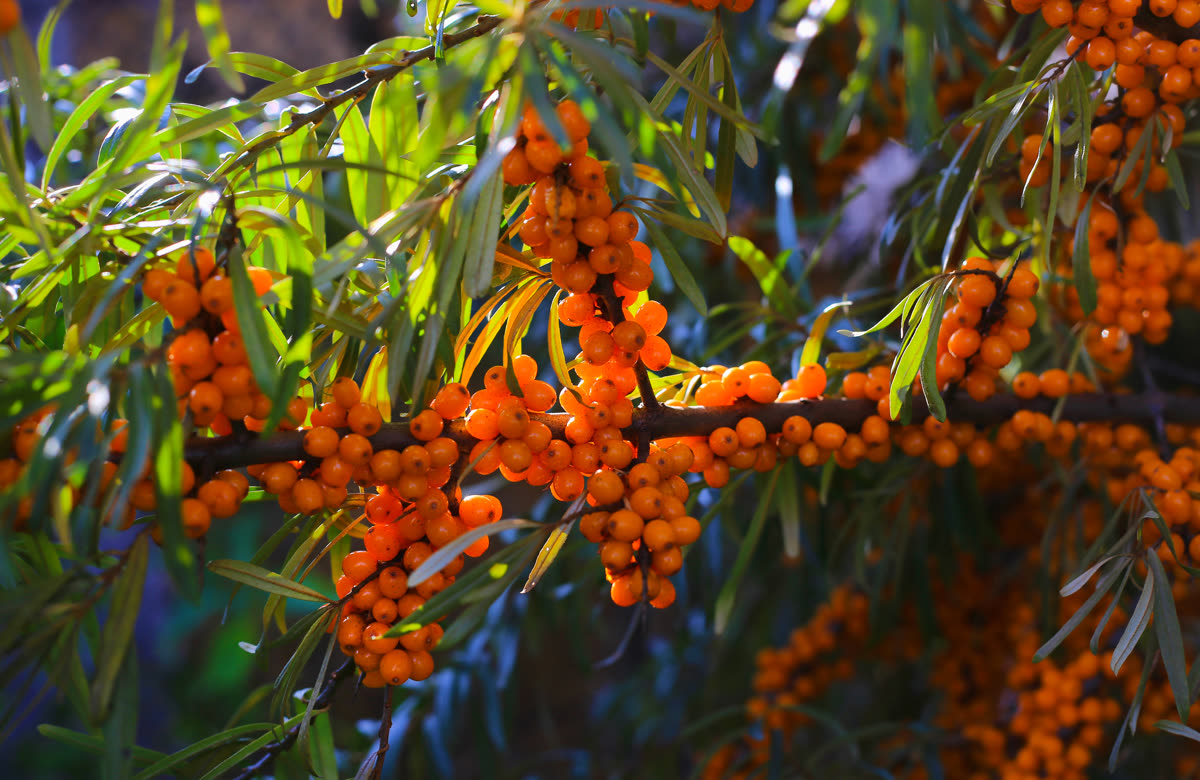
The verdict
Choose rosehip oil if you want an easy, well-tolerated face oil rich in essential fatty acids for dry skin and the appearance of scars and marks. Choose sea buckthorn if you want an omega-7-rich, carotenoid-dense booster, used in small amounts because the berry oil stains. Evidence for both is modest, and both oxidize quickly, so freshness matters more than the label.
| Attribute | Rosehip oil | Sea buckthorn oil |
|---|---|---|
| Evidence grade | C — small, mostly uncontrolled human studies and mechanistic data | C — mainly oral trials and lab or animal wound data; topical human trials are scarce |
| Source | Seeds of wild roses (Rosa canina, R. rubiginosa), mostly from Chile and Europe | Two oils from Hippophae rhamnoides: seed oil, and pulp (berry) oil |
| Key chemistry | Very high in linoleic and alpha-linolenic acids; carotenoids and tocopherols | Pulp oil: rich in palmitoleic acid (omega-7) and carotenoids. Seed oil: linoleic and alpha-linolenic acids |
| What it does | Emollient; supports barrier lipids; may improve the look of scars and texture | Emollient; antioxidant carotenoids; traditionally used for burns and dry, weathered skin |
| Best for | Dry, dull and combination skin; the appearance of healed scars and marks | Very dry, weathered or mature skin, as a small addition to another oil |
| Typical use | 100% as a face oil, or 10–50% of a blend | Pulp oil at about 1–5% of a blend; seed oil can be used more freely |
| Staining | Pale golden to amber; little staining | Pulp oil is deep orange: stains skin, towels and pillowcases at high levels |
| Shelf life | Short; refrigerate and use within about 6 months of opening | Short to moderate; refrigerate |
| Pregnancy | No specific concerns for topical use | No specific concerns for topical use |
Choose Rosehip oil if
Choose rosehip oil if you want a single, light, everyday face oil for dry, dull or combination skin, or to massage into healed scars and marks, and you can keep it refrigerated and use it within a few months.
Choose Sea buckthorn oil if
Choose sea buckthorn if your skin is very dry, weathered or mature and you want an omega-7 and carotenoid boost, and you are happy to use it as a few drops in another oil rather than on its own.
Two different fatty-acid stories
Rosehip seed oil is dominated by polyunsaturated fatty acids: linoleic acid (omega-6) and alpha-linolenic acid (omega-3) together typically make up more than two-thirds of it. Linoleic acid is a building block for the skin’s ceramides, and people with acne-prone skin tend to have less of it in their sebum. That makes rosehip a light, quick-absorbing oil that suits a wide range of skin.
Sea buckthorn is really two products. The seed oil is also high in linoleic and alpha-linolenic acids. The pulp (fruit) oil is unusual: it is rich in palmitoleic acid, an omega-7 fatty acid found in human skin lipids, and packed with carotenoids that give it a deep orange-red color. Always check which one you are buying; labels do not always say.
Scars, marks and the vitamin A claim
Rosehip oil is often said to contain “natural tretinoin.” Some cold-pressed oils contain carotenoids and trace retinoid-like compounds, but levels are small and variable, and rosehip oil should not be thought of as a retinoid. Its benefit for the appearance of healed scars, reported in small studies, is more plausibly explained by regular massage with an emollient oil, which helps scars soften and flatten over months.
For sea buckthorn, the best human data are from oral supplements (for example, small trials in atopic dermatitis), which do not tell us much about the topical oil. Lab and animal studies support wound-healing activity. In short, both are reasonable, pleasant emollients; neither is a proven scar treatment. For established, raised or itchy scars, silicone gel sheeting has stronger evidence: see Scars, Wounds & Stretch Marks.
Using them well
- Rosehip: press three or four drops onto damp skin at night, as the last step. It can be used neat.
- Sea buckthorn pulp oil: add one or two drops to your usual oil or moisturizer rather than using it alone. More than a few percent can tint skin orange for a few hours and will mark fabric.
- Freshness: highly unsaturated oils oxidize fast. Buy small bottles in dark glass, keep them in the fridge, and discard any that smell fishy, paint-like or crayon-like. Oxidized oil can irritate.
- Patch test new oils as in our guide: twice daily for 7 days, read at 48 and 96 hours.
Traditions and sourcing
Rose hips have long been gathered as food and medicine across Europe; most rosehip oil today comes from wild-harvested Chilean roses, where the plant is naturalized. Sea buckthorn has deep roots in Tibetan and Mongolian medicine and in Russian folk use, where the oil was applied to burns. Both are mostly wild or semi-wild crops; buying from suppliers who explain harvest practices supports better sourcing.
Who should be careful? Anyone who has reacted to plant oils before should patch test first, and people with active, inflamed acne may find that any oil adds to congestion; if so, keep oils for the body or stop. Despite claims about their carotenoids, neither oil is a sunscreen or provides meaningful UV protection. Both are food-derived oils with no known pregnancy concerns when used on skin, so they are reasonable choices in a pregnancy routine; see Skincare in Pregnancy & Breastfeeding. If a scar is raised, red, itchy, painful or spreading beyond the original wound, see a doctor: keloids and hypertrophic scars respond to medical treatment, not oils.
Notes for formulators
Both oils are rich in polyunsaturated fatty acids, which makes them oxidatively fragile. In a formula they behave best at moderate levels, protected by antioxidants and paired with more stable carriers.
- Antioxidants: add tocopherol (vitamin E) at around 0.5–1% of the oil blend, and consider rosemary CO₂ extract, an effective lipid antioxidant at low levels. These slow rancidity; they cannot reverse it.
- Stable partners: blend with high-stability oils such as jojoba or squalane to extend shelf life.
- Sea buckthorn pulp oil: 1–5% of a blend gives color and character without staining; above that, expect orange skin and towels. Its deep color can also visibly tint a cream.
- Packaging: dark glass droppers or airless pumps, filled to minimize headspace, protect best. Avoid heating either oil; add them in the cool-down phase of emulsions.
- Raw material quality: ask suppliers for the peroxide value and fatty-acid profile on the certificate of analysis, and buy little and often.
“Rosehip” products may use seed oil, whole-fruit oil or a CO₂ extract, which differ in color, carotenoid content and stability; cold-pressed or CO₂-extracted seed oil is the usual cosmetic material. See our Formula & Cost Calculator and DIY Safety: Water, Microbes & Preservatives.
Using them together
Yes; this is a classic pairing. A blend of mostly rosehip with 1–5% sea buckthorn pulp oil gives a glowing, amber oil without the staining. Our Rosehip & Sea Buckthorn Glow Oil gives a tested formula, ideally with a little vitamin E (tocopherol) to slow rancidity.