The ingredient encyclopedia · oil
Sweet Almond Oil
Prunus dulcis (Mill.) D.A.Webb (syn. Prunus amygdalus Batsch; cosmetic oil comes from the sweet variety (var. dulcis), not bitter almond, var. amara) · Rosaceae
Soft, gentle and almost scentless, sweet almond oil is Europe’s timeless massage oil, from Spain’s almond groves to your shelf.
FR Huile d’amande douceES Aceite de almendra dulceAR زيت اللوز الحلوLouz (Darija, almond); roghan-e-badam (Unani and South Asian tradition)
- How well proven
- CPromising
- Safety
- Low topical risk
- Sun-sensitive
- No
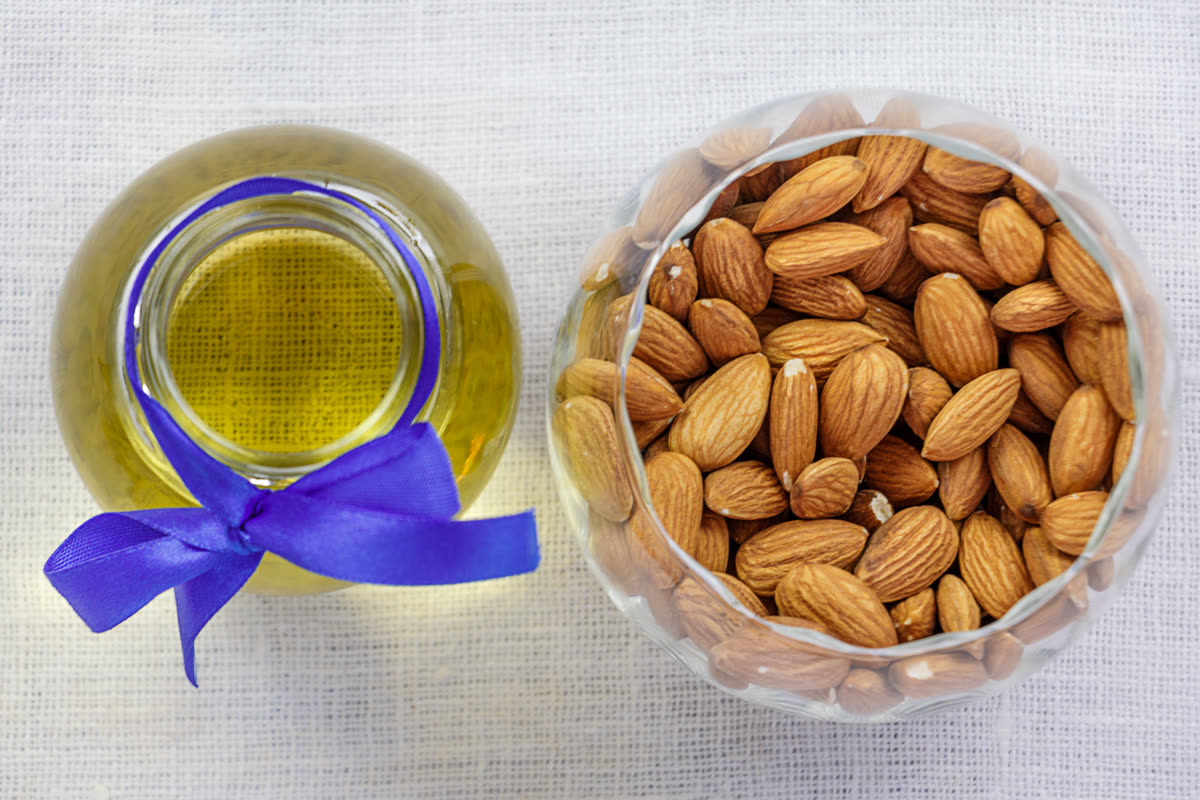
Also known as Prunus dulcis (Mill.) D.A.Webb (syn. Prunus amygdalus Batsch; cosmetic oil comes from the sweet variety (var. dulcis), not bitter almond, var. amara)
FR Huile d’amande douceES Aceite de almendra dulceAR زيت اللوز الحلوLouz (Darija, almond); roghan-e-badam (Unani and South Asian tradition)
What the evidence says
Good general emollient data and long safe use, but only small, unblinded trials (mostly on stretch marks in pregnancy) test almond oil itself.
- What it does
- Softens dry, rough skin. A light occlusive film slows water loss and smooths flaking, making almond oil a dependable, low-cost choice for dry skin on the body, hands and feet.
- How to use it
- Body and massage oil · Neat, or 50–100% of a body-oil blend
- Watch out for
- Tree-nut allergy: refined oil contains very little protein and is usually tolerated, but if you have a diagnosed almond allergy, ask your allergist before use.
Checked against 3 cited studies and our safety review · Updated 26 November 2026 · How we grade
Why you’ll love Sweet Almond Oil
Why you’ll love it
- Smooths dry, flaky skin on body, hands and feet
- Gentle slip makes it a soothing, unhurried massage oil
- A pre-wash coat that eases tangles in dry hair
Best forDry body skin, massage and dry or curly hair; check first if you have a nut allergy.
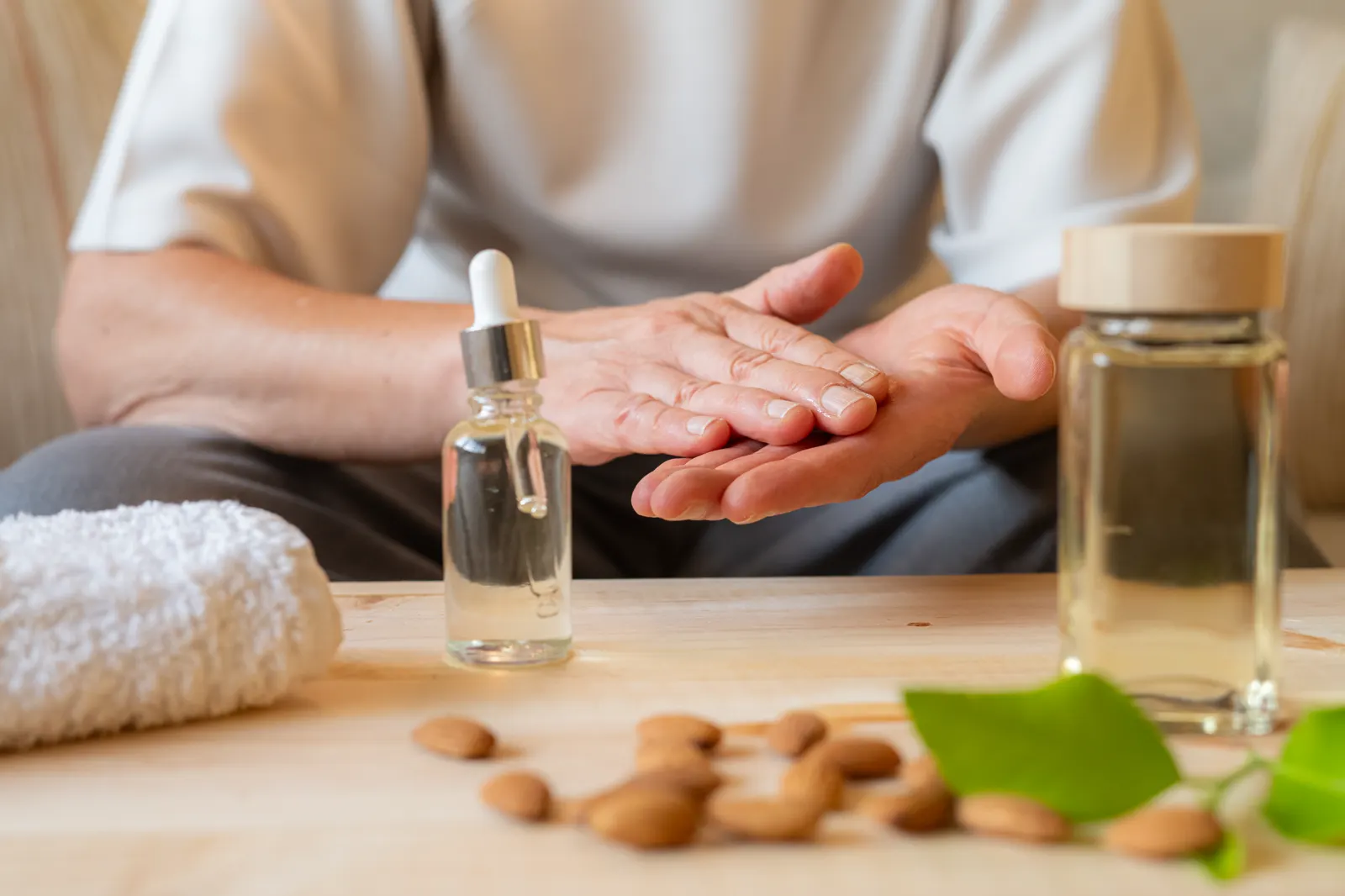
Try it today
A slow evening hand massage
- Warm a few drops of sweet almond oil between your palms.
- Massage into each hand, finger by finger, working gently around the cuticles.
- Let it soak in; if you add an essential oil, keep it to 1–2% of the blend.
Good to know: With a diagnosed almond allergy, ask your allergist first. Never confuse it with bitter almond essential oil, which is a different product.
At a glance
| Parts used | Kernel oil, cold-pressed (virgin) or refined; ground kernel meal for scrubs and masks |
|---|---|
| Key actives | Oleic acid, Linoleic acid, Palmitic acid, α-Tocopherol (vitamin E), Phytosterols (mainly β-sitosterol) |
| INCI names | Prunus Amygdalus Dulcis (Sweet Almond) Oil Hydrogenated Sweet Almond Oil Prunus Amygdalus Dulcis (Sweet Almond) Seed Meal |
| Skin types | dry, normal, sensitive, mature |
| Hair & scalp | curly, thick, color treated |
| Pairs well with | Damask RoseCalendulaColloidal OatmealOrange Blossom (Neroli) |
| Evidence grade | CPromising Good general emollient data and long safe use, but only small, unblinded trials (mostly on stretch marks in pregnancy) test almond oil itself. |
What it does for skin and hair
Softens dry, rough skin
A light occlusive film slows water loss and smooths flaking, making almond oil a dependable, low-cost choice for dry skin on the body, hands and feet.
A classic massage oil
Its gentle slip, near-neutral smell and moderate absorption give therapists time to work, which is why it remains the default massage oil in much of Europe.
A pre-wash treatment for hair
Applied to lengths before shampooing, it lubricates the cuticle and reduces friction and tangling — a cosmetic benefit for dry hair, not a growth effect.
A forgiving carrier
It blends easily with essential oils and is a traditional base for herbal macerates such as calendula or St. John’s wort oil. Use the Essential Oil Dilution Calculator for essential-oil percentages.
How to use it
Start low, be consistent, and give it four to eight weeks. These are the amounts that work in real products and home recipes.
| Form | Typical use level | Notes |
|---|---|---|
| Body and massage oil | Neat, or 50–100% of a body-oil blend | Apply to damp skin after a bath. If adding essential oils, keep them at 1–2% for the body. You can use it in place of the apricot kernel oil in Lavender Calm Body Oil. |
| Face oil for dry skin | 2–4 drops neat, or 10–50% of an anhydrous serum | Best for dry, non-acne-prone skin. Introduce on its own for two weeks if you are prone to clogged pores. |
| Creams, lotions and balms | 3–15% of the formula (oil phase) | Add tocopherol at 0.1–0.5% to slow rancidity. Balance the oil phase with the Formula & Cost Calculator. |
| Pre-wash hair treatment | 1–2 teaspoons on mid-lengths and ends | Leave 30–60 minutes, then shampoo. Helpful on curly or chemically treated hair. |
Use it safely
Low topical risk
- Tree-nut allergy: refined oil contains very little protein and is usually tolerated, but if you have a diagnosed almond allergy, ask your allergist before use. Look for Prunus Amygdalus Dulcis on INCI lists.
- Babies and young children with eczema: avoid nut oils on broken or inflamed skin; use a fragrance-free emollient your pediatrician recommends. See Eczema-Prone Skin.
- Never use bitter almond essential oil unless it is certified FFPA (free from prussic acid); it is a different product from sweet almond fixed oil.
- Rancid oil (sharp, paint- or crayon-like smell) is more irritating; discard it. Moderately comedogenic for some people — patch test on acne-prone skin.
- Pregnancy & breastfeeding
- Widely used for belly massage in pregnancy with no known concerns. It has not been proven to prevent stretch marks, and skin can become more reactive in pregnancy, so patch test. Pregnancy guide
- Phototoxicity
- Not phototoxic at normal use levels.
- Declared fragrance allergens
- None expected
New to an ingredient? Patch test first. Stop and seek advice if you get burning, swelling, blistering or a spreading rash.
Make it at home: recipes with sweet almond oil
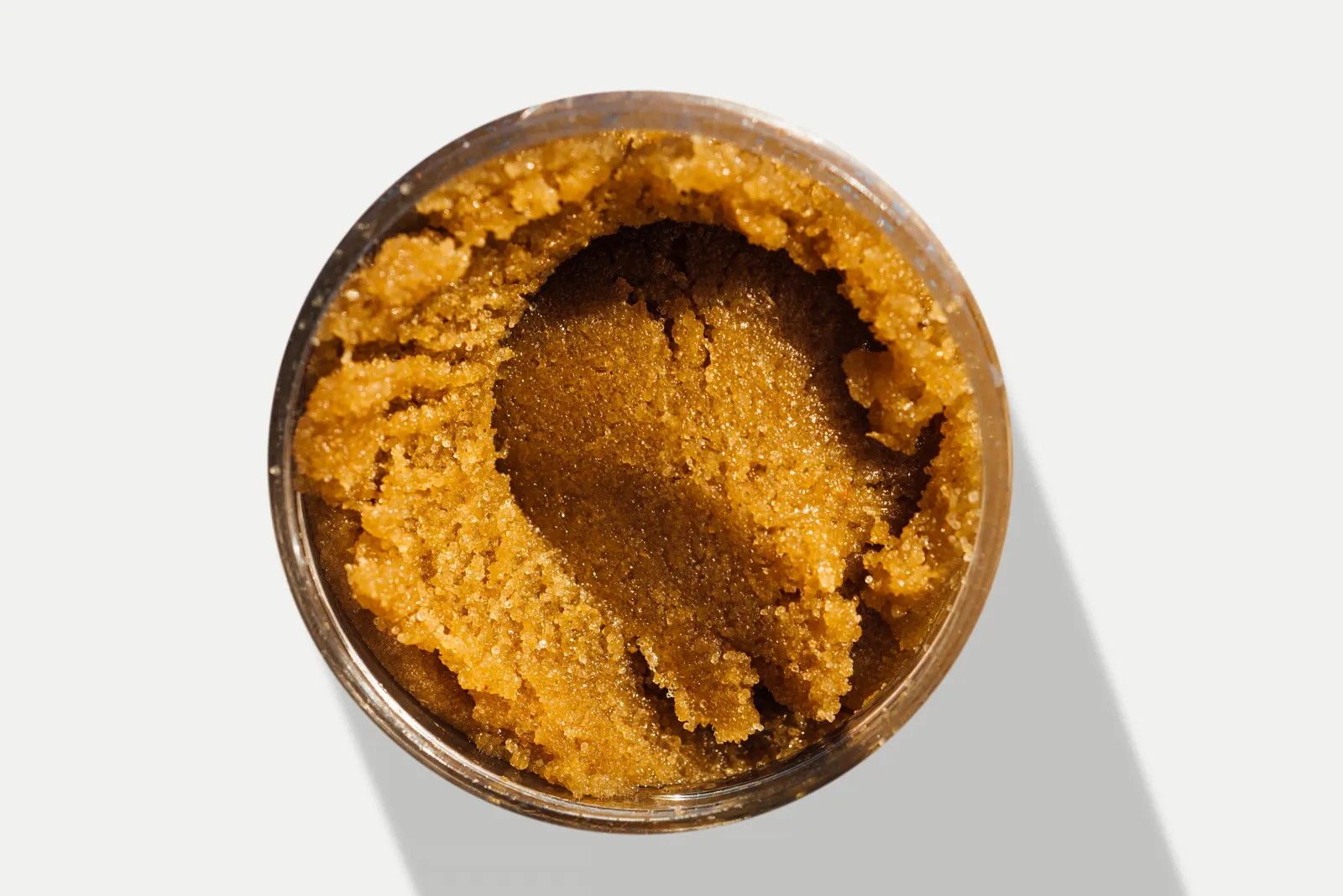 Lip care · BeginnerBrown Sugar & Honey Lip ScrubA two-minute lip scrub of soft brown sugar, honey and sweet almond oil that buffs away flakes and leaves lips smooth and ready for balm.
 Mask · BeginnerHoney & Oat Glow MaskA creamy ten-minute mask of honey, finely ground oats and a little almond oil for skin that looks tired and feels tight. Fresh, single use.
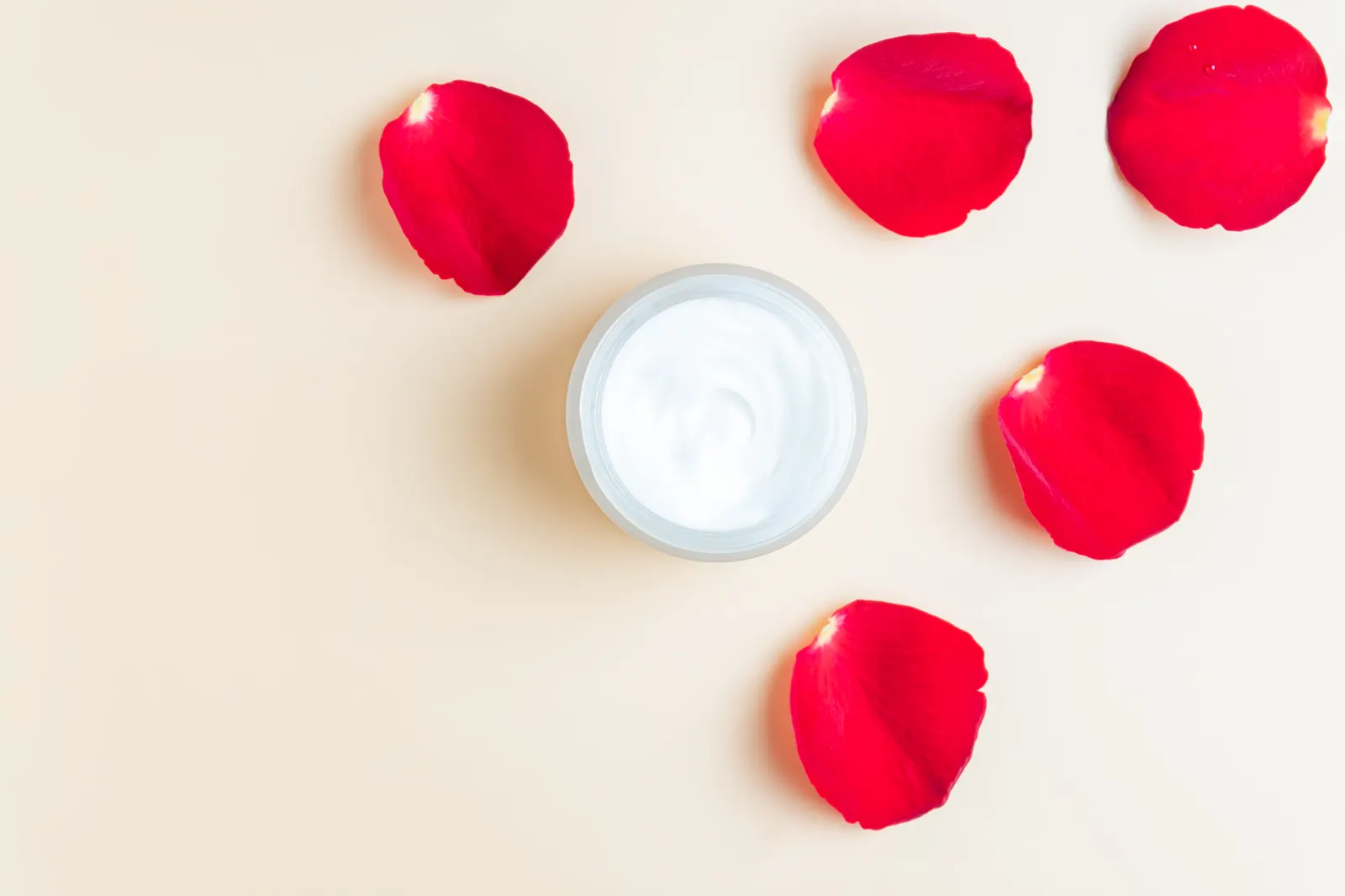 Balm · BeginnerRose & Orange Blossom Hand BalmA silky hand balm of shea, almond and rose-infused oil, lightly scented with neroli and rose geranium — a Moroccan garden in a tin.
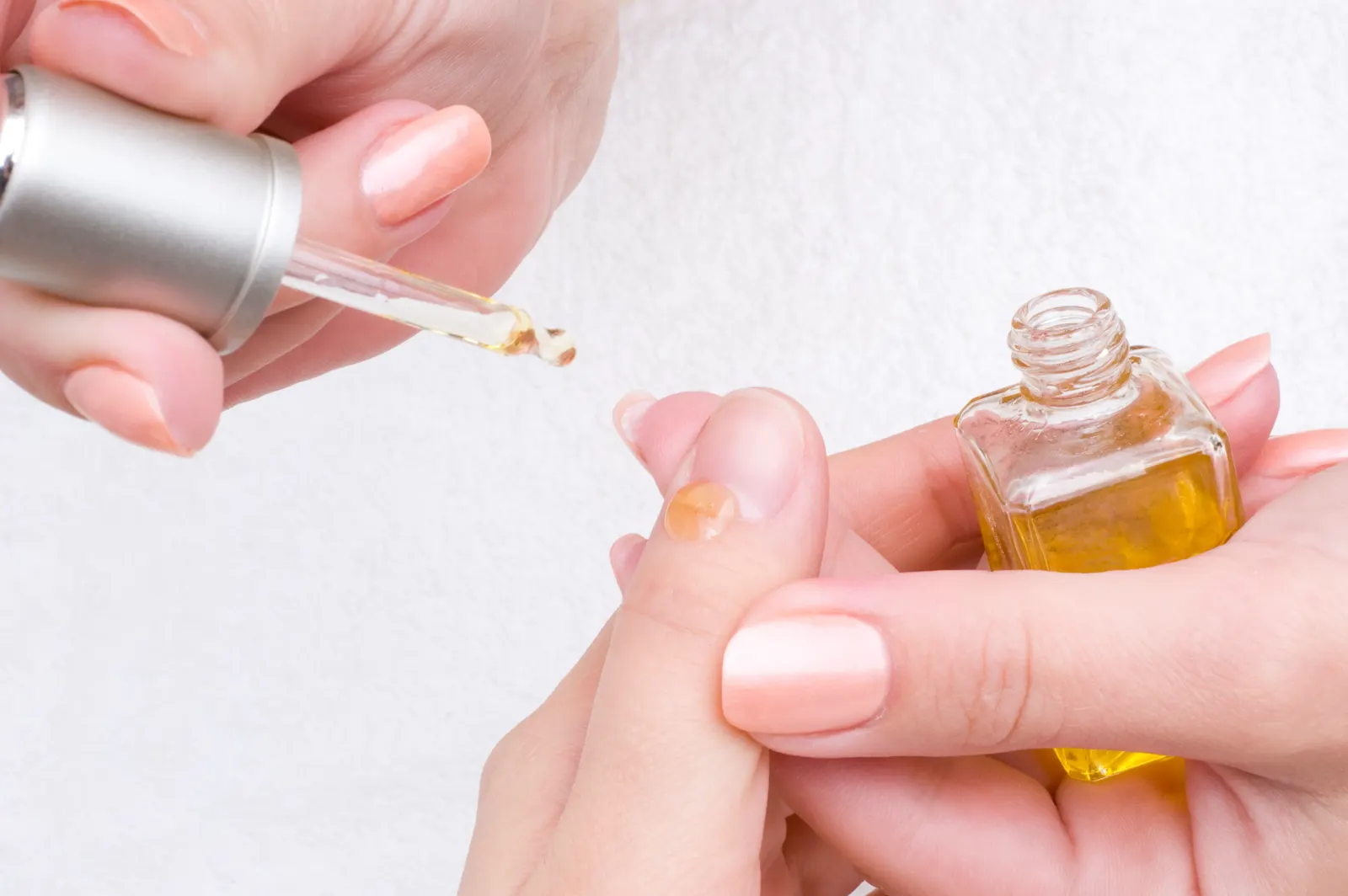 Body care · BeginnerOvernight Cuticle OilA tiny bottle of jojoba, almond, argan and castor oil for ragged cuticles and brittle, peeling nails. One drop per nail before bed.
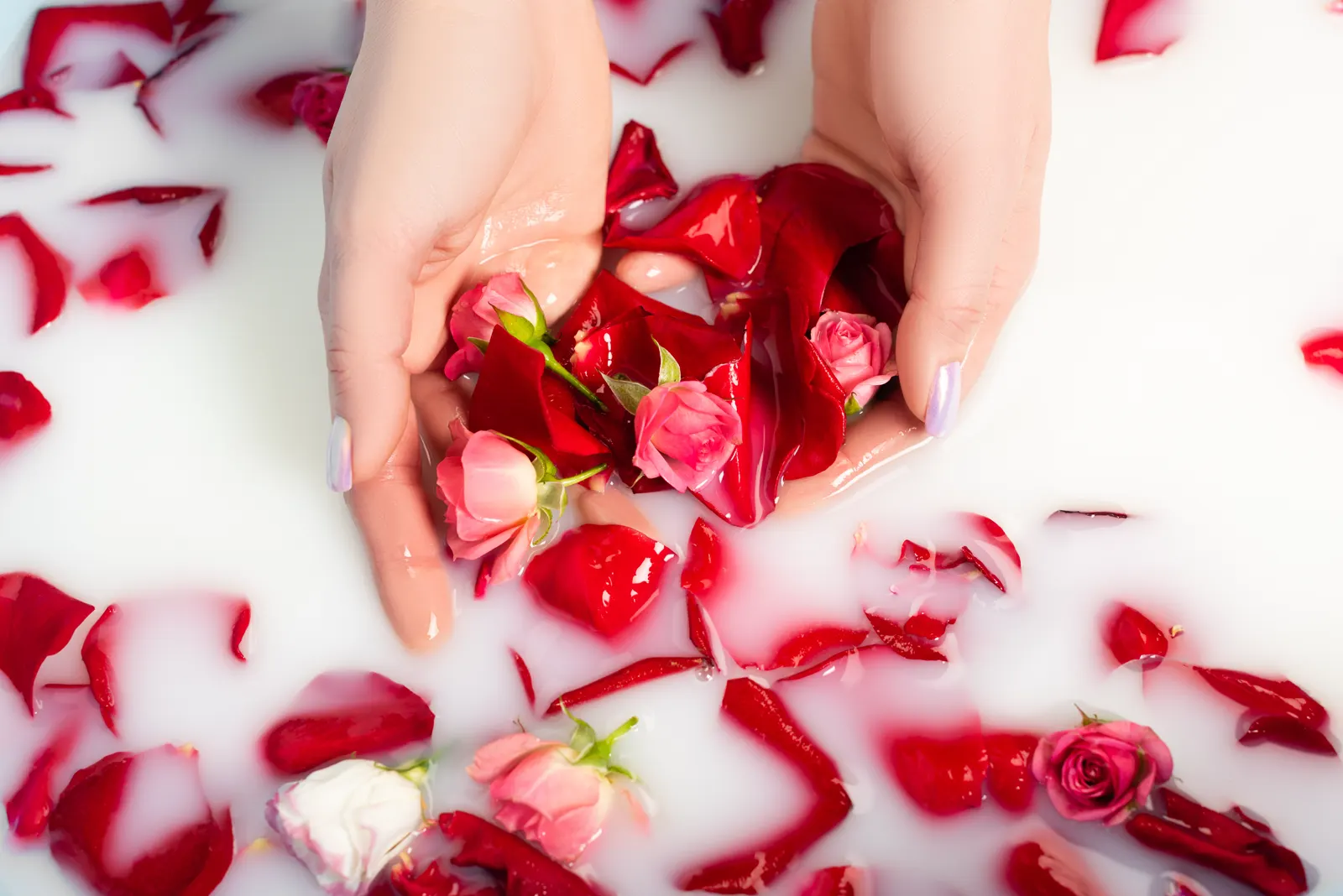 Bath · BeginnerOat Milk & Rose Bath SoakA milk bath of powdered milk, colloidal oatmeal, almond oil and rose petals, tied in a muslin bag for silky water, soft skin and no mess.
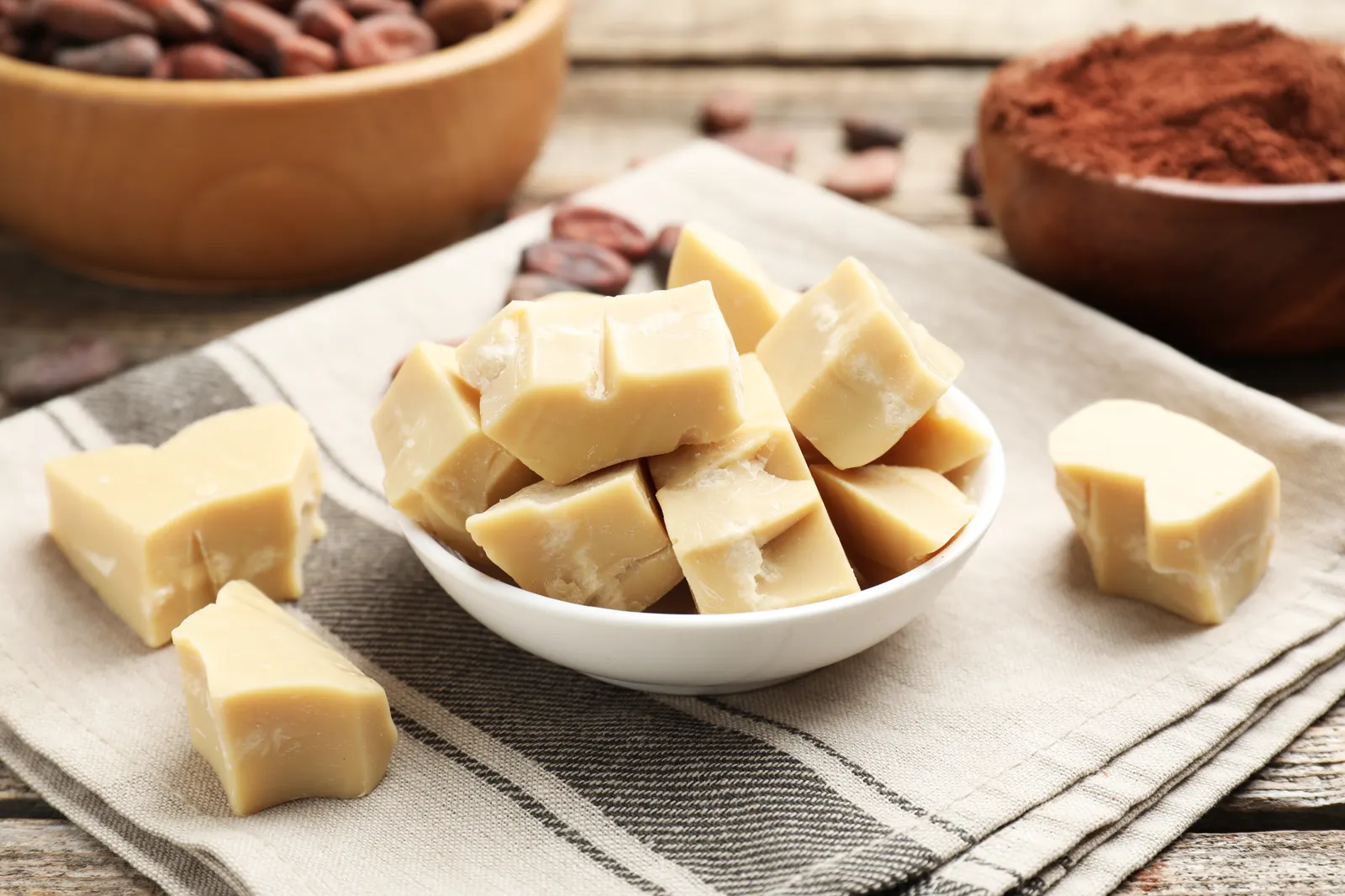 Body care · BeginnerCocoa Butter Winter Body MeltsLittle chocolate-scented melts of cocoa butter, shea and almond oil that soften in your hands and glide over dry winter skin after a shower.
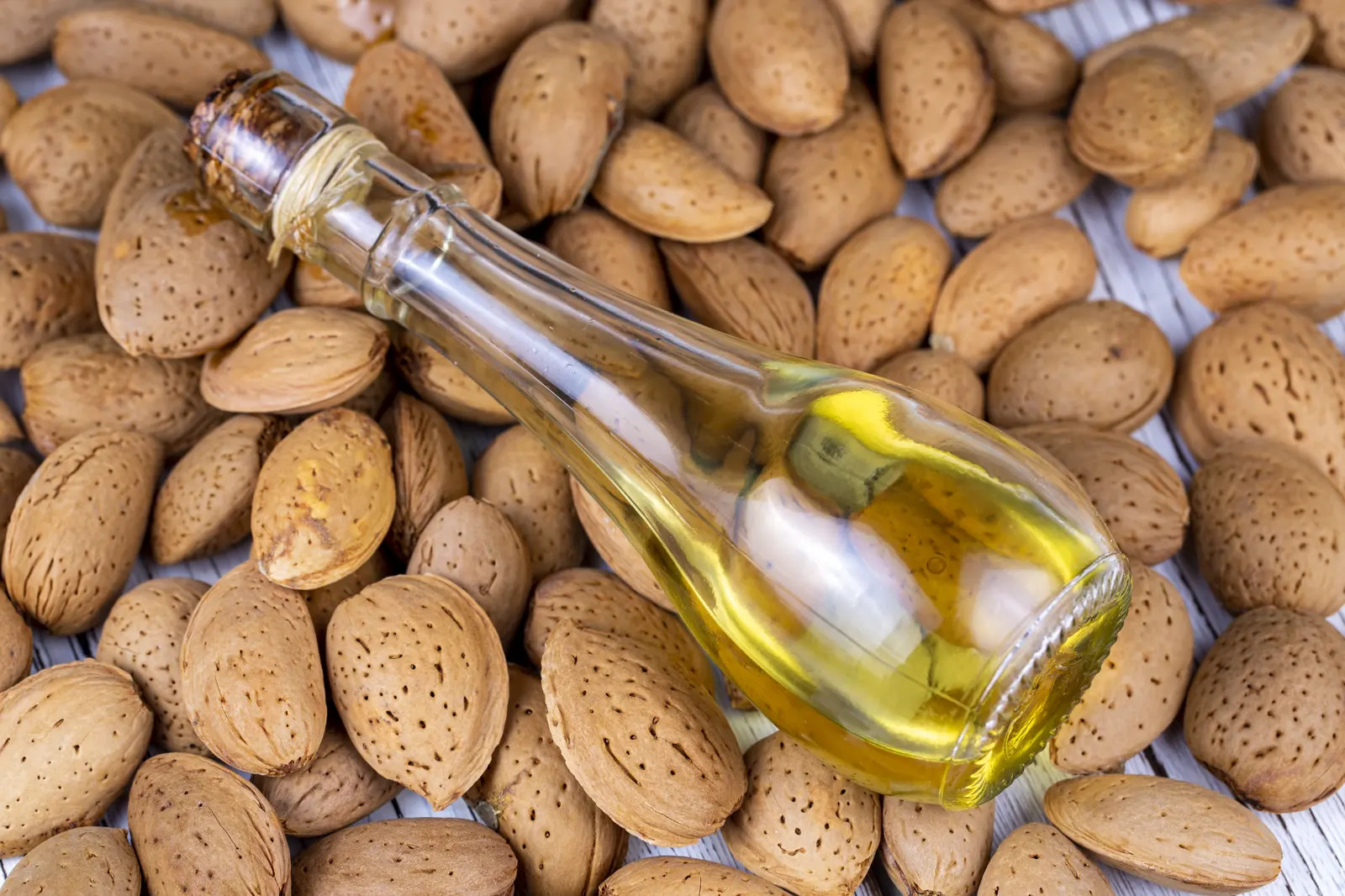 Body care · BeginnerSweet Almond & Vanilla Massage OilA warm, vanilla-infused massage oil of sweet almond and jojoba — silky glide, soft skin and a cozy scent, with no essential oils needed.
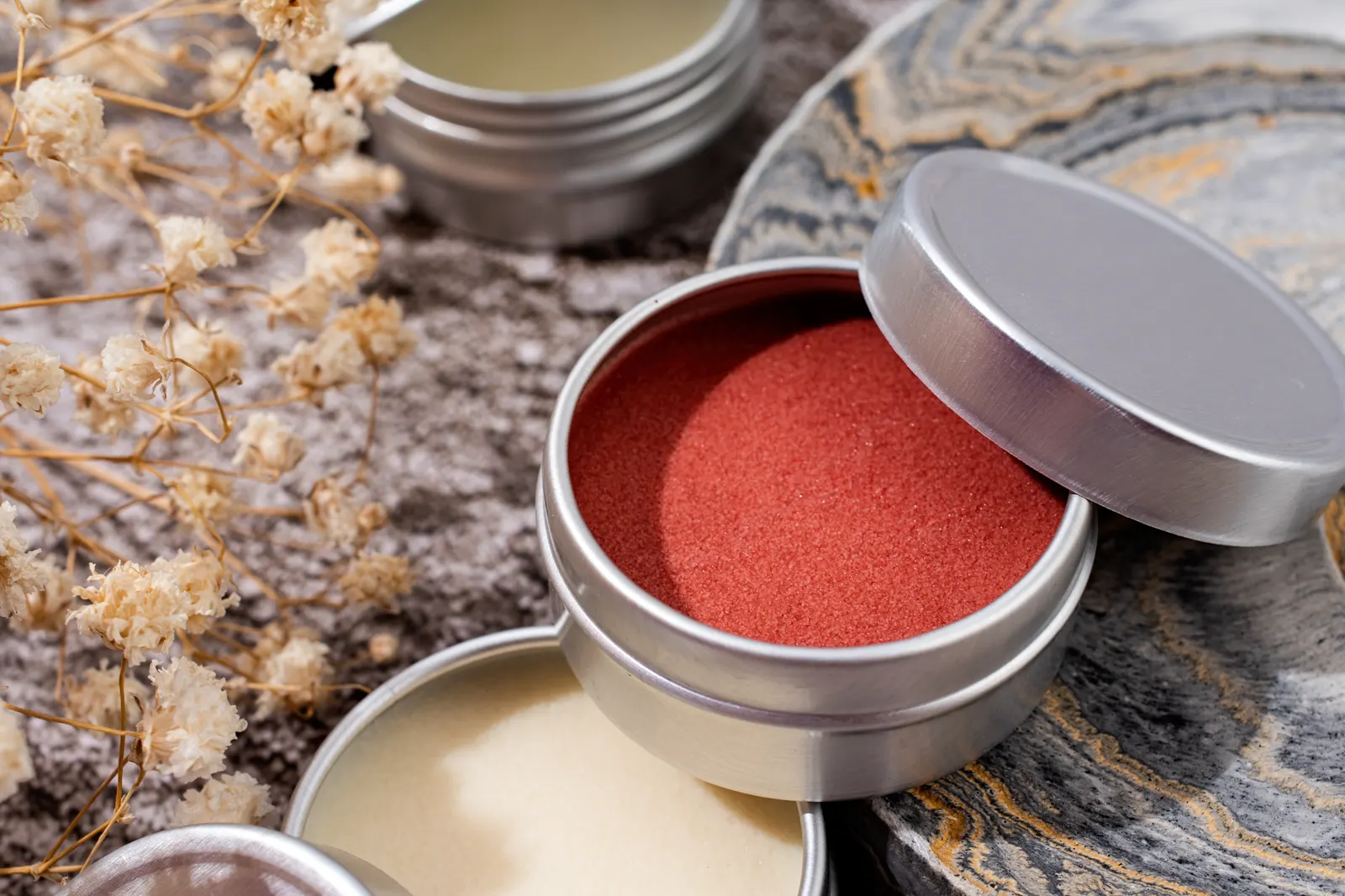 Balm · IntermediateThree-Balm Gift SetOne shea and beeswax base, three little tins: an unscented lip balm, a rose geranium hand balm and a lavender bedtime balm. A handmade gift people use.
Buying well
Sustainability
California grows most of the world’s almonds, largely irrigated and dependent on trucked-in honeybee pollination. Spain is Europe’s largest producer, with many traditional rain-fed (secano) orchards in Andalusia, Murcia, Valencia, Aragon and the Balearics, alongside newer irrigated plantations. Xylella fastidiosa outbreaks have killed almond trees in Alicante and Mallorca. Cosmetic oil is often pressed from broken or undersized kernels, a reasonable by-product use. See Sustainable & Ethical Botanical Sourcing.
How to choose quality
Virgin (cold-pressed) oil is pale golden with a faint nutty smell and keeps more tocopherols; refined oil is paler, nearly odorless and has less protein, which some prefer for allergy-cautious or fragrance-free formulas. Both are good. Red flags: a strong marzipan smell (that is benzaldehyde, i.e. added fragrance or bitter almond), “almond” products where the oil sits at the end of the INCI list, or cloudy oil with a sour smell. Buy in dark glass, store cool and use within about 12 months. See Carrier Oils: The Formulator’s Guide.
The research For professionals
The chemistry, the studies and the evidence by concern, for practitioners, formulators and the curious.
Sweet almond oil is a triglyceride oil dominated by oleic acid (typically about 60–78%), with linoleic acid (roughly 15–30%) and small amounts of palmitic and stearic acids. Its minor fraction contains tocopherols, mostly α-tocopherol, and phytosterols such as β-sitosterol. With moderate polyunsaturated content it keeps reasonably well — longer than rosehip or evening primrose oil, less long than jojoba — provided it is stored cool and dark. Bitter almonds are a different matter: they contain amygdalin, which releases benzaldehyde and hydrogen cyanide. Cosmetic fixed oil is pressed from sweet almonds, and “bitter almond essential oil” is a separate, hazardous product unless it is sold as FFPA (free from prussic acid).
On skin, almond oil works as an emollient and mild occlusive: it fills gaps between corneocytes, softens scale and reduces transepidermal water loss for as long as the film stays put. A caution worth knowing: oleic acid on its own is a well-studied penetration enhancer that can loosen barrier lipids, which is why some dermatologists prefer linoleic-rich oils such as sunflower oil for compromised or newborn skin. Whether almond oil’s oleic content matters in everyday use has not been tested directly. See The Skin Barrier, Explained.
The clinical literature is small. Two Turkish and Iranian trials in pregnant women found less stretch-mark development with almond oil (bitter almond oil with massage in one, sweet almond oil in a three-arm trial with aloe vera in the other) than in untreated controls. Both were unblinded, and the massage itself may matter as much as the oil; a Cochrane review of topical preparations for preventing stretch marks found no high-quality evidence that any cream or oil works. A 2010 review summarizes almond oil’s traditional uses and its emollient and sclerosant history but notes the paucity of clinical data.
Cosmetic almond oil, especially refined oil, carries very little protein, and most people with almond allergy tolerate it. Very little is not none, however, and the main concern is early-life skin exposure: food proteins applied to a damaged barrier, as in infant eczema, are thought to contribute to food-allergy sensitization. Avoid nut oils on eczematous or broken skin in babies and young children.
Key studies
Primiparous women applying bitter almond oil with massage developed fewer stretch marks than those using the oil without massage or untreated controls. Unblinded; suggests massage contributes.
Timur Taşhan S, Kafkasli A. J Clin Nurs. 2012 Read it in the bibliography Find on PubMedThree-arm trial in nulliparous pregnant women: aloe vera gel and sweet almond oil were each associated with less stretch-mark development and erythema than no treatment. Unblinded.
Hajhashemi M, et al. J Matern Fetal Neonatal Med. 2018 Read it in the bibliography Find on PubMedNarrative review of the uses and properties of almond oil: emollient and traditional uses well described, few controlled clinical studies.
Ahmad Z. Complement Ther Clin Pract. 2010 Read it in the bibliography Find on PubMed
MythRubbing almond oil on your belly prevents stretch marks.
EvidenceStretch marks depend largely on genetics, how fast skin stretches and hormones. Two small, unblinded trials suggest almond oil with massage may help a little, but a Cochrane review found no high-quality evidence that any topical product prevents them. Massage with almond oil is pleasant and safe; just don’t expect a guarantee.
In tradition
Almond blossom marks late winter from Málaga’s Axarquía and the Alpujarra to Mallorca, and in Morocco the Anti-Atlas town of Tafraout celebrates it with a festival; Moroccan amlou blends almonds, argan oil and honey. In Unani and South Asian households, almond oil (roghan-e-badam) is a classic oil for hair, skin and infant massage.
Frequently asked questions
Can I use sweet almond oil if I have a nut allergy?
Is sweet almond oil good for the face?
Does almond oil lighten dark circles under the eyes?
What is the difference between sweet and bitter almond oil?
Cite this page
Herbs.Beauty. Sweet Almond Oil (Prunus dulcis (Mill.) D.A.Webb): evidence-based monograph. Updated 26 November 2026. https://herbs.beauty/ingredients/sweet-almond-oil.html