The ingredient encyclopedia · oil
Atlas Cedar
Cedrus atlantica (Endl.) Manetti ex Carrière · Pinaceae
Warm, balsamic and quietly grounding: the scent of Moroccan cedar ceilings, made for scalp and beard oils.
FR Cèdre de l’AtlasES Cedro del AtlasAR أرز الأطلسArz (Arabic and Darija, cedar); qatran (traditional wood tar from cedar or juniper)
- How well proven
- CPromising
- Safety
- Low topical risk
- Sun-sensitive
- No
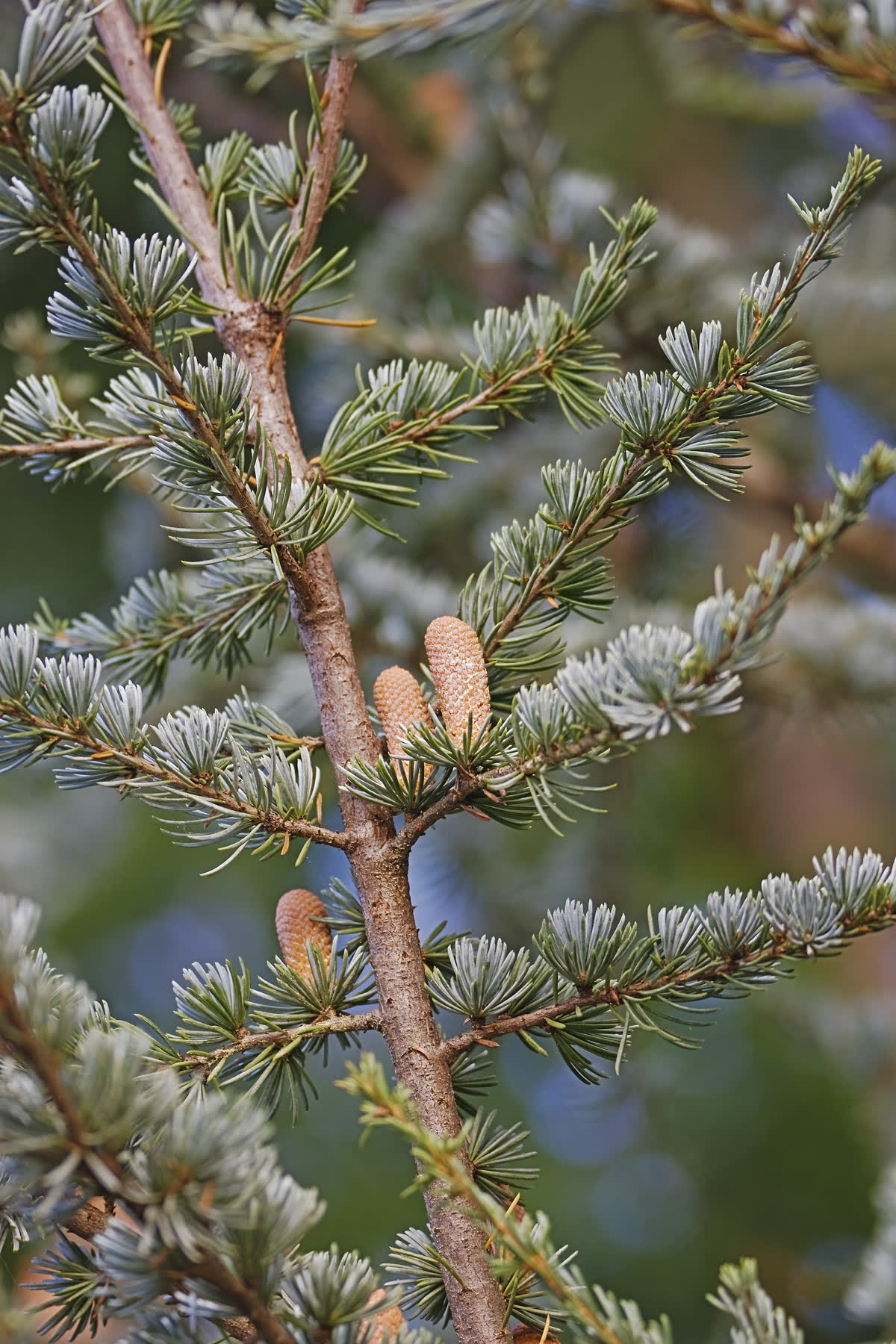
FR Cèdre de l’AtlasES Cedro del AtlasAR أرز الأطلسArz (Arabic and Darija, cedar); qatran (traditional wood tar from cedar or juniper)
What the evidence says
One randomized trial of an essential-oil blend including Atlas cedar for alopecia areata; the oil’s own contribution is unknown, and other data are in vitro.
- What it does
- A grounding woody scent. Warm, dry and balsamic, Atlas cedar anchors scalp oils, beard care, soaps and natural perfumes, and is a natural partner for cistus and frankincense.
- How to use it
- Scalp massage oil · 1–2% total essential oil in a carrier such as jojoba
- Watch out for
- Generally well tolerated when diluted; oxidized oil irritates more, so store it tightly closed and away from heat.
Checked against 1 cited study and our safety review · Updated 26 November 2026 · How we grade
Why you’ll love Atlas Cedar
Why you’ll love it
- A soft, woody scent that feels calm and grounding
- Gentle by essential-oil standards when it is properly diluted
- Part of a trial-tested blend for scalp massage
Best forScalp massage oils, beard care and woody natural perfumes.
Try it today
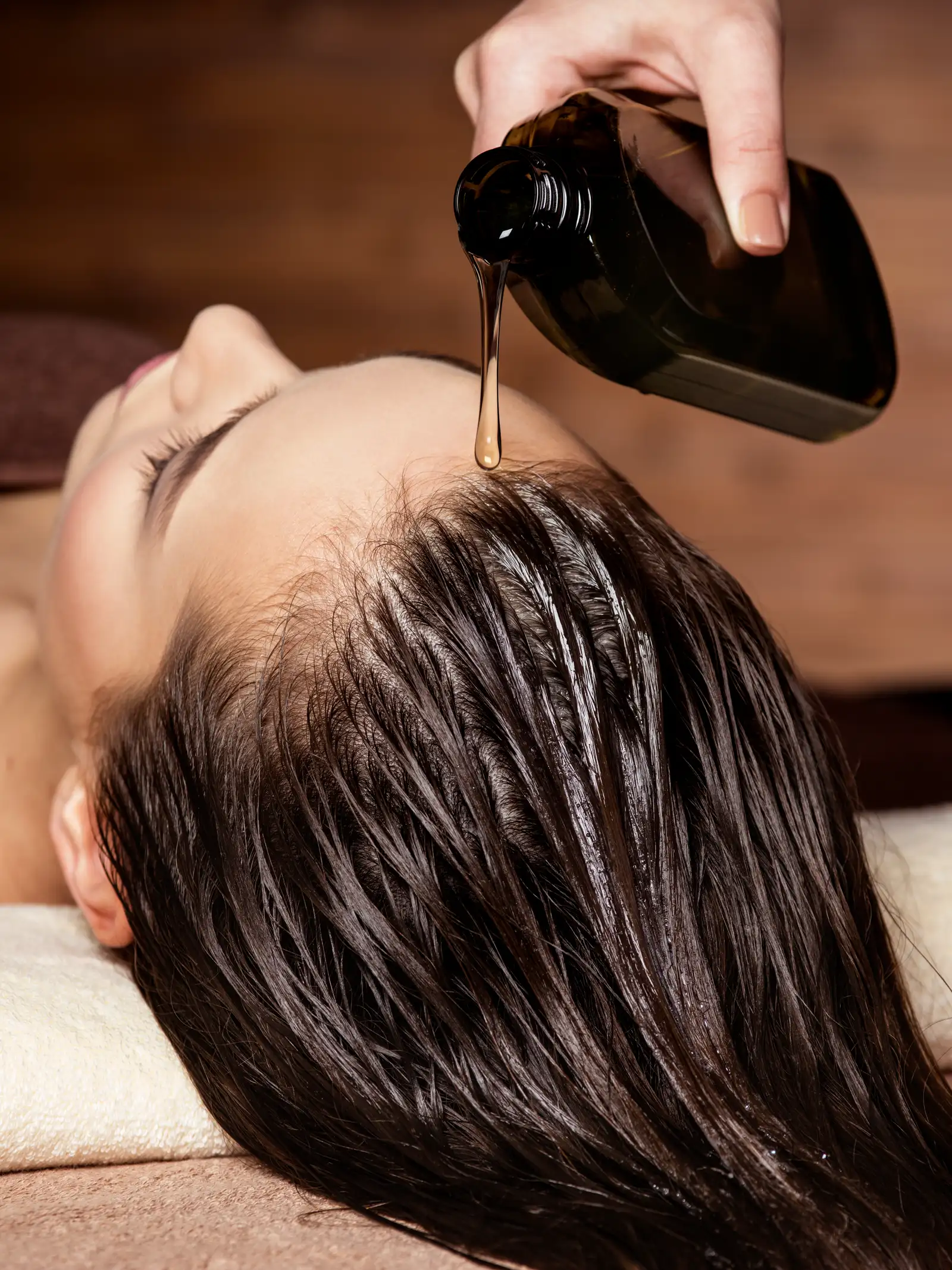
An evening cedar scalp massage
- Add Atlas cedar oil to a carrier such as jojoba at 1–2%; a dilution calculator does the math.
- Patch test the blend on your inner arm, then massage a little into your scalp for 2–3 minutes.
- Leave it on for an hour or overnight, then shampoo as usual.
Good to know: Check for Cedrus atlantica on the label: many “cedarwood” oils are juniper. The tree is Endangered, so buy from careful, traceable sources.
At a glance
| Parts used | Essential oil steam-distilled from wood chips and sawdust (ideally sawmill by-products); traditional wood tar |
|---|---|
| Key actives | β-Himachalene, α- and γ-Himachalenes, (E)-α-Atlantone and (E)-γ-atlantone |
| INCI names | Cedrus Atlantica Bark Oil Cedrus Atlantica Wood Oil |
| Skin types | oily, combination, normal |
| Hair & scalp | oily scalp |
| Pairs well with | RosemaryThymeLavenderJojoba |
| Evidence grade | CPromising One randomized trial of an essential-oil blend including Atlas cedar for alopecia areata; the oil’s own contribution is unknown, and other data are in vitro. |
What it does for skin and hair
A grounding woody scent
Warm, dry and balsamic, Atlas cedar anchors scalp oils, beard care, soaps and natural perfumes, and is a natural partner for cistus (labdanum) and frankincense.
Part of a trial-tested scalp blend
Atlas cedarwood was one of four essential oils in the randomized alopecia areata trial in which the blend outperformed carrier oil alone. See Thinning Hair & Hair Loss.
Gentle by essential-oil standards
Its sesquiterpene-rich oil contains essentially none of the common EU-labeled fragrance allergens and is rarely irritating when properly diluted.
Antifungal and repellent in the lab
The oil inhibits some fungi and repels insects in laboratory tests, a rationale for its traditional use on the scalp and in linen cupboards.
How to use it
Start low, be consistent, and give it four to eight weeks. These are the amounts that work in real products and home recipes.
| Form | Typical use level | Notes |
|---|---|---|
| Scalp massage oil | 1–2% total essential oil in a carrier such as jojoba | Combine with rosemary, thyme (linalool type) or lavender; massage for 2–3 minutes and leave overnight or for an hour before washing. |
| Face, beard and body oils | 0.5–1% on the face and beard, up to 2% on the body | Use the Essential Oil Dilution Calculator. The oil is viscous; warm the bottle in your hand if it pours slowly. |
| Soaps, shampoos and deodorants | 0.5–2% of the formula | A good base note that helps lighter scents last. See Essential Oil Safety: The Complete Guide. |
Use it safely
Low topical risk
- Generally well tolerated when diluted; oxidized oil irritates more, so store it tightly closed and away from heat. Patch test new blends.
- Do not substitute “cedarwood” oils from junipers for Atlas cedar; check the Latin name.
- Keep away from the eyes and do not use essential oils on infants.
- Sudden, patchy or rapid hair loss needs a dermatologist’s assessment before any home remedy.
- Pregnancy & breastfeeding
- No specific hazard is documented, but data are lacking. If used in pregnancy or breastfeeding, keep it to ≤ 1% and skip the first trimester as a general precaution. Pregnancy guide
- Phototoxicity
- Not phototoxic at normal use levels.
- Declared fragrance allergens
- None expected
New to an ingredient? Patch test first. Stop and seek advice if you get burning, swelling, blistering or a spreading rash.
Make it at home: recipes with atlas cedar
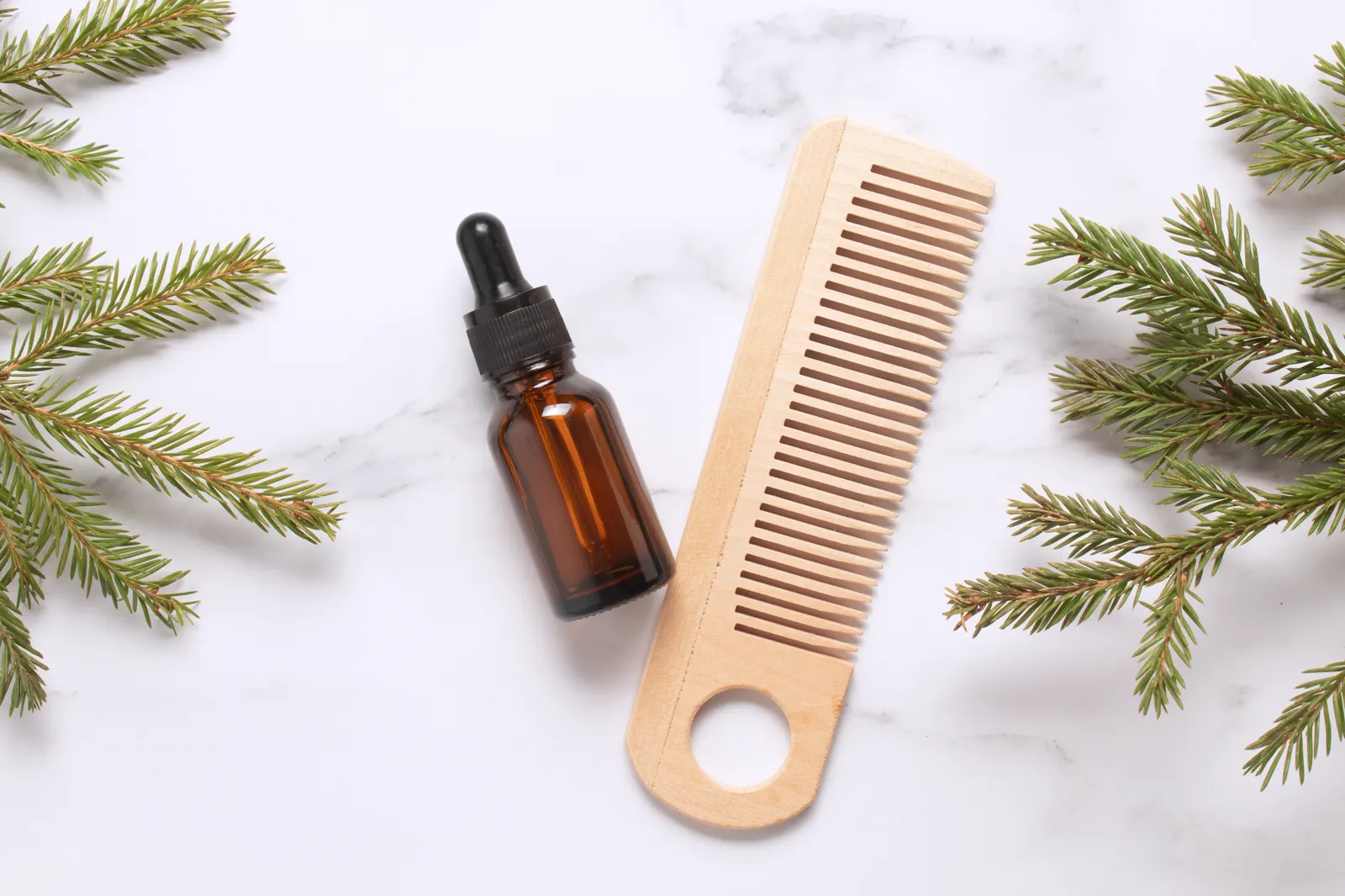 Face oil · BeginnerArgan & Jojoba Beard OilA light, woody beard oil of jojoba, argan and sunflower with a hint of Atlas cedar that softens bristles and calms the itchy skin beneath.
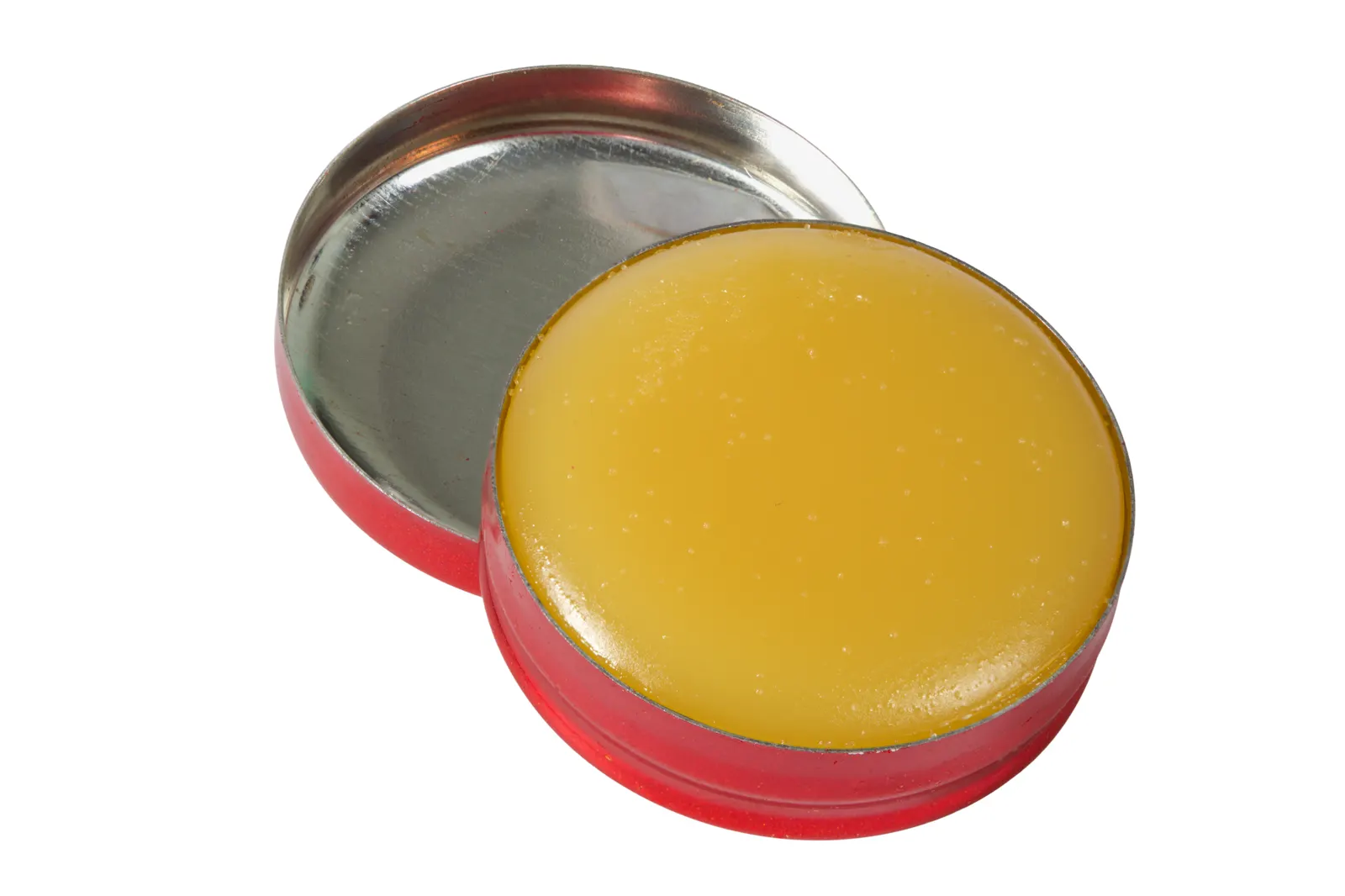 Balm · BeginnerJojoba & Beeswax Solid PerfumeA pocket-sized solid perfume of jojoba and beeswax with a soft, low-dose blend of lavender, Atlas cedar, sandalwood and neroli.
Buying well
Sustainability
Cedrus atlantica is listed as Endangered on the IUCN Red List: its forests in Morocco and Algeria have declined through overgrazing, illegal logging, drought-driven dieback and fire. They are also the last stronghold of the Endangered Barbary macaque. Choose oil distilled from regulated sawmill residues or deadwood, from suppliers who can document origin and legal harvest, and use it sparingly. See Sustainable & Ethical Botanical Sourcing.
How to choose quality
Look for Cedrus atlantica on the label, Moroccan origin and a GC-MS report showing himachalenes and atlantones. Good oil is golden to amber, viscous, and smells sweet-woody and balsamic. Red flags: “cedarwood oil” with no species named, a sharp pencil-shavings smell (typical of juniper “cedarwood”), or a suspiciously low price. Sesquiterpene oils age well, but still store cool, dark and tightly closed.
The research For professionals
The chemistry, the studies and the evidence by concern, for practitioners, formulators and the curious.
Atlas cedar oil is dominated by himachalenes — β-himachalene usually being the largest single component, with α- and γ-himachalene — together with atlantones, sesquiterpene ketones that give its sweet, slightly fruity-woody depth. Its chemistry closely resembles Himalayan cedar oil (Cedrus deodara). It is quite different from the cheaper oils sold simply as “cedarwood”: Virginian and Texas cedarwood come from junipers (Juniperus virginiana, J. ashei) and Chinese cedarwood from a cypress, all rich in cedrol and thujopsene.
The best-known human evidence is the 1998 trial by Hay and colleagues in alopecia areata, in which a nightly scalp massage with thyme, rosemary, lavender and Atlas cedarwood oils in jojoba and grapeseed oil led to improvement in 44% of patients versus 15% with carrier oil alone after seven months. It has not been replicated; alopecia areata is autoimmune and can remit spontaneously, and the role of each oil — or of the nightly massage — cannot be separated. There are no trials of Atlas cedar for common pattern hair loss or dandruff.
In the lab, the oil and its himachalenes show antifungal, antibacterial and insect-repellent activity. Those findings explain traditional uses but do not establish benefits on human skin or scalp.
Key studies
Randomized, double-blind trial in 86 people with alopecia areata: a nightly scalp massage blend of Atlas cedarwood, thyme, rosemary and lavender oils in carrier oil improved 44% versus 15% with carrier alone over seven months.
Hay IC, Jamieson M, Ormerod AD. Arch Dermatol. 1998 Read it in the bibliography Find on PubMed
MythCedarwood oil regrows hair.
EvidenceThe only trial used Atlas cedar in a four-oil blend, in alopecia areata — an autoimmune condition — and has not been repeated. There is no evidence that Atlas cedar alone regrows hair or treats pattern hair loss. Proven options such as minoxidil come first; see Thinning Hair & Hair Loss.
In tradition
Atlas cedar wood is carved and painted into the ceilings, doors and screens of Moroccan palaces, madrasas and riads, and its scent is part of the souks of Fez and Marrakech. Traditional qatran, a dark tar distilled from cedar or juniper wood, is a folk remedy for scalp and skin across the Maghreb — a crude, phenolic product quite unlike the essential oil and not for home use.
Frequently asked questions
Does cedarwood oil help hair growth?
What is the difference between Atlas cedar and Virginian cedarwood oil?
Is Atlas cedarwood oil safe on skin?
Is the Atlas cedar endangered?
Cite this page
Herbs.Beauty. Atlas Cedar (Cedrus atlantica (Endl.) Manetti ex Carrière): evidence-based monograph. Updated 26 November 2026. https://herbs.beauty/ingredients/atlas-cedar.html