The ingredient encyclopedia · herb
Henna
Lawsonia inermis · Lythraceae
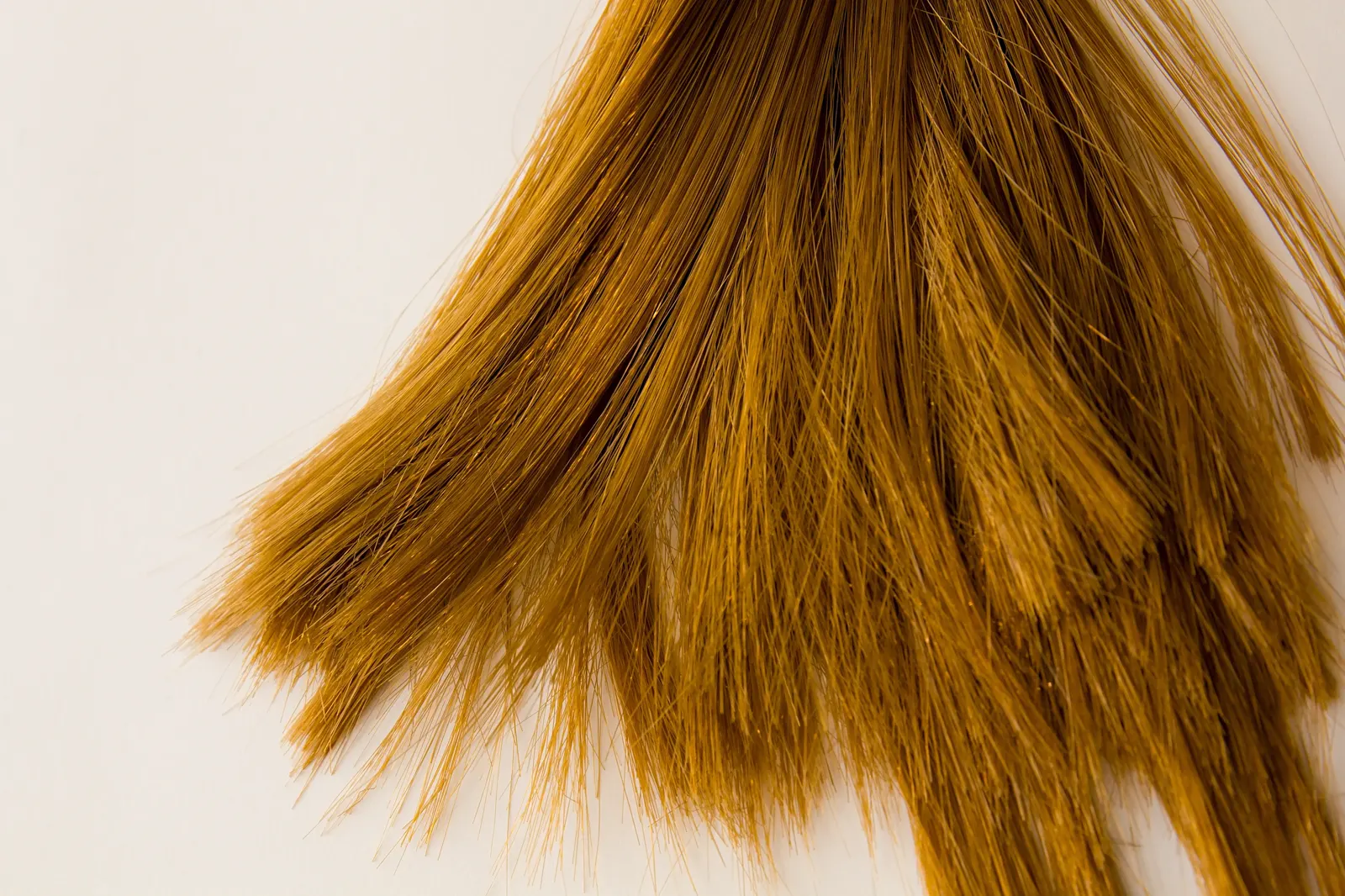
Pure henna paints hair in glowing copper and red, a slow, ancient ritual of color and shine.
FR HennéES Alheña (henna)AR الحناءLḥenna (Darija); Mehndi (Hindi)
- How well proven
- BGood evidence
- Safety
- Use with care
- Sun-sensitive
- No
- Best for
- Dry, Damaged & Frizzy Hair
FR HennéES Alheña (henna)AR الحناءLḥenna (Darija); Mehndi (Hindi)
What the evidence says
Its dyeing action is chemically well characterized and reliable; claims beyond color (strengthening, growth, anti-dandruff) are traditional or lab-based only.
- What it does
- Permanent red-to-copper color. Lawsone binds to hair keratin, giving lasting color that deepens over 48 hours and does not wash out; it fades only slightly over time.
- How to use it
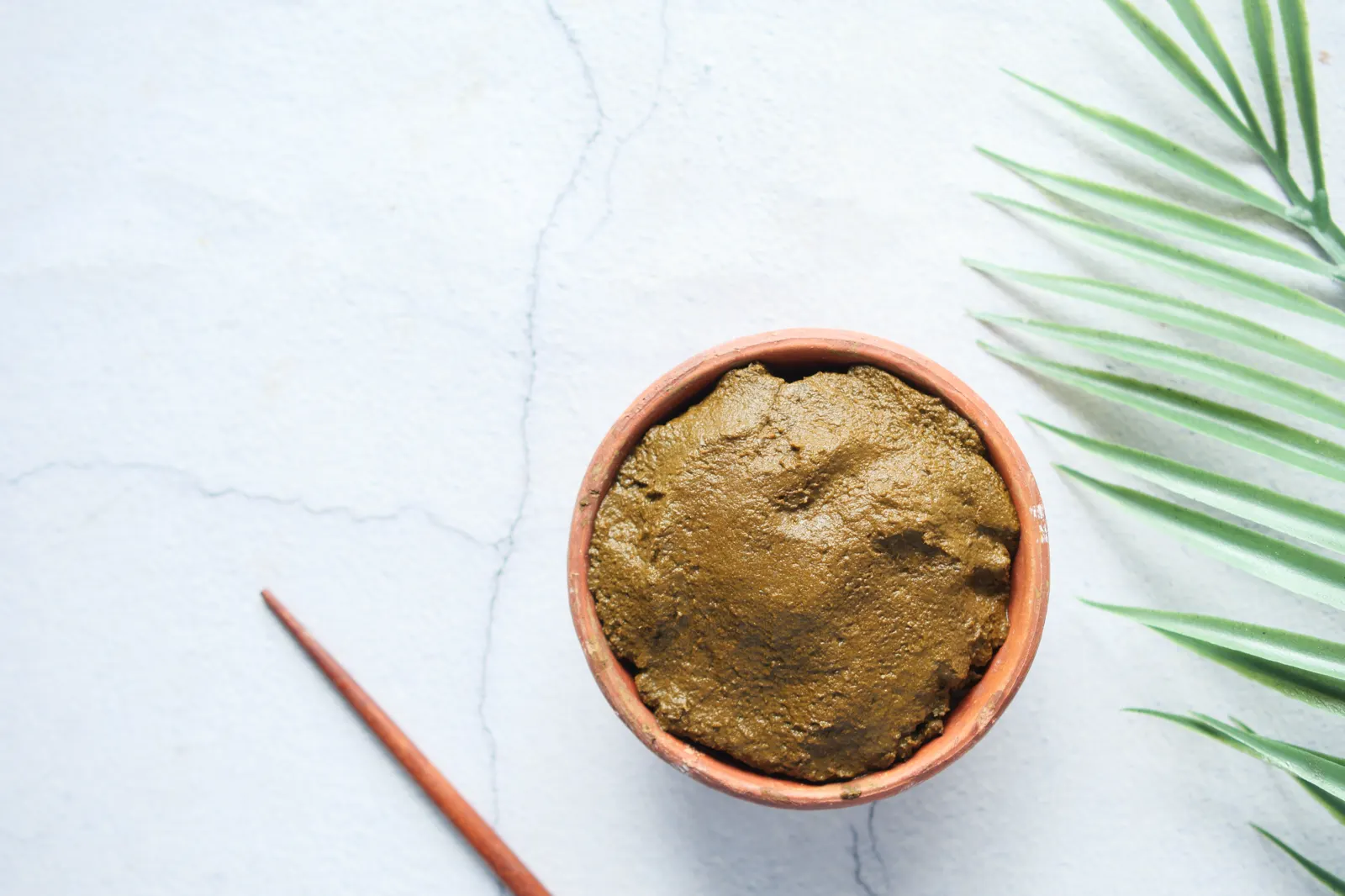
- Hair color paste · 100 g body-art-quality powder for shoulder-length hair (mixed to a yogurt-like paste)
- Watch out for
- Never use “black henna.” It is frequently adulterated with PPD and can cause blistering, scarring and lifelong allergy to hair dyes.
Checked against 1 cited study and our safety review · Updated 26 November 2026 · How we grade
Why you’ll love Henna
Why you’ll love it
- Rich, lasting red-to-copper color from a single plant
- Adds body and a glossy shine
- Covers grays too, with a little patience
Best forAnyone wanting natural red or copper tones, or patient, plant-based gray coverage.
Try it today
A henna strand test
- Patch test pure, body-art-quality henna on your skin before first use: twice daily for 7 days, read at 48 and 96 hours.
- Mix a spoonful with a mildly acidic liquid, let the dye release, then paint a hidden strand.
- Rinse, let the color deepen over a day or two, then decide on a full application.
Good to know: Never use “black henna”: it often hides PPD, which can burn skin and cause lifelong dye allergy. Keep henna off babies and young children.
At a glance
| Parts used | Dried, powdered leaf |
|---|---|
| Key actives | Lawsone (2-hydroxy-1,4‑naphthoquinone), Hennosides (lawsone precursors), Tannins, Flavonoids, Gallic acid |
| INCI names | Lawsonia Inermis Leaf Powder Lawsonia Inermis Leaf Extract |
| Hair & scalp | fine, oily scalp, color treated |
| Pairs well with | Amla (Indian Gooseberry)HibiscusArgan Oil |
| Evidence grade | BGood evidence Its dyeing action is chemically well characterized and reliable; claims beyond color (strengthening, growth, anti-dandruff) are traditional or lab-based only. |
What it does for skin and hair
Permanent red-to-copper color
Lawsone binds to hair keratin, giving lasting color that deepens over 48 hours and does not wash out; it fades only slightly over time.
Adds body and shine
The coating effect can make fine hair feel thicker and glossier; some people with dry or curly hair find it drying and follow with a rich conditioner.
Gray coverage (with patience)
On gray hair pure henna gives bright orange-copper; mixing or following with indigo produces browns to black.
Ceremonial body art
On skin, fresh pure henna paste gives a temporary orange-brown stain lasting one to three weeks.
How to use it
Start low, be consistent, and give it four to eight weeks. These are the amounts that work in real products and home recipes.
| Form | Typical use level | Notes |
|---|---|---|
| Hair color paste | 100 g body-art-quality powder for shoulder-length hair (mixed to a yogurt-like paste) | Mix with a mildly acidic liquid, let dye release 4–12 h at room temperature, apply to clean hair for 2–4 h, then rinse. Color oxidizes and deepens over 1–2 days. See Pure Henna Hair Color. |
| Henna + indigo (browns to black) | From 2:1 to 1:2 henna:indigo, or a two-step process | Indigo (Indigofera tinctoria) is what makes natural henna dark, not chemicals. Do a strand test first. |
| Gloss or conditioning treatment | 10–30% henna in a mask with amla (Indian gooseberry) | Amla tones down red; shorter applications give subtler color, but some color is always deposited on light hair. |
| Body art (mehndi) | Fine-sifted pure powder; essential oil “terps” at ≤ about 2–3% of the paste | Use oils rich in monoterpene alcohols sparingly; more is not better and increases irritation. Never use paste of unknown composition or any “black” paste. |
Use it safely
Use with care
- Never use “black henna.” It is frequently adulterated with PPD and can cause blistering, scarring and lifelong allergy to hair dyes. If a temporary tattoo itches, burns or blisters, wash it off and see a doctor.
- Do not apply henna to infants or young children, particularly if G6PD deficiency is possible; it can cause severe hemolysis (signs: pallor, dark urine, jaundice, lethargy — seek urgent care).
- Avoid “compound” henna with metallic salts. Strand-test before bleaching, perming or using oxidative dye over henna, and tell your colorist you have used it.
- Patch test pure henna before first use, as in our guide (twice daily for 7 days, read at 48 and 96 hours); reactions to pure henna are rare but possible. Wear gloves and avoid inhaling the dust.
- Pregnancy & breastfeeding
- Pure henna has a long tradition of use in pregnancy and absorption through skin is low; avoid black henna and any product with added PPD or unknown ingredients. Pregnancy guide
- Phototoxicity
- Not phototoxic at normal use levels.
- Declared fragrance allergens
- None expected
New to an ingredient? Patch test first. Stop and seek advice if you get burning, swelling, blistering or a spreading rash.
Make it at home: recipes with henna
Buying well
Sustainability
Henna is a cultivated shrub (India, especially Rajasthan, is the main producer; also Morocco, Sudan, Yemen, Egypt and Pakistan). Not threatened. The main quality issues are adulteration, contamination, and old, low-lawsone powder.
How to choose quality
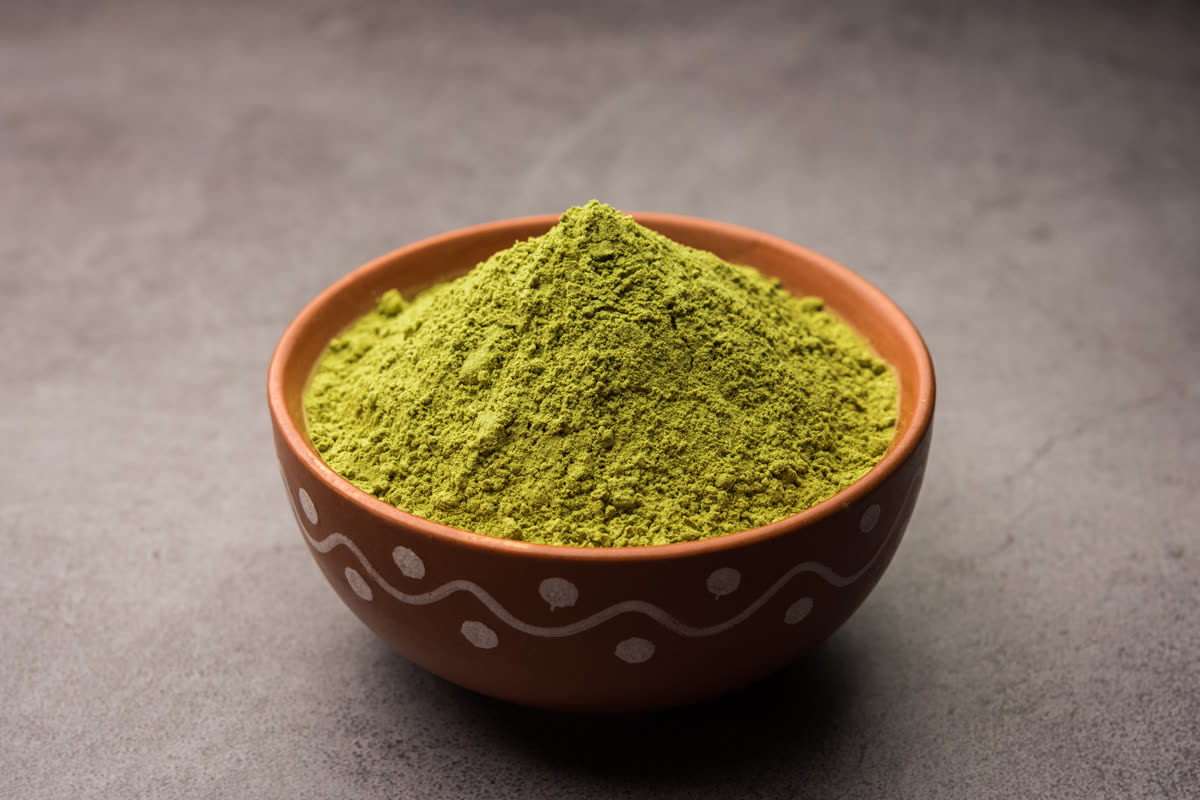
Buy “body art quality” (BAQ) henna with a recent crop date and a single ingredient: Lawsonia inermis. Pure henna powder is green to khaki and smells grassy. Red flags: “black henna,” “instant” results, hair color promised in under an hour, or packets that do not list ingredients. Store sealed, cool and dark; freeze mixed paste.
The research For professionals
The chemistry, the studies and the evidence by concern, for practitioners, formulators and the curious.
Henna leaves contain hennosides, glycosides that release lawsone (2-hydroxy-1,4‑naphthoquinone) when the crushed leaf is mixed with water and left to “dye release,” a process favored by a mildly acidic paste. Good leaf powder typically contains lawsone in the range of about 0.5–2%. Lawsone reacts with keratin proteins in hair, nails and the outer skin layer, forming a stable bond (a Michael addition), which is why henna color is permanent on hair and lasts until skin cells shed. Henna produces only red-orange tones; any “black,” “brown” or “neutral” henna is either blended with other plants (indigo, Cassia) or adulterated.
“Black henna” and PPD. Temporary black tattoos are frequently made with para-phenylenediamine (PPD), an oxidative hair-dye ingredient, sometimes at concentrations far higher than permitted in hair dyes. In the EU, PPD is allowed only in hair dyes (with limits and warnings) and is not permitted in products for skin. Applied to skin as “henna,” it commonly causes allergic contact dermatitis, blistering, scarring and long-lasting light or dark patches, and it can sensitize for life: the person may later react severely to hair dye and cross-react with related chemicals. EU hair-dye packs carry the warning that temporary black henna tattoos may increase the risk of allergy.
G6PD deficiency. Lawsone is an oxidant. In infants and young children with G6PD deficiency (common around the Mediterranean, Middle East, Africa and South Asia), henna applied to skin has caused acute, sometimes life-threatening, hemolysis. Compound henna containing metallic salts (lead, copper, nickel or silver compounds) is another problem: it can react violently with hydrogen peroxide in bleach or perms, producing heat and breakage. Pure henna allergy is uncommon but reported, and inhaled henna dust can cause occupational asthma in hairdressers.
Key studies
Report of infants with G6PD deficiency who developed severe, potentially life-threatening hemolysis after henna was applied to their skin.
Raupp P, et al. Arch Dis Child. 2001 Read it in the bibliography Find on PubMed
Myth“Black henna” is just a stronger, darker natural henna.
EvidenceNatural henna only dyes red-orange. Black temporary tattoos usually contain PPD, a chemical that can cause severe skin reactions and permanent allergy.
In tradition
In Morocco, lḥenna marks life’s thresholds: the bride’s henna night before a wedding, Eid, births and pilgrimages, with intricate designs painted by a neqqasha. Women across North Africa also use it to condition and color hair. See Moroccan Beauty Rituals: Hammam, Rhassoul & Argan.
Frequently asked questions
Is black henna safe?
Can I dye my hair with box dye after henna?
Does henna cover gray hair?
Is henna safe during pregnancy?
Cite this page
Herbs.Beauty. Henna (Lawsonia inermis): evidence-based monograph. Updated 26 November 2026. https://herbs.beauty/ingredients/henna.html