World traditions · Mexico, Central & South America and the Caribbean
The Latin American Garden
Cacao, avocado, aloe and the butters of the Amazon
A garden that fed the world
Think of what the Americas gave the world’s kitchens: chocolate, avocado, vanilla, tomato, chili, maize, potato. Many of the same plants found their way onto skin. A ripe avocado mashed into dry hair, cocoa butter rubbed into cracked heels, an aloe leaf split open over a kitchen burn: these habits began in gardens and kitchens long before they reached a jar.
This is not one tradition. The region is home to hundreds of Indigenous peoples, from the Nahua, Maya, Mixtec and Zapotec of Mexico and Central America to the Quechua and Aymara of the Andes and the many nations of the Amazon basin. African knowledge arrived with enslaved people and shaped the herbal baths and healing of the Caribbean and Brazil. Spanish and Portuguese ships brought aloe, rosemary, chamomile, citrus and coffee, which quickly put down roots in local medicine.
What follows is a tour, not an inventory, staying close to the plants you can actually buy.
Cacao: from sacred drink to skin butter
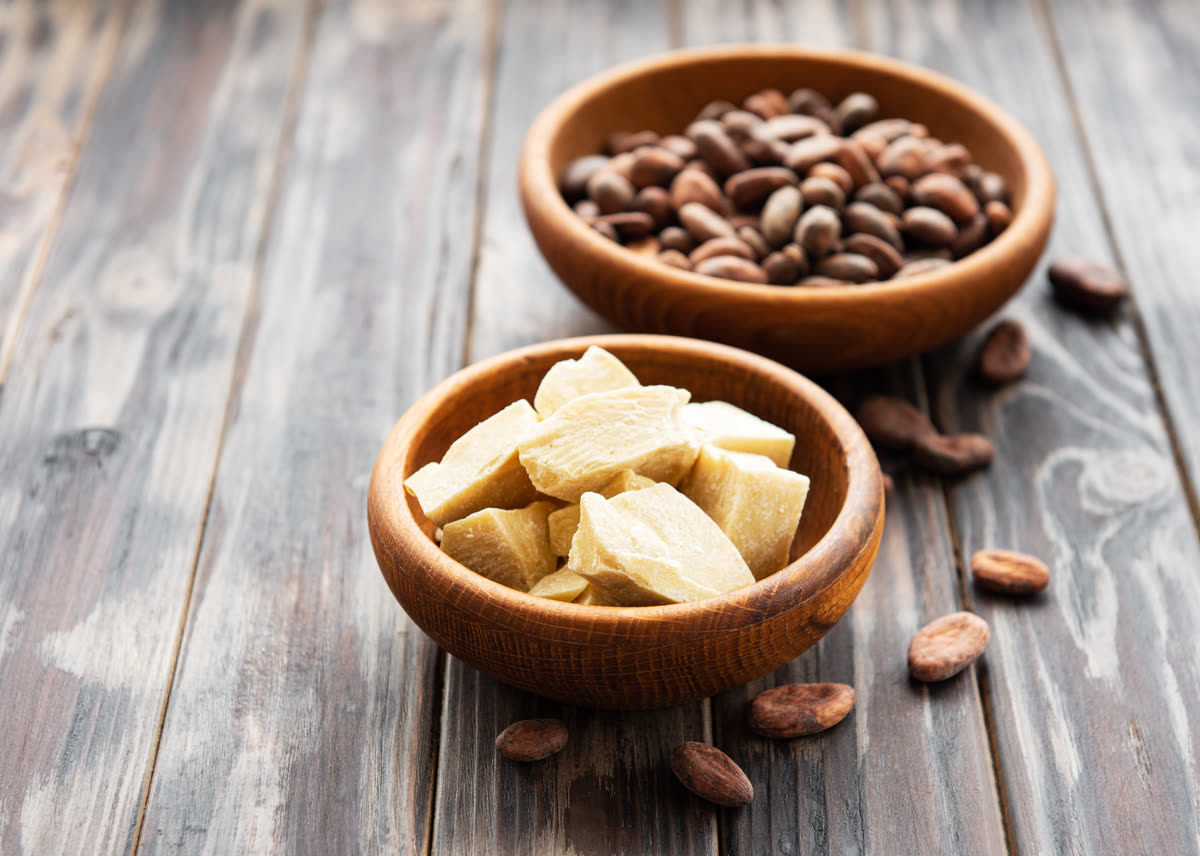
The cacao tree, Theobroma cacao, is a small understory tree of the tropical forest that bears its pods straight from the trunk. Its genus name means “food of the gods”. Archaeologists have found chemical traces of cacao on pottery in southeastern Ecuador more than five thousand years old. Later the Olmec, the Maya and the Mexica (Aztecs) turned roasted beans into a frothy, often spiced drink served at feasts, offerings and weddings. Among the Mexica, cacao beans were valuable enough to be used as money.
Cocoa butter, the pale fat inside the bean, became a product of its own much later. In 1828 the Dutch chemist Coenraad van Houten patented a press that squeezed most of the fat out of roasted cacao, leaving cocoa powder behind. That butter is now one of the best-loved fats in skin care.
Why do people love cocoa butter? It is firm and snappy in the jar and melts close to body temperature, so it turns from solid to silk in the palm of your hand. Unrefined butter smells softly of chocolate; deodorized butter is creamy white and neutral. It is mostly stearic, palmitic and oleic acids, which makes it an excellent occlusive: it seals water into dry skin, softens heels and elbows and protects lips in the wind. It is rich, though, and can clog pores on acne-prone faces.
One honest note. Cocoa butter is famous as a stretch-mark cream in pregnancy, but controlled trials found it worked no better than a placebo cream at preventing them. It is a lovely, comforting moisturizer, and that is reason enough to use it. Our shea vs cocoa butter comparison helps you choose between the two great butters.
Today most of the world’s cacao is grown in West Africa, while Ecuador, Peru and the Dominican Republic are known for fine-flavor beans. Look for fair trade or traceable butter: low prices paid to farmers, forest clearance and, in parts of West Africa, child labor are documented problems in cocoa.
Avocado, aloe and nopal: the kitchen-garden pharmacy
The avocado, Persea americana, was domesticated in Mesoamerica thousands of years ago, and its name comes from the Nahuatl āhuacatl. In many Mexican and Central American homes, an overripe avocado becomes a hair mask before it becomes waste: mashed, combed through dry lengths, left for twenty minutes and rinsed. Avocado oil is pressed from the flesh rather than a seed, much like olive oil, and cold-pressed oil is a deep, grassy green. It is rich in oleic acid with carotenoids and plant sterols, and it feels plush on dry skin and hair. Claims that it boosts collagen rest on laboratory and animal work; on skin, it behaves like a good emollient. The avocado boom has a cost, too: export orchards in Michoacán have been linked to forest loss and heavy water use, so traceable sources matter.
Aloe vera is not native here. It most likely comes from the Arabian Peninsula and reached the Caribbean and Mexico on Spanish ships, but it settled in so thoroughly that its old botanical name, Aloe barbadensis, honors Barbados, and Caribbean islands such as Barbados and Curaçao once exported aloe widely. In Mexico, sábila is a windowsill first-aid plant, and many families hang a leaf tied with red ribbon behind the door for good luck. The clear inner gel is cooling and soothing, and some trials suggest it may help minor burns heal. It is not a sunscreen. The yellow latex just under the leaf skin is a harsh laxative and can irritate, so fillet carefully or buy a preserved gel; our Cooling Aloe After-Sun Gel shows how.
The prickly pear cactus, Opuntia ficus-indica, is Mexico’s own. Its pads (nopales) and fruit (tunas) are everyday food, and an eagle perched on a nopal sits at the heart of the national coat of arms. The fine seed oil sold as prickly pear seed oil is now pressed mostly in Morocco and Tunisia, where the cactus spread after the sixteenth century, but the plant began here.
Temazcal: the house of heat
Long before spa menus, Mesoamerica had its own sweat bath. The temazcal, from the Nahuatl temazcalli, usually translated as “house of steam” or “house of heat”, is a low, often domed room of stone, adobe or brick, warmed by a fire or by volcanic stones carried in glowing hot. Water, often infused with herbs, is splashed onto the stones and the room fills with fragrant steam. Bathers sit low, where it is cooler, and may be brushed with leafy bundles.
The temazcal was, and is, more than a bath. Among the Nahua, the Maya and other peoples it served for healing, for purification and, very commonly, for the care of women around childbirth, guided by midwives. Spanish colonial authorities and clergy viewed it with suspicion, yet it survived in villages across Mexico and Central America. Today it is enjoying a revival, from community temazcales led by traditional temazcaleras and temazcaleros to versions in beach hotels. The herbs vary by region, from rosemary and basil to local plants known by Indigenous names.
What does the science say? There is little research on the temazcal itself. Studies of saunas suggest that regular heat bathing is relaxing and may be kind to the circulation, but heat also puts a real load on the heart. Steam softens the skin and loosens its outer layer, which is why you leave feeling polished. Choose a temazcal led by people from the community, ask what the ceremony involves, and treat it as their tradition rather than a spa product.
- Skip it, or ask a doctor first, if you are pregnant, have heart disease, high or low blood pressure or epilepsy, or have been drinking alcohol.
- Drink water before and after, and step out at once if you feel dizzy, sick or unwell.
- Keep your first sessions short, and avoid the heat with sunburn or flaring eczema.
The Amazon’s butters and oils
The Amazon basin spans nine countries and is home to hundreds of Indigenous peoples, along with riverside (ribeirinho) and Afro-descendant (quilombola) communities in Brazil. Several of its fruits and nuts have become prized cosmetic ingredients, and many are gathered from standing forest rather than plantations. When a forest earns its keep, there is a reason to leave it standing.
- Açaí (Euterpe oleracea), the dark purple fruit of a slender palm, is a staple food in the Amazon estuary. Its oil is deep green and rich in oleic acid; claims for its antioxidant power come mainly from studies of the fruit, not of skin.
- Cupuaçu (Theobroma grandiflorum), a cousin of cacao, has a perfumed pulp made into juice and sweets, and seeds that give a soft, pale butter that melts more readily than cocoa butter.
- Buriti (Mauritia flexuosa), a palm of swampy ground, gives a vivid orange oil colored by carotenoids. It can stain fabric.
- Babassu (Attalea speciosa) gives a light oil, similar to coconut oil, that melts on contact with skin. Its kernels are cracked by hand by the quebradeiras de coco babaçu, the babassu-breaker women of Maranhão, Piauí, Tocantins and Pará, whose movement has campaigned for decades for free access to the palms, even on land they do not own.
- Brazil nut (Bertholletia excelsa) comes from towering wild trees that depend on forest bees for pollination and rarely fruit well in plantations. Families gather the fallen nuts each season. The oil is a rich emollient; avoid it if you have a tree-nut allergy.
Like most Amazonian oils, these are well described chemically but lightly studied on human skin. They feel wonderful; what they do beyond softening is largely unproven.
The region also carries a cautionary tale. In 1998 the Japanese company Asahi Foods registered “cupuaçu” as a trademark in Japan, and later in the European Union and the United States, which could have stopped Brazilian producers from selling under their own fruit’s name. Brazilian campaigners led by the NGO Amazonlink challenged it: the Japan Patent Office canceled the Japanese registration in March 2004, the European and US registrations ended in 2005, and the case became a rallying point against biopiracy.
The Andes and the Maya: rosehip, mountain herbs and stingless bees
In southern Chile and Argentina, wild roses scramble along roadsides and pasture edges. They are not native: European roses, chiefly Rosa rubiginosa, arrived with settlers and spread so freely that they are a weed in places. Rural families gather the red hips in autumn, and Chile has become one of the main sources of rosehip oil, known there as rosa mosqueta. The seed oil is light, rich in linoleic and alpha-linolenic acids and loved for dry skin and the look of scars; the evidence is promising but still small.
Higher in the Andes, Quechua and Aymara communities draw on a deep pharmacy of mountain plants, many little known outside the region, such as muña, a fragrant relative of mint drunk as a tea. These are living practices, best learned from the people who keep them, not from a label.
In the Yucatán, Maya beekeepers have kept stingless bees since long before the Spanish arrived, above all Melipona beecheii, called xunan kab, often translated as “royal lady bee”. Their thin, tangy honey is precious as food and medicine, and the craft, now rare, is being kept alive by Maya beekeepers. Ordinary honey shares what makes it lovely on skin: it is a humectant that draws in water, and sterile, medical-grade honey is used in wound dressings.
Fair trade, benefit sharing and Indigenous rights
Many plants in this garden are now global commodities, with real opportunity and real harm in their stories. A few principles help.
- Fair trade and traceability. Certifications for cocoa and some Amazonian ingredients set minimum prices or premiums and check working conditions. They are imperfect, but a named cooperative or region is a good sign.
- Benefit sharing. The Nagoya Protocol, in force since 2014, sets the principle that communities whose plants and traditional knowledge are used commercially should share in the benefits. Brazil’s 2015 biodiversity law requires companies to register research and products based on Brazilian genetic resources and to share benefits, including when traditional knowledge is used.
- Consent. The UN Declaration on the Rights of Indigenous Peoples recognizes Indigenous peoples’ rights over their traditional knowledge and medicines. In practice that means asking first, agreeing terms freely, and accepting “no” as an answer.
As a buyer, ask where the butter or oil comes from, whether it was gathered wild or farmed, and whether the brand names its partners and what they are paid. Our Sustainable & Ethical Botanical Sourcing guide goes deeper.
A jar that says “Amazon” tells you almost nothing. A jar that names a river, a cooperative and a fair price tells you nearly everything.
The signature plants
Cocoa ButterCPromisingThe fat of the Mesoamerican “food of the gods”: firm in the jar, silk on warm skin, and a wonderful occlusive for heels, elbows and lips.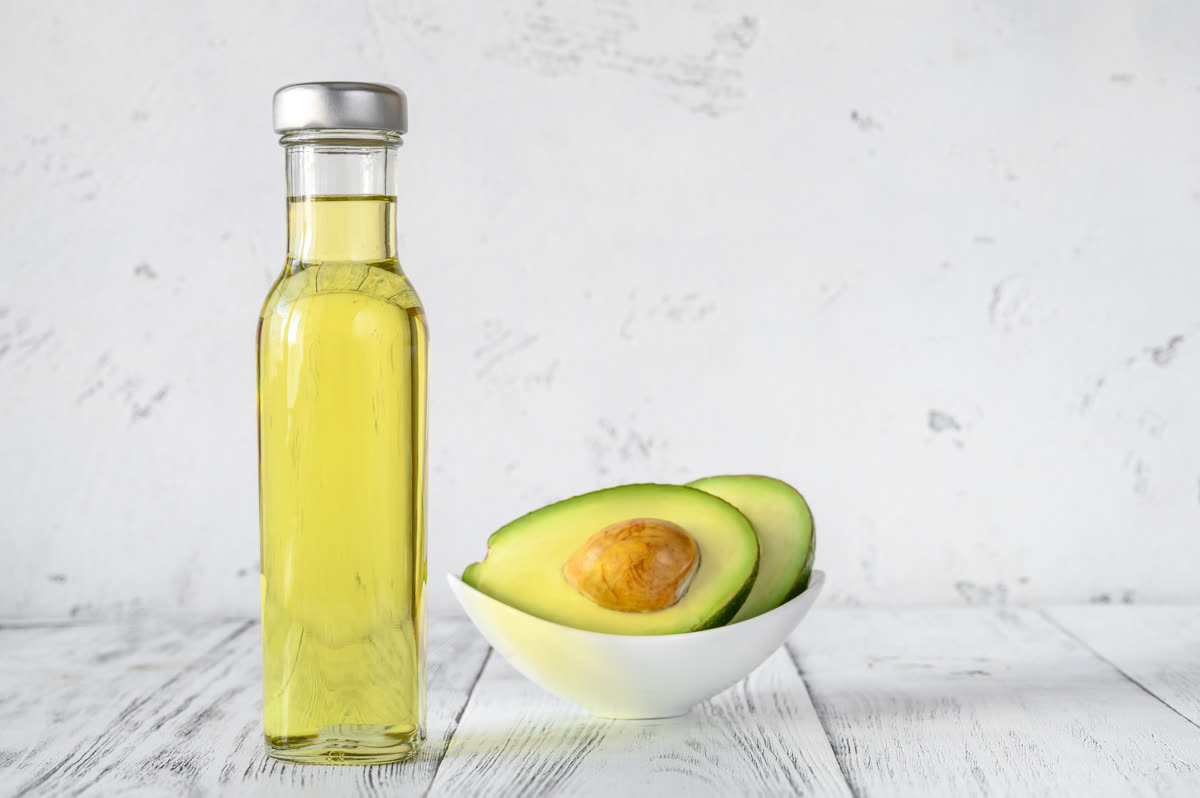 Avocado OilCPromisingPressed from the flesh of a fruit domesticated in Mesoamerica; a plush, green, oleic-rich oil for dry skin and hair.
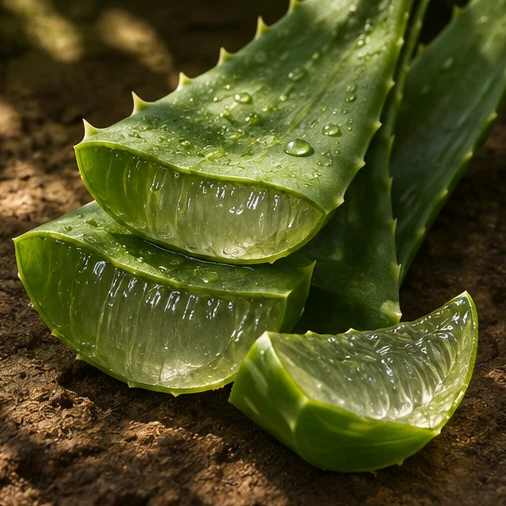 Aloe VeraBGood evidenceAn Old World plant that made itself at home as Mexico’s sábila and the aloe of Barbados and Curaçao; cooling gel for minor burns and sun-warmed skin.
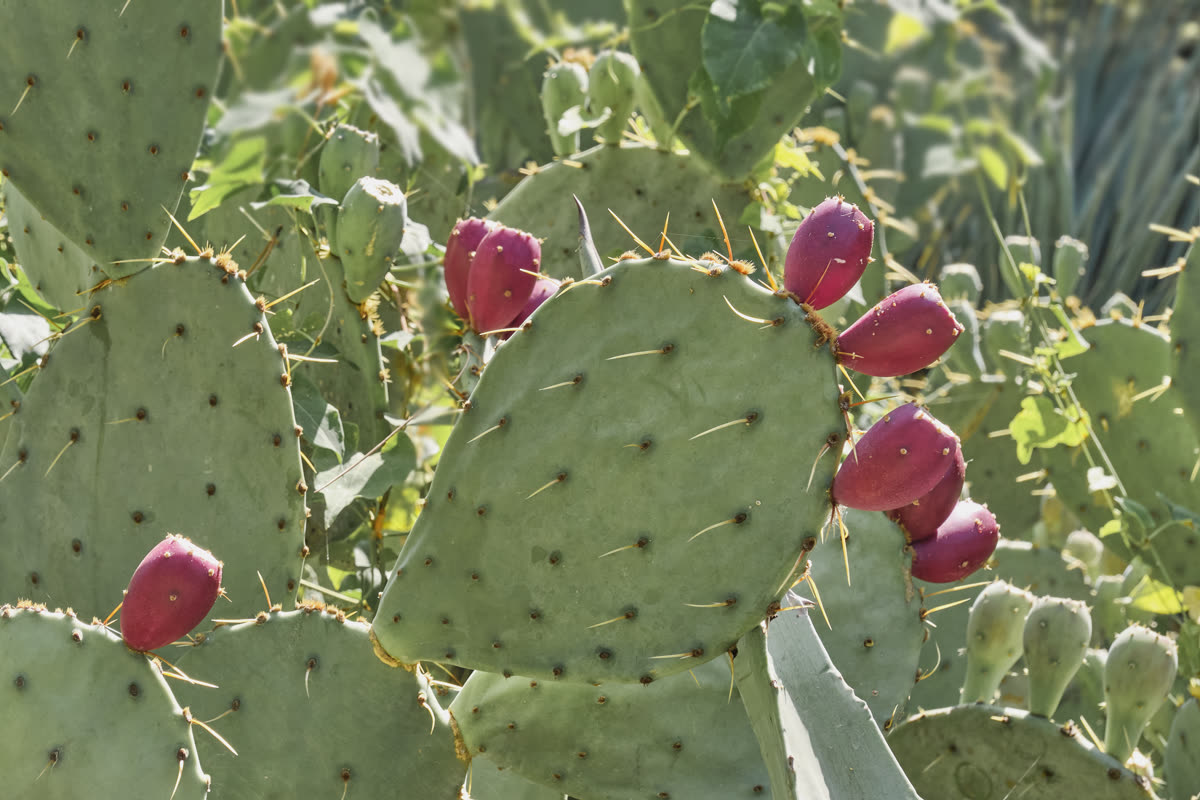 Prickly Pear Seed OilDTraditional wisdomFrom the nopal cactus, Mexico’s everyday food and national emblem; its rare seed oil is now pressed mostly in North Africa.
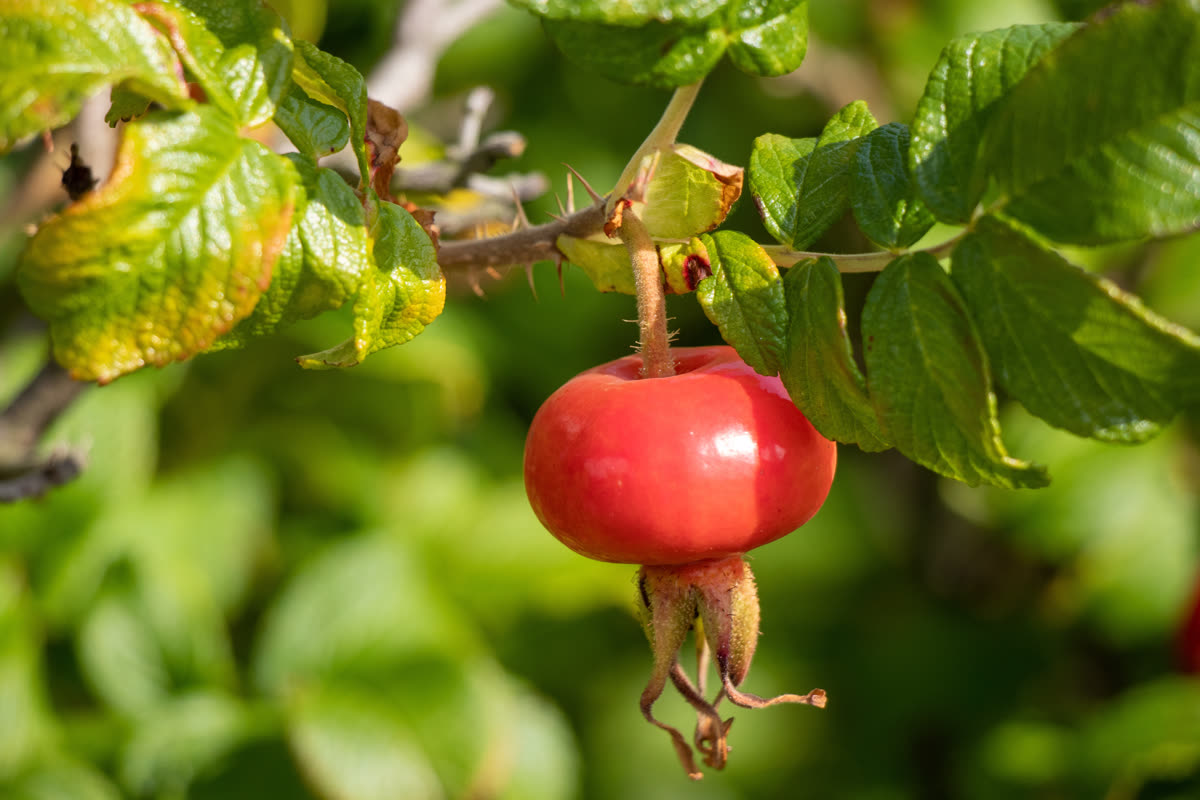 Rosehip OilCPromisingThe rosa mosqueta of Chile and Patagonia, gathered from naturalized wild roses; a light, linoleic-rich face oil.
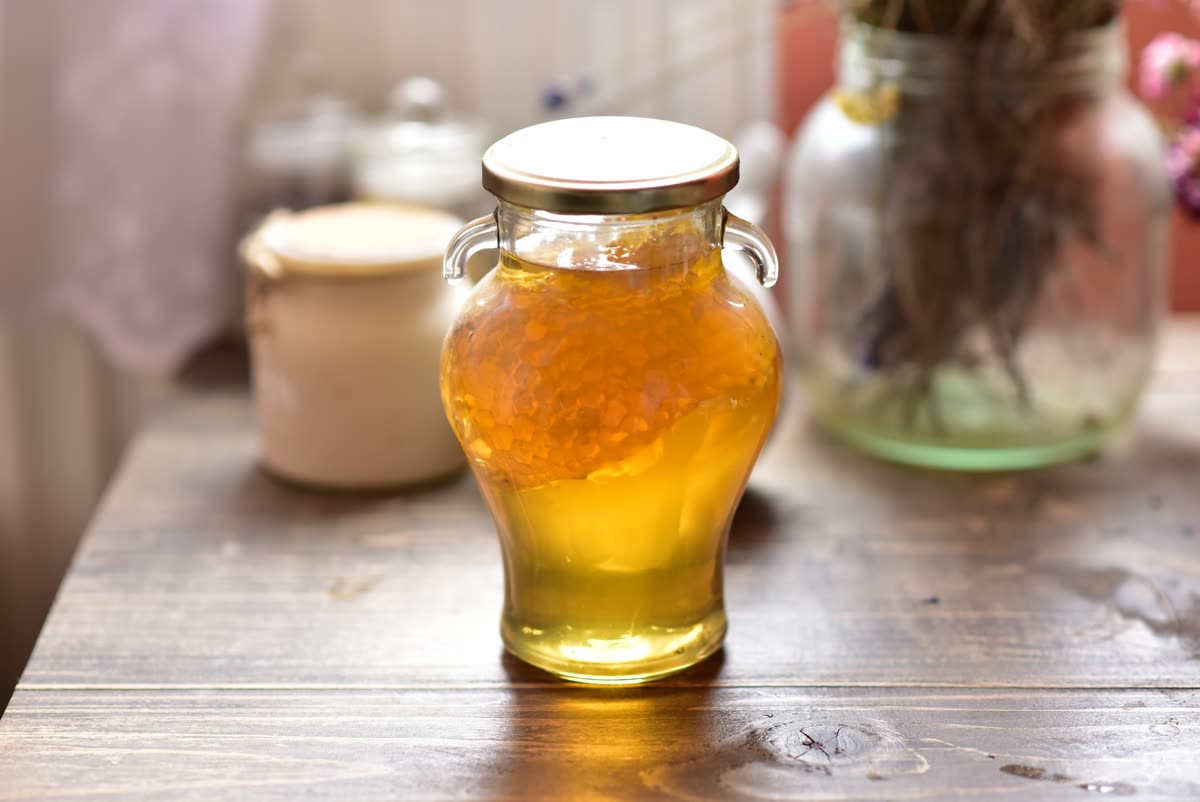 HoneyBGood evidenceKept by Maya beekeepers from stingless bees since before the Spanish arrived; a gentle humectant for masks and cleansers.
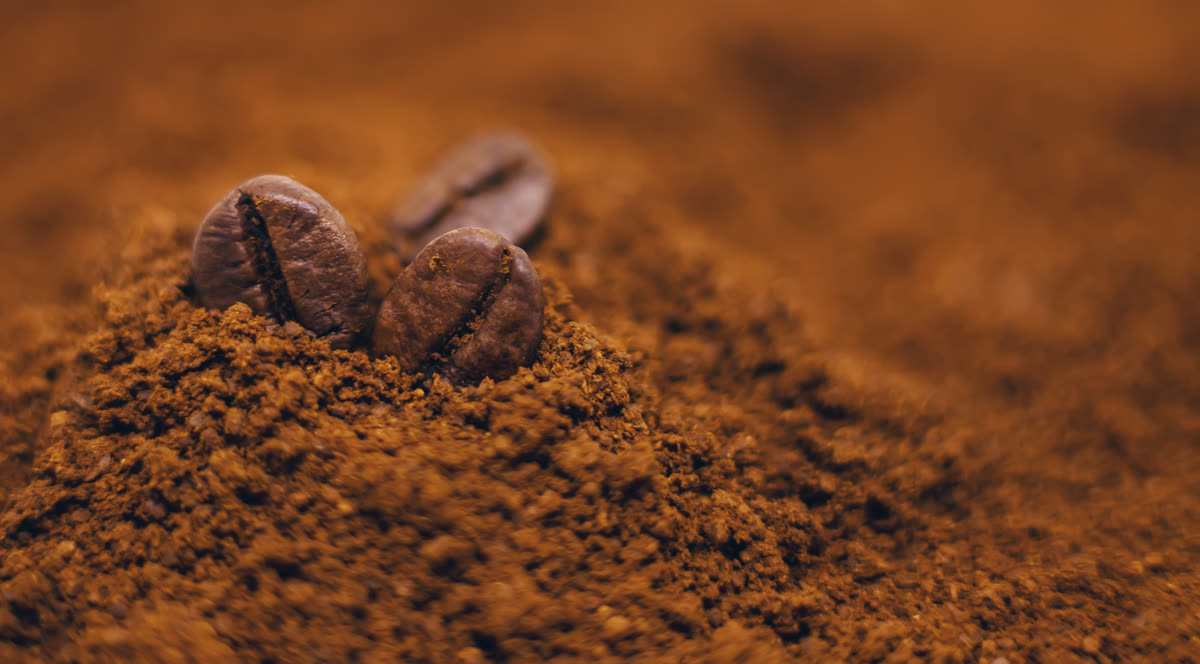 CoffeeCPromisingAn arrival from Ethiopia by way of Arabia that now shapes whole regions of Latin America; spent grounds make a homely body scrub.
Cocoa butter, slowly
- A week before, patch test the cocoa butter on your inner arm as in our guide (twice daily for 7 days, read at 48 and 96 hours), especially unrefined butter if you are sensitive to fragrance. Keep it off acne-prone faces, where it can clog pores.
- Take a short, warm shower rather than a long, hot one, and use a mild cleanser only where you need it.
- If your skin is sun-warmed or freshly shaved, smooth on a thin layer of cool, preserved aloe vera gel first and let it settle for a minute. Sunburn that blisters needs a doctor, not a butter.
- Pat skin until it is damp, not wet. Warm a hazelnut-sized piece of cocoa butter between your palms until it melts and turns clear.
- Press, rather than rub, the butter into elbows, knees, shins and heels. On heels, finish with cotton socks overnight.
- Dab a little on your lips. Store the jar cool: if it develops a whitish bloom after warming, that is harmless fat crystals, not spoilage.
Continue the journey
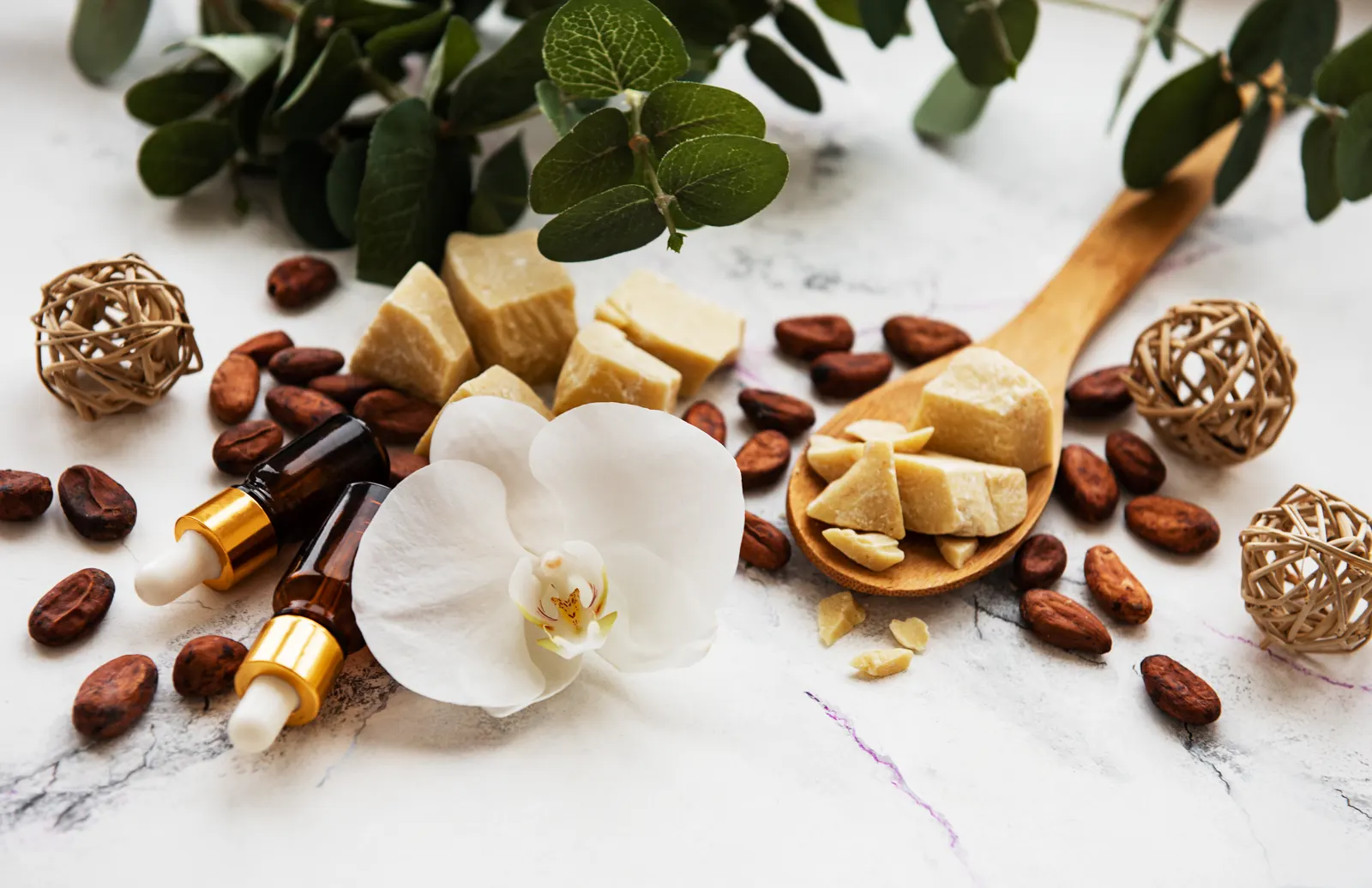 A Cocoa Butter Body MeltRich, chocolate-scented and simple: melt a little cocoa butter onto damp skin after a warm shower. What it does well, and what it won’t do.
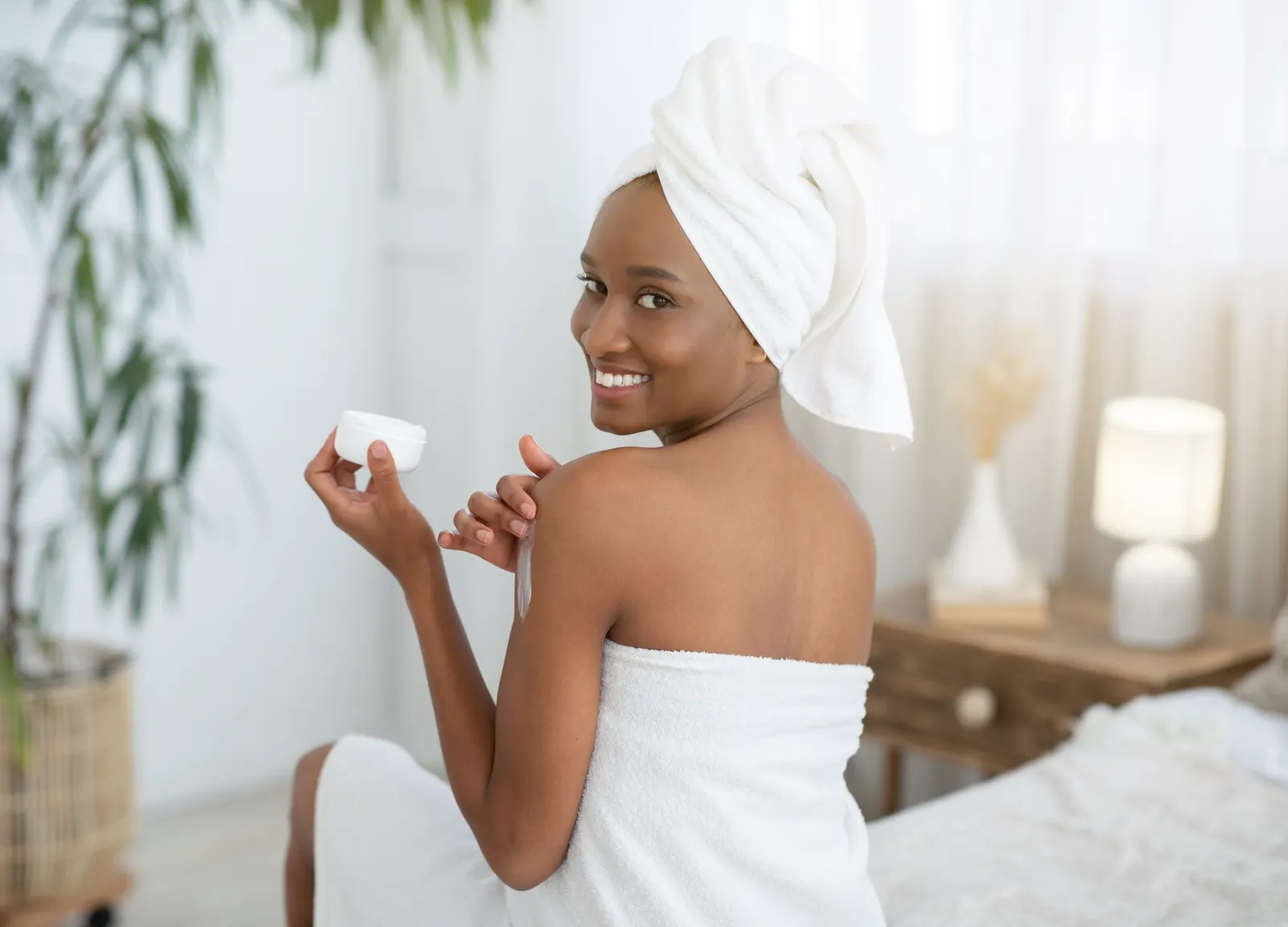 Soak and Seal: The Three-Minute Rule for Eczema-Prone SkinMoisturize within three minutes of bathing, on still-damp skin. A simple winter habit for eczema-prone and very dry skin, with the evidence behind it.
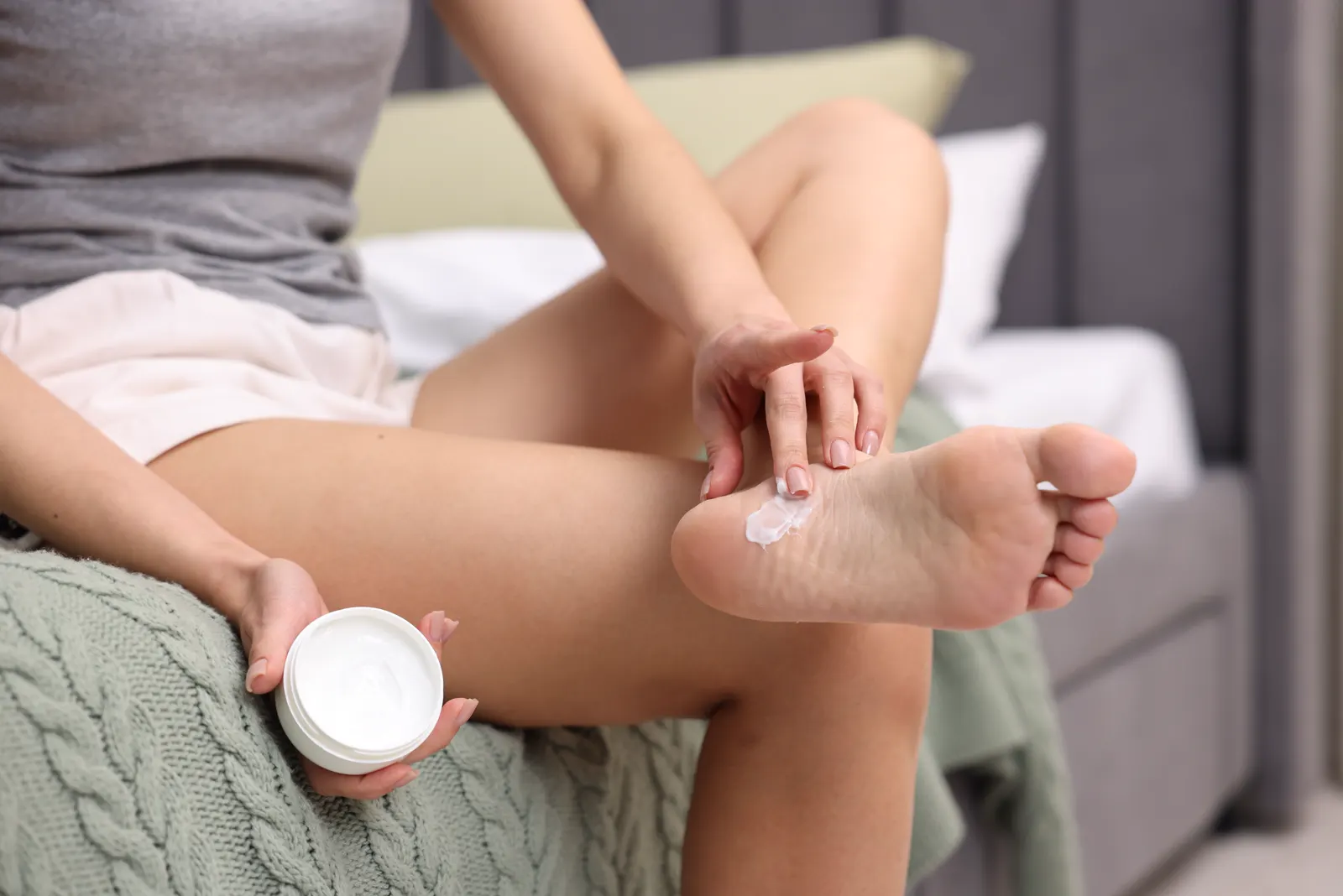 A Night Ritual for Dry HeelsSoak, file gently, seal with shea and sleep in socks: a soothing heel ritual, and why a urea cream may be the better choice for real cracks.
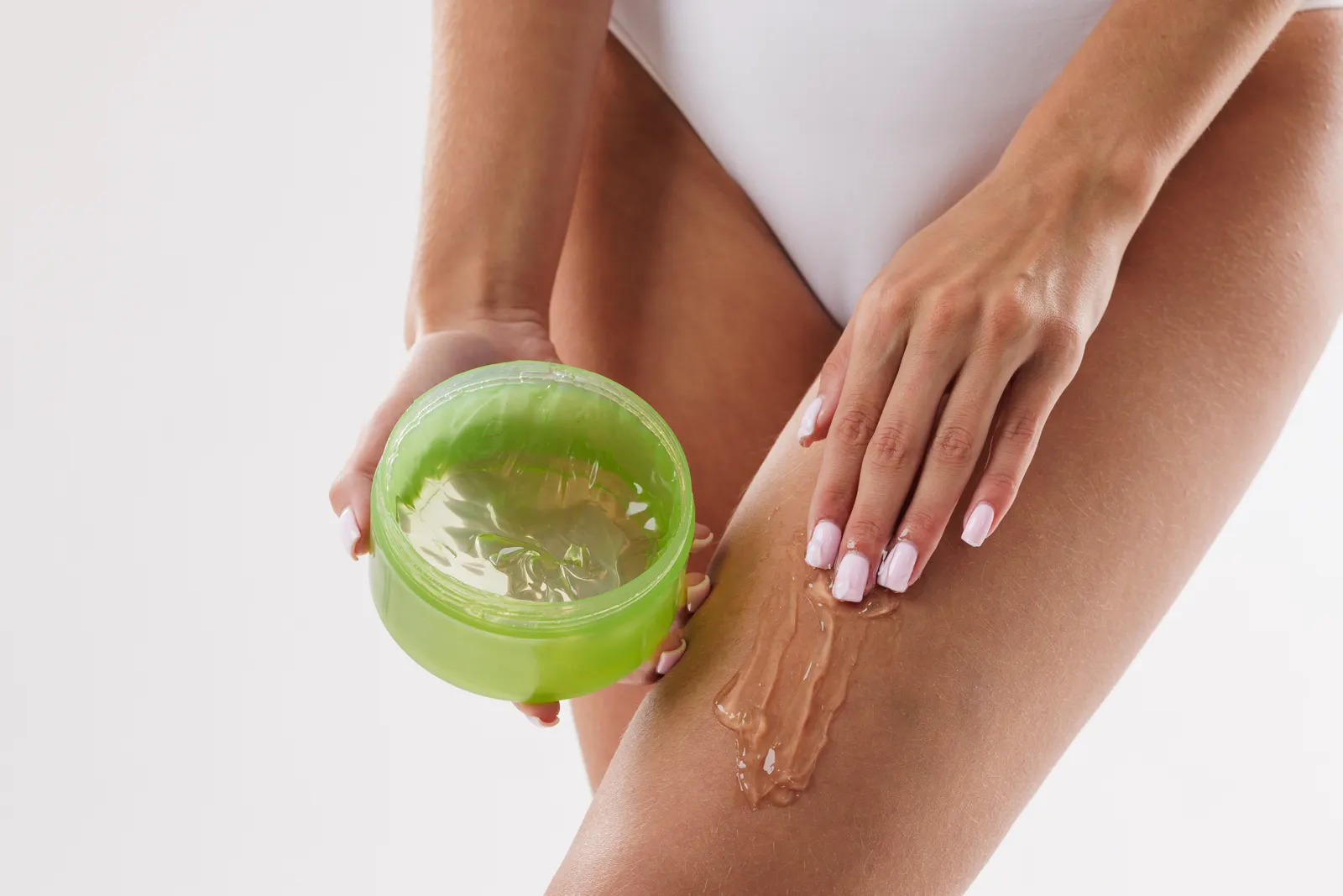 Calming Aloe After Shaving or WaxingRazor burn or post-wax redness on the face? Cool water, a thin layer of preserved aloe gel, and a 24-hour pause on actives help skin settle.
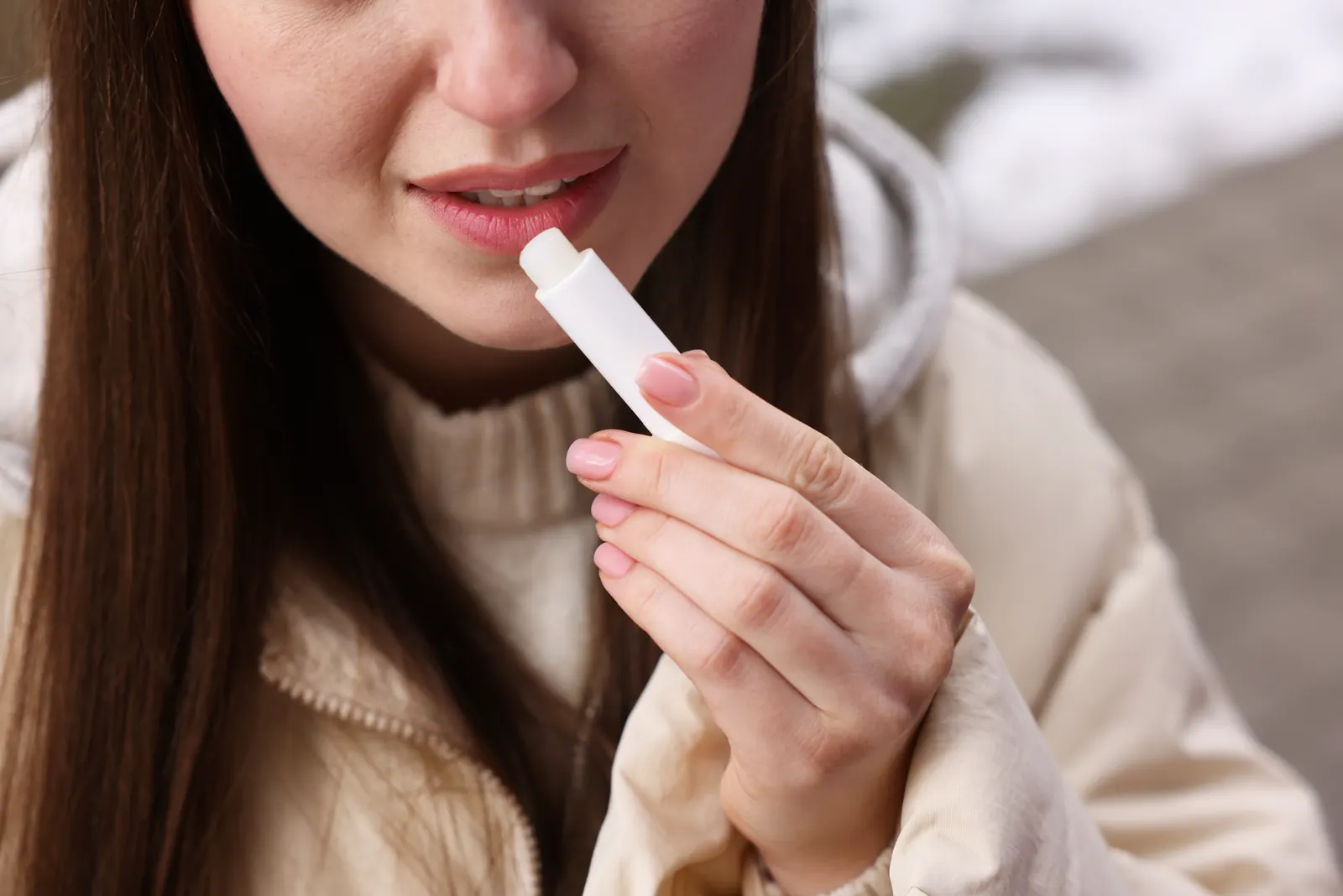 Lip Care for Cold, Windy DaysChapped lips in the cold wind? Stop licking, seal before you step out, and choose a plain balm over minty ones. A two-minute routine that works.
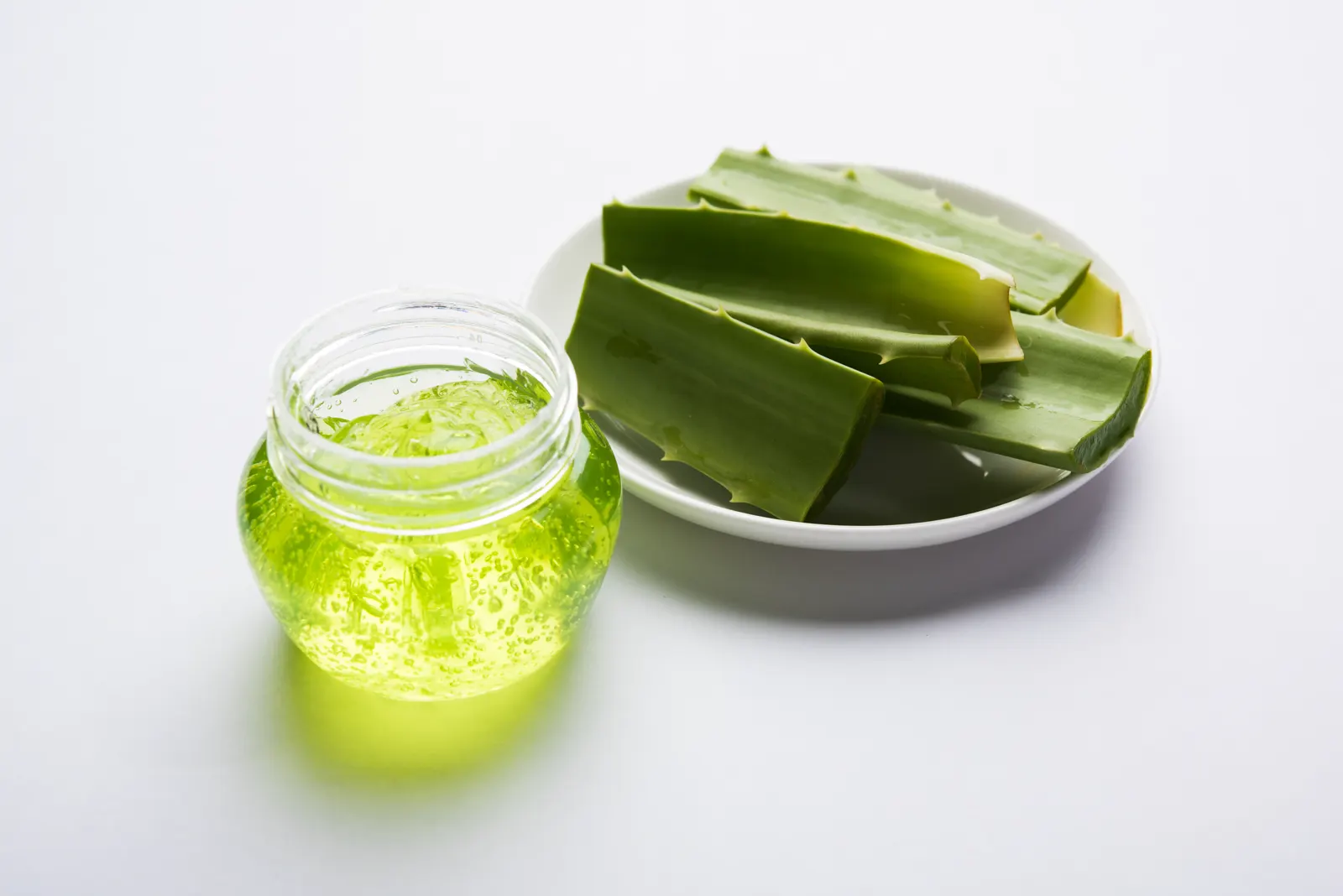 Body care · IntermediateCooling Aloe After-Sun GelA preserved aloe vera gel with panthenol and glycerin to cool and comfort skin after a day outdoors. Not a sunscreen; gives no sun protection.
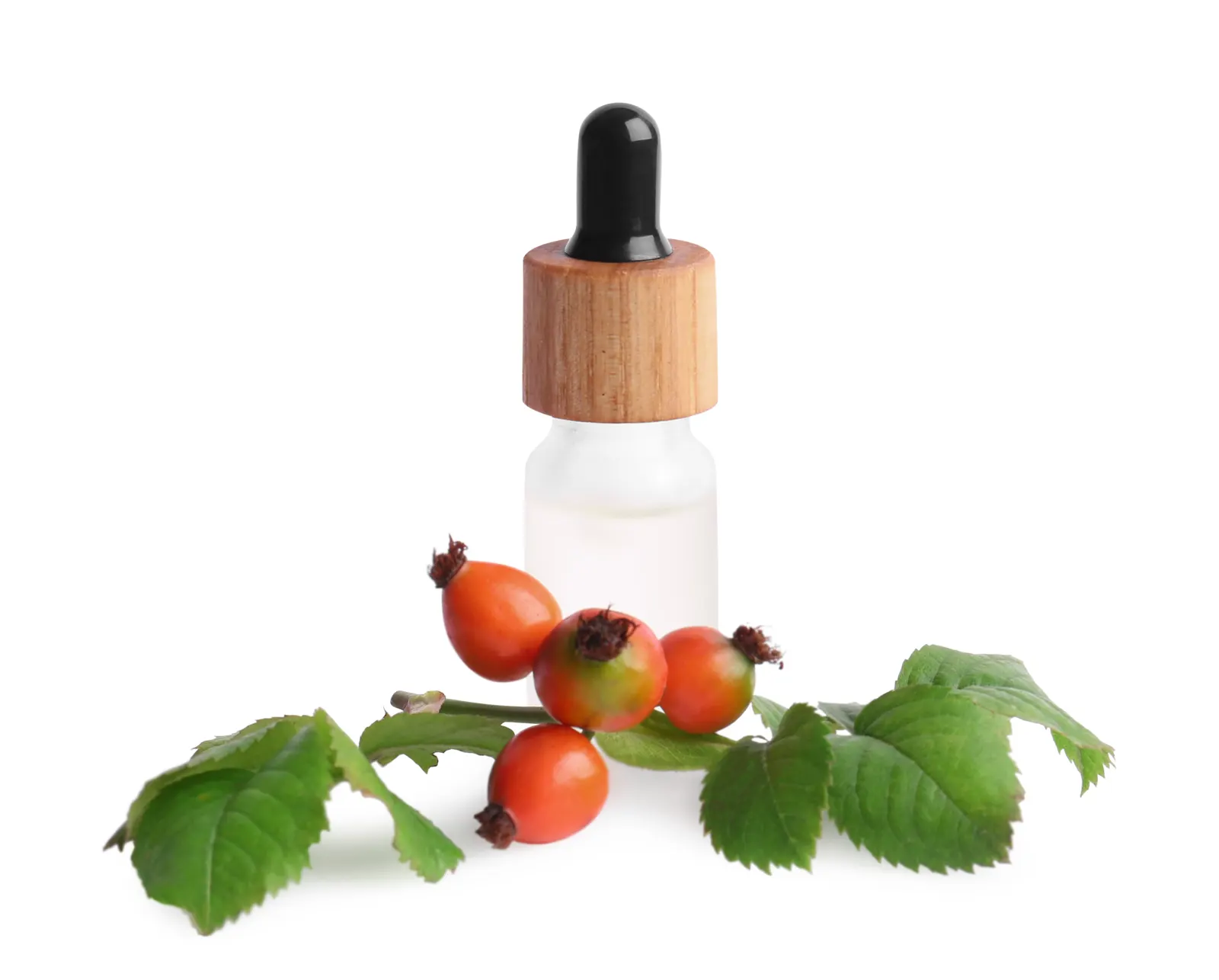 Face oil · BeginnerRosehip & Sea Buckthorn Glow OilA light face oil of rosehip, jojoba and squalane with a touch of sea buckthorn, protected with vitamin E. Three or four drops at night.
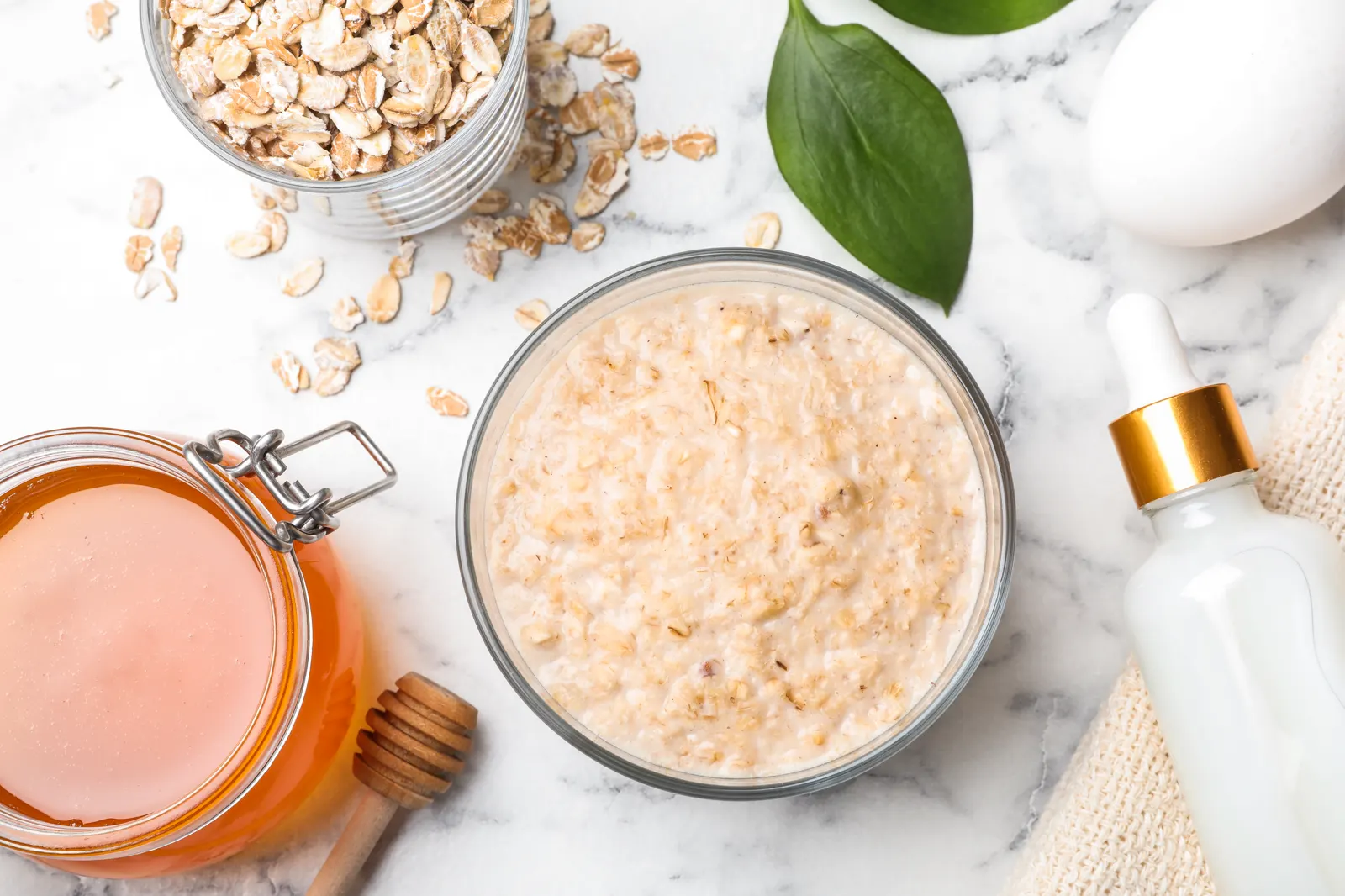 Cleanser · BeginnerHoney & Oat Gentle CleanserA no-foam, single-use cleansing paste of raw honey, colloidal oatmeal, rose water and jojoba for dry or sensitive skin that hates feeling squeaky.
GuideSustainable & Ethical Botanical SourcingAt-risk botanicals, CITES and the IUCN Red List, argan cooperatives, RSPO palm, upcycled ingredients, adulteration and the questions to ask suppliers.GuideCarrier Oils: The Formulator’s GuideFatty acid chemistry, oxidative stability and skin feel for 12 core oils, plus why comedogenic ratings mislead and how to store oils well.GuideHow to Patch Test (and Read the Result)A step-by-step at-home patch test (ROAT), how to tell irritation from allergy, and when you need proper dermatologist patch testing.