The ingredient encyclopedia · flower
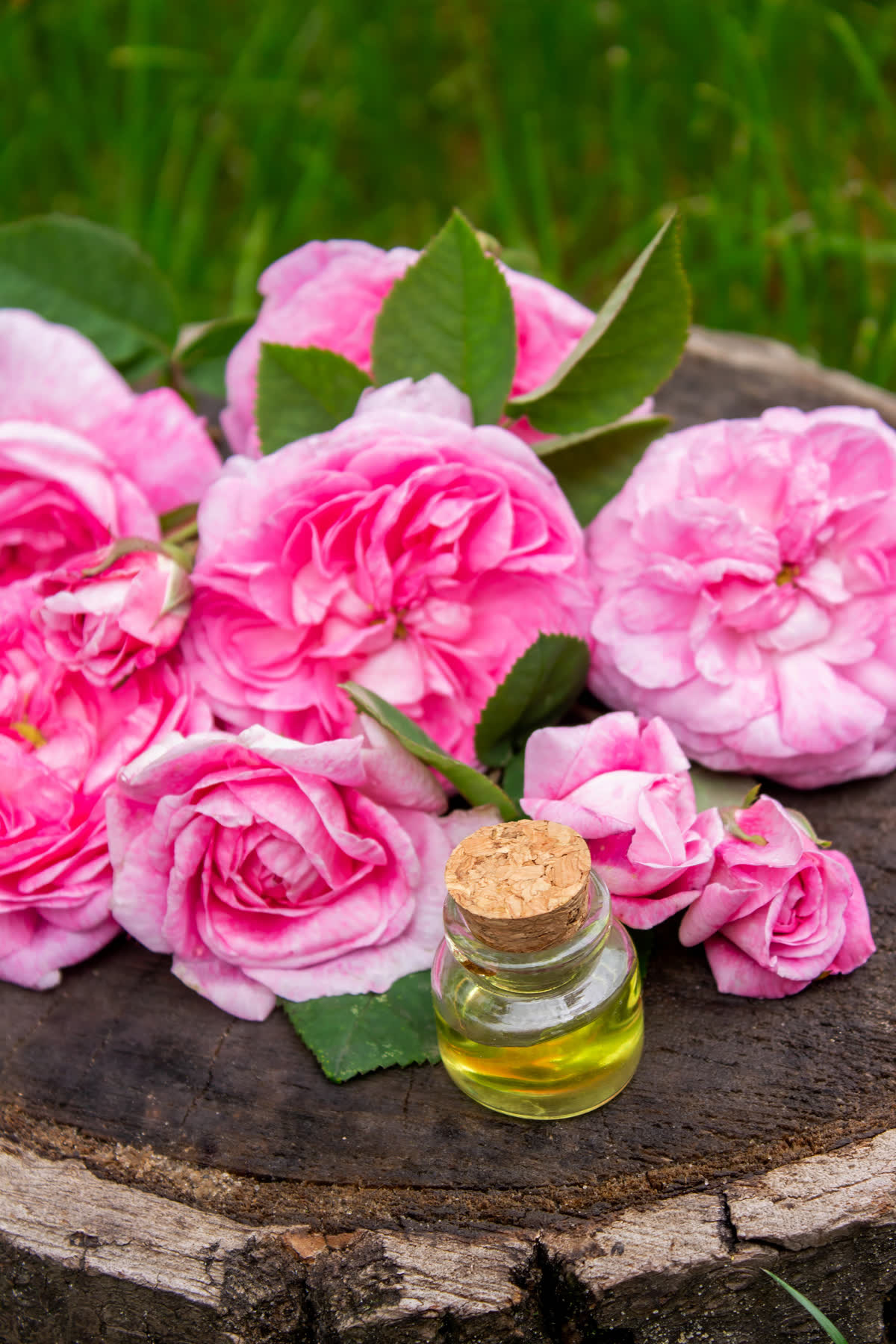
Damask Rose
Rosa × damascena · Rosaceae
A splash of rose water is pure romance: soft, fragrant, and cherished in hammams and gardens for centuries.
FR Rose de DamasES Rosa de DamascoAR الورد الدمشقيWard (Arabic, rose); Ma’ al-ward (rose water); Gul (Persian, Turkish)
- How well proven
- DTraditional wisdom
- Safety
- Low topical risk
- Sun-sensitive
- No
FR Rose de DamasES Rosa de DamascoAR الورد الدمشقيWard (Arabic, rose); Ma’ al-ward (rose water); Gul (Persian, Turkish)
What the evidence says
Rose extracts show antioxidant and antimicrobial activity in the lab, but there are no meaningful human trials of rose water or rose oil for skin outcomes.
- What it does
- A gentle, fragrant water phase. Genuine rose hydrosol is mostly water with tiny amounts of aromatic compounds, making it a pleasant base for toners, mists and masks.
- How to use it
- Rose water (hydrosol) · Up to 100% of the water phase; or straight as a splash
- Watch out for
- Rose oil contains fragrance allergens — citronellol, geraniol, eugenol and others.
Checked against 1 cited study and our safety review · Updated 26 November 2026 · How we grade
Why you’ll love Damask Rose
Why you’ll love it
- A soft floral mist that makes skincare feel special
- The traditional finishing touch after a hammam clay mask
- Gentle, fragrant comfort for a few slow minutes
Best forAnyone who loves floral scent and a slow, sensory routine.
Try it today
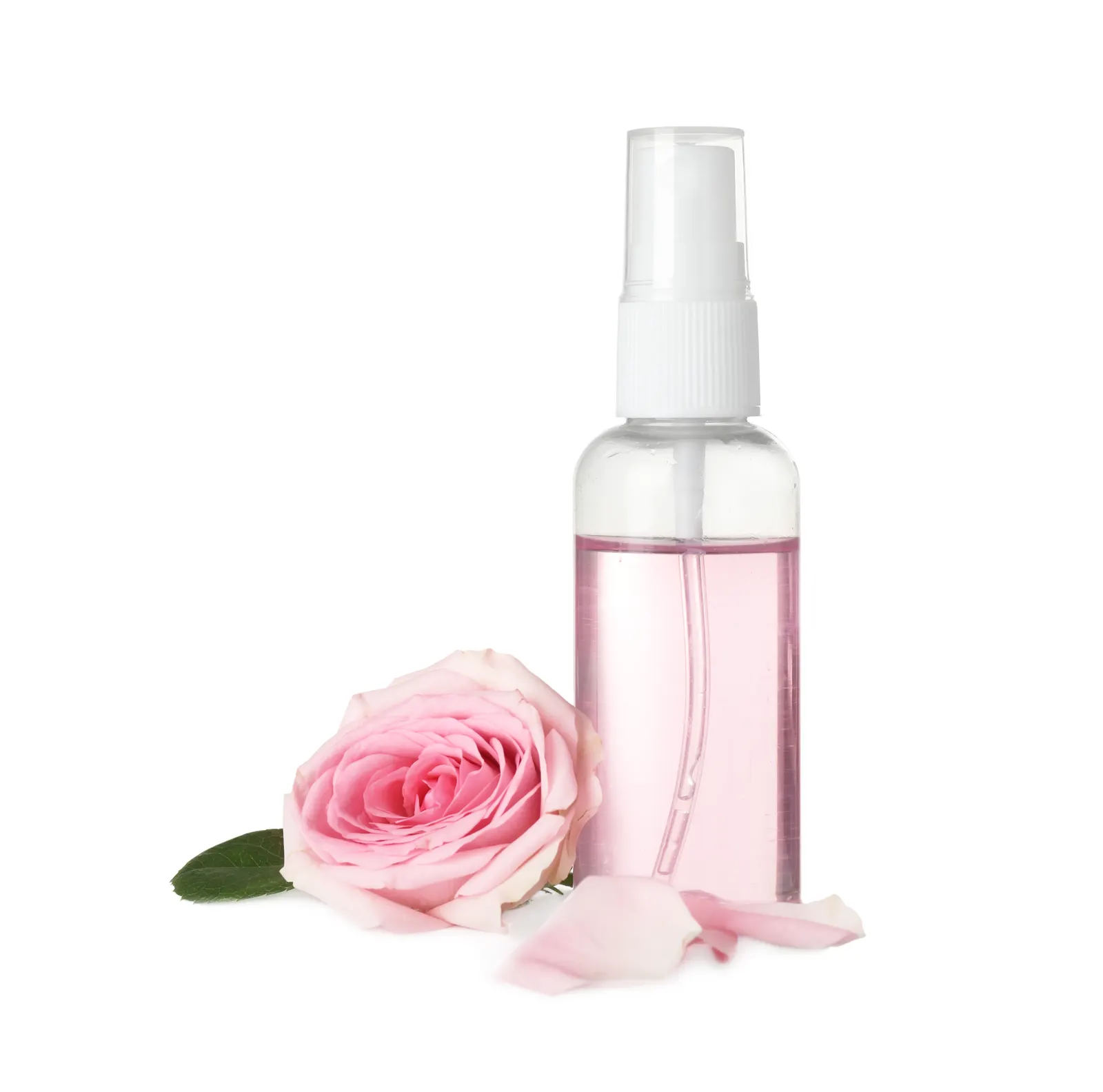
A rose water reset
- Choose genuine rose hydrosol, not tap water plus fragrance, and keep it in the fridge.
- After cleansing, mist your face or sweep it on with a clean cotton pad.
- Breathe in the scent, then follow with your usual serum or moisturizer.
Good to know: Genuine rose water isn’t sterile. Refrigerate it, use clean hands, and toss it if it turns cloudy or smells off.
At a glance
| Parts used | Fresh petals; hydrosol (rose water), steam-distilled oil (otto), solvent-extracted absolute (mainly R. × centifolia), extracts, rose wax |
|---|---|
| Key actives | Citronellol, Geraniol and nerol, 2-Phenylethanol, Methyl eugenol (trace; restricted), Flavonol glycosides (quercetin, kaempferol) |
| INCI names | Rosa Damascena Flower Water Rosa Damascena Flower Oil Rosa Damascena Flower Extract Rosa Centifolia Flower Water Rosa Centifolia Flower Extract |
| Skin types | dry, normal, sensitive, mature |
| Pairs well with | Argan OilRhassoul ClayOrange Blossom (Neroli)Rosehip Oil |
| Evidence grade | DTraditional wisdom Rose extracts show antioxidant and antimicrobial activity in the lab, but there are no meaningful human trials of rose water or rose oil for skin outcomes. |
What it does for skin and hair
A gentle, fragrant water phase
Genuine rose hydrosol is mostly water with tiny amounts of aromatic compounds, making it a pleasant base for toners, mists and masks.
Antioxidant polyphenols
Rose petal extracts are rich in flavonoids such as quercetin and kaempferol glycosides, with antioxidant activity in lab tests.
Sensory comfort
Rose scent is one of the most loved in perfumery, and the ritual of a rose-water splash or rose-scented oil has real value for wellbeing, even where skin effects are unproven.
How to use it
Start low, be consistent, and give it four to eight weeks. These are the amounts that work in real products and home recipes.
| Form | Typical use level | Notes |
|---|---|---|
| Rose water (hydrosol) | Up to 100% of the water phase; or straight as a splash | Genuine hydrosol must be stored cold and used within months; once in a formula, add a broad-spectrum preservative. A traditional finish in the Moroccan Hammam Ritual at Home alongside rhassoul clay. |
| Rose otto (essential oil) | 0.05–0.5% in face and body products | Very potent and very expensive; often sold pre-diluted (e.g. 5–10% in jojoba). IFRA limits apply because of methyl eugenol — check your supplier’s IFRA certificate. |
| Rose petal extract or infused oil | Extract 1–5%; infused oil up to 100% of the oil phase | Gentler than the essential oil, with polyphenols but little fragrance. Use dried petals for oil infusions. |
Use it safely
Low topical risk
- Rose oil contains fragrance allergens — citronellol, geraniol, eugenol and others. People with fragrance allergy may react; patch test (How to Patch Test).
- Methyl eugenol in rose oil is restricted in the EU and by IFRA; keep essential-oil use low and follow Essential Oil Safety: The Complete Guide.
- Genuine rose water is not sterile; unpreserved hydrosol can grow bacteria and mold. Refrigerate, use clean hands and discard if cloudy or off-smelling.
- Many “rose waters” are tap water plus synthetic rose fragrance and alcohol, which can irritate sensitive skin.
- Pregnancy & breastfeeding
- Rose water is considered safe in pregnancy. Rose essential oil is generally regarded as acceptable at low dilution on skin; avoid oral use of the essential oil. Pregnancy guide
- Phototoxicity
- Not phototoxic at normal use levels.
- Declared fragrance allergens
- Citronellol, Geraniol, Eugenol, Linalool, Farnesol, Citral
New to an ingredient? Patch test first. Stop and seek advice if you get burning, swelling, blistering or a spreading rash.
Make it at home: recipes with damask rose
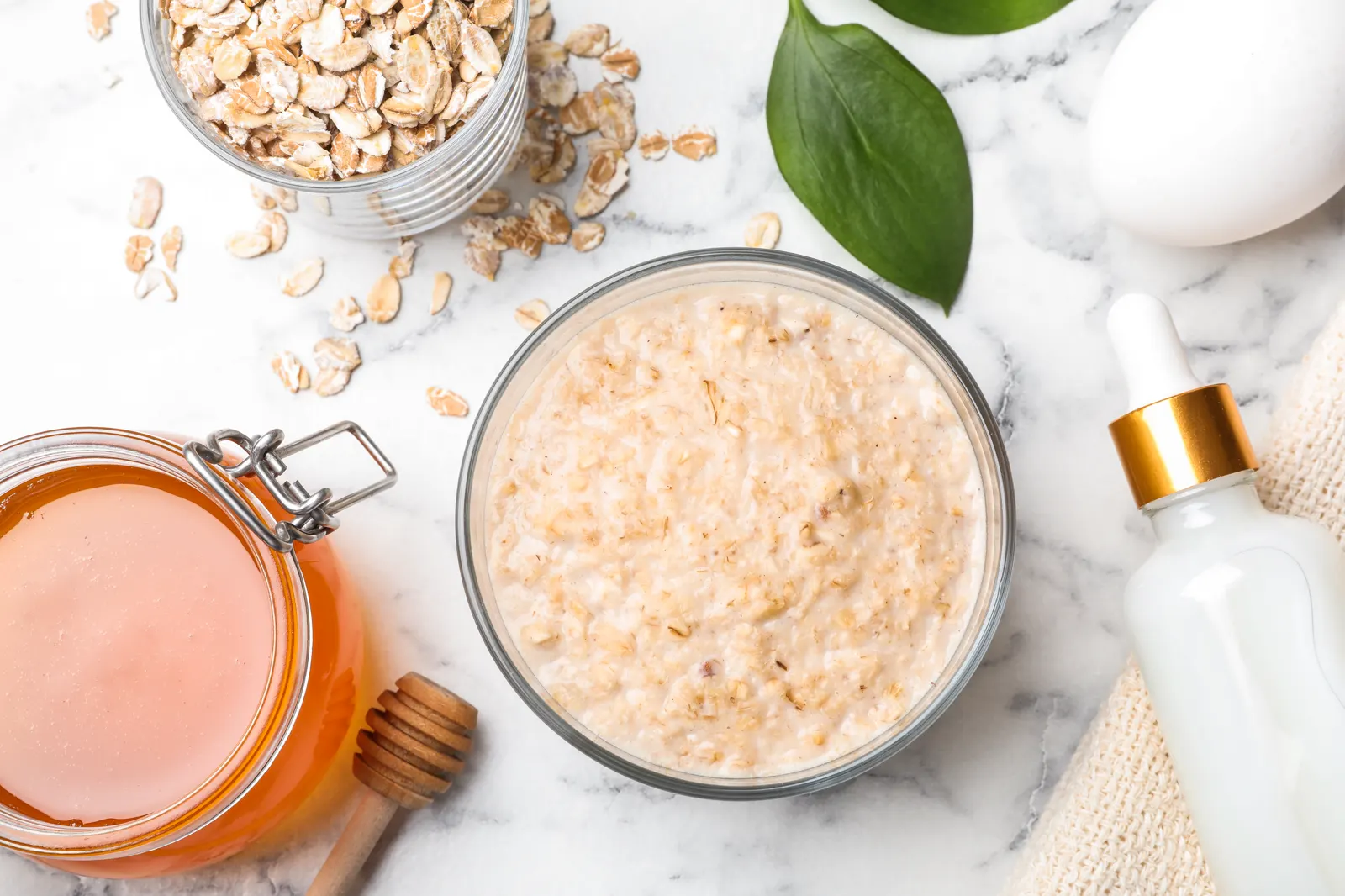 Cleanser · BeginnerHoney & Oat Gentle CleanserA no-foam, single-use cleansing paste of raw honey, colloidal oatmeal, rose water and jojoba for dry or sensitive skin that hates feeling squeaky.
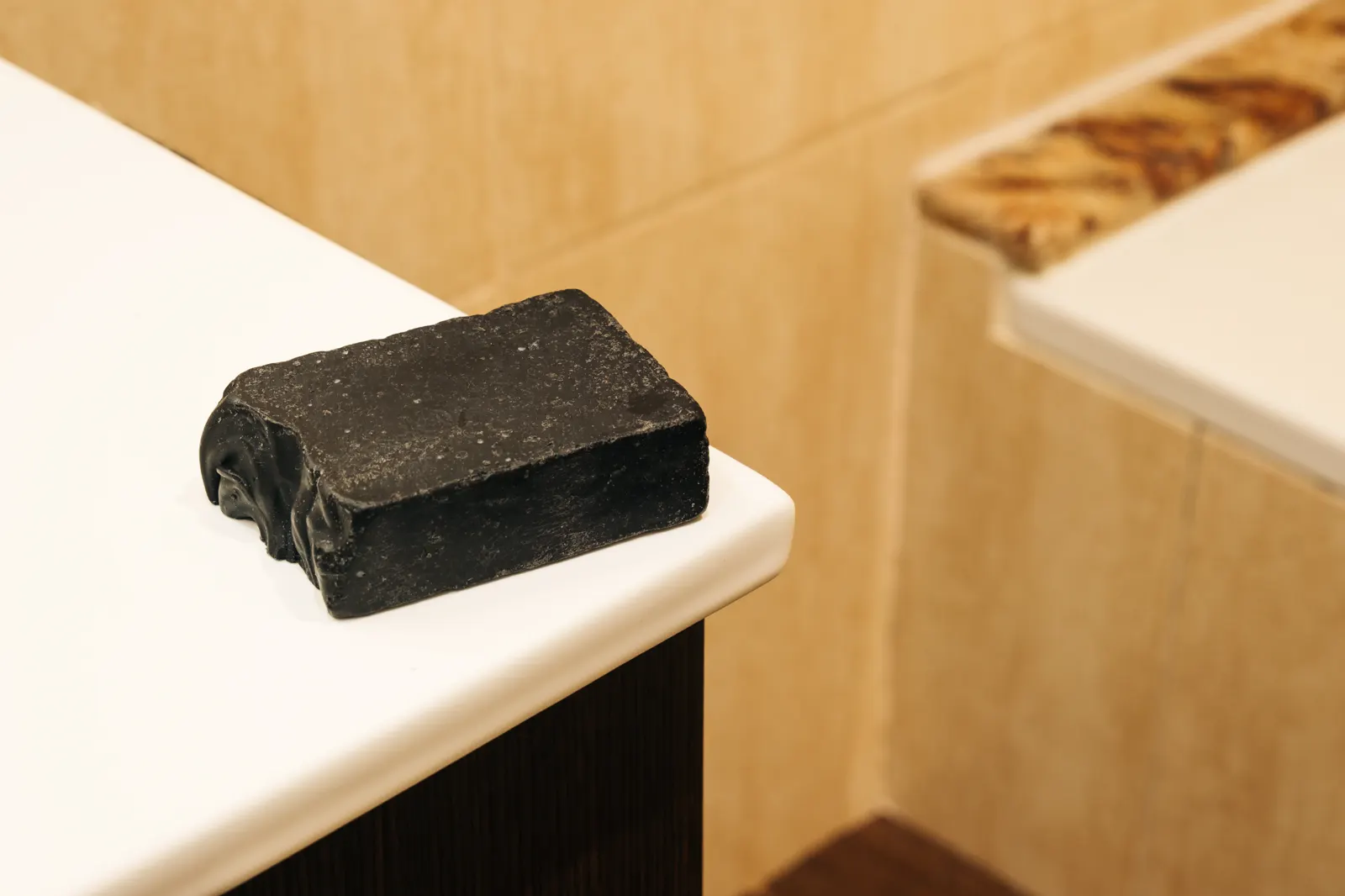 Ritual · BeginnerMoroccan Hammam Ritual at HomeBeldi black soap, the kessa glove, rhassoul clay, orange blossom water and argan oil: the traditional Moroccan hammam sequence, adapted safely for home.
 Balm · BeginnerRose & Orange Blossom Hand BalmA silky hand balm of shea, almond and rose-infused oil, lightly scented with neroli and rose geranium — a Moroccan garden in a tin.
 Bath · BeginnerOat Milk & Rose Bath SoakA milk bath of powdered milk, colloidal oatmeal, almond oil and rose petals, tied in a muslin bag for silky water, soft skin and no mess.
Buying well
Sustainability
Damask rose is hand-picked at dawn in Bulgaria’s Rose Valley around Kazanlak, in Isparta (Turkey), Kashan (Iran) and Morocco’s Dadès valley around Kelaat M’Gouna. The labor-intensive harvest and very low oil yield make adulteration with geranium, palmarosa or synthetic rose compounds common. Ask for origin, GC-MS reports and fair labor practices.
How to choose quality
For rose water, look for “Rosa Damascena Flower Water” as the first and main ingredient, with no added fragrance (parfum) or alcohol, from a named distiller. For rose otto, expect a high price; a cheap “rose oil” is almost certainly diluted or synthetic. Store rose water in the fridge and oils cool and dark.
The research For professionals
The chemistry, the studies and the evidence by concern, for practitioners, formulators and the curious.
Steam-distilling Damask rose petals produces two fractions. The tiny oily layer, rose otto, is dominated by citronellol and geraniol, with nerol, waxy hydrocarbons (stearoptene, which makes the oil solidify when cool) and small amounts of eugenol and methyl eugenol. Water-loving 2-phenylethanol, the classic “rose” note, stays largely in the water — which is why rose water (the hydrosol) smells different from the oil. Rose absolute, solvent-extracted mostly from Rosa × centifolia, is rich in phenylethanol. Roughly 3–5 tonnes of petals yield a single kilogram of otto.
Petal extracts contain flavonol glycosides, anthocyanins and tannins with antioxidant, mild antimicrobial and anti-inflammatory activity in lab studies, reviewed by Boskabady et al. (2011). Inhalation studies of rose oil suggest modest relaxing effects. However, there are no robust trials showing that rose water or rose oil improves hydration, wrinkles, acne or redness beyond what a basic water or oil base would do.
The safety chemistry is clearer: rose oil naturally contains several EU-labeled fragrance allergens (citronellol, geraniol, eugenol, linalool, farnesol, citral), and its methyl eugenol content means IFRA standards and EU rules restrict how much rose oil can be used in finished products.
Key studies
Review of the pharmacology of Rosa damascena: antioxidant, antimicrobial, anti-inflammatory and relaxant effects mostly from lab and animal studies, with few human trials.
Boskabady MH, et al. Iran J Basic Med Sci. 2011 Read it in the bibliography Find on PubMed
MythRose water balances skin pH and tightens pores.
EvidenceRose water is mildly acidic, as are most hydrosols, but healthy skin restores its own pH quickly after washing. It cannot change pore size. Its value is a gentle, pleasant splash.
In tradition
In Morocco, the May rose festival in Kelaat M’Gouna celebrates the harvest, and ma’ al-ward perfumes hammam rituals, pastries and greetings. The Damask rose spread from Persia through Damascus to Andalusia and the Balkans.
Frequently asked questions
Is rose water good for your face?
How can I tell if rose water is real?
Is rose oil the same as rosehip oil?
Can rose water irritate sensitive skin?
Cite this page
Herbs.Beauty. Damask Rose (Rosa × damascena): evidence-based monograph. Updated 26 November 2026. https://herbs.beauty/ingredients/rose.html