Self-care & wellbeing · 6 min read ·
The Ten-Minute Evening That Changes Your Skin and Your Sleep
A short, unhurried wind-down for the end of the day: clean skin, a little oil, softer light and a calmer mind before bed.
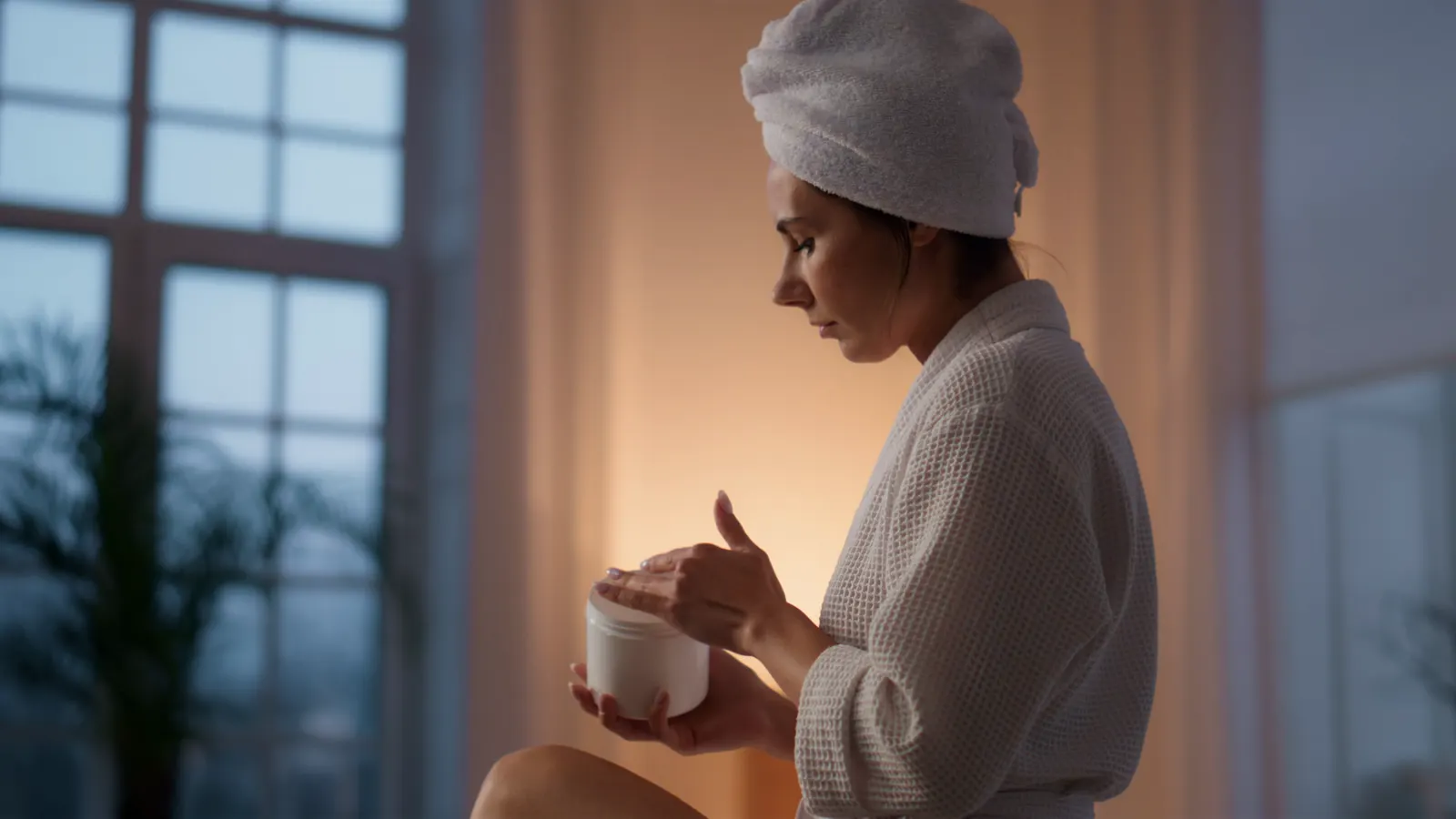
Most of us end the day the same way: one more message, one more episode, then face-wash with one hand while the other holds the phone. It is no wonder skin looks tired and sleep feels thin. Ten minutes, given back to yourself at the right moment, can quietly change both.
Why the evening matters to your skin
Skin keeps its own clock. Overnight, blood flow to the skin rises, cells get on with repair, and the barrier does a lot of its rebuilding. That is also when it loses a little more water, which is why a good night routine leaves you looking less dull in the morning.
Sleep itself plays a part. Small studies where volunteers were kept short of sleep found they were judged to look more tired and less healthy by strangers, and that their skin seemed slower to recover from minor stress. These are modest findings, not a reason to panic about a late night. But they echo what most of us already know from the mirror.
So the evening routine has two jobs. The first is practical: take off the day, put back what the skin needs. The second is gentler: signal to your body that the day is done. The ten minutes below try to do both at once.
Minutes one to three: take off the day
Start by dimming the room. Turn off the big overhead light and use a lamp. Leave your phone in another room, or face down and silent, for the next ten minutes.
Then cleanse, properly but kindly. If you have worn sunscreen or makeup, an oil or balm first dissolves it easily, followed by a gentle cleanser if you like: the Halloween Double Cleanse with an Oil Balm shows how without overdoing it. Massage the balm in for a slow minute, using small circles across cheeks, jaw and forehead. Warm water, a soft cloth, done.
If you have worn nothing at all, a mild cream cleanser or simply water may be enough. A Honey & Oat Gentle Cleanser is a soft, comforting option for dry or sensitive skin.
Lukewarm water matters here too. Very hot water feels relaxing in the moment but leaves skin tighter afterwards, and it wakes you up rather than winding you down.
Minutes four to six: put back what the skin needs
While your skin is still a little damp, apply whatever treatment you use, then moisturizer. This is the moment for anything that does its best work overnight. If you use a retinoid prescribed by your doctor, this is usually when it goes on.
Then seal it in. A few drops of a plant oil pressed over moisturizer suit dry and mature skin well. Rosehip oil, rich in fatty acids, is a lovely evening choice, and the Evening Press-and-Pat with Rosehip Oil method spreads a small amount evenly without tugging. Oily or breakout-prone skin may prefer a single drop of squalane, or nothing more than a light gel-cream.
Do not forget the neck, the backs of hands and your lips. A dab of balm on the lips now means a softer mouth tomorrow.
A habit you keep beats a ritual you abandon. Ten minutes is enough, if it is the right ten minutes.
Minutes seven to nine: a little scent, a little touch
Now slow everything down. Sit on the edge of the bed, and with whatever oil or cream is left on your fingers, massage your hands, one finger at a time. Then press your palms over your eyes for three slow breaths. Breathe out a little longer than you breathe in; it is one of the simplest ways to tell the nervous system that it can stand down.
If you enjoy scent, this is its place. Lavender is the classic, and some small studies suggest its aroma may help people feel calmer and sleep a little better, though the research is mixed and nowhere near strong. Think of it as a pleasant cue rather than a treatment. A diluted Lavender Calm Body Oil on wrists and shoulders, or a soft linen spray on the pillow rather than your face, keeps essential oils away from sensitive facial skin.
Not everyone loves lavender. Chamomile tea, a bowl of orange blossom (neroli) water by the bed, or simply clean cotton can do the same job: a familiar signal that means sleep comes next.

Minute ten: set up tomorrow
Use the last minute for small, kind practical things:
- Swap your pillowcase a couple of times a week. Smooth cotton or a silky fabric is gentle on hair and skin; the A Gentle Ponytail and a Satin Pillowcase has ideas for protecting curls and long hair overnight.
- Tie long hair loosely away from your face, especially if you have used hair oil.
- Put a glass of water by the bed.
- Lower the room temperature slightly if you can; most people sleep better cool.
Then lights out. Keep the phone where it is. That last step is the hardest and, for many people, the one that makes the biggest difference.
Making it stick, and when to look further
Your evening may not look like anyone else’s. If you work night shifts, the same ten minutes simply move to whenever your “night” begins. If small children make bedtime unpredictable, do the cleanse-and-moisturize part earlier, while the bath runs, and keep the breathing for the moment the house goes quiet. If you share a bathroom, a small basket with your cleanser, oil and balm lets you take the routine to any mirror and any lamp. The order matters more than the setting.
The routine works because it is short. Do not try to perfect it on day one. Pick the parts you enjoy and do them most nights; a habit you keep beats a ritual you abandon. If ten minutes feels like too much, start with three: cleanse, moisturize, breathe.
A few friendly safety notes. Patch test any new oil or scented product before using it all over, as in our guide (twice daily for 7 days, read at 48 and 96 hours); our Essential Oil Safety: The Complete Guide guide covers sensible dilutions. Keep essential oils away from babies, young children and pets, and check with your midwife or doctor before using them in pregnancy.
And if sleep stays poor for weeks despite a calm evening, or you snore loudly, wake gasping or feel exhausted every day, talk to a doctor. Skincare can help you wind down, but it is not a substitute for care when something deeper is going on.
Keep going
Put it into practice
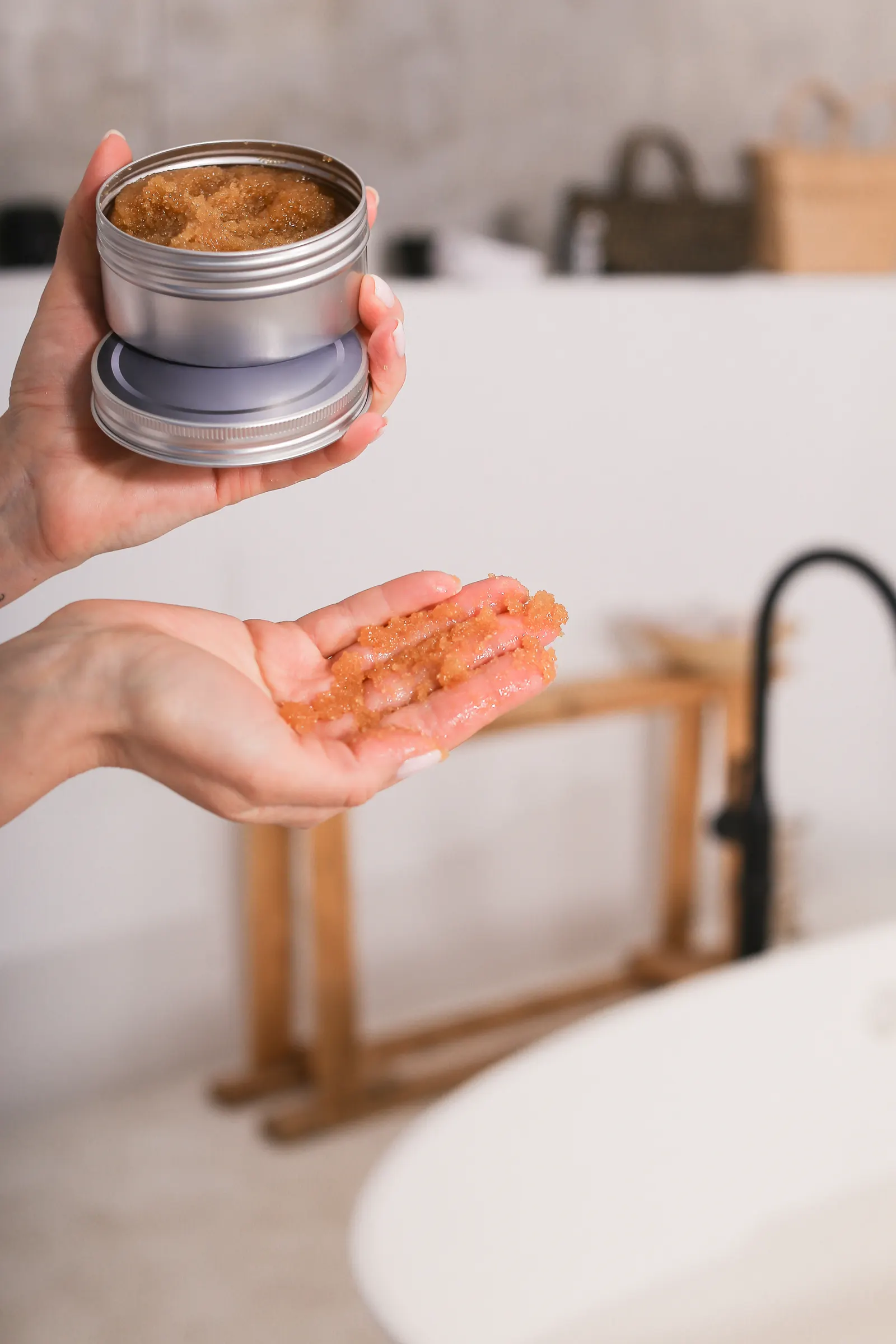 The Halloween Double Cleanse with an Oil BalmFace paint, long-wear makeup or sunscreen? An oil cleansing balm then a gentle second cleanse lifts it all without scrubbing or stripping.
 No. 007
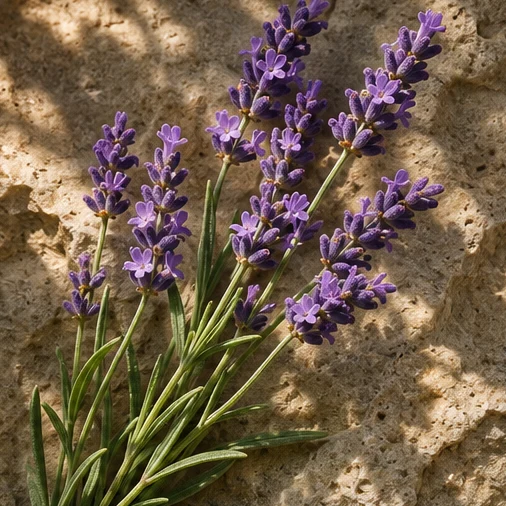
LavenderLavandula angustifoliaLavender’s soft, floral calm turns an ordinary evening into a slow, scented wind-down.
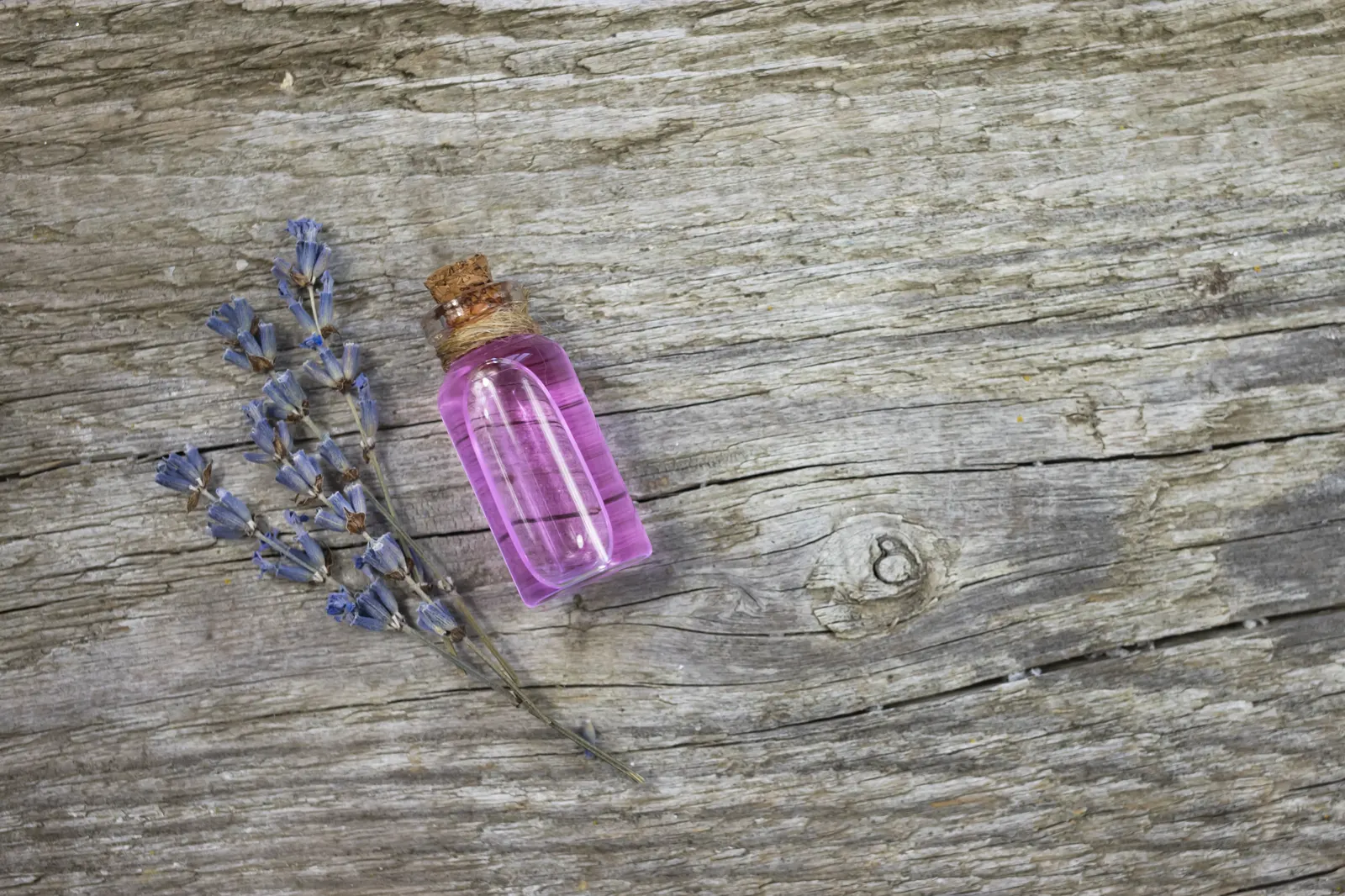 Body care · BeginnerLavender Calm Body OilA silky after-bath body oil of sunflower, apricot kernel and jojoba with 2% true lavender — the maximum we recommend for body use.
GuideBuild a Routine That Works (Minimal & Evidence-Based)Cleanse, treat, moisturize, protect: application order, introducing products one at a time, how long to wait for results and sample routines by skin type.
The magazine
More stories you’ll enjoy
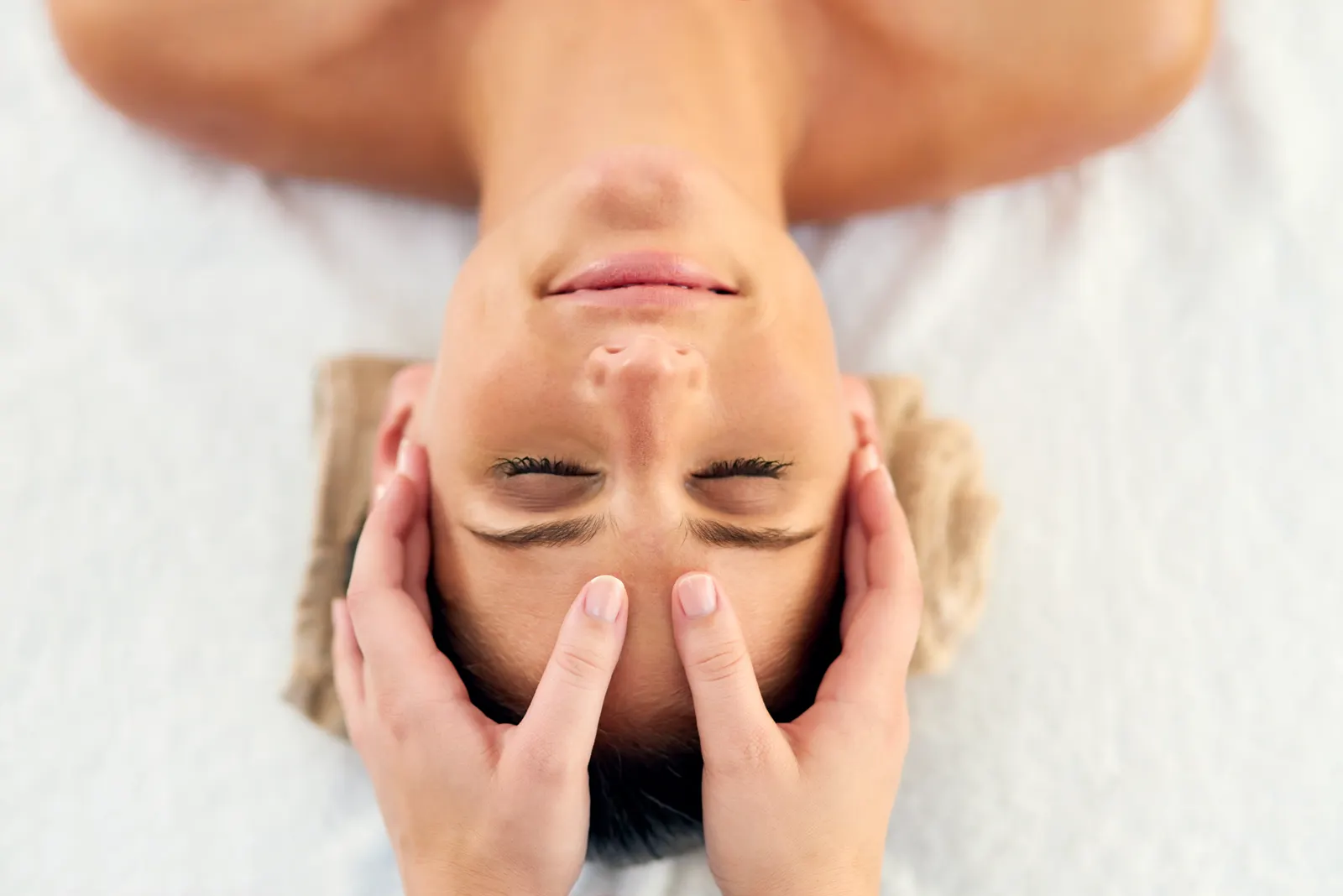 Self-care & wellbeing · 6 minTouch, Breath and Scent: The Calm Side of SkincareSkincare is something you do with your hands, your lungs and your nose. Here is how to turn a daily routine into a few minutes of genuine calm.
 Seasonal living · 6 minA Winter Skin Plan, Week by WeekCold air outside, dry heat inside: a calm, four-week plan to keep skin soft, lips whole and hands comfortable until spring.
 Rituals of the world · 6 minBathing Around the World: From Hammam to Onsen to SaunaSteam, hot springs and cedar heat: what the world’s great bathing traditions share, and how to borrow their best ideas at home, safely.