Seasonal living · 6 min read ·
A Winter Skin Plan, Week by Week
Cold air outside, dry heat inside: a calm, four-week plan to keep skin soft, lips whole and hands comfortable until spring.
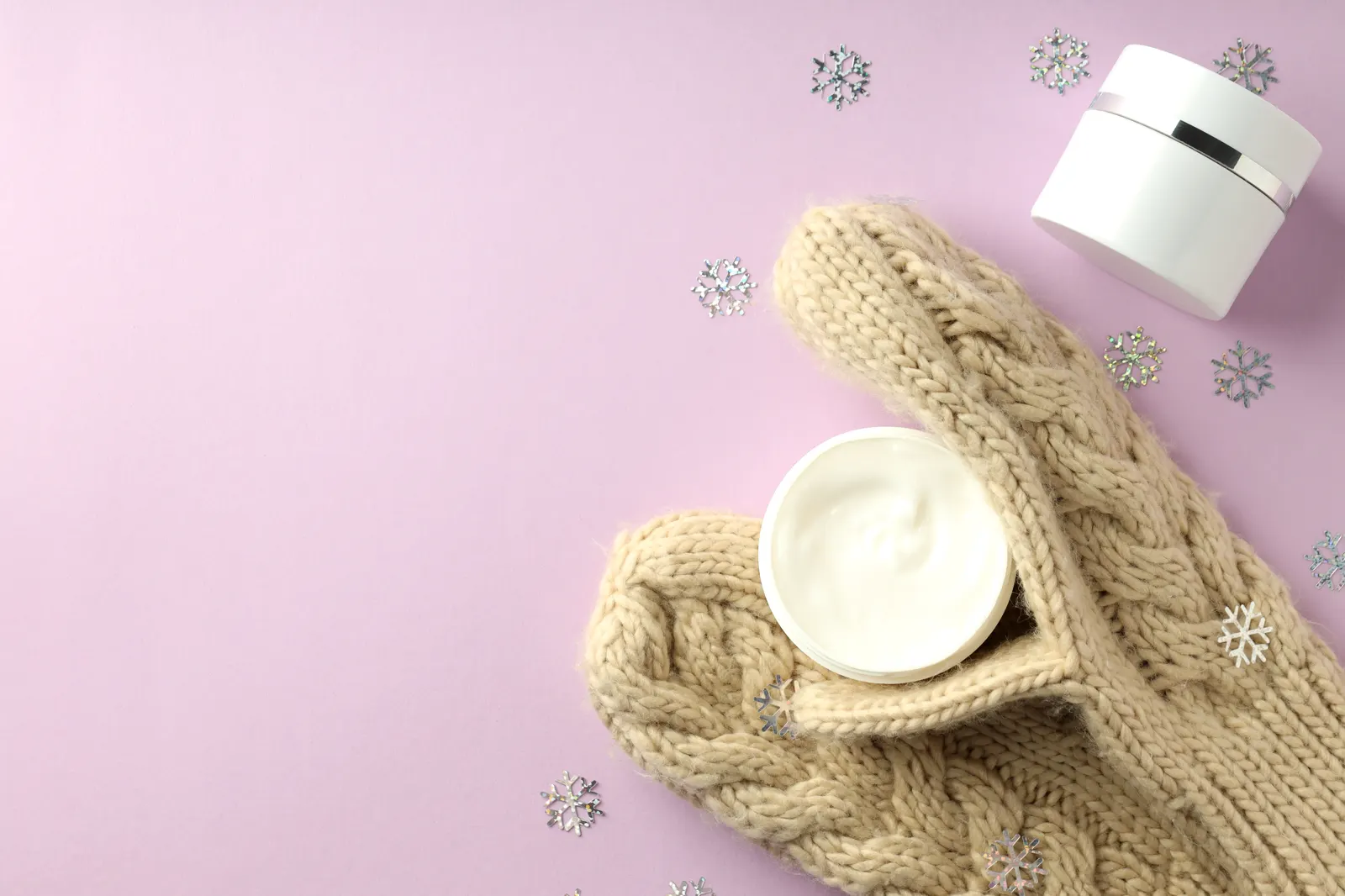
The first cold morning always gives it away: a tight cheek after washing, a lip that splits when you laugh, knuckles that look a size older than the rest of your hand. Winter skin is not a mystery, and it does not need a new shelf of products. It needs a few small changes, made in the right order, and kept up gently until the radiators go quiet again.
Why skin struggles when it gets cold
Your skin’s outer layer works like a brick wall: flattened cells held together by a mortar of natural fats. That wall keeps water in and irritants out. In winter it is squeezed from both sides. Cold outdoor air holds very little moisture, and indoor heating dries the air further, so water leaves the skin faster than usual. Hot showers, which feel wonderful on a dark morning, dissolve some of the mortar on the way past.
The result is the familiar winter trio: tightness, flaking and a new sensitivity to products you have used happily all year. Skin that tends towards eczema often flares now, and deeper skin tones may notice an ashy, gray cast over dry patches. None of this means anything is wrong with you. It means the wall needs more mortar and fewer knocks for a while.
The good news is that this is one of the best-understood areas of skincare. Gentle cleansing, moisturizing on damp skin and protecting exposed areas are backed by plenty of clinical experience and research on the skin barrier. Botanicals such as oats, shea and plant oils fit beautifully into that plan, because they do the same job: soothe, soften and seal.
Week one: soften the way you wash
Start with subtraction, not shopping. For the first week, change only how you clean your face and body.
- Turn the water down. Warm, not hot, and keep showers short. If your skin is pink when you step out, the water was too hot.
- Switch to a gentler cleanser. A cream, milk or balm cleanser in the evening is kinder than a foaming gel. A Sunflower Cleansing Balm melts off sunscreen and the day without leaving that squeaky feeling. In the morning, many dry faces only need a splash of water.
- Pause the scrubs. Grainy scrubs, strong acids and stiff brushes can wait until spring, or drop to once every week or two.
- Pat, do not rub. A soft towel, pressed, not dragged.
Use the end of the week for a quick check-in. The Two-Minute Barrier Check is a simple way to notice whether tightness after washing has eased. For most people it has, and nothing new has been bought yet.
Week two: moisturize on damp skin
This week is about timing. Moisturizer works best when it goes on skin that is still slightly damp, within a few minutes of washing, so it holds that water in place. The Soak and Seal: The Three-Minute Rule for Eczema-Prone Skin turns this into a habit: towel off lightly, then apply straight away, face and body.
Look at texture as well as ingredients. A lotion that felt perfect in July may now be too thin. For the face, a cream with plant butters or oils, or a few drops of a gentle oil pressed over your usual moisturizer, adds a protective layer. For the body, a richer balm or a Whipped Shea Body Butter on shins, elbows and the backs of arms makes a visible difference within days. Shea butter is a long-standing favorite in West Africa for exactly this reason: it is soft, rich and comforting on dry skin.
If your face is oily or breakout-prone, you still need moisture, just lighter. A gel-cream, or a drop of jojoba or squalane, often keeps winter flaking away without clogging.
Winter skin does not need a new shelf of products. It needs a few small changes, made in the right order.
Week three: hands, lips and the forgotten edges
Hands are washed more than any other skin we have, and in winter they show it first. Keep a hand cream next to every sink you use, and reapply after each wash. Once or twice a week, try the Overnight Glove Method for Winter Hands: a thick layer of balm under cotton gloves for an hour or overnight. Gloves outdoors matter just as much; cold wind on bare knuckles is a fast route to cracks.
Lips have no oil glands of their own and dry quickly in wind. Resist licking them, which makes things worse, and choose a simple balm without strong flavors or tingling agents. A Shea & Calendula Lip Balm is easy to make and pleasant to use, and the Lip Care for Cold, Windy Days routine covers the rest.
Finish with feet. Heels thicken and split in dry air, especially in open shoes or on bare floors. A rich cream after the evening shower, socks on top, and the A Night Ritual for Dry Heels steps usually soften them within a fortnight.
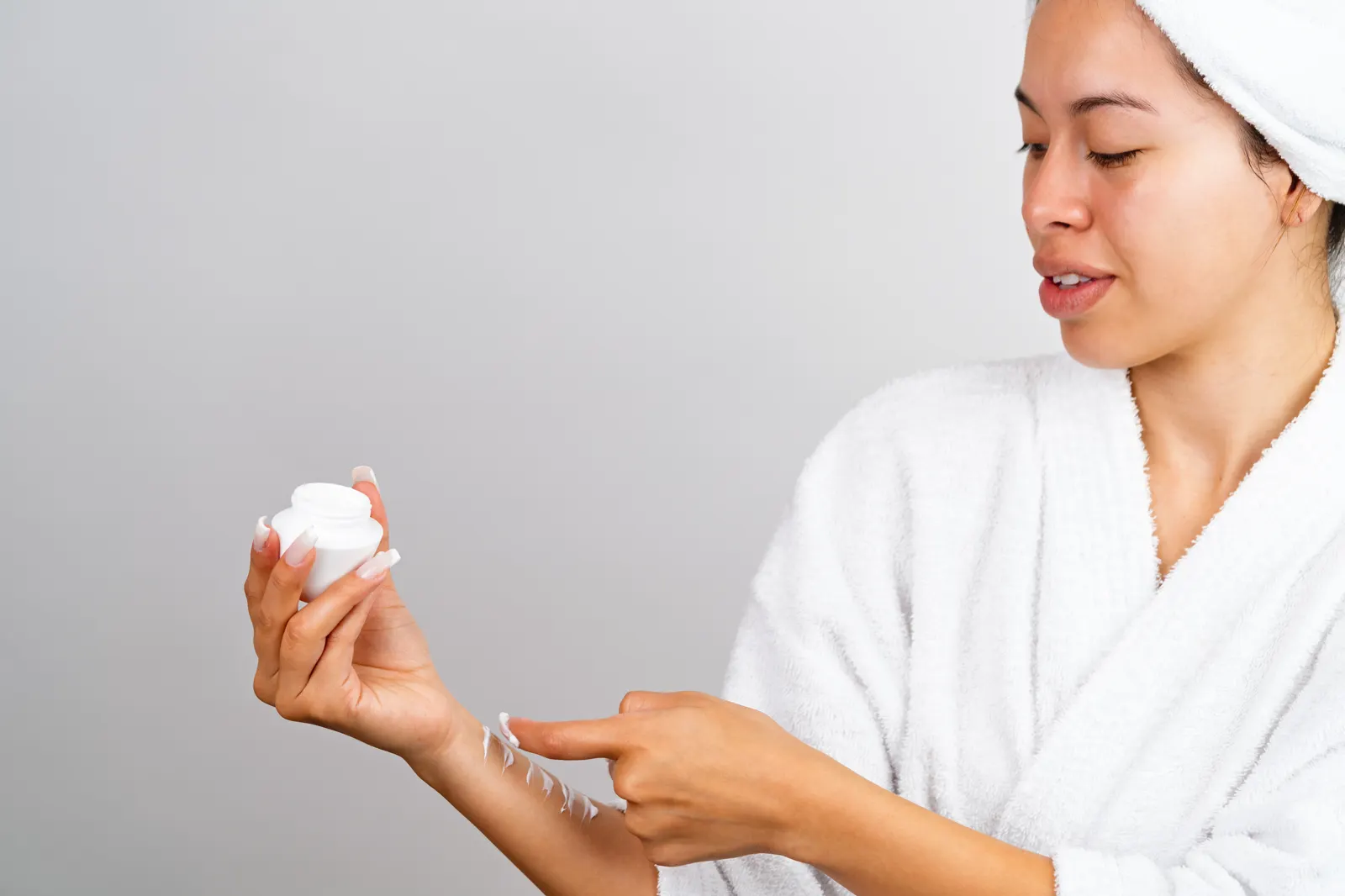
Week four: the room, the bath and the sun you forget
Now look beyond your skin to the air around it. A humidifier in the bedroom, or even a bowl of water near a radiator, can take the edge off very dry indoor air. Sleep in a slightly cooler room if you can.
A warm bath can be part of the plan rather than the problem. Keep it short and lukewarm, and add finely milled oats: colloidal oatmeal is one of the few botanicals with strong clinical backing for soothing dry, itchy skin, and the Colloidal Oat Soothing Bath is gentle enough for most families. Moisturize straight afterwards.
And keep the sunscreen. UV light reaches us on bright winter days, through windows, and reflects strongly off snow. On the face and hands, a daily broad-spectrum SPF matters in January as much as in June, especially if you are using anything to fade dark marks.
Beyond week four: keep it boring, and know when to ask
The secret of winter skin is consistency, not novelty. Once you have a routine that works, keep it simple and steady until the weather turns. Add any new product slowly, one at a time, and patch test first; winter skin is more reactive than usual. Our How to Patch Test (and Read the Result) guide shows you how.
A few friendly reminders:
- Fragrance and strong essential oils are common triggers on dry skin. Unscented is often the kinder choice in winter.
- Very itchy, red, weeping or cracked patches, or sleep disrupted by itching, deserve a visit to a doctor or pharmacist. Eczema is very treatable, and prescription creams used properly work alongside a gentle routine. See our page on eczema-prone skin.
- Cracks that bleed, look infected or do not heal in a couple of weeks should be checked, especially if you have diabetes or circulation problems.
Most people find that by the end of the month their skin feels calmer than it did in autumn. That is the whole point: not a dramatic transformation, but a season spent comfortable in your own skin.
Keep going
Put it into practice
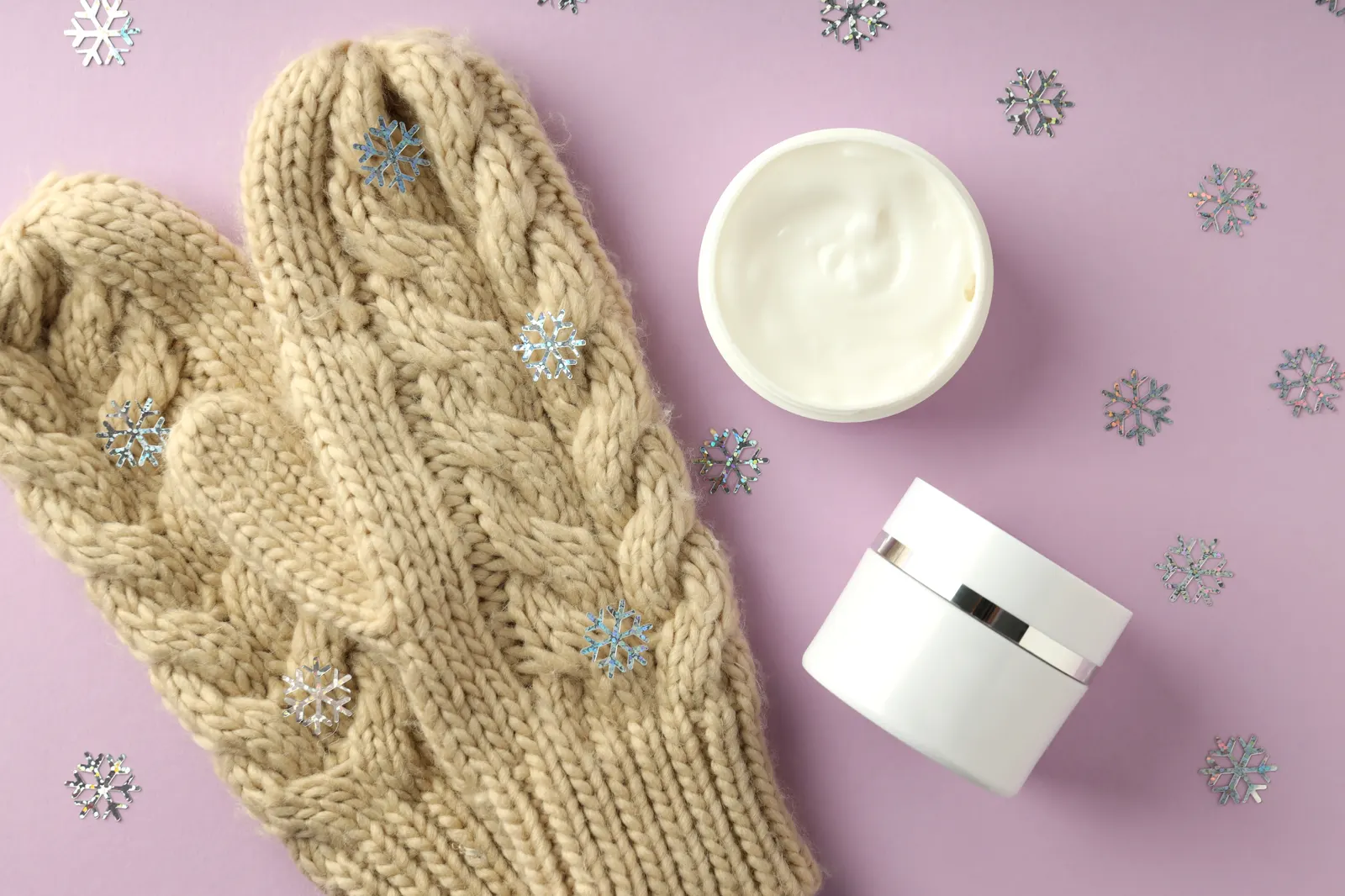 The Overnight Glove Method for Winter HandsCracked knuckles and rough fingertips? A thick balm under cotton gloves overnight, plus three daytime habits, rescues winter hands within days.
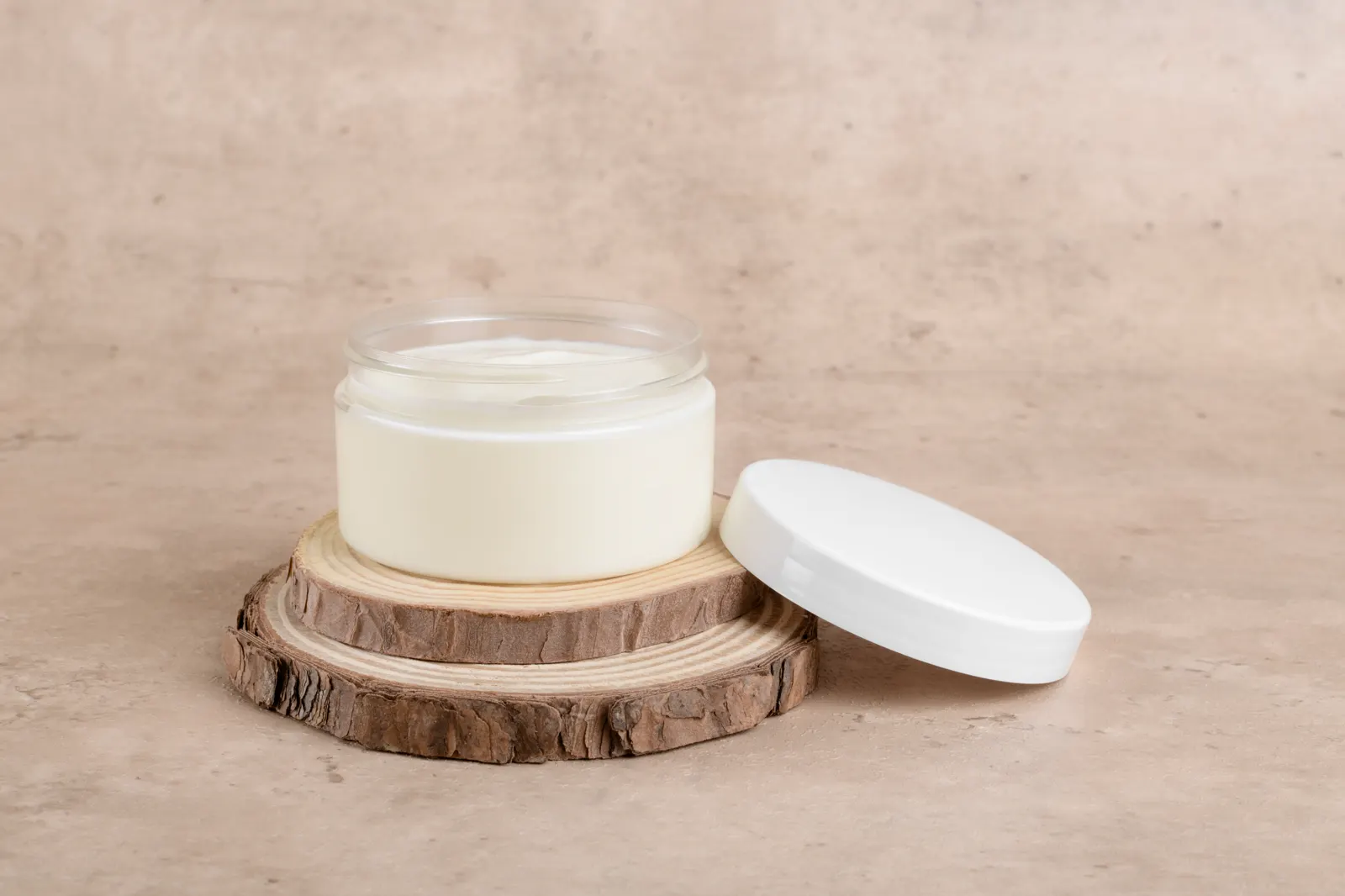 Body care · BeginnerWhipped Shea Body ButterCloud-light whipped shea with coconut and sunflower oils and a hint of lavender — rich care for dry skin, with the trick that prevents graininess.
GuideThe Skin Barrier, ExplainedBricks, mortar, acid mantle and microbes: how your skin barrier works, what damages it, and a calm, evidence-based plan to repair it.
The magazine
More stories you’ll enjoy
 Seasonal living · 6 minSummer Skin: After-Sun, Not Instead of Sun CreamAloe, cool water and a soft cream are lovely after a day outside. They come after good sun protection, never in place of it.
 Self-care & wellbeing · 6 minThe Ten-Minute Evening That Changes Your Skin and Your SleepA short, unhurried wind-down for the end of the day: clean skin, a little oil, softer light and a calmer mind before bed.
 Rituals of the world · 6 minBathing Around the World: From Hammam to Onsen to SaunaSteam, hot springs and cedar heat: what the world’s great bathing traditions share, and how to borrow their best ideas at home, safely.