Concern guide
Dry & Dehydrated Skin
Why skin loses water, how the barrier works, and how to layer humectants, emollients and occlusives — with oatmeal, shea and oils that help.
Start here
Your routine, starting tonight
Simple, gentle and consistent beats complicated. Follow this for six to eight weeks before you judge it.
Morning
- Rinse with lukewarm water or use a creamy, fragrance-free cleanser; skip cleansing if skin feels tight.
- Humectant layer (a glycerin- or aloe-based serum) on damp skin.
- Moisturizer with ceramides or a few drops of plant oil mixed in.
- Broad-spectrum sunscreen (a hydrating lotion texture).
Evening
- Remove makeup with an oil cleanser such as Sunflower Cleansing Balm.
- Rich cream or balm; “soak and seal” — apply within three minutes of bathing.
- Body: Whipped Shea Body Butter or a urea lotion; lips: Shea & Calendula Lip Balm.
Weekly
- A Colloidal Oat Soothing Bath or Honey & Oat Gentle Cleanser when skin is itchy.
- One gentle lactic acid or enzyme exfoliation for flakes — never scrubs on raw skin.
- Run a humidifier in heated rooms during winter.
What is going on
In plain language: the top layer of skin (the stratum corneum) works like a brick wall — flattened dead cells are the bricks and a mix of fats is the mortar. Inside the bricks are natural water-binding molecules. When the mortar is thin or the water-binders run low, water evaporates out, and skin feels tight and looks dull or flaky.
Expert detail: the intercellular lipid “mortar” is made of ceramides, cholesterol and free fatty acids in roughly equimolar proportions, organized in lamellar layers. Natural moisturizing factor (NMF) — amino acids, PCA, lactate and urea, largely derived from the breakdown of the protein filaggrin — keeps corneocytes hydrated. Barrier function is measured as transepidermal water loss (TEWL). Low humidity, hot water, harsh surfactants such as sodium lauryl sulfate, frequent handwashing and sanitizers, aging, and certain medicines (retinoids, diuretics, statins) all raise TEWL or reduce NMF.
“Dry” versus “dehydrated”: in cosmetic language, dry skin is a skin type that produces less oil and lacks lipids, while dehydrated skin lacks water and can occur in any skin type, including oily skin. Medically both fall under xerosis. Persistent or severe dryness can be a feature of eczema (Eczema-Prone Skin), ichthyosis, hypothyroidism, diabetes, kidney disease or nutritional deficiency.
How moisturizers work: humectants (glycerin, urea, honey, aloe, hyaluronic acid) draw water in; emollients (plant oils, butters, squalane) smooth and fill gaps between flakes; occlusives (petrolatum, waxes, heavy butters) slow evaporation. The best moisturizers combine all three, applied to slightly damp skin. See The Skin Barrier, Explained.
The plants most worth trying
 No. 042
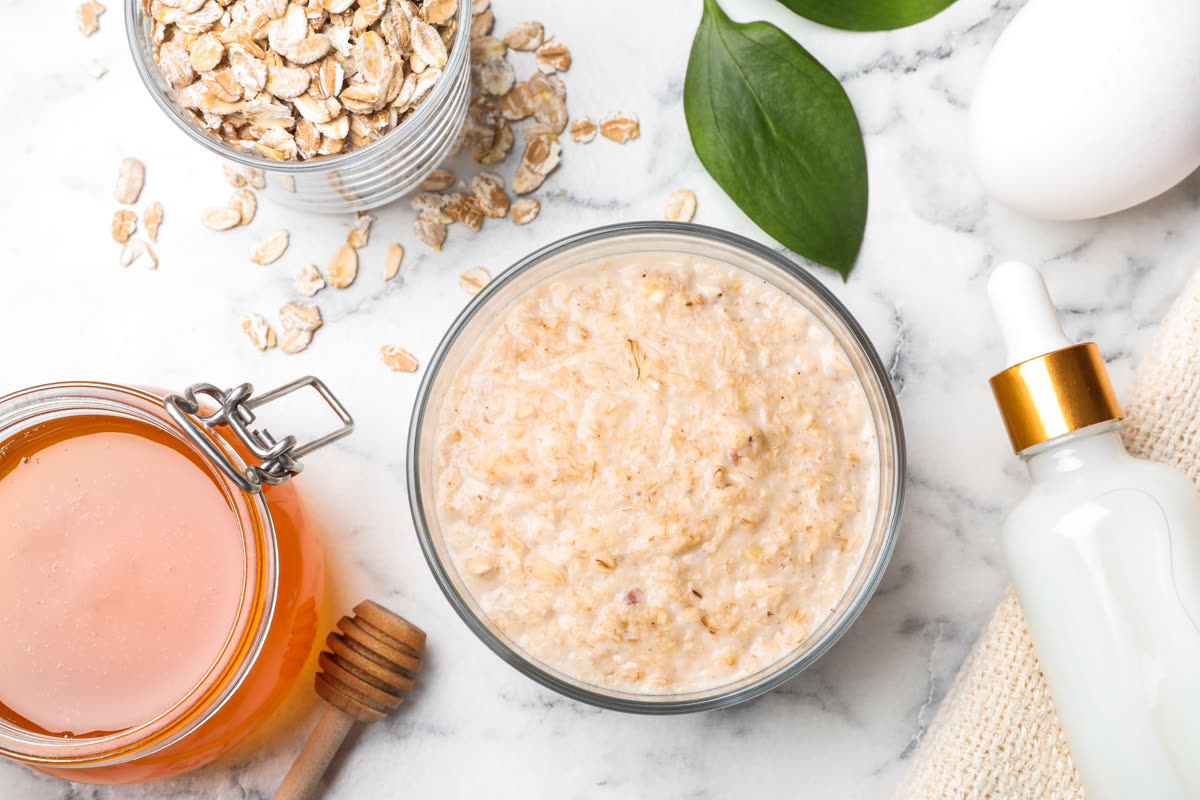
Colloidal OatmealAvena sativa L.Multiple clinical studies show colloidal oatmeal creams and baths reduce dryness, scaling and itch; it is an approved skin protectant in the US.
 No. 033
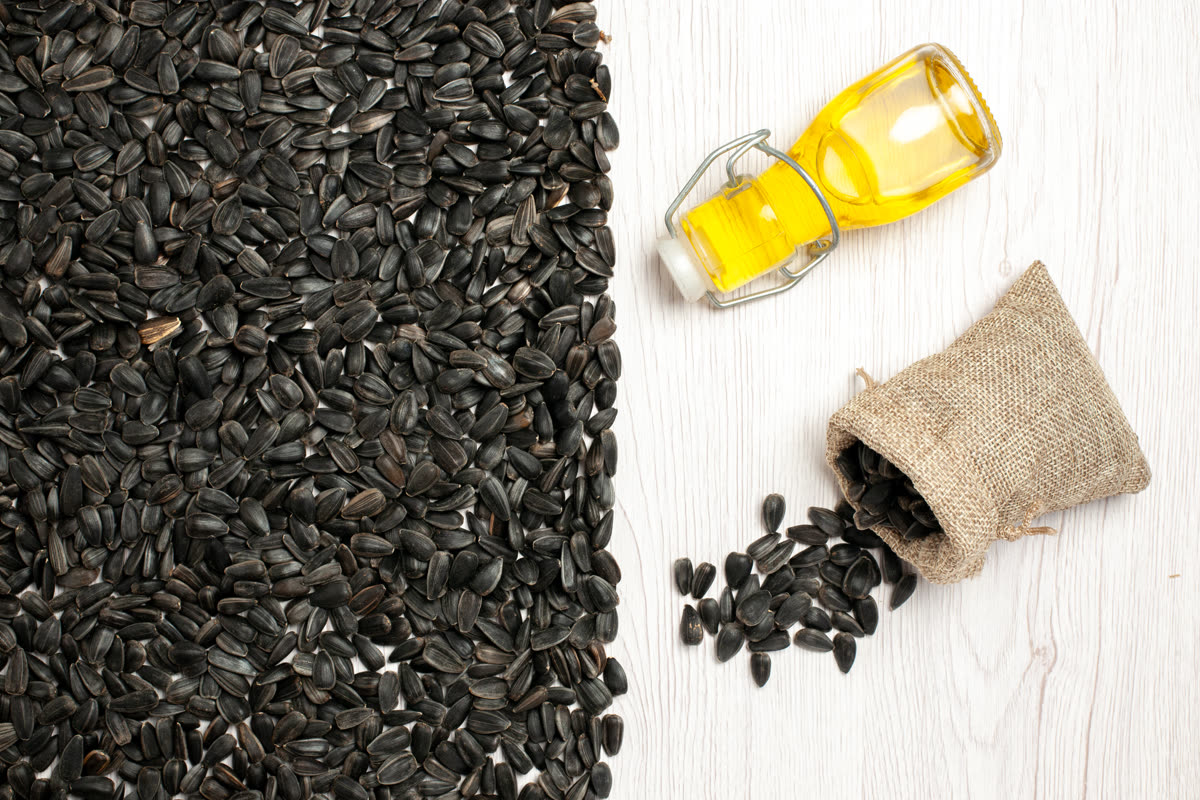
Sunflower OilHelianthus annuus L.Linoleic-rich sunflower seed oil preserved stratum corneum integrity and improved hydration in a comparative study with olive oil, and supports…
 No. 031
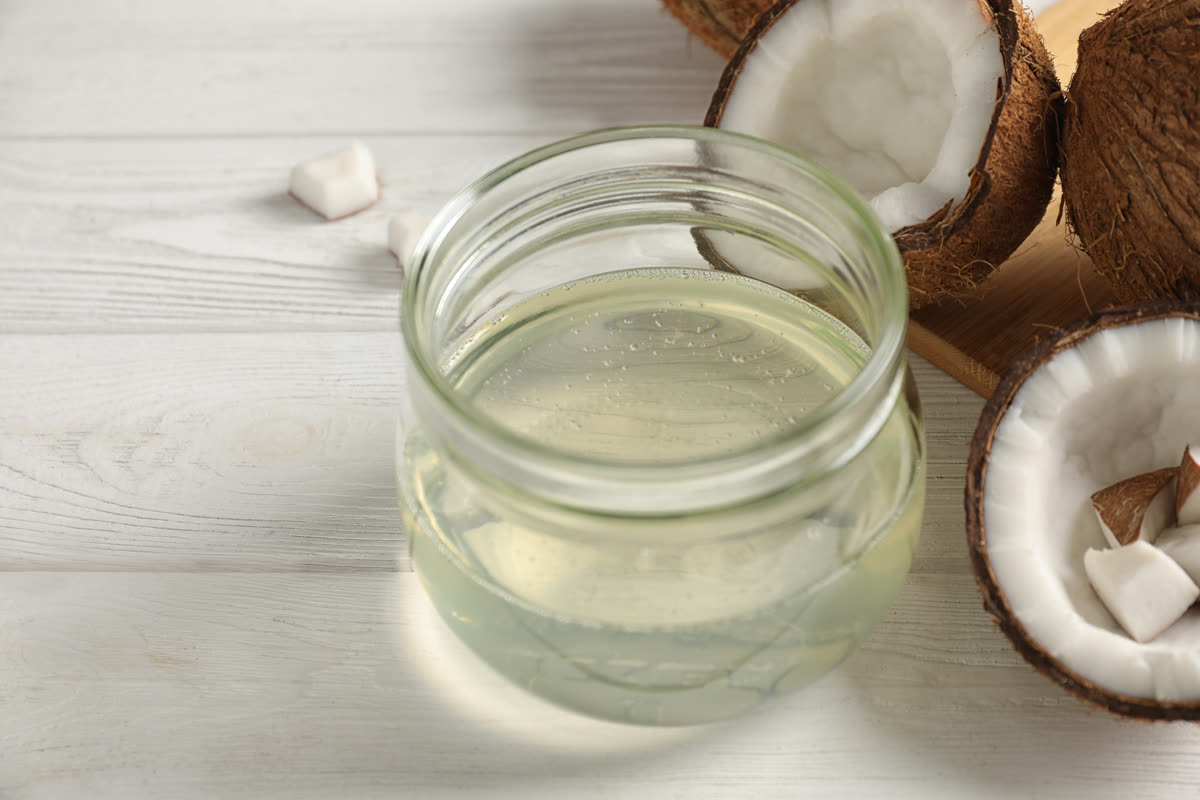
Coconut OilCocos nucifera L.A randomized trial found virgin coconut oil as effective and safe as mineral oil for mild to moderate xerosis of the legs.
The full list, best proven first:
| Ingredient | Grade | What the evidence shows |
|---|---|---|
| Colloidal Oatmeal | B | Multiple clinical studies show colloidal oatmeal creams and baths reduce dryness, scaling and itch; it is an approved skin protectant in the US. |
| Sunflower Oil | B | Linoleic-rich sunflower seed oil preserved stratum corneum integrity and improved hydration in a comparative study with olive oil, and supports barrier function in neonatal studies. |
| Coconut Oil | B | A randomized trial found virgin coconut oil as effective and safe as mineral oil for mild to moderate xerosis of the legs. |
| Shea Butter | C | Rich emollient and mild occlusive with anti-inflammatory triterpene esters; small studies of shea-containing creams support hydration. |
| Squalane | C | A skin-identical, stable, lightweight emollient that reduces roughness; excellent tolerability but limited trial data on its own. |
| Jojoba | C | A liquid wax ester that resembles skin’s own wax esters; small studies support barrier repair and softness. |
| Aloe Vera | C | A humectant gel that improved skin hydration in small studies; on its own it is not enough for very dry skin and needs an emollient on top. |
| Marshmallow Root | D | Mucilage polysaccharides form a soothing, humectant film; evidence is traditional and lab-based. |
Proven partners beyond plants
The best-proven dry-skin ingredients are not exotic: glycerin, urea (5–10% for body; higher for thickened heels under advice), lactic acid, ceramide-containing creams and plain petrolatum, which remains one of the most effective occlusives available and has a very low allergy rate. Gentle, syndet (non-soap) cleansers and shorter, cooler showers make a real difference. If dryness is itchy and inflamed, it may be eczema, and a short course of a topical steroid prescribed by a clinician can be appropriate.
Botanicals like colloidal oatmeal, sunflower oil and shea butter work well alongside these — think of plant oils as emollients that need a humectant underneath and, for very dry skin, an occlusive on top.
What tends to make it worse
- Long, hot showers and baths.
- Harsh soaps, foaming gels with strong sulfates, and alcohol-based toners.
- Fragrance and high levels of essential oils, which irritate a compromised barrier.
- Over-exfoliating with scrubs, acids or retinoids all at once.
- Relying on aloe or hyaluronic acid alone in dry air — without an emollient on top they can leave skin feeling tighter.
When to see a doctor
- Dryness with intense itch that disturbs sleep, or red, inflamed patches (possible eczema or another dermatitis).
- Cracked, bleeding or weeping skin, or signs of infection (pain, warmth, yellow crusts, pus).
- Fish-scale-like dryness present since childhood (possible ichthyosis).
- New, persistent dryness with fatigue, weight change, feeling cold or hair thinning (thyroid), or with excessive thirst and urination (diabetes).
- Severe dryness in older adults with widespread itch that does not respond to moisturizers.
Find a dermatologist or report a reaction to a cosmetic, wherever you live.
Myths and evidence
MythDrinking more water fixes dry skin.
EvidenceUnless you are actually dehydrated, extra water does little for the skin surface. Barrier lipids, humectants and less stripping make the difference.
MythOlive oil is the best natural moisturizer.
EvidenceOlive oil is high in oleic acid; in a controlled study it disrupted the adult skin barrier, while linoleic-rich sunflower oil did not. Fine for occasional body use, but not first choice for fragile or eczema-prone skin.
MythOily or acne-prone skin cannot be dehydrated.
EvidenceOil and water content are separate. Oily skin can lack water, especially when stripped by harsh acne products — a light humectant moisturizer helps.
Recipes to try at home
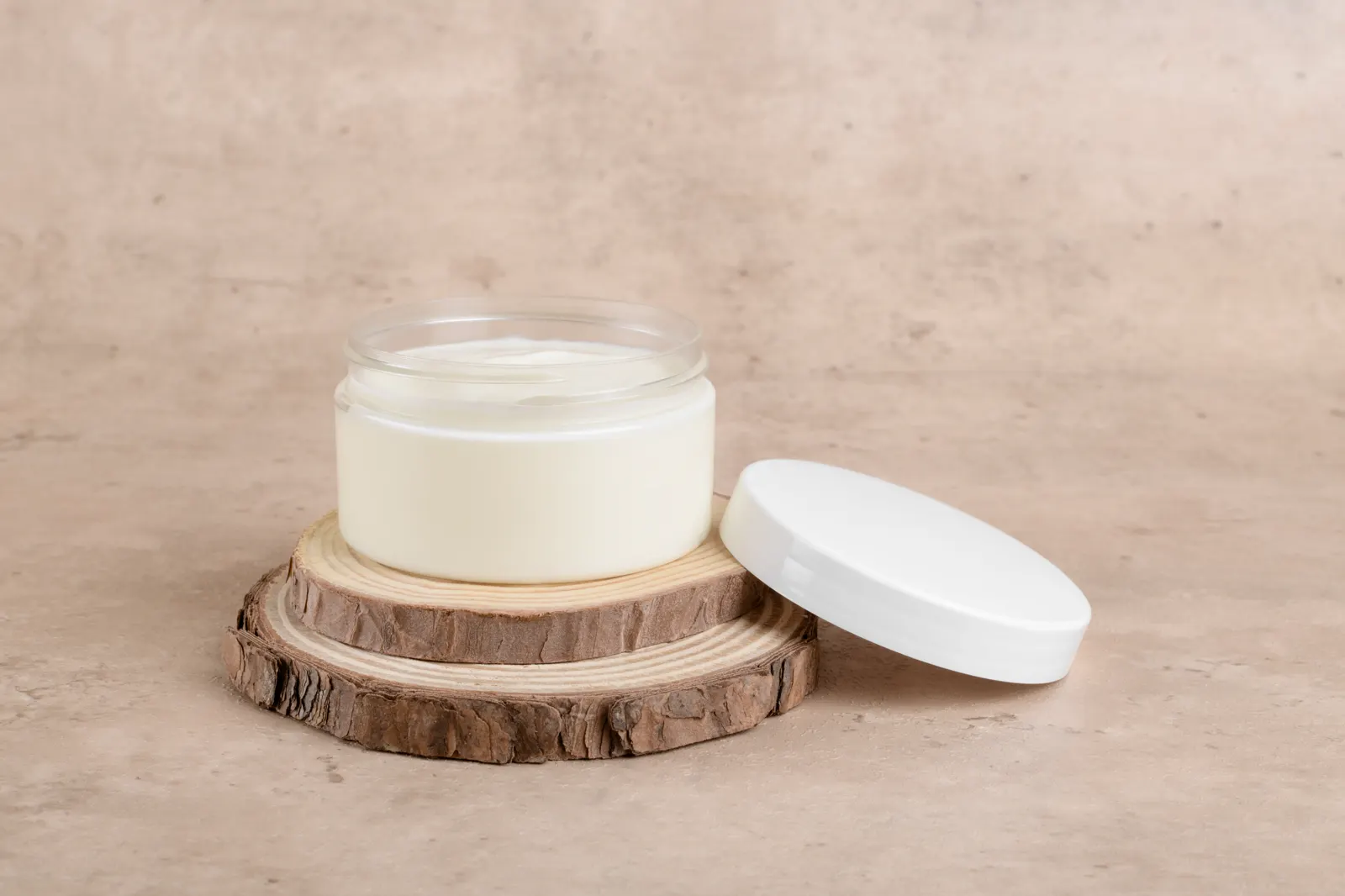 Body care · BeginnerWhipped Shea Body ButterCloud-light whipped shea with coconut and sunflower oils and a hint of lavender — rich care for dry skin, with the trick that prevents graininess.
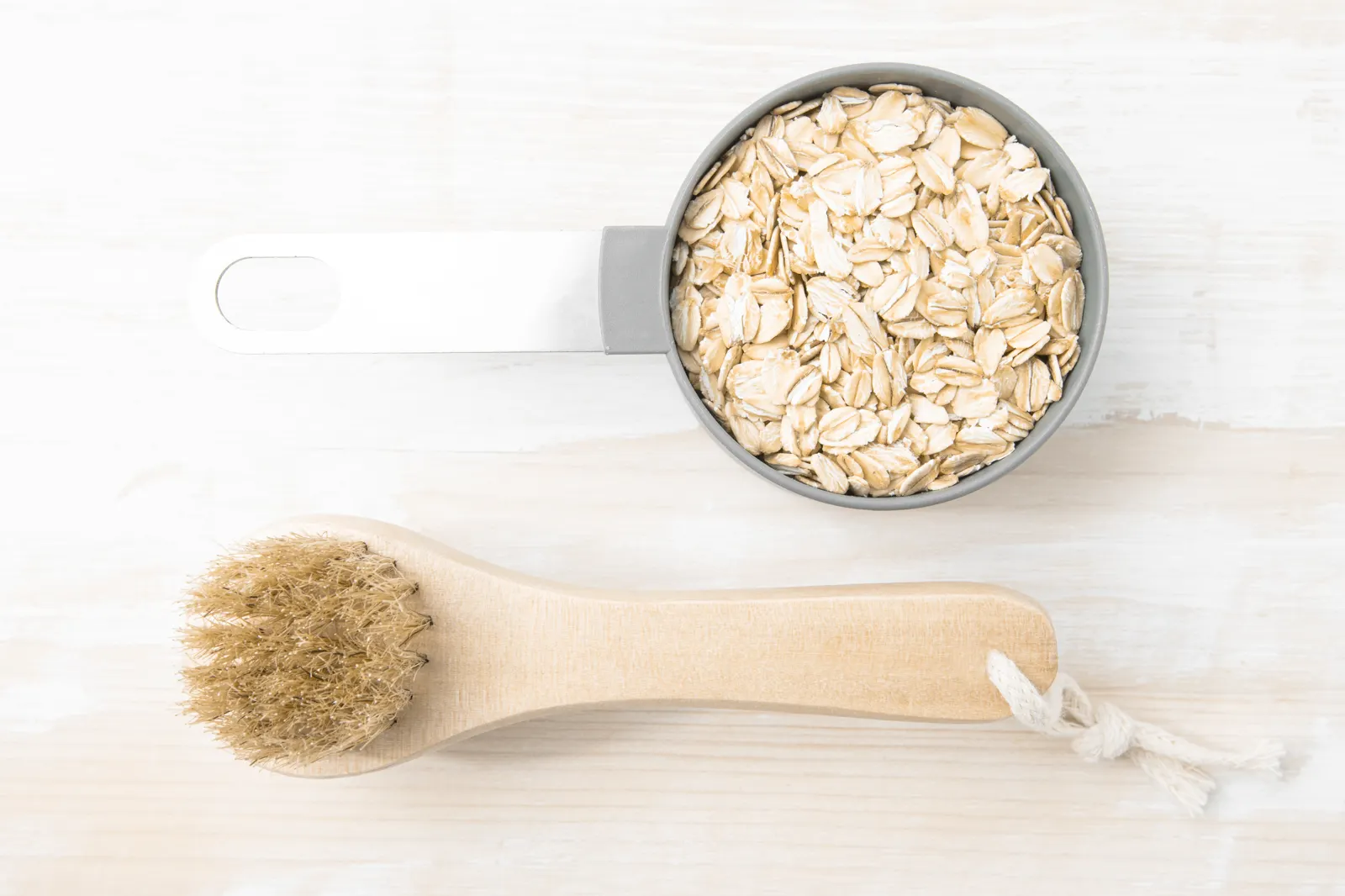 Bath · BeginnerColloidal Oat Soothing BathA lukewarm colloidal oatmeal soak with a little sunflower oil and marshmallow root to calm itchy, dry or eczema-prone skin.
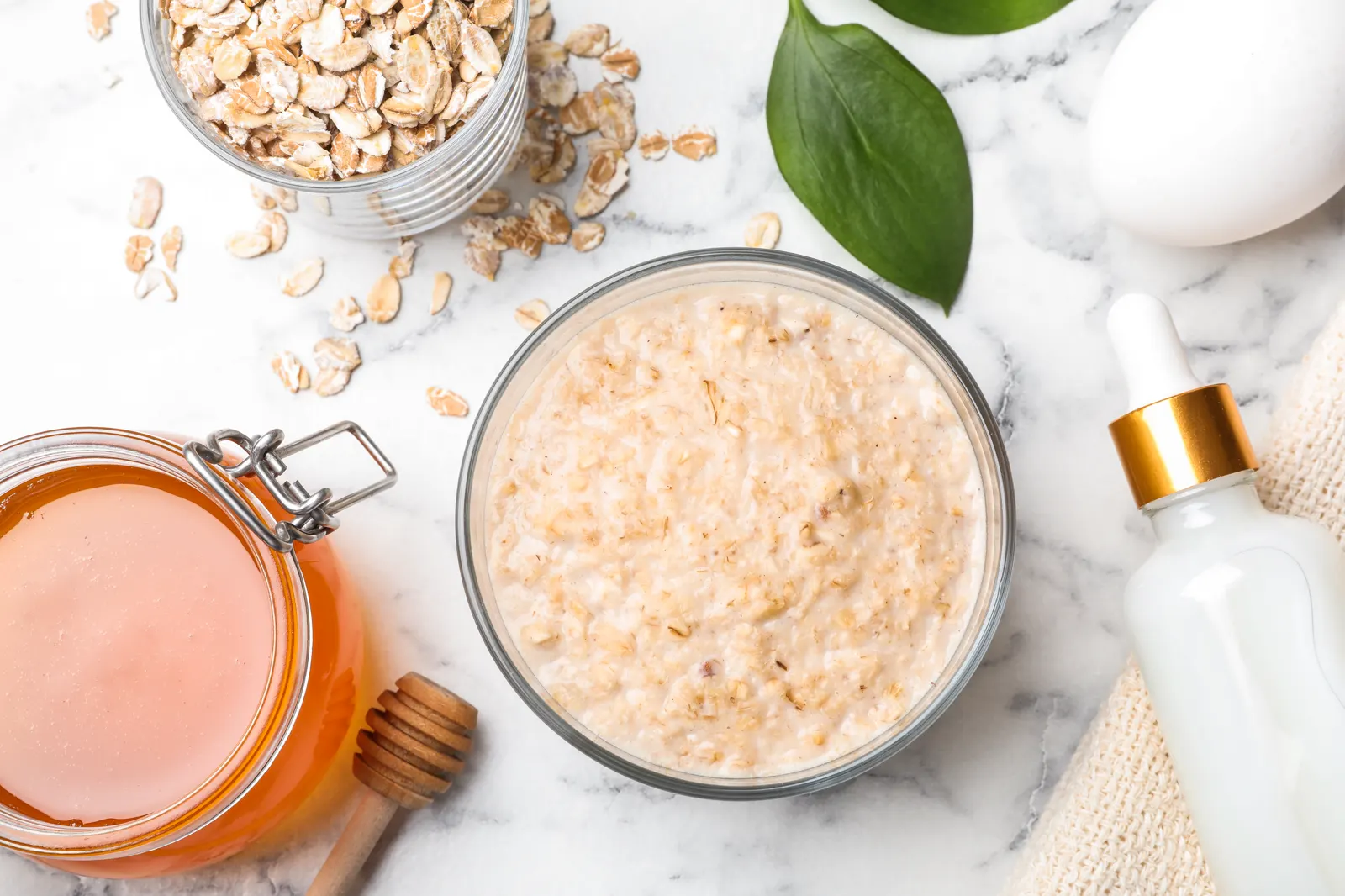 Cleanser · BeginnerHoney & Oat Gentle CleanserA no-foam, single-use cleansing paste of raw honey, colloidal oatmeal, rose water and jojoba for dry or sensitive skin that hates feeling squeaky.
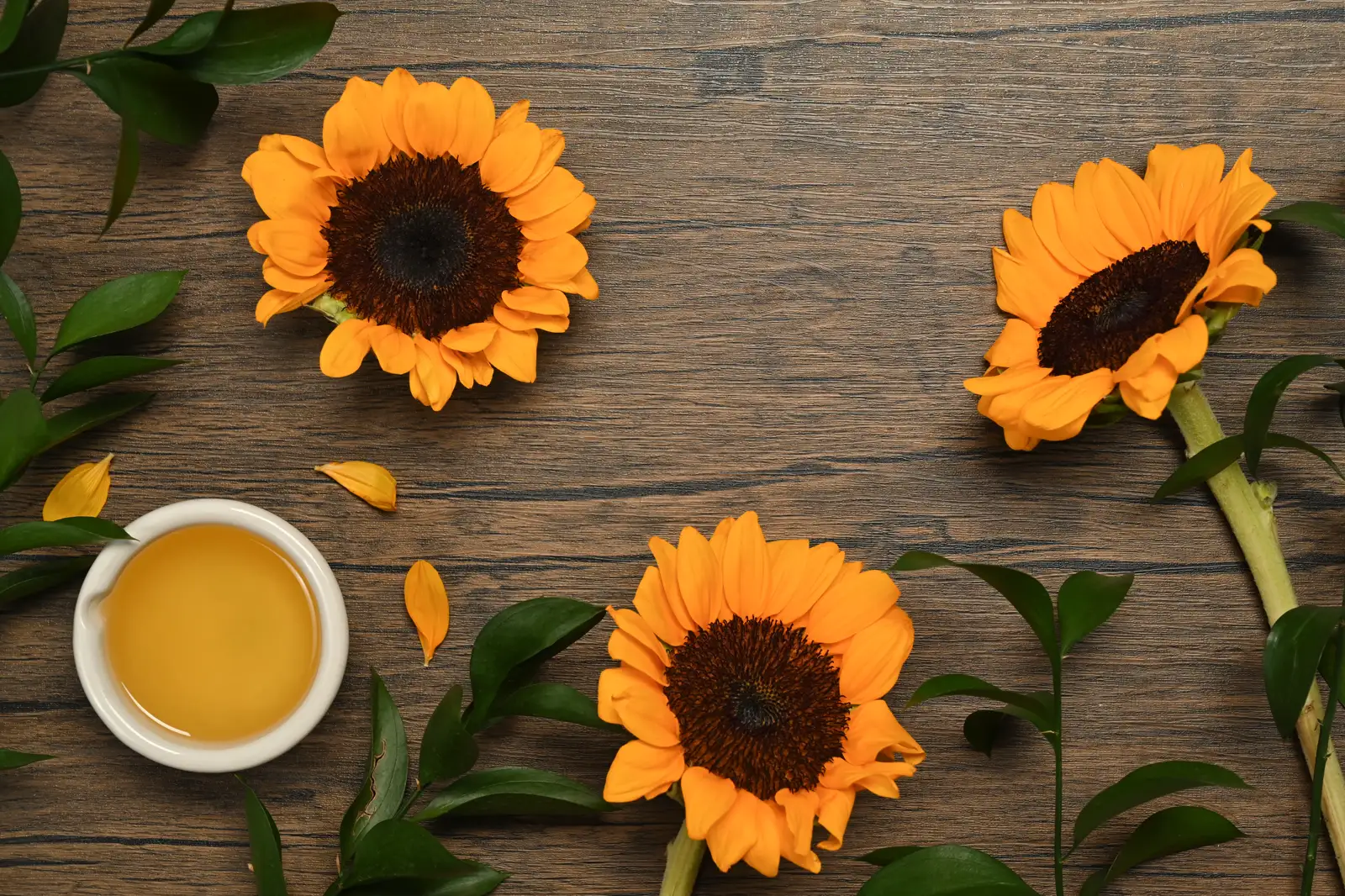 Cleanser · IntermediateSunflower Cleansing BalmA sherbet-textured cleansing balm of sunflower, shea and jojoba with a plant-derived emulsifier that turns milky and rinses clean, sunscreen included.
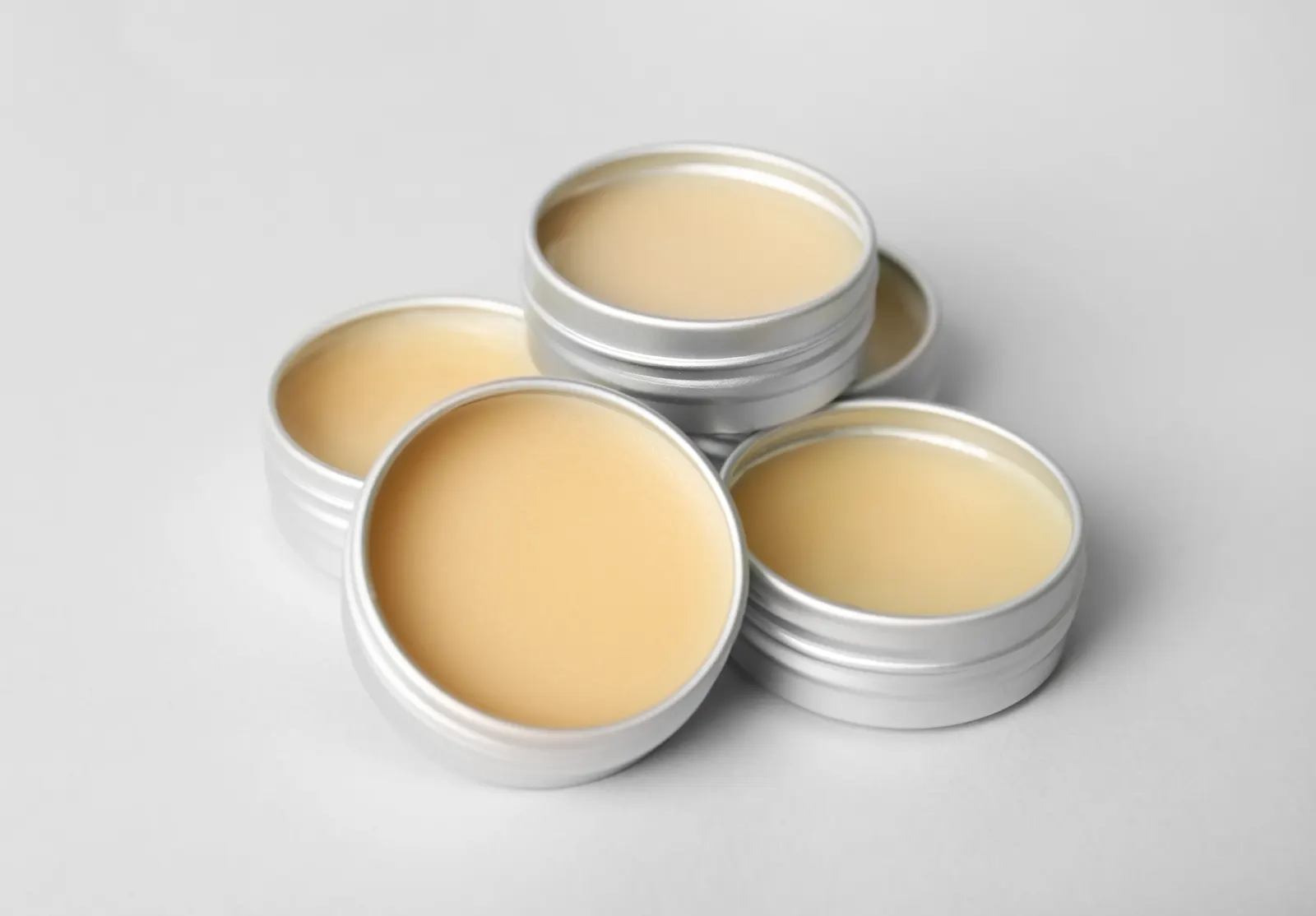 Lip care · BeginnerShea & Calendula Lip BalmA classic fragrance-free beeswax lip balm with shea, castor oil and calendula-infused oil — glossy, protective and easy to make.
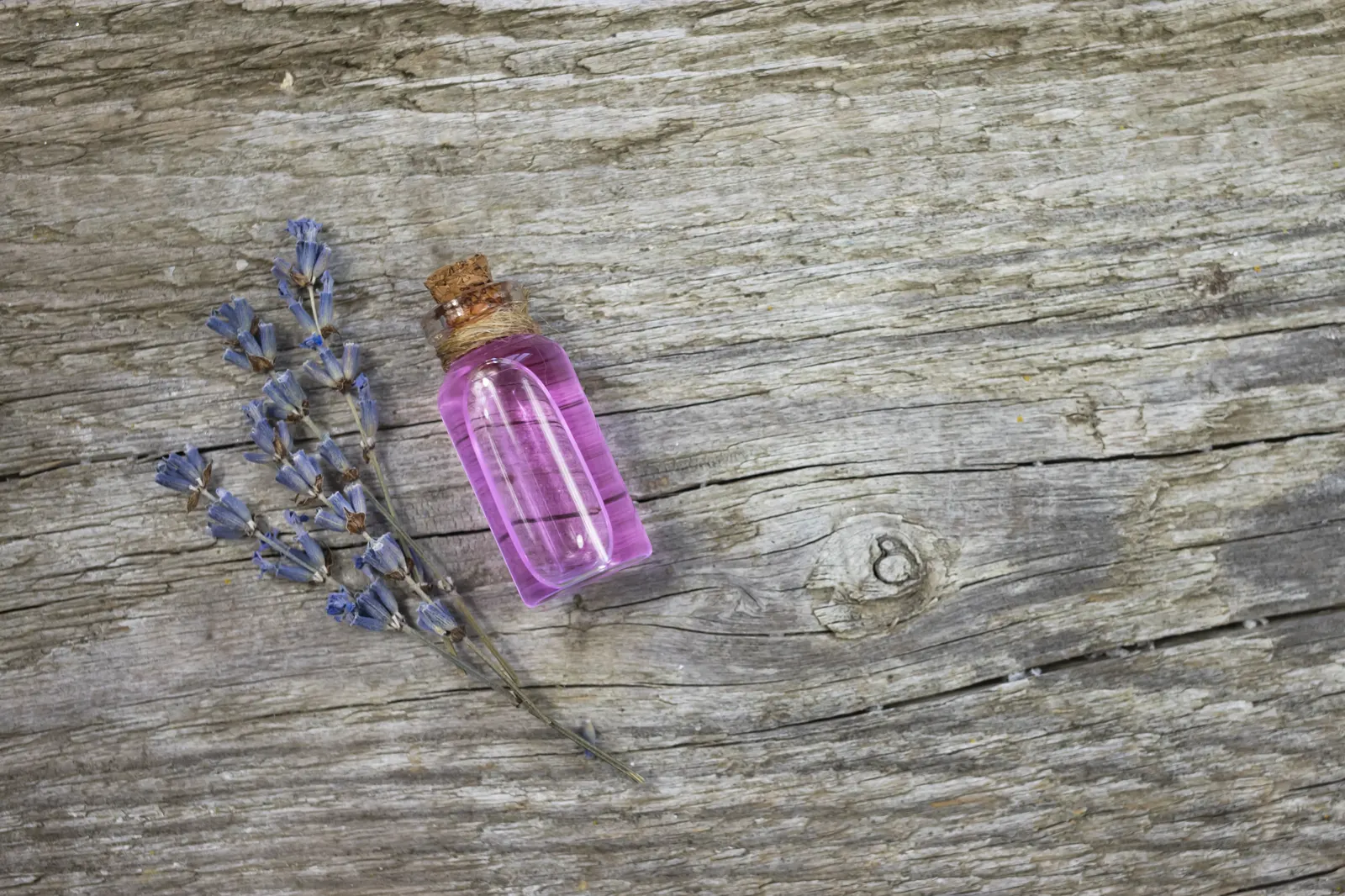 Body care · BeginnerLavender Calm Body OilA silky after-bath body oil of sunflower, apricot kernel and jojoba with 2% true lavender — the maximum we recommend for body use.