The ingredient encyclopedia · oil
Coconut Oil
Cocos nucifera L. · Arecaceae
The kitchen-cupboard classic with real trial support for dry skin, plus a pre-wash hair coat that helps protect every strand.
FR Huile de cocoES Aceite de cocoAR زيت جوز الهندNariyal tel (Hindi); velichenna (Malayalam)
- How well proven
- BGood evidence
- Safety
- Low topical risk
- Sun-sensitive
- No
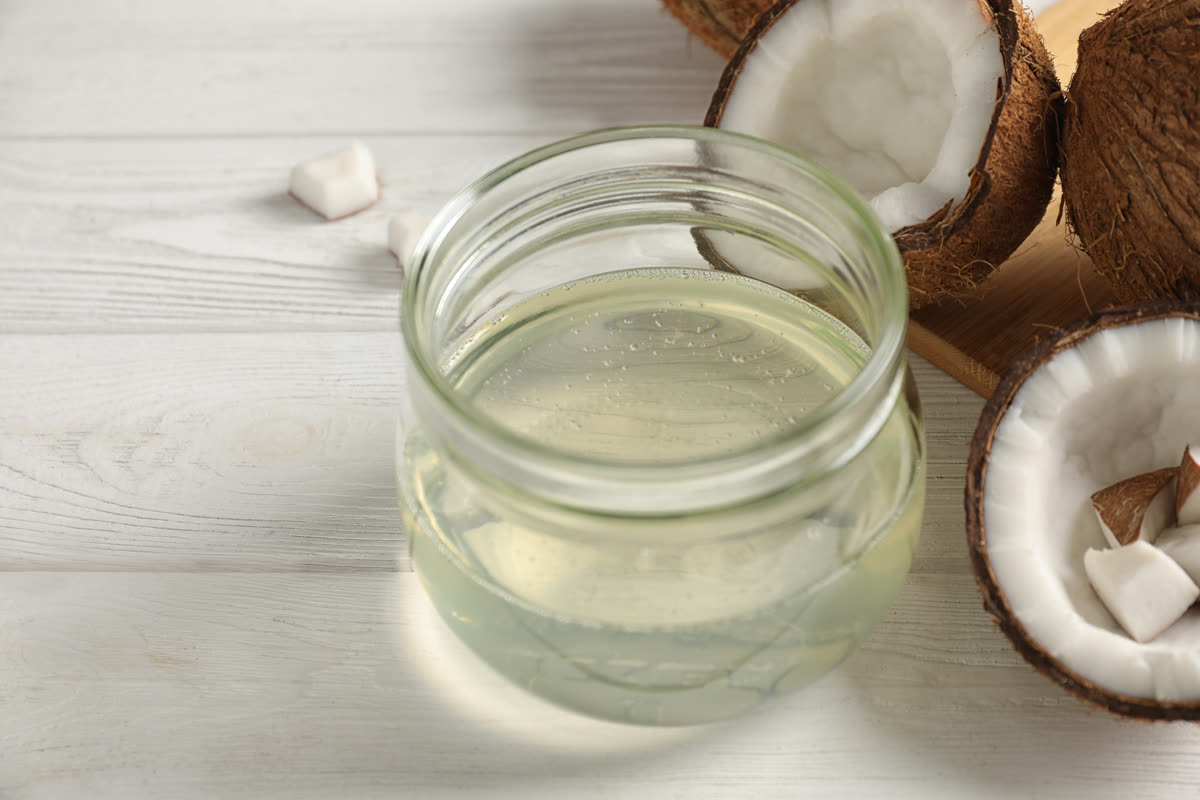
FR Huile de cocoES Aceite de cocoAR زيت جوز الهندNariyal tel (Hindi); velichenna (Malayalam)
What the evidence says
Several small randomized trials in xerosis and pediatric atopic dermatitis, plus solid in-vitro hair data; trials are small and some are from a single research group.
- Best supported for
- Dry & Dehydrated Skin BEczema-Prone Skin BDry, Damaged & Frizzy Hair C
- How to use it
- Body moisturizer · Neat, a thin layer on damp skin
- Watch out for
- May trigger comedones on acne-prone facial skin — patch test on the jawline for two to three weeks before using on the whole face.
Checked against 4 cited studies and our safety review · Updated 26 November 2026 · How we grade
Why you’ll love Coconut Oil
Why you’ll love it
- Shown in trials to moisturize dry skin as well as mineral oil
- A pre-wash coat helps reduce protein loss from hair
- Stable and simple, it keeps well without any additives
Best forDry body skin, mild eczema-prone skin and dry or damaged hair; not acne-prone faces.
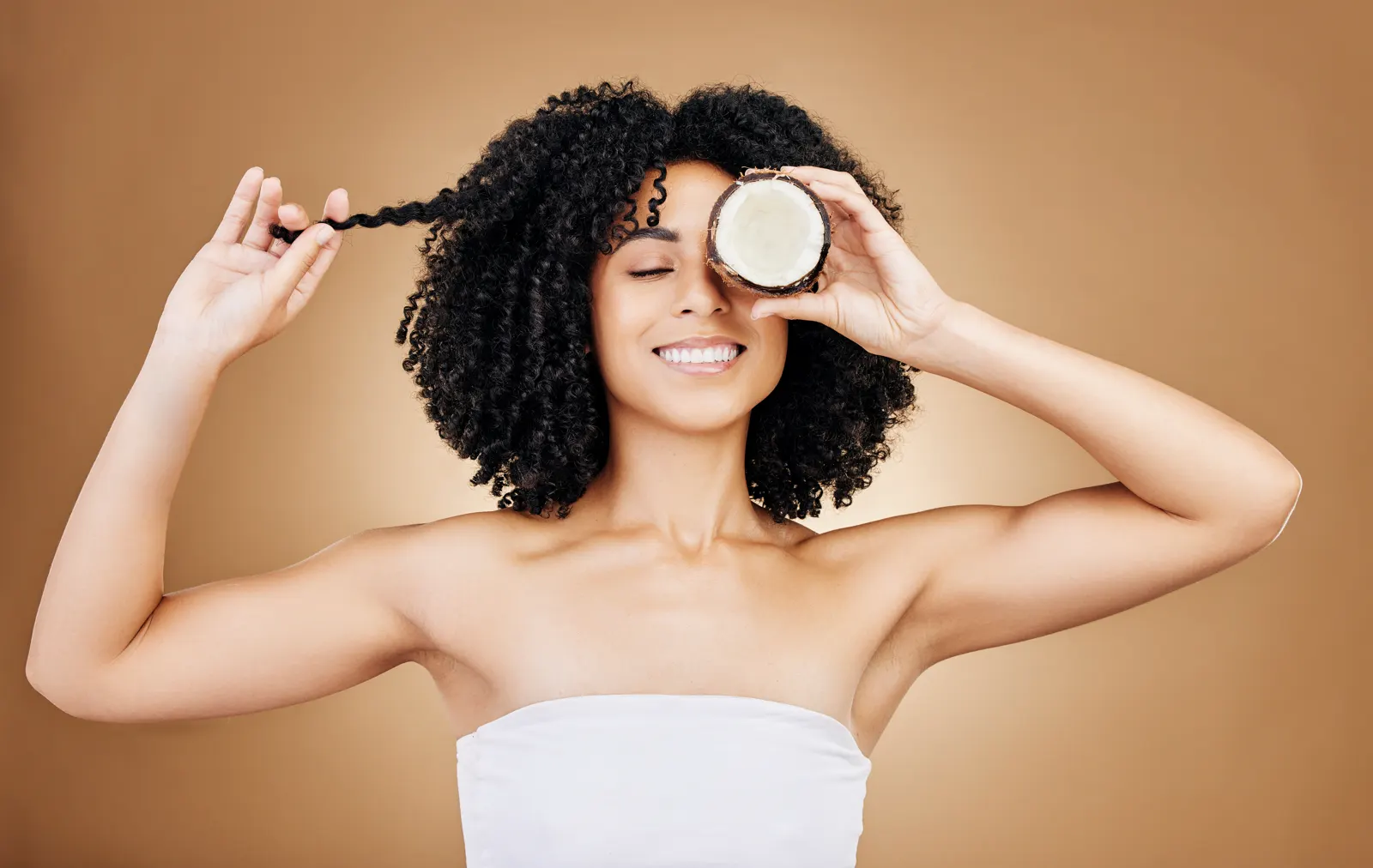
Try it today
A pre-shampoo hair mask
- Melt 1–2 teaspoons of virgin coconut oil between your palms.
- Work it through dry lengths and ends, using less if your hair is fine.
- Leave it for 30 minutes or overnight, then shampoo out well.
Good to know: It can clog pores on acne-prone faces, so patch test on your jawline for two to three weeks first. And it is not a sunscreen.
At a glance
| Parts used | Oil from fresh kernel (virgin) or dried copra (refined); fractionated medium-chain triglycerides |
|---|---|
| Key actives | Lauric acid, Myristic acid, Caprylic and capric acids, Monolaurin (formed on skin), Polyphenols (virgin oil) |
| INCI names | Cocos Nucifera Oil Hydrogenated Coconut Oil Caprylic/Capric Triglyceride (fractionated coconut oil) |
| Skin types | dry, normal |
| Hair & scalp | curly, thick, dry scalp |
| Pairs well with | Shea ButterAmla (Indian Gooseberry)HibiscusAloe Vera |
| Evidence grade | BGood evidence Several small randomized trials in xerosis and pediatric atopic dermatitis, plus solid in-vitro hair data; trials are small and some are from a single research group. |
What it does for skin and hair
Moisturizes dry skin
In a randomized trial, virgin coconut oil improved xerosis as well as mineral oil, with no safety concerns.
Helps mild-to-moderate eczema
In children with mild-to-moderate atopic dermatitis, virgin coconut oil reduced severity more than mineral oil over eight weeks.
Reduces hair protein loss
Lauric acid is small and linear enough to penetrate the hair shaft; used before or after washing, coconut oil reduced protein loss from both damaged and undamaged hair.
Stable and simple
Mostly saturated, so it resists oxidation and keeps well without additives.
How to use it
Start low, be consistent, and give it four to eight weeks. These are the amounts that work in real products and home recipes.
| Form | Typical use level | Notes |
|---|---|---|
| Body moisturizer | Neat, a thin layer on damp skin | Melt a small amount in the palms; apply after bathing. Best for body, not acne-prone faces. |
| Pre-wash hair treatment | 1–2 teaspoons on lengths, 30 minutes to overnight before shampoo | The approach tested for reducing protein loss. Low-porosity or fine hair may feel coated; use less. |
| Balms and butters | 10–40% of an anhydrous formula | Adds slip and a firm-but-meltable texture; may make whipped butters soften in warm weather. |
| Cleansing balm | 20–50% of the oil phase | Dissolves makeup well; rinse or wipe thoroughly if you are breakout-prone. |
Use it safely
Low topical risk
- May trigger comedones on acne-prone facial skin — patch test on the jawline for two to three weeks before using on the whole face.
- Allergy to coconut oil itself is rare. Coconut-derived surfactants (e.g. cocamidopropyl betaine) are much more frequent contact allergens — they are different substances.
- It is not a sunscreen. See Sun Care & After-Sun.
- For infants or infected eczema (weeping, crusting, fever), see a doctor rather than self-treating.
- Pregnancy & breastfeeding
- Safe for topical use in pregnancy and breastfeeding. Pregnancy guide
- Phototoxicity
- Not phototoxic at normal use levels.
- Declared fragrance allergens
- None expected
New to an ingredient? Patch test first. Stop and seek advice if you get burning, swelling, blistering or a spreading rash.
Make it at home: recipes with coconut oil
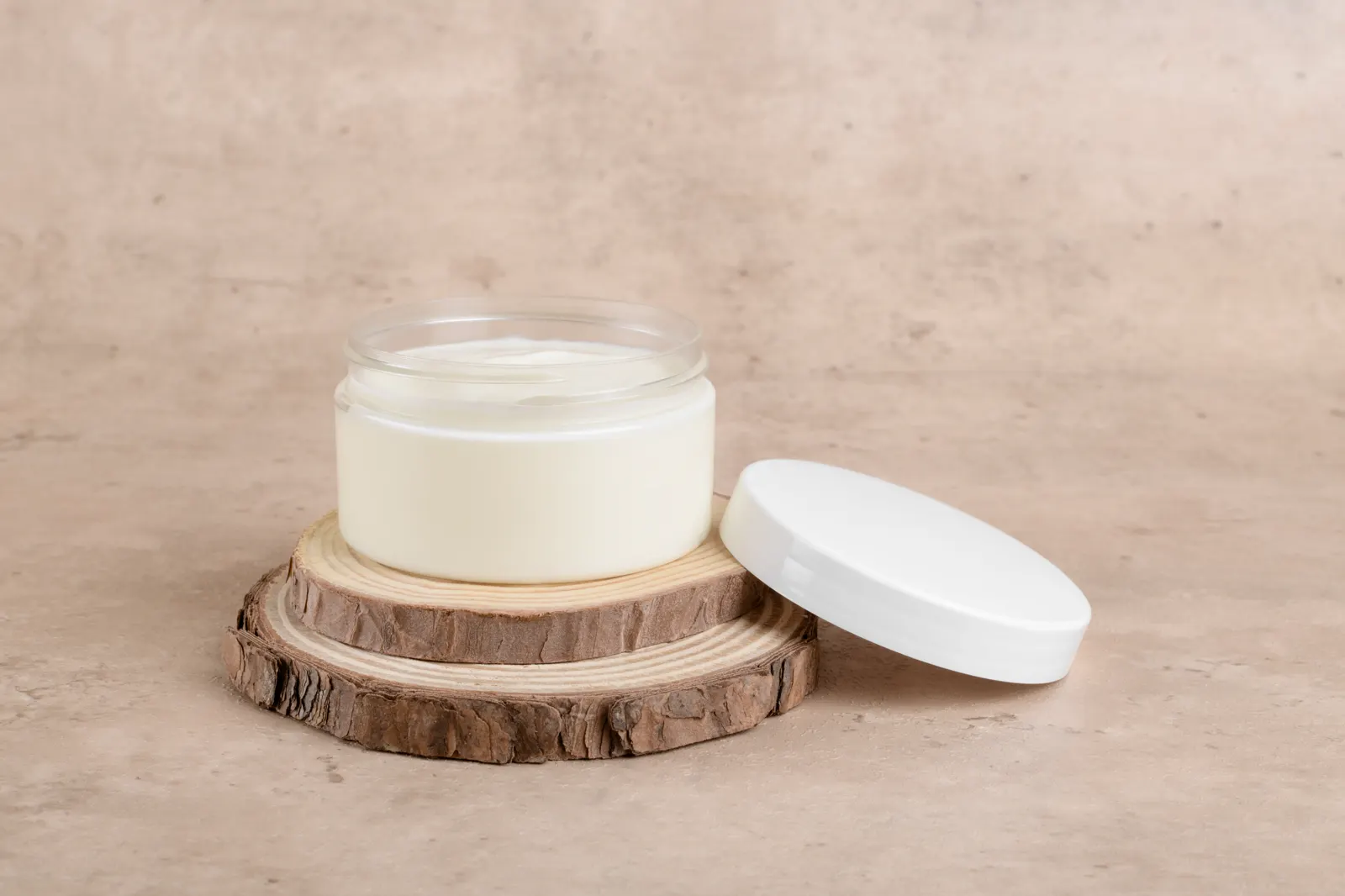 Body care · BeginnerWhipped Shea Body ButterCloud-light whipped shea with coconut and sunflower oils and a hint of lavender — rich care for dry skin, with the trick that prevents graininess.
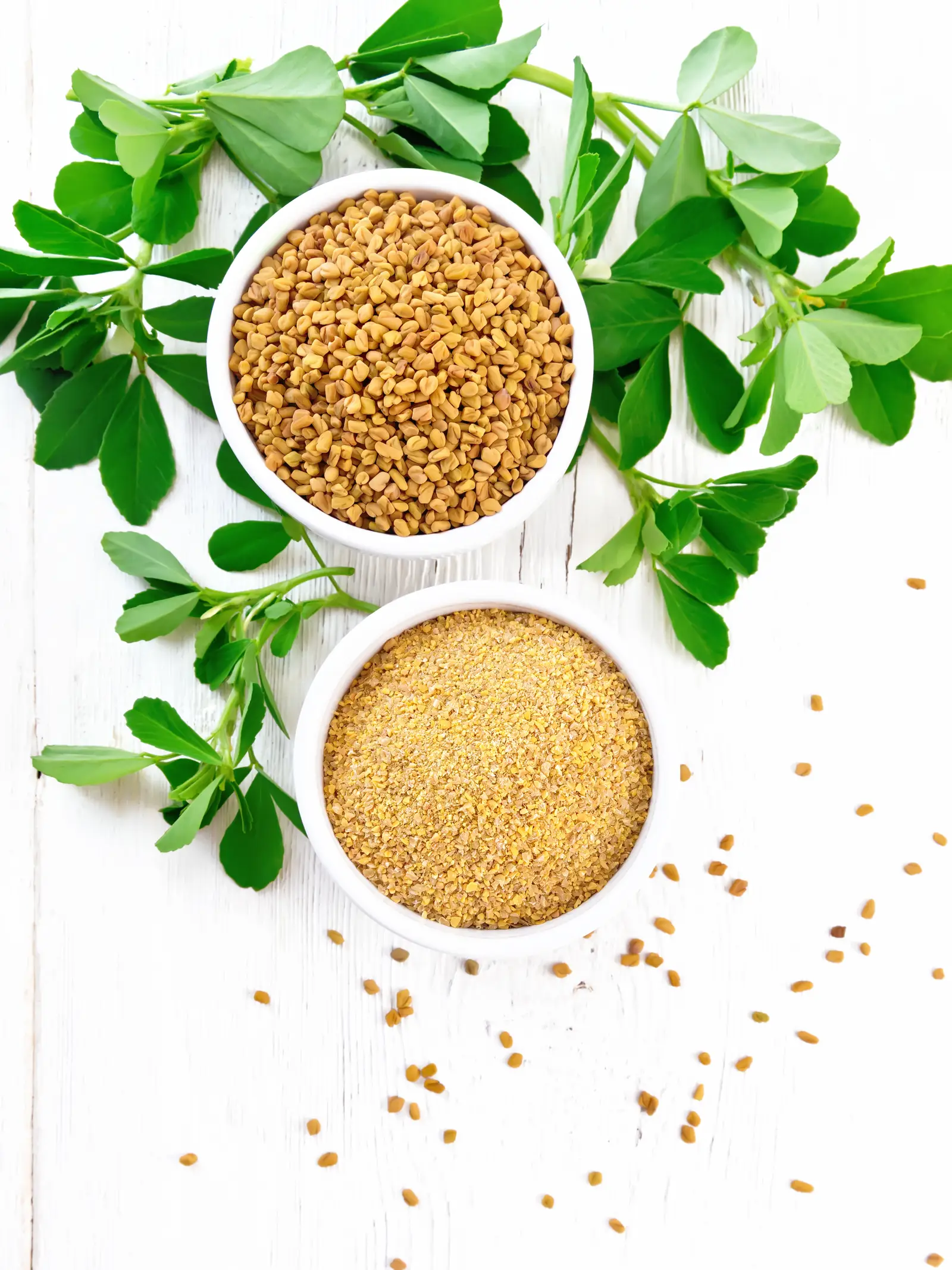 Hair care · BeginnerFenugreek & Amla Hair MaskAn Ayurveda-inspired pre-wash mask of fenugreek, amla, yogurt and coconut oil to soften, add slip and condition dry or frizzy hair.
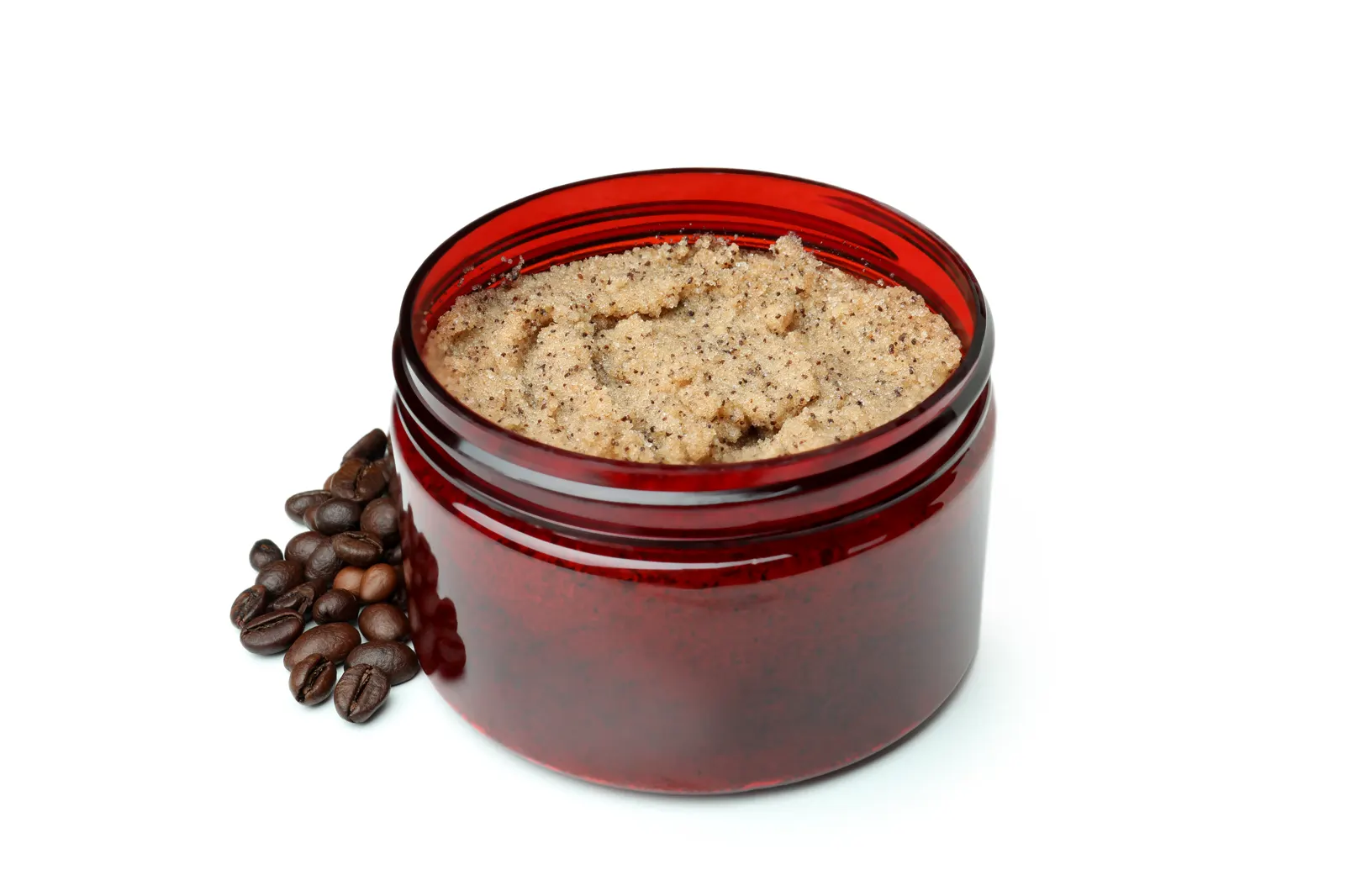 Body care · BeginnerCoffee & Coconut Body ScrubA wake-up body scrub of dry ground coffee, sugar and coconut oil that smells like a café and leaves skin soft — with tips for floors and drains.
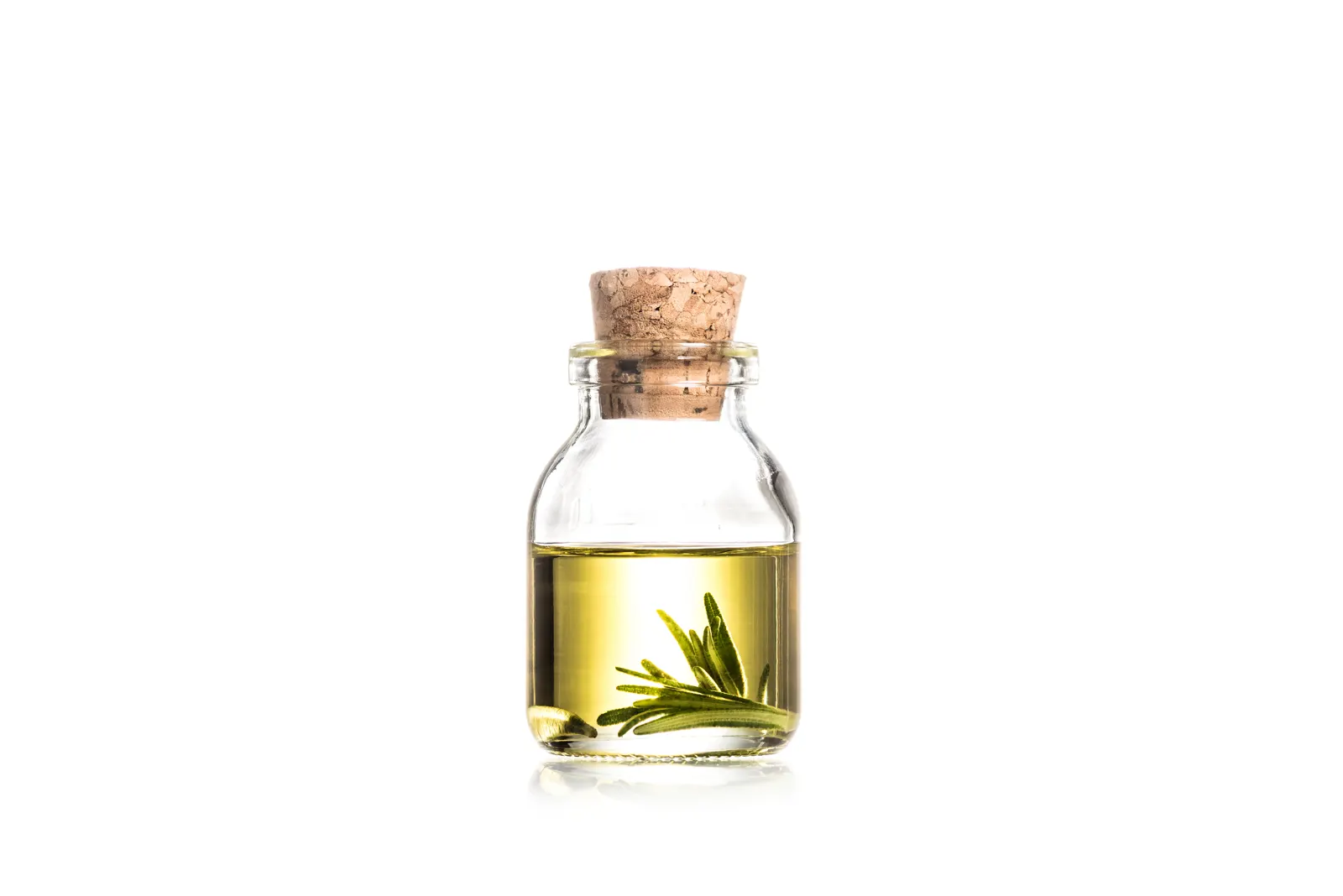 Hair care · BeginnerRosemary Pre-Wash Hair & Scalp OilA weekly pre-shampoo oil of sunflower, coconut and argan with 1% rosemary essential oil, massaged into scalp and lengths before wash day.
Buying well
Sustainability
Most coconuts are grown by smallholders in Indonesia, the Philippines and India, many of whom earn very little; fair-trade and direct-trade certifications help. Aging palms and price volatility threaten supply. Coconut has a smaller deforestation footprint than oil palm but is not impact-free.
How to choose quality
Virgin (or “extra virgin” — there is no legal difference) coconut oil is white when solid, clear when liquid and smells of coconut. Refined oil is odorless and cheaper, fine for balms. Fractionated oil stays liquid and is light, but lacks lauric acid. Store at room temperature; it keeps for two years or more. Melting and re-solidifying is normal.
The research For professionals
The chemistry, the studies and the evidence by concern, for practitioners, formulators and the curious.
Coconut oil is around 90% saturated: lauric acid (C12, roughly 45–52%), myristic (16–21%), palmitic (7–10%) and caprylic plus capric acids (together about 10–15%), with only small amounts of oleic and linoleic acid. It melts at about 24–26 °C. Virgin coconut oil is made from fresh kernel without high heat or chemical refining and retains polyphenols and a coconut aroma; RBD (refined, bleached, deodorized) oil comes from dried copra. Fractionated coconut oil is a different material — mainly caprylic/capric triglycerides that stay liquid.
For skin, coconut oil acts as an emollient and occlusive. Lauric acid and its monoglyceride, monolaurin, are antimicrobial in vitro, and a trial in atopic dermatitis found reduced Staphylococcus aureus colonization with virgin coconut oil. Its low linoleic content means it contributes little to barrier lipid synthesis; benefits are mainly occlusive. For hair, Rele and Mohile showed it penetrates the cortex better than sunflower or mineral oil and reduces protein loss during washing and grooming.
Comedogenicity: coconut oil scores high in historical rabbit-ear tests. That model exaggerates human risk, but clinical experience suggests caution on acne-prone faces. Claims that coconut oil is a sunscreen are unfounded — its UV protection is negligible.
Evidence by concern
| Concern | Grade | What the evidence shows |
|---|---|---|
| Dry & Dehydrated Skin | B | A randomized trial found virgin coconut oil as effective and safe as mineral oil for mild to moderate xerosis of the legs. |
| Eczema-Prone Skin | B | A randomized trial in children with mild to moderate eczema found virgin coconut oil improved severity more than mineral oil, and it reduced S. aureus colonization in another trial. |
| Dry, Damaged & Frizzy Hair | C | Hair-fiber lab studies show coconut oil penetrates the shaft and reduces protein loss when used before and after washing — unlike mineral or sunflower oil; human trials are lacking. |
Key studies
Double-blind randomized trial in 34 adults with mild-to-moderate xerosis: virgin coconut oil was as effective and safe as mineral oil in improving hydration and skin lipids.
Agero AL, Verallo-Rowell VM. Dermatitis. 2004 Read it in the bibliography Find on PubMedRandomized trial in 117 children with mild-to-moderate atopic dermatitis: virgin coconut oil for eight weeks reduced SCORAD and transepidermal water loss more than mineral oil.
Evangelista MT, et al. Int J Dermatol. 2014 Read it in the bibliography Find on PubMedRandomized trial in adults with atopic dermatitis: virgin coconut oil reduced S. aureus colonization and improved severity more than virgin olive oil.
Verallo-Rowell VM, et al. Dermatitis. 2008 Read it in the bibliography Find on PubMedIn-vitro study: coconut oil, used as a pre-wash or post-wash treatment, reduced protein loss from damaged and undamaged hair; sunflower and mineral oils did not.
Rele AS, Mohile RB. J Cosmet Sci. 2003 Read it in the bibliography Find on PubMed
MythCoconut oil is a natural sunscreen.
EvidenceIts UV protection is negligible and it has never been shown to prevent sunburn or skin damage. Use a tested broad-spectrum sunscreen; never rely on oils, and never make DIY sunscreen.
In tradition
In Kerala and across South and Southeast Asia, coconut oil is the everyday hair oil and the base of Ayurvedic herbal hair oils (for example with amla (Indian gooseberry) or hibiscus), and the oil for infant massage.
Frequently asked questions
Is coconut oil good for eczema?
Does coconut oil clog pores?
Is coconut oil good for hair?
What is the difference between virgin and fractionated coconut oil?
Cite this page
Herbs.Beauty. Coconut Oil (Cocos nucifera L.): evidence-based monograph. Updated 26 November 2026. https://herbs.beauty/ingredients/coconut-oil.html