World traditions · West, East, North & Southern Africa
Oils of Africa
Shea, marula, baobab and the women who make them
A continent, not an ingredient
Africa has fifty-four countries, thousands of languages and climates from Mediterranean coast to rainforest to desert. “African beauty” is no more a single tradition than “European beauty”. The oils in this essay come from very different places and peoples: shea from the savanna belt that runs from Senegal to Uganda, marula from southern Africa, baobab from the dry woodlands of the east and south, black seed from Ethiopia and the Nile valley, argan and prickly pear from Morocco.
What many of these oils share is that they were food first. Shea butter is a cooking fat in much of West Africa; marula kernels are eaten as snacks; baobab fruit pulp is stirred into drinks; argan oil is a breakfast staple in the Souss. Their use on skin and hair grew from the kitchen, and the same hands did both kinds of work.
They also share a history of being undervalued. For most of the twentieth century these materials left the continent as cheap raw commodities, to be refined, branded and sold elsewhere at many times the price. That is beginning to change, slowly and unevenly, and the choices of buyers and brands are part of how it changes.
Shea: the women’s economy of the parklands
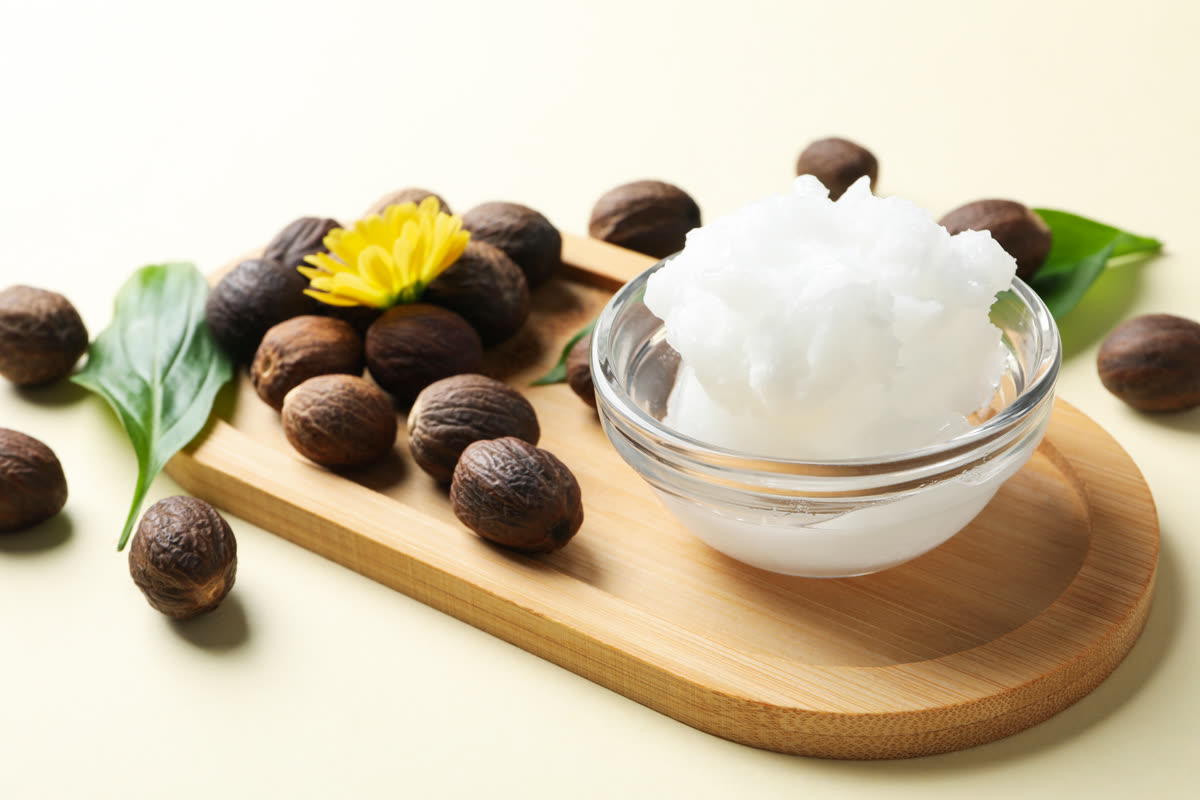
The shea tree, Vitellaria paradoxa, grows wild across the Sudano-Sahelian savanna of more than twenty countries, from Senegal and Mali through Burkina Faso, Ghana and Nigeria to South Sudan and Uganda, where the eastern subspecies yields a softer butter. It is not a plantation crop. Farmers leave shea trees standing in their fields, creating the open “parklands” that define the landscape, and a tree may take well over a decade to bear its first fruit.
Collecting and processing shea is, overwhelmingly, women’s work, and in many communities it is one of the few sources of income women control themselves. The fallen fruits are gathered in the rainy season, the pulp eaten or removed, the nuts boiled, dried, cracked, roasted and ground. The paste is then kneaded and beaten with water for hours until the fat separates and floats, is skimmed, and is gently melted and strained. It is hot, heavy, smoky work. Most of the world’s shea, in fact, goes not into cosmetics but into food, as a cocoa butter alternative in chocolate and confectionery, which is why prices paid to collectors can swing with commodity markets.
Cosmetically, shea butter is a rich emollient and occlusive, with a fatty-acid profile dominated by stearic and oleic acids and an unusually high “unsaponifiable” fraction, including triterpene esters such as lupeol and amyrin cinnamates that are anti-inflammatory in laboratory studies. It reliably softens dry skin, protects lips and heels, and has been used in small studies of eczema-prone skin with encouraging results, though large trials are lacking. Although shea comes from a nut, refined and well-made unrefined butters contain very little protein and allergic reactions are rarely reported. Unrefined butter smells smoky and nutty; deodorized butter is paler and neutral. Both are legitimate. Our Whipped Shea Body Butter uses either.
Marula and baobab: trees with stories
The marula, Sclerocarya birrea, is a tree of southern and eastern Africa whose plum-sized yellow fruits ripen in late summer. In northern South Africa, Namibia and neighboring countries, the harvest is a social season: the fruit is eaten fresh and brewed into beer, and the hard stones are cracked to release small kernels eaten as food or pressed for oil. In northern Namibia, women’s cooperatives have built a cosmetic oil trade on this tradition. The popular story that elephants get drunk on fermented marula fruit is, according to researchers who have done the arithmetic, very unlikely; an elephant would need to eat an implausible quantity.
Marula oil is high in oleic acid with useful tocopherols and is notably resistant to oxidation, which gives it a long shelf life and a light, non-greasy feel. Good evidence specific to marula is scarce; it performs like the fine, stable oleic oil it is. Our comparison of marula and argan sets the two side by side.
The baobab, Adansonia digitata, is the great swollen-trunked tree of the African savanna, often a landmark and meeting place, sometimes many centuries old. In 2018, researchers reported that several of the oldest and largest African baobabs had died or lost their oldest stems over the preceding decade, possibly linked to climate change. Its tart, powdery fruit pulp is eaten and sold as a food, and the seeds are pressed for baobab oil, a balanced oil of oleic, linoleic and palmitic acids that suits dry skin and hair. As with marula, its evidence base is mostly compositional and anecdotal. Because the fruit is wild-harvested, fair pricing and careful collection matter for the communities who depend on it.
Moringa and black seed: oils that traveled
Not every African beauty oil is African by origin. Moringa (ben oil), Moringa oleifera, is native to the foothills of the Himalayas in northern India, but it is now grown across Africa as a fast-growing, drought-tolerant tree whose leaves are an important food. Its seed oil, historically called ben oil, is rich in oleic and behenic acid; a related species, Moringa peregrina, was a source of the ben oil used in ancient Egyptian perfumes because it holds scent well and resists rancidity. On skin, moringa oil is a pleasant, stable emollient; claims about its antioxidant and anti-pollution powers rest mainly on laboratory work.
Black seed, Nigella sativa, has been used in the Nile valley, Ethiopia and across the Middle East and South Asia for millennia; seeds have been recovered from ancient Egyptian tombs, and it holds a revered place in Islamic prophetic medicine. Ethiopia remains a major producer. Black seed oil contains thymoquinone, which is anti-inflammatory, antioxidant and antimicrobial in laboratory studies, and small human trials have explored it for acne, hand eczema and other conditions with some positive results.
Black seed oil comes with a real caution: allergic contact dermatitis from topical use has been reported repeatedly, sometimes severe. Always dilute it in a carrier oil, patch test first, and stop if the skin becomes red, itchy or blistered. Taken by mouth in supplement doses it may interact with some medicines, so check with a pharmacist.
Prickly pear and argan: the North African oils
Argan oil belongs on any list of African oils. The argan tree is native to southwestern Morocco and its oil is made, largely by Amazigh women’s cooperatives, through the same slow cracking and pressing described in our Hammam Apothecary essay. It has become the best-known example of an African oil reaching global luxury shelves, and the clearest test of whether that success reaches the women who make it.
The prickly pear, Opuntia ficus-indica, came originally from Mexico and spread around the Mediterranean and North Africa after the sixteenth century, becoming part of the landscape as living fences and food. In southern Morocco, especially around Sidi Ifni and the Aït Baâmrane, and in Tunisia, its tiny seeds are pressed for prickly pear seed oil. The yield is very small, which makes the oil one of the most expensive in cosmetics and one of the most often diluted. It is rich in linoleic acid, vitamin E and sterols, and makes a light, quickly absorbed facial oil. As with most specialty oils, there is little clinical evidence that it outperforms cheaper linoleic oils. Since the mid-2010s, an outbreak of a cochineal insect has devastated cactus stands in parts of Morocco, hitting rural incomes and tightening supply.
One more oil grown in Africa but not native to it deserves a mention. Cocoa butter, from a South American tree, now comes mostly from Côte d’Ivoire and Ghana, where child labor in cocoa farming remains a documented problem; certified or traceable sources matter.
Fair trade, benefit sharing and who gets paid
When an oil travels from a village to a jar in a city boutique, its price may rise many times over. The question is how much of that value stays where the oil was made. Several tools now exist to answer it, imperfectly.
- Fair trade certification sets minimum prices or premiums and audits working conditions. It helps, but certification costs can exclude the smallest producers.
- Cooperatives, especially women’s cooperatives for shea, argan and marula, give producers collective bargaining power and often fund literacy, health and savings programs. Their governance varies, and some exist mainly as a label.
- Benefit sharing is a legal principle under the Nagoya Protocol, an international agreement that came into force in 2014. It holds that communities whose plants and traditional knowledge are used commercially should share in the benefits. In South Africa, agreements with San and Khoi communities over hoodia and, in 2019, over rooibos showed how this can work in practice.
As a buyer, you can ask simple questions. Which country and region does the oil come from? Who processed it, and are they paid per kilogram or by the day? Is there a cooperative or community named, and does the brand publish what share of the price goes back? A brand that cannot answer is not necessarily exploitative, but one that can is doing the work. Our Sustainable & Ethical Botanical Sourcing guide goes further, and our Starting a Natural Beauty Brand: The Practical Roadmap guide is written for founders who want to build these relationships from the start.
The most honest label on an African oil is not a story about tradition. It is a name, a place and a fair price.
The signature plants
Shea ButterCPromisingThe butter of the Sahelian parklands, made largely by women by hand; a reliable, rich emollient for dry skin, lips and heels.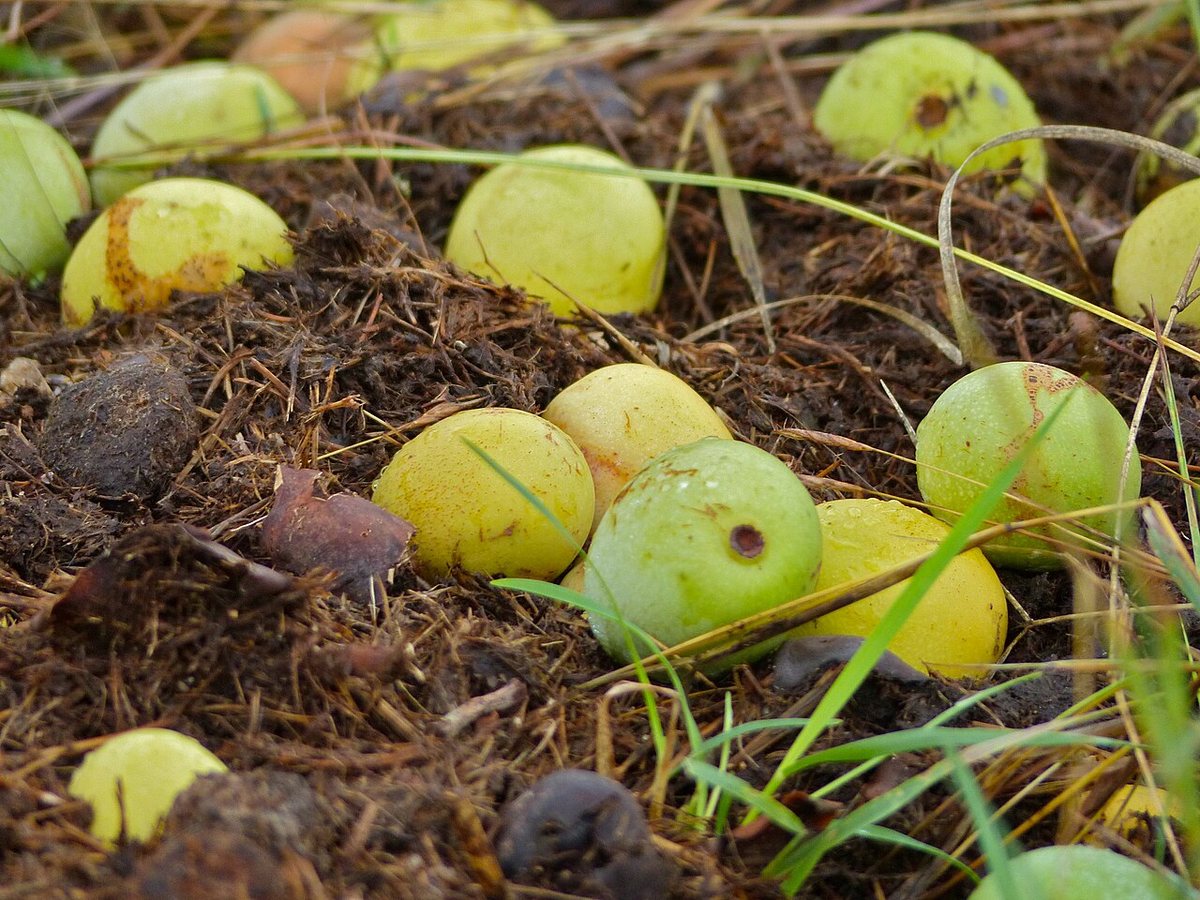 Marula OilCPromisingPressed from the kernels of southern Africa’s marula fruit, often by Namibian women’s cooperatives; light, stable and oleic-rich.
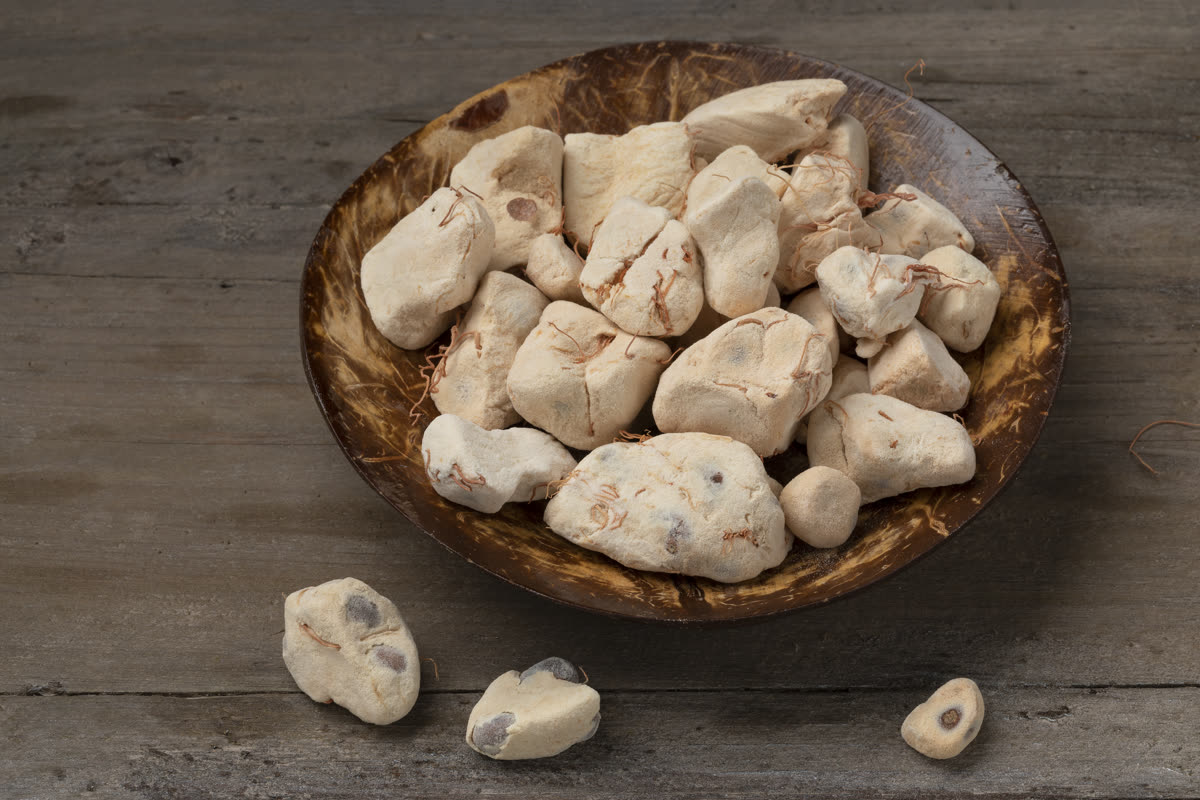 Baobab OilCPromisingFrom the seeds of the great savanna tree whose fruit is food; a balanced oil for dry skin and hair.
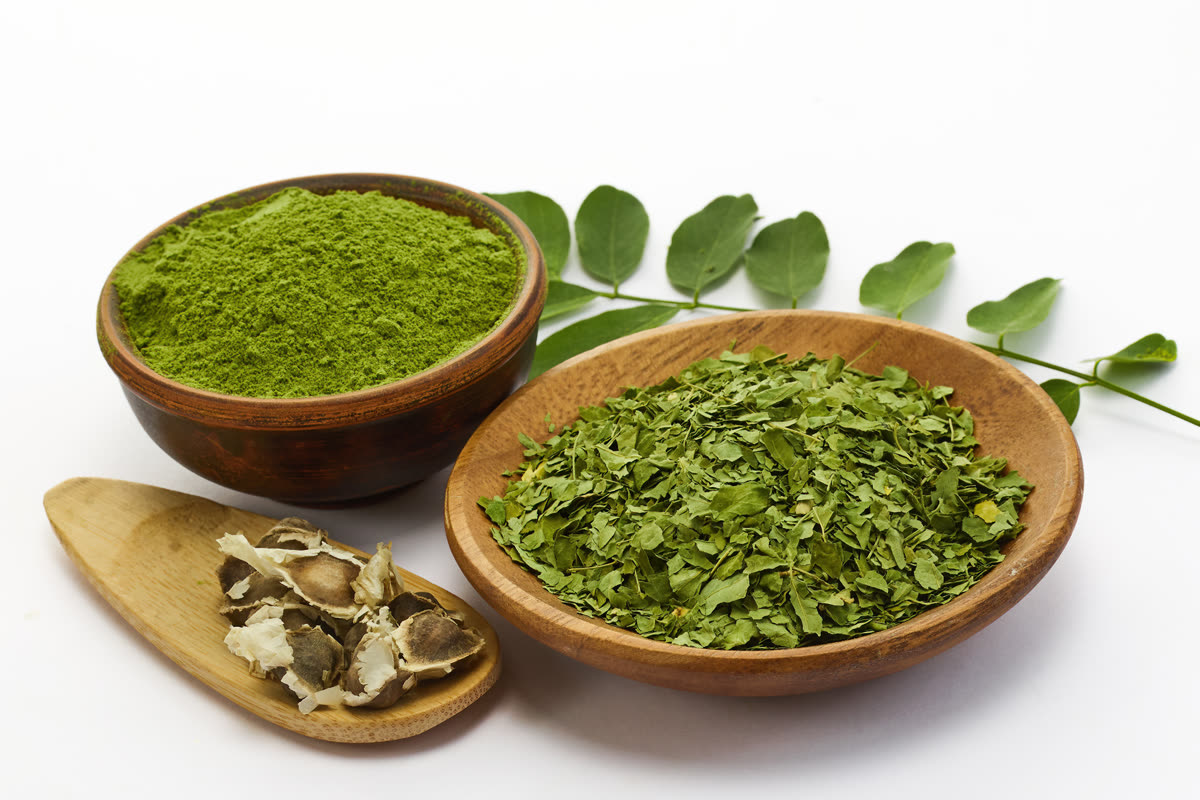 Moringa (Ben Oil)CPromisingAn Indian tree now grown across Africa for food; its seed oil, the historic ben oil, is stable and scent-holding.
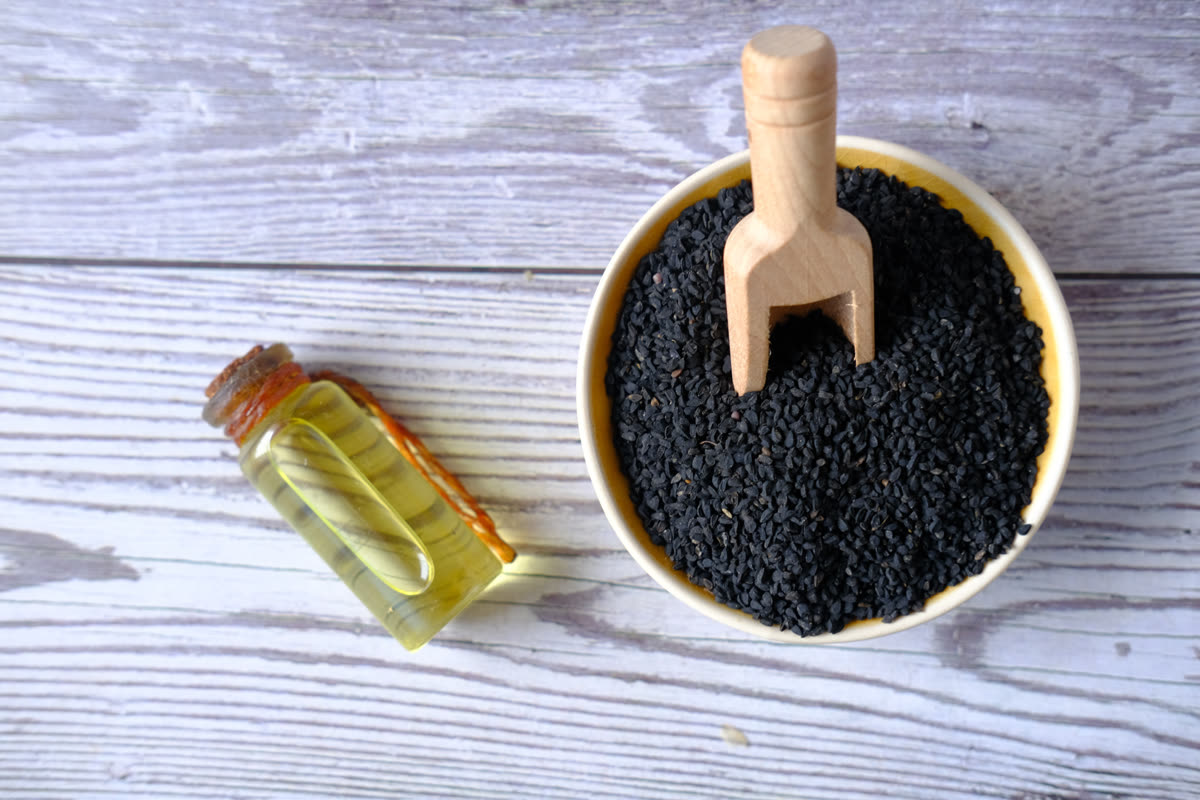 Black Seed OilCPromisingFrom the Nile valley and Ethiopia; promising thymoquinone research, but a known cause of contact allergy.
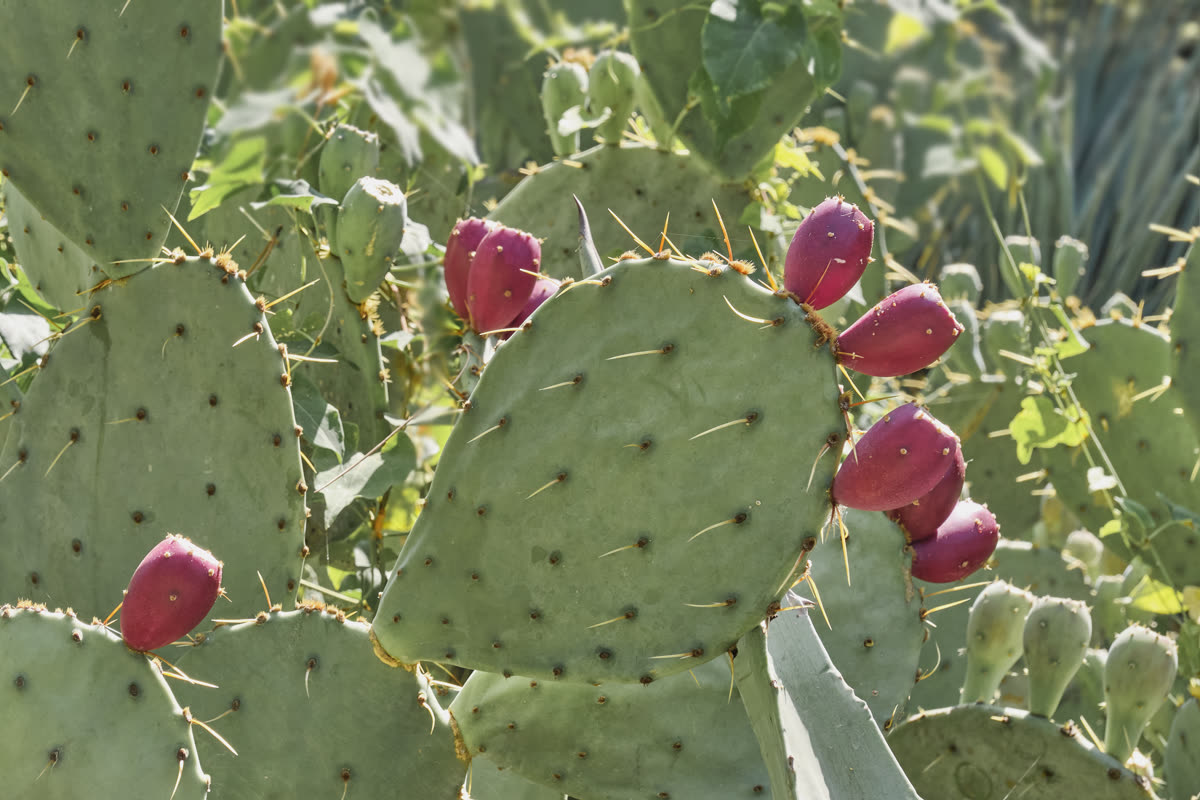 Prickly Pear Seed OilDTraditional wisdomA rare, linoleic-rich oil from the cactus hedges of southern Morocco and Tunisia, often diluted.
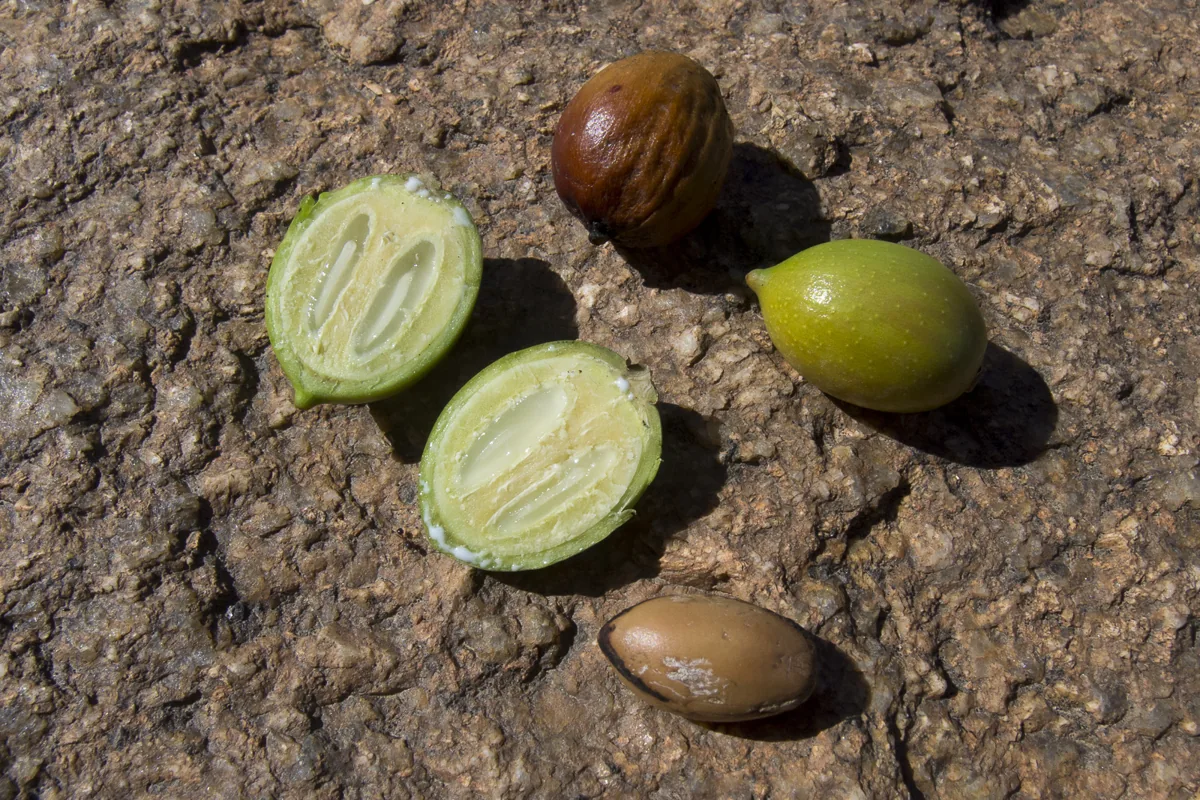 Argan OilCPromisingMorocco’s endemic oil and Africa’s best-known beauty export, made mostly by Amazigh women’s cooperatives.
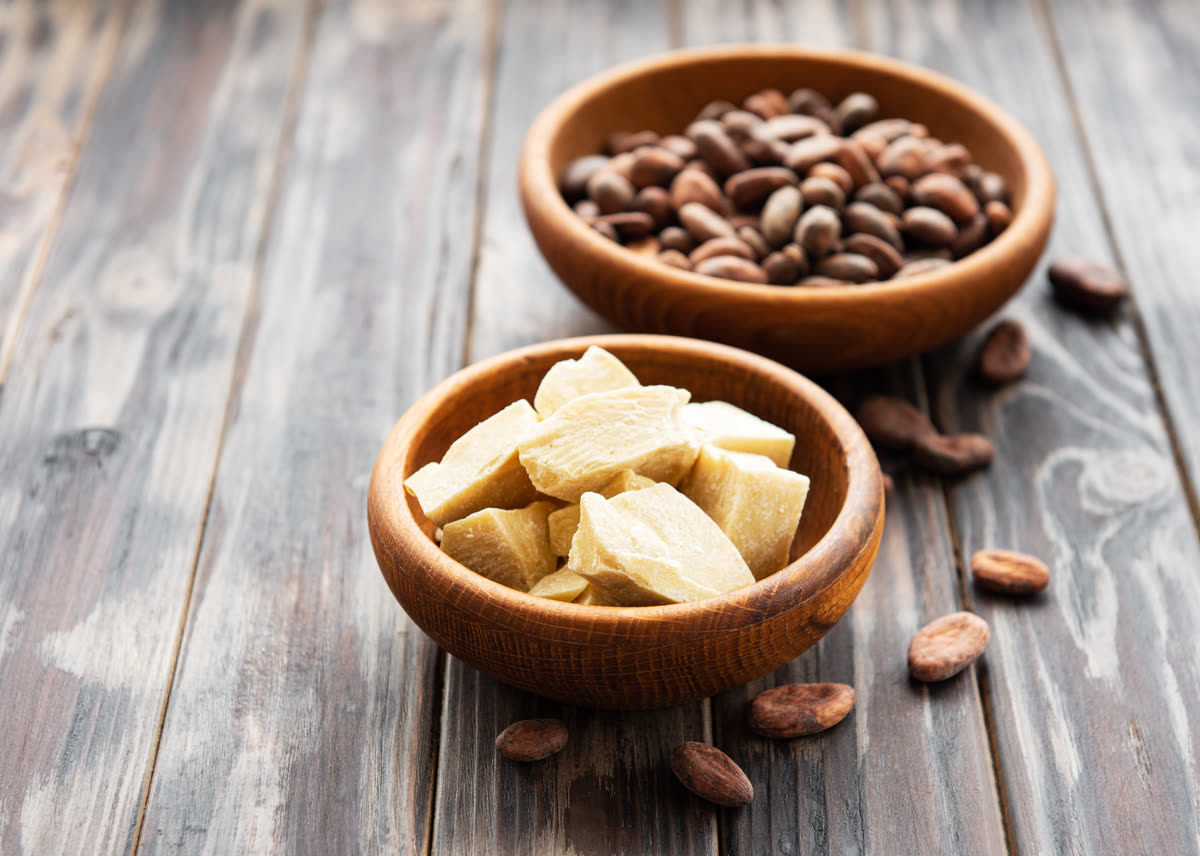 Cocoa ButterCPromisingA South American tree now grown mostly in West Africa; choose traceable sources given child-labor concerns.
Shea on damp skin
- Patch test a new shea butter on the inner arm as in our guide, especially if it is unrefined and you have very sensitive skin: twice daily for 7 days, read at 48 and 96 hours.
- Take a short, warm shower rather than a long, hot one, and use a mild cleanser only where you need it.
- Pat your skin with a towel until it is damp but not wet. Moisturizers seal in water best on skin that still holds some.
- Scoop a hazelnut-sized piece of shea butter and hold it between your palms for a few seconds until it melts and turns clear.
- Press, rather than rub, the butter into shins, elbows, knees, hands and anywhere that feels tight. Use more on heels and finish with cotton socks overnight.
- Put a tiny dab on your lips and cuticles. Store the jar cool and closed, and use clean, dry fingers or a spatula.
Continue the journey
 Soak and Seal: The Three-Minute Rule for Eczema-Prone SkinMoisturize within three minutes of bathing, on still-damp skin. A simple winter habit for eczema-prone and very dry skin, with the evidence behind it.
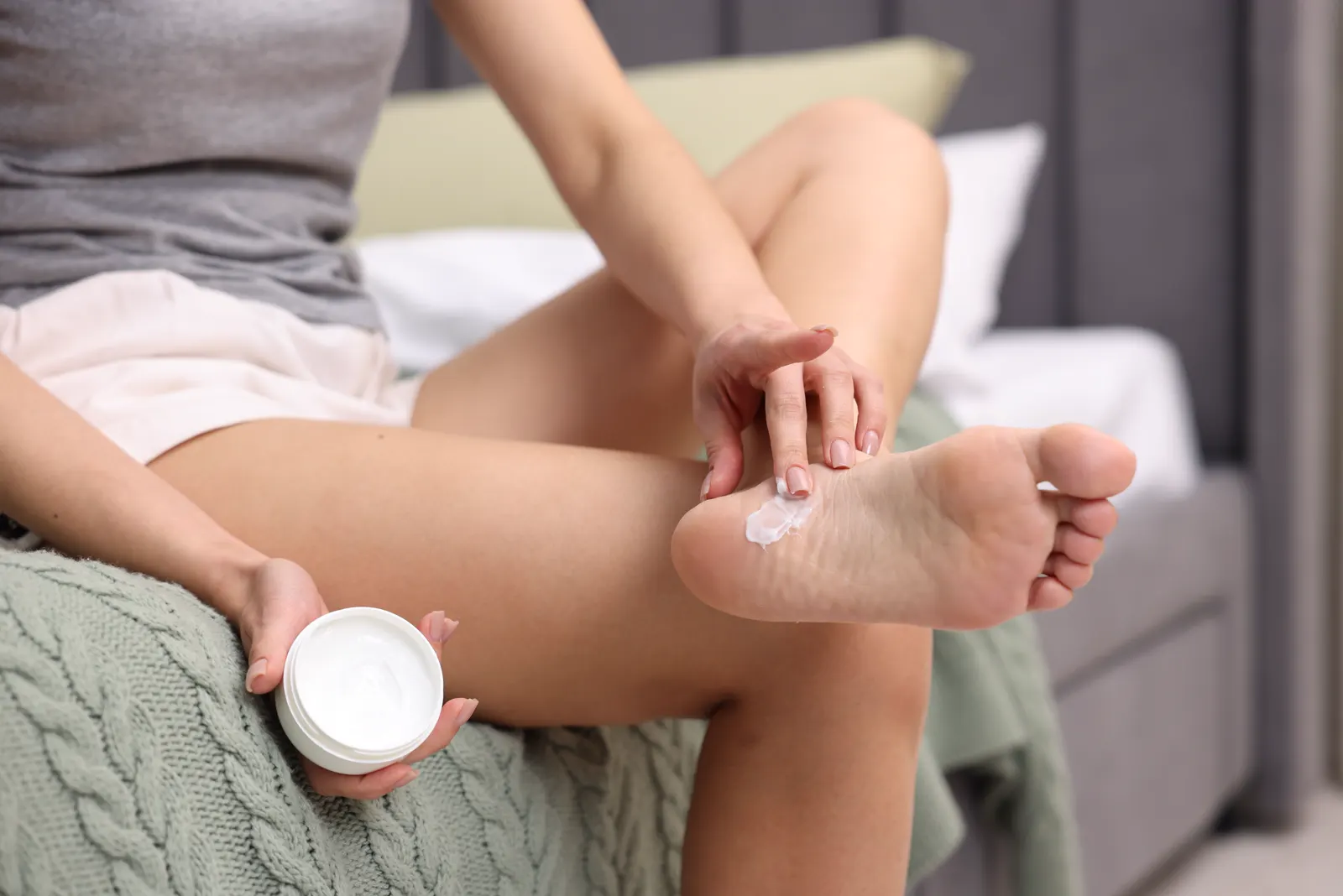 A Night Ritual for Dry HeelsSoak, file gently, seal with shea and sleep in socks: a soothing heel ritual, and why a urea cream may be the better choice for real cracks.
 The Overnight Glove Method for Winter HandsCracked knuckles and rough fingertips? A thick balm under cotton gloves overnight, plus three daytime habits, rescues winter hands within days.
 Pick Your Body Oil: Sunflower, Jojoba or Olive?Not all plant oils treat the skin barrier alike. How to choose a body oil for dry skin, and a simple one-leg test to see what suits you.
 Body care · BeginnerWhipped Shea Body ButterCloud-light whipped shea with coconut and sunflower oils and a hint of lavender — rich care for dry skin, with the trick that prevents graininess.
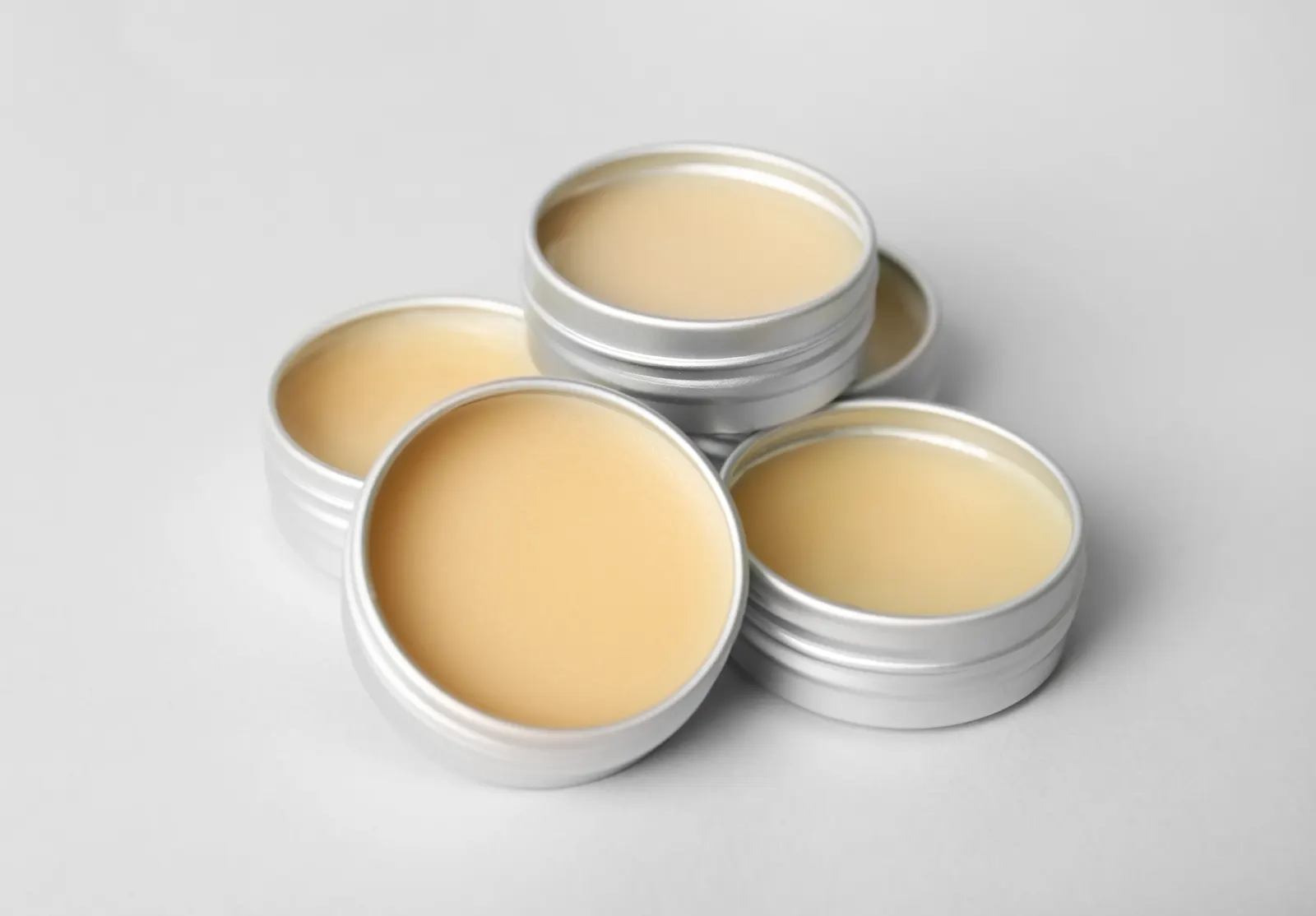 Lip care · BeginnerShea & Calendula Lip BalmA classic fragrance-free beeswax lip balm with shea, castor oil and calendula-infused oil — glossy, protective and easy to make.
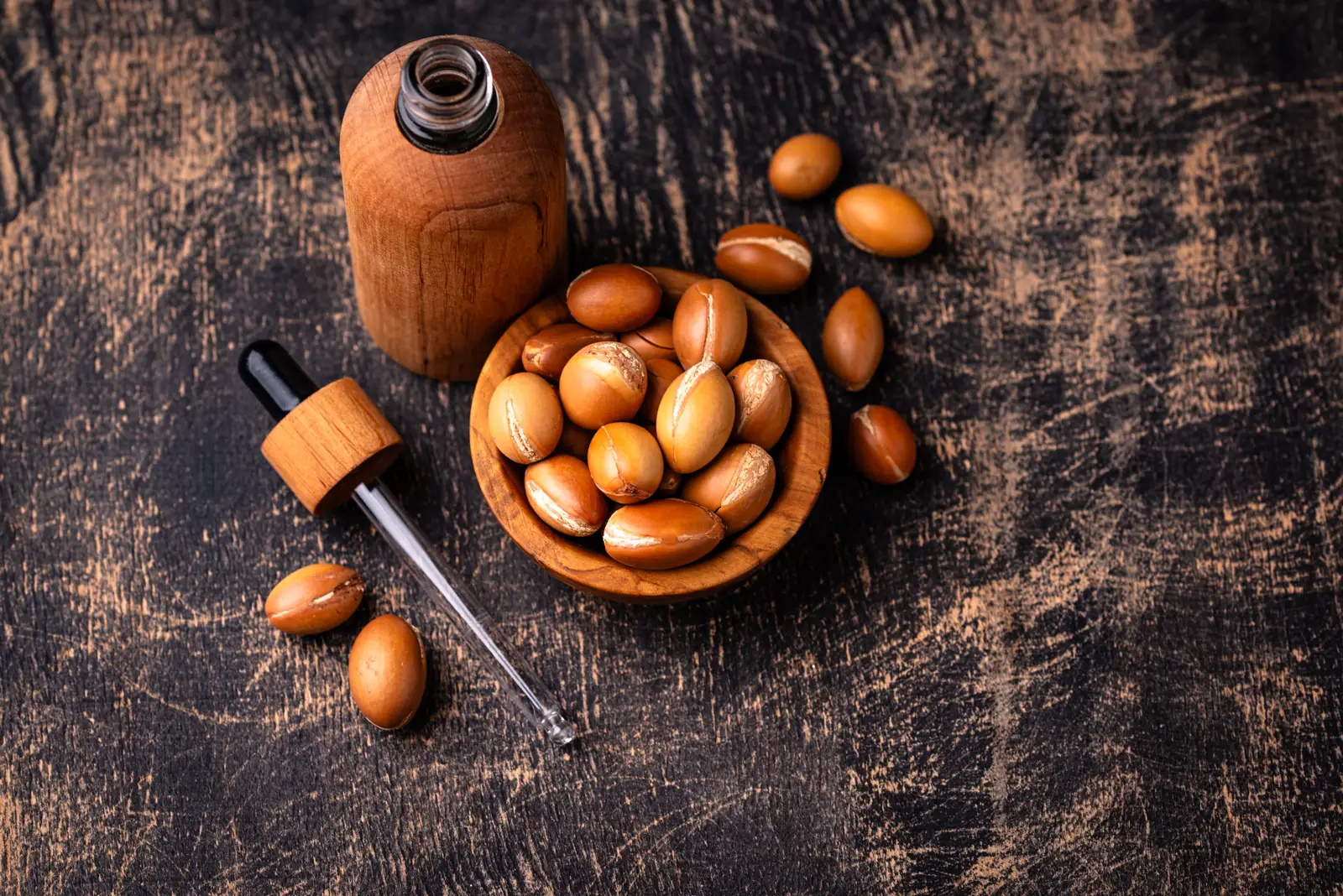 Serum · BeginnerArgan & Prickly Pear Night SerumA Moroccan night oil-serum of argan, prickly pear seed oil and squalane with 1% bakuchiol, a gentle alternative to retinol.
GuideSustainable & Ethical Botanical SourcingAt-risk botanicals, CITES and the IUCN Red List, argan cooperatives, RSPO palm, upcycled ingredients, adulteration and the questions to ask suppliers.GuideCarrier Oils: The Formulator’s GuideFatty acid chemistry, oxidative stability and skin feel for 12 core oils, plus why comedogenic ratings mislead and how to store oils well.GuideStarting a Natural Beauty Brand: The Practical RoadmapEU, UK and US cosmetic rules, cosmetic vs drug claims, stability and challenge testing, costing, certifications and insurance for indie founders.