The ingredient encyclopedia · butter
Shea Butter
Vitellaria paradoxa C.F.Gaertn. (syn. Butyrospermum parkii (G.Don) Kotschy) · Sapotaceae
Rich, creamy and melting at skin temperature, shea butter is pure comfort for very dry hands, heels, lips and curls.
FR Beurre de karitéES Manteca de karitéAR زبدة الشياKarité; òrí (Yoruba)
- How well proven
- CPromising
- Safety
- Low topical risk
- Sun-sensitive
- No
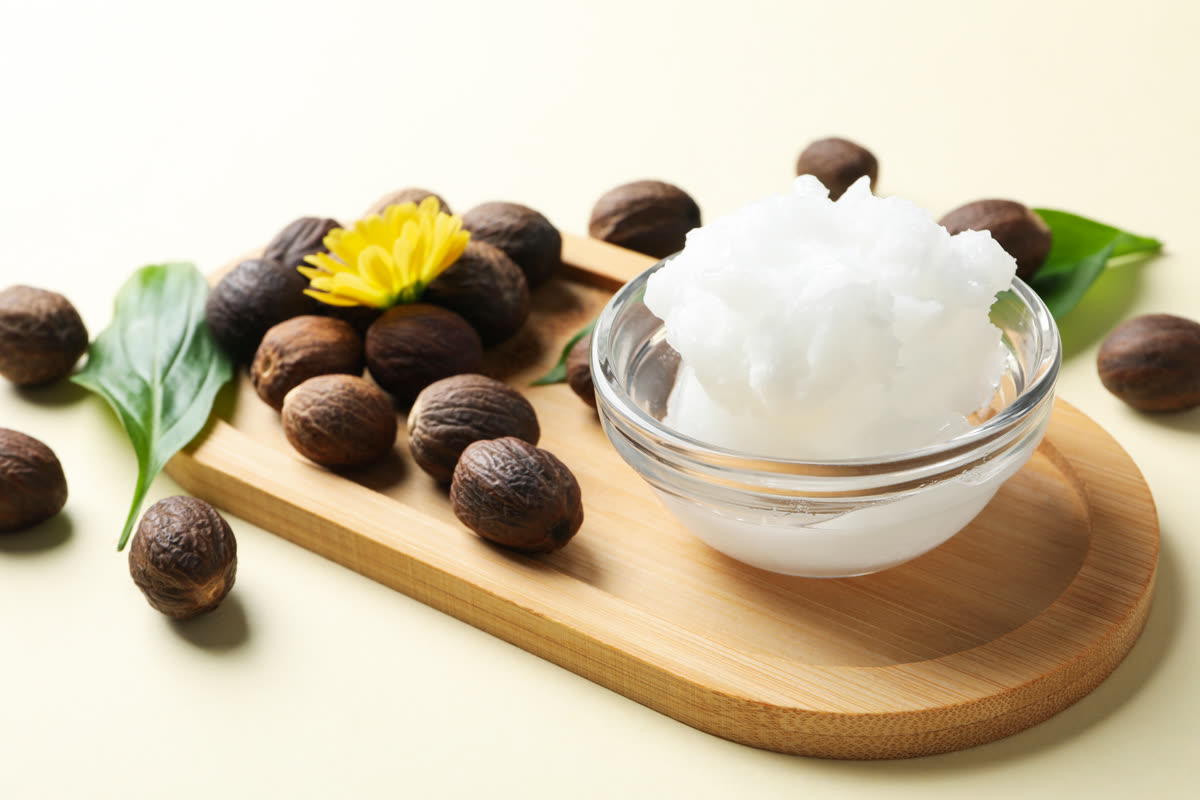
Also known as Vitellaria paradoxa C.F.Gaertn. (syn. Butyrospermum parkii (G.Don) Kotschy)
FR Beurre de karitéES Manteca de karitéAR زبدة الشياKarité; òrí (Yoruba)
What the evidence says
Emollient and occlusive effects are well understood and supported by small human studies, but trials of shea butter alone are few and small.
- Best supported for
- Dry & Dehydrated Skin CEczema-Prone Skin CDry, Damaged & Frizzy Hair D
- How to use it
- Body butter · 30–70% of a whipped butter
- Watch out for
- True allergy to shea butter is very rare; patch test if you react to many products.
Checked against 1 cited study and our safety review · Updated 26 November 2026 · How we grade
Why you’ll love Shea Butter
Why you’ll love it
- Seals in moisture on rough elbows, heels and hands
- Melts into a simple, soothing balm for lips and cuticles
- Softens and defines curly and coily hair when used sparingly
Best forVery dry body skin, lips, cuticles and textured hair; less suited to acne-prone faces.
Try it today
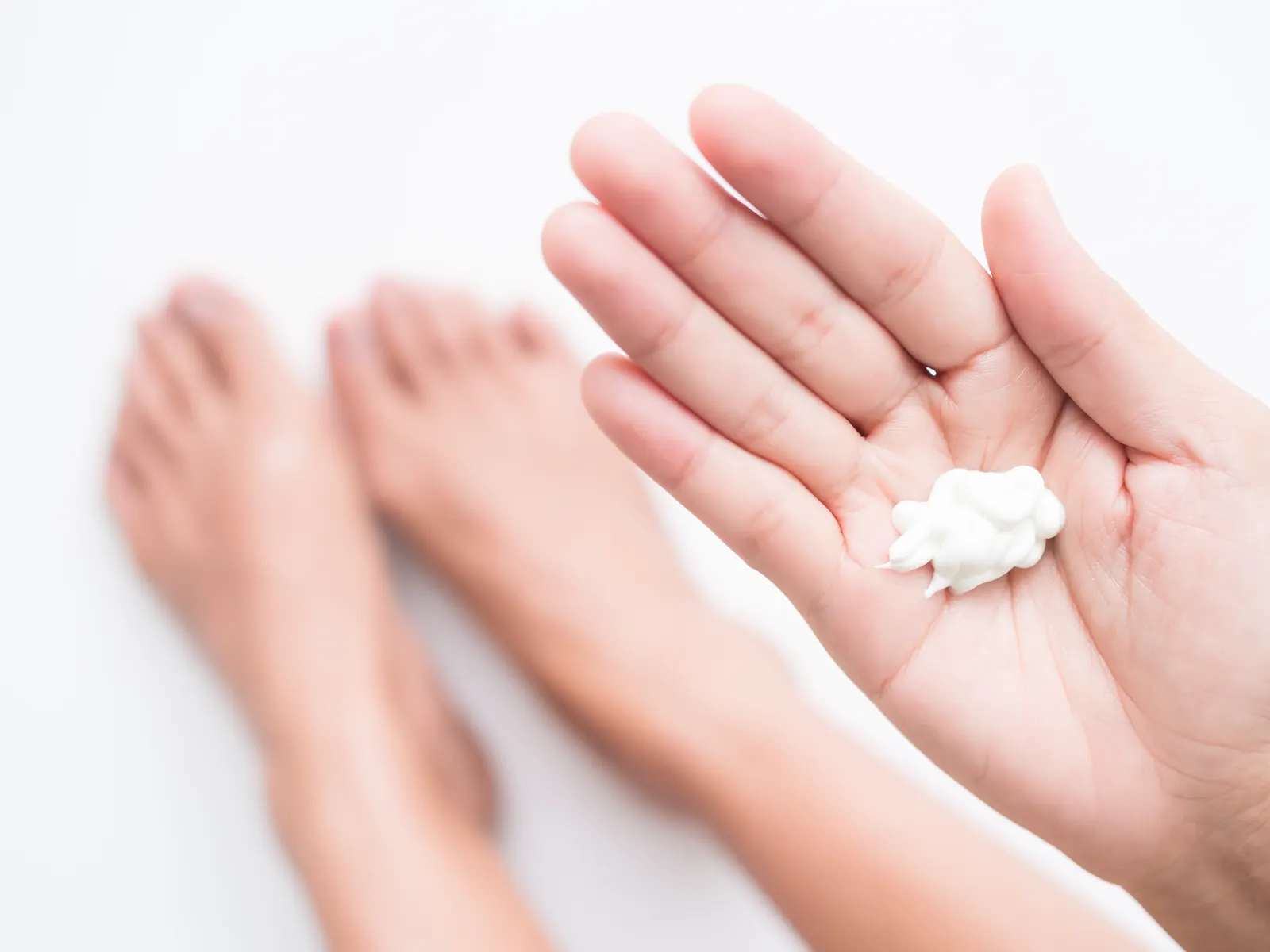
A bedtime heel and hand treat
- After a bath, pat your skin dry but leave it very slightly damp.
- Warm a pea-sized amount of shea butter in your palms until it melts.
- Massage into heels, elbows and cuticles, then slip on cotton socks for the night.
Good to know: Keep shea for body, lips and dry patches if you break out easily. A smoky scent in unrefined shea is normal; added perfume irritates more often.
At a glance
| Parts used | Kernel fat, extracted by traditional roasting–kneading–boiling or by pressing; refined butter; fractions (shea olein, shea stearin) |
|---|---|
| Key actives | Stearic acid, Oleic acid, Triterpene cinnamates and acetates (α- and β-amyrin, lupeol), Tocopherols, Karitene (polyisoprene hydrocarbon) |
| INCI names | Butyrospermum Parkii Butter Butyrospermum Parkii Butter Extract Shea Butter Ethyl Esters |
| Skin types | dry, normal, mature, sensitive |
| Hair & scalp | curly, thick, dry scalp |
| Pairs well with | CalendulaCoconut OilColloidal OatmealArgan Oil |
| Evidence grade | CPromising Emollient and occlusive effects are well understood and supported by small human studies, but trials of shea butter alone are few and small. |
What it does for skin and hair
Seals in moisture
Forms a breathable, occlusive film that slows water loss — ideal for rough elbows, heels, hands and very dry skin.
Comfort for eczema-prone skin
A simple, fragrance-free shea balm can serve as an emollient between flares in eczema-prone skin; it complements, not replaces, prescribed treatment.
Lip and cuticle care
Its melting point near body temperature makes it a classic base for lip balms and cuticle balms.
Softness and definition for textured hair
Seals moisture into curly and coily hair, reducing frizz and breakage when used sparingly on damp lengths.
How to use it
Start low, be consistent, and give it four to eight weeks. These are the amounts that work in real products and home recipes.
| Form | Typical use level | Notes |
|---|---|---|
| Body butter | 30–70% of a whipped butter | Whip with liquid oils for a lighter texture; see Whipped Shea Body Butter. |
| Lip balm | 20–40% of the balm | Combine with beeswax or candelilla wax and a liquid oil; see Shea & Calendula Lip Balm. |
| Healing balm | 15–40% of an anhydrous balm | With calendula-infused oil in Calendula Comfort Balm. |
| Hair (LOC/LCO methods) | A pea-sized amount warmed in the palms | Apply to damp lengths after a water-based leave-in to seal; avoid heavy use on fine hair or an oily scalp. |
Use it safely
Low topical risk
- True allergy to shea butter is very rare; patch test if you react to many products.
- Heavy, occlusive use on the face can contribute to breakouts in acne-prone skin; reserve for body, lips and very dry areas.
- Unrefined shea can smell smoky; added fragrance in shea products is a more common cause of irritation than the butter itself.
- For infants with eczema, use fragrance-free products and follow your pediatrician’s advice.
- Pregnancy & breastfeeding
- Considered safe in pregnancy and breastfeeding, including on the belly and nipples (wipe off before feeding if heavily applied). No butter has been shown to prevent stretch marks. Pregnancy guide
- Phototoxicity
- Not phototoxic at normal use levels.
- Declared fragrance allergens
- None expected
New to an ingredient? Patch test first. Stop and seek advice if you get burning, swelling, blistering or a spreading rash.
Make it at home: recipes with shea butter
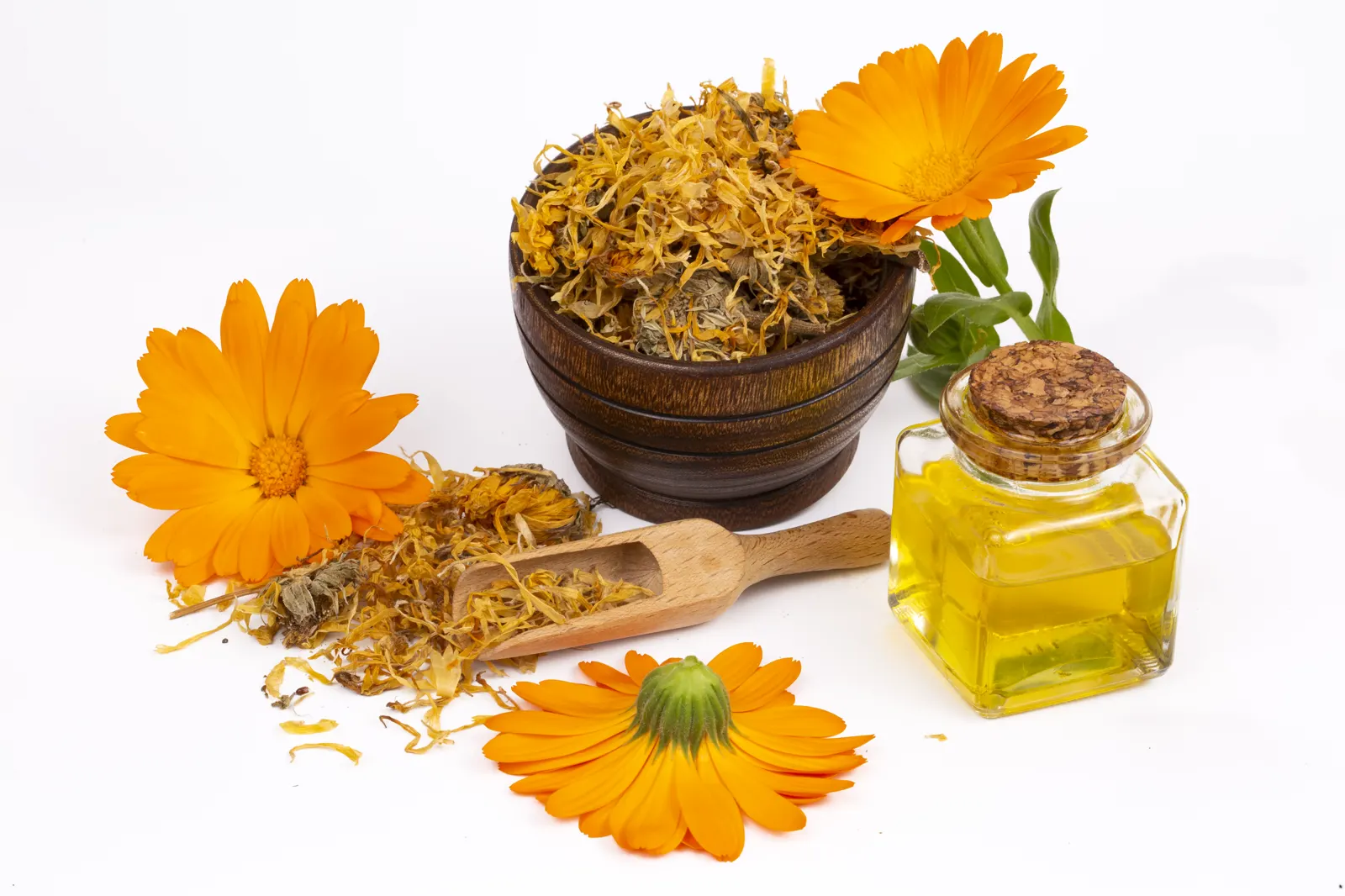 Balm · BeginnerCalendula Comfort BalmA rich, fragrance-free balm of calendula-infused oil, shea and beeswax for chapped hands, dry patches and minor scrapes once they have closed.
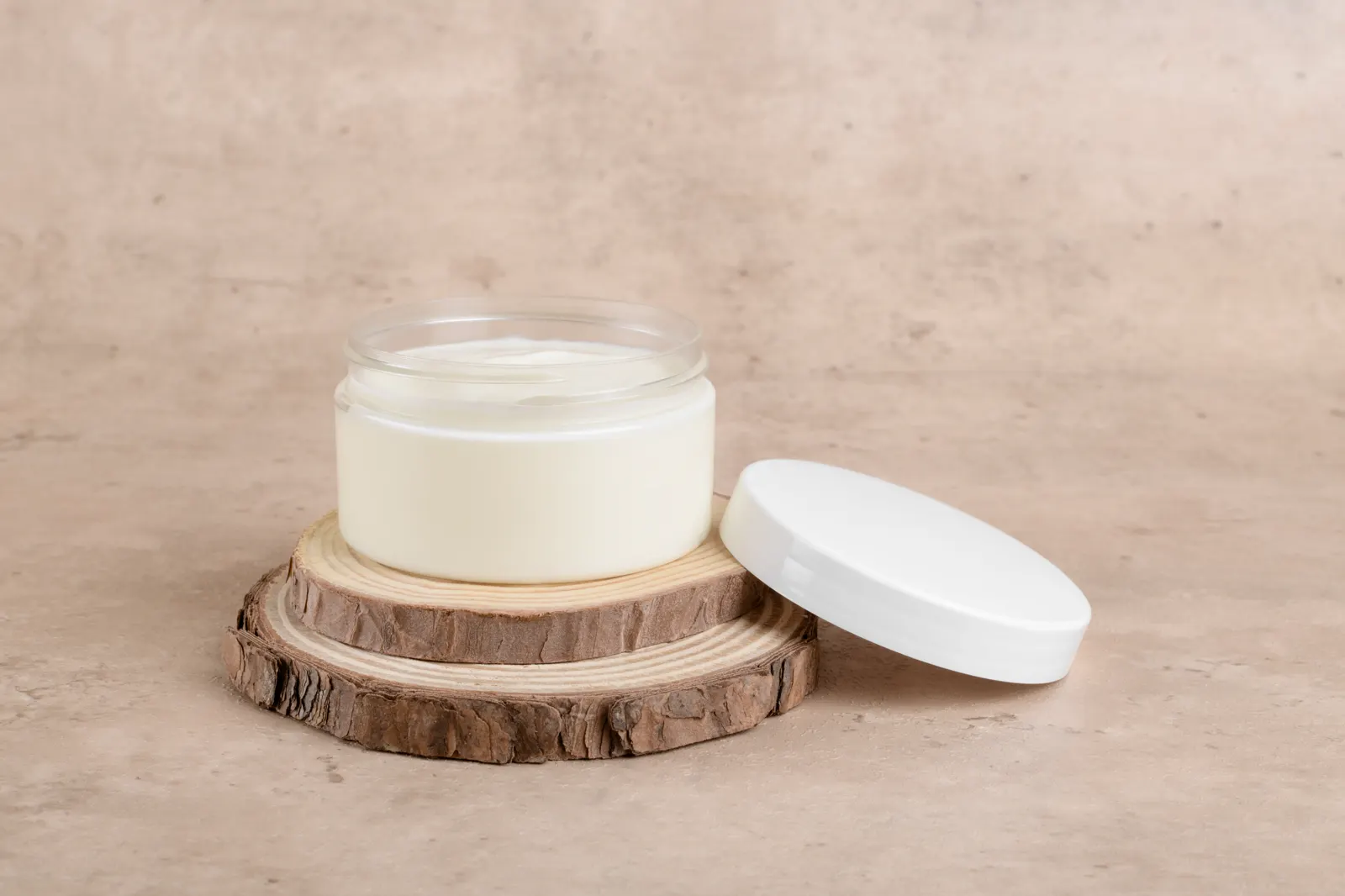 Body care · BeginnerWhipped Shea Body ButterCloud-light whipped shea with coconut and sunflower oils and a hint of lavender — rich care for dry skin, with the trick that prevents graininess.
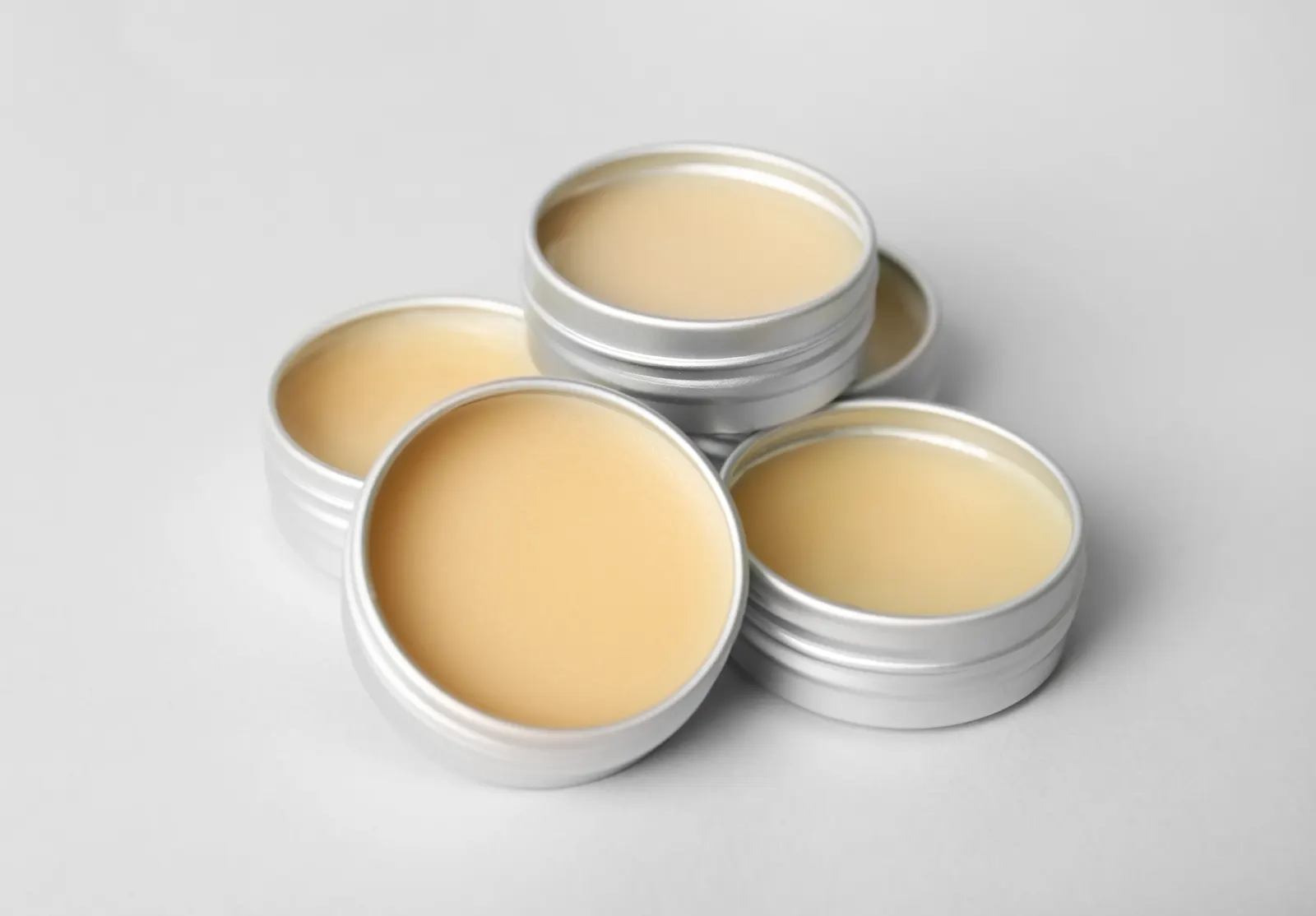 Lip care · BeginnerShea & Calendula Lip BalmA classic fragrance-free beeswax lip balm with shea, castor oil and calendula-infused oil — glossy, protective and easy to make.
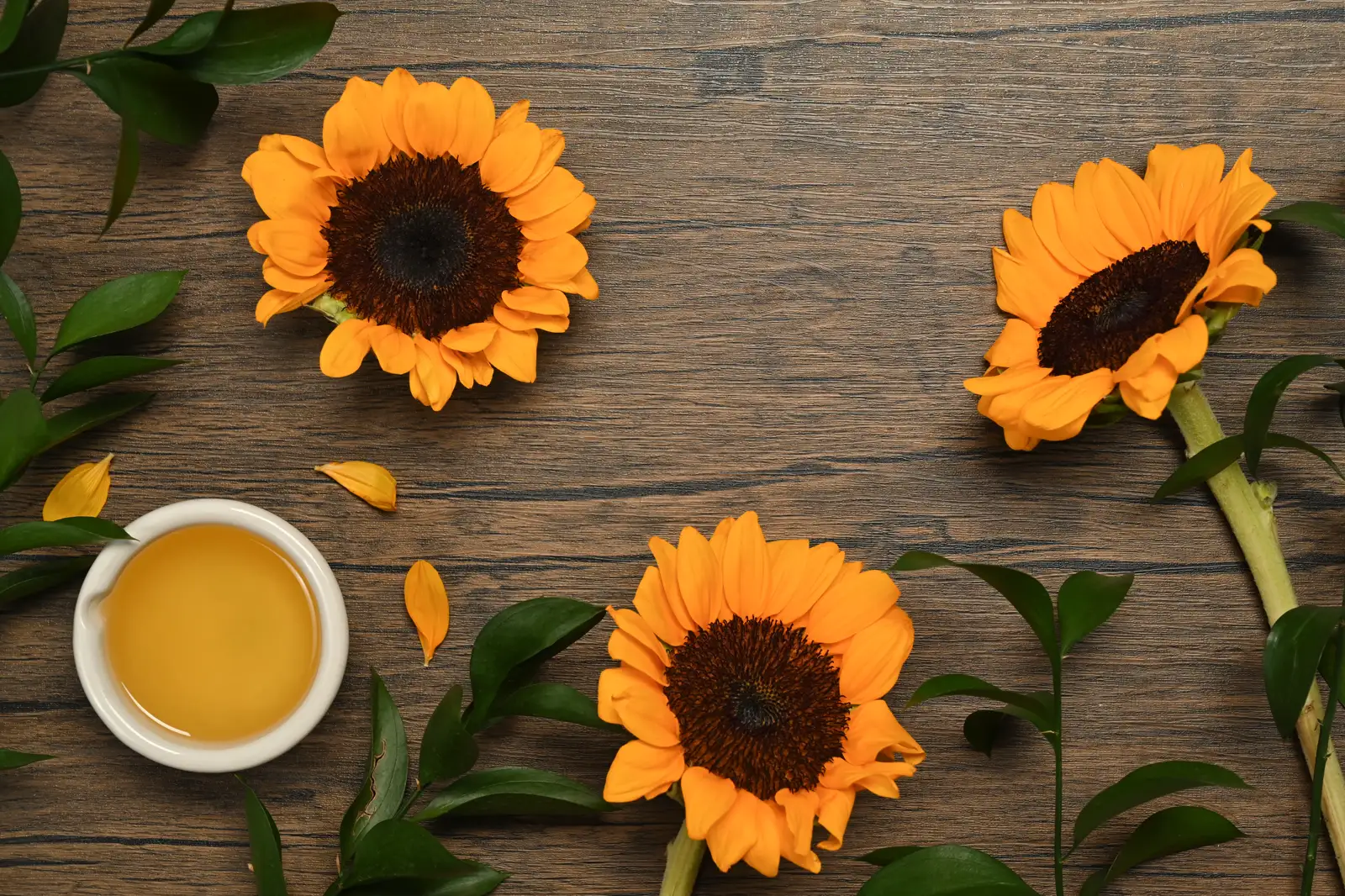 Cleanser · IntermediateSunflower Cleansing BalmA sherbet-textured cleansing balm of sunflower, shea and jojoba with a plant-derived emulsifier that turns milky and rinses clean, sunscreen included.
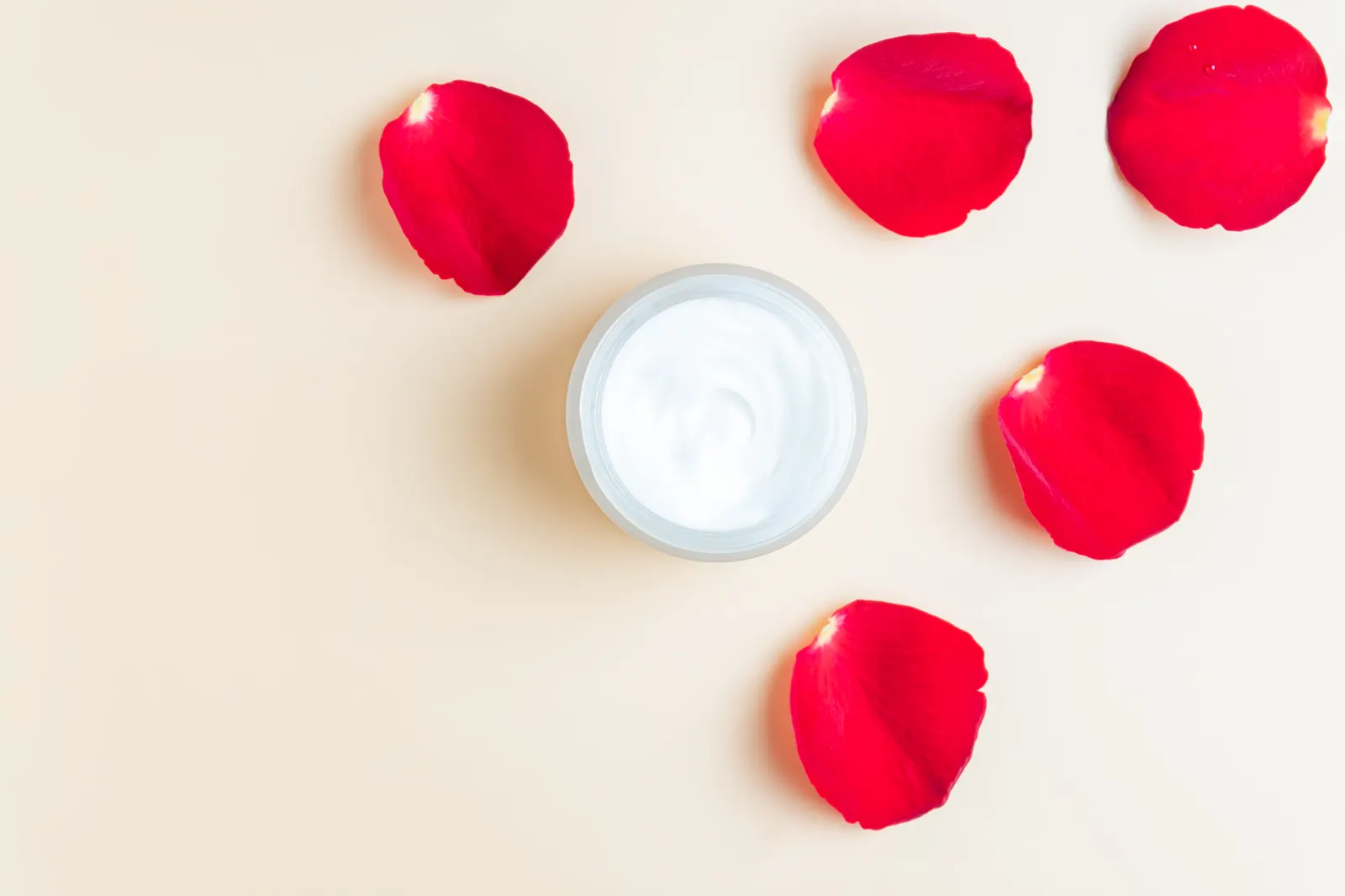 Balm · BeginnerRose & Orange Blossom Hand BalmA silky hand balm of shea, almond and rose-infused oil, lightly scented with neroli and rose geranium — a Moroccan garden in a tin.
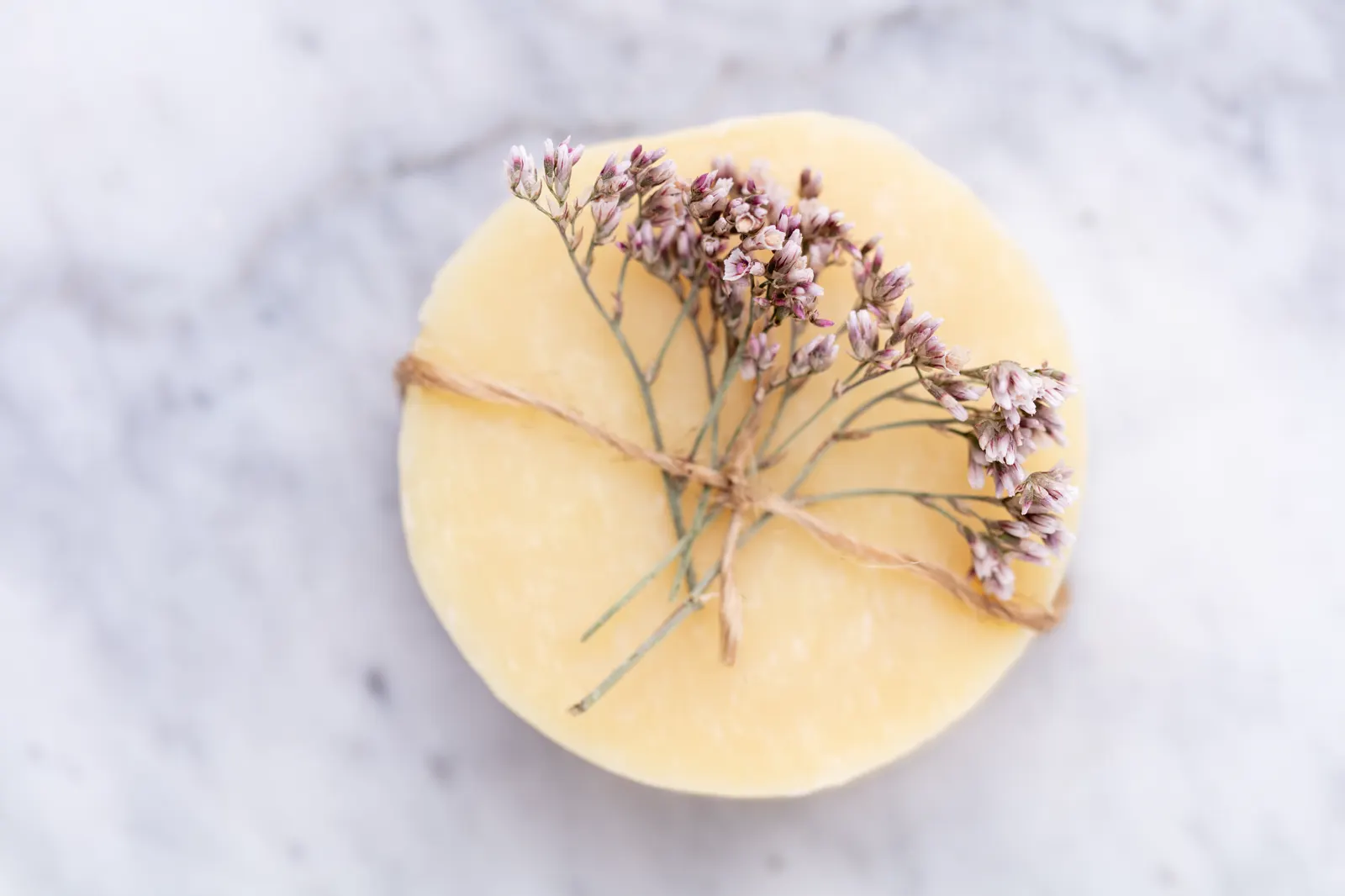 Body care · BeginnerShea Solid Lotion BarA three-ingredient lotion bar of shea, beeswax and sunflower oil that melts on contact with warm skin. No jar, no water, no preservative.
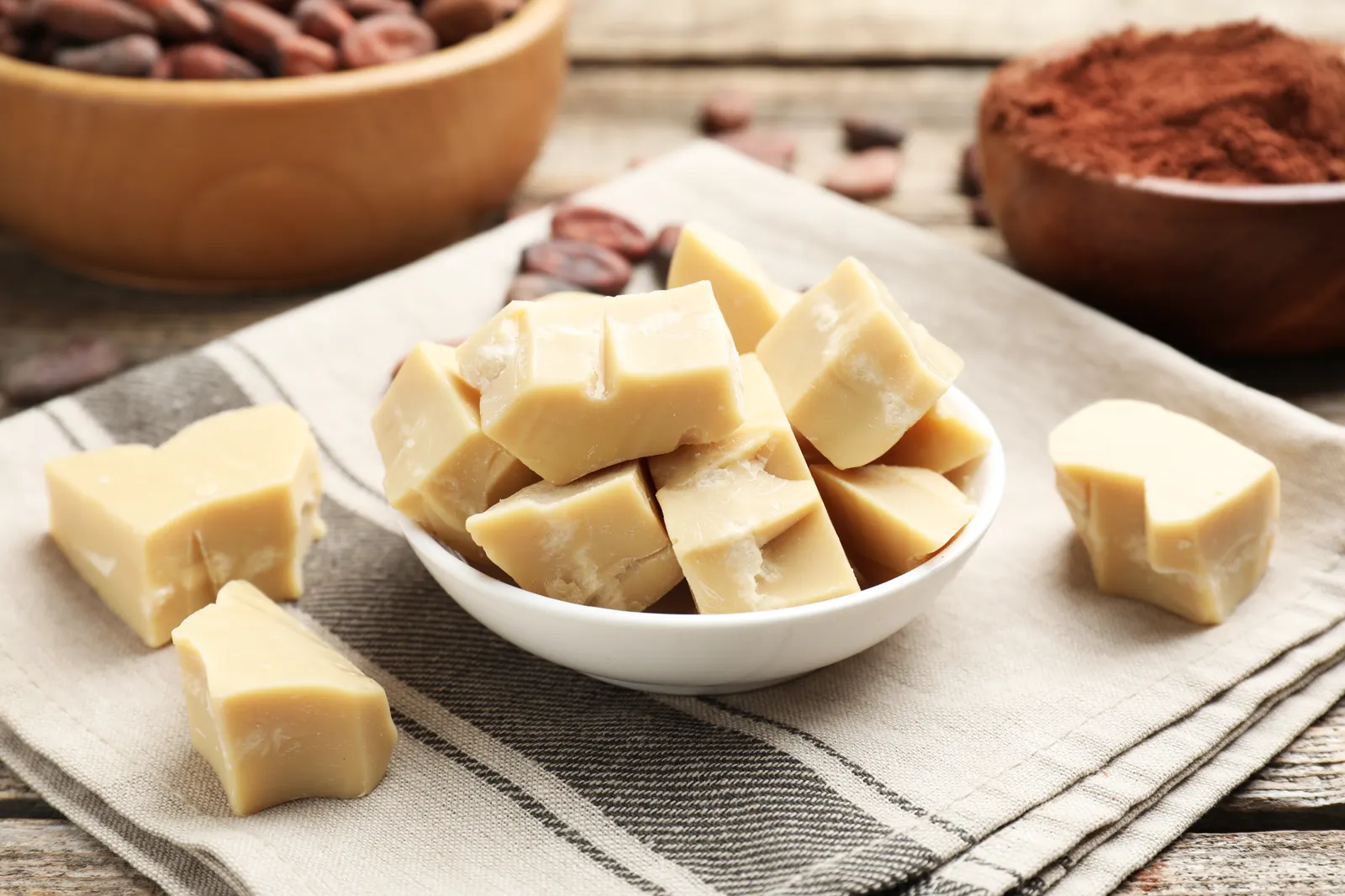 Body care · BeginnerCocoa Butter Winter Body MeltsLittle chocolate-scented melts of cocoa butter, shea and almond oil that soften in your hands and glide over dry winter skin after a shower.
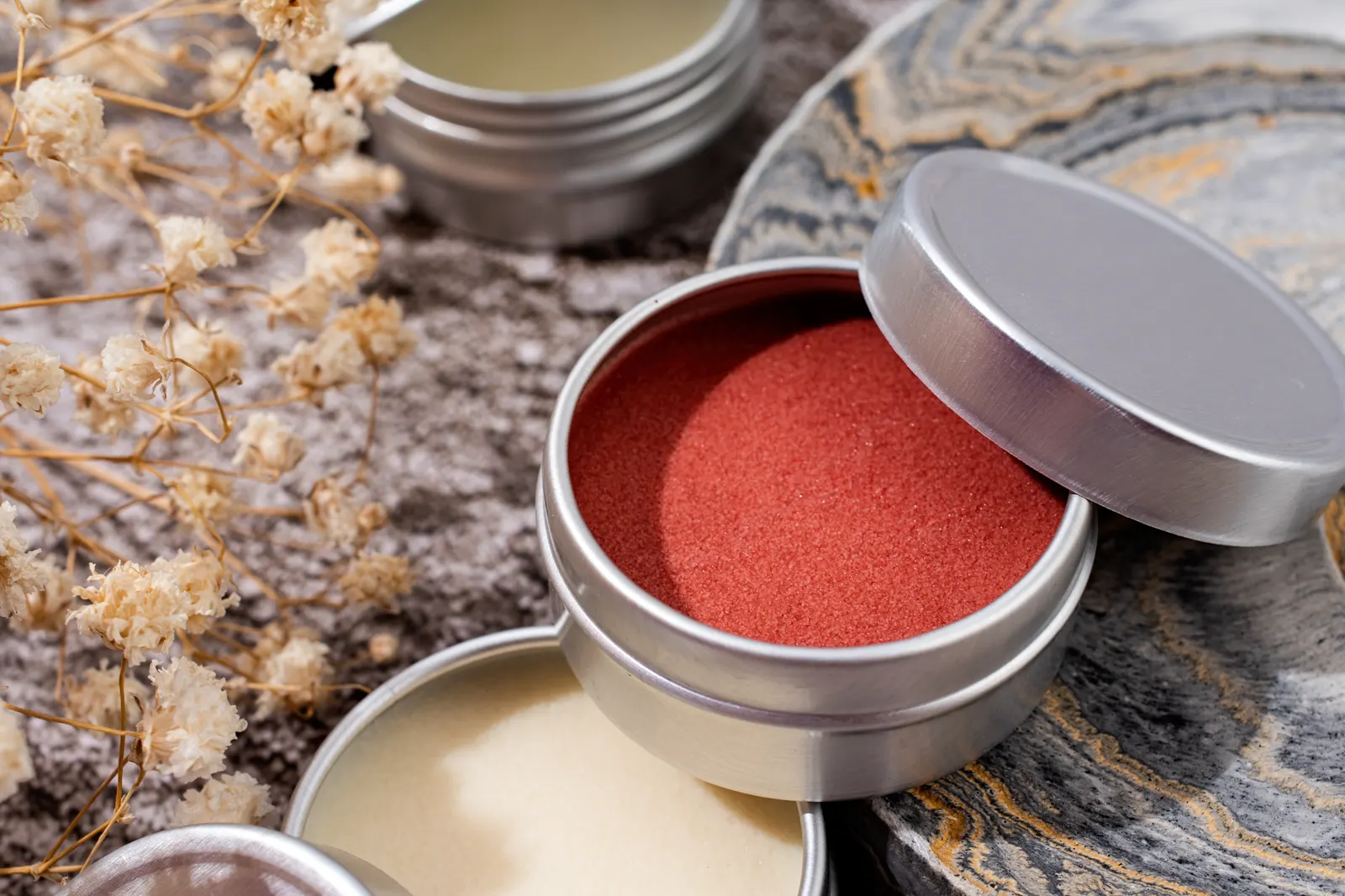 Balm · IntermediateThree-Balm Gift SetOne shea and beeswax base, three little tins: an unscented lip balm, a rose geranium hand balm and a lavender bedtime balm. A handmade gift people use.
Buying well
Sustainability
Shea trees grow wild in parkland savannas and take many years to bear fruit; Vitellaria paradoxa is listed as Vulnerable on the IUCN Red List, threatened by land clearing and charcoal cutting. Collecting nuts and making butter is overwhelmingly women’s work — shea is often called “women’s gold” — so fair-trade or cooperative-sourced butter directly supports rural women in countries such as Burkina Faso, Ghana, Mali and Nigeria. See Sustainable & Ethical Botanical Sourcing.
How to choose quality
Unrefined shea is ivory to pale yellow with a nutty or smoky smell and retains more unsaponifiables; refined shea is white and odorless, easier in fine formulations. Some suppliers grade shea A (unrefined, highest) to F; a rancid, sour or very dark butter is a red flag. Store cool and dark; well-made shea keeps 12–24 months. Graininess is cosmetic, not spoilage.
The research For professionals
The chemistry, the studies and the evidence by concern, for practitioners, formulators and the curious.
Shea butter is a triglyceride fat with roughly 35–45% stearic and 40–50% oleic acid, plus small amounts of linoleic and palmitic acids, giving a soft solid that melts around skin temperature. Its standout feature is a high unsaponifiable fraction — often several percent and higher in some unrefined samples — rich in triterpene alcohols esterified with cinnamic and acetic acids (α- and β-amyrin, lupeol, butyrospermol), along with tocopherols and karitene, a polyisoprene hydrocarbon.
The main skin effect is physical: occlusion and emollience reduce transepidermal water loss and soften scaling. Triterpene cinnamates show anti-inflammatory activity in laboratory models, and the cinnamate esters absorb a little UVB, but the resulting “SPF” is trivial — shea is not a sunscreen. Graininess is a crystallization issue: stearic-rich triglycerides form different crystal forms (polymorphs) if the butter cools slowly or is partially melted, producing gritty beads. Melting fully and cooling quickly (tempering) prevents it.
Clinical evidence for shea butter alone is limited to small studies, including comparisons of shea-containing emollients with ceramide creams in eczema that found broadly similar comfort and dryness benefits. Concerns about latex or nut allergy are largely theoretical: karitene is a hydrocarbon, not latex protein, and laboratory testing has not found IgE-binding soluble proteins in shea butter.
Evidence by concern
| Concern | Grade | What the evidence shows |
|---|---|---|
| Dry & Dehydrated Skin | C | Rich emollient and mild occlusive with anti-inflammatory triterpene esters; small studies of shea-containing creams support hydration. |
| Eczema-Prone Skin | C | A rich, low-allergen emollient; small studies of shea-based creams show improvement, though it is usually tested alongside other ingredients. |
| Dry, Damaged & Frizzy Hair | D | A rich sealant that reduces frizz and adds softness, especially for coily hair; evidence is practical and traditional. |
Key studies
Laboratory analysis of shea butter samples found no IgE-binding soluble proteins, supporting a very low allergy risk even for people with nut or latex allergy.
Chawla KK, et al. J Allergy Clin Immunol. 2011 Read it in the bibliography Find on PubMed
MythShea butter is dangerous for people with nut or latex allergy.
EvidenceShea is botanically a nut, and karitene is chemically related to rubber, but shea butter contains negligible protein, and laboratory testing has not found IgE-binding proteins in it. Reactions are very rare. If you have a confirmed shea allergy or severe multiple food allergies, ask your allergist.
In tradition
Across West Africa shea butter is food, cooking fat, baby massage balm, hair dressing and medicine; the traditional process of crushing, roasting, kneading and boiling the kernels is passed down between generations of women.
Frequently asked questions
Is shea butter comedogenic?
Why has my shea butter gone grainy?
Refined or unrefined shea butter — which is better?
Is shea butter good for eczema?
Cite this page
Herbs.Beauty. Shea Butter (Vitellaria paradoxa C.F.Gaertn.): evidence-based monograph. Updated 26 November 2026. https://herbs.beauty/ingredients/shea-butter.html