Toner · Make it at home
Green Tea & Centella Soothing Toner
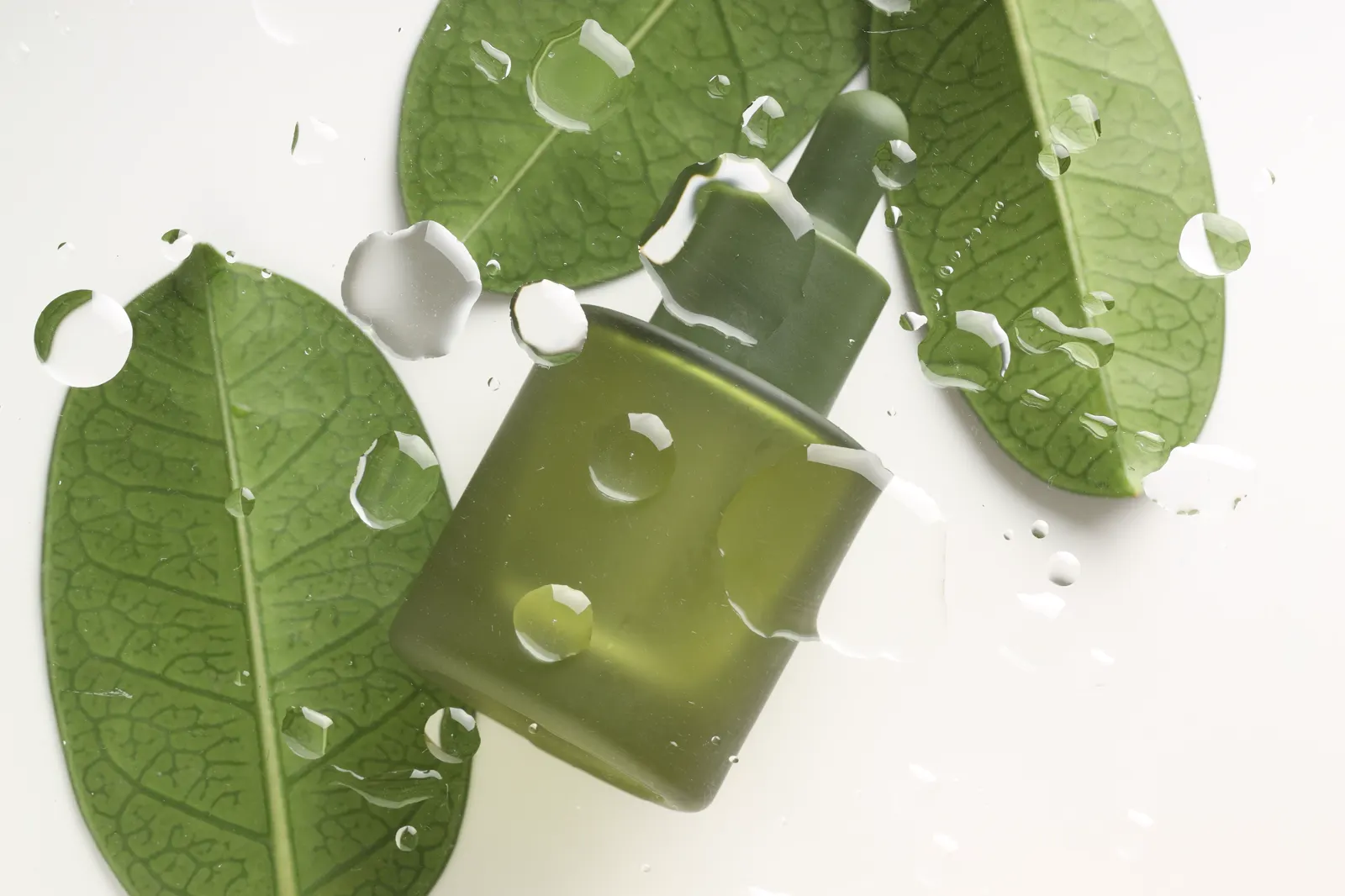
A preserved, alcohol-free toner with green tea, centella, witch hazel and panthenol to hydrate and calm, formulated to pH 5.0–5.5.
- Time
- 40 min
- Level
- Intermediate
- Makes
- 100 g
- Type
- Water-based · preserved
- Keeps
- Up to 3 months at room temperature, away from sunlight (home-made and untested)
What you need
- Distilled water
- Glycerin
- Allantoin
- Sodium phytate
- Witch hazel distillate
- Centella asiatica extract
- Green tea leaf extract
- Panthenol
- Phenoxyethanol & Ethylhexylglycerin
- Citric acid
Formula
| Phase | Ingredient | % | Grams |
|---|---|---|---|
| A | Distilled water (Aqua)Never tap water | 81.1 | 81.10 |
| A | Glycerin | 3 | 3.00 |
| A | AllantoinSoothing; dissolves best in warm water | 0.2 | 0.20 |
| A | Sodium phytate (chelator)Binds metal ions; boosts the preservative and slows green tea browning | 0.1 | 0.10 |
| B | Witch hazel distillate (Hamamelis virginiana, alcohol-free) | 10 | 10.00 |
| B | Centella asiatica extract (water/glycerin-soluble liquid)At the supplier’s level, typically 1–5% | 3 | 3.00 |
| B | Green tea leaf extract (Camellia sinensis, water-soluble powder, ~50% polyphenols) | 0.5 | 0.50 |
| B | Panthenol (provitamin B5) | 1 | 1.00 |
| B | Phenoxyethanol & Ethylhexylglycerin (broad-spectrum preservative)Supplier range 0.5–1%; works across pH 3–10 | 1 | 1.00 |
| C | Citric acid, 10% solution (pH adjuster)As needed to reach pH 5.0–5.5; balance any difference with water | 0.1 | 0.10 |
| Total | 100.0 | 100.00 |
Weigh everything on a 0.01 g scale; volume measures are not accurate enough for actives or preservatives. Open in the formula & cost calculator.
Equipment
- Digital scale (0.01 g)
- Two glass beakers
- Thermometer
- Water bath or hot plate
- Mini whisk or milk frother
- pH strips (narrow range 4.0–7.0) or a calibrated pH meter
- Pipettes
- 100 ml amber PET or glass bottle with fine mister or disc cap
- 70% isopropyl alcohol spray
- Nitrile gloves
Method
- Sanitize: wash all equipment in hot soapy water, rinse, then spray every surface, the bottle and its closure with 70% isopropyl alcohol and let it evaporate. Wear gloves and work on a cleaned surface.
- Phase A: weigh the water, glycerin, allantoin and sodium phytate into a beaker. Warm to 40–45 °C, stirring, until the allantoin has completely dissolved (no crystals), then let it cool below 40 °C.
- In a small cup, dissolve the green tea extract powder in about 5 g of the Phase A liquid until no specks remain.
- Phase B (below 40 °C): add the witch hazel, centella extract, panthenol, the dissolved green tea and the preservative, stirring after each addition.
- Phase C — pH: test with a narrow-range strip or calibrated meter; target pH 5.0–5.5. If higher, add 10% citric acid solution drop by drop, stirring and re-testing. If it drops too low, raise it with a drop of 10% sodium bicarbonate solution.
- Re-weigh and top up with distilled water to 100 g to replace any lost by evaporation; stir.
- Fill the sanitized amber bottle — a mister or disc cap is more hygienic than an open jar. Label with the name, ingredients, preservative and date made.
- To use: mist or press a few drops onto clean skin with your palms, morning and evening, before serum or moisturizer.
Why it works
Green tea catechins (mainly EGCG) are antioxidant and anti-inflammatory and have reduced sebum in small trials; centella asiatica (cica) (madecassoside and asiaticoside) is widely used to calm skin and support barrier repair. Alcohol-free witch hazel gives a light, fresh feel, while glycerin, panthenol and allantoin hydrate and soothe.
Safety notes
- Patch test before first use, as in our guide: twice daily for 7 days, read at 48 and 96 hours.
- Home-made aqueous products have not been through stability or challenge (preservative-efficacy) testing. Make small batches, use within 3 months, keep the cap closed, and discard at once if it turns cloudy, grows specks, separates or smells different (DIY Safety: Water, Microbes & Preservatives).
- Never leave out or reduce the preservative, and do not substitute vitamin E, essential oils or grapefruit seed extract — they are not preservatives.
- Green tea may slowly darken the toner to amber; that is oxidation, not spoilage, but any sudden change means discard.
- Witch hazel can sting very reactive or rosacea-prone skin; replace it with water if so.
Read DIY safety & preservation before making water-based products.
Variations
- Natural-certified preservative: sodium benzoate 0.5% + potassium sorbate 0.3% (or a supplier blend at its stated level), with pH held at 4.5–5.0 so it works.
- Oily skin: add 3–4% niacinamide, reducing water to match, and keep pH at 5.0–5.5.
- Floral: replace the witch hazel with Damask rose or orange blossom (neroli) hydrosol — still within the preserved formula.
Featured ingredients
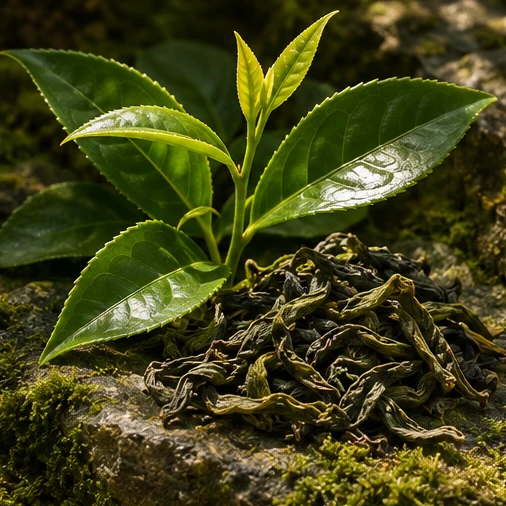 No. 005
Green TeaCamellia sinensisThe morning cup that doubles as a skin ally: green tea brings antioxidant calm to oily, breakout-prone skin.
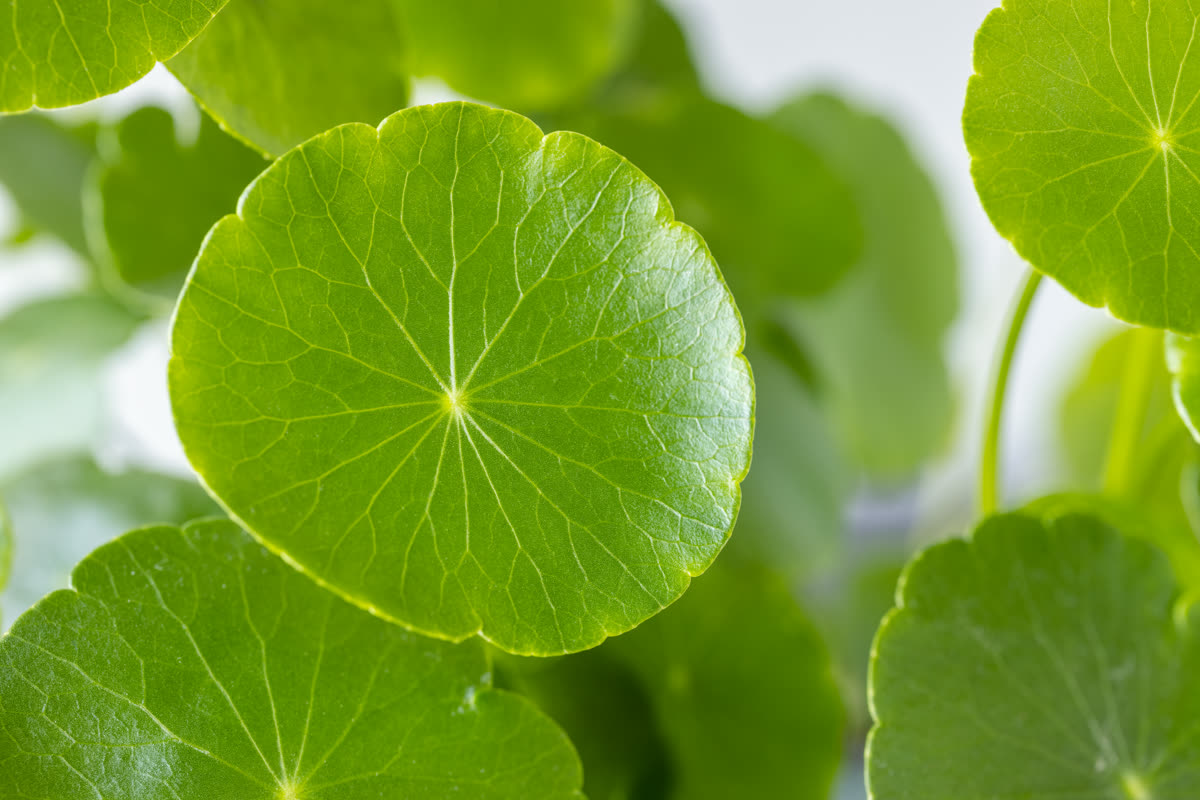 No. 004
Centella Asiatica (Cica)Centella asiaticaCica, the beloved “tiger grass” of Asian skincare, brings calm and comfort to stressed, reactive skin.
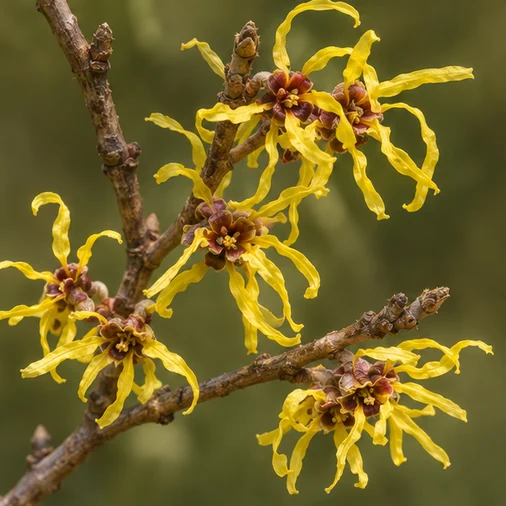 No. 009
Witch HazelHamamelis virginianaA cool, crisp swipe of witch hazel makes oily skin feel instantly fresh and tidy.
Formulator
Selling what you make? Get the batch record, label template and cost sheet for this formula, plus a regulatory checklist for the EU, UK and US.
See Formulator membership