Concern guide
Acne & Breakouts
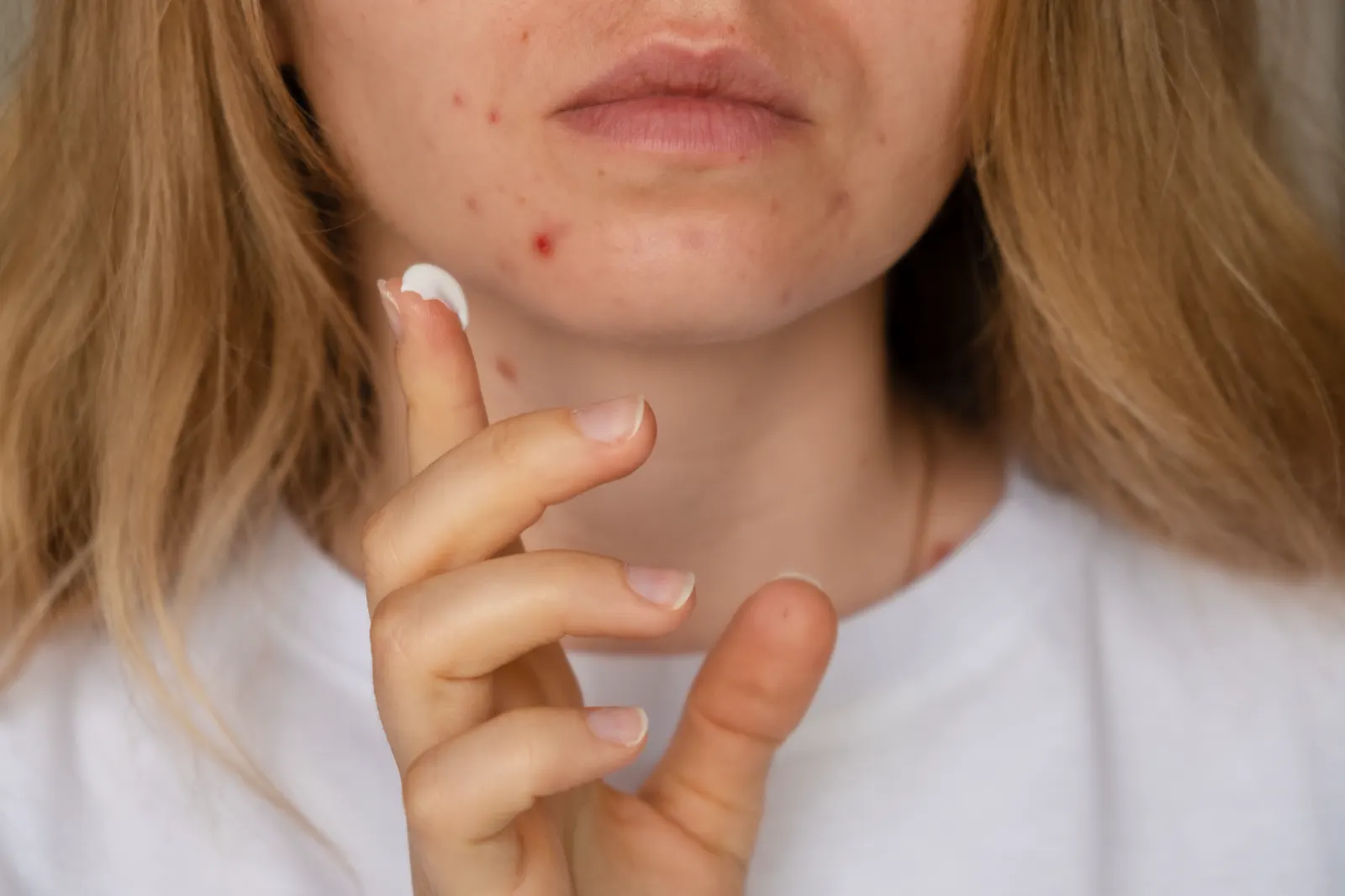
What really drives breakouts, which plant actives have evidence, and why benzoyl peroxide, adapalene and azelaic acid remain the backbone of acne care.
Start here
Your routine, starting tonight
Simple, gentle and consistent beats complicated. Follow this for six to eight weeks before you judge it.
Morning
- Wash with a gentle, non-soap cleanser (pH-balanced, fragrance-free); a 2.5–5% benzoyl peroxide wash, left on for one to two minutes, is an excellent option.
- Optional: a light, alcohol-free toner such as Green Tea & Centella Soothing Toner.
- Treat: azelaic acid or niacinamide if part of your plan.
- Moisturize with an oil-free, non-comedogenic lotion — retinoid users need this most.
- Broad-spectrum SPF 30+ in a fluid or gel texture; it also limits dark marks.
Evening
- Remove sunscreen and makeup, then cleanse gently — no scrubbing.
- Apply a pea-sized amount of adapalene or your prescribed retinoid to the whole area (not just spots), starting every other night.
- Moisturize. Use a spot treatment such as Tea Tree Blemish Spot Gel on individual inflamed spots only if it does not stack irritation with your retinoid.
Weekly
- Once or twice weekly, a Moroccan Rhassoul & Orange Blossom Mask for oil control (not on irritated or retinoid-raw skin).
- Wash pillowcases, phone screens and makeup brushes regularly; review hair products that touch the face.
- Take a monthly photo in the same light — it is the best way to judge progress over 8–12 weeks.
What is going on
In plain language: each pore is a hair follicle with an oil (sebaceous) gland attached. Acne starts when oil production rises, dead cells clog the follicle opening, the skin bacterium Cutibacterium acnes thrives in the oily, low-oxygen plug, and the immune system reacts. The result ranges from blackheads to deep, painful lumps.
The four core factors: (1) androgen-driven sebum production, (2) follicular hyperkeratinization forming the invisible microcomedone, (3) a shift in the C. acnes population (certain strains, plus loss of microbial diversity, rather than simple “infection”), and (4) innate inflammation via toll-like receptor 2, IL-1 and the inflammasome. Inflammation is now known to be present even before comedones are visible, which is why anti-inflammatory strategies matter early.
Types and grades: comedonal (open “blackheads” and closed “whiteheads”); papulopustular (red bumps and pus-filled spots), graded mild to moderate by number and extent; nodular or nodulocystic (deep, painful lesions over 5 mm that frequently scar); and rare severe forms such as acne conglobata and acne fulminans. Dermatologists often use a 0–4 Investigator’s Global Assessment. Adult female acne tends to cluster on the jawline and chin and may flare premenstrually.
Common triggers and aggravators: hormonal shifts (puberty, menstrual cycle, polycystic ovary syndrome, stopping the pill), heavy or occlusive cosmetics and hair oils (acne cosmetica, “pomade acne”), friction from helmets, straps and masks (acne mechanica), certain medicines (corticosteroids, lithium, some anticonvulsants, anabolic steroids), and picking. Evidence linking high-glycemic diets and skimmed milk/whey supplements to acne is real but modest; stress can worsen flares. Marks left behind are usually post-inflammatory hyperpigmentation or erythema, not true scars — see Dark Spots & Hyperpigmentation and Scars, Wounds & Stretch Marks.
The plants most worth trying
 No. 008
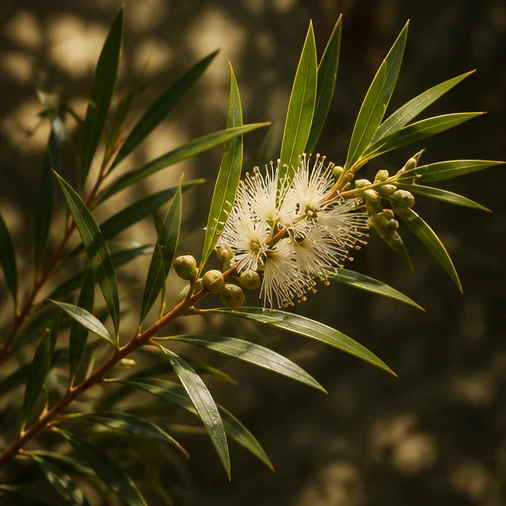
Tea TreeMelaleuca alternifoliaSeveral small randomized trials of 5% tea tree oil gel show fewer inflammatory and total lesions than placebo, with slower onset but better…
 No. 005
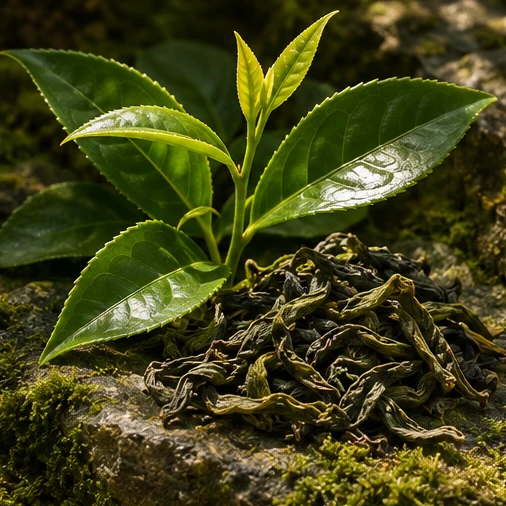
Green TeaCamellia sinensisSmall randomized trials of 2–3% green tea extract lotions reduced lesion counts and sebum in mild to moderate acne; effects are modest.
 No. 001
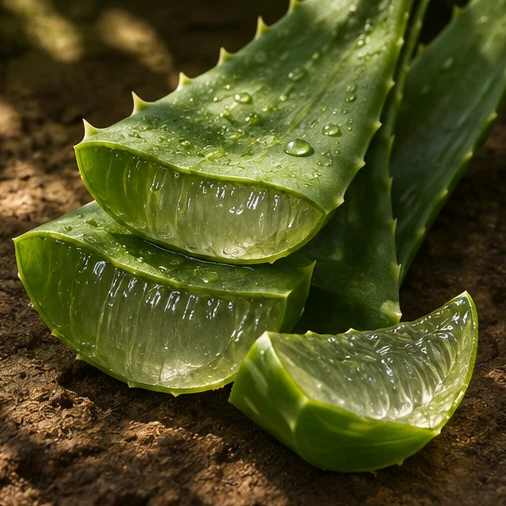
Aloe VeraAloe veraIn one randomized trial, aloe gel combined with tretinoin improved results and tolerability versus tretinoin alone — useful as a soothing partner to…
The full list, best proven first:
| Ingredient | Grade | What the evidence shows |
|---|---|---|
| Tea Tree | B | Several small randomized trials of 5% tea tree oil gel show fewer inflammatory and total lesions than placebo, with slower onset but better tolerability than 5% benzoyl peroxide. |
| Green Tea | B | Small randomized trials of 2–3% green tea extract lotions reduced lesion counts and sebum in mild to moderate acne; effects are modest. |
| Aloe Vera | C | In one randomized trial, aloe gel combined with tretinoin improved results and tolerability versus tretinoin alone — useful as a soothing partner to retinoids. |
| Bakuchiol | C | Small, mostly open-label studies suggest benefit in mild acne, often in combination products; plausible anti-inflammatory and anti-sebum effects. |
| Willow Bark | C | Contains salicin and other salicylates that may gently exfoliate and calm, but it is far weaker than salicylic acid and human data are limited. |
| Honey | C | Antimicrobial in the lab, but a randomized trial of medical-grade kanuka honey added to routine cleansing found no significant extra benefit. |
| Witch Hazel | D | Tannins are astringent and anti-inflammatory in vitro; there are no meaningful acne trials, and alcohol-based distillates can irritate. |
| Rhassoul Clay | D | Absorbs surface oil temporarily for a matte finish; no evidence it treats acne lesions. |
Proven partners beyond plants
Be honest with yourself about what works best: the evidence-based backbone of acne care is non-botanical.
- Benzoyl peroxide (2.5–5% is as effective as 10% and less irritating) kills C. acnes without causing antibiotic resistance. It bleaches fabrics.
- Topical retinoids — adapalene 0.1% gel is available over the counter in many countries; tretinoin, adapalene 0.3% and trifarotene are prescription. They prevent microcomedones and are first-line for almost every acne type. Not for use in pregnancy.
- Azelaic acid 15–20% (prescription in many places; lower-strength cosmetics exist) is anti-inflammatory, antibacterial and fades marks; considered compatible with pregnancy.
- Salicylic acid 0.5–2% helps comedones modestly.
- Prescription options: fixed combinations (e.g. clindamycin or adapalene with benzoyl peroxide), clascoterone cream, oral antibiotics for limited courses (always with benzoyl peroxide to limit resistance), combined oral contraceptives or spironolactone for hormonal acne, and oral isotretinoin for severe, scarring or treatment-resistant acne — the only treatment that can produce long-term remission, used under strict pregnancy-prevention programs.
Botanicals such as tea tree and green tea are reasonable for mild acne or for people who cannot tolerate first-line products, and soothing plants such as aloe vera can make retinoids easier to live with. Moderate, nodular or scarring acne needs medical treatment; waiting costs skin.
What tends to make it worse
- Picking, squeezing and “extracting” at home — it drives inflammation deeper and causes marks and scars.
- Harsh scrubs, alcohol-heavy toners and over-washing, which damage the barrier and can increase oiliness and irritation.
- Heavy oils and butters on acne-prone areas (including coconut oil and pomades along the hairline).
- Undiluted tea tree or other essential oils, toothpaste, lemon juice or baking soda on spots — these burn and sensitize.
- Stacking many actives at once (retinoid plus acids plus scrubs plus clay) — irritation makes acne look worse.
- Giving up before 8–12 weeks; every acne treatment is slow.
When to see a doctor
- Deep, painful nodules or cysts, or any acne that is leaving scars (pitted, rolling or raised) — early treatment prevents permanent scarring.
- No meaningful improvement after 2–3 months of consistent over-the-counter treatment.
- Acne with irregular periods, excess facial or body hair, scalp hair thinning or rapid weight gain, which can point to polycystic ovary syndrome or another hormonal cause.
- Sudden, severe, ulcerating acne with fever, joint pain or feeling unwell (acne fulminans) — seek prompt care.
- Acne that started after a new medicine or supplement (e.g. corticosteroids, anabolic steroids, some anticonvulsants).
- Acne affecting your mood, sleep or confidence — this is a valid reason to seek treatment.
Find a dermatologist or report a reaction to a cosmetic, wherever you live.
Myths and evidence
MythAcne is caused by dirty skin.
EvidenceBlackheads are dark because of oxidized melanin and lipids, not dirt. Acne is driven by hormones, follicle clogging, microbes and inflammation; scrubbing harder usually makes it worse.
MythTea tree oil is as good as benzoyl peroxide.
EvidenceIn the main comparison trial 5% tea tree gel worked, but more slowly and less strongly than 5% benzoyl peroxide; it was better tolerated. It is a reasonable option for mild acne, not an equal replacement.
MythYou should let acne dry out in the sun.
EvidenceSun may briefly calm redness but thickens the skin surface, worsens dark marks and adds UV damage; many acne treatments also make skin more sun-sensitive.
Recipes to try at home
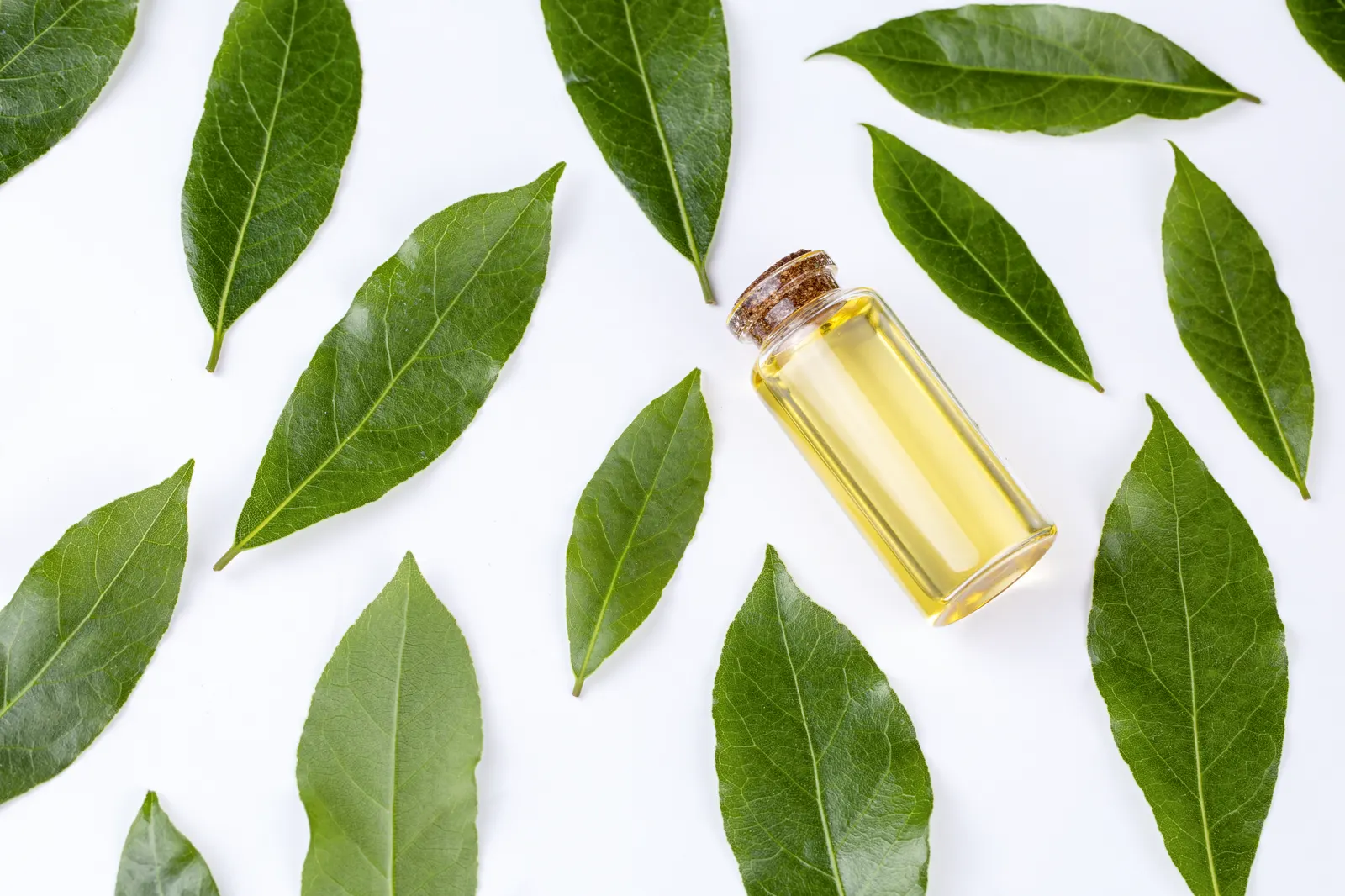 Serum · IntermediateTea Tree Blemish Spot GelA 5% tea tree oil spot gel — the strength used in the classic acne trial — solubilized and preserved for dabbing on individual blemishes.
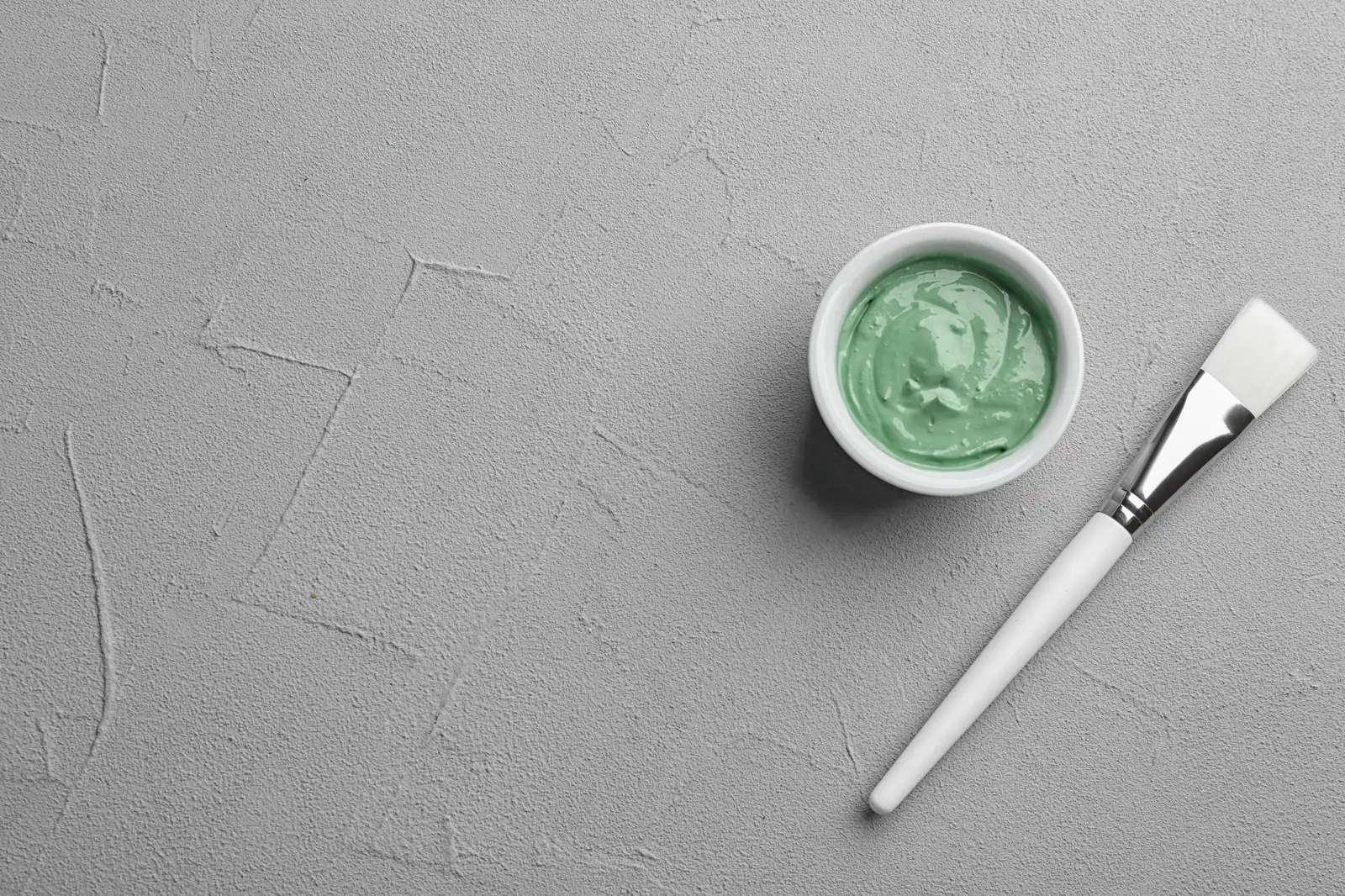 Mask · BeginnerMoroccan Rhassoul & Orange Blossom MaskRhassoul clay whipped with orange blossom water, argan oil and honey: the Moroccan way to cleanse and soften without squeaky tightness.
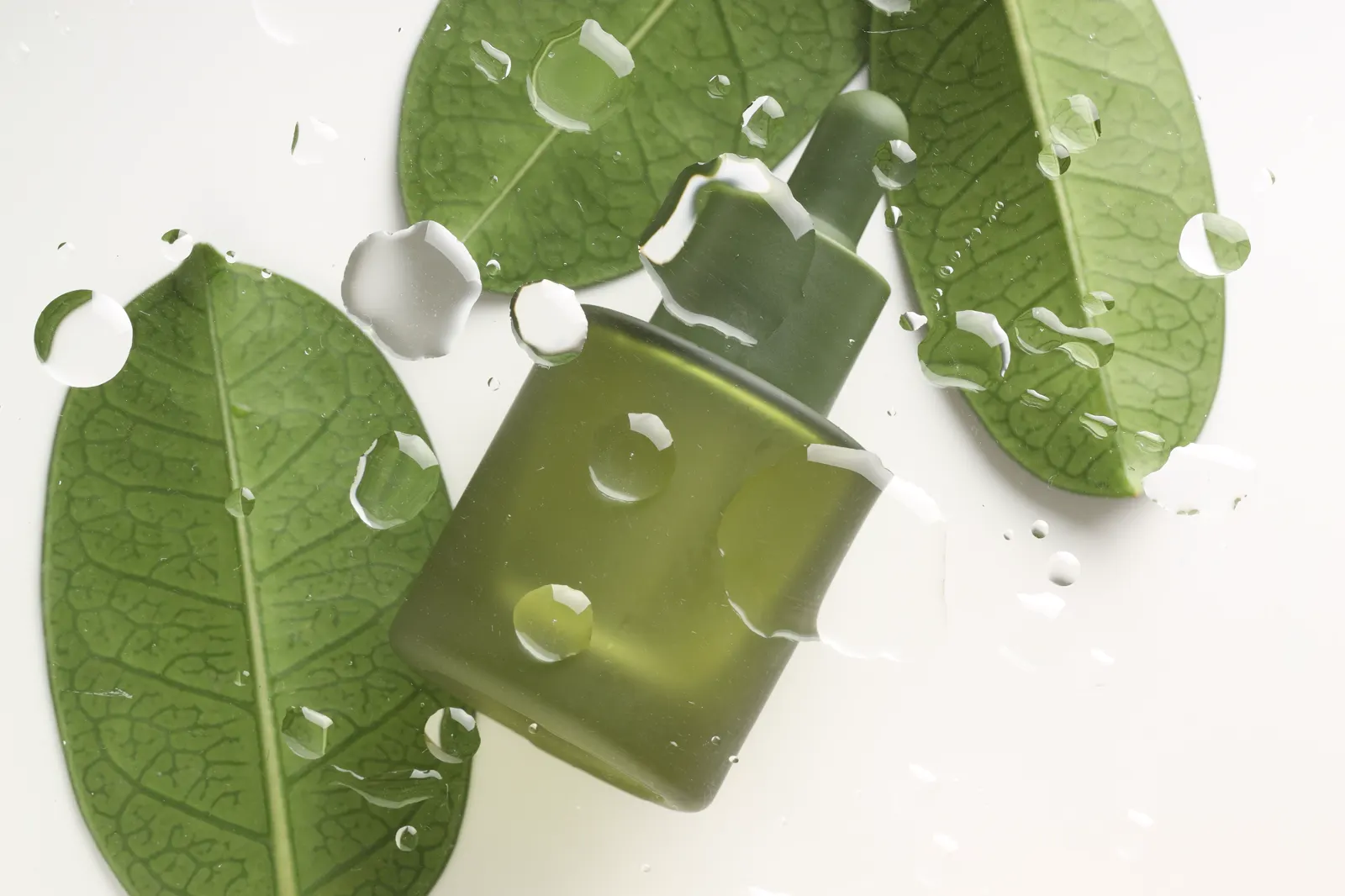 Toner · IntermediateGreen Tea & Centella Soothing TonerA preserved, alcohol-free toner with green tea, centella, witch hazel and panthenol to hydrate and calm, formulated to pH 5.0–5.5.
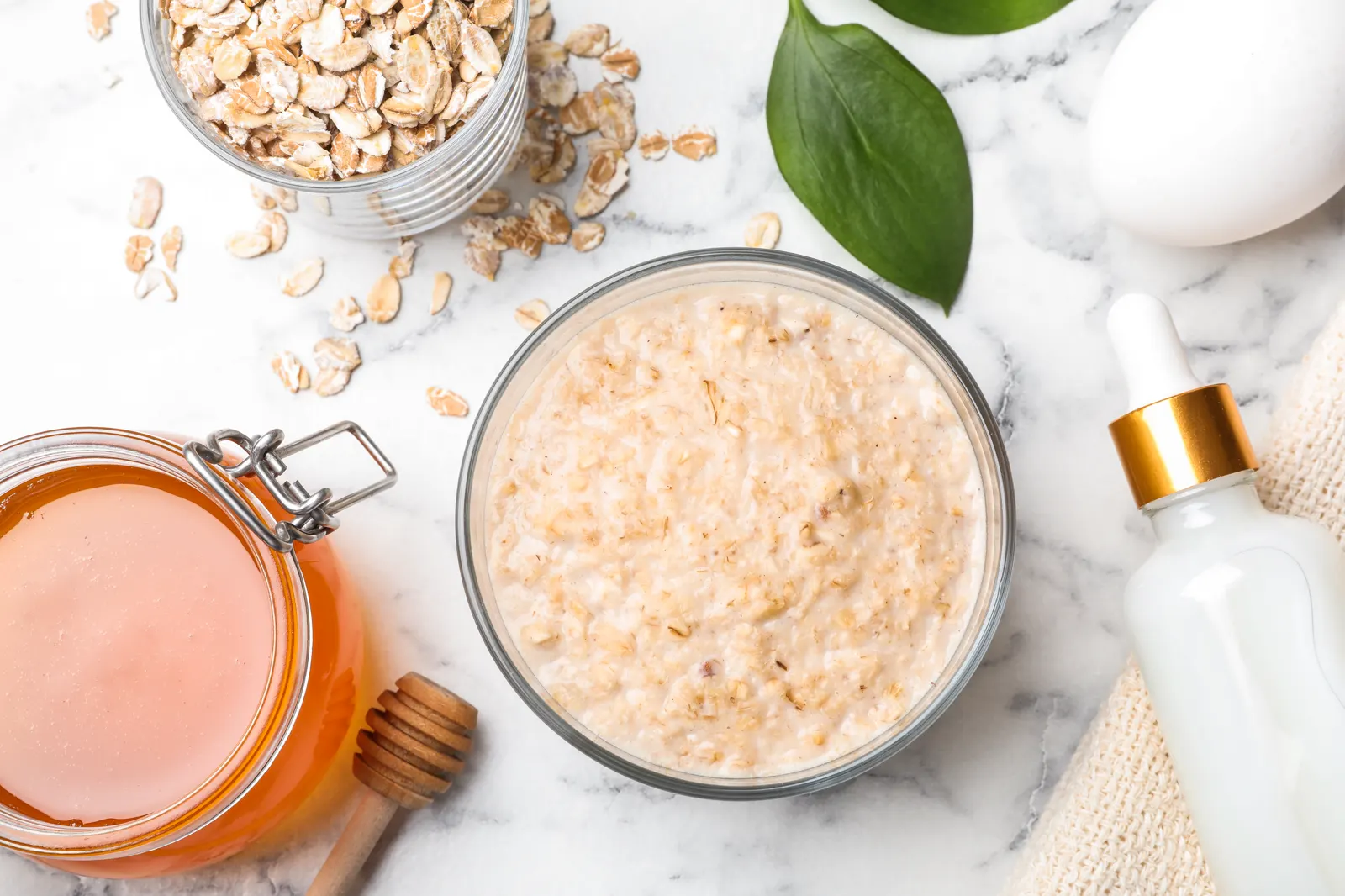 Cleanser · BeginnerHoney & Oat Gentle CleanserA no-foam, single-use cleansing paste of raw honey, colloidal oatmeal, rose water and jojoba for dry or sensitive skin that hates feeling squeaky.