Rituals of the world · 6 min read ·
Bathing Around the World: From Hammam to Onsen to Sauna
Steam, hot springs and cedar heat: what the world’s great bathing traditions share, and how to borrow their best ideas at home, safely.
In a Marrakech hammam, a Finnish lakeside sauna and a Japanese mountain onsen, people arrive tired and leave softer, slower and somehow lighter. These traditions grew up far apart, yet they share a quiet wisdom about heat, water, rest and community. You do not need a plane ticket to borrow it.
The hammam: steam, soap and the glove
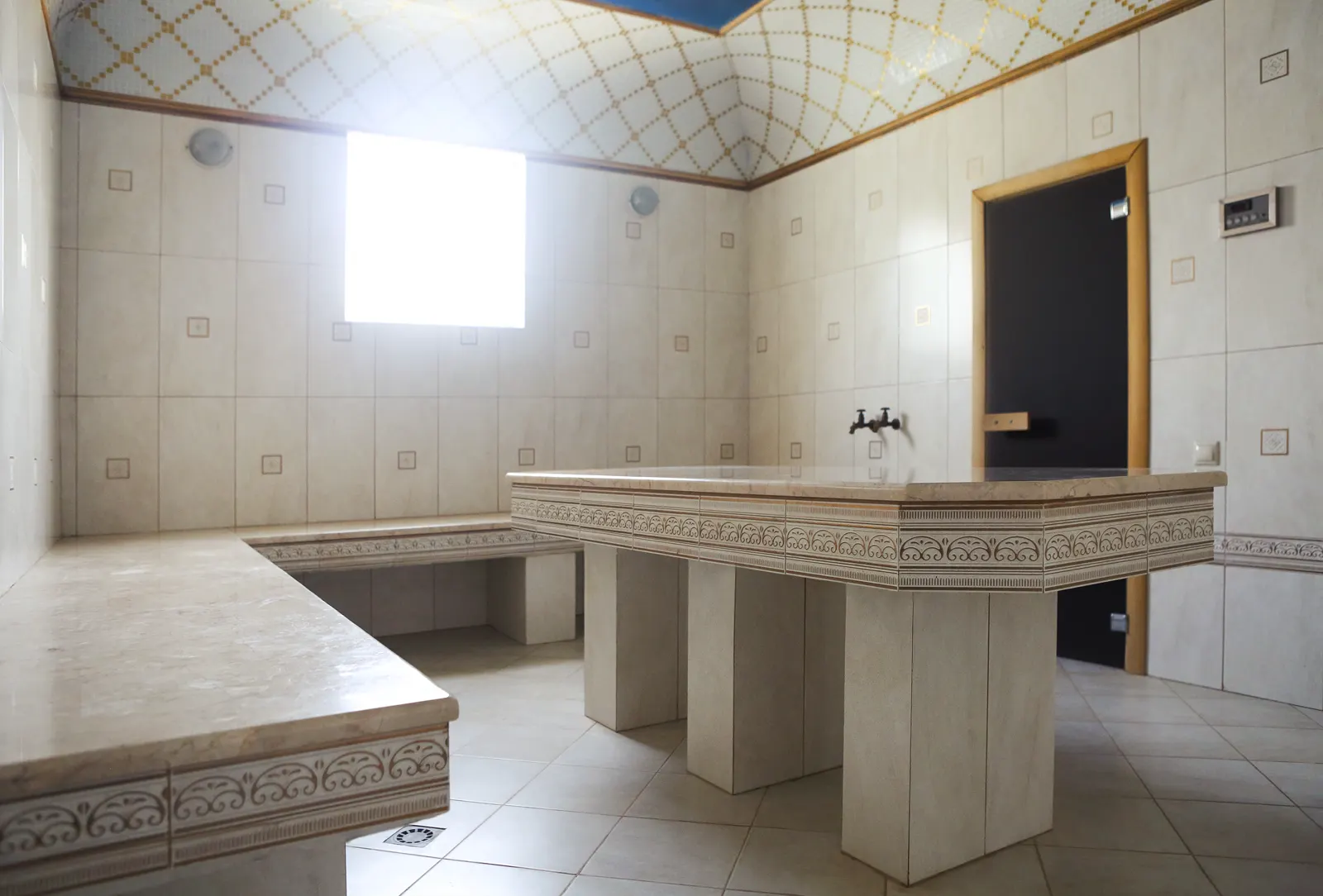
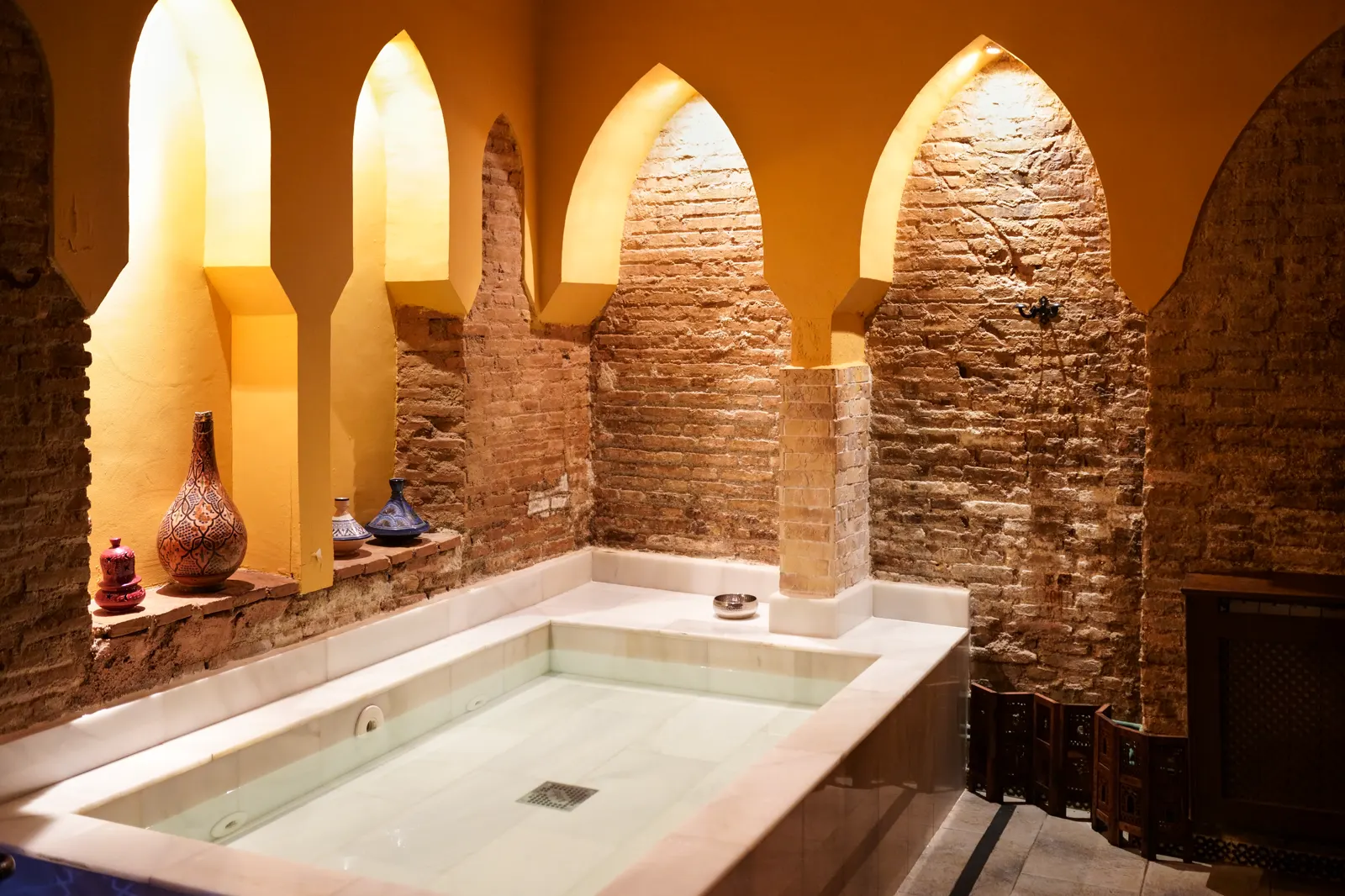
Across North Africa and the Middle East, the hammam has been a neighborhood institution for centuries, often standing near the mosque, the bakery and the fountain. In Morocco the sequence is broadly the same everywhere. First, warm rooms and steam to soften the skin. Then sabon beldi, a soft, dark olive-oil soap, smoothed over the body and left for a few minutes. Then the kessa, a rough woven glove that rolls away dead skin in surprisingly visible gray curls. Finally, rhassoul clay for hair and skin, and a splash of rose or orange blossom (neroli) water.
It is as much social as it is cosmetic: a place to talk, rest, prepare a bride, spend an unhurried afternoon. Our guide to Moroccan Beauty Rituals: Hammam, Rhassoul & Argan goes deeper into its history and plants.
The honest view? Steam and scrubbing really do leave skin smoother for a while, and the ritual is deeply relaxing. But black soap is alkaline and a hard kessa is a lot of friction. Skin that is sensitive, eczema-prone, sunburnt or freshly shaved is better off skipping the glove altogether.
The onsen: hot water and stillness
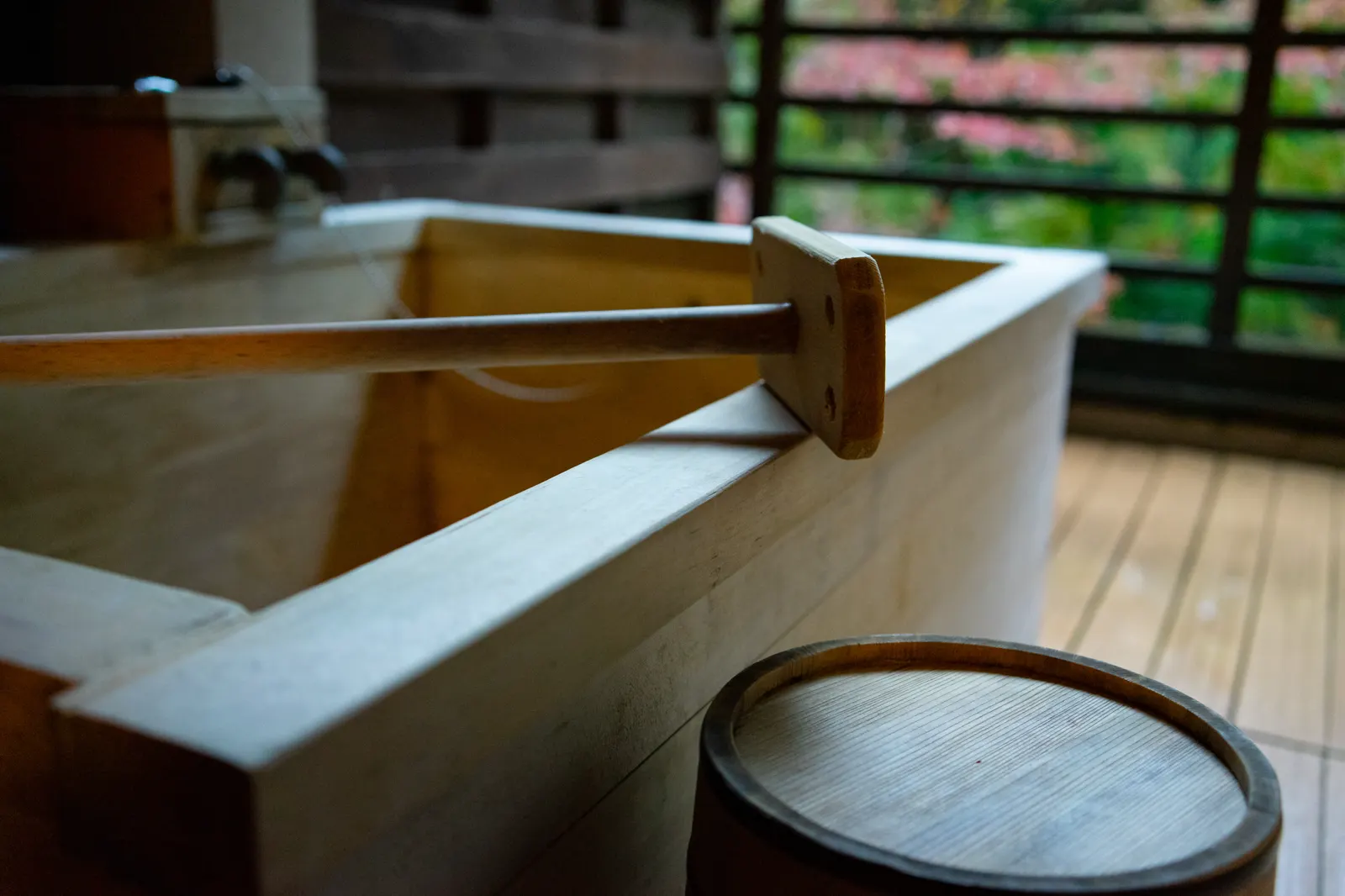
Japan’s volcanic geography gives it thousands of hot springs, and bathing in them, the onsen, is woven into travel, family life and rest. Public bathhouses, sento, serve the same purpose in cities. The etiquette is part of the beauty: you wash thoroughly at a low shower stool first, rinse every trace of soap away, and only then step into the shared bath to sit, quietly, in hot water.
Springs differ in their minerals, and many are traditionally credited with benefits for the skin. Some research on mineral and sulfur-rich waters suggests they may soothe certain skin conditions, but the studies are small and often hard to separate from the effect of rest and warm water itself. What is clear is the pleasure of it: a long soak, cold air on the face, nowhere to be.
The lesson worth taking home is the order of things. Clean first, then soak. And soak to rest, not to scrub.
The sauna: dry heat, steam and a cold plunge
In Finland the sauna is almost a household appliance, found in apartments, summer cottages and workplaces. Bathers sit in dry heat on wooden benches, throw water on the hot stones to raise a burst of steam called löyly, and many cool off between rounds in a shower, a lake or snow. Birch whisks, gently tapped on the skin, release a green, leafy scent. Neighbors have their own versions: the Russian banya, the Estonian smoke sauna, the Korean jjimjilbang with its heated floors and vigorous body scrubs, the Indigenous sweat lodges of the Americas and the Mexican temazcal, each with its own meaning and ceremony.
Large observational studies from Finland have linked regular sauna bathing with better heart health in middle-aged men. That is encouraging, but such studies show an association, not proof, and they cannot fully separate the sauna from the relaxed, active lives of the people who use it. For skin, the immediate effect is a warm flush and a softened surface; the lasting benefit is mostly the calm.
None of the great bathing traditions is about punishing the skin. Heat softens, water cleans, rest does the rest.
What they share, and what they teach
Put these traditions side by side and the same ideas keep appearing:
- Heat softens. Warmth and steam loosen the skin’s surface so that cleansing and gentle exfoliation work with less effort.
- Cleansing comes before soaking. A shared bath stays clean because everyone arrives clean.
- Cooling is part of the ritual. A cool rinse closes the session and feels wonderful.
- Rest is the point. No phones, no rush, plenty of water, a little quiet afterwards.
- Moisture finishes the job. Oil, butter or a simple cream on warm, damp skin.
They also share a sense of time. A hammam visit can take an afternoon, a sauna evening stretches over several rounds, and an onsen soak is never hurried. The skin benefits are real but modest; the bigger gift is permission to stop. Borrowing that pace, even for one evening a week, may be the most useful souvenir of all.
None of them is about punishing the skin. Even the kessa, done well, is firm but not raw. That is a useful reminder in a world of harsh scrubs and peeling products.
Borrowing the bathhouse at home
You can recreate the spirit of these places with a bathroom, a towel and an hour. The Home Hammam, Once a Week is our step-by-step version. In short:
- Run a warm shower and let the room fill with steam for a few minutes while you drink a glass of water.
- Wash gently with a mild soap or cleanser, then sit in the steam to soften.
- Exfoliate lightly, once a week at most, with a soft glove or cloth. Stop at pink, never red.
- Apply a clay mask to hair or body: a simple Moroccan Rhassoul & Orange Blossom Mask, or follow the full Moroccan Hammam Ritual at Home.
- Rinse with cool water, wrap up warm, and smooth on a plant oil such as argan oil while skin is still damp.
- Rest for twenty minutes. Tea, a book, no screen.
If you have a bathtub, a short lukewarm soak with oats, as in an A Colloidal Oat Bath, Straight from the Pack, is a gentler, very soothing alternative for dry or itchy skin.
Friendly safety notes
Heat is relaxing, but it is also real work for the body. Keep these in mind:
- Drink water before and after, and step out if you feel dizzy, sick or faint.
- Skip alcohol before saunas, hot baths and steam.
- If you are pregnant, have heart disease, low or high blood pressure, or take medicines that affect them, check with your doctor before using saunas or very hot baths.
- Very long, hot soaks dry skin out. Keep home baths warm rather than hot, and moisturize after.
- Exfoliate less, not more, on darker skin tones prone to dark marks, and never on broken, inflamed or sunburnt skin.
- Respect local customs when you travel: rules on swimwear, tattoos and etiquette vary, and the host community sets them.
Treated this way, the bath becomes what it has always been at its best: a place to come back to yourself.
Keep going
Put it into practice
 The Home Hammam, Once a WeekBeldi black soap, a kessa glove, rhassoul and argan: a Moroccan weekly bath ritual adapted for home, with honest limits on scrubbing.
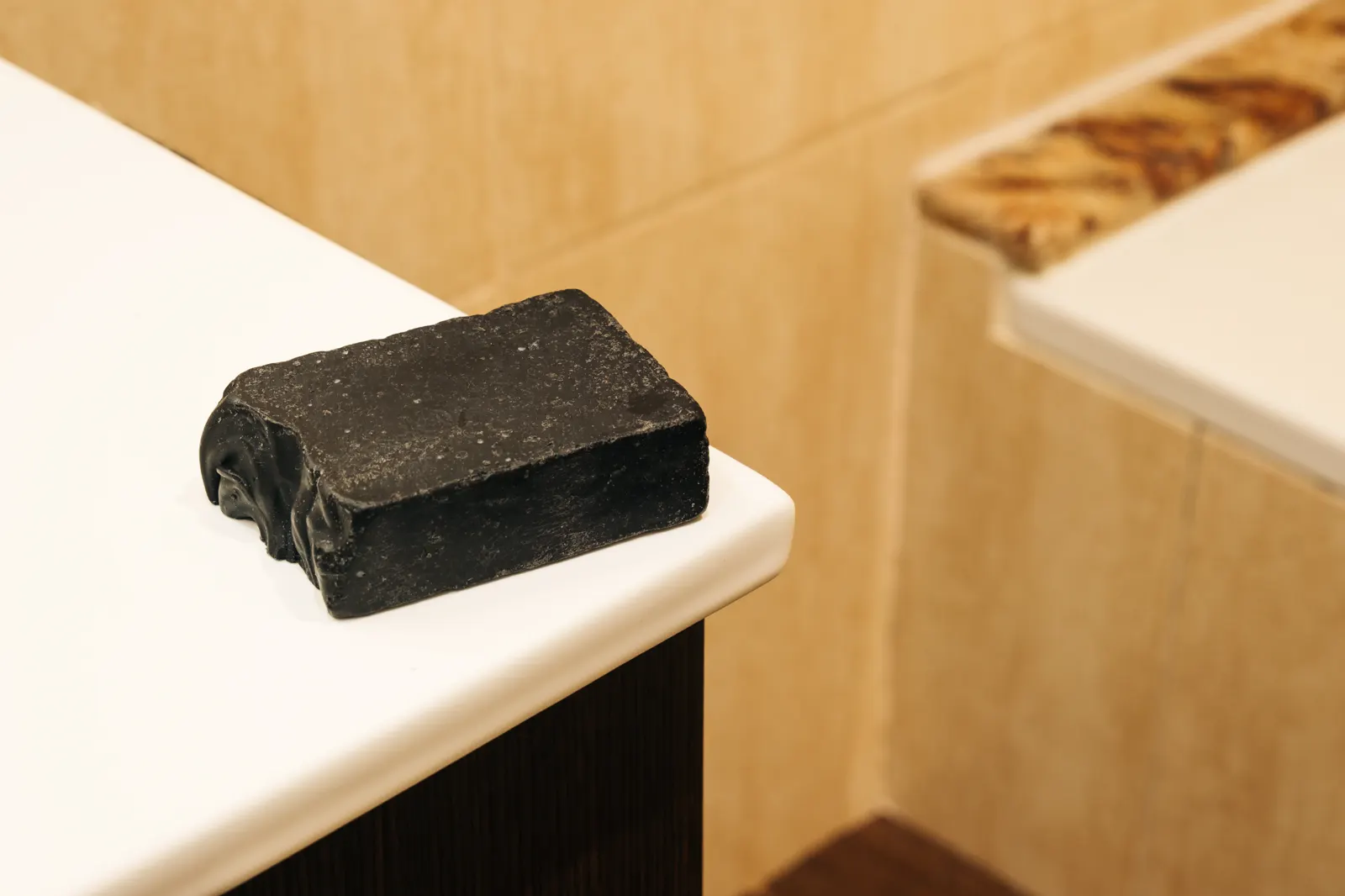 Ritual · BeginnerMoroccan Hammam Ritual at HomeBeldi black soap, the kessa glove, rhassoul clay, orange blossom water and argan oil: the traditional Moroccan hammam sequence, adapted safely for home.
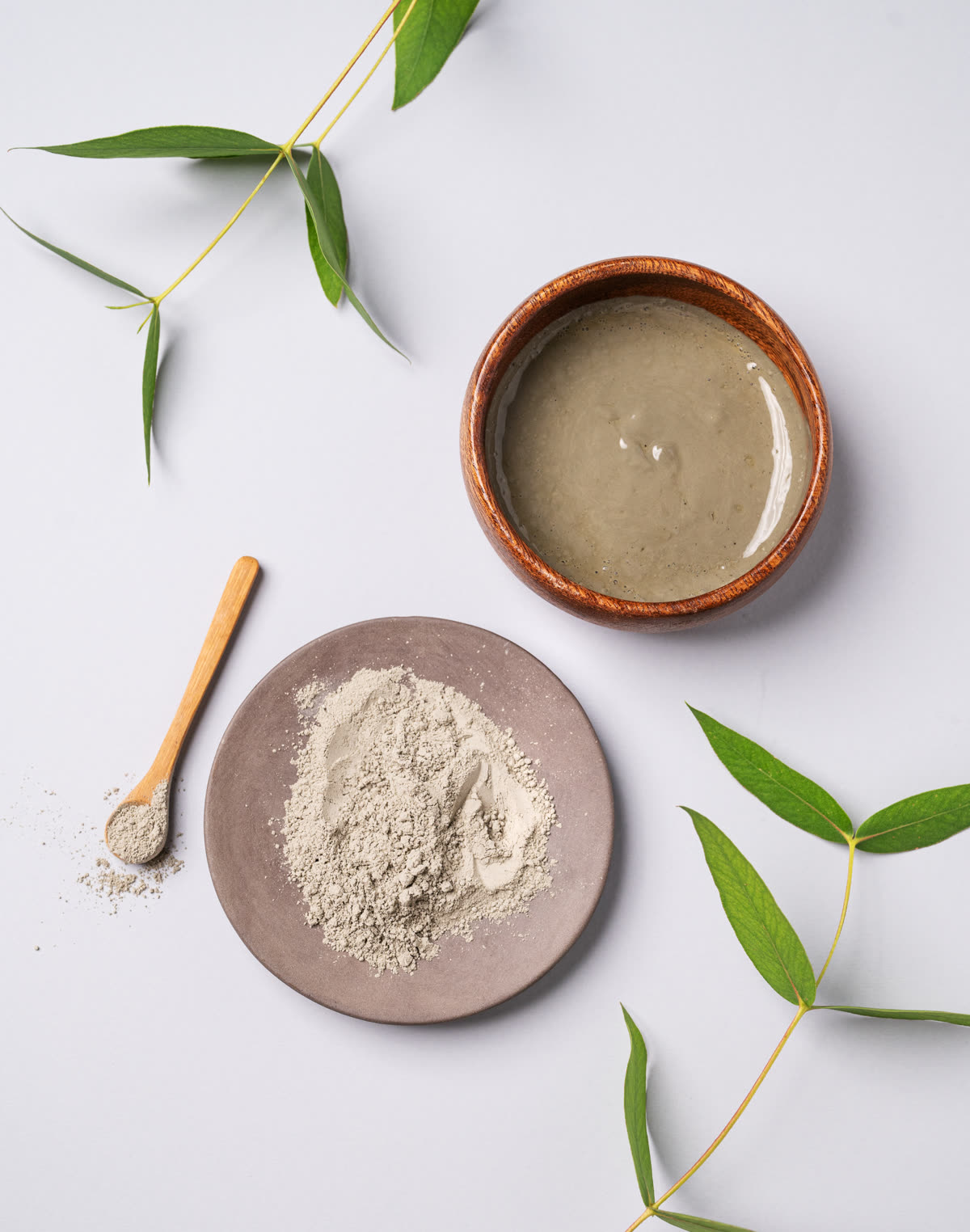 No. 040
Rhassoul ClayStevensite-rich magnesian claySilky Moroccan clay that cleanses without a single bubble, leaving skin fresh and matte and curls soft and defined.GuideMoroccan Beauty Rituals: Hammam, Rhassoul & ArganThe hammam, beldi soap, kessa, rhassoul, argan, flower waters, henna and kohl: their history, cultural meaning and what science says about each.
The magazine
More stories you’ll enjoy
 Rituals of the world · 6 minOils That Travel: How Five Cultures Oil Their HairCoconut in Kerala, argan in the Souss, camellia in Japan, shea across West Africa, olive on the Mediterranean: a world tour of hair oiling, and how to borrow it well.
 Seasonal living · 6 minA Winter Skin Plan, Week by WeekCold air outside, dry heat inside: a calm, four-week plan to keep skin soft, lips whole and hands comfortable until spring.
 Self-care & wellbeing · 6 minThe Ten-Minute Evening That Changes Your Skin and Your SleepA short, unhurried wind-down for the end of the day: clean skin, a little oil, softer light and a calmer mind before bed.