The ingredient encyclopedia · food
Tremella (Snow Mushroom)
Tremella fuciformis Berk. · Tremellaceae
The frilly snow mushroom of Chinese beauty soups, for skin that feels plump, dewy and soft, never sticky.
FR Trémelle en fuseau (champignon des neiges)ES Tremella (hongo de nieve)AR فطر الثلج (ترجمة حرفية؛ لا يوجد اسم عربي معياري)Yín’ěr 银耳, “silver ear” (Chinese); snow fungus, white jelly mushroom
- How well proven
- CPromising
- Safety
- Low topical risk
- Sun-sensitive
- No
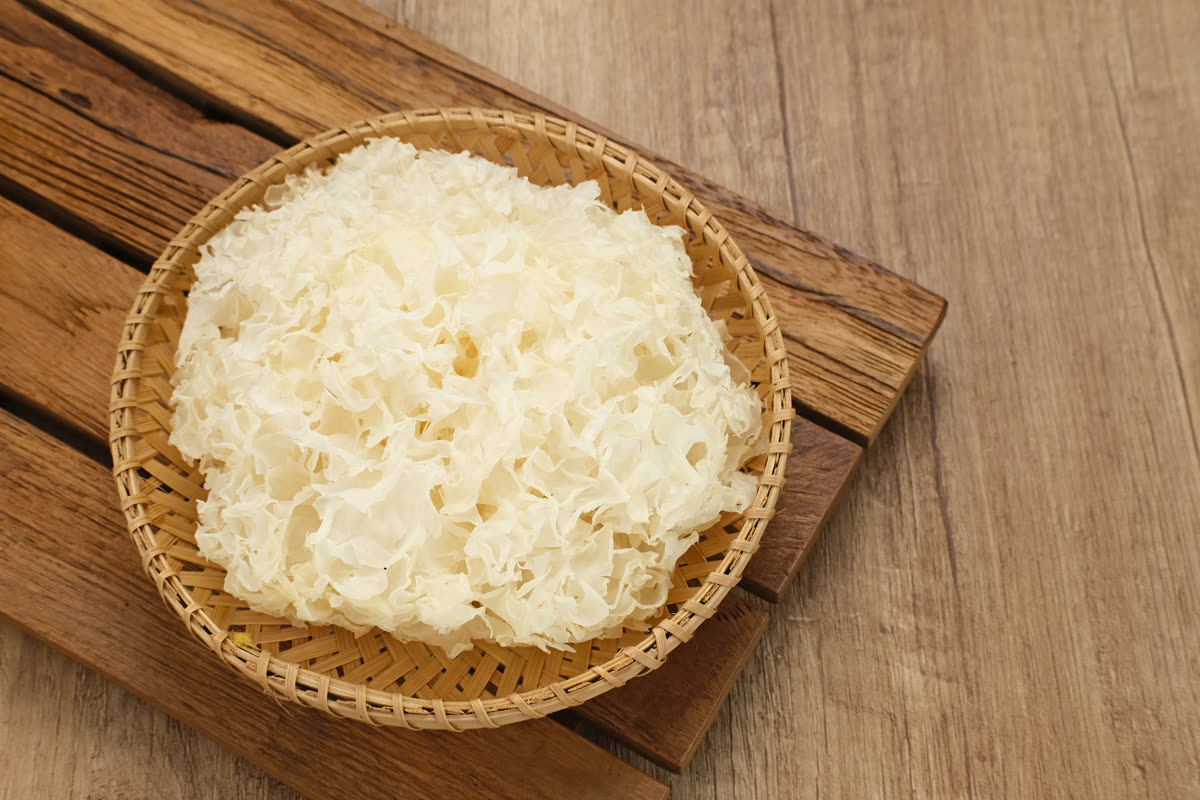
FR Trémelle en fuseau (champignon des neiges)ES Tremella (hongo de nieve)AR فطر الثلج (ترجمة حرفية؛ لا يوجد اسم عربي معياري)Yín’ěr 银耳, “silver ear” (Chinese); snow fungus, white jelly mushroom
What the evidence says
Its water-binding, film-forming behavior is well established in the lab and plausible on skin, but published independent human trials of topical tremella are essentially absent; skin-hydration data come mainly from suppliers.
- What it does
- Lightweight, water-binding hydration. Tremella polysaccharide is a humectant: it attracts and holds water and leaves a thin, flexible film that reduces surface dryness.
- How to use it
- Tremella polysaccharide powder · 0.05–0.5% of a serum, toner or gel (start around 0.1%; higher levels thicken noticeably)
- Watch out for
- Very low irritation potential.
Checked against the available literature and our safety review · Updated 26 November 2026 · How we grade
Why you’ll love Tremella (Snow Mushroom)
Why you’ll love it
- A plump, dewy finish without the sticky feel
- Gentle enough for minimalist and sensitive-skin routines
- Layers silkily under creams and light oils
Best forDehydrated, dry or sensitive skin, and anyone who finds hyaluronic acid tacky.
Try it today
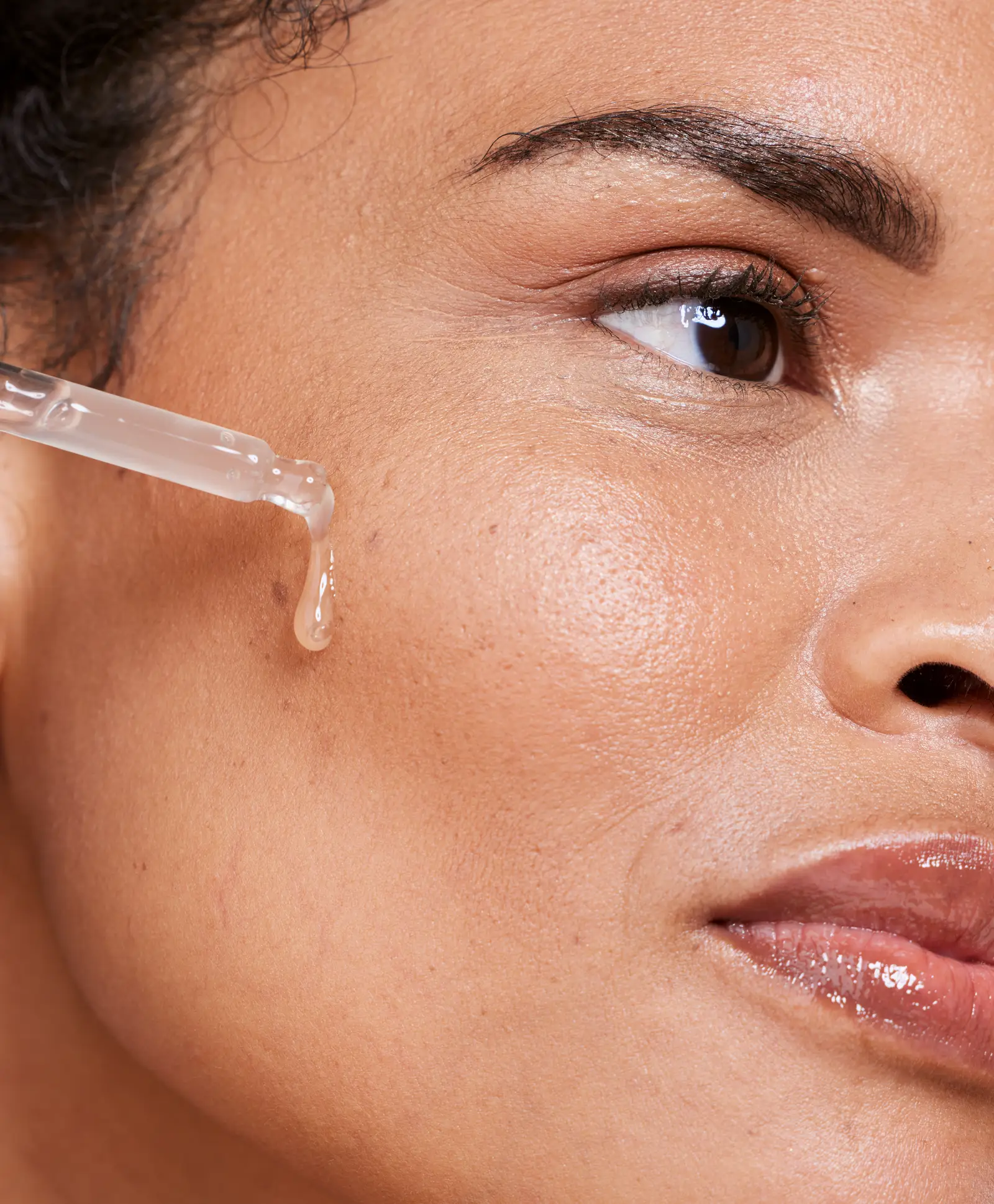
A dewy damp-skin layer
- Patch test a new tremella serum, then mist or splash your clean face.
- Pat a few drops onto your still-damp skin.
- Seal it in with your moisturizer or a light oil such as squalane.
Good to know: Skip homemade “mushroom water”: tremella gels spoil within days unless properly preserved. Be wary of “500×” or “beats hyaluronic acid” claims.
At a glance
| Parts used | The gelatinous fruiting body (sporocarp), cultivated, dried and either extracted with hot water or purified into a polysaccharide powder |
|---|---|
| Key actives | Glucuronoxylomannan (an acidic heteropolysaccharide: mannan backbone with xylose and glucuronic acid side chains), Smaller amounts of protein, fiber and minerals |
| INCI names | Tremella Fuciformis Polysaccharide Tremella Fuciformis Sporocarp Extract Tremella Fuciformis Extract |
| Skin types | dry, normal, combination, oily, sensitive, mature |
| Pairs well with | GinsengAloe VeraCentella Asiatica (Cica)Squalane |
| Evidence grade | CPromising Its water-binding, film-forming behavior is well established in the lab and plausible on skin, but published independent human trials of topical tremella are essentially absent; skin-hydration data come mainly from suppliers. |
What it does for skin and hair
Lightweight, water-binding hydration
Tremella polysaccharide is a humectant: it attracts and holds water and leaves a thin, flexible film that reduces surface dryness. In a serum or toner it gives a plump, dewy finish without stickiness at low use levels, which suits dry and dehydrated oily skin alike.
A gentle option for reactive skin
It is a large sugar-based molecule with no fragrance chemistry and a low irritation profile, so it fits minimalist routines for sensitive skin. As with any new product, patch test first.
Texture and film-forming
Formulators value tremella for its silky, slightly elastic skin-feel and for thickening water phases. It layers well under creams and can soften the tacky feel some hyaluronic acid serums have.
Antioxidant activity in the lab
Tremella polysaccharide extracts scavenge free radicals and protect skin cells from oxidative stress in vitro. That is a reasonable bonus, not a proven anti-aging effect in people.
How to use it
Start low, be consistent, and give it four to eight weeks. These are the amounts that work in real products and home recipes.
| Form | Typical use level | Notes |
|---|---|---|
| Tremella polysaccharide powder | 0.05–0.5% of a serum, toner or gel (start around 0.1%; higher levels thicken noticeably) | Sprinkle into the water phase with stirring (or pre-disperse in glycerin to avoid clumps) and allow it to hydrate fully. Like any water-based product it needs a broad-spectrum preservative and pH check (DIY Safety: Water, Microbes & Preservatives). |
| Ready-made tremella solution or extract | 2–10% of a formula, per the supplier’s concentration | Pre-dissolved solutions are easier for small-batch makers. Combine with glycerin and a little aloe juice for a classic hydrating toner. |
| Finished serum or essence | A few drops on damp skin, morning and/or evening | Apply to damp skin, then seal with a moisturizer or a light oil such as squalane, especially in dry or air-conditioned environments where humectants work best under an occlusive layer. |
Use it safely
Low topical risk
- Very low irritation potential. Allergy to tremella is rare, but people with known mushroom allergies should patch test first (How to Patch Test).
- Polysaccharide gels are an excellent food for microbes. Homemade tremella gels or “mushroom water” made from soaked dried fungus spoil within days and must not be used as leave-on products without proper preservation.
- A mushroom extract is not a live fungus. Purified tremella polysaccharide contains no oils for Malassezia yeast to feed on and is not known to worsen fungal folliculitis (“fungal acne”).
- Pregnancy & breastfeeding
- Topical tremella is considered safe during pregnancy and breastfeeding; it is also a traditional food. Pregnancy guide
- Phototoxicity
- Not phototoxic at normal use levels.
- Declared fragrance allergens
- None expected
New to an ingredient? Patch test first. Stop and seek advice if you get burning, swelling, blistering or a spreading rash.
Buying well
Sustainability
Tremella is fully cultivated — mainly in China, with Gutian County in Fujian a major center — on sawdust or wood logs, so there is no pressure on wild populations. It is a low-impact crop, though quality varies: some cheap dried tremella has been treated with sulfur fumigation to whiten it. Cosmetic suppliers should provide purity and microbial testing (Sustainable & Ethical Botanical Sourcing).
How to choose quality
Look for Tremella Fuciformis Polysaccharide or Sporocarp Extract fairly high on the ingredient list, not just a token amount after the preservative. Products that state a molecular-weight range or polysaccharide content are a sign of a more serious supplier. Be skeptical of “500×” or “better than hyaluronic acid” claims. Store powders sealed and dry; once opened, finished serums are best used within the period-after-opening shown on the pack.
The research For professionals
The chemistry, the studies and the evidence by concern, for practitioners, formulators and the curious.
Tremella fuciformis is a jelly fungus that grows on dead hardwood branches in warm, humid forests; unusually, it parasitizes another fungus (Annulohypoxylon) rather than feeding on the wood directly, which is why it is cultivated together with its host. Its fruiting body is mostly water when fresh and, once dried, mostly carbohydrate. The key cosmetic constituent is an acidic heteropolysaccharide, usually described as a glucuronoxylomannan: a backbone of mannose units with side chains of xylose and glucuronic acid, partly acetylated. The glucuronic acid groups carry a negative charge, much as hyaluronic acid’s do, which helps the molecule bind water and swell into a gel.
On skin, tremella behaves like other high-molecular-weight polysaccharide humectants (hyaluronic acid, beta-glucan, aloe polysaccharides): it stays on the surface and in the upper layers of the stratum corneum, binds water there, and forms a flexible film that reduces the feeling of tightness and slows evaporation a little. It does not rebuild the lipid barrier, so dry skin still needs emollients or occlusives on top — see The Skin Barrier, Explained.
Tremella versus hyaluronic acid. Claims that tremella “holds 500 times its weight in water” or that hyaluronic acid “holds 1,000 times” describe how much water a few grams of polymer can turn into a gel in a beaker. Many polysaccharides do this; it says little about skin. Chinese laboratory studies comparing tremella polysaccharide with hyaluronic acid in gravimetric moisture-absorption and moisture-retention tests have generally found them broadly comparable, with results depending on humidity, molecular weight and test design. Supplier corneometer studies on volunteers show improved surface hydration after use, as almost any well-made humectant serum would. There is no independent randomized trial showing tremella is superior to hyaluronic acid on human skin.
Lab work also reports antioxidant activity and protection of fibroblasts from oxidative and UV stress, and animal studies explore oral tremella polysaccharides for various health effects. None of this yet translates into demonstrated anti-wrinkle or brightening benefits in people. The fair verdict: tremella is a good, gentle humectant and texture ingredient, best seen as an alternative or partner to hyaluronic acid rather than an upgrade.
MythTremella holds 500 times its weight in water, so it hydrates better than hyaluronic acid.
Evidence“Times its weight” figures describe how much water a polymer can gel in a beaker; hyaluronic acid has its own, equally theatrical “1,000 times” figure. Lab tests comparing the two are broadly similar, and there is no independent human trial showing tremella is superior on skin. Both are good humectants; formulation and use level matter more than which one you choose.
In tradition
In Chinese cuisine, dried yín’ěr is simmered with rock sugar, jujubes, lotus seeds or goji into a sweet, silky soup long associated with moist, youthful skin — a reputation popularly linked to the Tang-dynasty beauty Yang Guifei, though that story is legend rather than record.
Frequently asked questions
Is tremella better than hyaluronic acid?
What does tremella mushroom do for skin?
Can I use tremella and hyaluronic acid together?
Is tremella safe for fungal acne or sensitive skin?
Cite this page
Herbs.Beauty. Tremella (Snow Mushroom) (Tremella fuciformis Berk.): evidence-based monograph. Updated 26 November 2026. https://herbs.beauty/ingredients/tremella.html