Concern guide
Thinning Hair & Hair Loss
Pattern hair loss, telogen effluvium and alopecia areata explained — what rosemary can and cannot do, and why minoxidil remains the benchmark.
Start here
Your routine, starting tonight
Simple, gentle and consistent beats complicated. Follow this for six to eight weeks before you judge it.
Morning
- If prescribed, apply minoxidil to a dry scalp and let it dry before styling.
- Gentle styling: loose hairstyles, soft ties, no tight braids or extensions on thinning areas.
- Protect the scalp from sunburn with a hat if the part or crown is visible.
Evening
- Second minoxidil application if using the twice-daily solution.
- Optional: a few minutes of gentle scalp massage, with or without a diluted Rosemary & Pumpkin Seed Scalp Oil or Nettle & Rosemary Scalp Tonic.
Weekly
- Wash 2–4 times a week, or as often as your scalp needs — washing does not cause loss; shed hairs were already released.
- Optional nourishing Fenugreek & Amla Hair Mask for the lengths.
- Take monthly photos of your part and crown in the same light to track progress objectively.
What is going on
In plain language: every hair grows in cycles — a long growing phase, a short transition, then a resting phase before it falls out and a new hair starts. Losing roughly 50–100 hairs a day is normal. Hair loss happens when fewer hairs are in the growing phase, when follicles shrink, or when the immune system attacks them.
The hair cycle: anagen (active growth; years on the scalp), catagen (a brief regression of a few weeks), telogen (resting, around three months) and exogen (shedding).
The main types:
- Androgenetic alopecia (pattern hair loss) — the most common type. Genetically susceptible follicles respond to dihydrotestosterone (DHT) by shortening anagen and miniaturizing, producing finer, shorter hairs. In men it follows the temple-and-crown pattern (Norwood scale); in women it usually widens the central part with a preserved frontal hairline (Ludwig or Sinclair scales). It is progressive.
- Telogen effluvium — sudden diffuse shedding, typically 2–3 months after a trigger such as childbirth, high fever (including COVID-19), surgery, crash dieting, severe stress, iron deficiency, thyroid disease or starting/stopping some medicines. It usually settles within about six months once the trigger resolves; chronic forms exist.
- Alopecia areata — an autoimmune condition causing smooth, round bald patches, sometimes with short “exclamation-mark” hairs and nail pitting; can extend to the whole scalp or body.
- Scarring (cicatricial) alopecias — such as frontal fibrosing alopecia, lichen planopilaris and central centrifugal cicatricial alopecia — destroy follicles permanently and need urgent specialist care. Scalp itch, burning, redness or scale around hairs are clues.
- Also: traction alopecia (tight braids, extensions, ponytails), tinea capitis (fungal infection, common in children), hair-pulling disorder (trichotillomania) and hair shaft breakage that mimics loss — see Dry, Damaged & Frizzy Hair.
The plants most worth trying
 No. 006
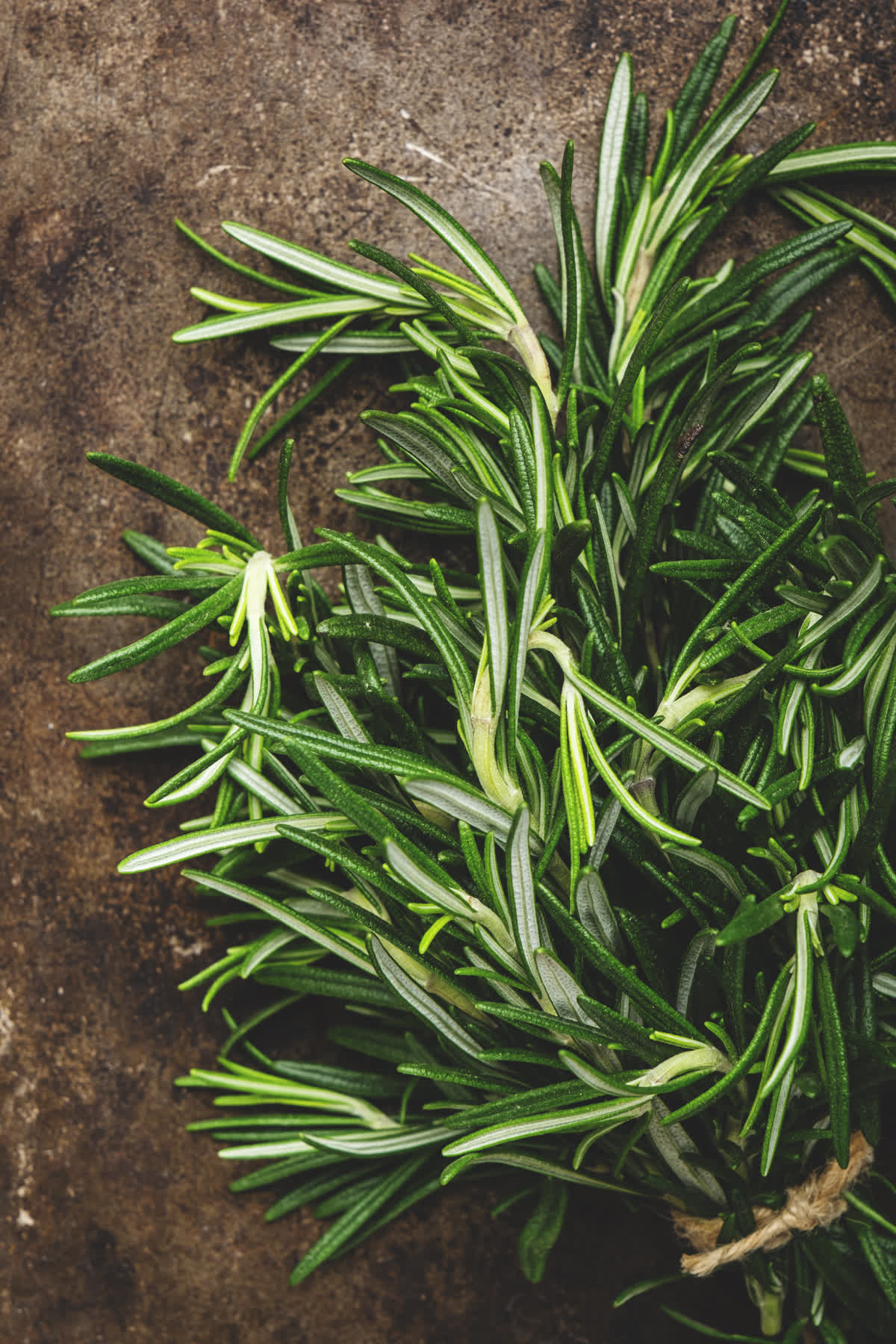
RosemarySalvia rosmarinusOne randomized comparative trial in androgenetic alopecia found rosemary oil gave similar hair-count gains to 2% minoxidil after six months, with…
 No. 035
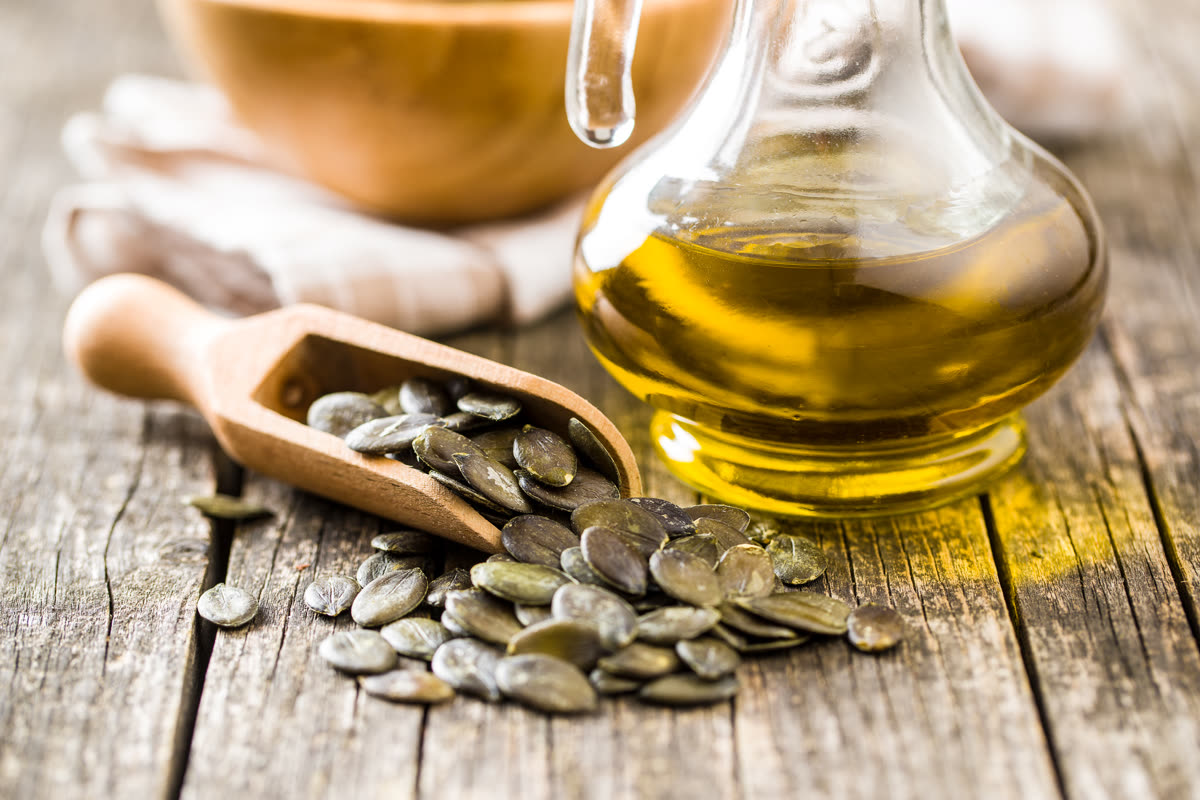
Pumpkin Seed OilCucurbita pepo L.A placebo-controlled trial of an oral supplement containing pumpkin seed oil increased hair counts in men; it was a multi-ingredient product, and…
 No. 021
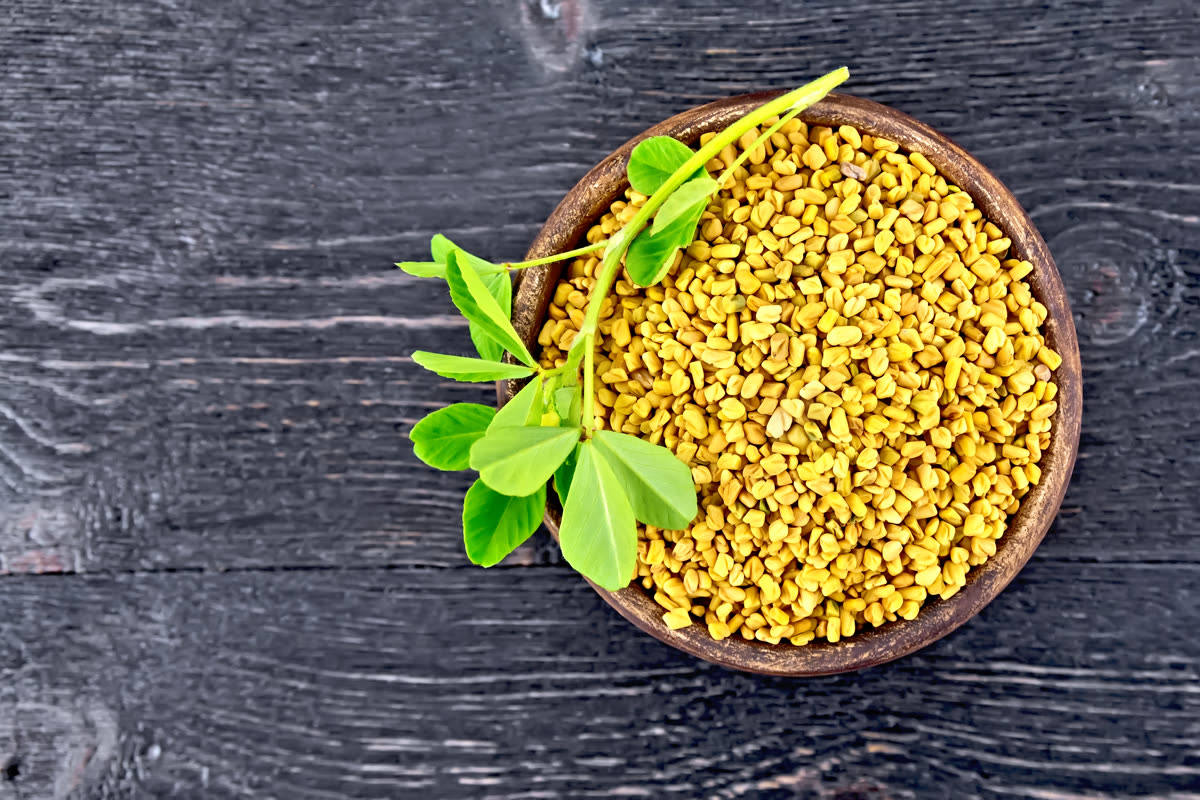
FenugreekTrigonella foenum-graecumA small placebo-controlled trial of an oral fenugreek seed extract reported improved hair growth and thickness; topical use is traditional.
The full list, best proven first:
| Ingredient | Grade | What the evidence shows |
|---|---|---|
| Rosemary | C | One randomized comparative trial in androgenetic alopecia found rosemary oil gave similar hair-count gains to 2% minoxidil after six months, with less scalp itch; it was small, not placebo-controlled and has not been replicated. |
| Pumpkin Seed Oil | C | A placebo-controlled trial of an oral supplement containing pumpkin seed oil increased hair counts in men; it was a multi-ingredient product, and topical data are minimal. |
| Fenugreek | C | A small placebo-controlled trial of an oral fenugreek seed extract reported improved hair growth and thickness; topical use is traditional. |
| Peppermint | D | A mouse study showed hair growth with diluted peppermint oil; there are no meaningful human trials, and it can irritate the scalp. |
| Green Tea | D | EGCG inhibits 5-alpha-reductase and supports follicle cells in the lab; human evidence is lacking. |
| Stinging Nettle | D | Nettle root affects androgen pathways in prostate research, but there are no good hair-loss trials. |
| Castor Oil | D | A popular remedy with no published evidence of hair growth; it can coat hair and, rarely, cause severe matting. |
Proven partners beyond plants
For pattern hair loss, the benchmark treatments are:
- Minoxidil — 5% foam or solution (for men; women can use 5% foam once daily or 2% solution), applied indefinitely. Expect initial shedding for a few weeks and results after 4–6 months. Low-dose oral minoxidil is increasingly prescribed off-label by dermatologists.
- Finasteride 1 mg (prescription, men) blocks DHT production and stabilizes or improves hair in most men. Discuss possible sexual and mood side effects with your doctor; it must not be used by women who are or may become pregnant. Topical finasteride and dutasteride are alternatives in some settings.
- For women: spironolactone or other anti-androgens (prescription), alongside minoxidil.
- Supportive: low-level light devices and platelet-rich plasma (moderate evidence), and hair transplantation for stable loss.
Alopecia areata is treated with steroid injections or creams, and severe cases with oral JAK inhibitors (such as baricitinib and ritlecitinib). Telogen effluvium needs the trigger found — often blood tests for ferritin, thyroid function and other deficiencies.
Rosemary is a reasonable complement or a gentle option for those who will not use minoxidil, but it is not a replacement for proven treatment when hair loss is progressing.
What tends to make it worse
- Tight hairstyles, heavy extensions and repeated chemical relaxing on thinning areas (traction alopecia).
- Crash diets and very low protein intake, a common telogen effluvium trigger.
- Undiluted essential oils on the scalp, which can cause burns and allergic dermatitis.
- Unregulated “hair growth” supplements, especially high-dose biotin (can distort lab tests including thyroid and troponin) and vitamin A (excess causes hair loss).
- Waiting years with pattern hair loss — follicles that have fully miniaturized are hard to rescue.
When to see a doctor
- Sudden, patchy hair loss with smooth bald circles (possible alopecia areata).
- Hair loss with scalp itching, burning, pain, redness, scale or pustules, or a receding hairline with loss of eyebrows — possible scarring alopecia, which needs prompt specialist care.
- A child with scaly patches, broken hairs or black dots on the scalp (possible fungal infection).
- Rapid or heavy diffuse shedding lasting more than six months, or shedding with fatigue, weight change, heavy periods, feeling cold or palpitations.
- Hair loss with acne, excess body hair or irregular periods (possible androgen excess).
- Hair loss after starting a new medication — do not stop prescribed medicines without advice.
Find a dermatologist or report a reaction to a cosmetic, wherever you live.
Myths and evidence
MythRosemary oil works as well as minoxidil.
EvidenceOne trial compared it with the weaker 2% minoxidil and found similar modest results; it was not placebo-controlled. 5% minoxidil and finasteride have far stronger evidence.
MythFrequent washing, hats or cutting hair makes it fall out or grow faster.
EvidenceNone changes follicle growth. Washing just releases hairs already in the shedding phase; cutting makes ends look fuller but not faster growing.
MythCastor oil regrows hair.
EvidenceThere is no clinical evidence. It can make hair feel thicker by coating it, and in rare cases heavy use has caused severe matting (felting).
Recipes to try at home
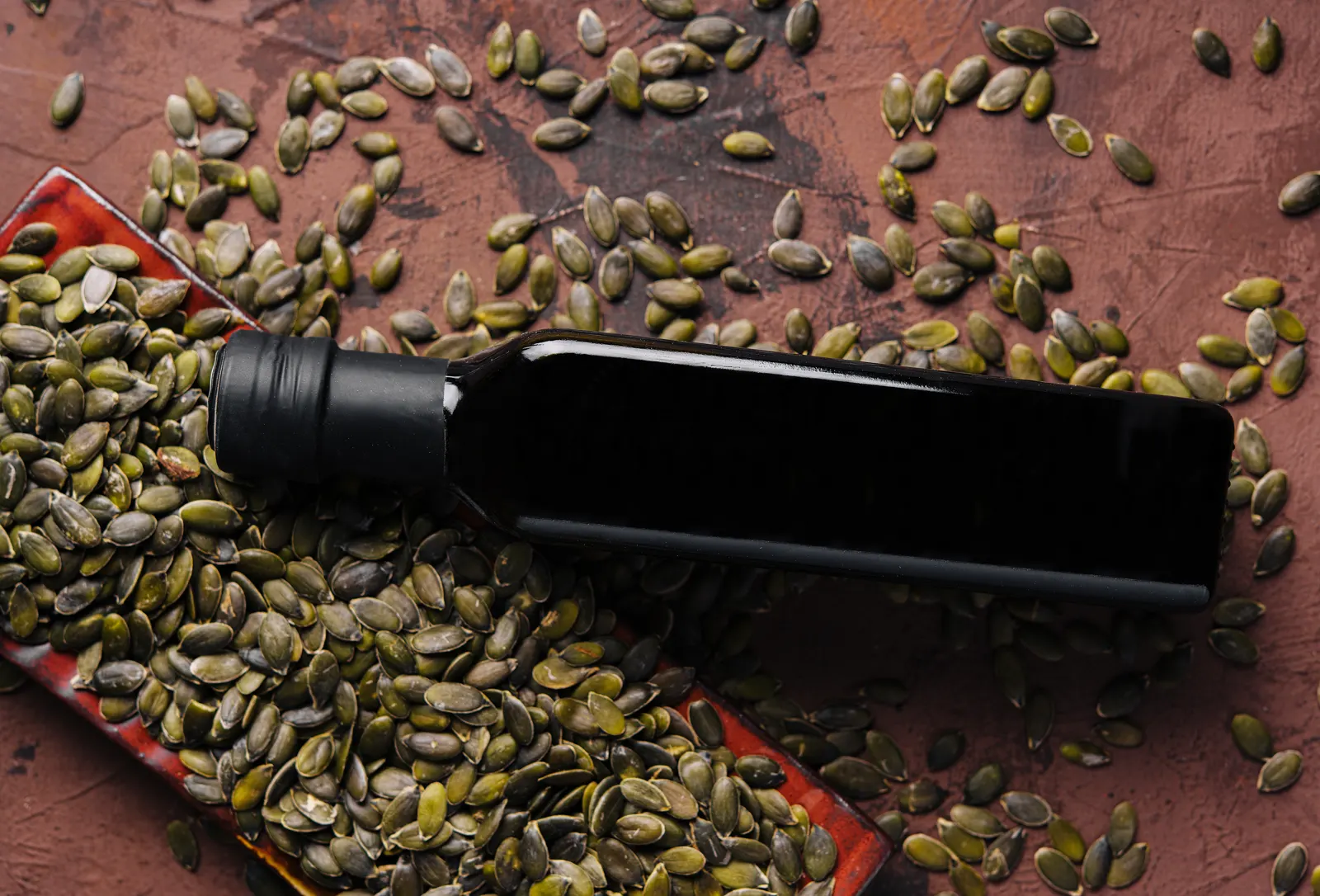 Hair care · BeginnerRosemary & Pumpkin Seed Scalp OilA pre-wash scalp massage oil with 2% rosemary essential oil in pumpkin seed, jojoba and argan oils — a supportive ritual, not a medical treatment.
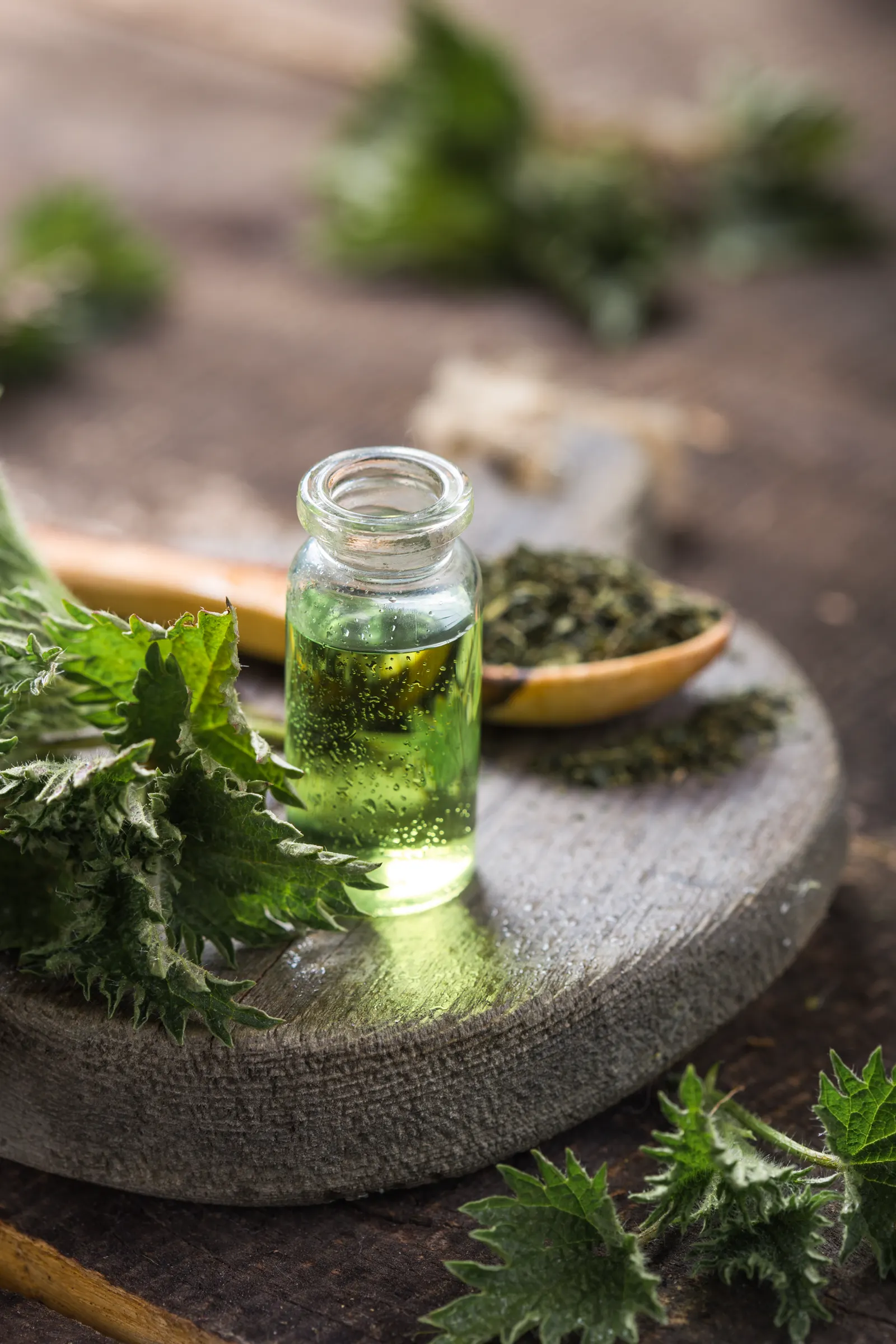 Hair care · IntermediateNettle & Rosemary Scalp TonicA preserved leave-on scalp tonic with nettle and rosemary extracts, solubilized rosemary oil and panthenol, at a scalp-friendly pH of 4.5–5.5.
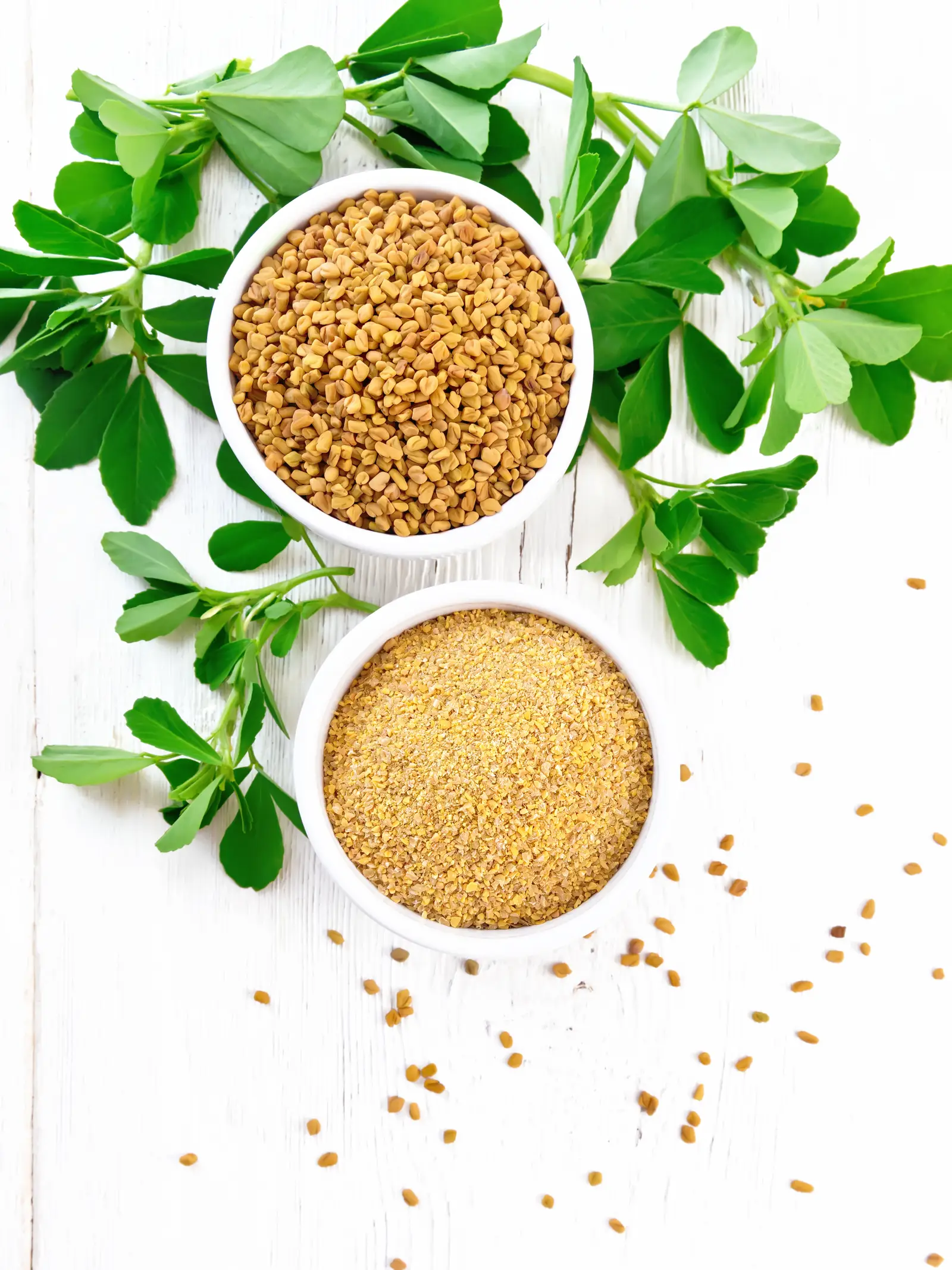 Hair care · BeginnerFenugreek & Amla Hair MaskAn Ayurveda-inspired pre-wash mask of fenugreek, amla, yogurt and coconut oil to soften, add slip and condition dry or frizzy hair.