Does it work?
Honey for Dandruff & Itchy Scalp
What the research says about honey for dandruff & itchy scalp, how to use it at home and how to stay safe.
The short answer: A small uncontrolled study of diluted crude honey applied to seborrheic dermatitis reported reduced itch and scaling; needs confirmation.
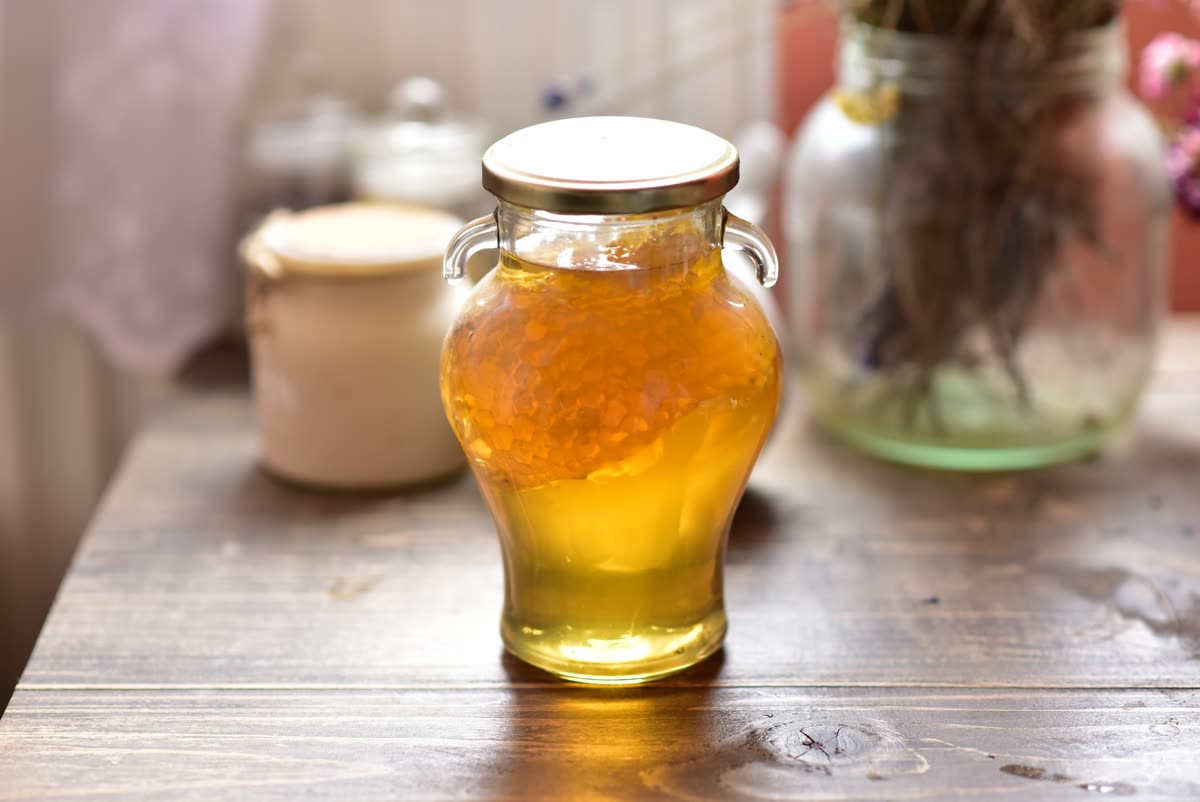
What it does
Honey is a supersaturated sugar solution made by bees that has been used on skin for thousands of years. In skin care it is a soothing, humectant mask and gentle cleanser; in medicine, sterilized medical-grade honey dressings have reasonable evidence for healing partial-thickness burns. A randomized trial in rosacea was positive, but one in acne was not — and kitchen honey should never be used on serious wounds.
Why people reach for it
- Humectant hydration. Sugars attract and hold water in the upper skin layers, leaving skin soft and plump after a mask.
- Wound healing (medical-grade only). Sterile, standardized honey dressings help partial-thickness burns heal faster than some conventional dressings — under medical supervision.
- Calming for rosacea. A medical-grade kanuka honey cream improved rosacea more than a control cream in a randomized trial.
- Gentle cleanser and mask base. Rinses off easily and pairs well with oats or turmeric in fresh masks.
How to use it
| Form | Typical use | Notes |
|---|---|---|
| Face mask | 1–2 teaspoons raw honey, alone or in a fresh mask | Apply to clean, damp skin for 10–20 minutes and rinse with warm water; see Turmeric & Honey Glow Mask. |
| Cleanser | A teaspoon massaged onto damp skin | Rinses easily; see Honey & Oat Gentle Cleanser. Make fresh each time. |
| In formulations | 1–10% as a humectant | Needs a broad-spectrum preservative in any water-containing product; see DIY Safety: Water, Microbes & Preservatives. |
| Wounds and burns | Medical-grade honey dressings only | Use under the guidance of a doctor or nurse; never kitchen honey on deep, large or infected wounds. See Scars, Wounds & Stretch Marks. |
Recipes with Honey
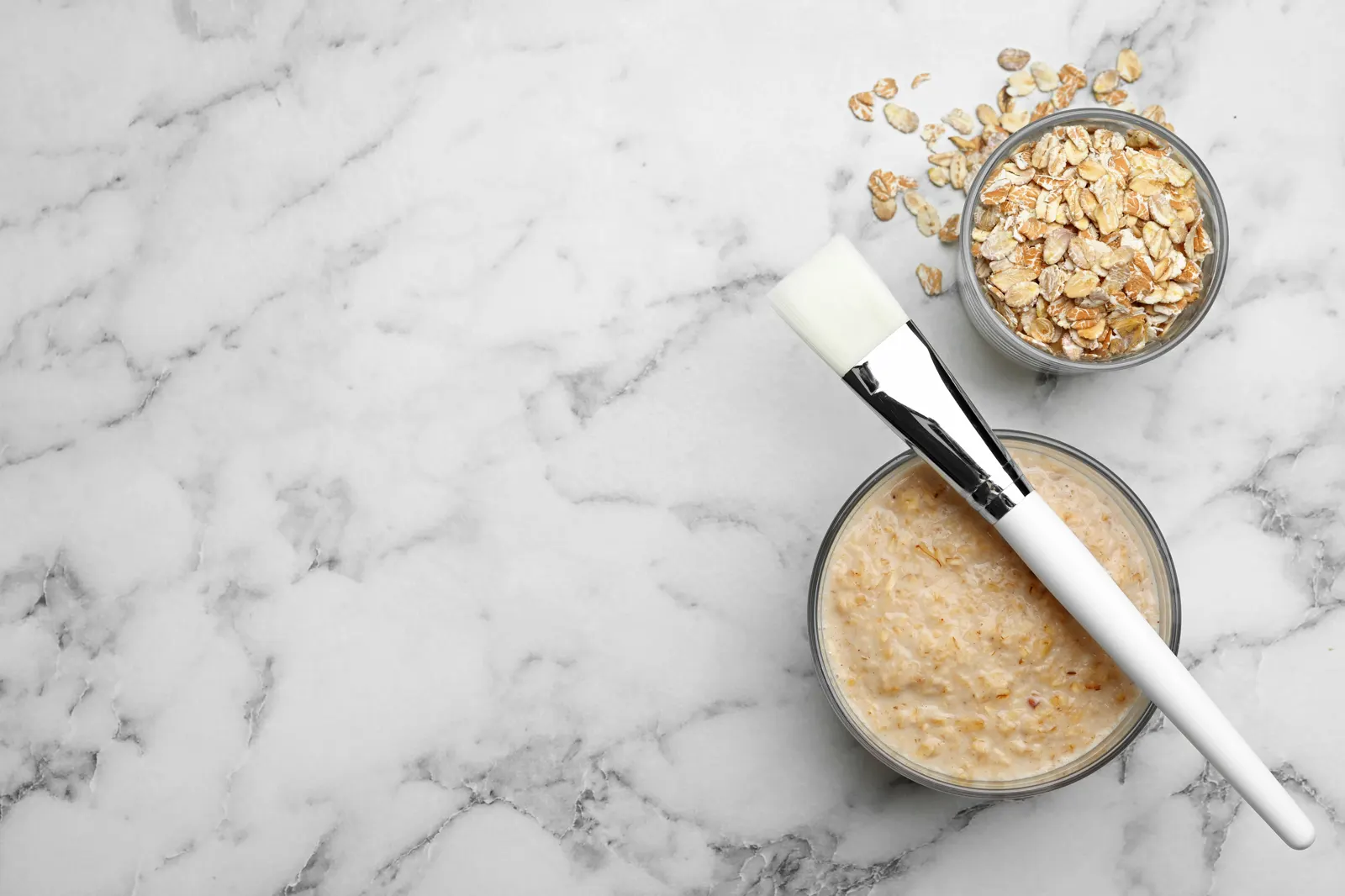 Mask · BeginnerCalming Oat & Chamomile MaskA soothing single-use paste of colloidal oatmeal, cooled chamomile tea, honey and aloe for skin that feels hot, tight or reactive.
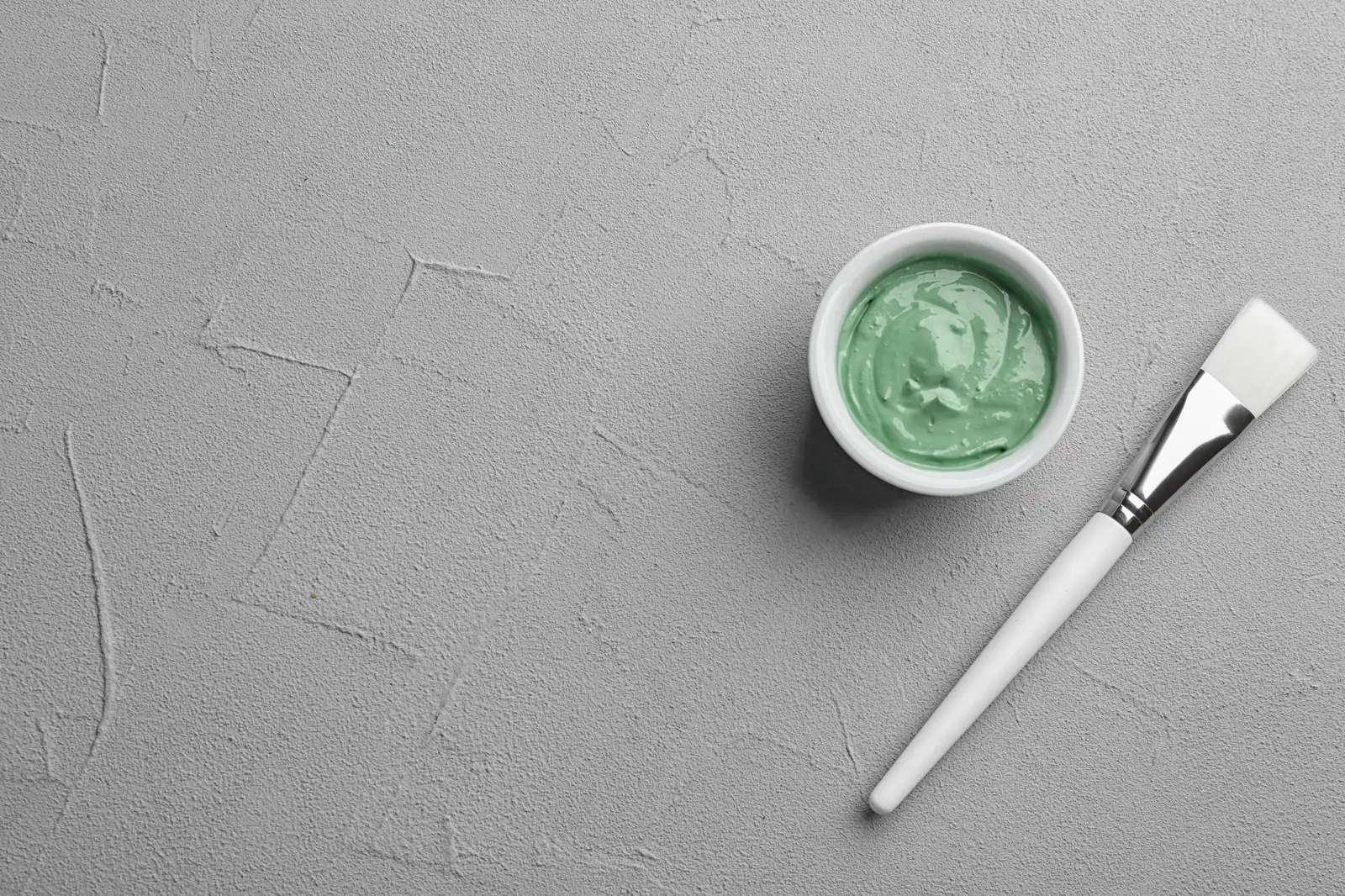 Mask · BeginnerMoroccan Rhassoul & Orange Blossom MaskRhassoul clay whipped with orange blossom water, argan oil and honey: the Moroccan way to cleanse and soften without squeaky tightness.
Daily rituals with Honey
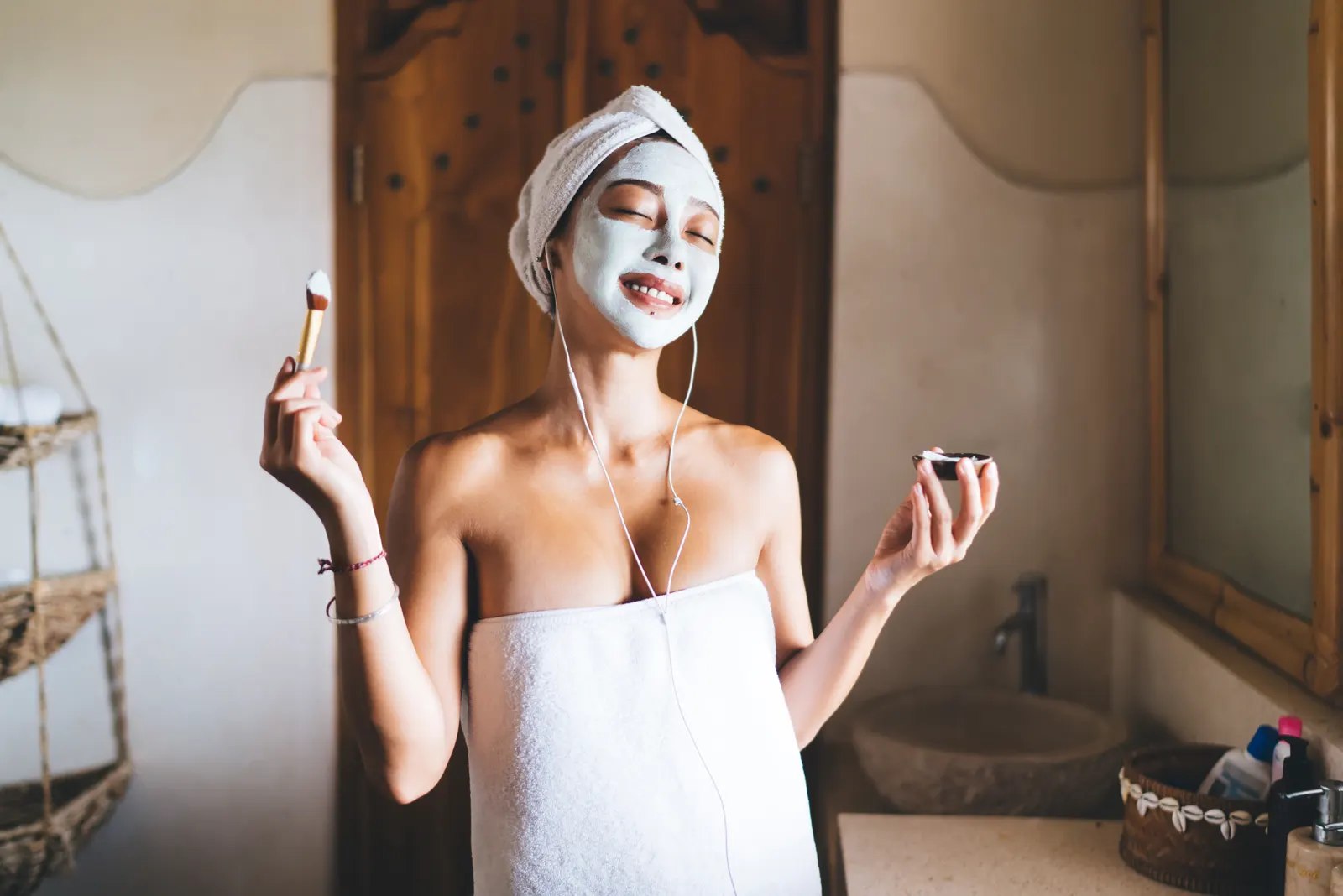
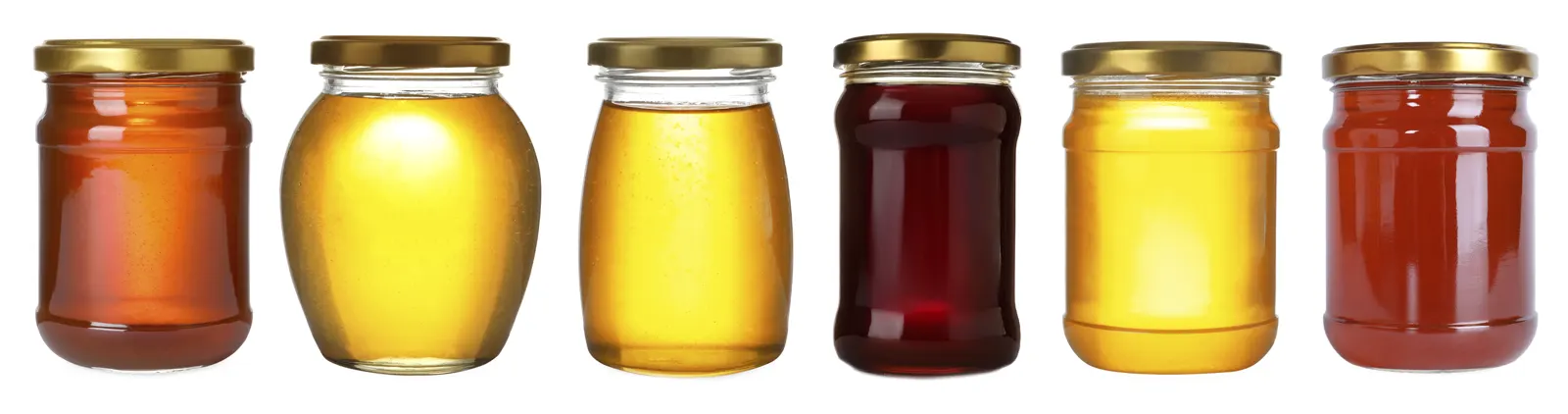 The Honey Mask: Medical-Grade or Supermarket Jar?A weekly honey mask for dry, dull or redness-prone skin, and the honest difference between medical-grade honey and the jar in your kitchen.
 A Weekly Rhassoul Reset for Oily SkinA once-a-week Moroccan rhassoul clay mask for oily and combination skin, with the winter rule that keeps it from over-drying.
Use it safely
- Do not use kitchen honey on deep, large or infected wounds or burns — see a clinician; medical-grade honey is sterile and standardized.
- Bee-product allergies exist; reactions to honey are rare, but propolis and pollen contaminants are more allergenic. Patch test if you react to bee products.
- Never give honey by mouth to infants under 12 months (risk of infant botulism); keep honey masks away from babies’ mouths.
- Medical honey dressings can sting briefly on application.
- Honey diluted with water spoils: mix masks fresh and preserve any aqueous product.
Pregnancy and breastfeeding: Topical honey is safe in pregnancy and breastfeeding.
New to an ingredient? Patch test first.
When to see a doctor
- Thick, silvery plaques, especially extending beyond the hairline or with plaques elsewhere (possible psoriasis).
- Patches of hair loss, broken hairs or swollen glands in the neck, particularly in a child (possible fungal infection).
- Oozing, crusting, pain or a boggy swelling (kerion) on the scalp.
- A sudden, severe or widespread seborrheic dermatitis, which can occasionally signal an underlying condition.
- An itchy, red, swollen scalp after hair dyeing (possible allergy — seek care urgently if the face swells).
- No improvement after 4–6 weeks of correctly used medicated shampoo.
Other plants for Dandruff & Itchy Scalp
| Ingredient | Grade | What the evidence shows |
|---|---|---|
| Tea Tree | B | A randomized, placebo-controlled trial of 5% tea tree oil shampoo improved dandruff severity, itch and greasiness over four weeks. |
| Aloe Vera | C | A small double-blind trial found an aloe emulsion reduced scaling and itch in seborrheic dermatitis. |
| Neem | D | Antifungal activity in the lab and traditional Ayurvedic use; no good human trials for dandruff. |
| Rosemary | D | Antimicrobial in vitro and used traditionally in scalp rinses; no clinical dandruff data. |
| Black Seed Oil | D | Thymoquinone shows antifungal activity in the lab; as an oil it may also feed Malassezia, so evidence is uncertain. |