The ingredient encyclopedia · oil
Castor Oil
Ricinus communis L. · Euphorbiaceae
Thick, glossy and wonderfully cushiony, castor oil is the secret behind shiny lip balms and a sleek finish on dry ends.
FR Huile de ricinES Aceite de ricinoAR زيت الخروعArandi (Hindi)
- How well proven
- DTraditional wisdom
- Safety
- Low topical risk
- Sun-sensitive
- No
FR Huile de ricinES Aceite de ricinoAR زيت الخروعArandi (Hindi)
What the evidence says
Excellent formulation properties, but no controlled human trials for cosmetic benefits such as hair or lash growth; mechanistic data only.
- Best supported for
- Thinning Hair & Hair Loss D
- How to use it
- Lip balm and lipstick · 10–40% of the formula
- Watch out for
- Allergic contact dermatitis and cheilitis are reported, especially from lip products; patch test if you react to lipsticks.
Checked against 2 cited studies and our safety review · Updated 26 November 2026 · How we grade
Why you’ll love Castor Oil
Why you’ll love it
- Gives lip balms their glossy, cushiony glide
- One or two drops add shine and tame frizz on dry ends
- A small dab seals very dry cuticles, heels and lips
Best forDry lips, cuticles and heels, and dry hair ends that need gloss.
Try it today
A glossy finish for dry ends
- In your palm, mix 1–3 drops of castor oil with a few drops of a lighter oil such as jojoba.
- Smooth it over the ends of dry hair, section by section, then comb gently.
- Use only a little, and avoid piling your hair up while it is oiled.
Good to know: Despite the buzz, there is no good evidence that castor oil grows hair or lashes. Keep it out of your eyes, and never swallow it.
At a glance
| Parts used | Seed oil, cold-pressed and processed; “black” castor oil from roasted seeds; many derivatives |
|---|---|
| Key actives | Ricinoleic acid (12-hydroxy-oleic acid), Oleic acid, Linoleic acid |
| INCI names | Ricinus Communis Seed Oil Hydrogenated Castor Oil PEG-40 Hydrogenated Castor Oil Zinc Ricinoleate |
| Skin types | dry, normal |
| Hair & scalp | thick, curly, dry scalp |
| Pairs well with | JojobaRosemaryShea ButterCoconut Oil |
| Evidence grade | DTraditional wisdom Excellent formulation properties, but no controlled human trials for cosmetic benefits such as hair or lash growth; mechanistic data only. |
What it does for skin and hair
Gloss and cushion in lip products
High viscosity and polarity give shine, wet pigments well and help lipsticks and balms glide.
Hair shine and smoothing
A drop or two on ends coats the cuticle and adds gloss to dry hair, reducing visible frizz.
Rich occlusive for very dry patches
A small amount in balms seals dry cuticles, heels and lips.
Useful derivatives
Hydrogenated castor oil (castor wax) structures balms; PEG-40 hydrogenated castor oil solubilizes essential oils in water; zinc ricinoleate absorbs odor in deodorants.
How to use it
Start low, be consistent, and give it four to eight weeks. These are the amounts that work in real products and home recipes.
| Form | Typical use level | Notes |
|---|---|---|
| Lip balm and lipstick | 10–40% of the formula | Adds gloss and helps disperse mineral pigments. |
| Hair finishing | 1–3 drops on ends, or 5–20% of a hair-oil blend | Dilute with lighter oils such as jojoba; apply in sections and comb gently to avoid tangling. |
| Oil cleansing | 10–30% of a cleansing-oil blend | Cleans well but is drying at high levels; do not use neat on the face. |
| Balms | 5–15% of an anhydrous balm | Adds cushion and slip; hydrogenated castor oil (castor wax) at 2–10% adds firmness. |
Use it safely
Low topical risk
- Allergic contact dermatitis and cheilitis are reported, especially from lip products; patch test if you react to lipsticks.
- Keep out of the eyes. Lash use can irritate the eye surface; medical castor-oil eye products are sterile emulsions, not bottles of cosmetic oil.
- Case reports describe sudden, irreversible hair matting (felting) on long hair; use small amounts and avoid piling hair up while oiled.
- Never swallow castor oil as a cleanse or to induce labor outside medical care. Castor seeds are highly toxic.
- Pregnancy & breastfeeding
- Topical use is considered fine. Do not take castor oil by mouth in pregnancy except under medical supervision — it can trigger strong contractions, diarrhea and dehydration. Pregnancy guide
- Phototoxicity
- Not phototoxic at normal use levels.
- Declared fragrance allergens
- None expected
New to an ingredient? Patch test first. Stop and seek advice if you get burning, swelling, blistering or a spreading rash.
Make it at home: recipes with castor oil
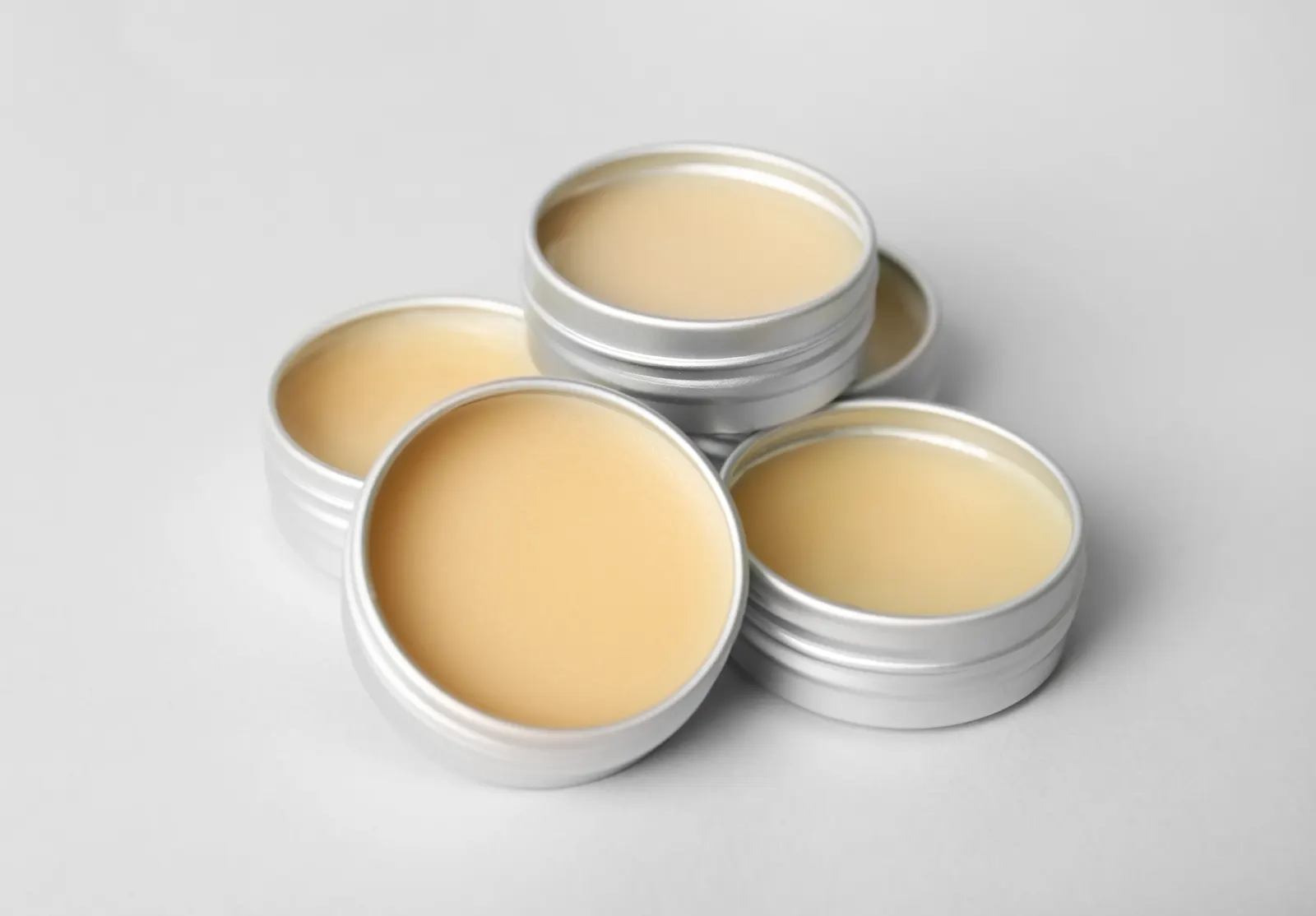 Lip care · BeginnerShea & Calendula Lip BalmA classic fragrance-free beeswax lip balm with shea, castor oil and calendula-infused oil — glossy, protective and easy to make.
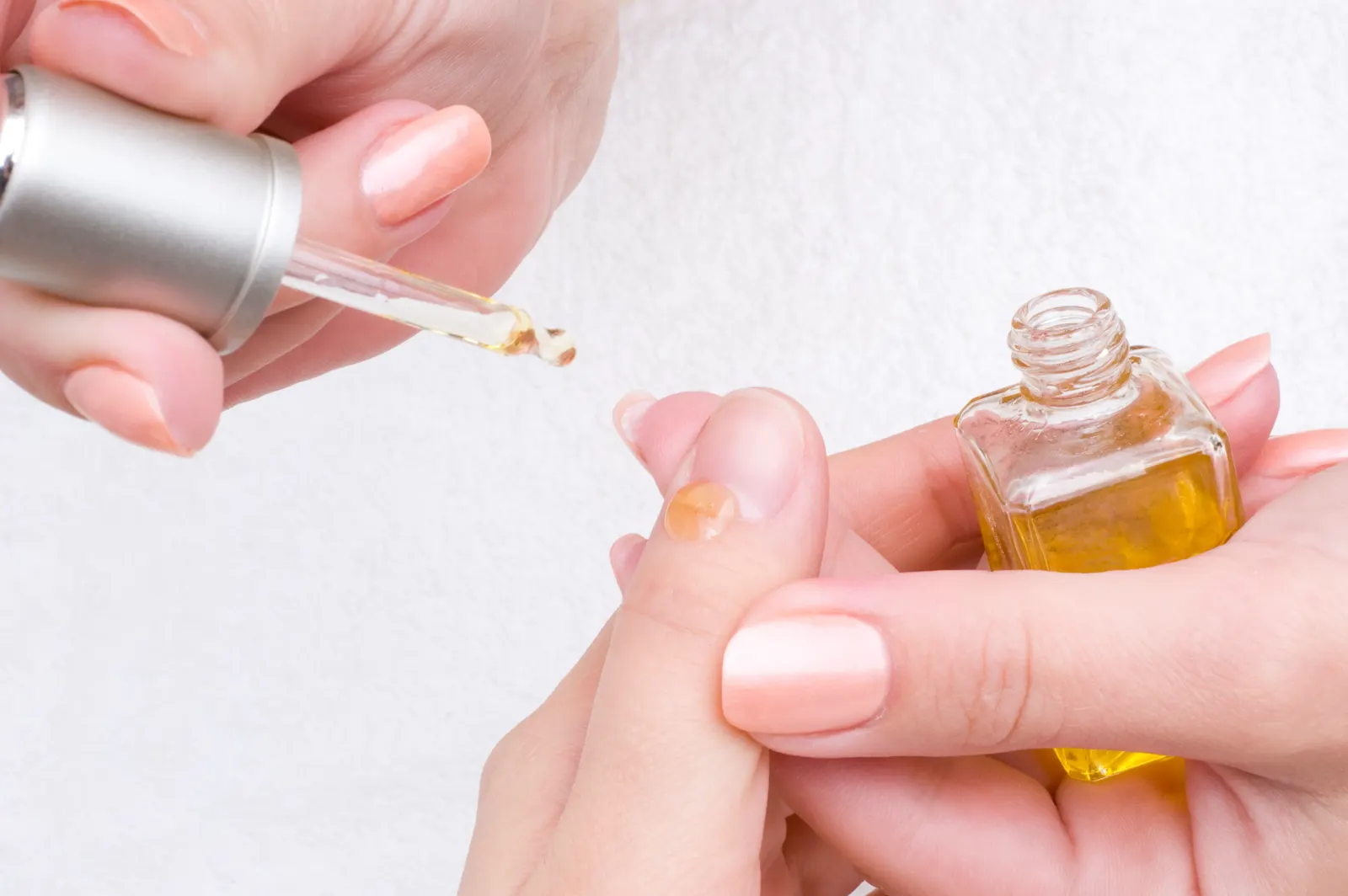 Body care · BeginnerOvernight Cuticle OilA tiny bottle of jojoba, almond, argan and castor oil for ragged cuticles and brittle, peeling nails. One drop per nail before bed.
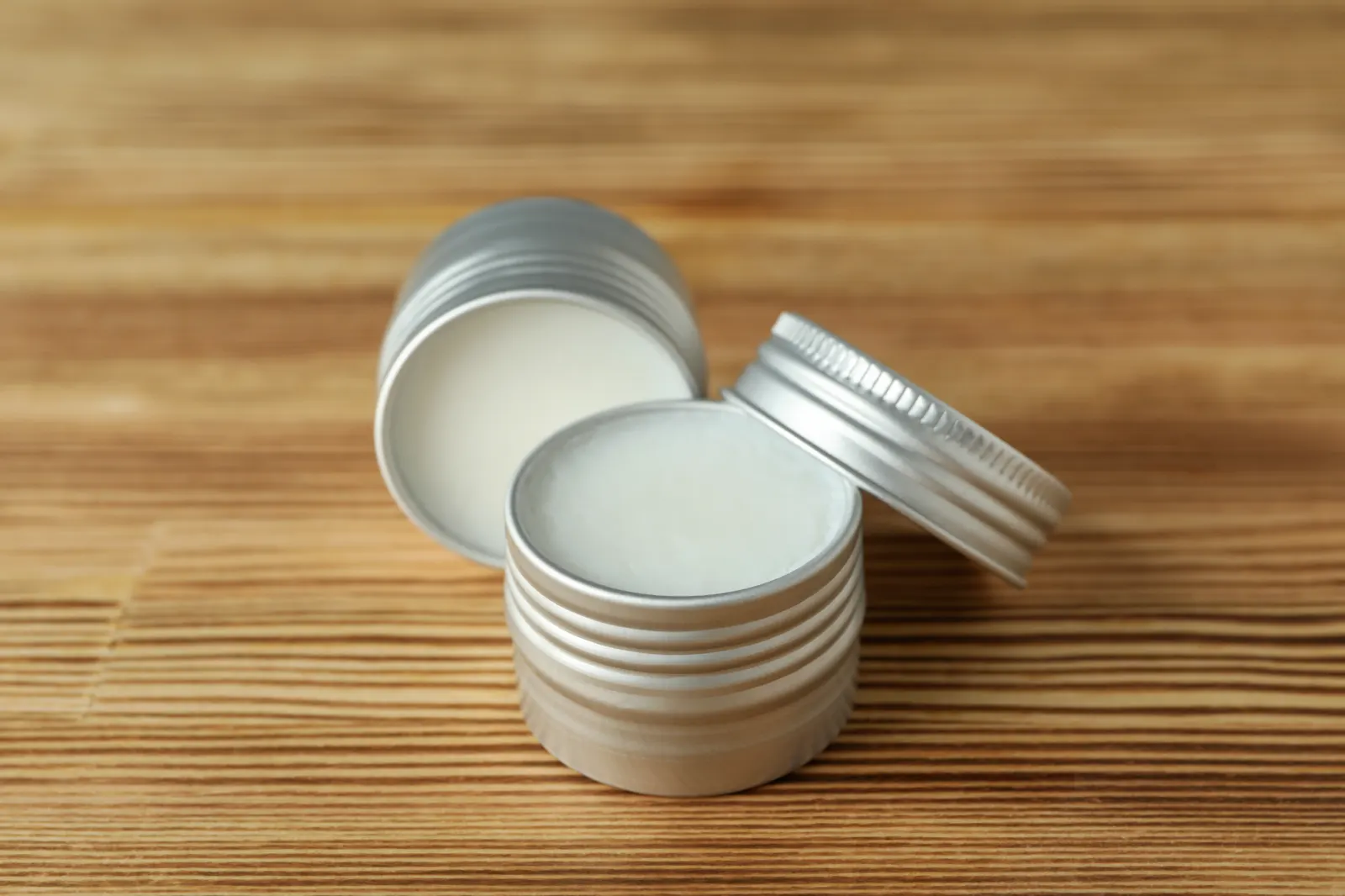 Balm · BeginnerTravel-Size Multi-BalmOne small, plant-based, unscented tin for lips, cuticles, brows, dry knuckles and flyaways, made with mango butter, jojoba, castor oil and candelilla.
Buying well
Sustainability
The large majority of the world’s castor oil comes from Gujarat, India. Farmworker exposure to toxic seed and allergenic dust and child labor have been documented concerns; certified sustainable-castor programs address farming practices and worker safety. Ask suppliers about certification.
How to choose quality
Cold-pressed castor oil is pale yellow, nearly odorless and very thick. Jamaican black castor oil is made from roasted seeds with ash, giving a dark color, smoky smell and higher pH; claims that it is superior for hair are unproven. Buy hexane-free, cold-pressed oil in glass or PET; it keeps 2+ years.
The research For professionals
The chemistry, the studies and the evidence by concern, for practitioners, formulators and the curious.
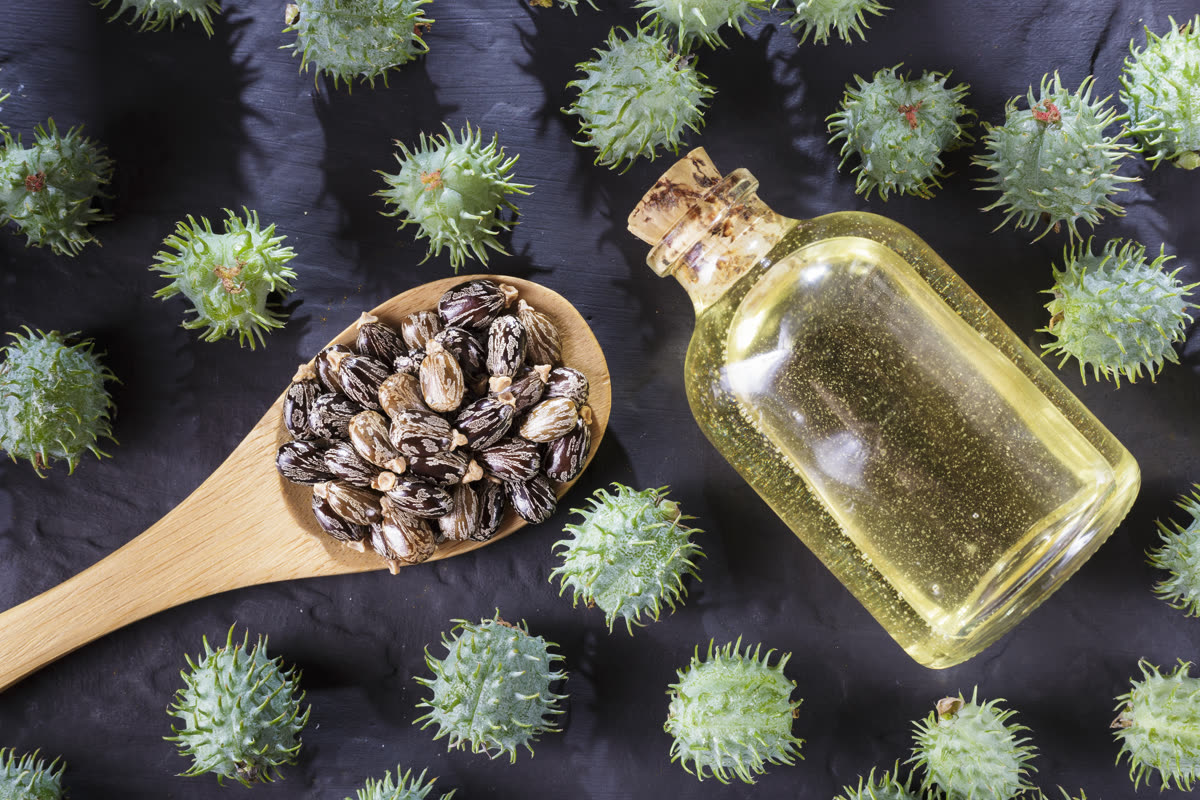
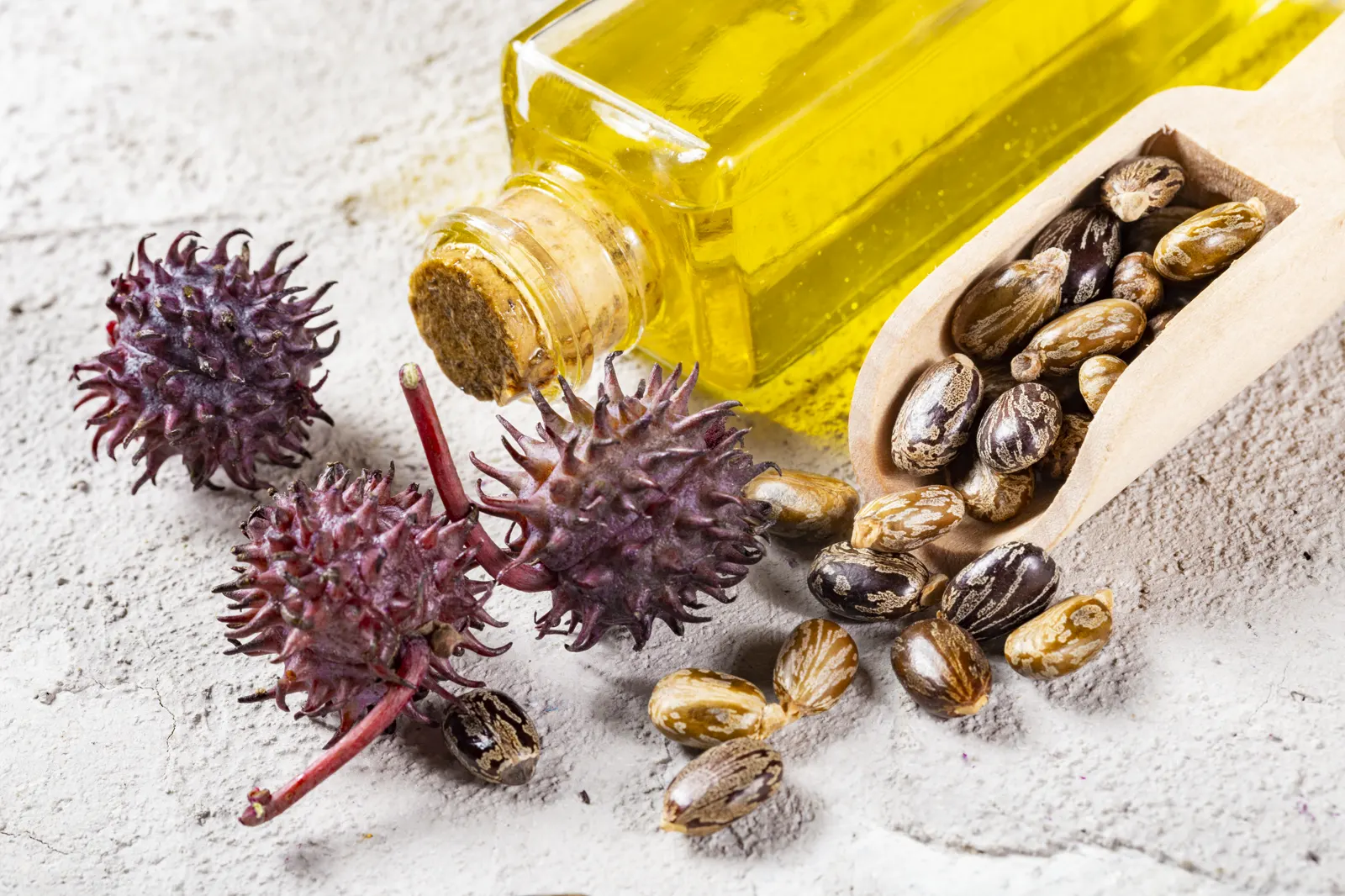
Castor oil is roughly 85–95% ricinoleic acid, an 18-carbon monounsaturated fatty acid with a hydroxyl group at carbon 12. That hydroxyl makes the oil unusually viscous, dense, alcohol-soluble and good at wetting and dispersing pigments. It is also relatively resistant to oxidation. The seeds contain ricin, a highly toxic, water-soluble protein; it does not partition into the oil and stays in the press cake, and commercial castor oil is processed (including heat or steam treatment) so that it is considered ricin-free. Whole seeds remain dangerous if chewed.
Ricinoleic acid activates prostaglandin EP3 receptors in the gut and uterus, which explains castor oil’s laxative and labor-stimulating effects when swallowed. This is sometimes stretched into a hair-growth story because some prostaglandin analogs (such as bimatoprost) lengthen lashes — but bimatoprost acts on a different receptor (FP), and no study shows topical castor oil grows hair, brows or lashes.
Topically, castor oil is an emollient and occlusive. Case reports describe acute hair felting (sudden, irreversible matting) after applying castor oil to long hair, and allergic contact cheilitis has been linked to castor oil and ricinoleic acid in lipsticks.
Evidence by concern
| Concern | Grade | What the evidence shows |
|---|---|---|
| Thinning Hair & Hair Loss | D | A popular remedy with no published evidence of hair growth; it can coat hair and, rarely, cause severe matting. |
Key studies
Mechanistic study: ricinoleic acid acts through prostaglandin EP3 receptors to produce castor oil’s laxative and uterine effects — not a hair-growth mechanism.
Tunaru S, et al. Proc Natl Acad Sci U S A. 2012 Read it in the bibliography Find on PubMedCase report: acute hair felting (matting) after applying castor oil to long hair, requiring the hair to be cut.
Maduri VR, et al. Int J Trichology. 2017 Read it in the bibliography Find on PubMed
MythCastor oil grows thicker hair, brows and eyelashes.
EvidenceThere are no controlled human studies showing that castor oil increases hair, brow or lash growth. Ricinoleic acid acts on EP3 prostaglandin receptors; the eyelash drug bimatoprost acts on FP receptors — a different mechanism. Castor oil can make lashes and hair look glossier and break less, which is cosmetic, not growth. For real thinning, see Thinning Hair & Hair Loss.
In tradition
Castor oil is one of the oldest documented oils: ancient Egyptians used it for lamps and ointments, it appears in the Ebers papyrus, and in Ayurveda it is a classic purgative and massage oil. In the Caribbean, roasted “black” castor oil is a household hair and scalp remedy.
Frequently asked questions
Does castor oil make eyelashes and hair grow?
Is castor oil safe if castor beans contain ricin?
What is Jamaican black castor oil?
How do I use castor oil on hair without it being sticky?
Cite this page
Herbs.Beauty. Castor Oil (Ricinus communis L.): evidence-based monograph. Updated 26 November 2026. https://herbs.beauty/ingredients/castor-oil.html