Concern guide
Sun Care & After-Sun
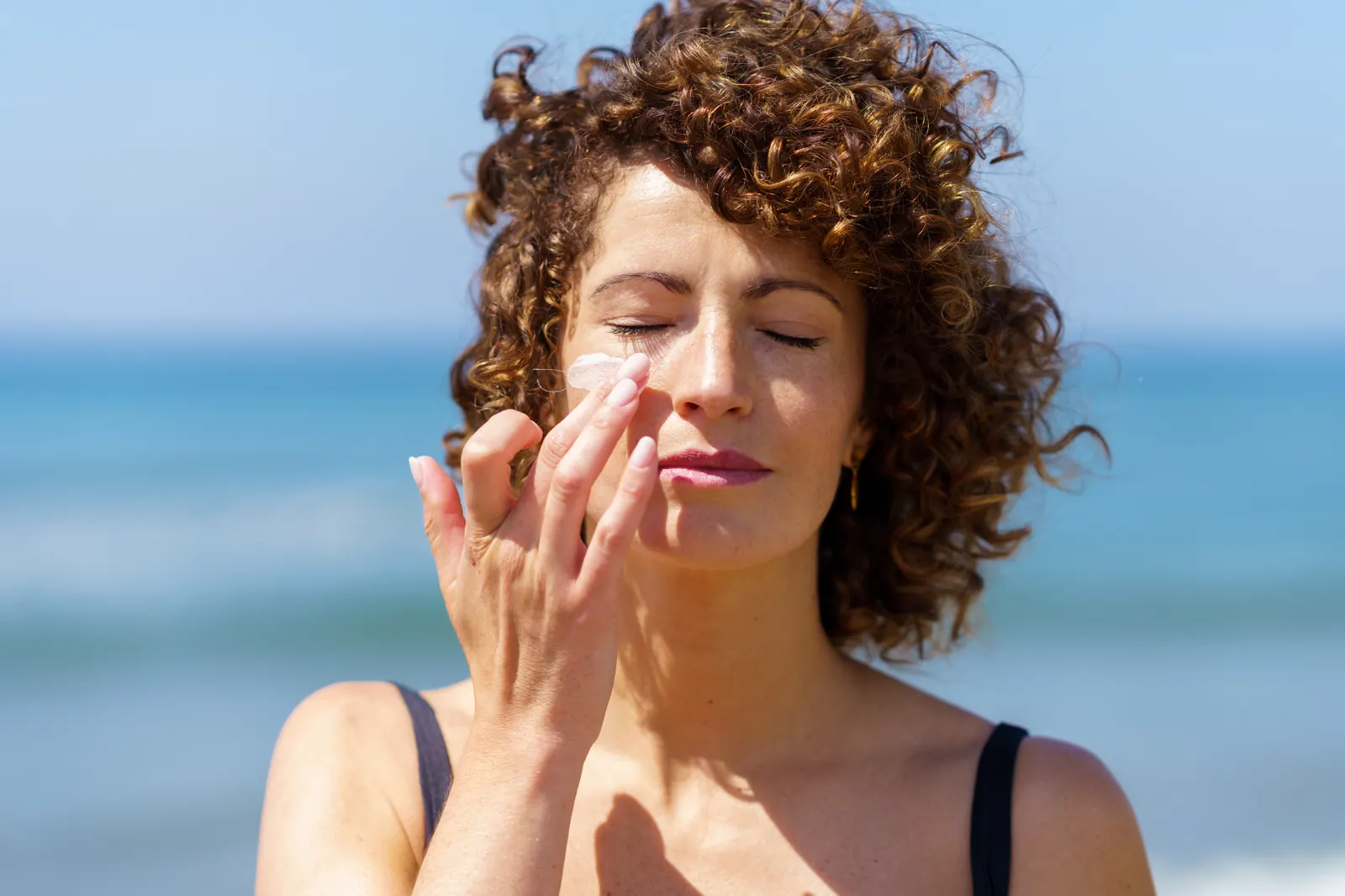
UVA, UVB, SPF and visible light explained. No plant oil gives reliable SPF: use tested broad-spectrum SPF 30+, never DIY sunscreen — then soothe with aloe.
Start here
Your routine, starting tonight
Simple, gentle and consistent beats complicated. Follow this for six to eight weeks before you judge it.
Morning
- Antioxidant serum (vitamin C, green tea) if you like — under, not instead of, sunscreen.
- Broad-spectrum SPF 30–50 on face, ears, neck and any exposed skin; SPF lip balm.
- Hat and sunglasses when outdoors; check the day’s UV index.
Evening
- Cleanse to remove sunscreen thoroughly (an oil cleanser helps with water-resistant formulas).
- After sun exposure: cool shower, then a soothing gel such as Cooling Aloe After-Sun Gel followed by a fragrance-free moisturizer.
Weekly
- Check sunscreen expiry dates and how much is left — a 200 ml bottle should not last a family all summer.
- A Colloidal Oat Soothing Bath or Calming Oat & Chamomile Mask for itchy, sun-stressed skin.
- A monthly self-check of your moles and spots.
What is going on
In plain language: sunlight contains invisible ultraviolet (UV) rays. UVB mainly burns the surface of the skin; UVA goes deeper, ages the skin and passes through clouds and window glass. Both damage DNA and raise skin cancer risk. Sunburn is visible proof of that damage, but tanning is also a damage response.
The spectrum: UVC (100–280 nm) is absorbed by the ozone layer. UVB (280–315 nm) causes sunburn, direct DNA damage and vitamin D synthesis; its intensity peaks around midday and in summer. UVA (315–400 nm; UVA2 315–340 and UVA1 340–400) is present all year, penetrates into the dermis, generates oxidative stress, drives photoaging and pigmentation and contributes to skin cancer. Visible light, particularly high-energy violet-blue light, contributes to melasma and pigmentation in darker skin types; infrared adds heat.
What SPF means: the Sun Protection Factor compares the UV dose needed to cause minimal redness (the minimal erythema dose, MED) with and without sunscreen applied at 2 mg/cm² in the lab. It mostly reflects UVB protection. SPF 30 filters about 97% of burning UVB and SPF 50 about 98%, but people typically apply much less than the test amount, so real-world protection is lower — which is why SPF 30+ and generous, repeated application matter. UVA protection is shown separately: the EU UVA circle logo (UVA protection factor at least one third of the SPF), “broad spectrum” on US labels (critical wavelength of 370 nm or more), PA ratings in Asia, or star ratings in the UK. SPF is determined by standardized human testing (ISO 24444), with newer laboratory-based ISO methods published in 2024.
Who is most at risk: fair skin that burns easily, many or atypical moles, a personal or family history of skin cancer, a history of blistering sunburns in childhood, immunosuppression, and people taking photosensitizing medicines (e.g. doxycycline, some diuretics, isotretinoin). Children and outdoor workers need particular care.
The plants most worth trying
 No. 005
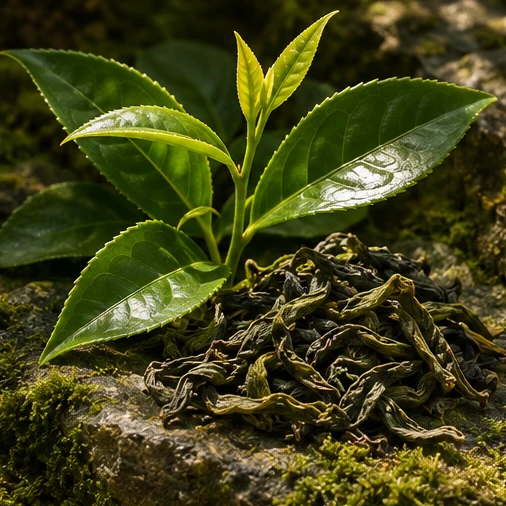
Green TeaCamellia sinensisTopical green tea polyphenols reduced UV-induced redness and DNA damage in human skin studies — an antioxidant adjunct under sunscreen, never a…
 No. 001
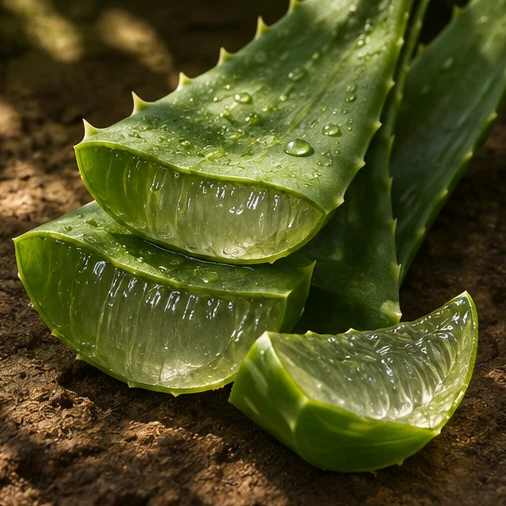
Aloe VeraAloe veraSoothing and cooling on sunburn, but controlled trials found aloe gel did not prevent sunburn or speed sunburn recovery compared with placebo; its…
 No. 042
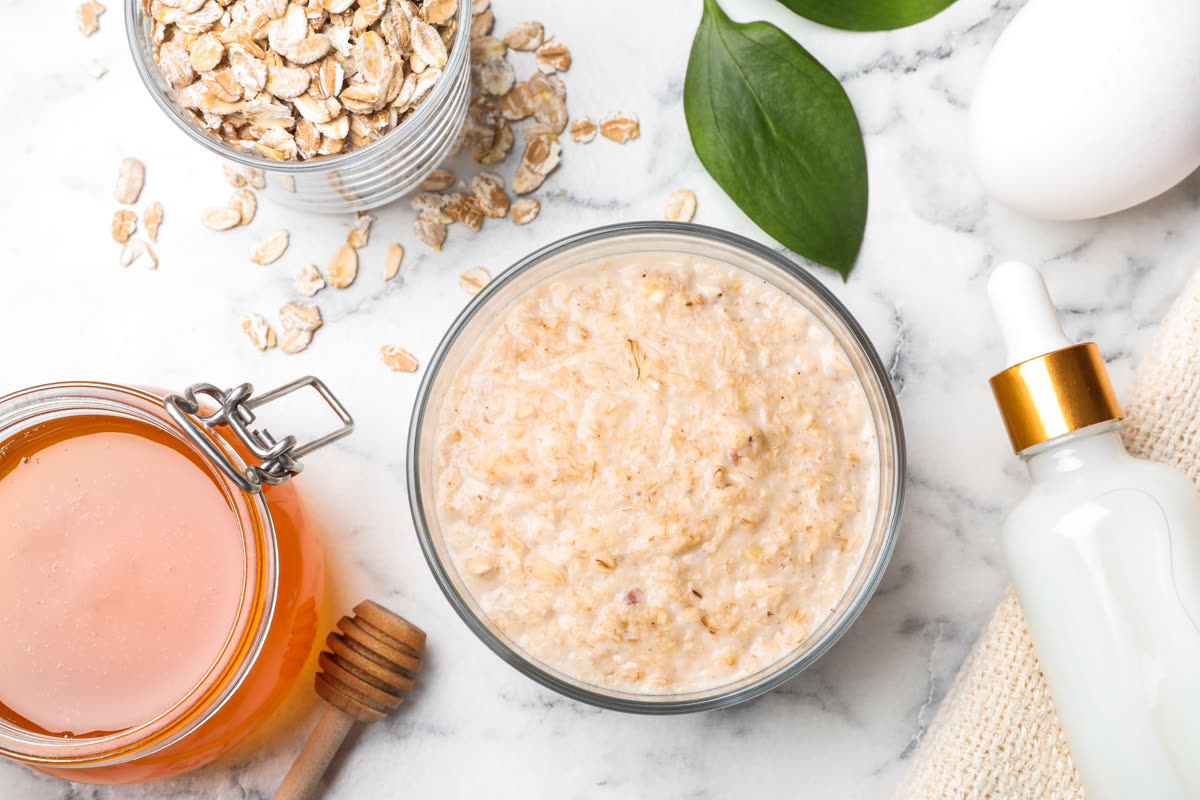
Colloidal OatmealAvena sativa L.Soothes itch and discomfort on irritated, sun-exposed skin; evidence comes from its broader use as a skin protectant.
The full list, best proven first:
| Ingredient | Grade | What the evidence shows |
|---|---|---|
| Green Tea | B | Topical green tea polyphenols reduced UV-induced redness and DNA damage in human skin studies — an antioxidant adjunct under sunscreen, never a substitute. |
| Aloe Vera | C | Soothing and cooling on sunburn, but controlled trials found aloe gel did not prevent sunburn or speed sunburn recovery compared with placebo; its value is comfort. |
| Colloidal Oatmeal | C | Soothes itch and discomfort on irritated, sun-exposed skin; evidence comes from its broader use as a skin protectant. |
| Calendula | D | Traditional for minor burns and has some evidence in radiation skin reactions, but not tested for sunburn; daisy-family allergy is possible. |
| Sea Buckthorn | D | Rich in carotenoids and antioxidants and used in after-sun products; no clinical evidence for protection or recovery, and it offers no SPF. |
Proven partners beyond plants
Sunscreen is a tested medicine or regulated cosmetic, not a kitchen recipe. Claims that coconut, raspberry seed, carrot seed or other oils have an “SPF of 20–50” come from misread laboratory absorbance data; at best they offer negligible, unreliable protection. Homemade sunscreens with zinc oxide are also unsafe: without professional dispersion and SPF/UVA testing, the particles clump and leave gaps, and you cannot know the protection level. Use a commercially tested, broad-spectrum SPF 30+ product.
- Apply generously — about half a teaspoon for the face and neck and around a shot glass (roughly 30 ml) for the whole body — 15 minutes before going out, and reapply every two hours and after swimming, sweating or toweling. “Water resistant” means 40 or 80 minutes, not all day.
- Both mineral (zinc oxide, titanium dioxide) and organic (chemical) filters are effective; choose the one you will actually wear. For melasma, choose a tinted product with iron oxides to block visible light.
- Seek shade when the UV index is 3 or above, and especially around midday; wear UPF clothing, a wide-brimmed hat and UV-protective sunglasses. Never use sunbeds — they are classified as carcinogenic to humans.
- For sunburn: cool showers, regular moisturizer, oral pain relief such as ibuprofen if suitable for you, drinking water, and avoiding further sun. Avoid “-caine” anesthetic sprays, which can cause allergy.
Botanicals have a real but modest role: antioxidant serums (e.g. Green tea) under sunscreen, and soothing after-sun gels such as aloe vera afterward.
What tends to make it worse
- Homemade sunscreen of any kind, and relying on oils (coconut, raspberry seed, carrot seed, olive) for protection.
- Sunbeds and deliberate tanning, including “base tans” before holidays.
- Citrus juices, bergamot, fig leaf and other furocoumarin-containing plants on skin before sun — they cause phytophotodermatitis (blistering and long-lasting dark streaks).
- Essential oils and perfume on sun-exposed skin.
- Petroleum-heavy ointments, butter or ice on fresh sunburn; popping sunburn blisters.
- Using SPF in makeup alone as your sun protection — you would need far more than anyone applies.
When to see a doctor
- Severe sunburn with large areas of blistering, intense pain, fever, chills, headache, confusion, fainting or signs of dehydration or heatstroke — seek urgent care.
- Any sunburn in a baby under one year old.
- A new mole or a mole that changes in size, shape or color, or shows ABCDE signs, or an “ugly duckling” that looks different from your others.
- A sore that does not heal, a pearly bump, or a scaly patch that persists or bleeds.
- An unusual rash after sun exposure, especially after starting a new medicine or touching plants (photosensitivity or phytophotodermatitis).
Find a dermatologist or report a reaction to a cosmetic, wherever you live.
Myths and evidence
MythCoconut oil (or raspberry seed oil) is a natural sunscreen.
EvidenceNo plant oil offers reliable or measurable protection when tested properly. Sunburn on oil-treated skin is common. Use a tested broad-spectrum SPF 30+.
MythA base tan protects you from burning.
EvidenceA tan offers protection equivalent to a very low SPF, and the tan itself is a sign of DNA damage.
MythYou do not need sunscreen on cloudy days or if you have dark skin.
EvidenceMuch UV passes through cloud, and UVA passes through glass. Darker skin burns less but still develops skin cancer, photoaging and pigmentation.
Recipes to try at home
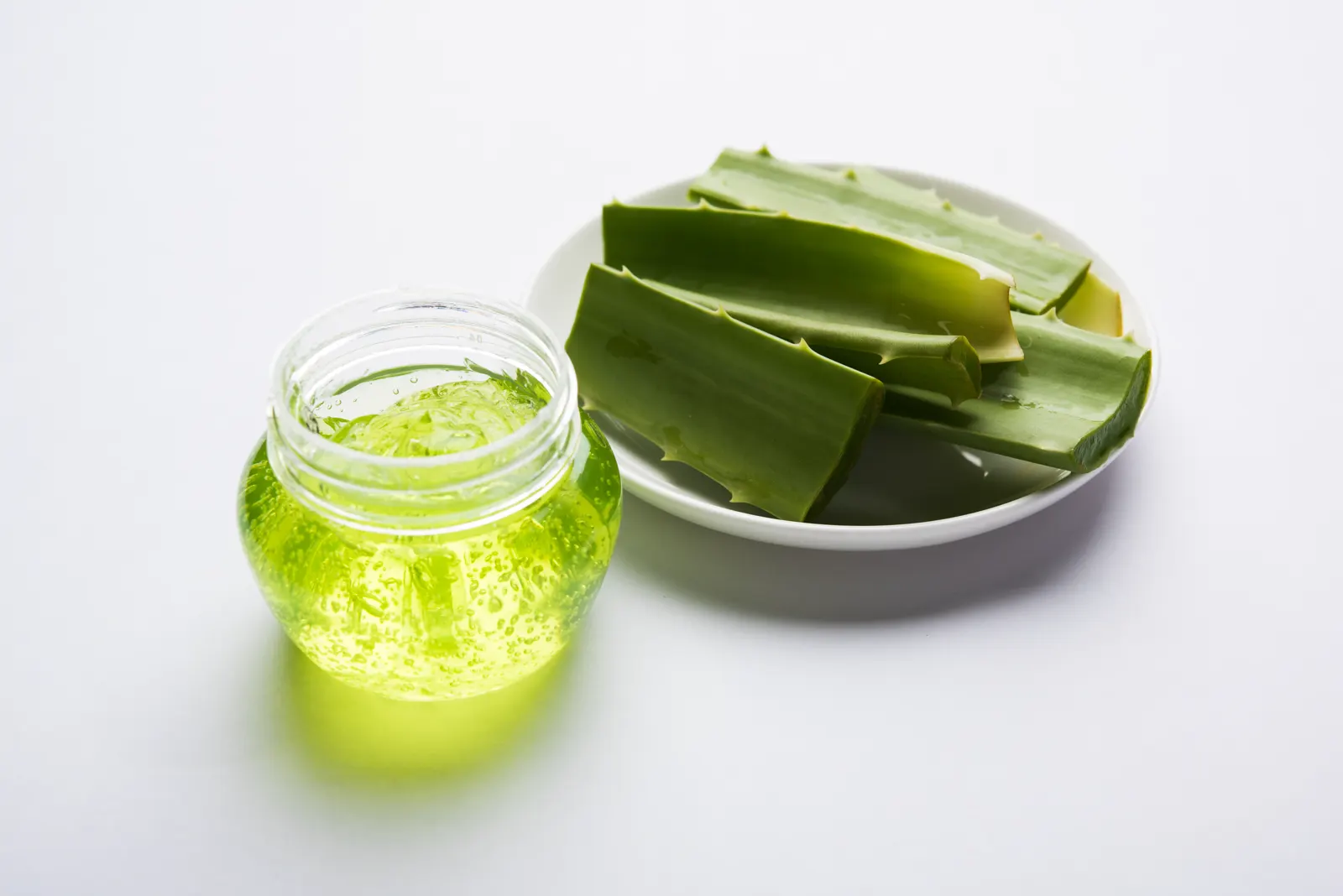 Body care · IntermediateCooling Aloe After-Sun GelA preserved aloe vera gel with panthenol and glycerin to cool and comfort skin after a day outdoors. Not a sunscreen; gives no sun protection.
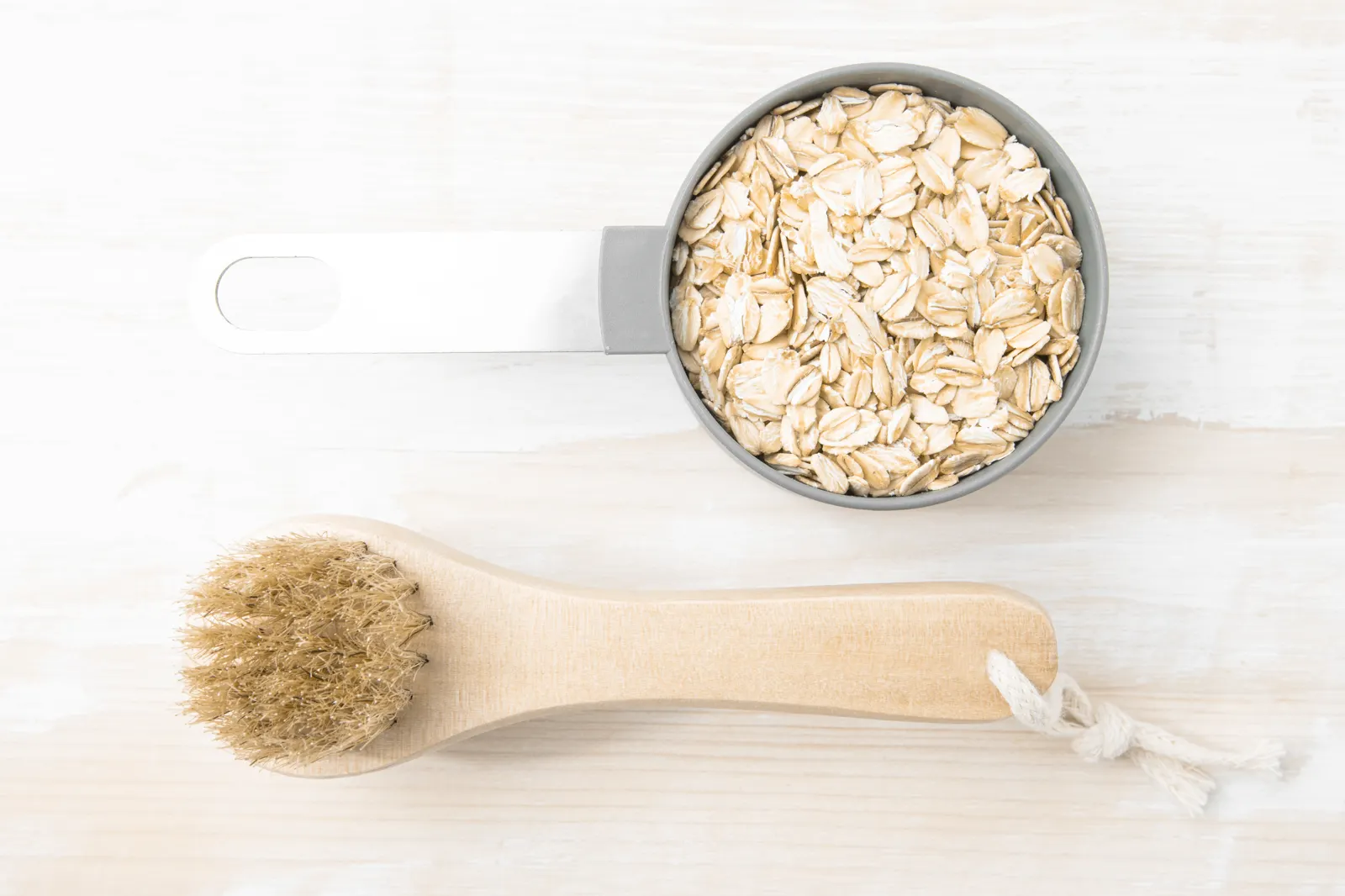 Bath · BeginnerColloidal Oat Soothing BathA lukewarm colloidal oatmeal soak with a little sunflower oil and marshmallow root to calm itchy, dry or eczema-prone skin.
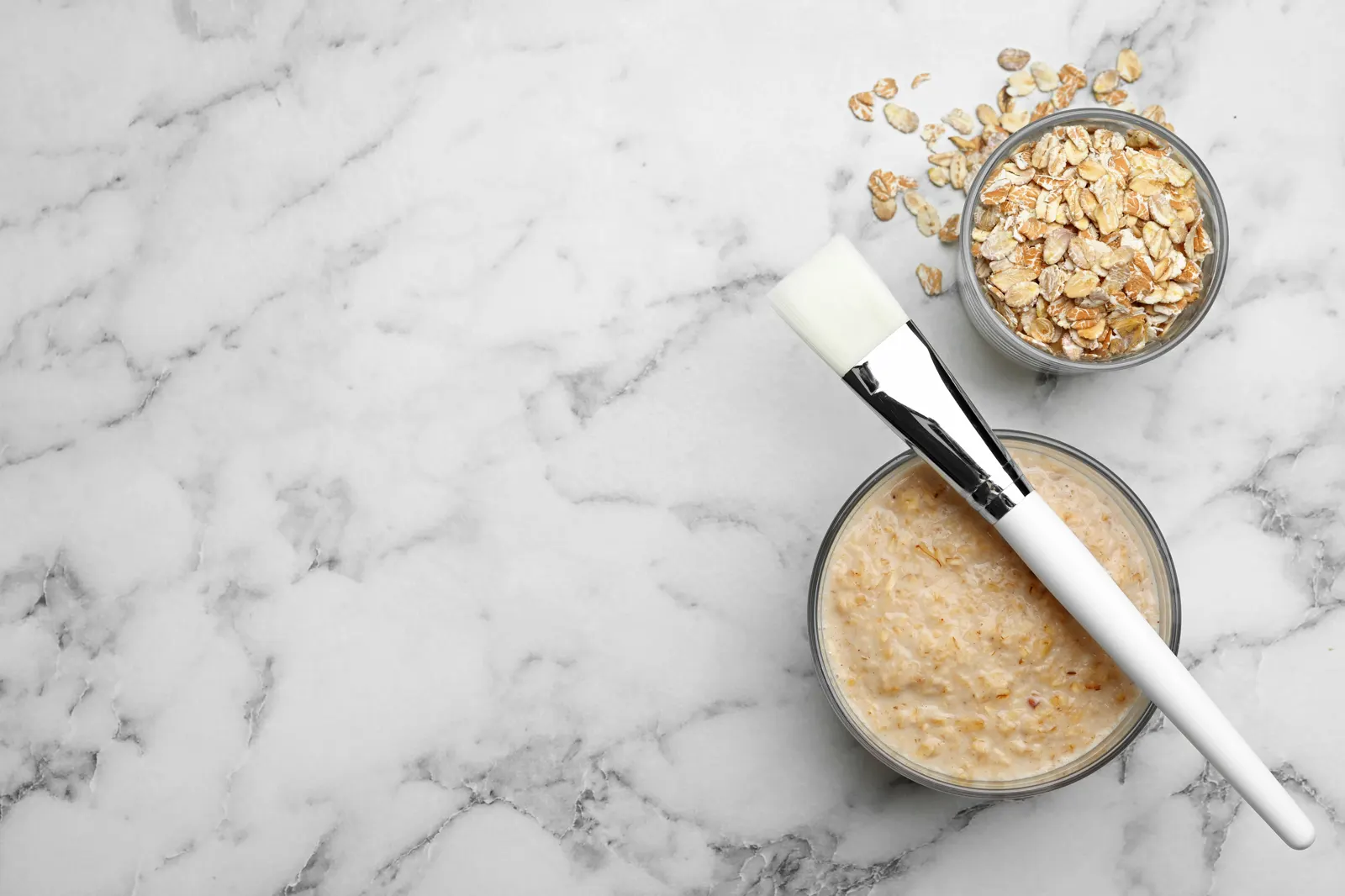 Mask · BeginnerCalming Oat & Chamomile MaskA soothing single-use paste of colloidal oatmeal, cooled chamomile tea, honey and aloe for skin that feels hot, tight or reactive.