The ingredient encyclopedia · food
Honey
Mel (product of Apis mellifera L.) · Apidae (honeybee product)
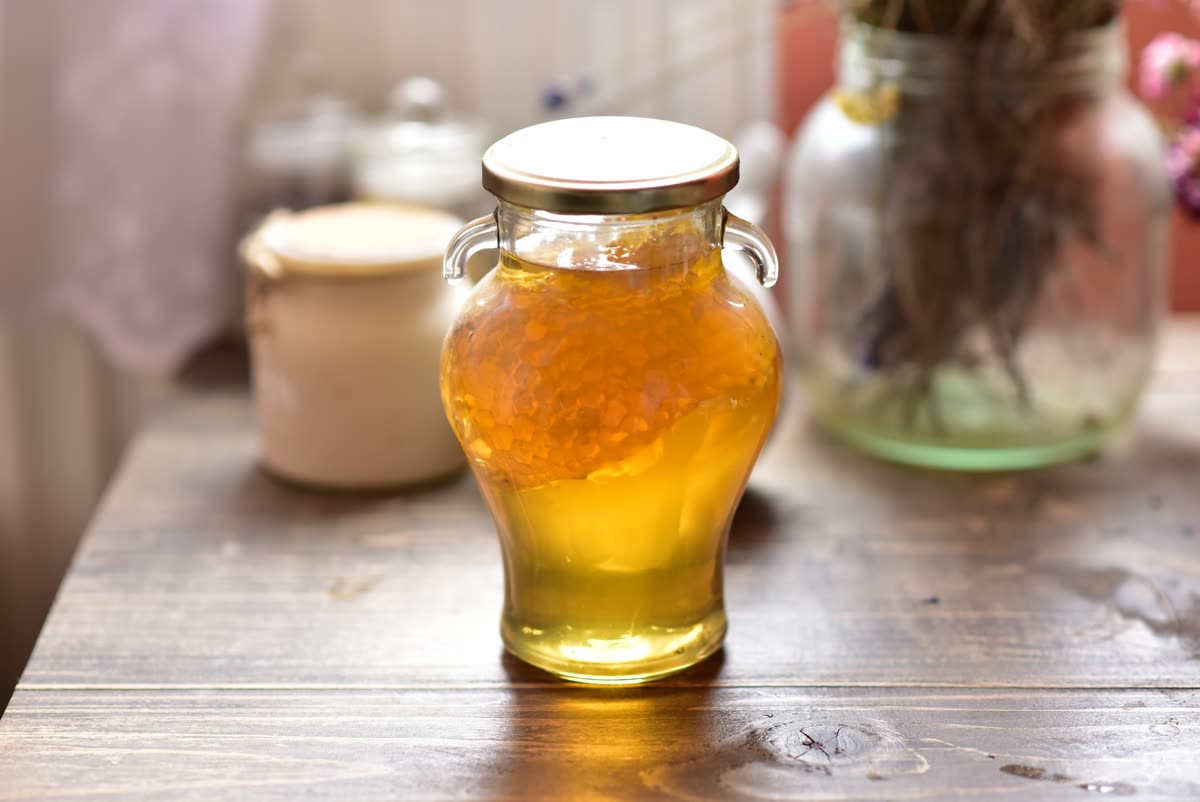
A spoonful of raw honey is one of the simplest, loveliest masks there is: skin feels soft, plump and comforted.
FR MielES MielAR العسلManuka and kanuka (New Zealand honeys used in medical-grade products)
- How well proven
- BGood evidence
- Safety
- Low topical risk
- Sun-sensitive
- No
FR MielES MielAR العسلManuka and kanuka (New Zealand honeys used in medical-grade products)
What the evidence says
A Cochrane review supports medical-grade honey for burns and some wounds; cosmetic randomized trials are mixed (positive in rosacea, negative in acne).
- Best supported for
- Scars, Wounds & Stretch Marks BAcne & Breakouts CEczema-Prone Skin C
- How to use it
- Face mask · 1–2 teaspoons raw honey, alone or in a fresh mask
- Watch out for
- Do not use kitchen honey on deep, large or infected wounds or burns — see a clinician; medical-grade honey is sterile and standardized.
Checked against 3 cited studies and our safety review · Updated 26 November 2026 · How we grade
Why you’ll love Honey
Why you’ll love it
- Draws in and holds water, so skin feels soft and plump
- Rinses off easily as a gentle cleanser or mask base
- Pairs beautifully with oats for a calming kitchen mask
Best forDry, dull or sensitive skin wanting a gentle, hydrating mask; not an acne treatment.
Try it today
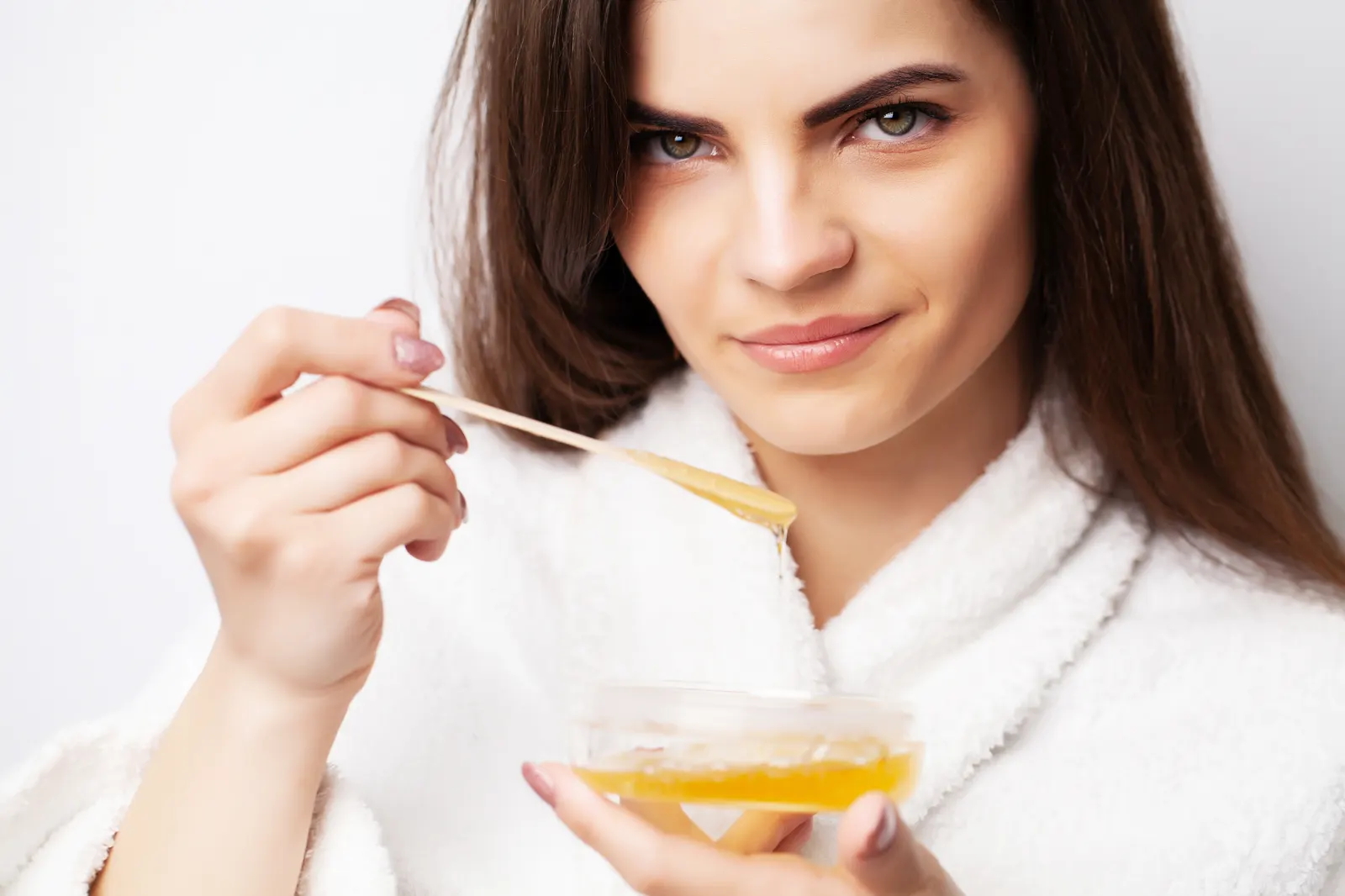
A simple honey mask
- If you react to bee products, patch test on your inner arm first.
- Spread 1–2 teaspoons of raw honey over clean, damp skin.
- Relax for 10–20 minutes, rinse with warm water, and discard any honey you mixed with other ingredients.
Good to know: Kitchen honey is for masks, not wounds: clinicians use sterile, medical-grade honey. Never give honey by mouth to babies under 12 months.
At a glance
| Parts used | Raw honey; medical-grade honey (sterilized by gamma irradiation, standardized); honey extract and powder |
|---|---|
| Key actives | Fructose and glucose (about 80% sugars), Glucose oxidase (generates hydrogen peroxide), Methylglyoxal (manuka), Gluconic acid, Polyphenols and flavonoids |
| INCI names | Mel Mel Extract |
| Skin types | dry, normal, combination, sensitive |
| Pairs well with | Colloidal OatmealTurmericAloe VeraBlack Seed Oil |
| Evidence grade | BGood evidence A Cochrane review supports medical-grade honey for burns and some wounds; cosmetic randomized trials are mixed (positive in rosacea, negative in acne). |
What it does for skin and hair
Humectant hydration
Sugars attract and hold water in the upper skin layers, leaving skin soft and plump after a mask.
Wound healing (medical-grade only)
Sterile, standardized honey dressings help partial-thickness burns heal faster than some conventional dressings — under medical supervision.
Calming for rosacea
A medical-grade kanuka honey cream improved rosacea more than a control cream in a randomized trial.
Gentle cleanser and mask base
Rinses off easily and pairs well with oats or turmeric in fresh masks.
How to use it
Start low, be consistent, and give it four to eight weeks. These are the amounts that work in real products and home recipes.
| Form | Typical use level | Notes |
|---|---|---|
| Face mask | 1–2 teaspoons raw honey, alone or in a fresh mask | Apply to clean, damp skin for 10–20 minutes and rinse with warm water; see Turmeric & Honey Glow Mask. |
| Cleanser | A teaspoon massaged onto damp skin | Rinses easily; see Honey & Oat Gentle Cleanser. Make fresh each time. |
| In formulations | 1–10% as a humectant | Needs a broad-spectrum preservative in any water-containing product; see DIY Safety: Water, Microbes & Preservatives. |
| Wounds and burns | Medical-grade honey dressings only | Use under the guidance of a doctor or nurse; never kitchen honey on deep, large or infected wounds. See Scars, Wounds & Stretch Marks. |
Use it safely
Low topical risk
- Do not use kitchen honey on deep, large or infected wounds or burns — see a clinician; medical-grade honey is sterile and standardized.
- Bee-product allergies exist; reactions to honey are rare, but propolis and pollen contaminants are more allergenic. Patch test if you react to bee products.
- Never give honey by mouth to infants under 12 months (risk of infant botulism); keep honey masks away from babies’ mouths.
- Medical honey dressings can sting briefly on application.
- Honey diluted with water spoils: mix masks fresh and preserve any aqueous product.
- Pregnancy & breastfeeding
- Topical honey is safe in pregnancy and breastfeeding. Pregnancy guide
- Phototoxicity
- Not phototoxic at normal use levels.
- Declared fragrance allergens
- None expected
New to an ingredient? Patch test first. Stop and seek advice if you get burning, swelling, blistering or a spreading rash.
Make it at home: recipes with honey
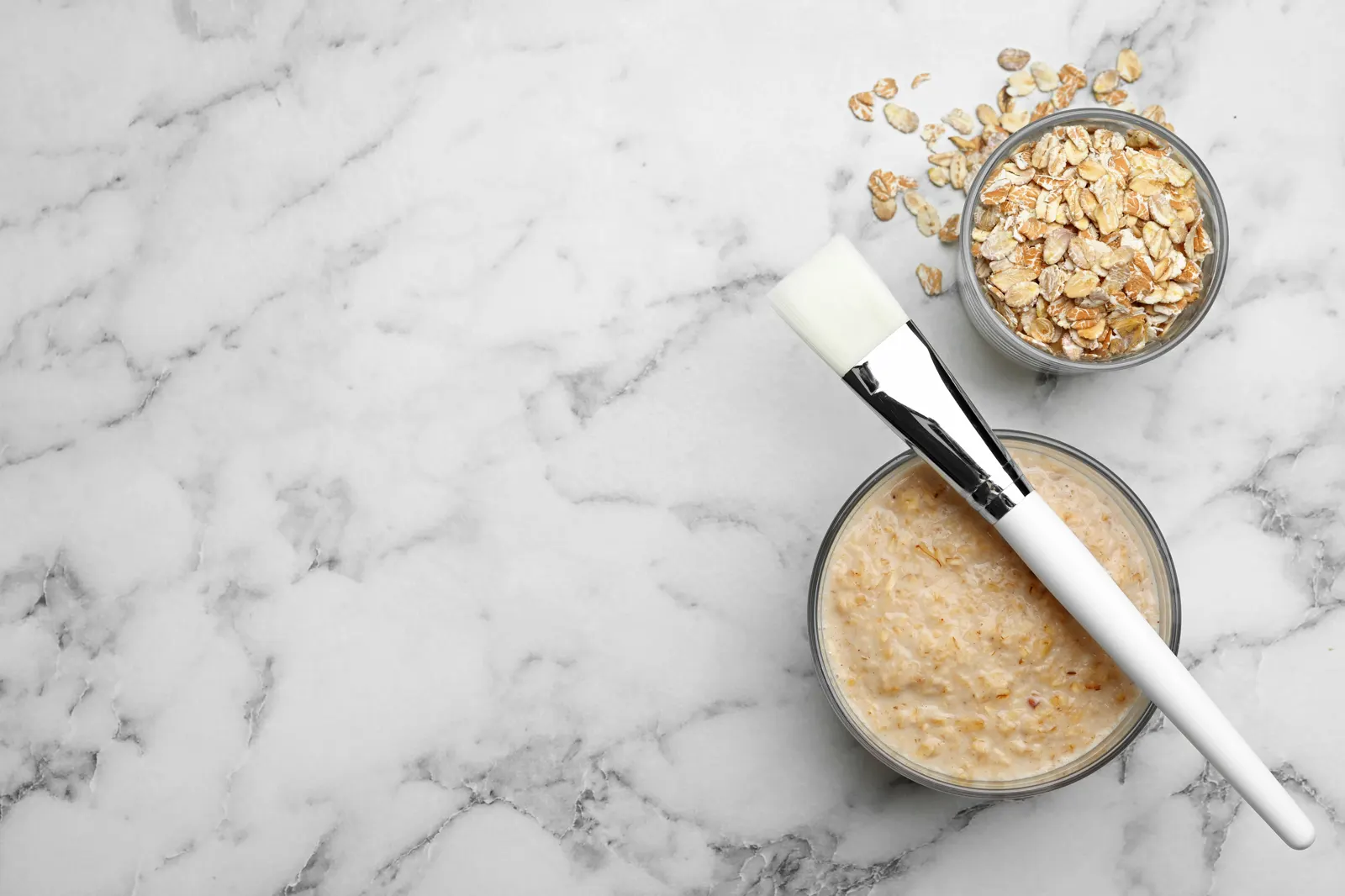 Mask · BeginnerCalming Oat & Chamomile MaskA soothing single-use paste of colloidal oatmeal, cooled chamomile tea, honey and aloe for skin that feels hot, tight or reactive.
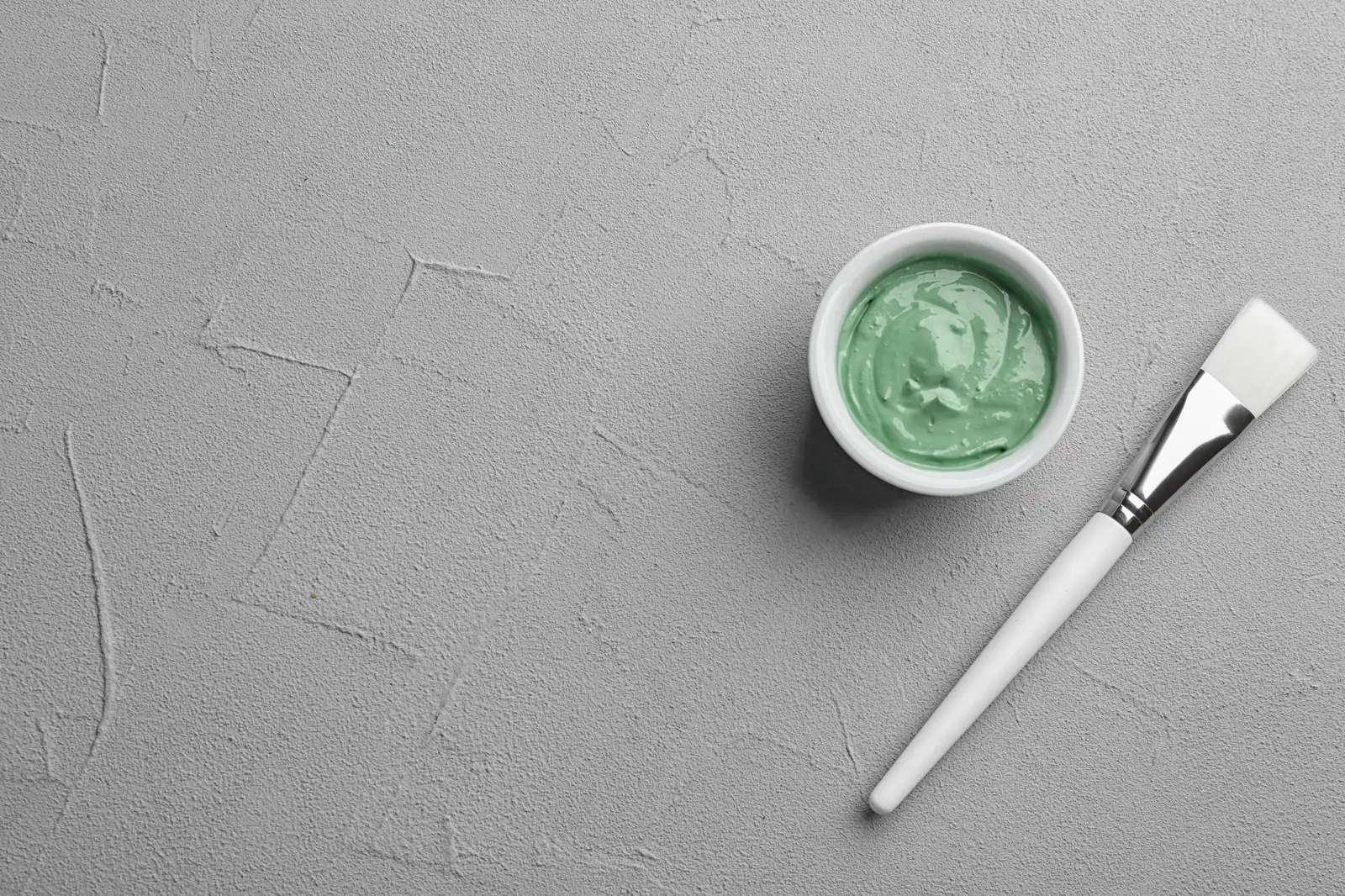 Mask · BeginnerMoroccan Rhassoul & Orange Blossom MaskRhassoul clay whipped with orange blossom water, argan oil and honey: the Moroccan way to cleanse and soften without squeaky tightness.
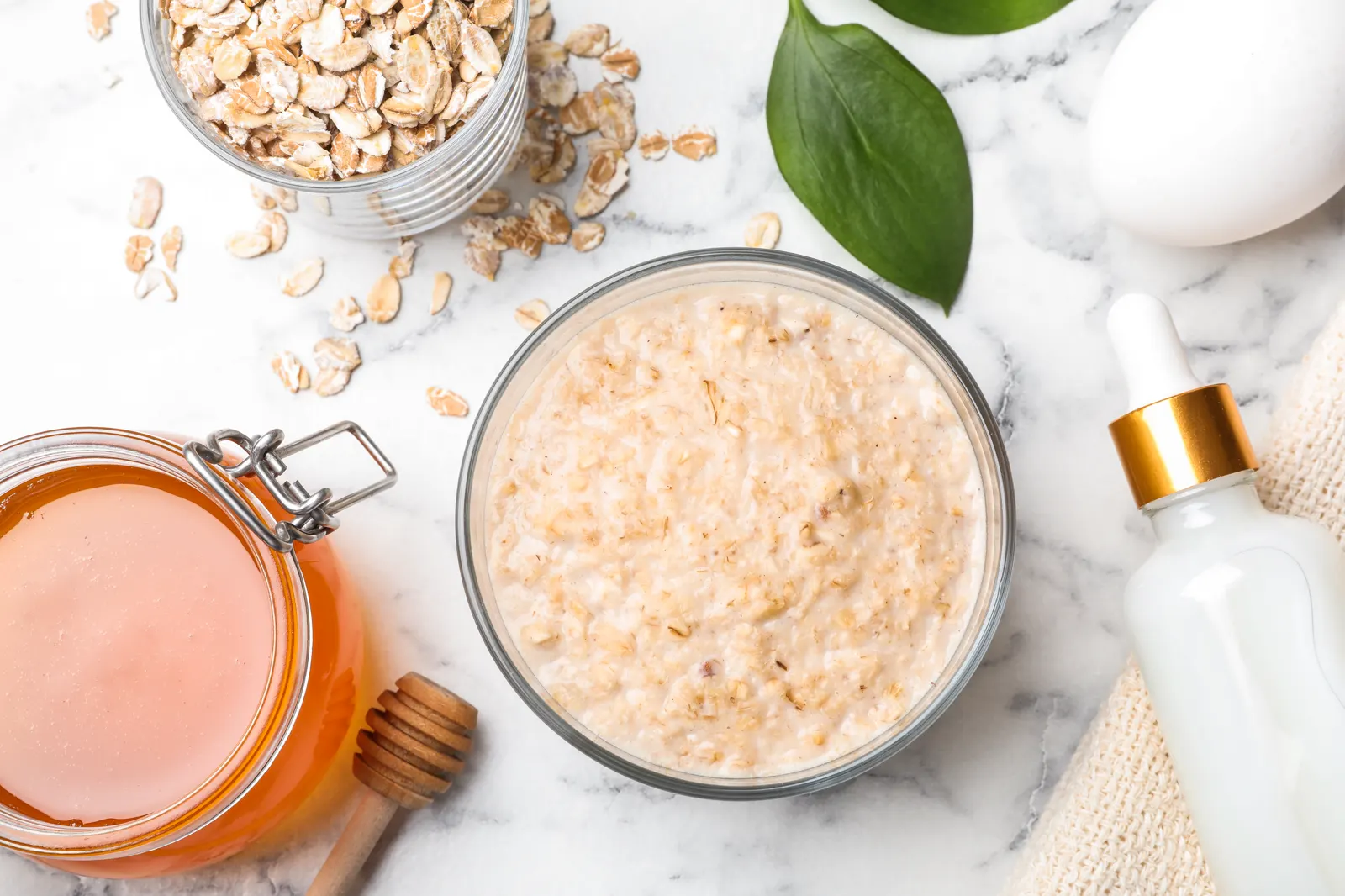 Cleanser · BeginnerHoney & Oat Gentle CleanserA no-foam, single-use cleansing paste of raw honey, colloidal oatmeal, rose water and jojoba for dry or sensitive skin that hates feeling squeaky.
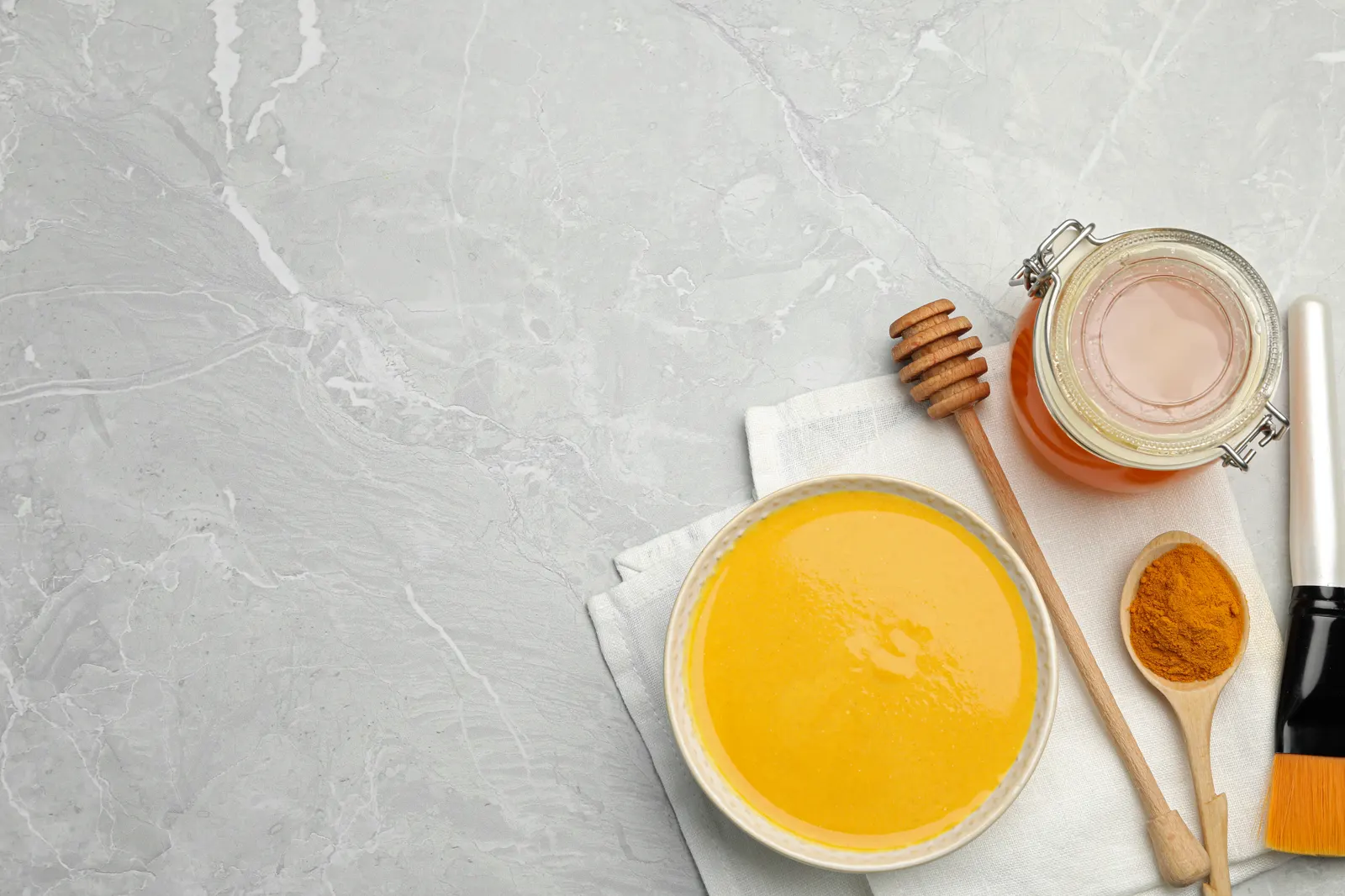 Mask · BeginnerTurmeric & Honey Glow MaskA quick ubtan-inspired mask of honey, yogurt, chickpea flour and a pinch of turmeric. Mind the yellow stain and patch test first.
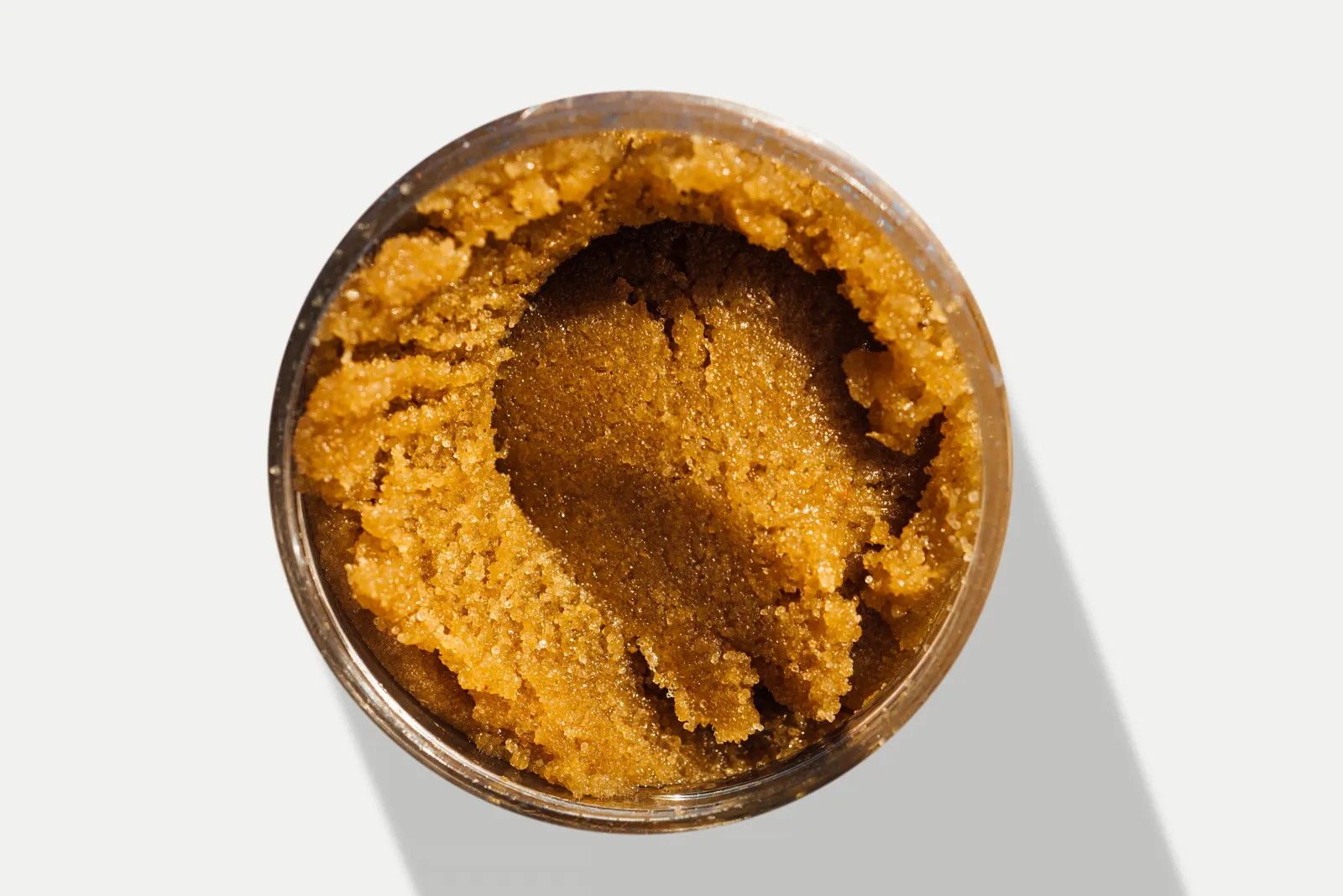 Lip care · BeginnerBrown Sugar & Honey Lip ScrubA two-minute lip scrub of soft brown sugar, honey and sweet almond oil that buffs away flakes and leaves lips smooth and ready for balm.
 Mask · BeginnerHoney & Oat Glow MaskA creamy ten-minute mask of honey, finely ground oats and a little almond oil for skin that looks tired and feels tight. Fresh, single use.
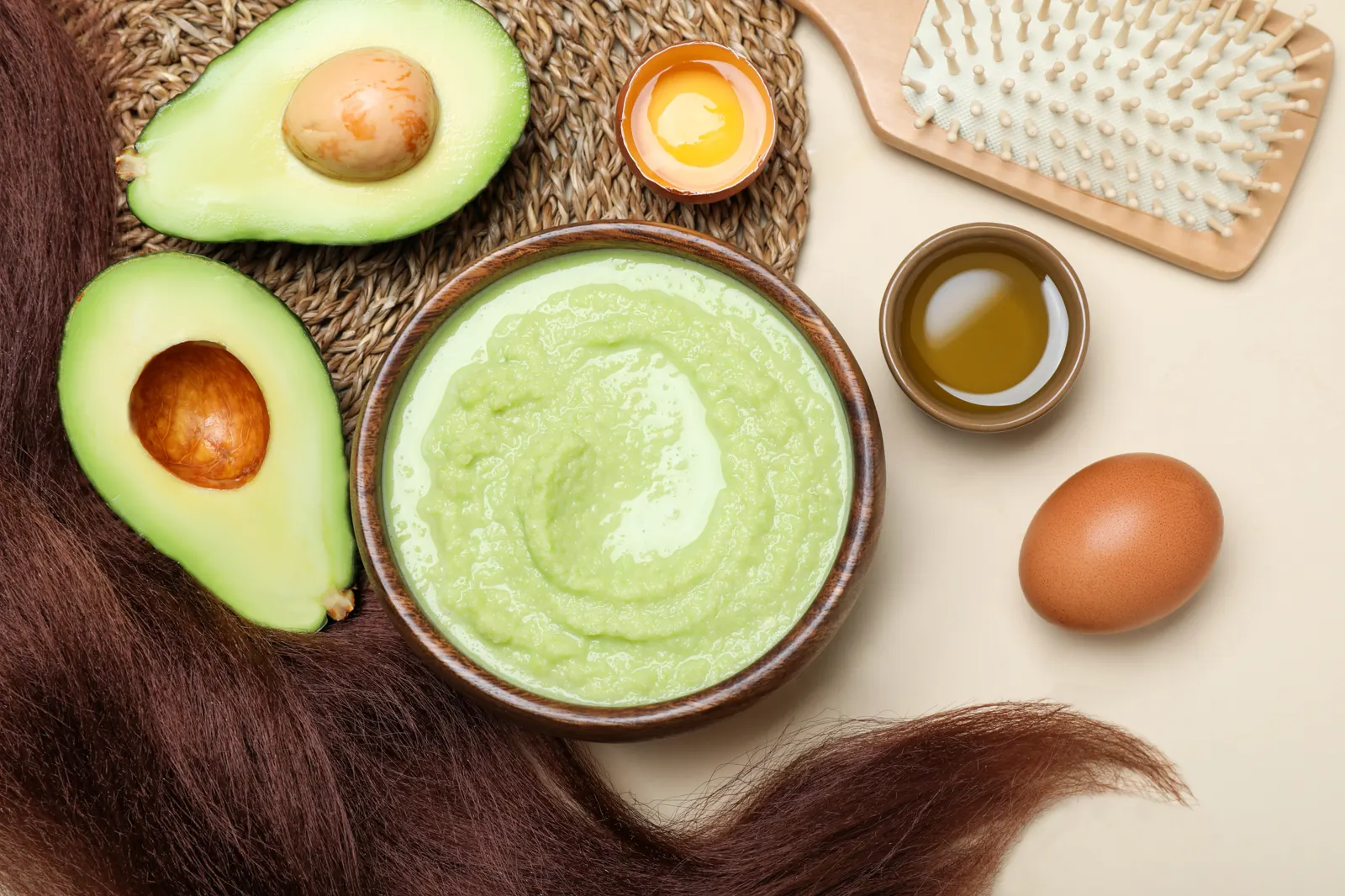 Hair care · BeginnerAvocado & Olive Oil Hair MaskA rich, kitchen-made pre-wash mask of ripe avocado, olive and avocado oils with a little honey for dry, rough or frizzy lengths.
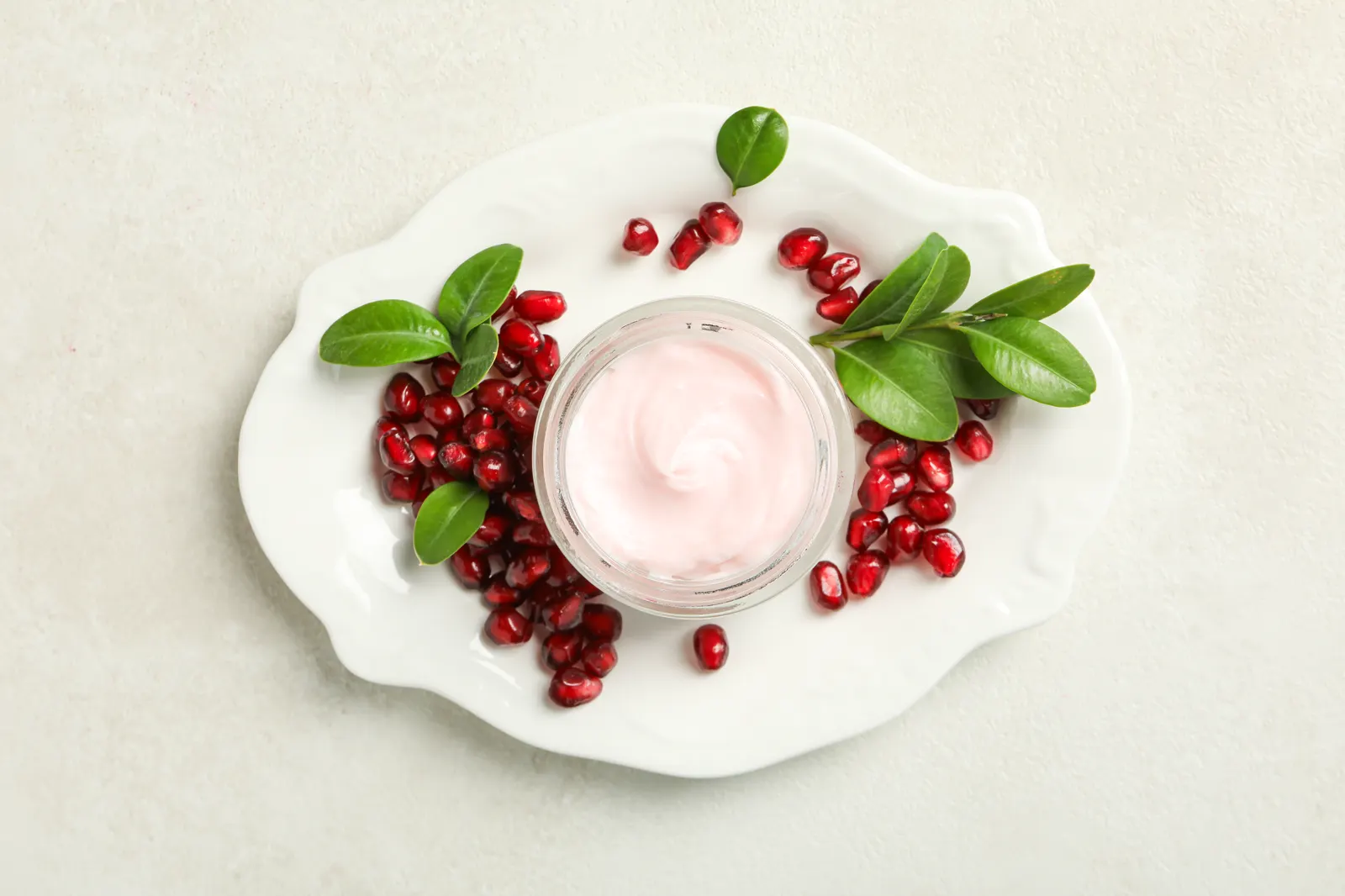 Mask · BeginnerPomegranate & Yogurt Glow MaskA pink, fresh-from-the-fridge mask of yogurt, pomegranate juice, honey and oats for dull-looking skin. Glow without the turmeric stains.
Buying well
Sustainability
Honey is among the most adulterated foods: EU testing campaigns have found a large share of imported honey suspected of being bulked with sugar syrups. Manuka honey is also counterfeited; New Zealand’s regulator defines manuka honey by chemical and DNA markers. Buying from local beekeepers supports pollinator health and traceability.
How to choose quality
For skin care, raw (unheated) honey from a trusted source is ideal; crystallization is natural, not spoilage. For Manuka, look for a UMF or MGO rating (e.g. UMF 10+ or MGO 263+) rather than vague words like “active.” For wounds, only use medical-grade honey products. Store sealed at room temperature; honey keeps for years.
The research For professionals
The chemistry, the studies and the evidence by concern, for practitioners, formulators and the curious.
Honey is about 80% sugars (mainly fructose and glucose) and around 17% water, with a pH of roughly 3.2–4.5. Its antimicrobial activity has several sources: very low water activity (osmotic effect), acidity, hydrogen peroxide generated by bee-derived glucose oxidase when honey is diluted, bee defensin-1, and plant-derived compounds. Manuka honey (from Leptospermum scoparium nectar) also contains methylglyoxal (MGO), formed from nectar dihydroxyacetone, which gives it peroxide-independent activity.
The Cochrane review of honey for wounds (Jull and colleagues, 2015) found that honey heals partial-thickness burns more quickly than some conventional dressings and may heal infected post-operative wounds faster than antiseptics with gauze, while evidence for other wound types, such as venous leg ulcers, was low quality or unclear. Medical-grade honey is sterilized by gamma irradiation and standardized; ordinary honey can contain bacterial spores.
For cosmetic uses, randomized trials from New Zealand found that a medical-grade kanuka honey and glycerine cream improved rosacea compared with control, but the same type of product did not improve acne compared with an antibacterial soap. Note that honey diluted in water loses its self-preserving low water activity: any honey-containing aqueous product needs a preservative, and homemade honey masks should be made fresh.
Evidence by concern
| Concern | Grade | What the evidence shows |
|---|---|---|
| Acne & Breakouts | C | Antimicrobial in the lab, but a randomized trial of medical-grade kanuka honey added to routine cleansing found no significant extra benefit. |
| Eczema-Prone Skin | C | Small studies of medical-grade honey on eczema patches suggest benefit; kitchen honey is not sterile and is not for broken skin. |
| Dandruff & Itchy Scalp | C | A small uncontrolled study of diluted crude honey applied to seborrheic dermatitis reported reduced itch and scaling; needs confirmation. |
| Scars, Wounds & Stretch Marks | B | Systematic reviews suggest sterile, medical-grade honey dressings heal partial-thickness burns faster than some conventional dressings, though trial quality varies; kitchen honey is not for open wounds. |
Key studies
Systematic review of 26 trials: honey heals partial-thickness burns more quickly than some conventional dressings and may help infected post-operative wounds; evidence for other wounds is low quality or unclear.
Jull AB, et al. Cochrane Database Syst Rev. 2015 Read it in the bibliography Find on PubMedRandomized trial in 138 adults with rosacea: medical-grade kanuka honey with 10% glycerine for eight weeks improved rosacea more than a control cream.
Braithwaite I, et al. BMJ Open. 2015 Read it in the bibliography Find on PubMedRandomized trial in 136 people with acne: kanuka honey with 10% glycerine added to antibacterial soap gave no significant improvement over soap alone.
Semprini A, et al. BMJ Open. 2016 Read it in the bibliography Find on PubMed
MythA honey mask will clear up acne.
EvidenceA randomized trial of medical-grade kanuka honey in acne found no benefit over antibacterial soap alone. Honey is a pleasant, soothing mask, but proven acne treatments work better — see Acne & Breakouts.
In tradition
Honey is among the oldest wound dressings, prescribed in ancient Egyptian medical papyri; the Quran describes it as “healing for people” (Surah An-Nahl), and Ayurveda uses honey (madhu) in skin pastes. In Morocco, honey is mixed with herbs and oils in traditional beauty preparations.
Frequently asked questions
Is honey good for your face?
Can I put honey on a burn or wound?
What do UMF and MGO mean on Manuka honey?
Does honey help acne?
Cite this page
Herbs.Beauty. Honey (Mel (product of Apis mellifera L.)): evidence-based monograph. Updated 26 November 2026. https://herbs.beauty/ingredients/honey.html