The ingredient encyclopedia · oil
Squalane
Squalane (C30H62) (Perhydrosqualene; 2,6,10,15,19,23-hexamethyltetracosane) · Saturated triterpene hydrocarbon (from olive, sugarcane fermentation, amaranth or shark liver)
Weightless, silky and barely there once it sinks in, squalane is the perfect first oil for people who think they hate oils.
FR SqualaneES EscualanoAR سكوالان
- How well proven
- CPromising
- Safety
- Low topical risk
- Sun-sensitive
- No
Also known as Squalane (C30H62) (Perhydrosqualene; 2,6,10,15,19,23-hexamethyltetracosane)
FR SqualaneES EscualanoAR سكوالان
What the evidence says
Well-understood emollient chemistry and excellent tolerability data, but few clinical trials of squalane on its own.
- Best supported for
- Dry & Dehydrated Skin C
- How to use it
- Face oil · 2–4 drops neat
- Watch out for
- One of the best-tolerated cosmetic emollients; allergy is very rare.
Checked against the available literature and our safety review · Updated 26 November 2026 · How we grade
Why you’ll love Squalane
Why you’ll love it
- Spreads instantly and leaves a soft, non-greasy finish
- Very low risk of irritation or clogged pores
- Smooths flyaways on fine hair without weighing it down
Best forAlmost every skin type, including sensitive, acne-prone and oil-shy skin.
Try it today
A moisturizer boost
- Squeeze your usual amount of moisturizer into your palm.
- Add 2–4 drops of squalane and mix with a fingertip.
- Smooth over face and neck, then rub the last trace into your cuticles.
Good to know: Look for squalane (with an “a”) from a stated plant or fermentation source. Squalene oxidizes easily, and some squalane still comes from sharks.
At a glance
| Parts used | Hydrogenated squalene from olive-oil refining by-products, from sugarcane-derived farnesene (biotech), from amaranth, or historically from shark liver oil |
|---|---|
| Key actives | Squalane (saturated C30 hydrocarbon) |
| INCI names | Squalane |
| Skin types | oily, combination, normal, dry, sensitive, mature |
| Hair & scalp | fine, color treated |
| Pairs well with | Rosehip OilBakuchiolSea BuckthornOlive Oil |
| Evidence grade | CPromising Well-understood emollient chemistry and excellent tolerability data, but few clinical trials of squalane on its own. |
What it does for skin and hair
Weightless moisture
Spreads instantly and leaves a soft, non-greasy finish, making it a good first oil for people who dislike oils.
Very low irritation and comedogenic potential
Saturated and inert, it does not oxidize to irritating by-products — suitable for sensitive and acne-prone skin.
Perfect diluent
Stabilizes and lightens blends of fragile or heavy oils such as rosehip oil or sea buckthorn pulp oil.
Shine without weight for hair
A drop smooths flyaways on fine or color-treated hair without greasiness.
How to use it
Start low, be consistent, and give it four to eight weeks. These are the amounts that work in real products and home recipes.
| Form | Typical use level | Notes |
|---|---|---|
| Face oil | 2–4 drops neat | Use alone, over serums, or mixed into a moisturizer. |
| Serums and face-oil blends | 20–70% of a blend | An excellent base for fragile oils and for oil-soluble actives such as bakuchiol. |
| Creams and lotions | 2–10% of a formula | Adds lightness and spreadability to the oil phase. |
| Hair and cuticles | 1–2 drops | Smooth over dry ends or massage into cuticles. |
Use it safely
Low topical risk
- One of the best-tolerated cosmetic emollients; allergy is very rare.
- Squalane is not squalene: products listing Squalene contain the unsaturated, oxidation-prone form.
- Lower-purity grades may contain residual unsaturated hydrocarbons; choose a reputable supplier.
- Pregnancy & breastfeeding
- No known concerns; squalane is widely used in pregnancy-safe routines. See Skincare in Pregnancy & Breastfeeding. Pregnancy guide
- Phototoxicity
- Not phototoxic at normal use levels.
- Declared fragrance allergens
- None expected
New to an ingredient? Patch test first. Stop and seek advice if you get burning, swelling, blistering or a spreading rash.
Make it at home: recipes with squalane
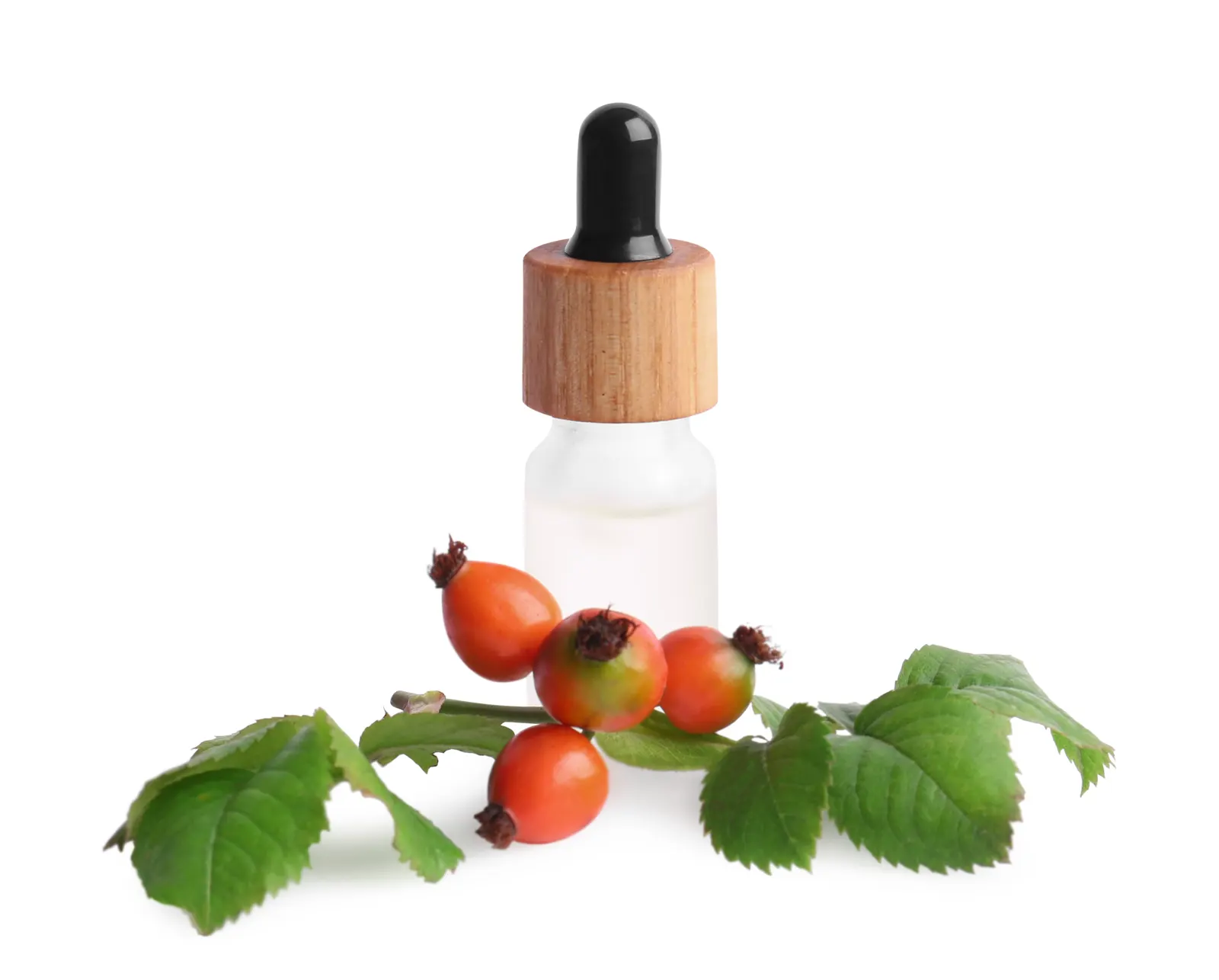 Face oil · BeginnerRosehip & Sea Buckthorn Glow OilA light face oil of rosehip, jojoba and squalane with a touch of sea buckthorn, protected with vitamin E. Three or four drops at night.
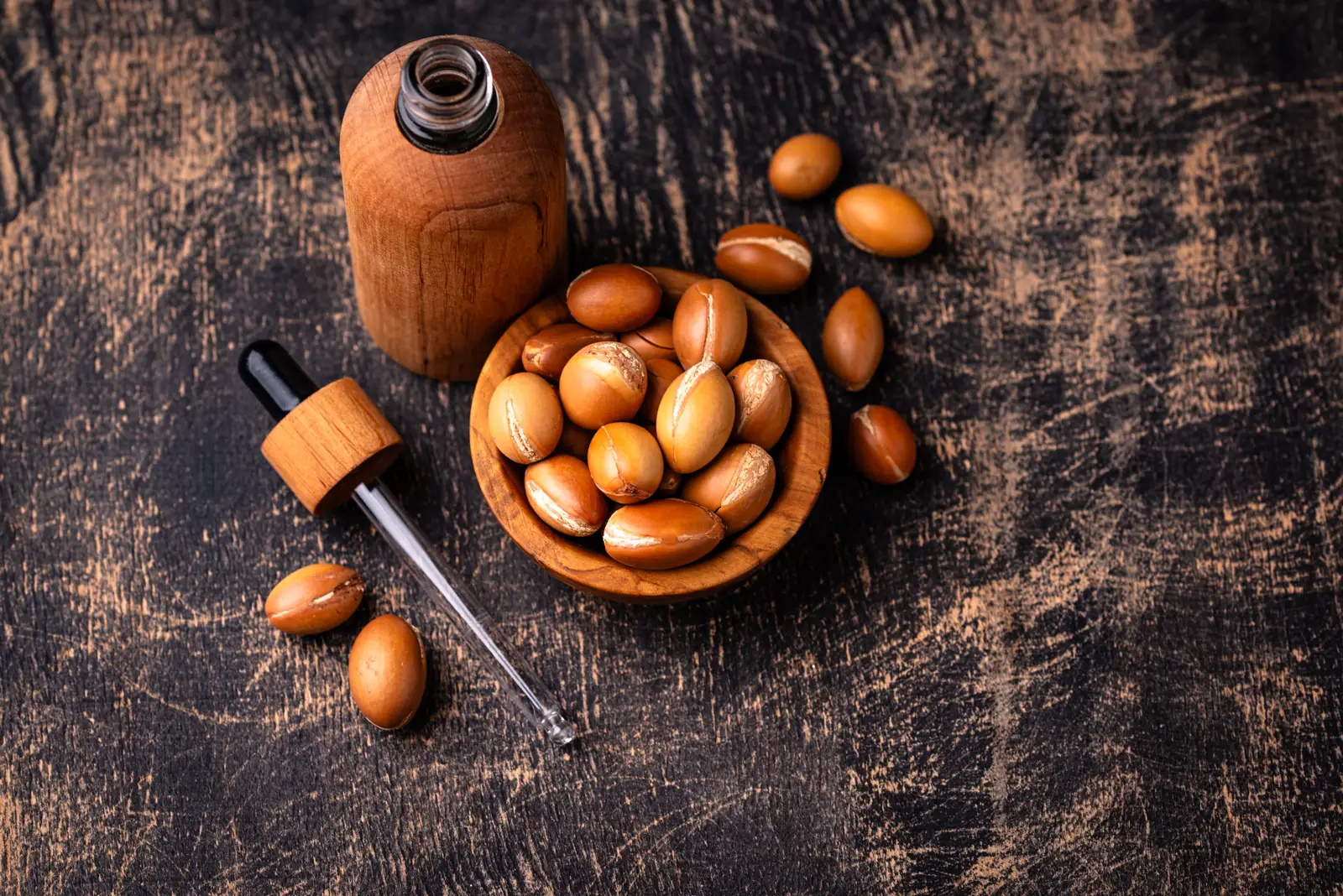 Serum · BeginnerArgan & Prickly Pear Night SerumA Moroccan night oil-serum of argan, prickly pear seed oil and squalane with 1% bakuchiol, a gentle alternative to retinol.
Buying well
Sustainability
Deep-sea sharks hunted for liver oil are slow-breeding, and several species are listed as threatened by the IUCN. NGO campaigns pushed many cosmetic brands to plant-based squalane, but shark squalane is still traded. Choose products that state a plant or fermentation source, ideally with third-party verification. See Sustainable & Ethical Botanical Sourcing.
How to choose quality
Look for “100% plant-derived squalane” with a stated source — olive, sugarcane (fermentation) or amaranth. It should be crystal-clear, odorless and very fluid. Avoid products that do not state origin, and do not confuse squalane with squalene. It keeps for years at room temperature.
The research For professionals
The chemistry, the studies and the evidence by concern, for practitioners, formulators and the curious.
Squalene (C30H50) is a triterpene with six double bonds; the body makes it as a cholesterol precursor, and it makes up roughly a tenth of human sebum. Because of those double bonds, squalene oxidizes readily under UV, and peroxidated squalene is pro-inflammatory and comedogenic in experimental models — one proposed contributor to acne. Squalane (C30H62) is squalene with every double bond hydrogenated: chemically saturated, odorless, colorless and extremely resistant to oxidation.
Squalane works as an emollient: it fills gaps between corneocytes, softens the surface and slows water loss modestly, with a low-viscosity, fast-spreading feel. It is not “skin-identical” in a strict sense — skin contains squalene, not squalane — but it is highly compatible and rarely irritating. It is also a useful solvent for oil-soluble actives such as retinoids or bakuchiol.
Origin matters for ethics, not performance. Historically most cosmetic squalane came from the livers of deep-sea sharks, many of which are threatened. Plant alternatives include squalane from olive-oil refining distillates and from amaranth; a biotech route ferments sugarcane sugars to farnesene, which is coupled and hydrogenated to squalane of very high purity. Laboratory isotope analysis can distinguish shark from plant origin. Clinical trials of squalane alone are few; its use rests on chemistry and decades of tolerability.
Evidence by concern
| Concern | Grade | What the evidence shows |
|---|---|---|
| Dry & Dehydrated Skin | C | A skin-identical, stable, lightweight emollient that reduces roughness; excellent tolerability but limited trial data on its own. |
MythSqualane and squalene are the same thing.
EvidenceThey are not. Squalene, found in sebum and some oils, has six double bonds and oxidizes into irritating, potentially comedogenic products. Squalane is the fully saturated form: stable, inert and gentle. Cosmetic labels list them separately.
In tradition
Shark liver oil was used for centuries by fishing communities in Japan, Norway and elsewhere as a remedy and lamp oil; plant squalane is a modern innovation from olive oil refining and biotechnology.
Frequently asked questions
Is squalane good for acne-prone skin?
What is the difference between squalane and squalene?
Is squalane vegan?
Can I use squalane with retinol or vitamin C?
Cite this page
Herbs.Beauty. Squalane (Squalane (C30H62)): evidence-based monograph. Updated 26 November 2026. https://herbs.beauty/ingredients/squalane.html