Concern guide
Sensitive Skin & Redness
Stinging, burning or flushing? How sensitive skin differs from rosacea and allergy, the botanicals that soothe, and the ones that often cause trouble.
Start here
Your routine, starting tonight
Simple, gentle and consistent beats complicated. Follow this for six to eight weeks before you judge it.
Morning
- Rinse with cool or lukewarm water, or use a very gentle, fragrance-free cleanser.
- Optional soothing toner without alcohol or essential oils, such as Green Tea & Centella Soothing Toner.
- Simple barrier moisturizer.
- Mineral (zinc oxide) or well-tolerated broad-spectrum SPF 30+; green-tinted primers can visually neutralize redness.
Evening
- Gentle cleanse; pat dry.
- Prescribed treatment if you have rosacea.
- Moisturizer; keep the routine to three or four products.
Weekly
- A Calming Oat & Chamomile Mask when skin feels hot or reactive (skip chamomile if you react to daisy-family plants).
- Introduce only one new product at a time, with a patch test first (How to Patch Test).
- Keep a trigger diary for flushing (heat, alcohol, spicy food, stress, products).
What is going on
In plain language: sensitive skin reacts with unpleasant sensations — stinging, burning, tingling, itching or tightness — to things that should not normally bother skin, such as water, a cream, heat or wind. The skin may look normal or slightly red. It is mostly about over-reactive nerve endings and a leaky barrier, not a true allergy.
Expert detail: an international consensus (International Forum for the Study of Itch) defines sensitive skin as a syndrome of unpleasant sensations in response to stimuli that normally should not provoke them, not explained by lesions of a specific skin disease. Mechanisms include heightened cutaneous nerve sensitivity (for example via TRPV1 and related ion channels), impaired barrier function allowing irritants to penetrate, and neurogenic inflammation. Triggers include climate, temperature shifts, stress, hormones, pollution and cosmetics.
What else could it be?
- Rosacea is a chronic inflammatory disease, not just sensitivity: persistent central facial redness, flushing, visible vessels (telangiectasia), sometimes papules and pustules, and in some people thickened skin (rhinophyma) or eye irritation (ocular rosacea). Heat, alcohol, spicy food, sun and exercise trigger flares; Demodex mites and neurovascular dysregulation are involved. It needs medical treatment.
- Irritant contact dermatitis — direct damage from harsh products; anyone can get it with enough exposure.
- Allergic contact dermatitis — an immune (type IV) reaction appearing 1–3 days after contact, often itchy and spreading beyond the application site. Common culprits include fragrance (including essential oils and oxidized linalool and limonene), preservatives such as methylisothiazolinone, and plants of the daisy family (Asteraceae). Dermatologists diagnose it with patch testing.
- Seborrheic dermatitis, eczema and, rarely, lupus or photosensitivity disorders.
The plants most worth trying
 No. 042
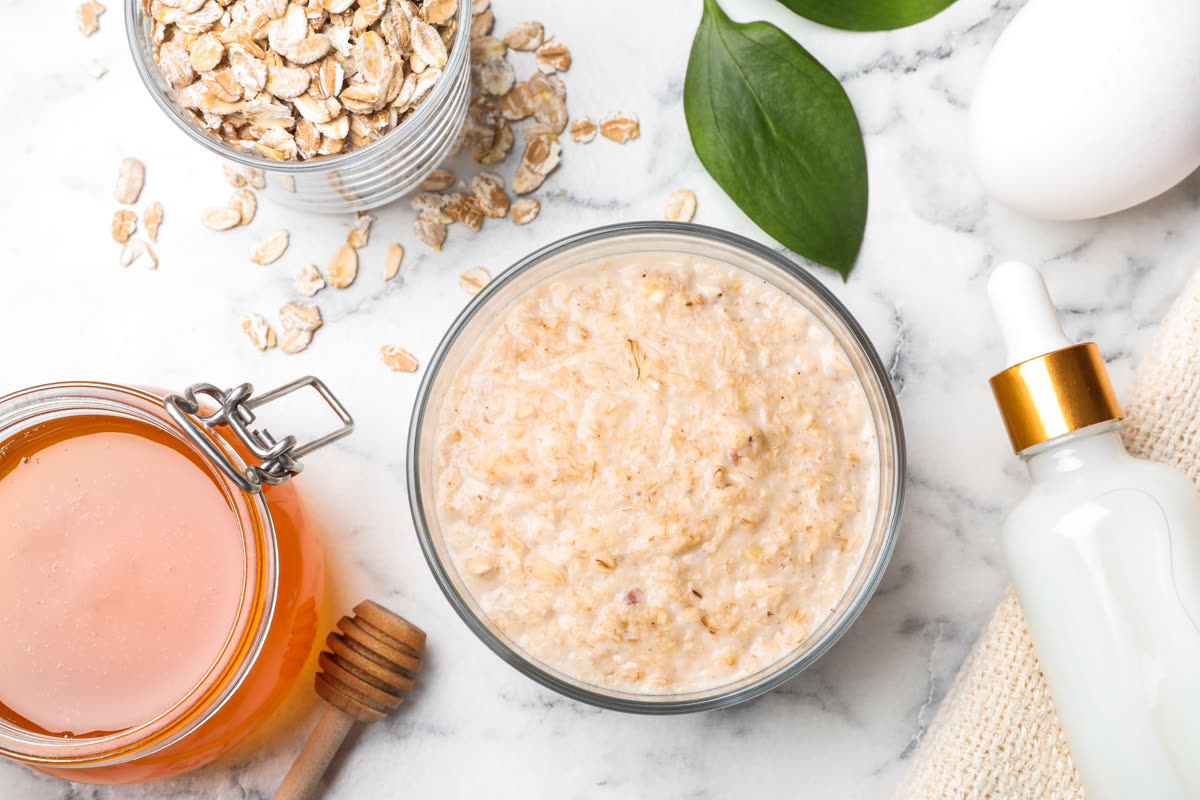
Colloidal OatmealAvena sativa L.Avenanthramides are anti-inflammatory and anti-itch; clinical studies support oatmeal products for irritated, itchy and reactive skin.
 No. 010
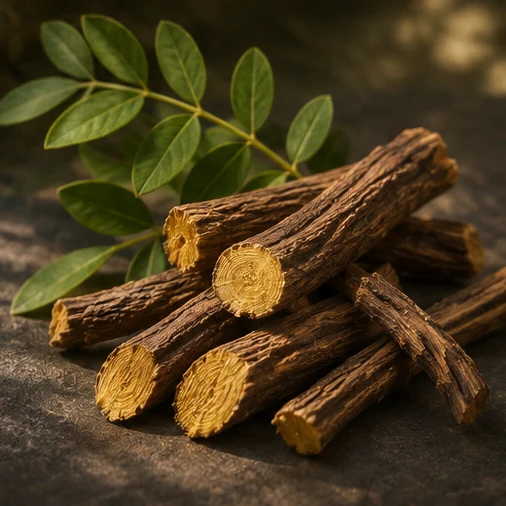
Licorice RootGlycyrrhiza glabraSeveral small, mostly manufacturer-funded trials of licochalcone A products reduced facial redness, including in mild rosacea.
 No. 004
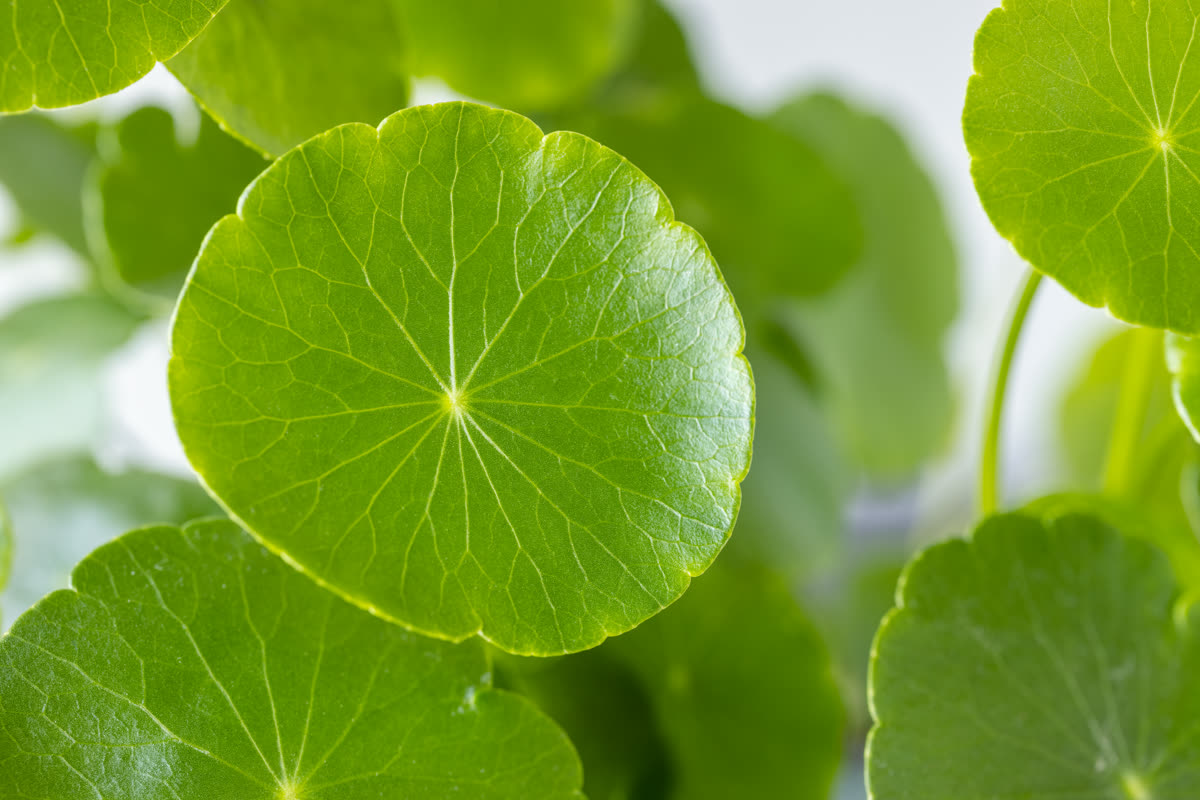
Centella Asiatica (Cica)Centella asiaticaMadecassoside and asiaticoside reduce inflammation and support barrier repair in the lab; small human studies of centella creams show improved…
The full list, best proven first:
| Ingredient | Grade | What the evidence shows |
|---|---|---|
| Colloidal Oatmeal | B | Avenanthramides are anti-inflammatory and anti-itch; clinical studies support oatmeal products for irritated, itchy and reactive skin. |
| Licorice Root | B | Several small, mostly manufacturer-funded trials of licochalcone A products reduced facial redness, including in mild rosacea. |
| Centella Asiatica (Cica) | C | Madecassoside and asiaticoside reduce inflammation and support barrier repair in the lab; small human studies of centella creams show improved redness and comfort. |
| Green Tea | C | EGCG is anti-inflammatory and reduces UV-induced redness; a small trial suggested benefit in papulopustular rosacea. |
| Aloe Vera | C | Soothing and cooling with small supportive studies; choose stabilized gels without alcohol or fragrance, as some products irritate. |
| Chamomile | C | Bisabolol and chamazulene are anti-inflammatory, but chamomile is in the daisy family and can cause allergy in sensitized people. |
Proven partners beyond plants
For sensitive skin, fewer, simpler products are the treatment: a gentle syndet cleanser, a fragrance-free barrier cream (ceramides, glycerin, niacinamide in low strength) and a mineral or well-tolerated broad-spectrum sunscreen. Patch testing by a dermatologist can identify hidden allergens.
For rosacea, proven options are prescription: ivermectin 1% cream, metronidazole, azelaic acid 15%, brimonidine or oxymetazoline for persistent redness, modified-release low-dose doxycycline, and vascular laser or IPL for visible vessels. Botanicals such as colloidal oatmeal and licorice root can calm and comfort alongside these, but they do not treat the underlying disease.
What tends to make it worse
- Fragrance, including “natural” fragrance and essential oils, especially in leave-on products.
- Physical scrubs, cleansing brushes and frequent peels.
- Alcohol-heavy toners, menthol, camphor and peppermint, which tingle because they irritate.
- Witch hazel distillates containing alcohol.
- Very hot water, saunas and abrupt temperature changes if you flush easily.
- Long ingredient lists full of plant extracts — every extract is another possible allergen.
When to see a doctor
- Swelling of the lips, eyelids, tongue or throat, or difficulty breathing after using a product — this is an emergency.
- Persistent facial redness, visible vessels, flushing or bumps (possible rosacea), or burning, gritty, red eyes with facial redness (ocular rosacea).
- An itchy rash that spreads beyond where a product was applied or appears 1–3 days later (possible allergic contact dermatitis — ask about patch testing).
- A butterfly-shaped rash across the cheeks with joint pain, fatigue or sun sensitivity.
- Redness or stinging that continues despite a stripped-back routine for 4–6 weeks.
Find a dermatologist or report a reaction to a cosmetic, wherever you live.
Myths and evidence
MythNatural products are safer for sensitive skin.
EvidenceBotanicals are some of the most common causes of cosmetic allergy — essential oils, propolis and daisy-family plants in particular. “Natural” says nothing about tolerability; short, fragrance-free formulas do.
MythTingling means a product is working.
EvidenceTingling and stinging mean nerve endings are being irritated. For sensitive skin, a product that works should feel like nothing.
MythSensitive skin and rosacea are the same thing.
EvidenceMany people with rosacea have sensitive skin, but rosacea is a specific inflammatory disease with persistent redness and flushing that responds to prescription treatment.
Recipes to try at home
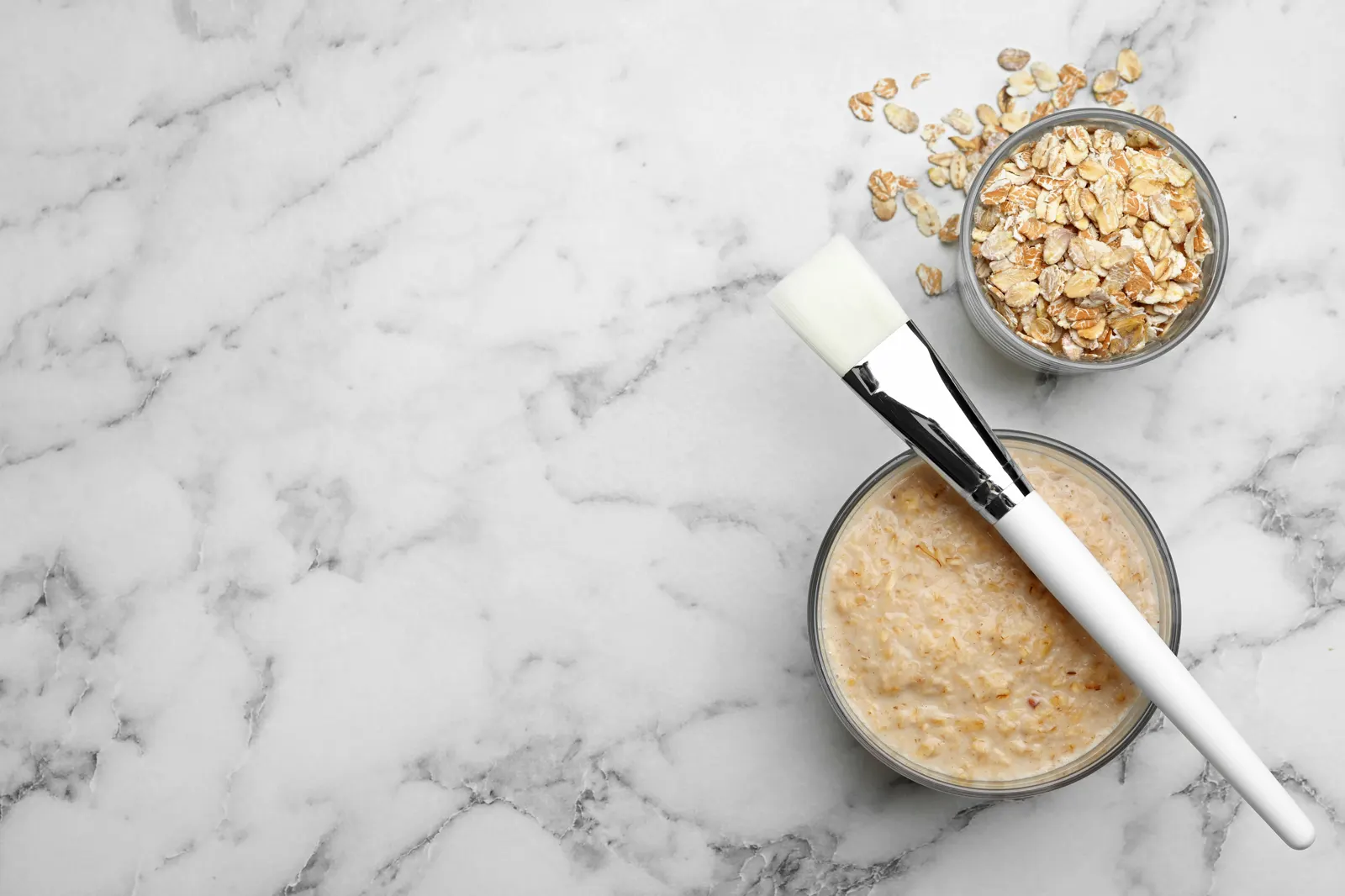 Mask · BeginnerCalming Oat & Chamomile MaskA soothing single-use paste of colloidal oatmeal, cooled chamomile tea, honey and aloe for skin that feels hot, tight or reactive.
 Bath · BeginnerColloidal Oat Soothing BathA lukewarm colloidal oatmeal soak with a little sunflower oil and marshmallow root to calm itchy, dry or eczema-prone skin.
 Toner · IntermediateGreen Tea & Centella Soothing TonerA preserved, alcohol-free toner with green tea, centella, witch hazel and panthenol to hydrate and calm, formulated to pH 5.0–5.5.
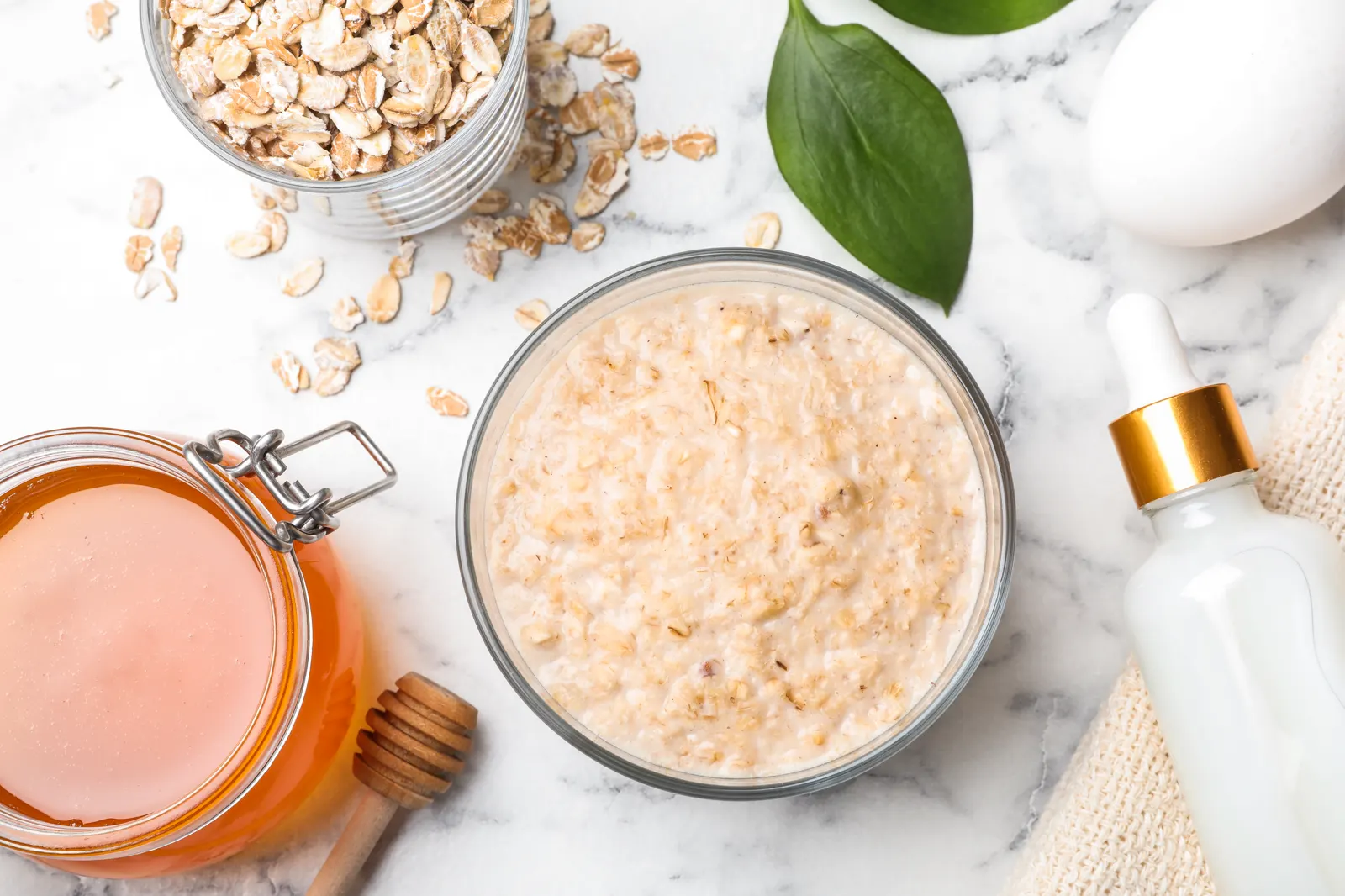 Cleanser · BeginnerHoney & Oat Gentle CleanserA no-foam, single-use cleansing paste of raw honey, colloidal oatmeal, rose water and jojoba for dry or sensitive skin that hates feeling squeaky.