Concern guide
Dandruff & Itchy Scalp
Dandruff is not dry scalp: the role of Malassezia yeast, why medicated shampoos work, how tea tree helps, and why heavy oiling can backfire.
Start here
Your routine, starting tonight
Simple, gentle and consistent beats complicated. Follow this for six to eight weeks before you judge it.
Morning
- On wash days, massage a medicated shampoo into the scalp (not just the hair), leave for 3–5 minutes, rinse thoroughly.
- Condition the lengths only, keeping heavy conditioners off the scalp.
Evening
- For itch, a light, alcohol-free soothing tonic such as Nettle & Rosemary Scalp Tonic (patch test first).
- Avoid going to bed with heavy oils or masks on the scalp.
Weekly
- Wash often enough to control oil and yeast — for many people every 1–2 days during flares.
- Rotate between two anti-dandruff actives, or alternate with a gentle shampoo once controlled.
- An occasional acidic Hibiscus Shine Hair Rinse can leave hair soft and smooth, but it does not treat dandruff.
What is going on
In plain language: everyone has a yeast called Malassezia on their scalp. It feeds on scalp oil, breaking it down into fatty acids. In some people these by-products irritate the scalp, which speeds up skin-cell turnover and produces visible flakes and itch.
Expert detail: dandruff (pityriasis capitis) sits at the mild end of a spectrum with seborrheic dermatitis, which adds redness and greasy yellowish scale and may affect the eyebrows, sides of the nose, ears, beard and chest. Malassezia globosa and M. restricta are lipid-dependent; their lipases release unsaturated fatty acids such as oleic acid that penetrate and inflame susceptible scalps. Individual susceptibility (barrier and immune response), sebum levels, stress, cold dry weather and infrequent washing influence severity. Seborrheic dermatitis is more frequent and severe in people with Parkinson’s disease or HIV infection. In infants it appears as cradle cap.
Look-alikes: dry scalp (small, fine white flakes, often with dry skin elsewhere, worse with frequent washing); scalp psoriasis (thick, silvery, well-defined plaques often extending beyond the hairline); contact dermatitis (often after hair dye, especially PPD); and tinea capitis (scaling with hair loss, usually in children).
The plants most worth trying
 No. 008
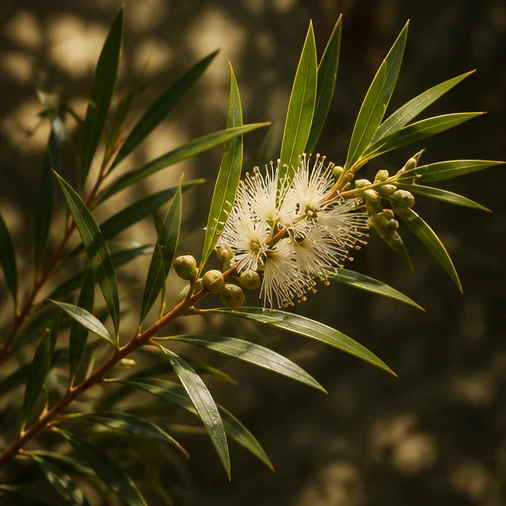
Tea TreeMelaleuca alternifoliaA randomized, placebo-controlled trial of 5% tea tree oil shampoo improved dandruff severity, itch and greasiness over four weeks.
 No. 001
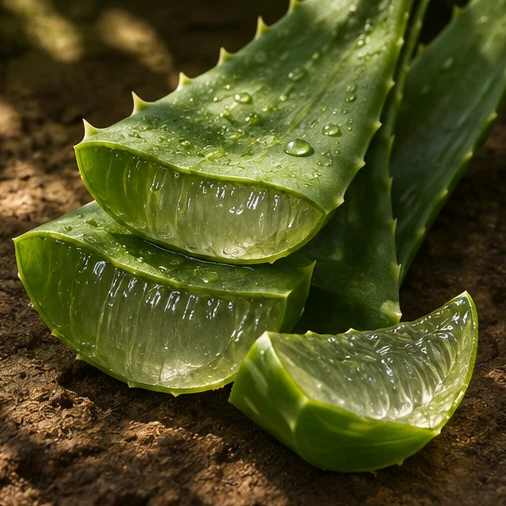
Aloe VeraAloe veraA small double-blind trial found an aloe emulsion reduced scaling and itch in seborrheic dermatitis.
 No. 041
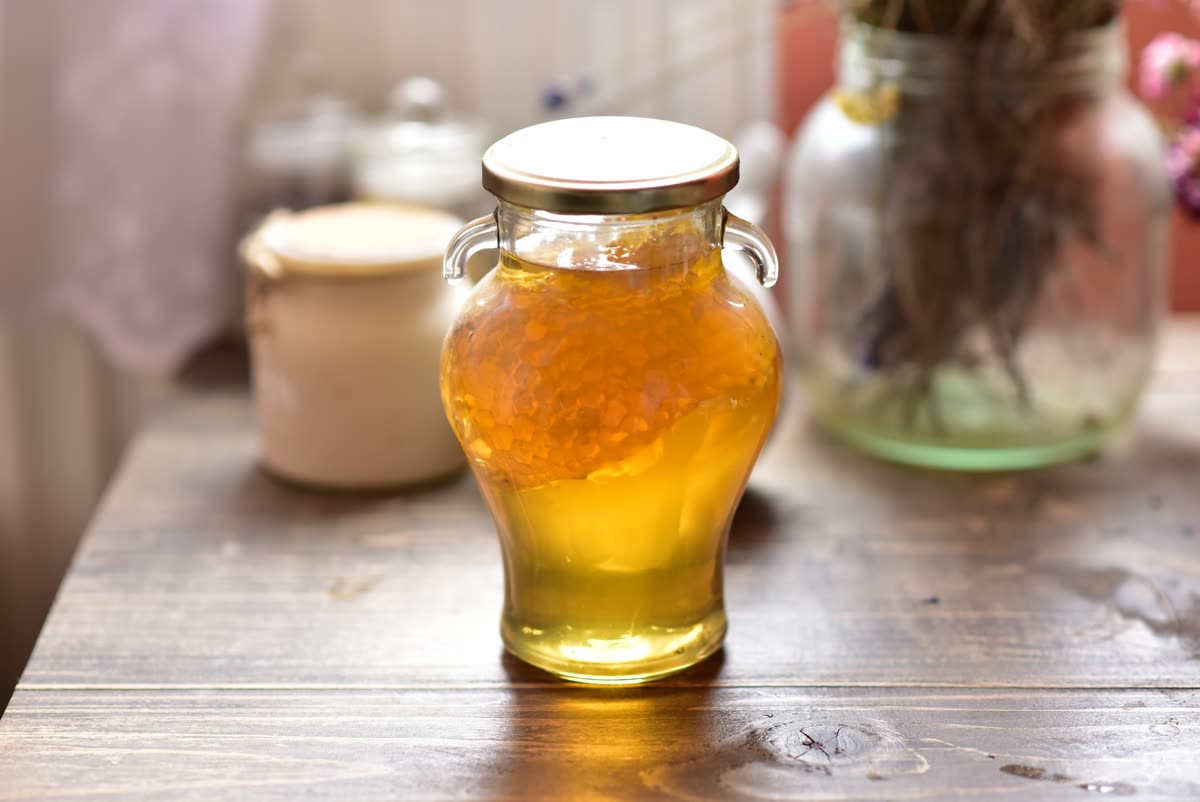
HoneyMel (product of Apis mellifera L.)A small uncontrolled study of diluted crude honey applied to seborrheic dermatitis reported reduced itch and scaling; needs confirmation.
The full list, best proven first:
| Ingredient | Grade | What the evidence shows |
|---|---|---|
| Tea Tree | B | A randomized, placebo-controlled trial of 5% tea tree oil shampoo improved dandruff severity, itch and greasiness over four weeks. |
| Aloe Vera | C | A small double-blind trial found an aloe emulsion reduced scaling and itch in seborrheic dermatitis. |
| Honey | C | A small uncontrolled study of diluted crude honey applied to seborrheic dermatitis reported reduced itch and scaling; needs confirmation. |
| Neem | D | Antifungal activity in the lab and traditional Ayurvedic use; no good human trials for dandruff. |
| Rosemary | D | Antimicrobial in vitro and used traditionally in scalp rinses; no clinical dandruff data. |
| Black Seed Oil | D | Thymoquinone shows antifungal activity in the lab; as an oil it may also feed Malassezia, so evidence is uncertain. |
Proven partners beyond plants
Medicated anti-dandruff shampoos are the gold standard and work for most people:
- Ketoconazole shampoo (1–2%; some strengths prescription-only depending on country) — highly effective antifungal; use 2–3 times weekly, leaving the lather on for 3–5 minutes, then once weekly for maintenance.
- Selenium sulfide, ciclopirox and piroctone olamine (widely used in EU products); zinc pyrithione is still common in many countries but has been banned in EU cosmetics since 2022 as a precaution.
- Salicylic acid or coal tar shampoos to loosen thick scale.
- Short courses of a topical steroid or calcineurin inhibitor, prescribed for inflamed seborrheic dermatitis.
Rotating two actives often helps. A tea tree shampoo is a reasonable option for mild dandruff or as part of a rotation; aloe vera can soothe itch. Avoid heavy scalp oiling while you have active dandruff.
What tends to make it worse
- Heavy scalp oiling (olive, coconut or butter-based), which supplies Malassezia with lipids and can worsen flakes in some people.
- Scratching with nails or combs, which inflames the scalp.
- Infrequent washing during a flare.
- Strongly fragranced products and undiluted essential oils on an inflamed scalp.
- Using medicated shampoos briefly and rinsing immediately — contact time matters.
When to see a doctor
- Thick, silvery plaques, especially extending beyond the hairline or with plaques elsewhere (possible psoriasis).
- Patches of hair loss, broken hairs or swollen glands in the neck, particularly in a child (possible fungal infection).
- Oozing, crusting, pain or a boggy swelling (kerion) on the scalp.
- A sudden, severe or widespread seborrheic dermatitis, which can occasionally signal an underlying condition.
- An itchy, red, swollen scalp after hair dyeing (possible allergy — seek care urgently if the face swells).
- No improvement after 4–6 weeks of correctly used medicated shampoo.
Find a dermatologist or report a reaction to a cosmetic, wherever you live.
Myths and evidence
MythDandruff is caused by a dry scalp, so oil it.
EvidenceDandruff is linked to oil-loving Malassezia yeast. Oiling may feel soothing but can worsen it; a true dry scalp is a different, less common problem.
MythDandruff means poor hygiene.
EvidenceIt reflects individual sensitivity to a normal yeast and sebum. Washing more often helps control it, but people with excellent hygiene still get dandruff.
MythNatural remedies work as well as medicated shampoos.
EvidenceTea tree oil shampoo has one good trial, but ketoconazole and other medicated shampoos have much stronger and more consistent evidence.
Recipes to try at home
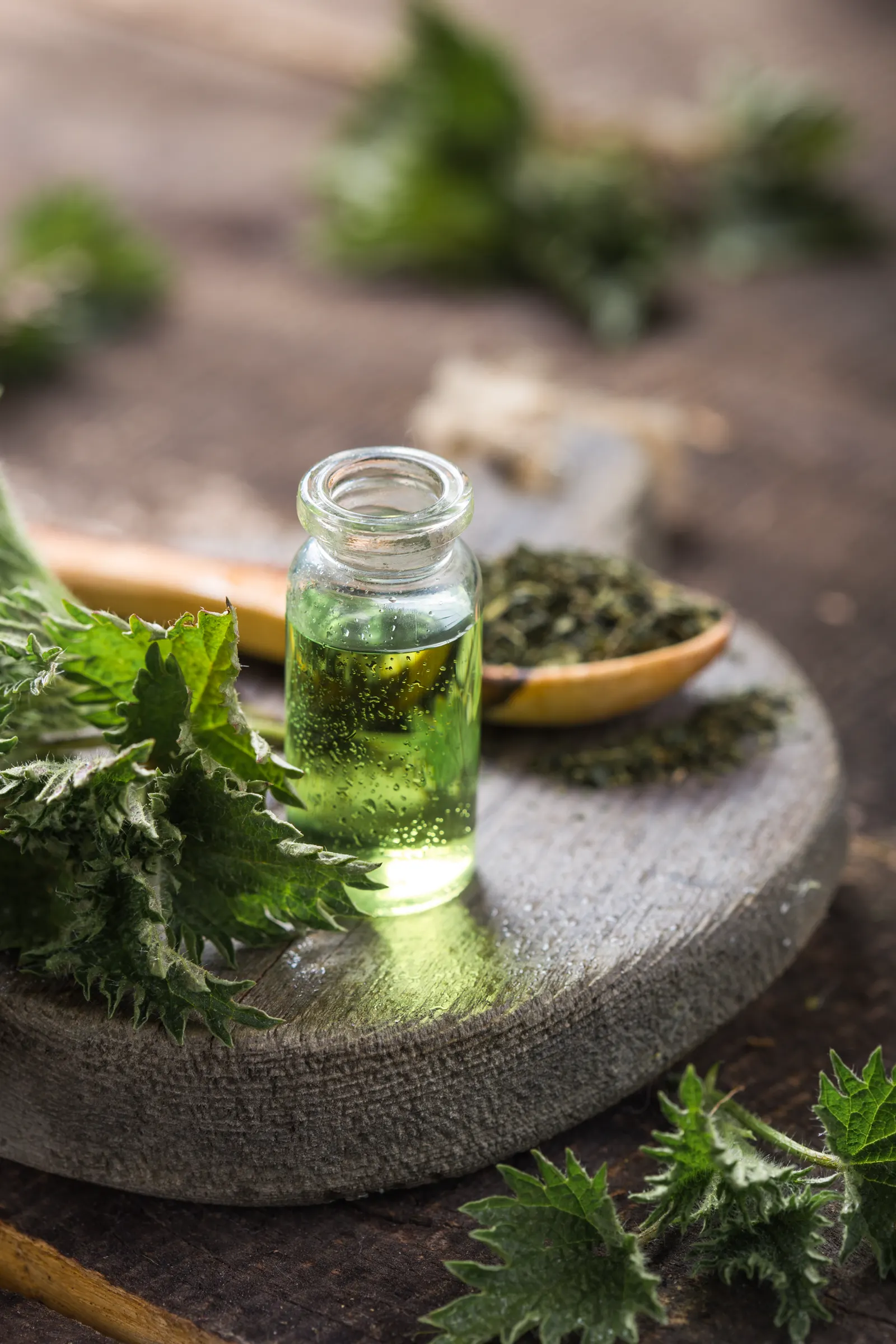 Hair care · IntermediateNettle & Rosemary Scalp TonicA preserved leave-on scalp tonic with nettle and rosemary extracts, solubilized rosemary oil and panthenol, at a scalp-friendly pH of 4.5–5.5.
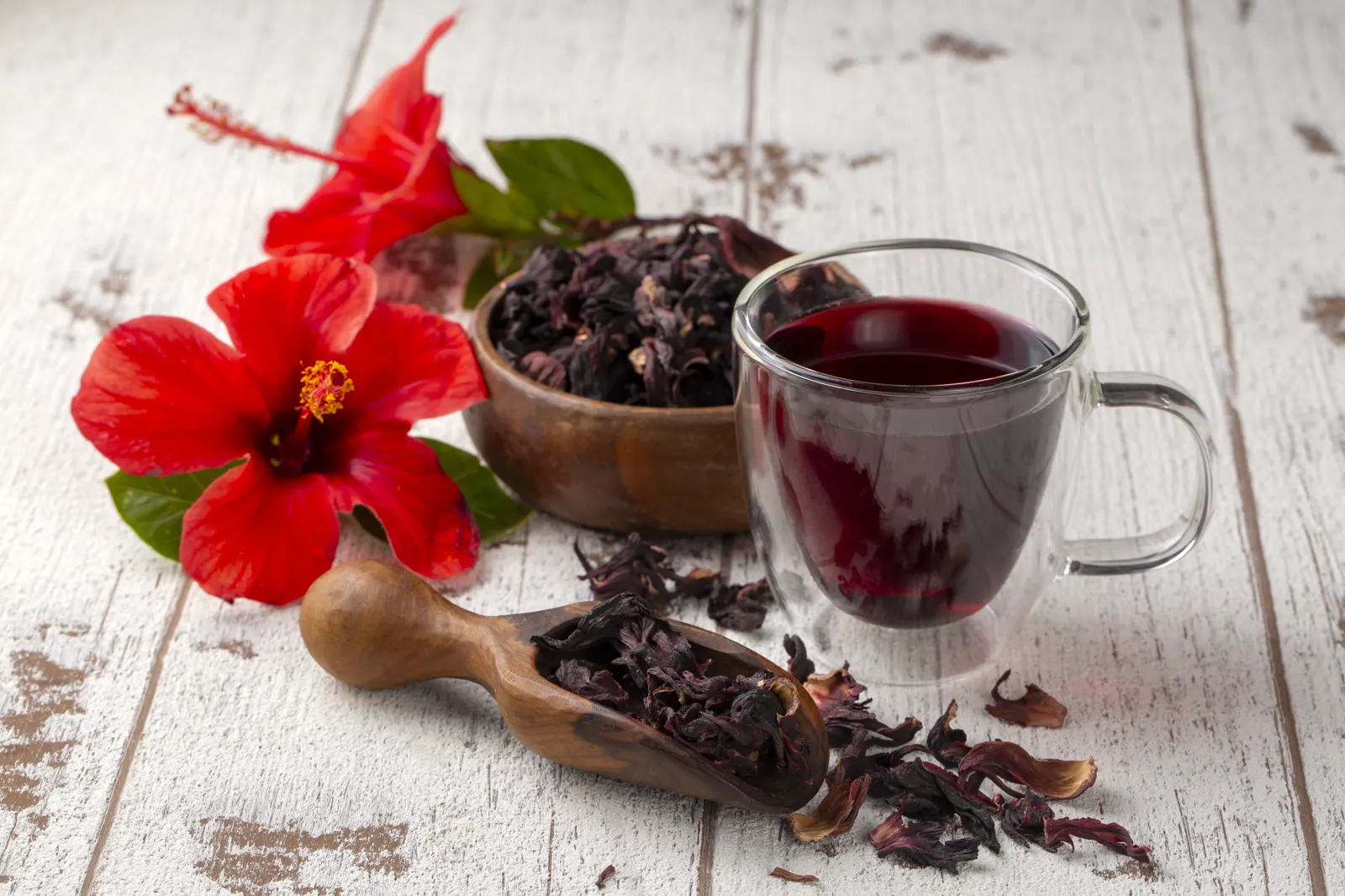 Hair care · BeginnerHibiscus Shine Hair RinseA tangy hibiscus and rosemary infusion poured over clean hair as a final rinse to smooth the cuticle and boost shine. Make it fresh each time.