World traditions · Europe & the North Atlantic
The European Herbal
Calendula, chamomile, lavender and the monastery garden
The cloister and the kitchen garden
The oldest surviving plan of a European monastery, drawn at the abbey of Reichenau around 820 and kept at St Gall in Switzerland, includes a small rectangle labeled as a physic garden, with beds for sage, rue, roses, lilies, fennel, cumin and other plants, placed conveniently beside the physician’s house. A few decades later Walafrid Strabo, abbot of Reichenau, wrote a Latin poem about his own garden, describing the plants he grew and what they were for. Monasteries copied and preserved classical medical texts, above all the first-century Greek De Materia Medica of Dioscorides, and grew the plants those texts described.
Outside the cloister, herbal knowledge belonged above all to women: housewives, midwives and village healers who rarely wrote anything down. From the sixteenth century, the wealthier households of England and northern Europe kept still-rooms, where the lady of the house distilled flower waters, made salves and cordials and recorded recipes in handwritten books, many of which survive in archives today. Cottage gardens kept the same plants in humbler form: marigolds, chamomile, lavender, sage and roses, grown for the pot, the medicine shelf and the bees.
Universities followed. Padua founded a botanical garden in 1545 to teach medical students to recognize plants, and physic gardens in Oxford, Leiden and London’s Chelsea soon joined it. Botany and medicine were, for a long time, the same subject.
Hildegard, Culpeper and how to read an old herbal
Two names dominate popular accounts of European herbalism. Hildegard of Bingen, the twelfth-century German abbess, composer and visionary, wrote works on natural history and healing that describe hundreds of plants, animals and stones in terms of the humoral theory of her time. Nicholas Culpeper, a seventeenth-century London apothecary, translated the official pharmacopoeia into English so that ordinary people could treat themselves, and his herbal, still in print, assigns each plant to a ruling planet.
Both are remarkable, and both deserve to be read as what they are: windows into how people understood the body before modern physiology, chemistry and the clinical trial. Hildegard’s remedies rest on the four humors; Culpeper’s on astrology and on the doctrine of signatures, the idea that a plant’s shape or color reveals its use. Neither tested their recommendations in any way we would recognize. Some of the plants they praised do have real pharmacological effects; others do not; a few are genuinely harmful.
So when a product claims to follow an “ancient monastic recipe”, enjoy the history, then look for modern evidence. Our Natural vs Synthetic: What Actually Matters guide explains why “traditional” and “safe” are not the same word, and our Infused Oils, Hydrosols & Extracts guide shows how herbalists’ infused oils and tinctures translate into modern formulation.
The soothing flowers: calendula and chamomile
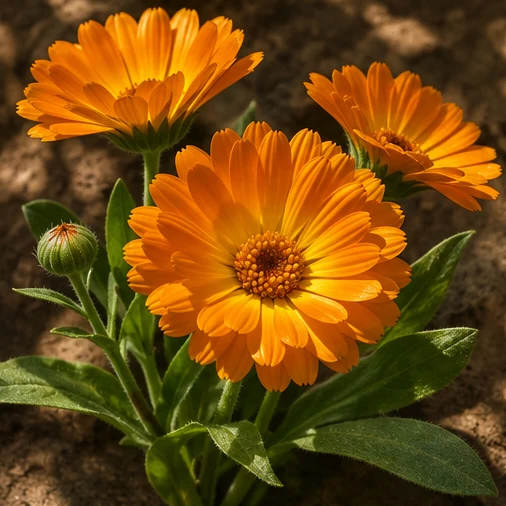
The pot marigold, Calendula officinalis, earned its name because it went into the pot: its petals colored and flavored soups and stews. It was also the cottage gardener’s first salve, the flowers steeped in oil or lard for chapped hands and grazes. Calendula is one of the better-studied flowers in this tradition. Its triterpenoid esters and flavonoids are anti-inflammatory in laboratory work, animal studies support wound healing, and a French randomized trial in women receiving radiotherapy for breast cancer found less severe skin reactions with calendula cream than with a comparison cream. A later trial, using a different comparison, found no difference, so the evidence is mixed, but calendula remains a sensible, gentle choice for dry, irritated and chafed skin.
Chamomile comes in two kinds: German chamomile, Matricaria chamomilla, an annual with a hollow cone, and Roman chamomile, Chamaemelum nobile, a low perennial once planted as lawns. Chamomile tea has been a European nursery remedy for centuries. German chamomile owes its soothing reputation to bisabolol and to chamazulene, the compound that turns its distilled oil inky blue. Older, small trials suggest chamomile creams can calm mild dermatitis, though not as strongly as medical anti-inflammatories.
Both belong to the daisy family, Asteraceae, which also includes ragweed, arnica and echinacea. People allergic to any of these can react to calendula or chamomile, even in tea bags used as compresses. Our Calendula Comfort Balm and Calming Oat & Chamomile Mask are good introductions after a patch test.
Lavender and the scent of Provence
The purple plateau of Valensole in high summer is one of the most photographed landscapes in Europe, but most of what grows there is lavandin, Lavandula × intermedia, a vigorous, camphoraceous hybrid used widely in soaps and detergents. True or fine lavender, Lavandula angustifolia, prefers higher, poorer ground, and Haute-Provence lavender oil has carried a protected designation since the early 1980s. The Romans, according to tradition, scented their baths with lavender, and its name is often linked to the Latin for washing, though the etymology is uncertain.
Lavender oil’s main components, linalool and linalyl acetate, are pleasant and calming to smell, and some human studies, of mixed quality, suggest lavender aroma can ease anxiety a little. On the skin the picture is more cautious. Lavender has mild antimicrobial activity, but as the oil ages and oxidizes, linalool forms compounds that are significant contact allergens, and lavender is now a recognized cause of fragrance allergy. Case reports of breast growth in boys using lavender and tea tree products have been published and debated; the link is not proven, but it is a reason for restraint in children.
Use lavender oil fresh, diluted to 1% or less on the face and 2 to 3% on the body, and keep the bottle tightly closed and cool. The same rule applies to Damask rose oil, whether from the May roses of Grasse or the apothecary’s rose, Rosa gallica ‘Officinalis’, grown for medicine and conserves around Provins since the Middle Ages; our Essential Oil Safety: The Complete Guide guide has the details.
Bruises, sprains and sunlight: arnica, comfrey and St. John’s wort
Three plants of the old herbal deserve both respect and care.
Arnica, Arnica montana, grows in mountain meadows across Europe and is protected or regulated in several countries because of overcollection. Arnica gels are widely used for bruises and muscle aches, and a randomized trial in hand osteoarthritis found an arnica gel comparable to an ibuprofen gel. Evidence for bruising is mixed. Arnica must never go on broken skin, is a well-known cause of contact allergy in people sensitive to the daisy family, and is toxic if swallowed. Highly diluted homeopathic arnica has no effect beyond placebo in good trials.
Comfrey, Symphytum officinale, was “knitbone” to cottage healers. Several randomized trials support comfrey root creams for sprains, bruises and back and muscle pain. But comfrey contains pyrrolizidine alkaloids, which can cause serious liver damage, so it must never be taken internally, should only be used on unbroken skin for limited periods, and should be avoided in pregnancy, breastfeeding and young children. Choose products made from alkaloid-reduced extracts.
St. John’s wort, Hypericum perforatum, flowers around Midsummer and St. John’s Day in late June. Its yellow flowers, steeped in oil, turn it deep red, the “red oil” of folk wound care. Hypericin, the red pigment, is photosensitizing, so skin treated with it should be kept out of strong sun. Taken by mouth, St. John’s wort interacts dangerously with many medicines, including oral contraceptives, anticoagulants, antidepressants and HIV drugs; anyone considering it should speak to a pharmacist first.
Nettle, sage and the herbal hair rinse
In the cottage garden, the hair was rinsed with what grew by the door. Stinging nettle, Urtica dioica, gathered young in spring with gloves on, was steeped for hair rinses and eaten as soup. Its sting comes from tiny hollow hairs that inject histamine and other irritants, and cooking or drying disarms them. Nettle root has evidence as an oral treatment for prostate symptoms, but evidence that nettle rinses reduce hair loss or dandruff is thin; they are pleasant, gently astringent rinses.
Sage, Salvia officinalis, was so valued that the medieval medical verses of the school of Salerno asked why anyone should die who had sage growing in the garden. A strong sage infusion was used to darken graying hair, and sage tea for sore throats and sweating. Sage extracts are antioxidant and antimicrobial in the laboratory, but its essential oil contains thujone, which can trigger seizures in large amounts. Sage oil should be avoided in pregnancy and by people with epilepsy; a cooled tea rinse is a gentler way to enjoy it. Our Nettle & Rosemary Scalp Tonic is a preserved modern version of the herbal rinse.
From the New World and the sea: witch hazel and seaweed
One of the most familiar bottles in a European bathroom is not European at all. Witch hazel, Hamamelis virginiana, is native to the woods of eastern North America, where Indigenous peoples used its bark and leaves in decoctions and poultices for swellings, cuts and sore muscles long before European settlers adopted it. A distilled witch hazel water was being produced commercially in New England in the nineteenth century and spread from there. Most distilled witch hazel contains alcohol and little of the plant’s astringent tannins; tannin-rich extracts are a different product. It can soothe minor irritation and tighten the look of pores briefly, but the alcohol can dry sensitive skin.
On the coast of Brittany, the sea itself became part of the herbal. Breton goémoniers have harvested seaweed (brown algae) for centuries, for fertilizer, food and later for alginates. In the late nineteenth century, French doctors developed thalassotherapy, treatments using warmed seawater, sea air, mud and seaweed wraps, and Roscoff became one of its early centers. Seaweed extracts contain polysaccharides that hold water on the skin, minerals and antioxidants, and they make useful humectants. The wider claims of thalassotherapy, from slimming to firming, rest on little evidence beyond relaxation, which is a fine reason to go.
The European herbal is best read like a family recipe book: with affection, with curiosity, and with a pencil to note what has since been tested.
The signature plants
CalendulaBGood evidenceThe pot marigold of cottage gardens and the first homemade salve; gentle, with mixed but encouraging evidence for irritated skin.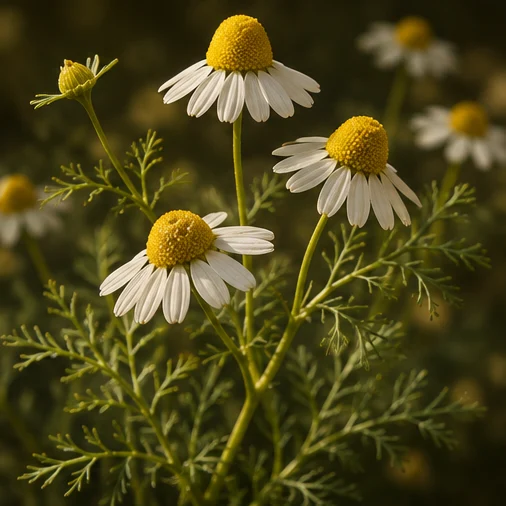 ChamomileCPromisingThe nursery tea of Europe; bisabolol and chamazulene give it a soothing reputation, with daisy-family allergy to watch.
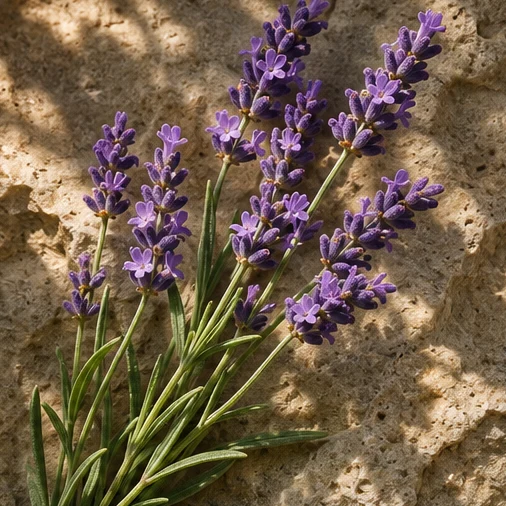 LavenderCPromisingFine lavender of high Provence, not the lavandin of postcards; calming to smell, but a sensitizer when oxidized.
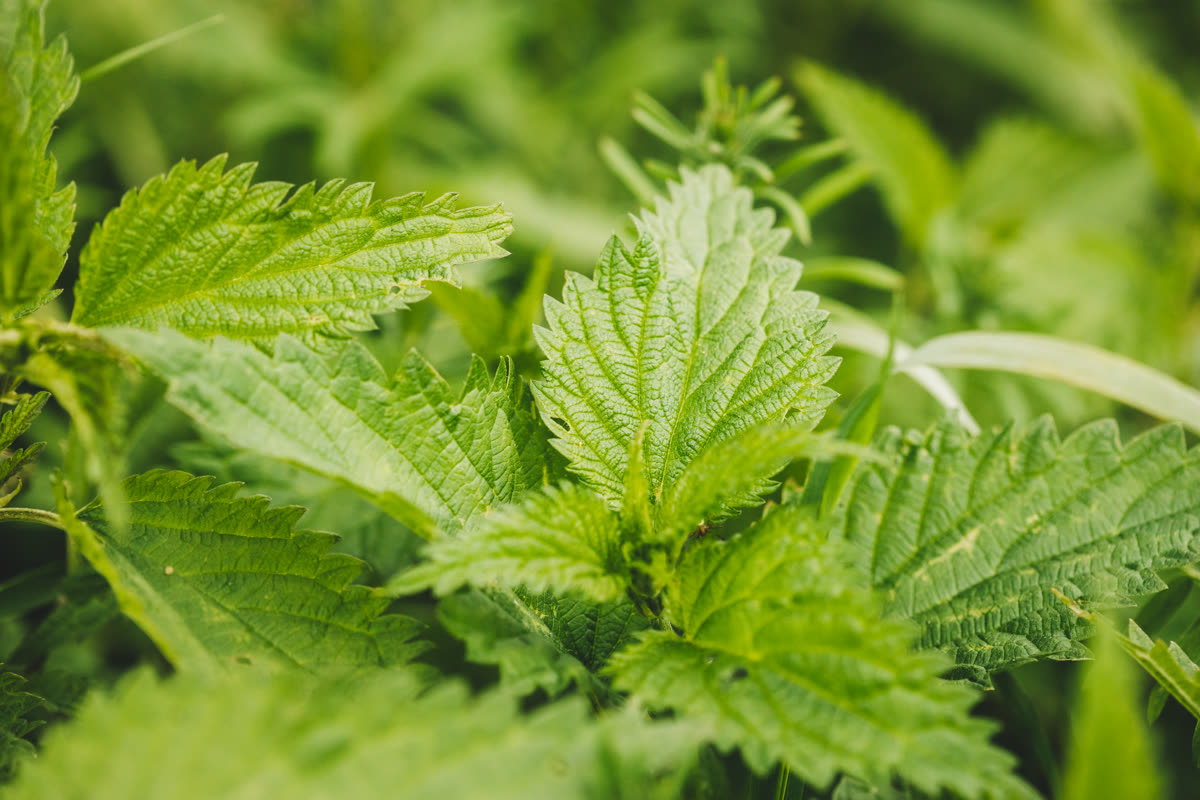 Stinging NettleDTraditional wisdomGathered young in spring for soups and hair rinses; pleasant and astringent, with little evidence for hair growth.
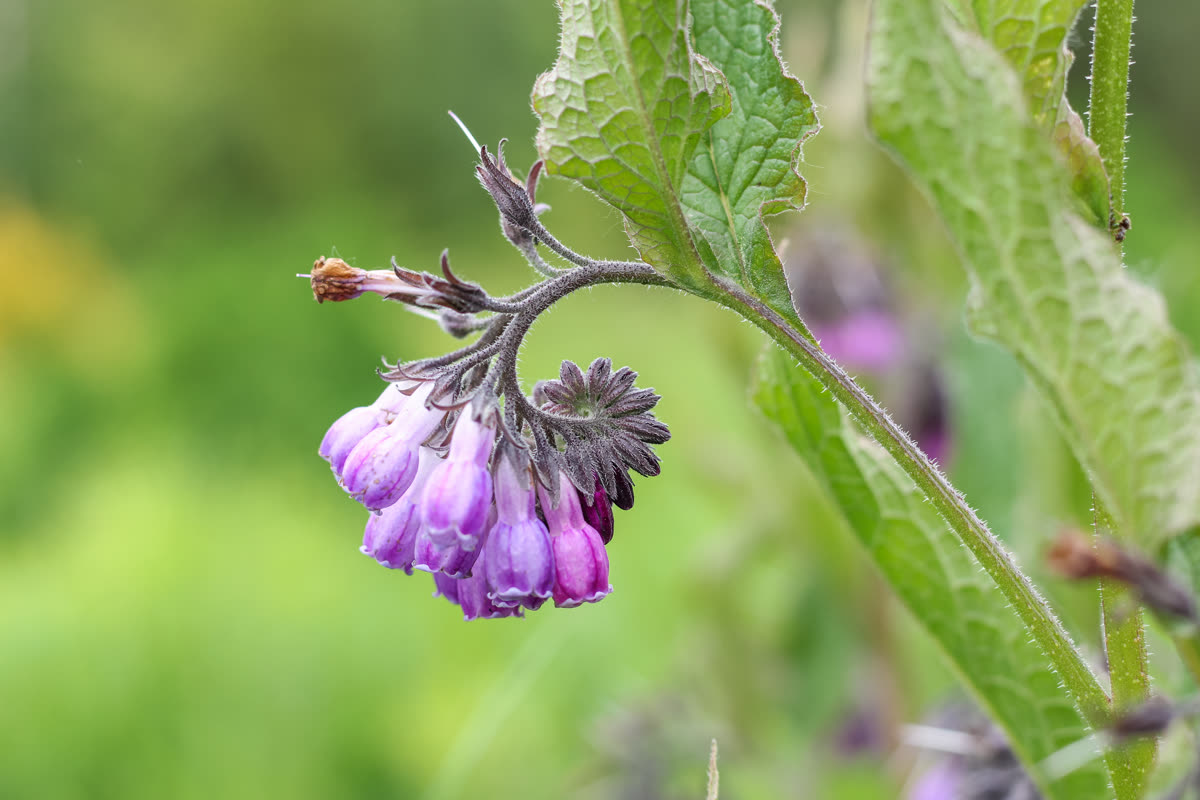 ComfreyBGood evidenceThe cottage “knitbone”, with good trials for sprains, but for unbroken skin only and never internally.
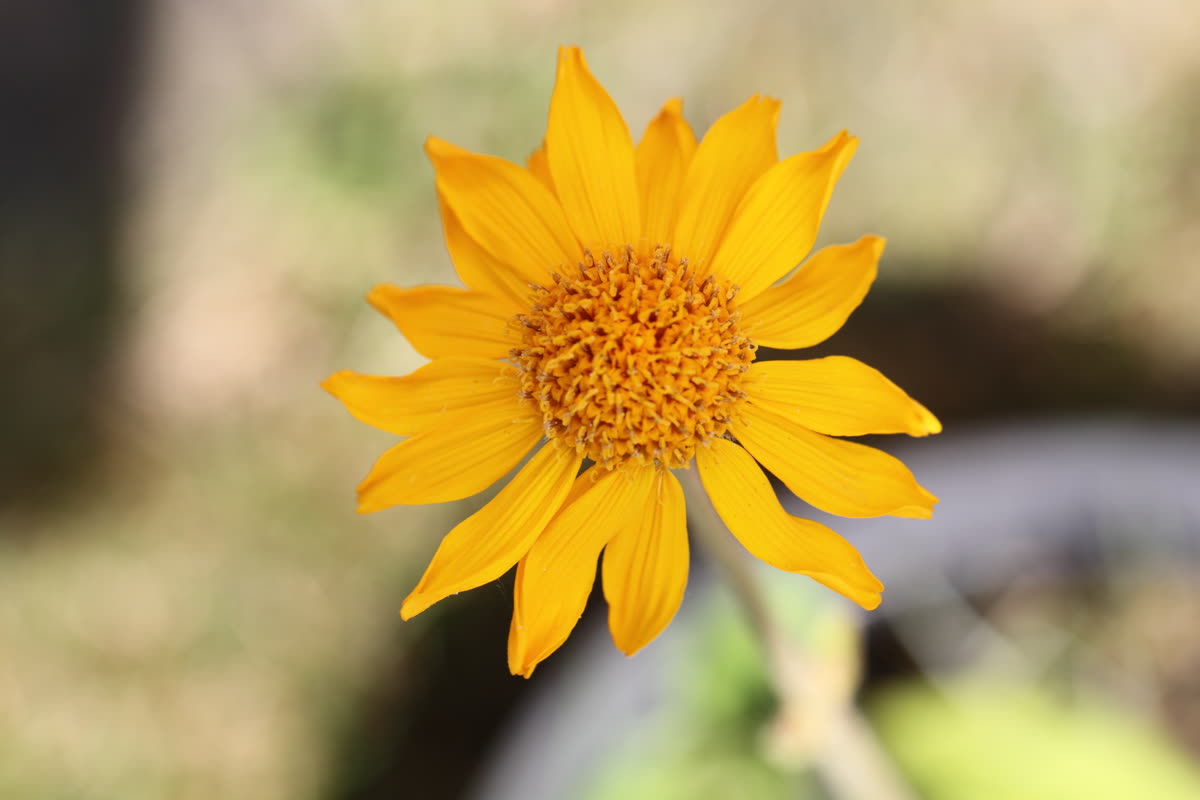 ArnicaCPromisingA protected mountain flower; useful gels for aches and bruises, never on broken skin or by mouth.
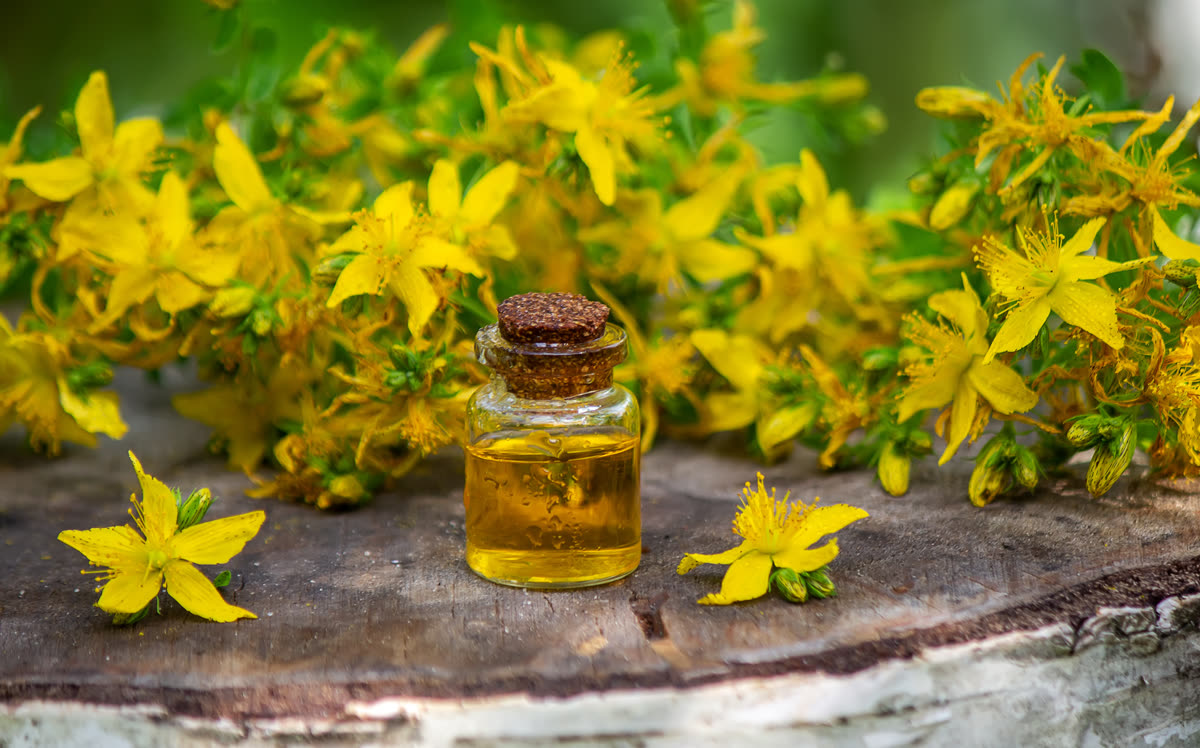 St. John’s WortCPromisingThe midsummer “red oil” of folk wound care; photosensitizing on skin and full of drug interactions by mouth.
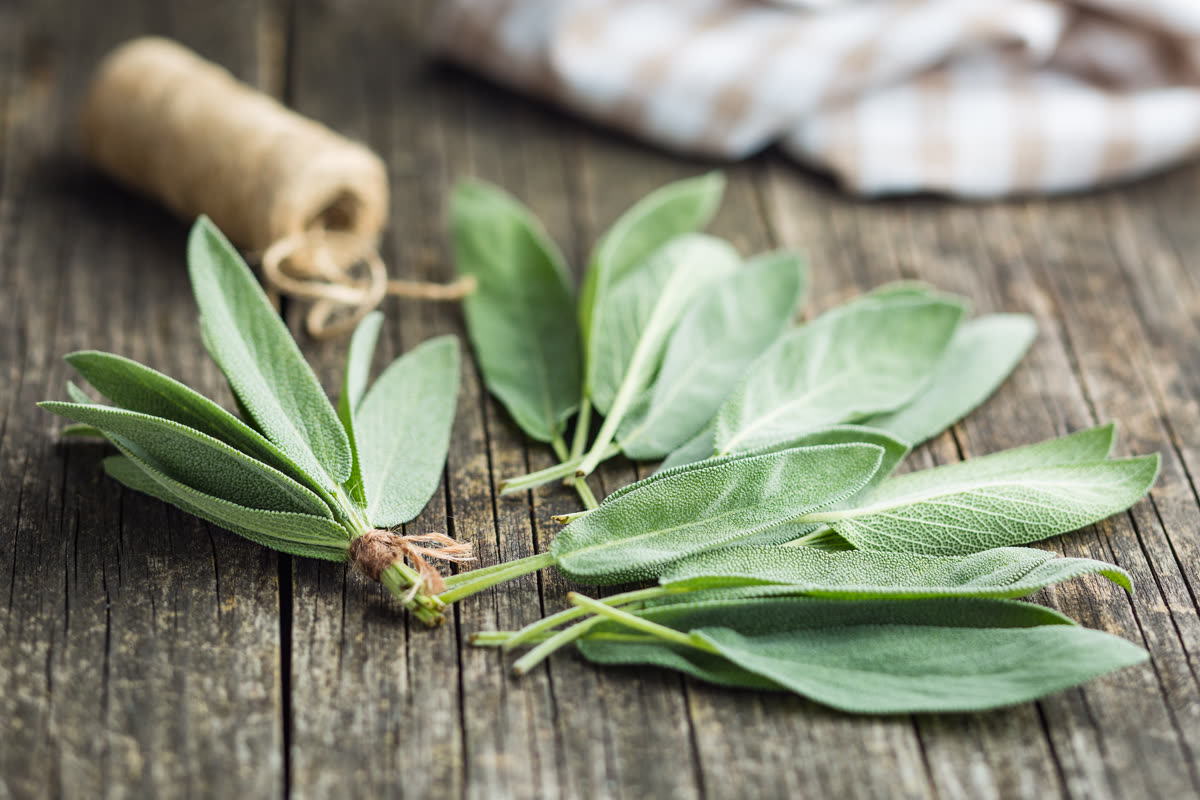 SageCPromisingThe monastery’s most praised herb and a traditional darkening rinse; its oil contains thujone, so keep to tea-strength.
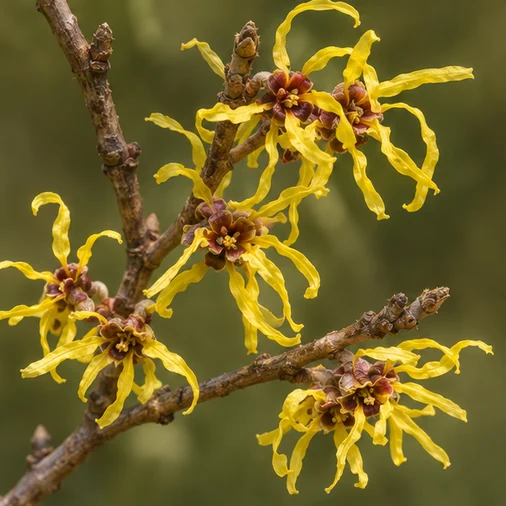 Witch HazelCPromisingNative to North America and borrowed from Indigenous medicine; a familiar astringent water that can dry sensitive skin.
 Seaweed (Brown Algae)CPromisingHarvested by Breton goémoniers and central to thalassotherapy; a reliable humectant in modern formulas.
A cottage-garden calendula oil
- Use only fully dried calendula flowers, bought from a herb supplier or dried at home until crisp; fresh flowers carry water that can let mold and bacteria grow in oil. If you are allergic to ragweed, daisies or chamomile, choose a different project.
- Fill a clean, completely dry glass jar loosely halfway with the dried flowers and cover them by two centimeters with sunflower oil or another light oil. Stir with a dry spoon to release air bubbles.
- Stand the jar, lid on, in a bowl of warm water (around 40 to 50 °C) for two to three hours, topping up the warm water as it cools. This gentle heat speeds infusion without frying the flowers.
- Strain through a fine cloth, squeezing gently, into a clean, dry bottle. Label it with the date and keep it cool and dark; use within six months, and discard it if it smells sharp or looks cloudy.
- Patch test on the inner arm as in our guide (twice daily for 7 days, read at 48 and 96 hours), then massage a little into dry hands, cuticles or rough elbows, or use it as the base of our Calendula Comfort Balm.
Continue the journey
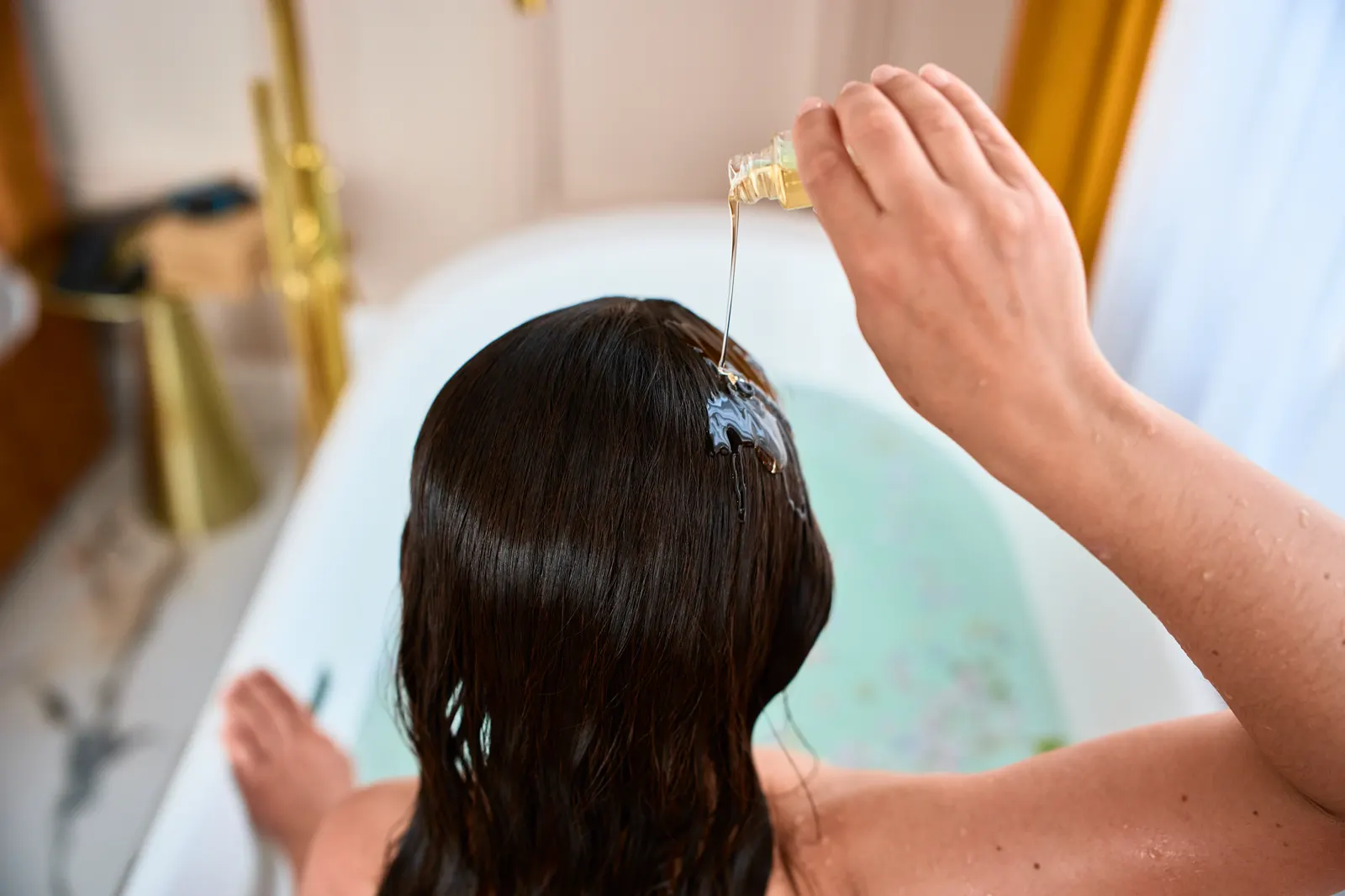 A Plain Herbal Hair RinseA cooled rosemary, nettle or hibiscus tea poured through hair as a final rinse. Fresh, single use and honest about what it can do.
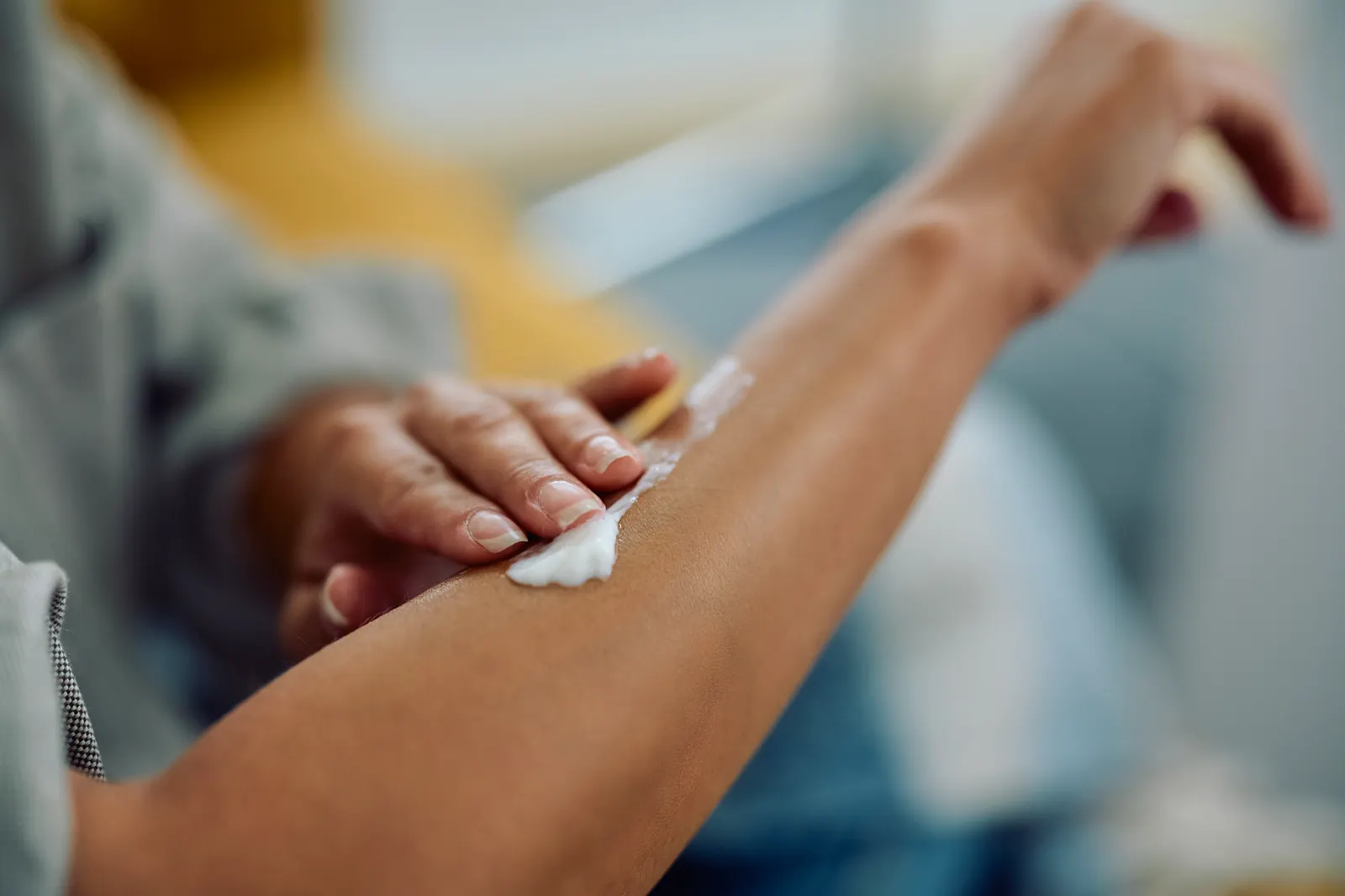 The One-New-Product Patch-Test WeekNew serum, new cream, new face oil? Introduce one product at a time with a seven-day patch test, so you always know what your skin is reacting to.
 The Slow Sunday Shelf AuditThirty minutes with your bathroom shelf: read the PAO symbols, sniff out rancid oils, and decide what to keep, move to the fridge or throw away.
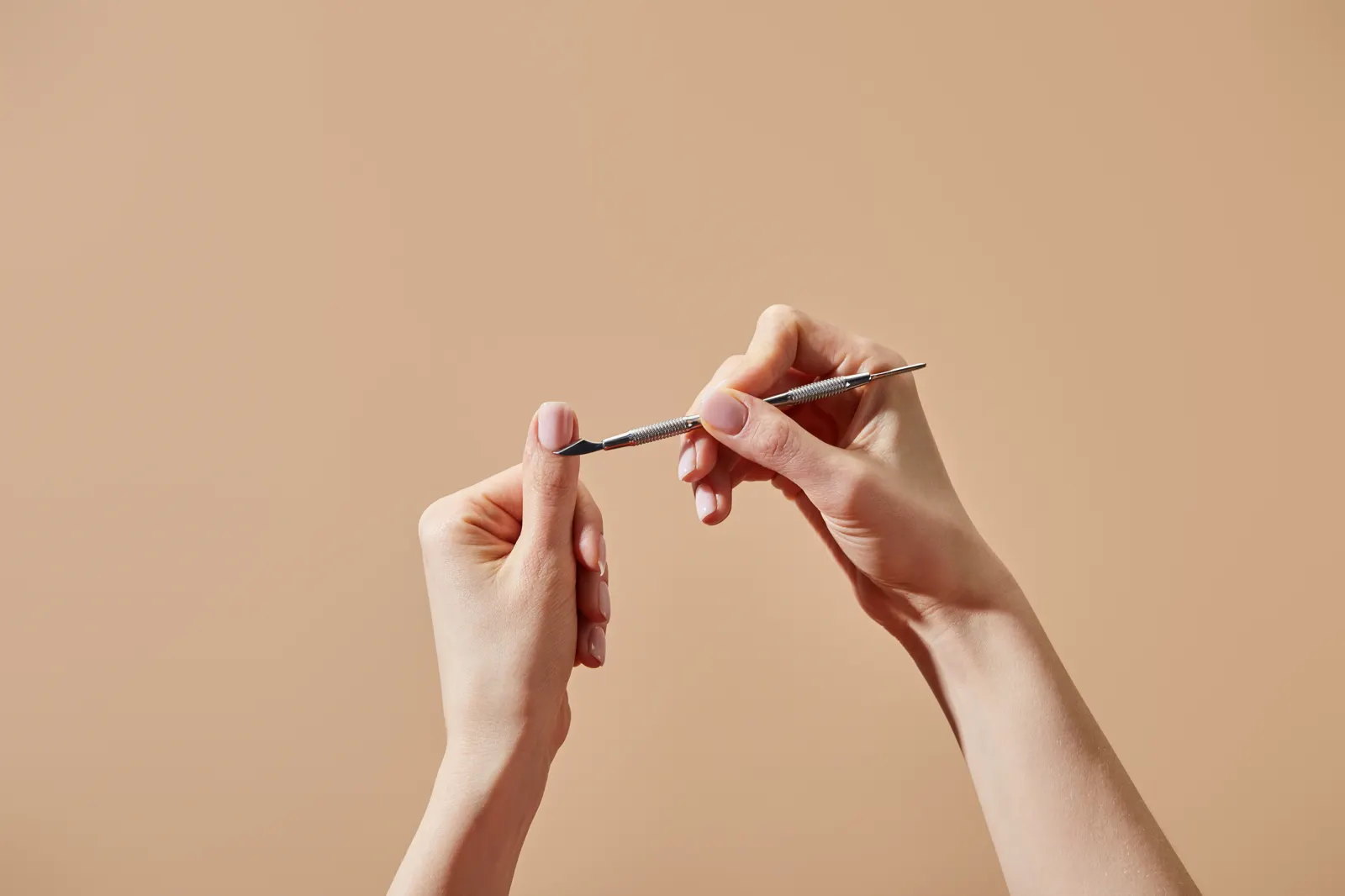 Cuticle Care Without ScissorsSoften, push back gently, never cut: a two-minute evening cuticle ritual with shea or jojoba for ragged cuticles and splitting nails.
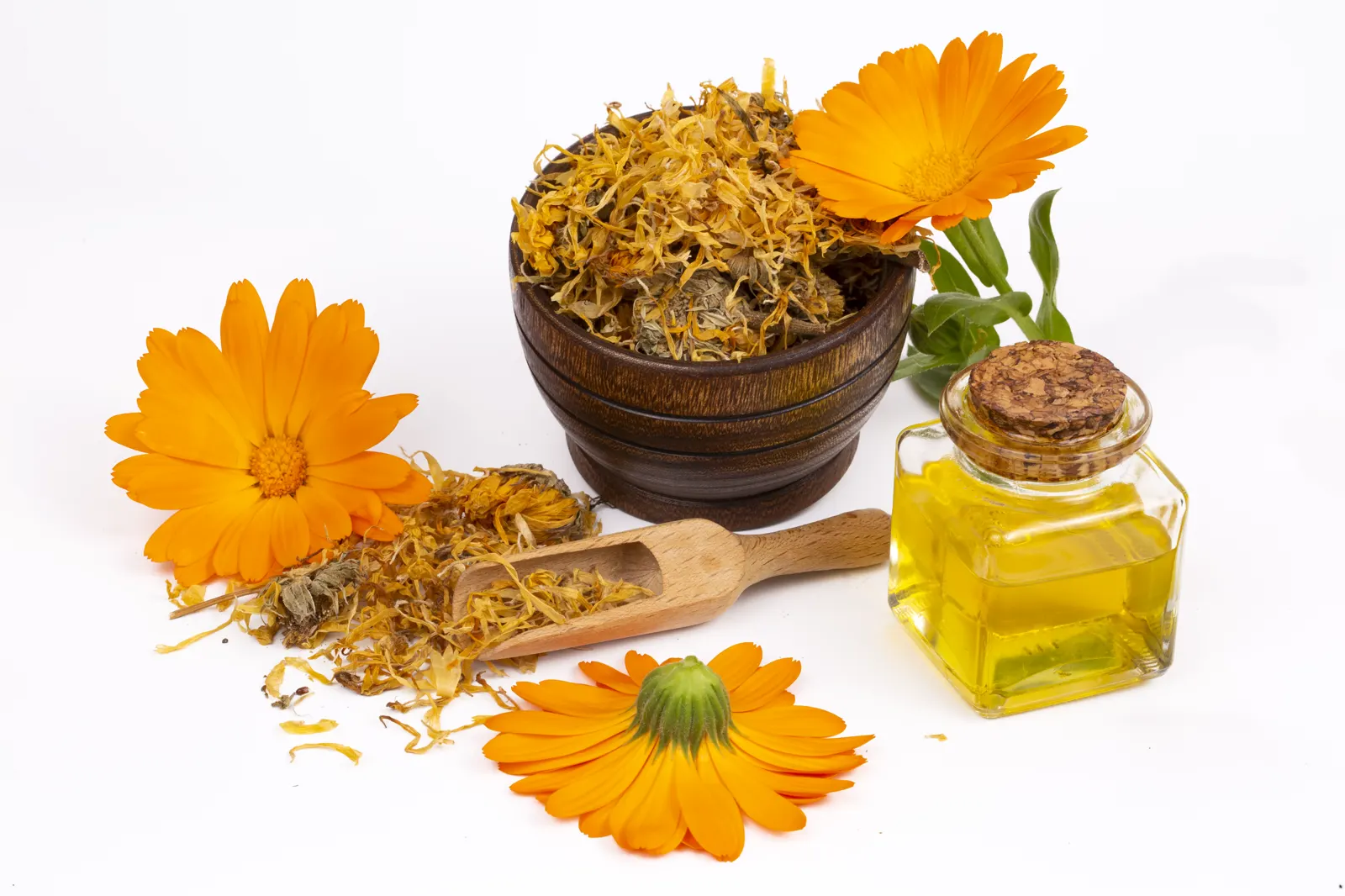 Balm · BeginnerCalendula Comfort BalmA rich, fragrance-free balm of calendula-infused oil, shea and beeswax for chapped hands, dry patches and minor scrapes once they have closed.
 Mask · BeginnerCalming Oat & Chamomile MaskA soothing single-use paste of colloidal oatmeal, cooled chamomile tea, honey and aloe for skin that feels hot, tight or reactive.
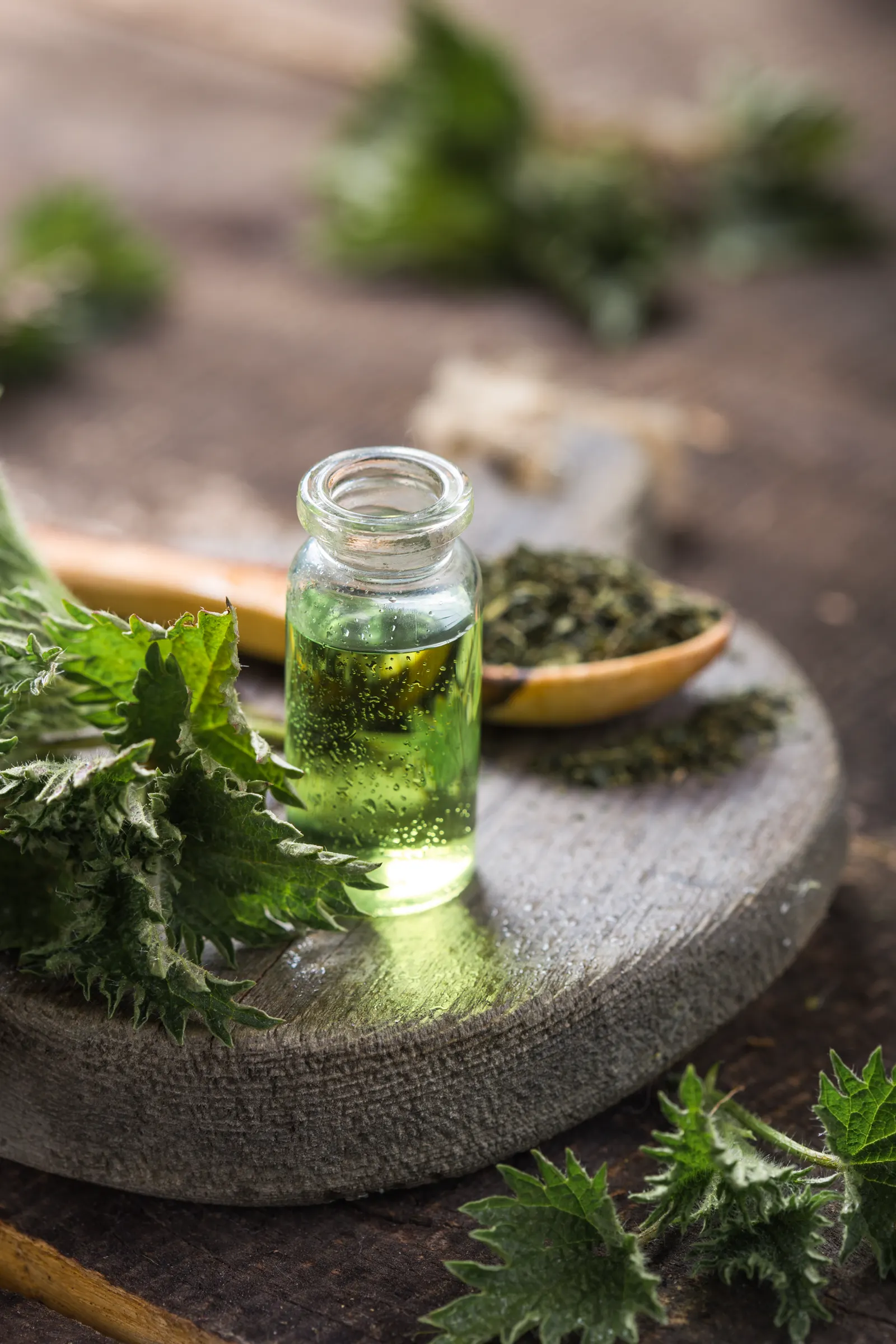 Hair care · IntermediateNettle & Rosemary Scalp TonicA preserved leave-on scalp tonic with nettle and rosemary extracts, solubilized rosemary oil and panthenol, at a scalp-friendly pH of 4.5–5.5.
GuideInfused Oils, Hydrosols & ExtractsMacerates, glycerites, tinctures, hydrosols, CO₂ and standardized extracts: what each captures, how to make them safely and how they appear in INCI.GuideEssential Oil Safety: The Complete GuideDilution by use, phototoxic citrus limits, oxidation and allergy, IFRA standards, and special care for children, pregnancy and pets.GuideHow to Patch Test (and Read the Result)A step-by-step at-home patch test (ROAT), how to tell irritation from allergy, and when you need proper dermatologist patch testing.