World traditions · China, Japan & Korea
The East Asian Shelf
Tea, camellia, rice and the culture of layers
Three traditions, many shared plants
Chinese medicine has the longest written record. The Shennong Bencao Jing, a classic of materia medica traditionally attributed to a legendary emperor and compiled around two thousand years ago, already lists licorice, ginseng and hundreds of other substances. Japan absorbed much of this learning and adapted it into kampo, while developing its own culture of bathing in hot springs, onsen, and neighborhood bathhouses, sento. Korea’s traditional medicine, hanbang, draws on the same classical sources and has become the basis of an entire category of contemporary skin care.
What these traditions share is an attention to seasons, to digestion and circulation, and to skin as a reflection of overall balance. What they do not share is a single routine. A Heian court lady combing camellia oil through floor-length hair, an Edo merchant’s wife washing with a bag of rice bran and a Seoul office worker patting on her third watery layer are doing very different things for very different reasons.
Modern East Asian cosmetic science is among the most sophisticated in the world, and many traditional plants have been studied seriously there. That makes it all the more important to read the evidence carefully, rather than assuming that age or popularity is proof.
Tea, from the cup to the skin
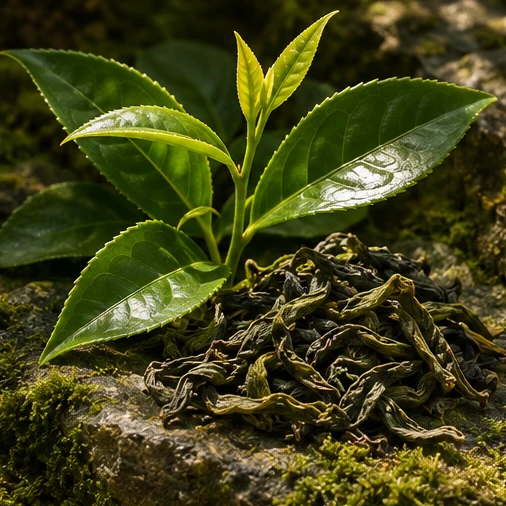
Tea, Camellia sinensis, has been drunk in China for well over a thousand years; in the eighth century the scholar Lu Yu wrote the Classic of Tea, a treatise on cultivation, preparation and the right water. Monks carried tea seeds and the ritual of powdered tea to Japan, where it grew into the tea ceremony and the vivid green of matcha. In both countries, cooled tea leaves and bags have long been laid on tired eyes.
Green tea is rich in catechins, especially epigallocatechin gallate (EGCG), which are antioxidant, anti-inflammatory and able to reduce sebum production in laboratory and some human studies. Small trials of a 2% green tea lotion have shown reductions in mild to moderate acne lesions, and several studies suggest topical and oral green tea polyphenols may reduce some markers of ultraviolet damage. This places green tea among the better-supported botanicals, but none of it makes green tea a sunscreen. It is a helpful companion to sunscreen, not a substitute.
The practical difficulty is stability: catechins oxidize quickly, turning extracts brown and less active, so well-formulated products matter more than the word “tea” on the front. A cold compress of brewed, chilled green tea feels wonderful on puffy morning eyes; the cold does much of the work, and the tannins may add a little tightening. Our Green Tea & Centella Soothing Toner uses a preserved extract rather than kitchen tea for exactly this reason.
Camellia and rice: the Japanese dressing table
On the volcanic island of Izu Ōshima south of Tokyo, and in the Gotō Islands off Nagasaki, the evergreen camellia, Camellia japonica or tsubaki, grows in windbreaks and woods. Its seeds are pressed for an oil that has been combed through Japanese hair for centuries and used to care for elaborate traditional hairstyles. China has its own tradition with the related Camellia oleifera, a major cooking oil.
Camellia oil (Tsubaki oil) is very high in oleic acid, which gives it a silky, slightly rich feel and good resistance to rancidity. It smooths hair and softens dry skin, as you would expect from a fine oleic oil. There are no meaningful trials showing it does anything uniquely, and like olive oil, it may not suit very eczema-prone skin, but for dry lengths and ends it is a lovely, traditional finish.
Rice was the other great material. In Edo-period Japan, people washed their faces and bodies with nuka-bukuro, small cloth bags filled with rice bran, dampened and rubbed over the skin to cleanse and polish. An often-repeated story holds that sake brewers had unusually soft, pale hands from working with fermented rice; it is anecdote, but it points to a real discovery, since kojic acid, used today for hyperpigmentation, was first identified from the koji mold used in brewing. Rice bran oil contains gamma-oryzanol and ferulic acid, both antioxidants.
Rice water rinses, associated in travel writing with the long hair of Yao women in Huangluo village in southern China, have become popular worldwide. Rice water may coat and smooth the hair surface, but evidence that it makes hair grow is lacking, and left at room temperature for days it ferments unpredictably. If you try it, make it fresh and rinse it out.
The winter bath: yuzu and the solstice
On the winter solstice, tōji, many Japanese households and public baths float whole yuzu fruit in hot water for yuzu-yu. According to tradition the bath wards off colds through the coming winter and brings good fortune; in practice it fills the room with a sharp, floral citrus scent while the knobbly yellow fruits bob against your shoulders. The yuzu originated in China and has been cultivated in Japan for over a thousand years, with Kōchi prefecture on Shikoku now its largest producer.
The science is modest and pleasurable. Yuzu peel is rich in limonene and other aromatic compounds; its scent has been studied for relaxing effects in small experiments, and a warm bath itself improves comfort and may help sleep. There is no evidence that yuzu-yu prevents colds.
Safety is mostly common sense. Halved or pricked fruit releases more peel oil, and some people, especially those with sensitive skin or eczema, feel tingling or stinging; whole fruit is gentler. Citrus peel oils can be sensitizing once oxidized, and some cold-pressed citrus oils are phototoxic, so check a supplier’s data before using any yuzu essential oil on skin that will see the sun. As with any hot bath, keep the water comfortably warm and the soak short if you have a heart condition or are pregnant.
Ginseng, licorice and tremella: the materia medica
Ginseng, Panax ginseng, has been treasured in China and Korea for many centuries as a tonic root. Korean red ginseng is steamed and dried, which changes its chemistry and deepens its color. Ginseng saponins, the ginsenosides, show antioxidant, anti-inflammatory and collagen-supporting effects in laboratory studies, and a handful of small human trials of ginseng-containing creams have reported improvements in wrinkles or hydration. The evidence is early and often funded by manufacturers. Wild ginseng is now rare, and almost all ginseng in cosmetics is cultivated.
Licorice root, gan cao, is one of the most frequently used herbs in classical Chinese formulas, where it is said to harmonize the other ingredients. In skin care, licorice root has become valuable for two compounds: glabridin, which inhibits tyrosinase, the enzyme behind pigment, and licochalcone A, which calms redness. Small trials support its use for uneven pigmentation and sensitive, red-prone skin, often in combination products, so it is one of the more credible brighteners among botanicals. Our Licorice & Niacinamide Brightening Serum uses it this way. Eating large amounts of licorice can raise blood pressure, but this does not apply to topical use.
Tremella (snow mushroom), the snow fungus, is a translucent, frilly mushroom long simmered into sweet soups in China; according to legend it was a favorite of the Tang consort Yang Guifei. Its polysaccharides hold water and form a light film on the skin, much like hyaluronic acid. Laboratory data are encouraging, but human trials are few.
Centella and the cica moment
Centella asiatica (cica), gotu kola, is a creeping marsh plant of tropical Asia and Africa used in Ayurveda, in Chinese medicine and across Southeast Asia for wounds and skin complaints. Korean brands made it famous worldwide under the name “cica”, and the popular story that tigers rolled in it to heal their wounds, hence “tiger grass”, is charming marketing rather than natural history.
The science is genuine, if mixed in quality. Its triterpenes, madecassoside, asiaticoside and their acids, support collagen production and wound healing in laboratory and animal work, and human studies, many of them small, suggest benefits for scars, stretch marks, healing wounds and irritated skin. For calming and barrier support it is one of the more credible botanicals. Allergic reactions are uncommon but have been reported. Much commercial centella is wild-harvested in Madagascar, so traceable sourcing is worth asking about. Our Sensitive Skin & Redness page sets it alongside other options.
Layers, and what the evidence says
In the mid-2010s, Western media popularized the “ten-step Korean routine”: oil cleanser, foam cleanser, exfoliant, toner, essence, serum, sheet mask, eye cream, moisturizer, sunscreen. It was as much an export marketing idea as a description of how most Koreans live, and many people in Seoul use far fewer products. But the underlying culture is real: early, diligent sun protection; gentle double cleansing; light, watery layers that add hydration without heaviness.
Some of this is strongly supported. Daily sunscreen is the single best-evidenced anti-aging and anti-pigmentation habit there is. Removing sunscreen and makeup with an oil or balm followed by a gentle cleanser is sensible. Applying humectant layers to damp skin and sealing them in with a moisturizer reflects sound barrier science.
What the evidence does not support is the idea that more steps mean better skin. Each extra product adds another chance of irritation or allergy, and layering several active ingredients, acids, retinoids, vitamin C, can damage the barrier. A good routine is the shortest one that meets your skin’s needs. Our Build a Routine That Works (Minimal & Evidence-Based) guide shows how to build one, and our The Skin Barrier, Explained guide explains why less is often more.
The most East Asian thing about a good routine is not its length. It is the patience to do a few simple things every day.
The signature plants
Green TeaBGood evidenceFrom Lu Yu’s classic to Japanese matcha; catechin-rich, with small trials for acne and support against UV damage alongside sunscreen.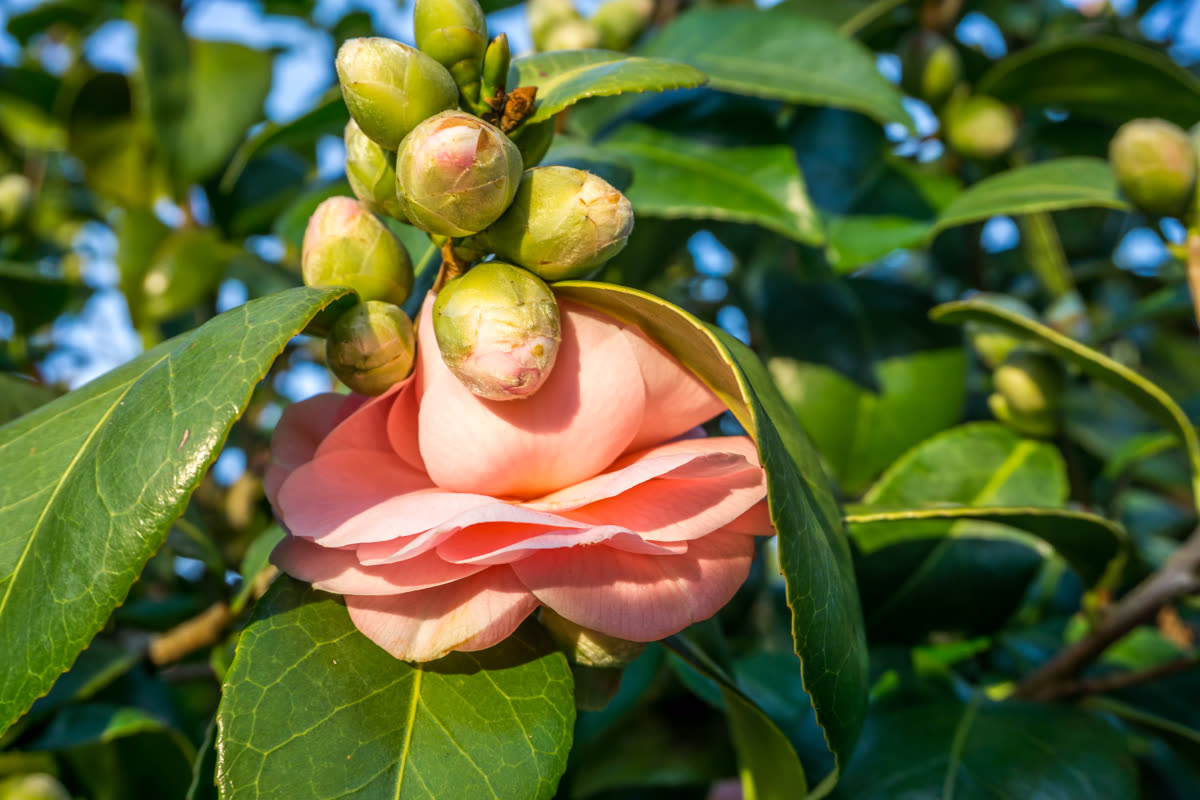 Camellia Oil (Tsubaki Oil)CPromisingTsubaki oil from Izu Ōshima and the Gotō Islands, combed through Japanese hair for centuries; a silky, stable oleic oil.
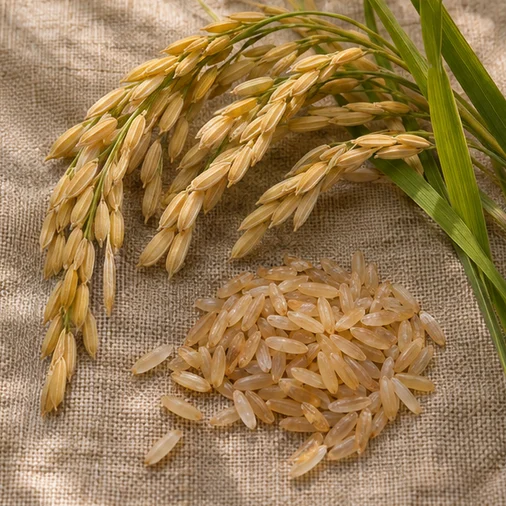 Rice BranCPromisingThe nuka-bukuro washing bags of Edo bathhouses; bran oil brings gamma-oryzanol and ferulic acid.
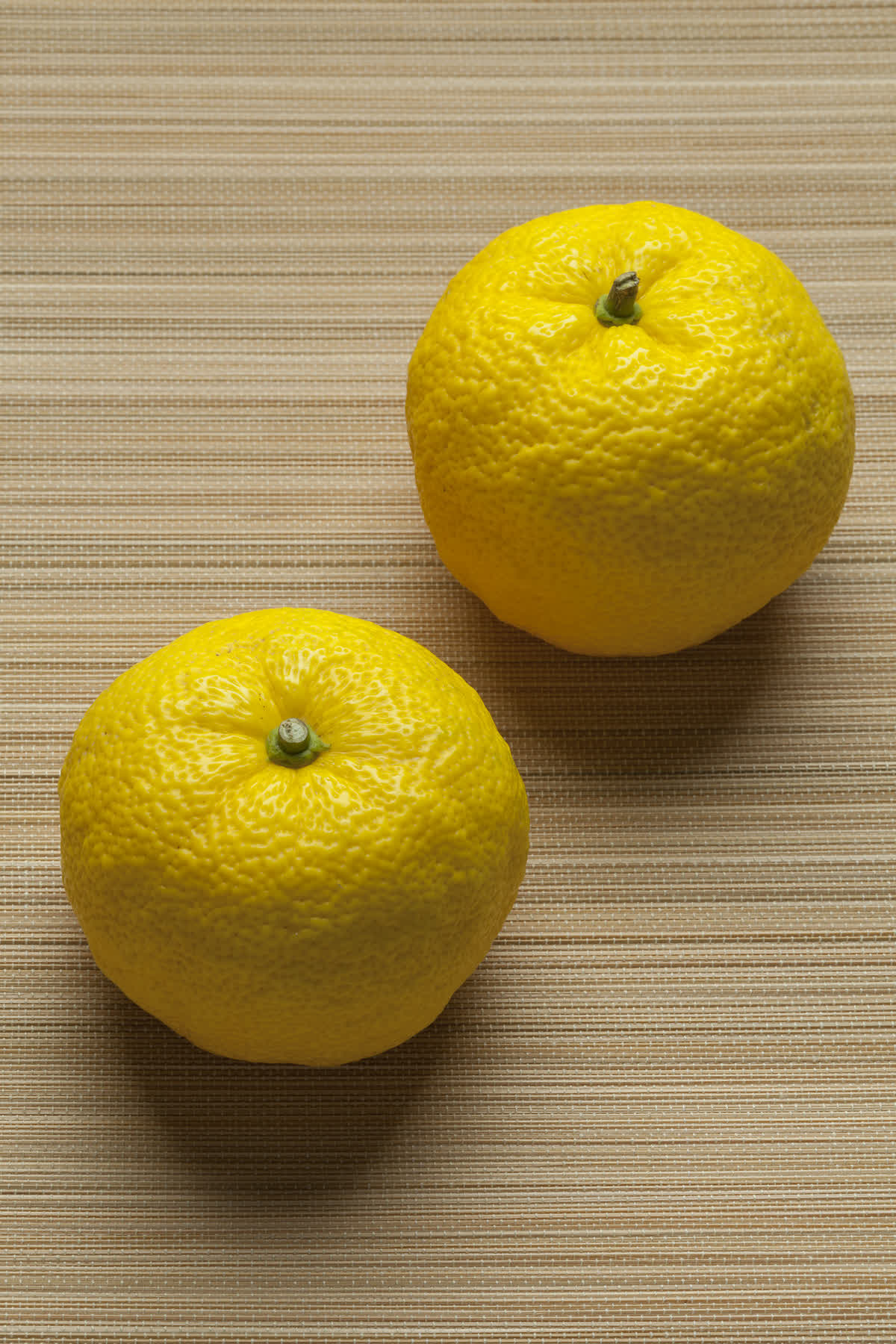 YuzuDTraditional wisdomFloated whole in the winter solstice bath; a fragrant, relaxing ritual, with peel oils that can tingle sensitive skin.
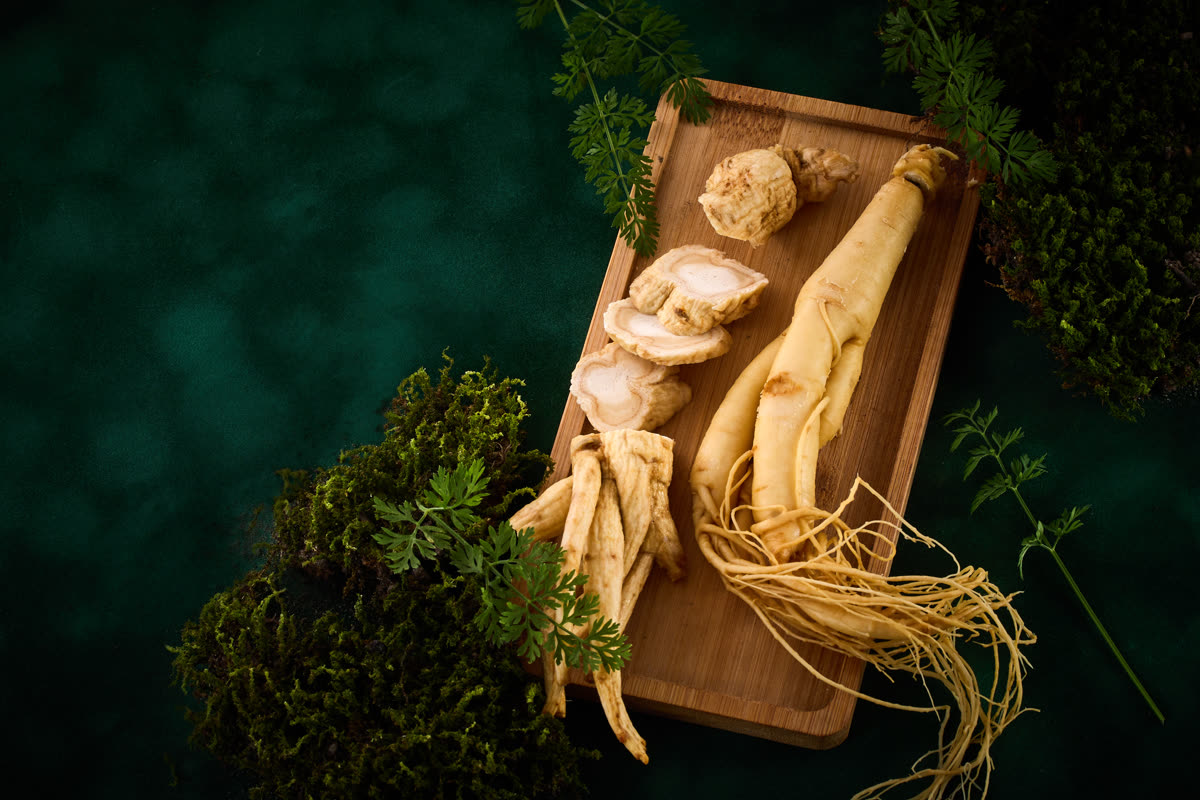 GinsengCPromisingThe tonic root of Chinese and Korean medicine; promising lab data, early human evidence.
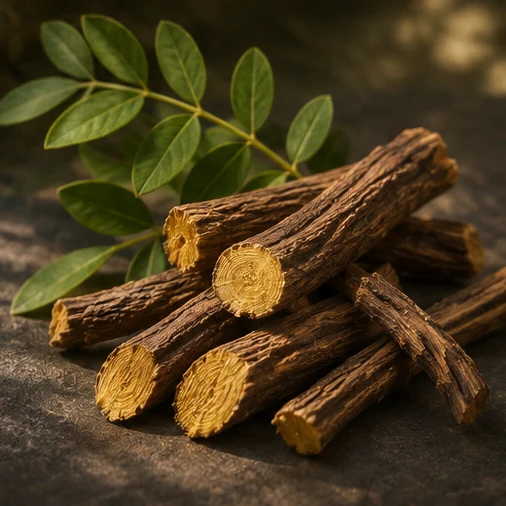 Licorice RootCPromisingThe harmonizer of Chinese formulas and a credible botanical brightener and redness-calmer.
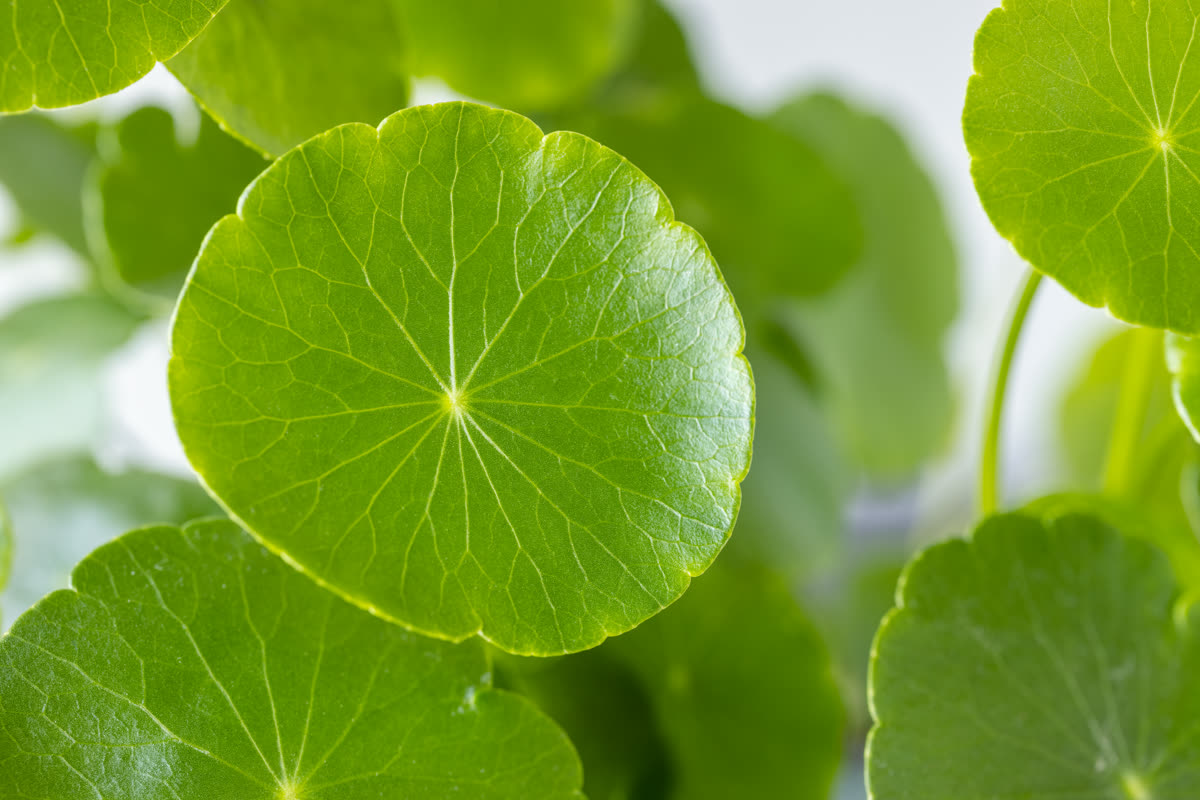 Centella Asiatica (Cica)CPromisingGotu kola, the “cica” of K-beauty; reasonable evidence for wound healing and soothing irritated skin.
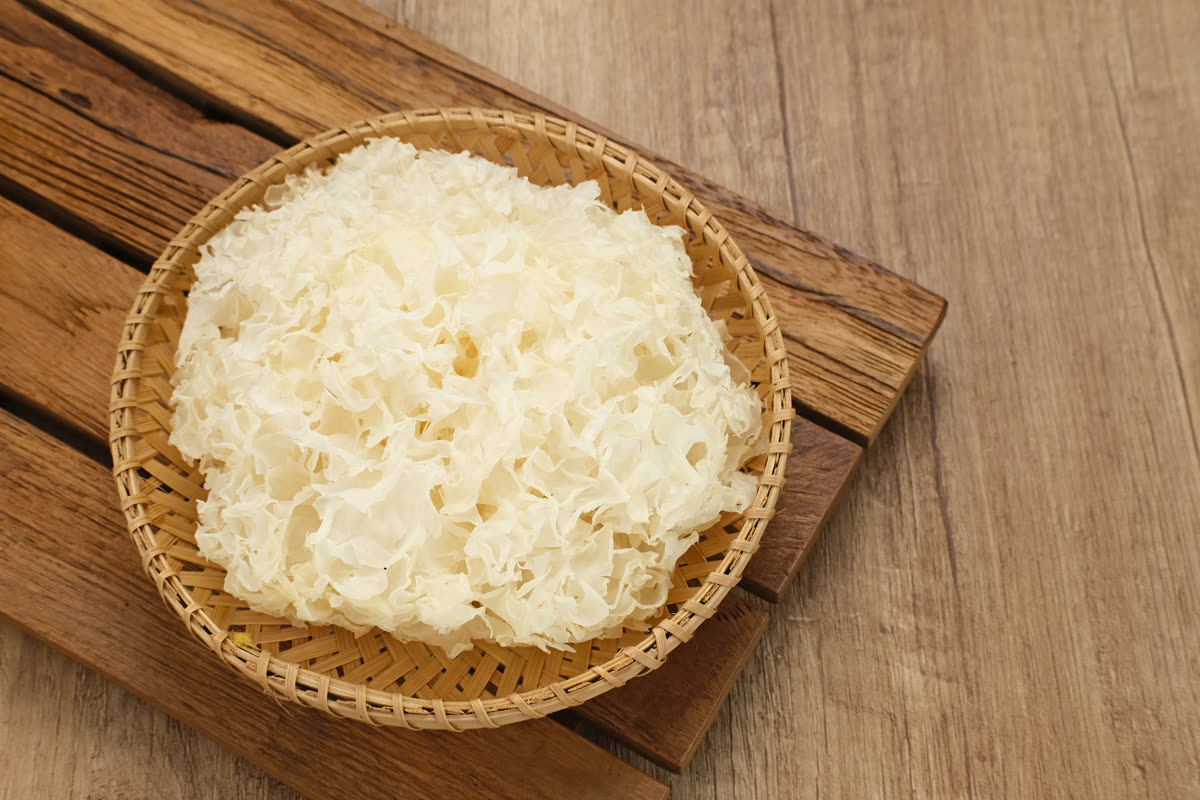 Tremella (Snow Mushroom)CPromisingThe snow fungus of Chinese sweet soups; a water-holding polysaccharide humectant with few human trials.
 Seaweed (Brown Algae)CPromisingEaten and bathed in across Japan and Korea; seaweed extracts bring humectant polysaccharides to modern formulas.
A solstice bath and three quiet layers
- Wash two or three whole yuzu (or another unwaxed citrus if yuzu is unavailable) and float them, uncut, in a warm bath. Cut fruit releases more peel oil, so skip halving them if your skin is sensitive.
- Soak for ten to fifteen minutes. Get out if your skin tingles or stings, and keep it shorter and cooler if you are pregnant or have a heart condition.
- Pat dry, leaving the skin slightly damp. Within a few minutes, press in a watery layer: a preserved toner or essence, or our Green Tea & Centella Soothing Toner if you have made it. Patch test any new product first.
- Seal it in with your usual moisturizer. On dry skin, warm two drops of camellia oil (Tsubaki oil) between your palms and press them over the top.
- If your eyes are puffy the next morning, lay two cotton pads soaked in cooled, brewed green tea over closed lids for five minutes, then finish with sunscreen.
Continue the journey
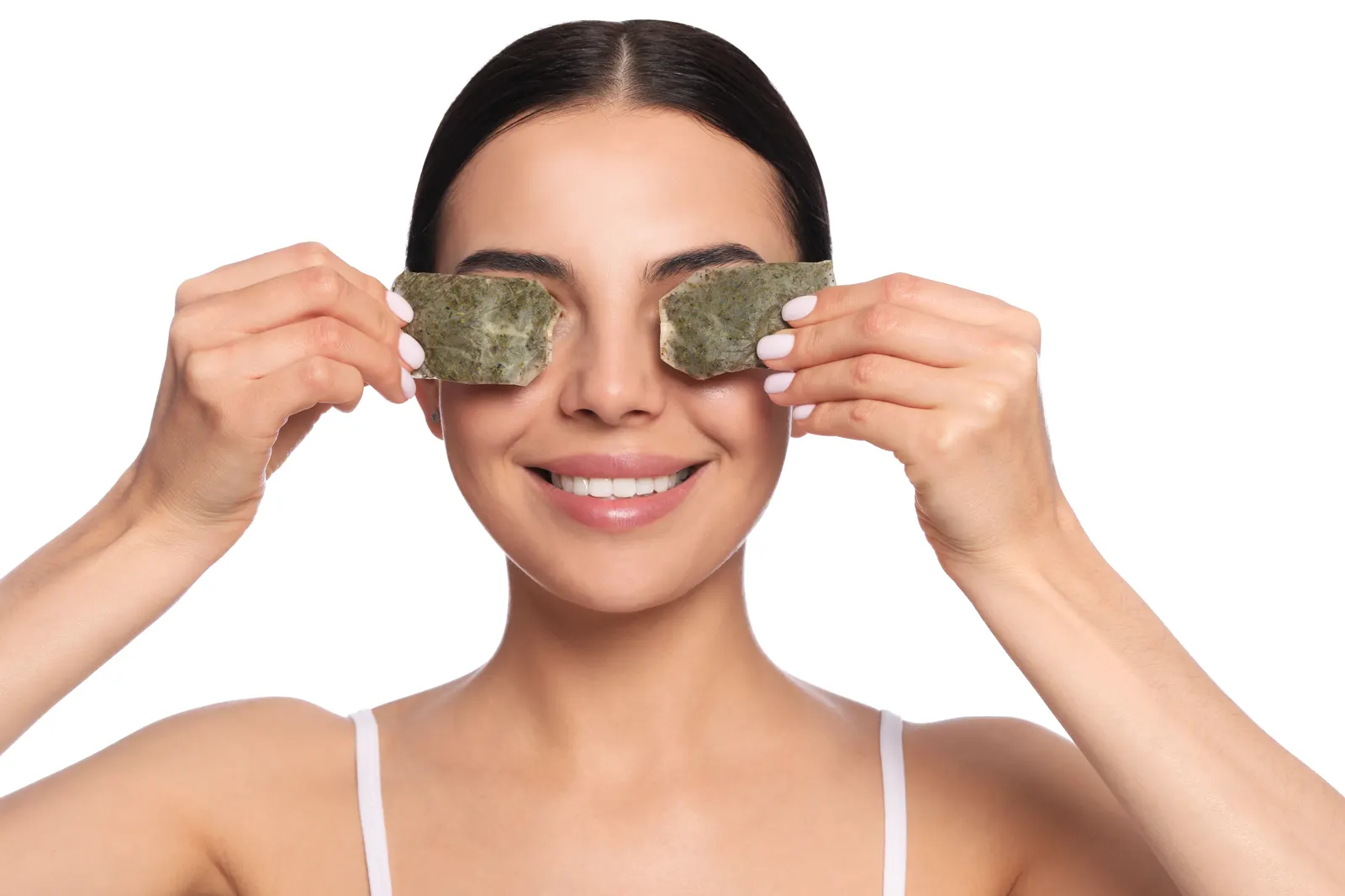 A Green Tea Cold Compress for Puffy Morning EyesChilled green tea bags on closed eyes for ten minutes: why the cold does most of the work, what caffeine adds, and when puffiness needs a doctor.
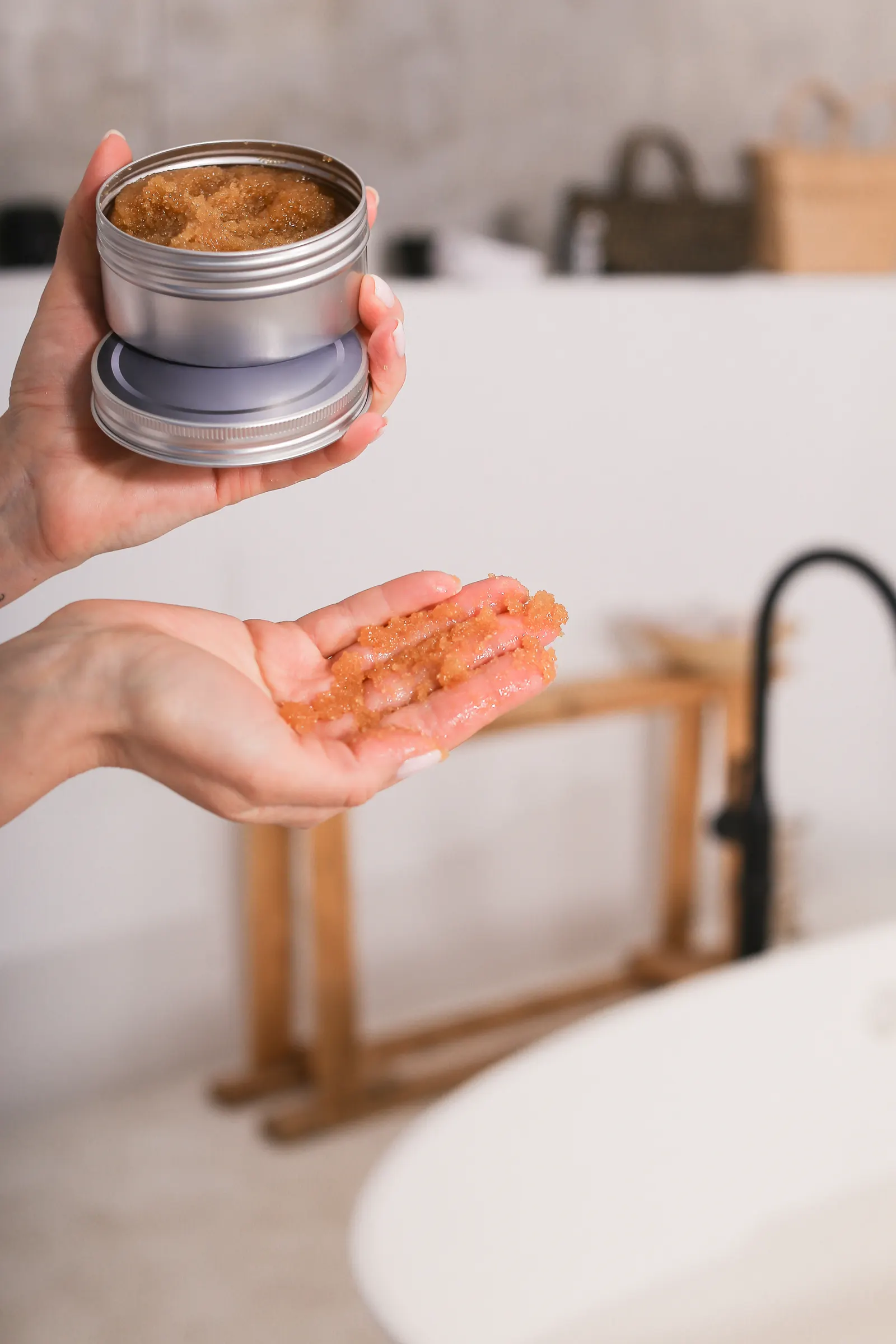 The Halloween Double Cleanse with an Oil BalmFace paint, long-wear makeup or sunscreen? An oil cleansing balm then a gentle second cleanse lifts it all without scrubbing or stripping.
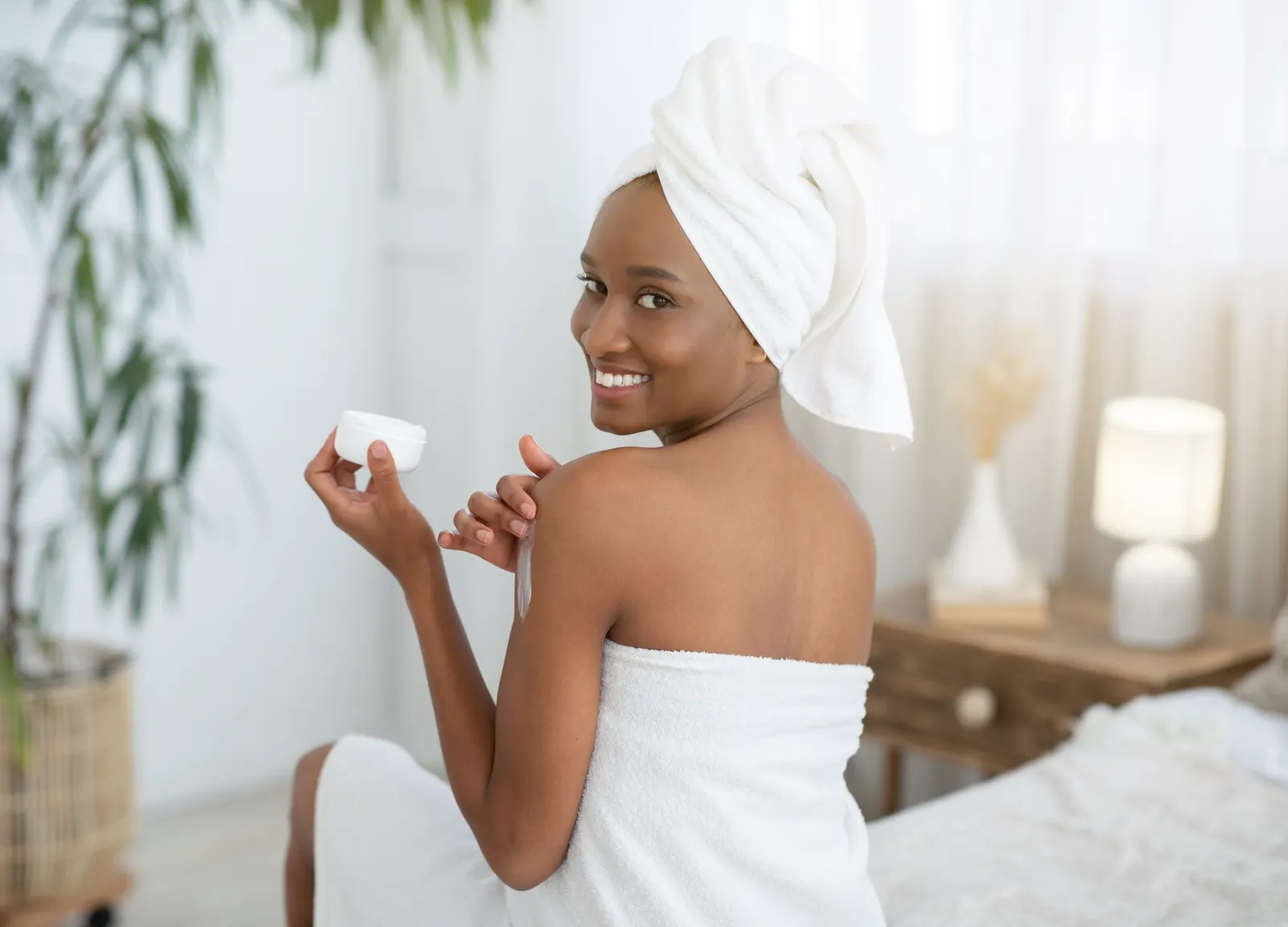 Soak and Seal: The Three-Minute Rule for Eczema-Prone SkinMoisturize within three minutes of bathing, on still-damp skin. A simple winter habit for eczema-prone and very dry skin, with the evidence behind it.
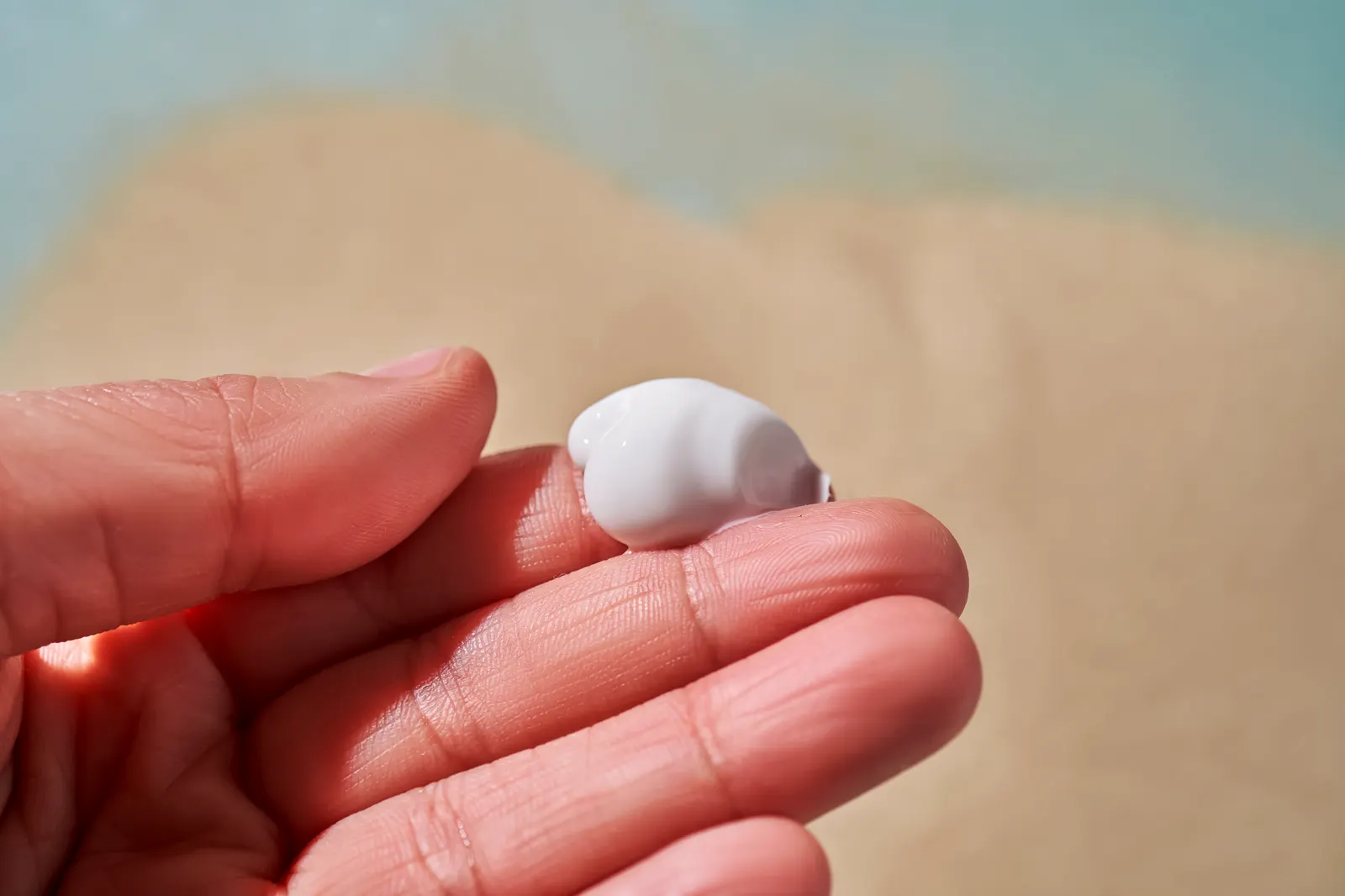 The Two-Finger Sunscreen Rule (and When to Reapply)Most of us apply a fraction of the sunscreen tested on the label. The two-finger rule fixes the dose for face and neck; here is how to reapply, too.
 Toner · IntermediateGreen Tea & Centella Soothing TonerA preserved, alcohol-free toner with green tea, centella, witch hazel and panthenol to hydrate and calm, formulated to pH 5.0–5.5.
 Serum · IntermediateLicorice & Niacinamide Brightening SerumA lightweight serum with licorice root extract and 4% niacinamide to help even out the look of dark marks over time, always paired with daily SPF.
GuideBuild a Routine That Works (Minimal & Evidence-Based)Cleanse, treat, moisturize, protect: application order, introducing products one at a time, how long to wait for results and sample routines by skin type.GuideThe Skin Barrier, ExplainedBricks, mortar, acid mantle and microbes: how your skin barrier works, what damages it, and a calm, evidence-based plan to repair it.GuideHow to Read a Cosmetic Ingredient List (INCI)Decode any ingredient list: INCI order rules, Latin plant names, fragrance allergens (and the EU 2023 expansion), PAO, buzzwords and certifications.