The ingredient encyclopedia · food
Colloidal Oatmeal
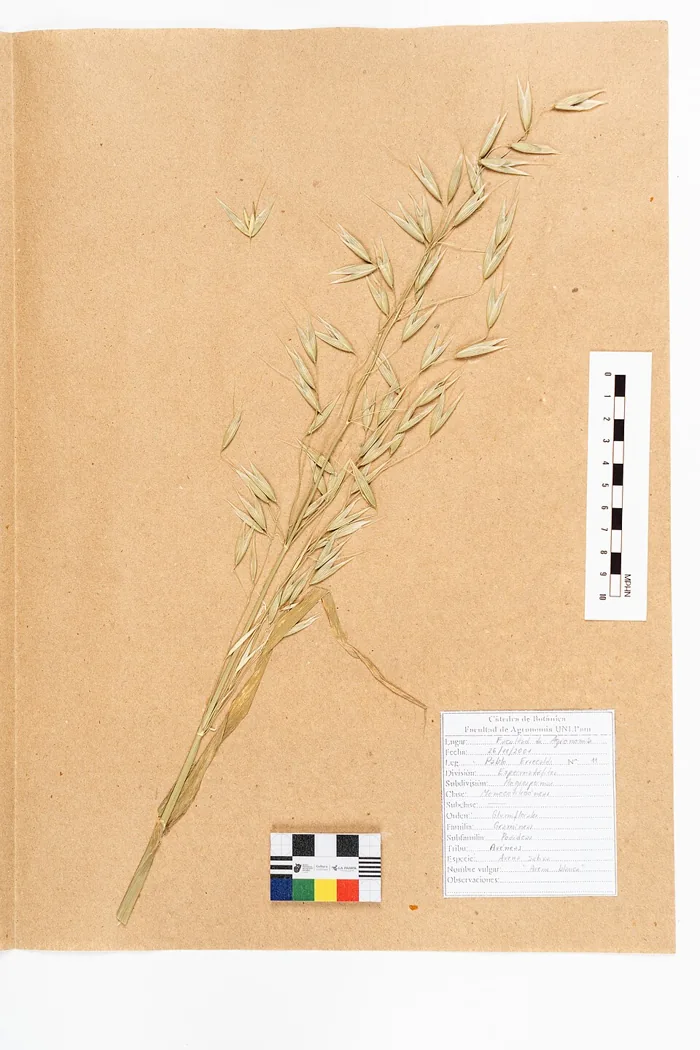
Avena sativa L. · Poaceae
Finely milled oats turn a lukewarm bath milky and soothing: an officially recognized skin protectant for itchy, irritated skin.
FR Avoine colloïdaleES Avena coloidalAR دقيق الشوفان الغروي
- How well proven
- BGood evidence
- Safety
- Low topical risk
- Sun-sensitive
- No
FR Avoine colloïdaleES Avena coloidalAR دقيق الشوفان الغروي
What the evidence says
Recognized in the FDA skin protectant monograph and supported by several clinical trials in eczema and itch, though most are small and industry-sponsored.
- Best supported for
- Dry & Dehydrated Skin BSensitive Skin & Redness BEczema-Prone Skin B
- How to use it
- Oat bath · Follow the product label; for homemade, about a cupful of very finely ground oats in a full tub
- Watch out for
- Children with eczema can become sensitized to oat proteins; if a rash worsens after oat products, stop and talk to your doctor.
Checked against 4 cited studies and our safety review · Updated 26 November 2026 · How we grade
Why you’ll love Colloidal Oatmeal
Why you’ll love it
- Calms itch from dryness, eczema, rashes and bites
- Leaves a soft, moisture-holding film on the skin
- Cleanses gently without stripping sensitive skin
Best forItchy, dry, sensitive and eczema-prone skin, for adults and children alike.
Try it today
A soothing oat bath
- Stir colloidal oatmeal into a lukewarm bath, following the pack directions.
- Soak for 10–15 minutes, and take care getting out: oats make the tub slippery.
- Pat skin dry and moisturize within a few minutes.
Good to know: If a rash gets worse after using oat products, stop and talk to your doctor. With celiac disease, choose certified gluten-free oats.
At a glance
| Parts used | Whole oat kernel, finely milled into a colloidal powder; oat kernel extracts; oat oil |
|---|---|
| Key actives | Avenanthramides, β-Glucan, Starches, Saponins, Lipids, Proteins |
| INCI names | Avena Sativa Kernel Flour Avena Sativa Kernel Extract Avena Sativa Kernel Oil |
| Skin types | sensitive, dry, normal |
| Pairs well with | ChamomileHoneyShea ButterSunflower Oil |
| Evidence grade | BGood evidence Recognized in the FDA skin protectant monograph and supported by several clinical trials in eczema and itch, though most are small and industry-sponsored. |
What it does for skin and hair
Relieves itch
Avenanthramides reduce itch and inflammatory signaling, which is why oat baths have long been used for rashes, bites and eczema.
Protects and supports the barrier
Starches and β-glucan form a protective, moisture-holding film, and lab work shows oat extracts upregulate barrier-related genes.
Cleanses gently
Natural saponins cleanse without stripping, making oat cleansers suitable for sensitive skin.
Suitable for children
Widely used and well tolerated in children with eczema, with caveats about oat sensitization on broken skin.
How to use it
Start low, be consistent, and give it four to eight weeks. These are the amounts that work in real products and home recipes.
| Form | Typical use level | Notes |
|---|---|---|
| Oat bath | Follow the product label; for homemade, about a cupful of very finely ground oats in a full tub | Soak 10–15 minutes in lukewarm water, pat dry and moisturize within minutes. See Colloidal Oat Soothing Bath. |
| Cream or lotion | 0.5–2% (1% is common in OTC eczema creams) | Aqueous products need a broad-spectrum preservative; see DIY Safety: Water, Microbes & Preservatives. |
| Fresh mask | 1–2 tablespoons mixed to a paste | Use immediately and discard leftovers; see Calming Oat & Chamomile Mask. |
| Cleanser | A teaspoon of oat powder with water or honey | Massage gently and rinse; see Honey & Oat Gentle Cleanser. |
Use it safely
Low topical risk
- Children with eczema can become sensitized to oat proteins; if a rash worsens after oat products, stop and talk to your doctor.
- If you have celiac disease, choose certified gluten-free oat products, especially for children who may put hands in their mouths.
- Oat baths make tubs slippery — take care, especially with children and older adults.
- Wet oat pastes spoil quickly: make fresh and use once.
- See a doctor if eczema is weeping, crusted or painful, or if punched-out sores appear with fever (possible eczema herpeticum — urgent).
- Pregnancy & breastfeeding
- Safe in pregnancy and breastfeeding. Persistent itching, especially on palms and soles late in pregnancy, needs a medical check for intrahepatic cholestasis of pregnancy. Pregnancy guide
- Phototoxicity
- Not phototoxic at normal use levels.
- Declared fragrance allergens
- None expected
New to an ingredient? Patch test first. Stop and seek advice if you get burning, swelling, blistering or a spreading rash.
Make it at home: recipes with colloidal oatmeal
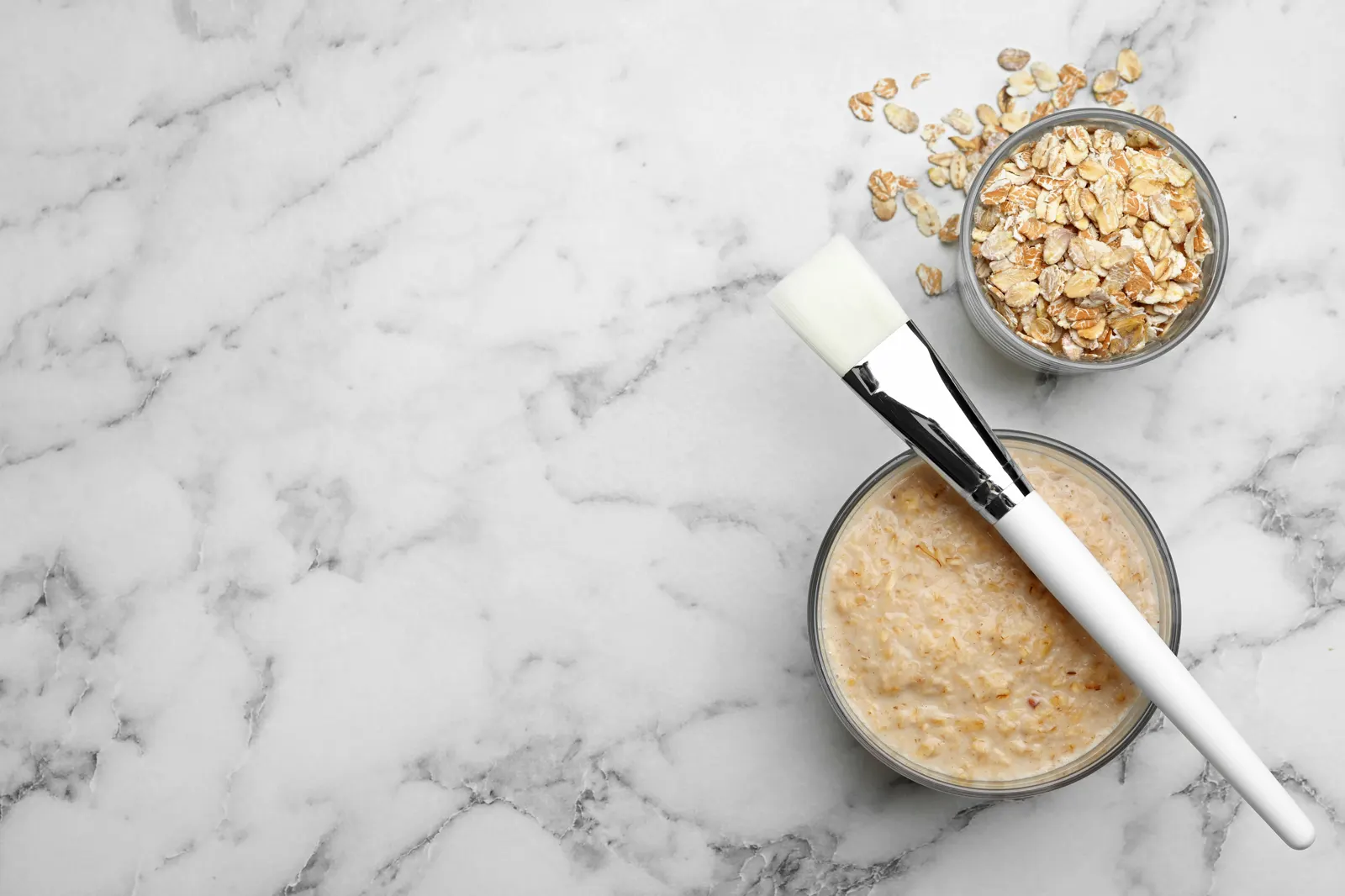 Mask · BeginnerCalming Oat & Chamomile MaskA soothing single-use paste of colloidal oatmeal, cooled chamomile tea, honey and aloe for skin that feels hot, tight or reactive.
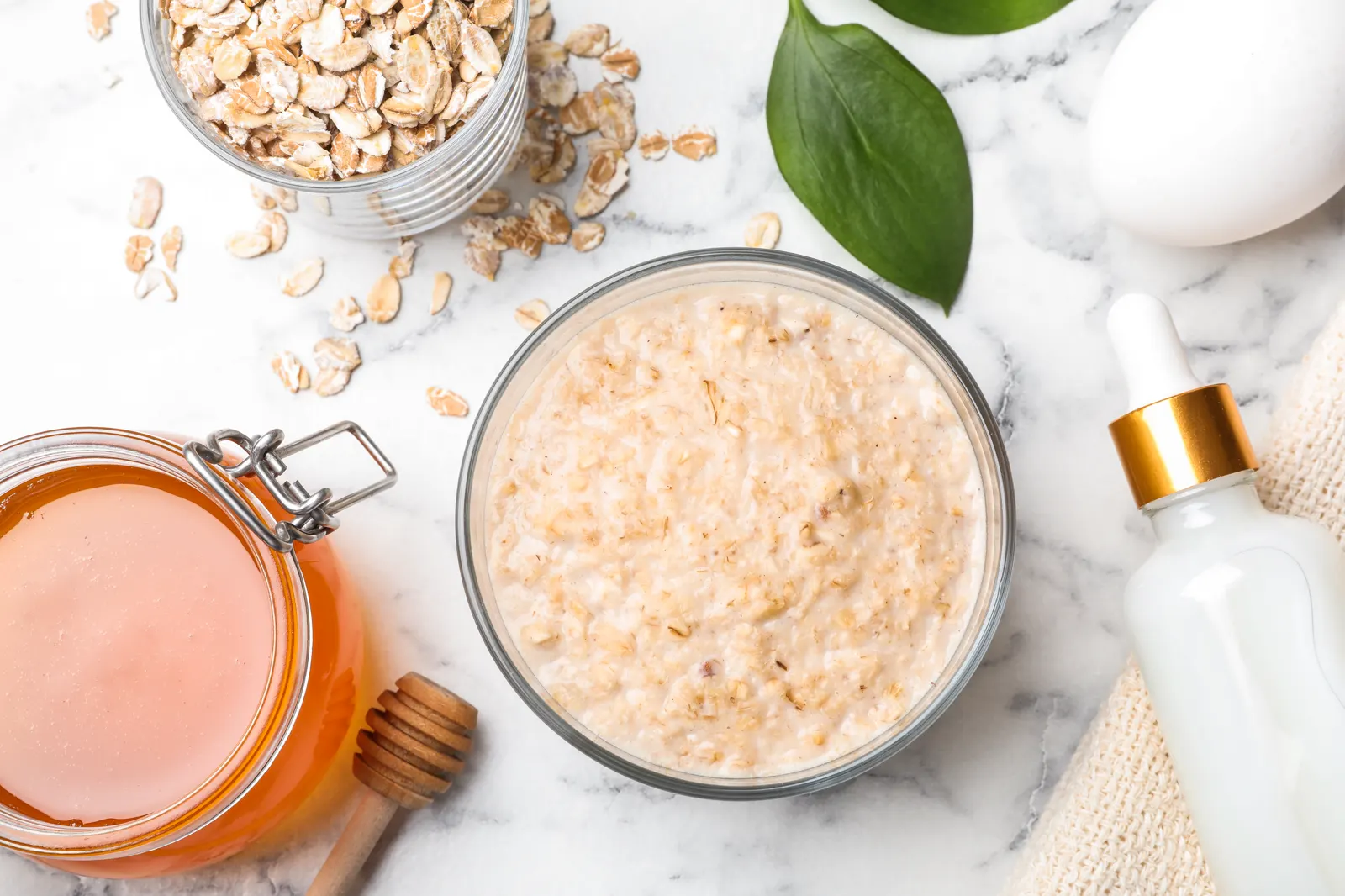 Cleanser · BeginnerHoney & Oat Gentle CleanserA no-foam, single-use cleansing paste of raw honey, colloidal oatmeal, rose water and jojoba for dry or sensitive skin that hates feeling squeaky.
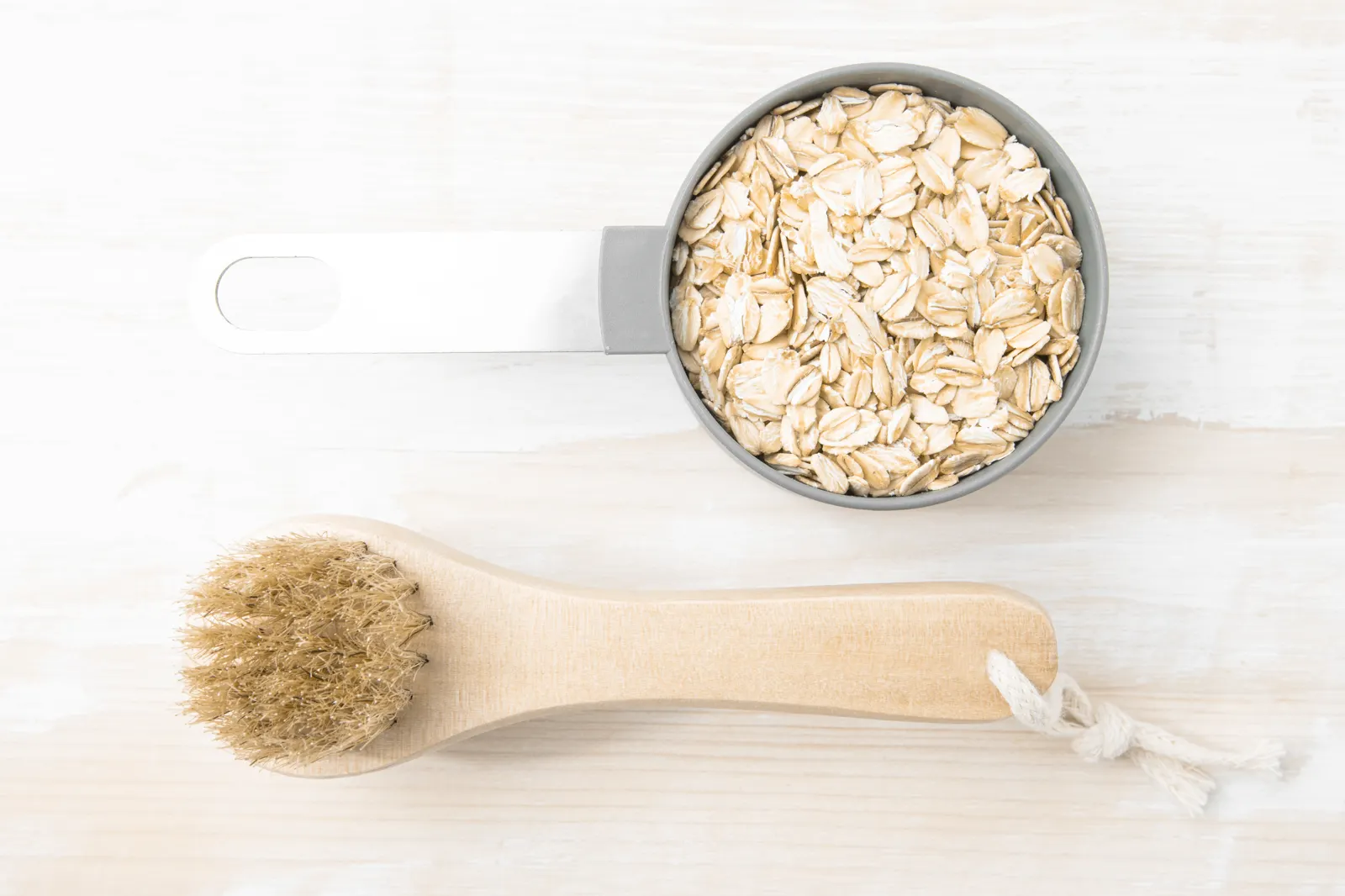 Bath · BeginnerColloidal Oat Soothing BathA lukewarm colloidal oatmeal soak with a little sunflower oil and marshmallow root to calm itchy, dry or eczema-prone skin.
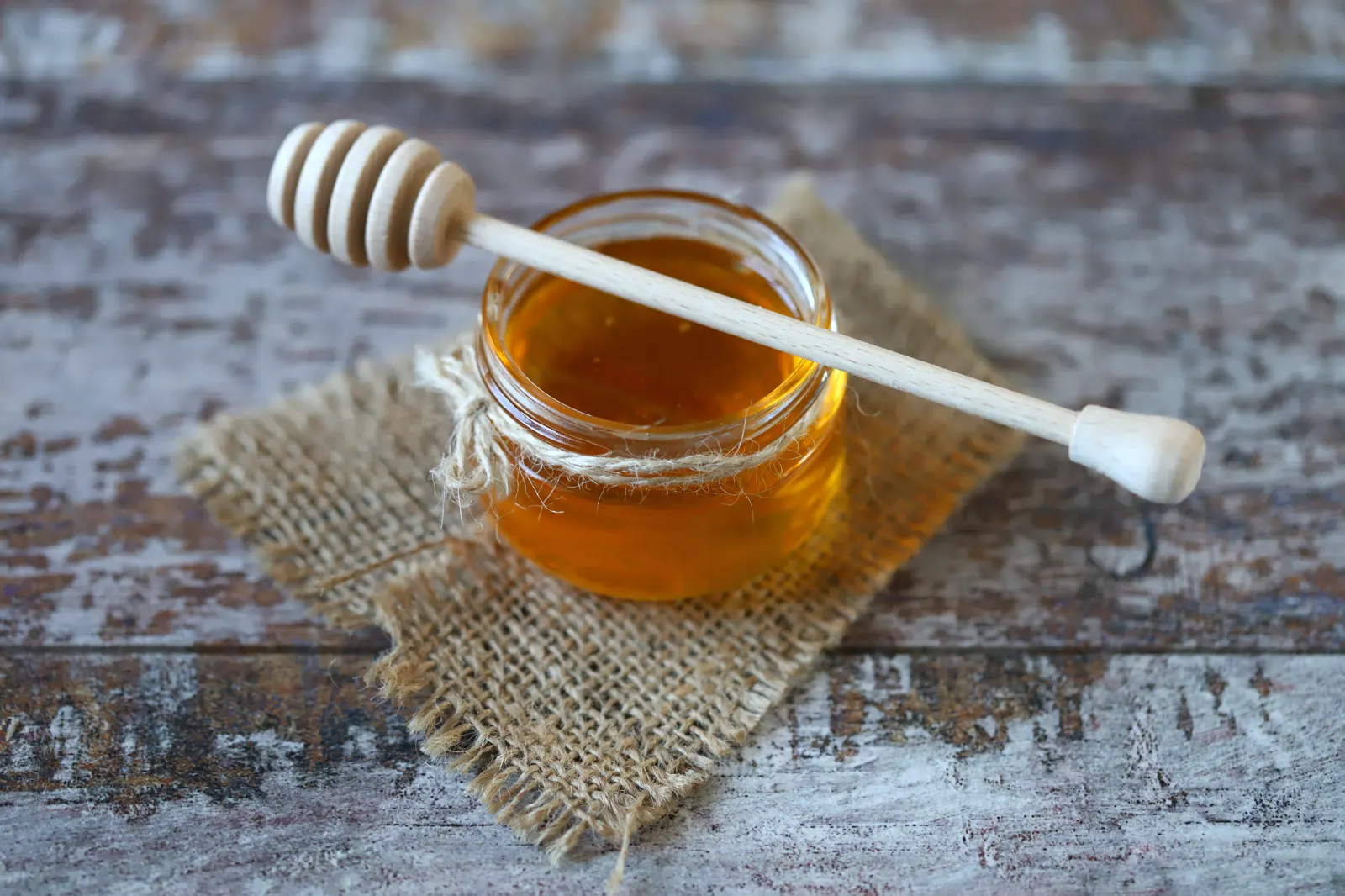 Mask · BeginnerHoney & Oat Glow MaskA creamy ten-minute mask of honey, finely ground oats and a little almond oil for skin that looks tired and feels tight. Fresh, single use.
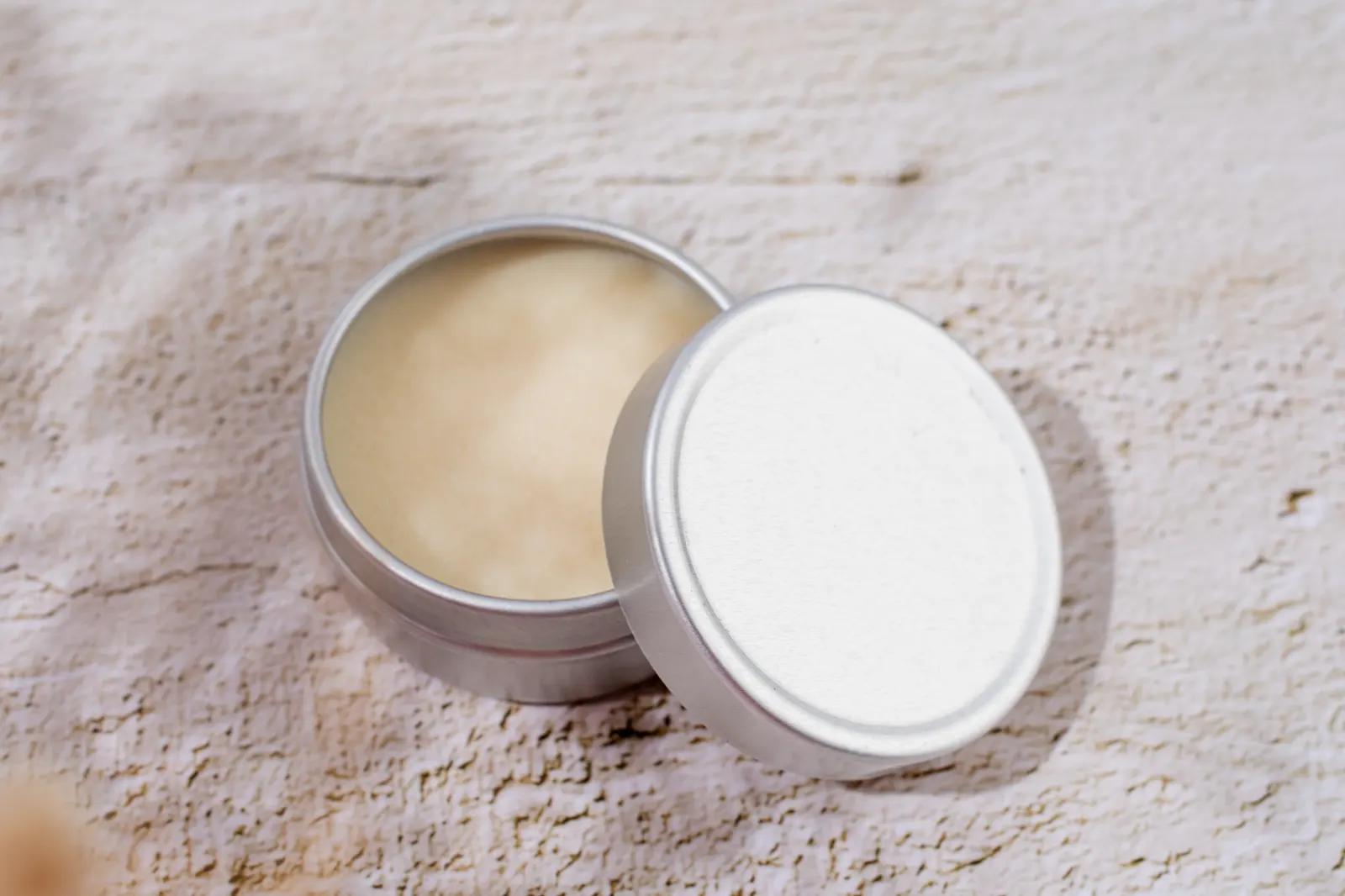 Balm · BeginnerGentle Balm for Dry PatchesAn unscented, fuss-free balm of sunflower oil, mango butter, jojoba and a little colloidal oatmeal for rough, tight patches on elbows, hands and shins.
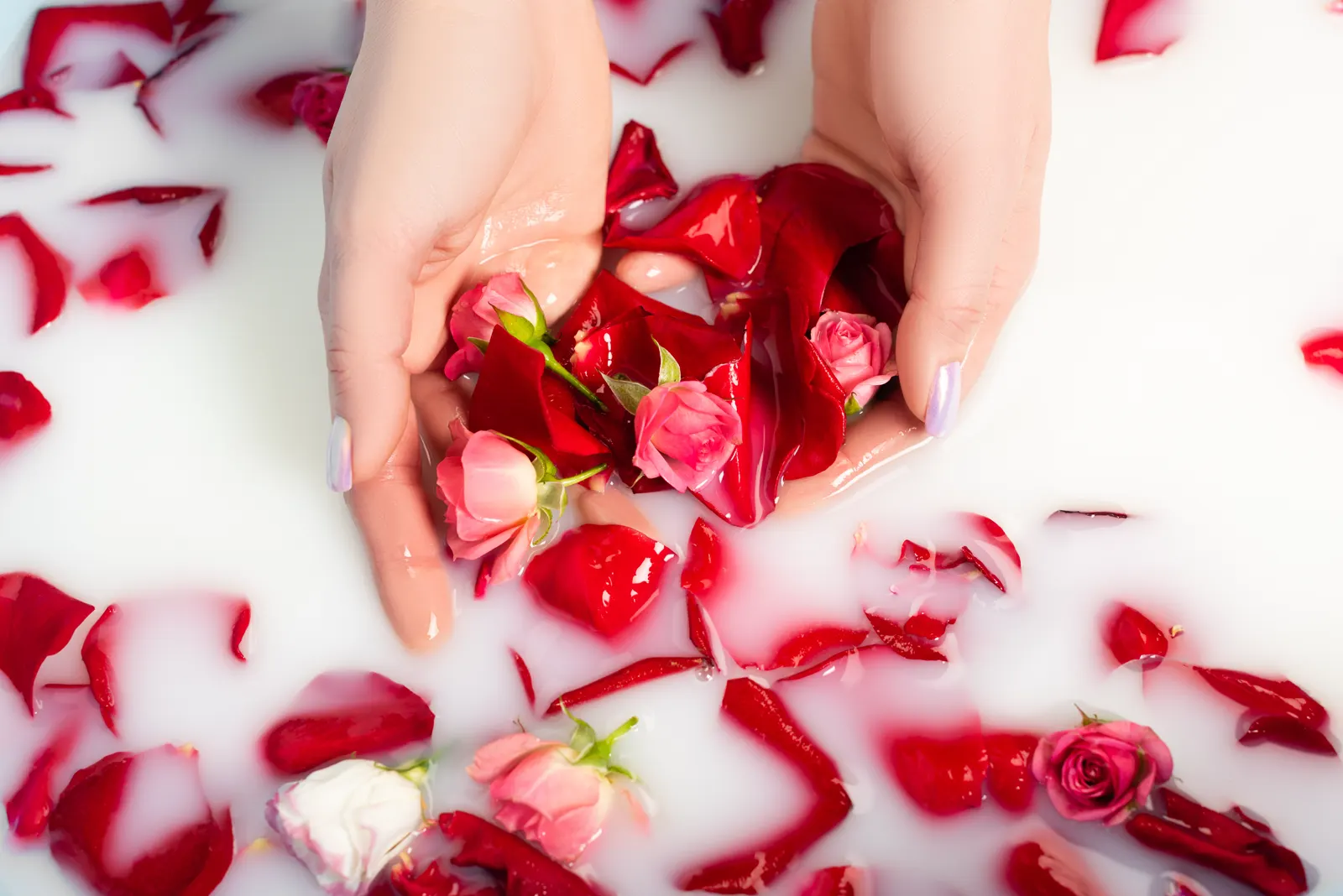 Bath · BeginnerOat Milk & Rose Bath SoakA milk bath of powdered milk, colloidal oatmeal, almond oil and rose petals, tied in a muslin bag for silky water, soft skin and no mess.
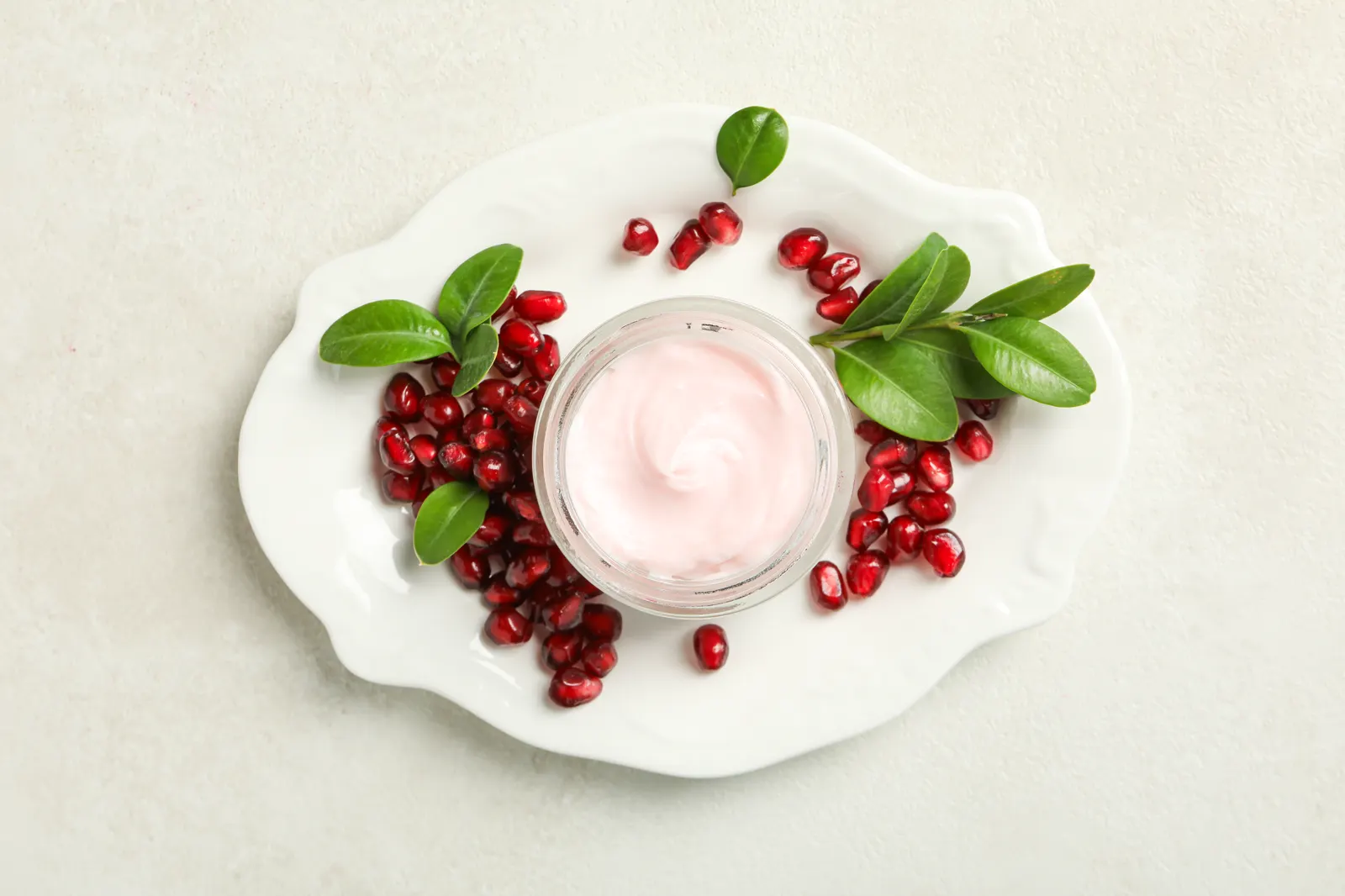 Mask · BeginnerPomegranate & Yogurt Glow MaskA pink, fresh-from-the-fridge mask of yogurt, pomegranate juice, honey and oats for dull-looking skin. Glow without the turmeric stains.
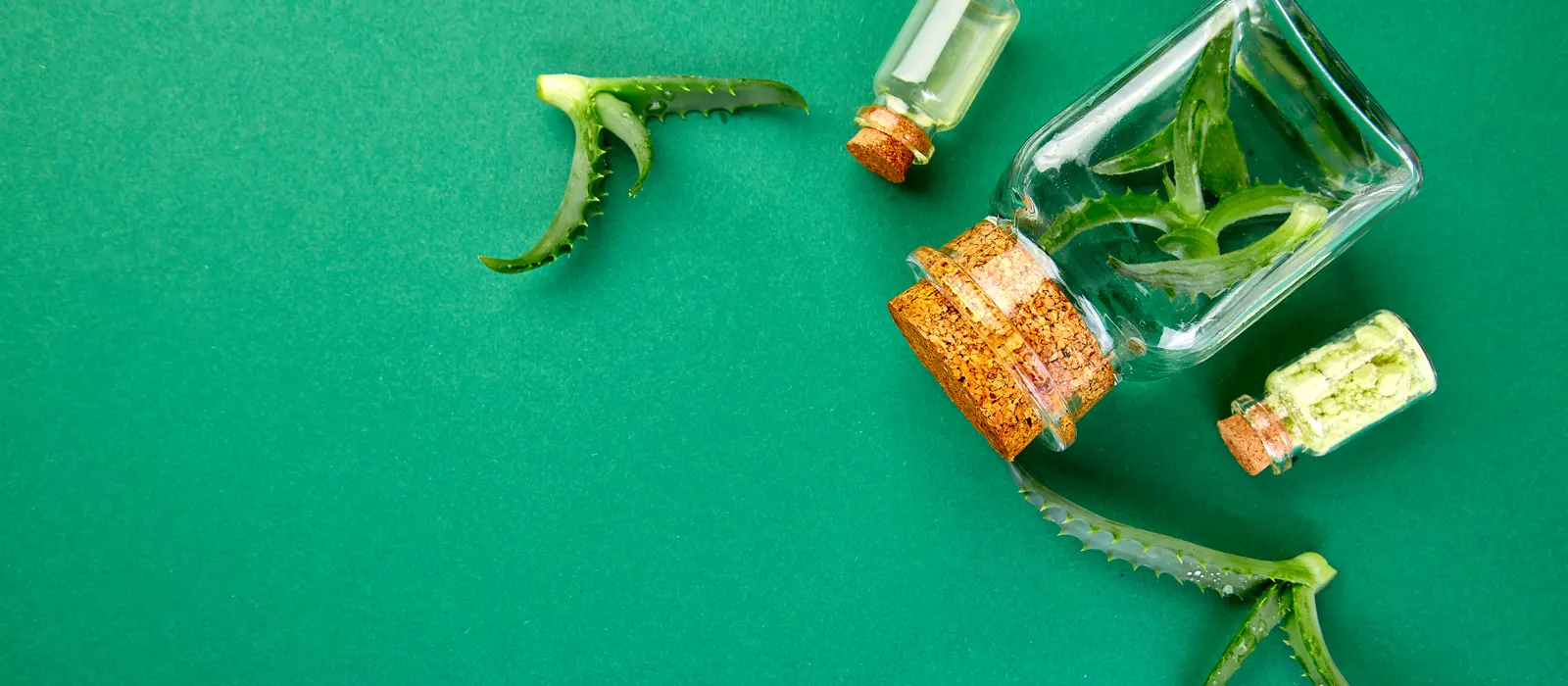 Toner · BeginnerOat & Aloe Post-Shave SplashA cool, milky splash of oat water and pure aloe gel to calm razor-tingled face, legs or underarms. Made fresh and used within the hour.
Buying well
Sustainability
Oats are a hardy, relatively low-input cereal grown widely in temperate climates, including Northern Europe and Canada, and are not threatened. Organic and gluten-free certified options are easy to find.
How to choose quality
In the US, look for “Colloidal oatmeal” listed as the active ingredient on a Drug Facts label. Elsewhere, look for Avena Sativa Kernel Flour high on the INCI list. For DIY, grind plain rolled oats very finely — if they turn bath water milky and feel silky, they are fine enough, though not standardized. Store dry and sealed.
The research For professionals
The chemistry, the studies and the evidence by concern, for practitioners, formulators and the curious.
Colloidal oatmeal is whole oat grain milled and processed to a fine particle size so that it disperses in water. It contains starches and β-glucan (which bind water and form a protective film), lipids, proteins, saponins (gentle cleansing) and polyphenols called avenanthramides. Avenanthramides inhibit NF-κB–driven inflammatory signaling and reduced histamine-induced itch in experimental models.
In the United States, colloidal oatmeal is a recognized active ingredient in the FDA’s over-the-counter skin protectant monograph (codified at 21 CFR 347 and carried forward under the 2020 OTC monograph reform), which permits claims to temporarily protect and help relieve minor skin irritation and itching due to rashes, eczema, poison ivy and insect bites. The monograph sets a minimum concentration of 0.007% (0.003% when combined with mineral oil). In the EU, oat products are regulated as cosmetics and cannot make medicinal claims.
Clinical studies of colloidal oatmeal creams in mild-to-moderate atopic dermatitis have reported reduced severity and itch and improved barrier function, and laboratory work shows it supports barrier gene expression and lipid processing. Most trials are small and industry-sponsored. One caveat: children with atopic dermatitis, particularly young ones with damaged skin, can become sensitized to oat proteins from oat-containing emollients.
Evidence by concern
| Concern | Grade | What the evidence shows |
|---|---|---|
| Dry & Dehydrated Skin | B | Multiple clinical studies show colloidal oatmeal creams and baths reduce dryness, scaling and itch; it is an approved skin protectant in the US. |
| Sensitive Skin & Redness | B | Avenanthramides are anti-inflammatory and anti-itch; clinical studies support oatmeal products for irritated, itchy and reactive skin. |
| Eczema-Prone Skin | B | Randomized trials show colloidal oatmeal creams and baths improve dryness, itch and eczema severity, supporting use as part of emollient therapy. |
| Sun Care & After-Sun | C | Soothes itch and discomfort on irritated, sun-exposed skin; evidence comes from its broader use as a skin protectant. |
Key studies
Laboratory and animal study: avenanthramides from oats inhibited inflammatory signaling (NF-κB) and reduced itch responses, explaining oats’ anti-itch effect.
Sur R, et al. Arch Dermatol Res. 2008 Read it in the bibliography Find on PubMedLab and clinical study: colloidal oatmeal increased expression of barrier-related genes and improved barrier function in skin with dryness.
Ilnytska O, et al. J Drugs Dermatol. 2016 Read it in the bibliography Find on PubMedTwo clinical studies: a 1% colloidal oatmeal cream used alone improved severity, itch and quality of life in mild-to-moderate atopic dermatitis. Industry-sponsored.
Lisante TA, et al. J Drugs Dermatol. 2017 Read it in the bibliography Find on PubMedIn children with atopic dermatitis, oat sensitization was common and associated with prior use of oat-containing emollients, particularly in younger children.
Boussault P, et al. Allergy. 2007 Read it in the bibliography Find on PubMed
MythHomemade ground oats are exactly the same as colloidal oatmeal.
EvidenceHomemade ground oats contain the same compounds and can be soothing, but they are not milled to a standardized particle size or tested. Commercial colloidal oatmeal is standardized for dispersion and purity. For diagnosed eczema, a tested product is the more reliable choice.
In tradition
Oat baths and poultices for itchy, irritated skin are a long-standing European folk remedy; colloidal oatmeal entered modern dermatology in the mid-twentieth century and is now a mainstay of eczema care.
From the first-edition dossier
From study to shelf
What to look for when you want an oat moisturizer.
- What was tested
- Fourteen days of 1% colloidal oatmeal cream or a fragrance-free moisturizer. Sixty-one people completed the study.
- What was found
- Hydration improved in both groups. Barrier measures improved from baseline in the oat cream group.
- What applies to a product
- Two finished moisturizers studied in mild to moderate atopic dermatitis.
- Main limitation
- The formulas differed, so the contribution of oatmeal alone is unknown.
On this page
What the studies found
Capone et al. (2020) PubMed
- Study design
- A randomized study compared a 1% colloidal oatmeal cream with a different fragrance-free daily moisturizer for 14 days. The 61 participants with mild to moderate atopic dermatitis who completed it included 30 using the oat cream and 31 using the comparator.
- Result
- The oat cream group improved from baseline on hydration, skin pH and barrier measures. The other moisturizer group improved in hydration. The abstract describes the microbiome findings at lesion sites as trends.
- Limitations
- The finished creams differed, so the study cannot isolate oatmeal’s contribution. The original abstract supports the reported direction of these outcomes. Its within-group results do not establish the size of any benefit over the comparator.
What to read on a US Drug Facts label
The FDA skin protectant monograph lists colloidal oatmeal for certain over-the-counter products. If your product has a US Drug Facts panel, read the active ingredient, purpose and directions there. A cosmetic that lists an oat derivative on its ingredient list may offer a different formulation and set of instructions.
Checks before you buy
- Look for Avena Sativa Kernel Flour or colloidal oatmeal. Avena Sativa Kernel Oil is a different ingredient.
- Some US products declare colloidal oatmeal as an active skin protectant in Drug Facts. Check the label directions for the exact product.
- For routine dryness, compare the full formula, fragrance and texture. If you have a diagnosed oat allergy or persistent eczema, consult a clinician.
Questions readers ask
Is finely ground kitchen oatmeal equivalent to colloidal oatmeal cream?
The study used a manufactured cream with specified colloidal oatmeal content and a formulated base. Oats ground at home do not reproduce it.
Should I choose by concentration alone?
Consider the formula as a whole. The research compared finished moisturizers and could not isolate the effect of concentration.
Compare the preparations
Colloidal oatmeal is finely processed whole oat material. Oat kernel oil, an oat extract and kitchen oats differ in composition and delivery. The base of a moisturizer also matters.
| Preparation | What to check |
|---|---|
| Colloidal oatmeal or oat flour | Check whether the manufacturer specifies colloidal oatmeal. The flour name alone leaves particle specifications open. |
| Oat kernel oil | An oil entry describes the lipid preparation. Read the rest of the formula for texture clues. |
| Oat kernel extract | Check which oat fraction is identified and whether the finished product has its own evidence. |
The research
A clinical study in people with mild to moderate atopic dermatitis examined a cream containing 1% colloidal oatmeal and reported improvements on skin-barrier measures. The findings describe a specific preparation and population.
Safety and tolerance
Check with a clinician if you have a known oat allergy. If you are managing eczema, use the product according to its label and follow your clinician’s advice.
What to look for on the label
Look for “Avena Sativa (Oat) Kernel Flour” or a declaration of colloidal oatmeal. In the US, some products list it as an active ingredient in Drug Facts.
A real label example
United States ·
Aveeno Daily Moisturizing Body Lotion, Sheer Hydration
- Avena Sativa (Oat) Kernel Flour
- Glycerin
- Dimethicone
The US Sheer Hydration list specifies oat kernel flour. This selected INCI name alone does not establish a particular colloidal preparation or make it interchangeable with oat oil or extract.
Sources
- PubMed · Colloidal oatmeal cream and the skin barrier PubMed
- DailyMed · Example of an oatmeal skin protectant label
Continue reading
First published in the original Herbs.Beauty atlas on 11 November 2026, with its sources as checked on that date.
Frequently asked questions
Is colloidal oatmeal good for eczema?
What is the difference between colloidal oatmeal and regular oats?
Can I use colloidal oatmeal on my baby?
Is colloidal oatmeal safe if I have celiac disease?
Cite this page
Herbs.Beauty. Colloidal Oatmeal (Avena sativa L.): evidence-based monograph. Updated 26 November 2026. https://herbs.beauty/ingredients/colloidal-oatmeal.html