Concern guide
Eczema-Prone Skin
Atopic dermatitis explained: filaggrin, the itch-scratch cycle and emollient therapy — plus the botanicals that help and the ones to avoid on broken skin.
Start here
Your routine, starting tonight
Simple, gentle and consistent beats complicated. Follow this for six to eight weeks before you judge it.
Morning
- Wash with lukewarm water and a soap-free emollient wash; pat dry.
- Apply any prescribed treatment to active patches first, as directed.
- Emollient all over, smoothing in the direction of hair growth to avoid folliculitis.
- Mineral sunscreen on exposed areas if tolerated.
Evening
- Short (5–10 minute) lukewarm bath or shower, optionally a Colloidal Oat Soothing Bath.
- Soak and seal: emollient within three minutes of drying, generously.
- Cotton nightwear, short nails, and cotton gloves for children who scratch at night.
Weekly
- Wash bedding hot and use fragrance-free, non-biological detergent with an extra rinse.
- Review supplies: running out of emollient is a common cause of flares.
- Keep a flare diary to identify triggers (heat, sweat, stress, fabrics, pets).
What is going on
In plain language: in eczema the skin barrier is leaky, so water escapes and irritants and allergens get in. The immune system overreacts, causing redness and intense itch. Scratching damages the barrier further — the itch-scratch cycle. Eczema often starts in childhood, runs in families with asthma and hay fever, and comes and goes in flares.
Expert detail: loss-of-function mutations in the filaggrin gene (FLG) are the strongest known genetic risk factor, reducing natural moisturizing factor and raising skin pH and transepidermal water loss. Type 2 inflammation — IL-4, IL-13 and the itch cytokine IL-31 — further suppresses barrier proteins, while Staphylococcus aureus colonization increases during flares. Many children with early, severe eczema develop food allergy, asthma or allergic rhinitis (the “atopic march”), and skin barrier damage may itself contribute to food sensitization.
Appearance and triggers: infants often have facial and extensor eczema; older children and adults have it in elbow and knee creases, neck, hands and around the eyes. In darker skin it may look brown, purple or gray rather than red, and follicular bumps are common. Triggers include soaps and detergents, wool and synthetic fabrics, heat and sweating, dry cold air, stress, house dust mite, pet dander, pollen and infections. Hand eczema is often aggravated by wet work.
The plants most worth trying
 No. 042
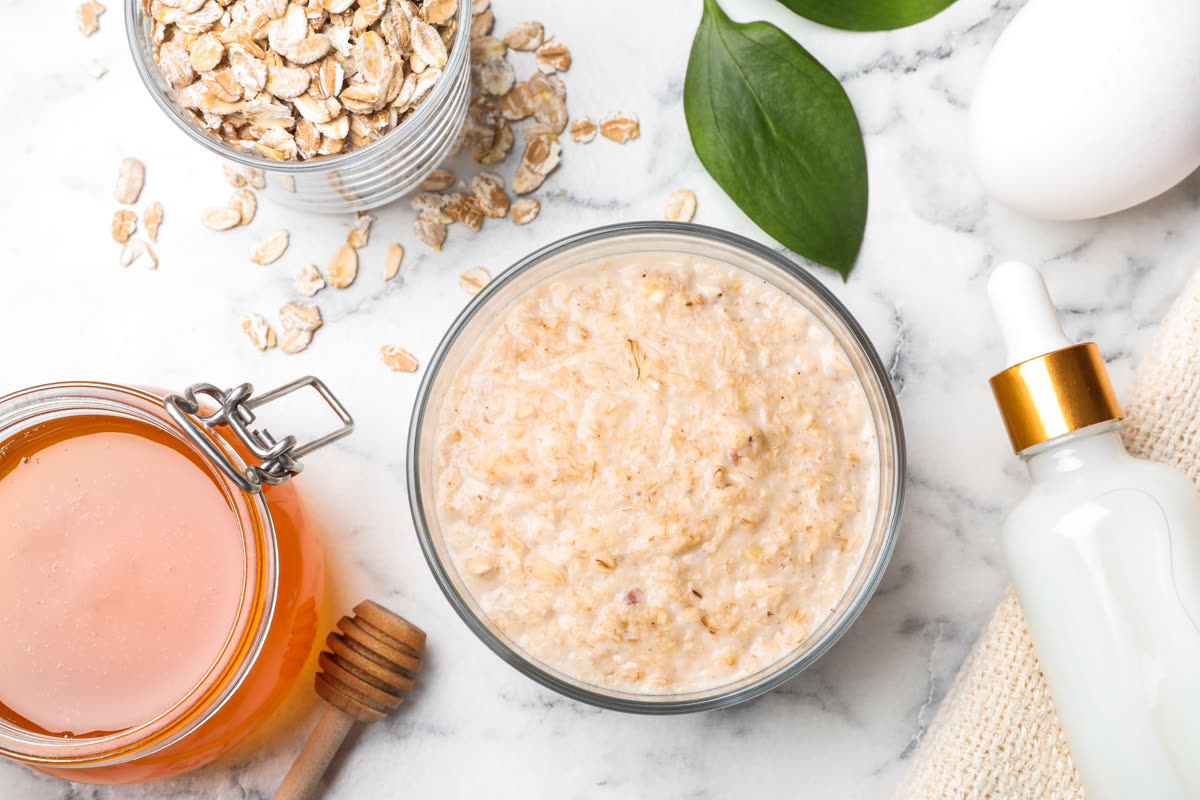
Colloidal OatmealAvena sativa L.Randomized trials show colloidal oatmeal creams and baths improve dryness, itch and eczema severity, supporting use as part of emollient therapy.
 No. 033
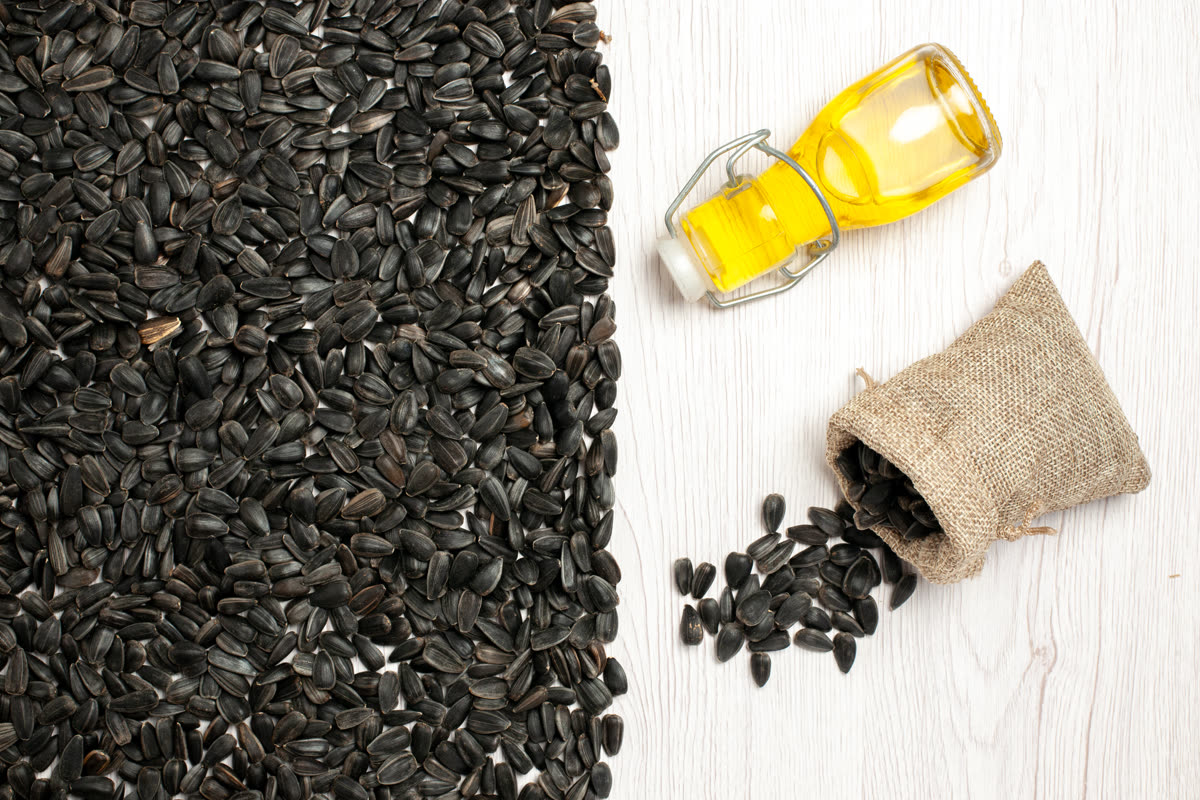
Sunflower OilHelianthus annuus L.Linoleic-rich sunflower oil supported barrier function in comparative studies and neonatal trials; it is a sensible base oil for eczema-prone skin.
 No. 031
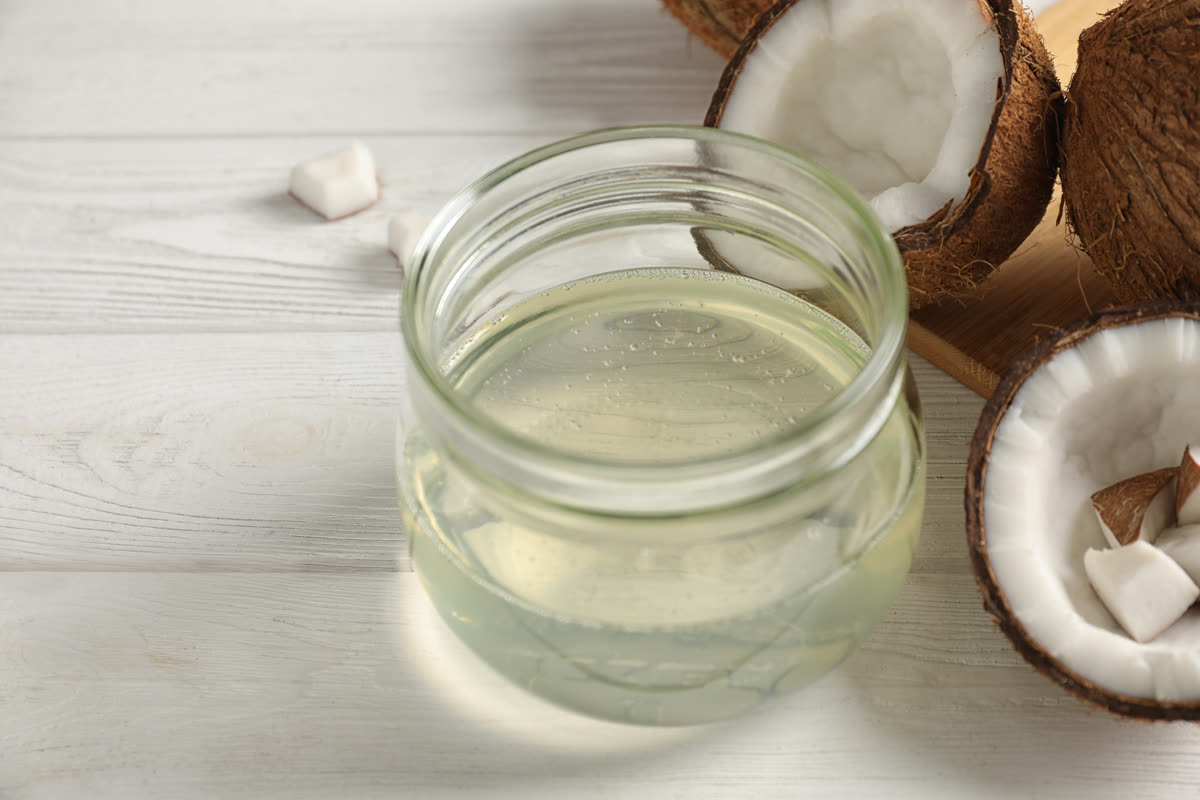
Coconut OilCocos nucifera L.A randomized trial in children with mild to moderate eczema found virgin coconut oil improved severity more than mineral oil, and it reduced S.…
The full list, best proven first:
| Ingredient | Grade | What the evidence shows |
|---|---|---|
| Colloidal Oatmeal | B | Randomized trials show colloidal oatmeal creams and baths improve dryness, itch and eczema severity, supporting use as part of emollient therapy. |
| Sunflower Oil | B | Linoleic-rich sunflower oil supported barrier function in comparative studies and neonatal trials; it is a sensible base oil for eczema-prone skin. |
| Coconut Oil | B | A randomized trial in children with mild to moderate eczema found virgin coconut oil improved severity more than mineral oil, and it reduced S. aureus colonization in another trial. |
| Shea Butter | C | A rich, low-allergen emollient; small studies of shea-based creams show improvement, though it is usually tested alongside other ingredients. |
| Licorice Root | C | A small trial of a 2% licorice extract gel reduced itch and redness; glycyrrhetinic acid is anti-inflammatory. |
| Chamomile | C | An older half-side study found a chamomile cream modestly effective versus low-strength hydrocortisone, but daisy-family allergy is a real risk on eczematous skin. |
| Honey | C | Small studies of medical-grade honey on eczema patches suggest benefit; kitchen honey is not sterile and is not for broken skin. |
Proven partners beyond plants
Eczema has an effective, proven treatment ladder:
- Emollients, used generously and often — at least twice a day and after every wash, in large quantities (UK guidance suggests around 250–500 g a week for a child with widespread eczema). Ointments and creams in tubs or pumps; use them as a soap substitute too.
- Topical corticosteroids of the right strength, used for the right time (measured in fingertip units), are safe and effective when prescribed. Undertreatment out of “steroid phobia” prolongs flares.
- Topical calcineurin inhibitors (tacrolimus, pimecrolimus) when prescribed, especially for the face and eyelids; topical JAK inhibitors and PDE4 inhibitors in some countries.
- For moderate to severe disease: phototherapy, and systemic treatments including biologics (dupilumab, tralokinumab, lebrikizumab and others) and oral JAK inhibitors, which have transformed care.
- Wet wraps, antihistamines for sleep (not itch) and treatment of infection under medical guidance.
Botanicals such as colloidal oatmeal, sunflower oil and coconut oil are valuable as emollients between and during flares. They are not substitutes for anti-inflammatory treatment when skin is red and itchy.
What tends to make it worse
- Soaps, bubble baths and foaming washes.
- Fragrance and essential oils, including lavender, tea tree and “calming” blends.
- Daisy-family botanicals (chamomile, calendula, arnica) if you have reacted to them before — and patch test even if you have not.
- Olive oil on infant or eczematous skin; it can weaken the barrier.
- Food-based oils (e.g. peanut or nut oils) on the broken skin of babies, as skin exposure may contribute to food allergy.
- Wool and scratchy synthetic fabrics next to the skin; overheating.
- Aqueous cream BP as a leave-on moisturizer — its sodium lauryl sulfate can irritate.
When to see a doctor
- Weeping, crusting (honey-colored crusts), pus or rapidly worsening eczema — possible bacterial infection.
- Painful, clustered, punched-out sores or blisters with fever or feeling unwell — possible eczema herpeticum, which needs same-day medical care.
- Fever, chills or spreading redness alongside eczema.
- Eczema affecting sleep, school, work or mood, or not controlled by emollients and the treatment you have been given.
- Babies with eczema who also have feeding problems, poor growth or reactions after eating certain foods.
- Eczema around or affecting the eyes, or worsening vision.
Find a dermatologist or report a reaction to a cosmetic, wherever you live.
Myths and evidence
MythTopical steroids thin the skin, so it is safer to avoid them.
EvidenceUsed at the right strength for the right duration, topical steroids are safe and highly effective. Uncontrolled eczema causes more harm than appropriately supervised steroid use.
MythEczema is caused by food allergy, so cutting out foods will clear it.
EvidenceMost eczema is not driven by food. Unsupervised elimination diets can harm children’s nutrition and even increase allergy risk. Test only with an allergist.
MythNatural oils are always gentler for eczema.
EvidenceSome oils help (sunflower oil, coconut oil), but olive oil can weaken the barrier and essential oils and many plant extracts are common allergens on eczematous skin.
Recipes to try at home
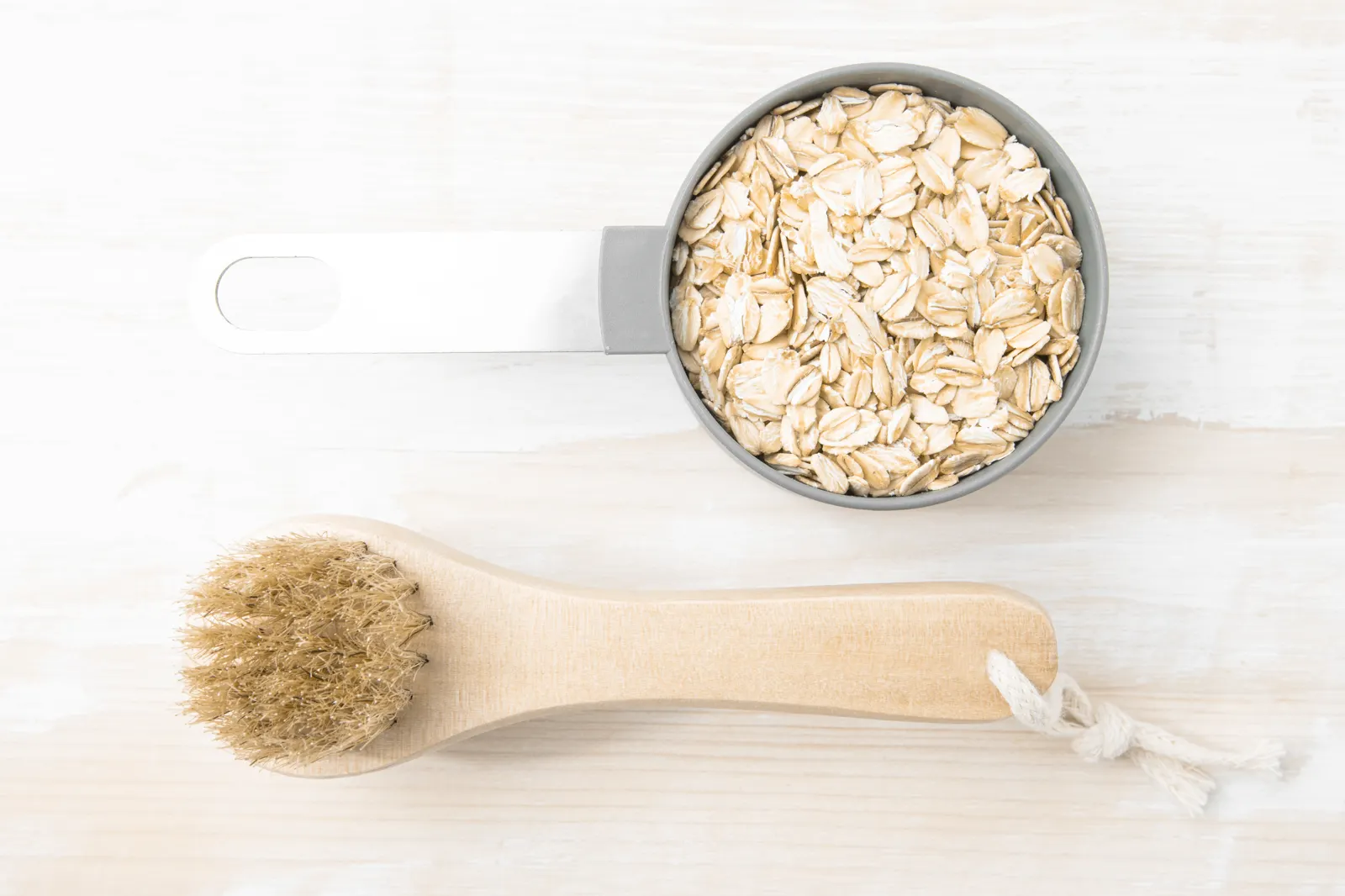 Bath · BeginnerColloidal Oat Soothing BathA lukewarm colloidal oatmeal soak with a little sunflower oil and marshmallow root to calm itchy, dry or eczema-prone skin.
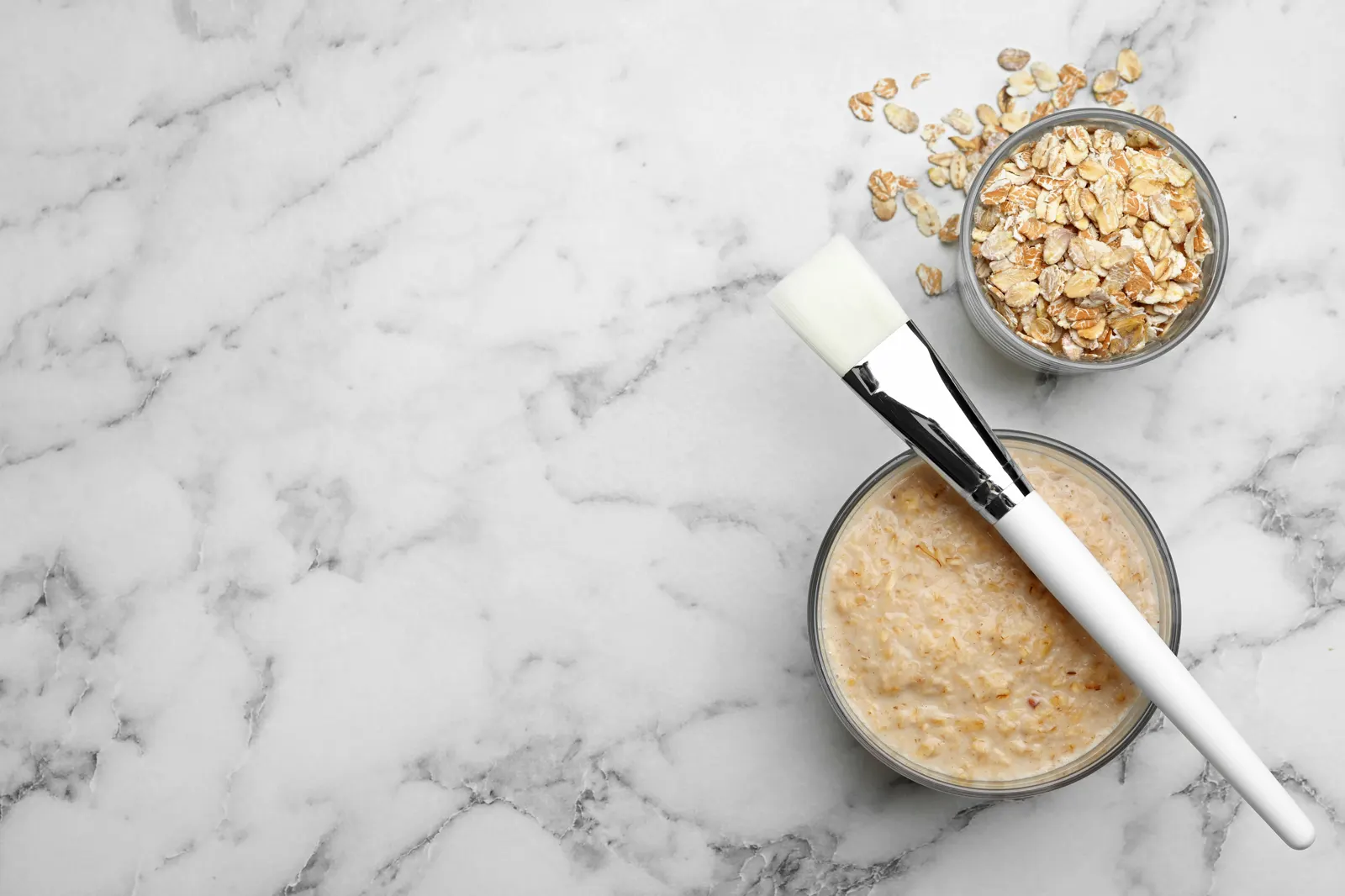 Mask · BeginnerCalming Oat & Chamomile MaskA soothing single-use paste of colloidal oatmeal, cooled chamomile tea, honey and aloe for skin that feels hot, tight or reactive.
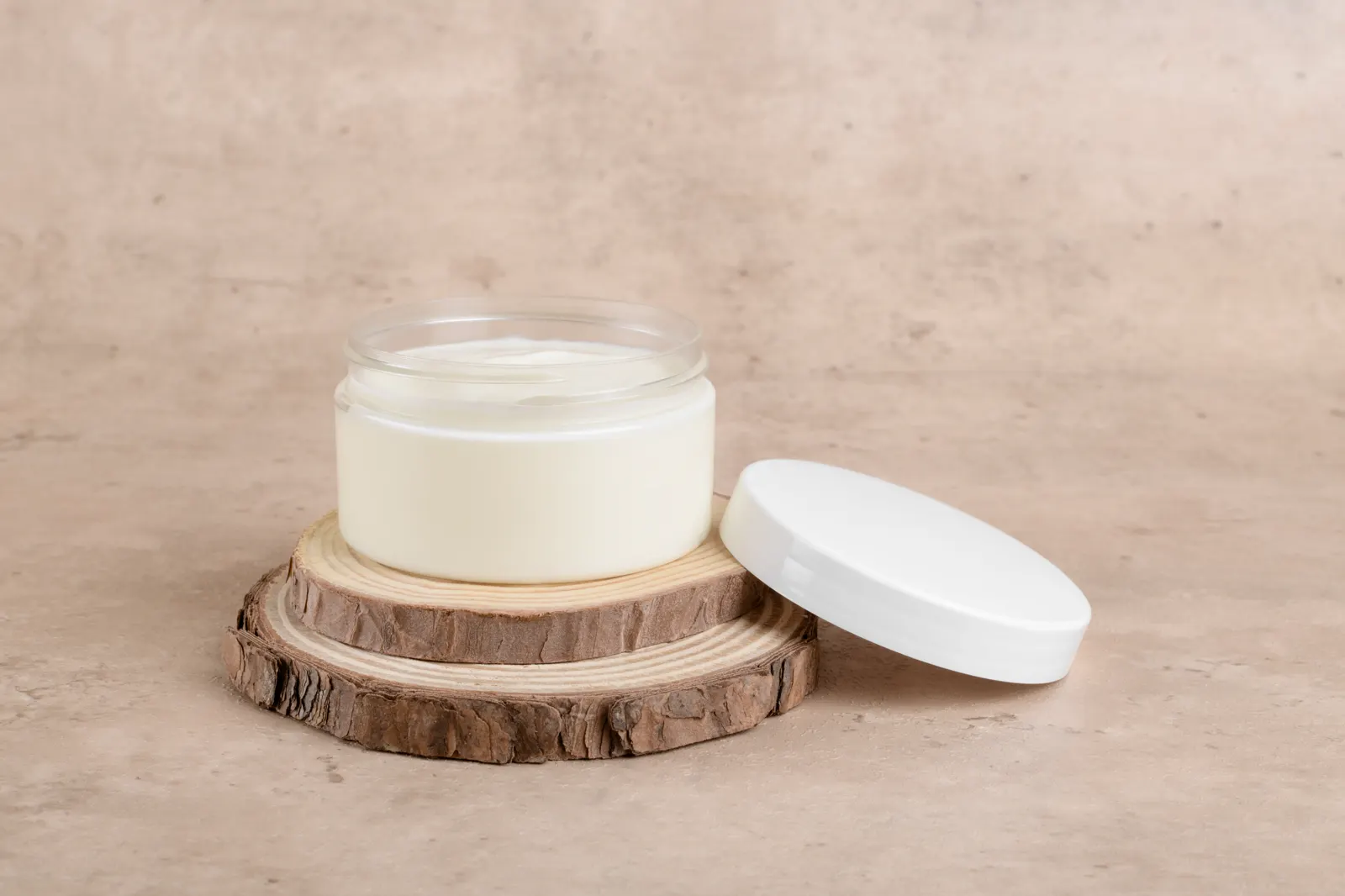 Body care · BeginnerWhipped Shea Body ButterCloud-light whipped shea with coconut and sunflower oils and a hint of lavender — rich care for dry skin, with the trick that prevents graininess.
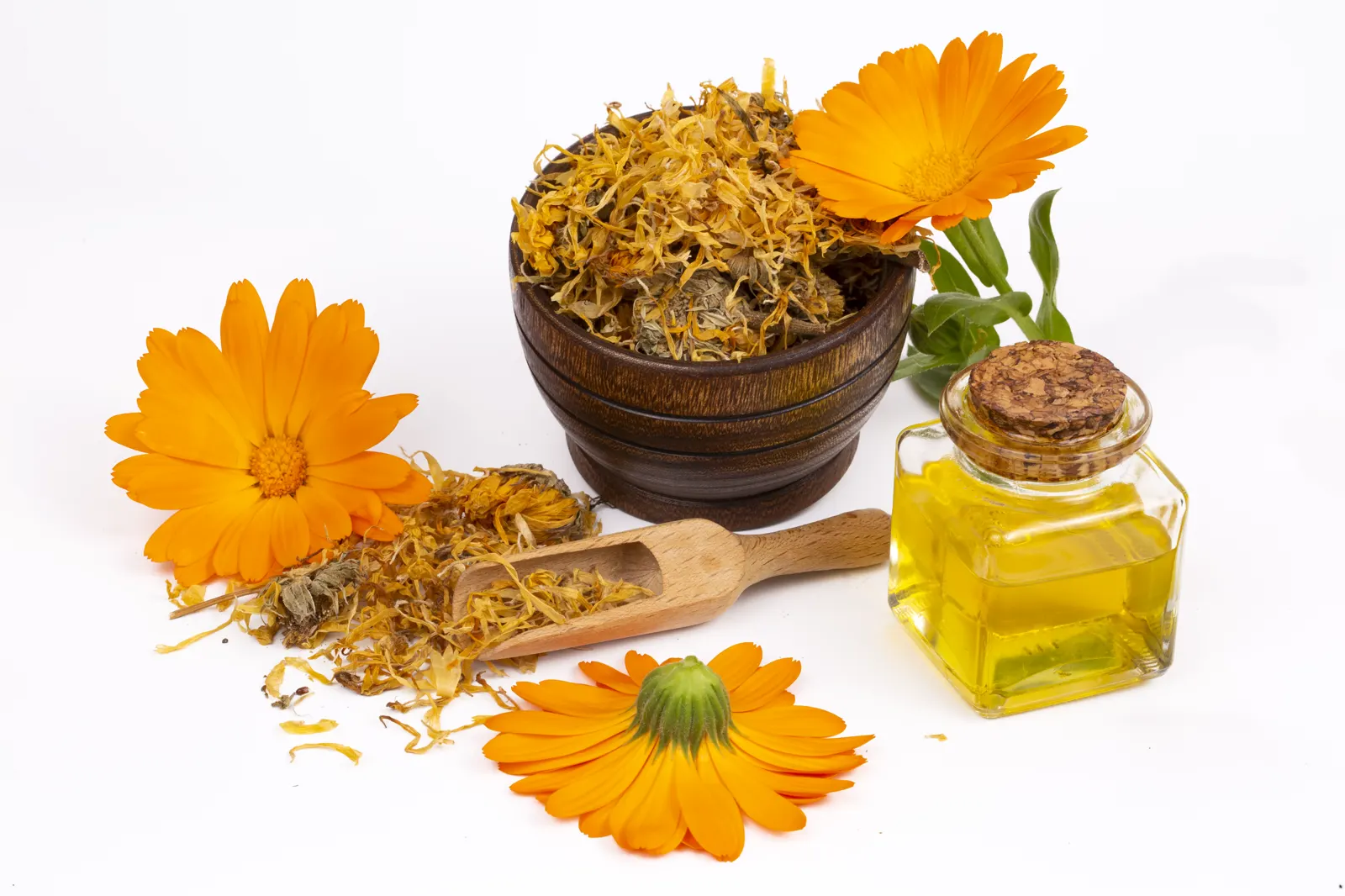 Balm · BeginnerCalendula Comfort BalmA rich, fragrance-free balm of calendula-infused oil, shea and beeswax for chapped hands, dry patches and minor scrapes once they have closed.