The ingredient encyclopedia · herb
Rose Geranium
Pelargonium graveolens L’Hér. (Commercial oil comes mostly from rose-scented cultivated hybrids, traded as Pelargonium × asperum, P. roseum or P. ‘Rosé’) · Geraniaceae
A whole rose garden hidden in a green leaf: rose geranium brings a lush, rosy scent at a gentle price.
FR Géranium rosatES Geranio de olor (geranio rosa)AR عطرشةLaatarcha (Darija); géranium Bourbon (Réunion oil)
- How well proven
- DTraditional wisdom
- Safety
- Use with care
- Sun-sensitive
- No
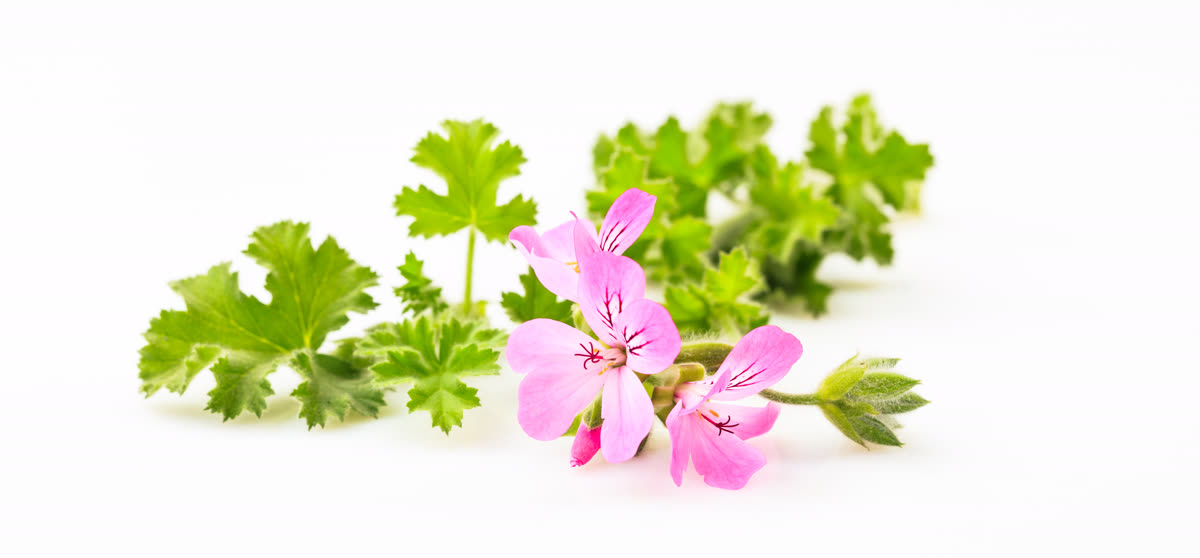
Also known as Pelargonium graveolens L’Hér. (Commercial oil comes mostly from rose-scented cultivated hybrids, traded as Pelargonium × asperum, P. roseum or P. ‘Rosé’)
FR Géranium rosatES Geranio de olor (geranio rosa)AR عطرشةLaatarcha (Darija); géranium Bourbon (Réunion oil)
What the evidence says
Antimicrobial and anti-inflammatory effects are shown in lab and animal studies; there are no controlled trials of rose geranium for skin-care outcomes.
- What it does
- An affordable rose note. Citronellol, geraniol and rose oxide give a convincing rosy-green scent at a fraction of the price of rose otto, making it a backbone of natural perfumes and body care.
- How to use it
- Face oils and creams · 0.25–1% essential oil
- Watch out for
- Contains EU-listed allergens (citronellol, geraniol, linalool, citral); avoid if you are allergic to fragrance or to Fragrance Mix I, and patch test otherwise.
Checked against 2 cited studies and our safety review · Updated 26 November 2026 · How we grade
Why you’ll love Rose Geranium
Why you’ll love it
- A convincing rosy-green scent at a fraction of rose’s price
- Its hydrosol makes a soft, fragrant toner for combination skin
- A lovely rose note for natural perfumes and body oils
Best forRose lovers on a budget, oily or combination skin (as hydrosol), perfume makers.
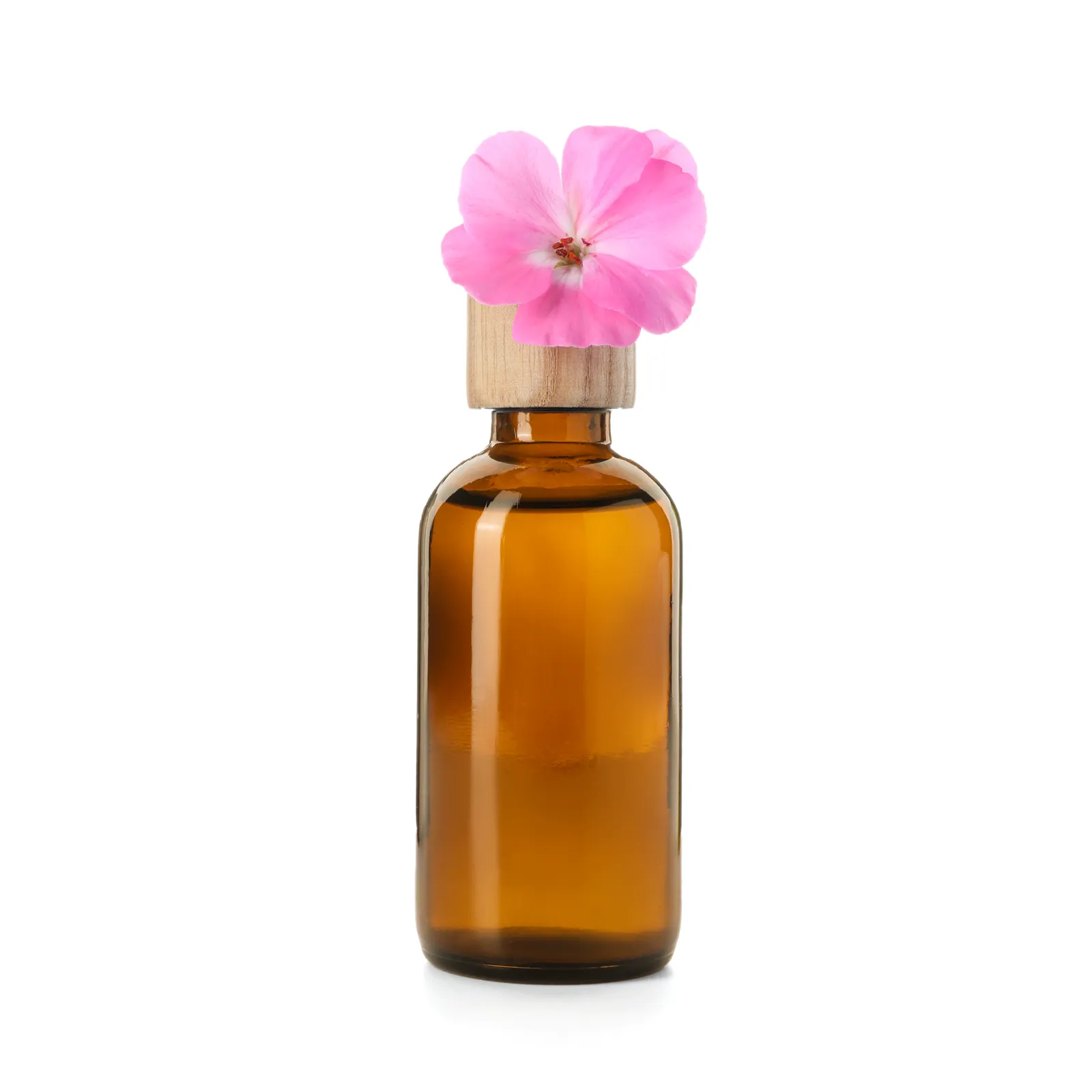
Try it today
A rosy hydrosol toner moment
- Choose a preserved geranium hydrosol and keep it in the fridge once opened.
- Patch test on your inner arm, then mist or sweep it over clean skin with a cotton pad.
- Follow with your usual moisturizer while your skin is still slightly damp.
Good to know: Its rosy molecules are known allergens and get harsher as the oil ages. Keep bottles full, closed and cool, and never apply the oil neat.
At a glance
| Parts used | Essential oil steam-distilled from leaves and green stems; hydrosol (geranium water); leaf extracts |
|---|---|
| Key actives | Citronellol, Geraniol, Citronellyl and geranyl formates, Linalool, Isomenthone, 10-epi-γ-Eudesmol (Egyptian and North African oils), Guaia-6,9‑diene (Bourbon and Chinese oils) |
| INCI names | Pelargonium Graveolens Flower Oil Pelargonium Graveolens Oil Pelargonium Graveolens Flower/Leaf/Stem Water Pelargonium Graveolens Extract |
| Skin types | oily, combination, normal |
| Pairs well with | Damask RoseLavenderOrange Blossom (Neroli)Jojoba |
| Evidence grade | DTraditional wisdom Antimicrobial and anti-inflammatory effects are shown in lab and animal studies; there are no controlled trials of rose geranium for skin-care outcomes. |
What it does for skin and hair
An affordable rose note
Citronellol, geraniol and rose oxide give a convincing rosy-green scent at a fraction of the price of Damask rose otto, making it a backbone of natural perfumes and body care.
A gentle hydrosol toner
Geranium water is a soft, fragrant toner for oily and combination skin; it refreshes, though “sebum-balancing” is a sensory claim, not a measured one.
Antimicrobial in the lab
The oil inhibits a range of bacteria and fungi, including Candida, in vitro — a rationale for its use in deodorants and foot care.
Anti-inflammatory signals
Animal studies show reduced inflammatory cell recruitment with geranium oil, but no human skin trials confirm a calming effect.
How to use it
Start low, be consistent, and give it four to eight weeks. These are the amounts that work in real products and home recipes.
| Form | Typical use level | Notes |
|---|---|---|
| Face oils and creams | 0.25–1% essential oil | About 1–2 drops per 10 ml gives roughly 0.5–1%; use the Essential Oil Dilution Calculator. Lovely with jojoba and Damask rose. |
| Body oils, balms and deodorants | Up to 2% | Add tocopherol and store cold: oxidized geraniol is more allergenic. See Essential Oil Safety: The Complete Guide. |
| Hydrosol toner | Neat as a toner, or up to 100% of the water phase of a preserved formula | Buy preserved hydrosol, refrigerate after opening and use within a few months; homemade hydrosols spoil quickly. See DIY Safety: Water, Microbes & Preservatives. |
| Natural perfume | Commonly 5–20% of the fragrance concentrate | Keep the finished product within the supplier’s IFRA certificate limits and list allergens on the label. |
Use it safely
Use with care
- Contains EU-listed allergens (citronellol, geraniol, linalool, citral); avoid if you are allergic to fragrance or to Fragrance Mix I, and patch test otherwise.
- Old, oxidized oil is markedly more sensitizing: keep bottles full, closed and cool, and discard oil that smells harsh.
- Never apply neat; keep away from eyes and do not use essential oils on infants.
- The hydrosol is far gentler than the oil and a better choice for reactive skin.
- Pregnancy & breastfeeding
- No specific hazard is documented for topical use at normal dilutions. Keep the oil at ≤ 1%, prefer the hydrosol in the first trimester, and see Skincare in Pregnancy & Breastfeeding. Pregnancy guide
- Phototoxicity
- Not phototoxic at normal use levels.
- Declared fragrance allergens
- Citronellol, Geraniol, Linalool, Citral, Limonene
New to an ingredient? Patch test first. Stop and seek advice if you get burning, swelling, blistering or a spreading rash.
Make it at home: recipes with rose geranium
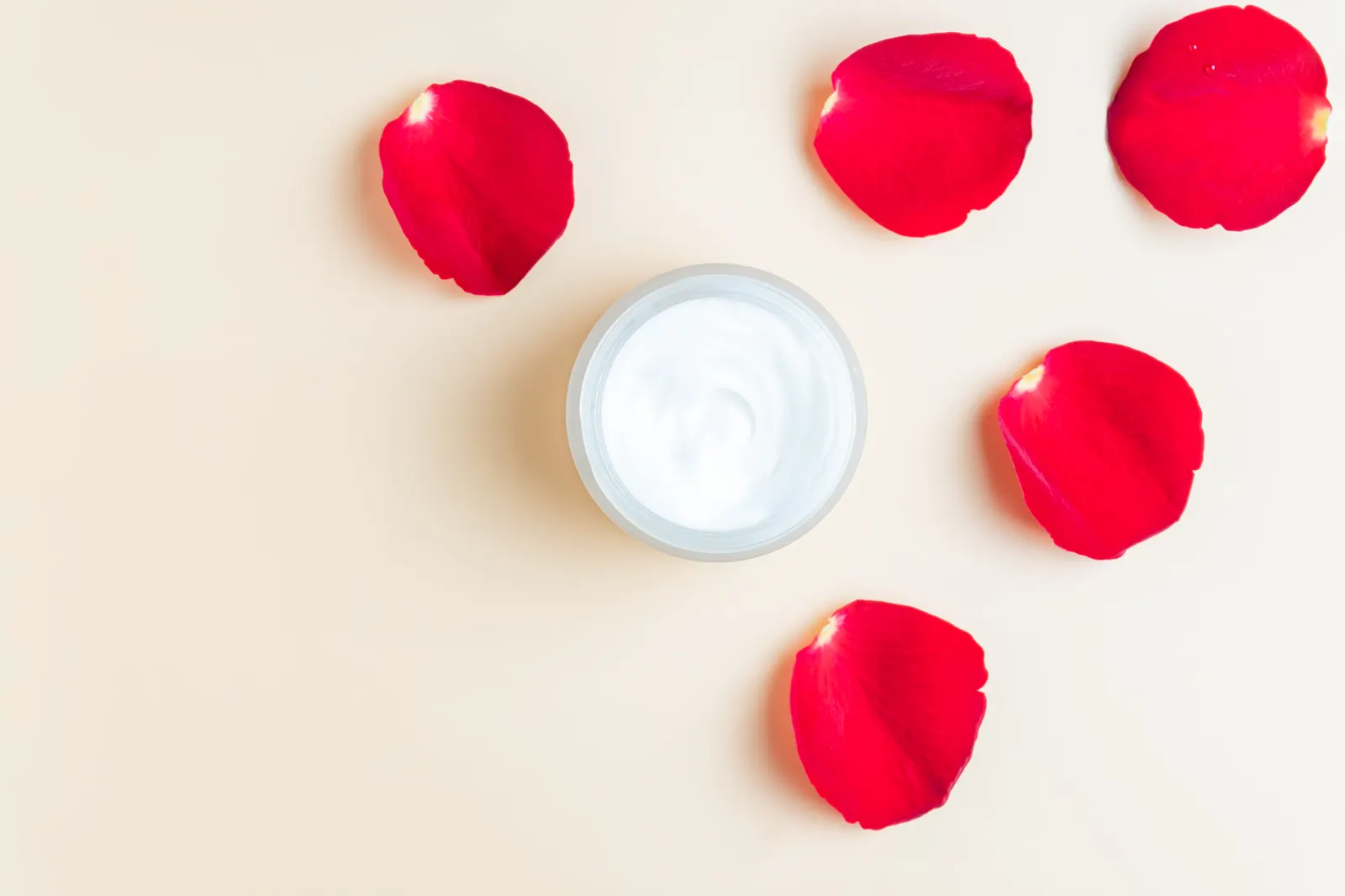 Balm · BeginnerRose & Orange Blossom Hand BalmA silky hand balm of shea, almond and rose-infused oil, lightly scented with neroli and rose geranium — a Moroccan garden in a tin.
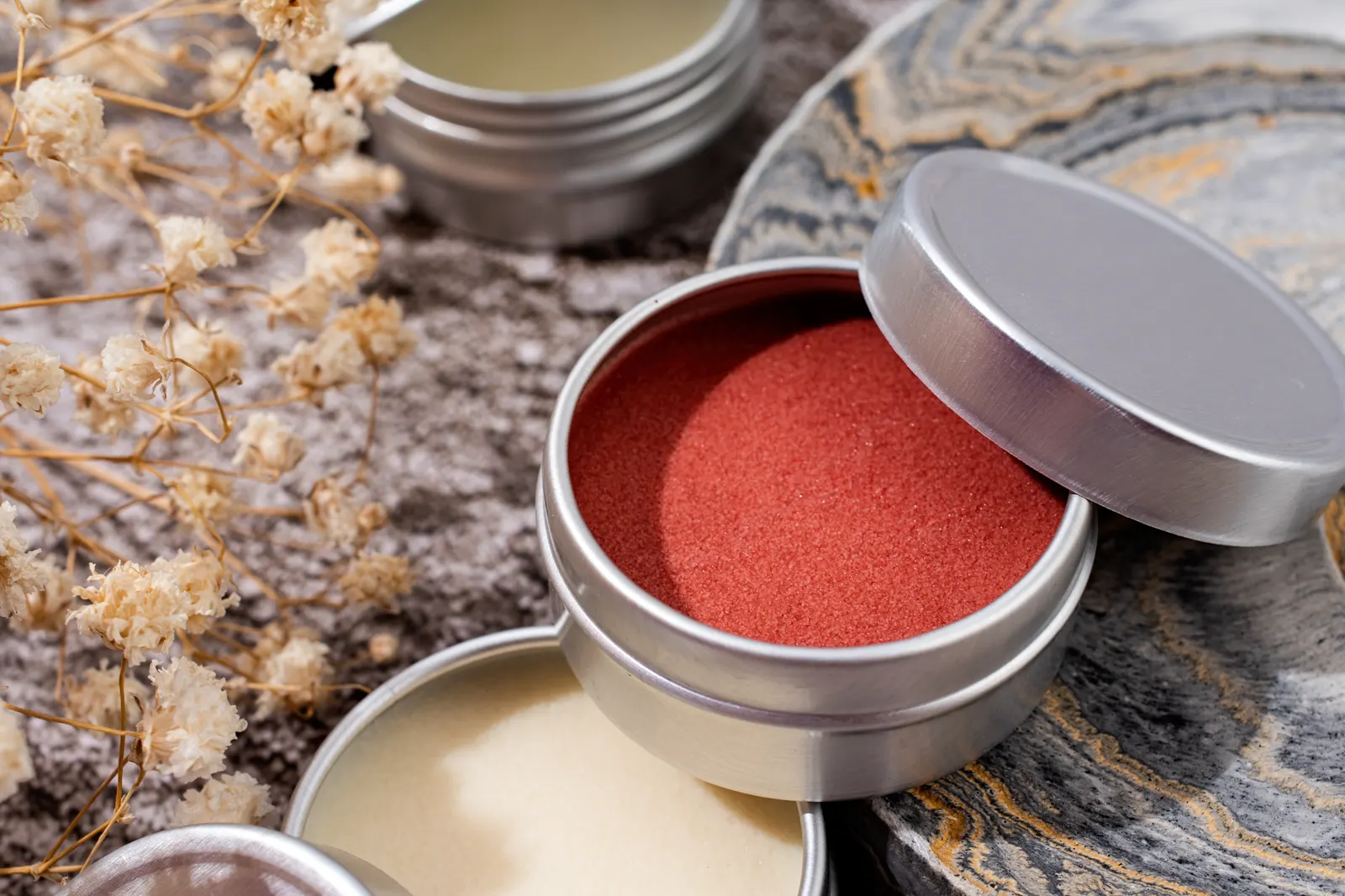 Balm · IntermediateThree-Balm Gift SetOne shea and beeswax base, three little tins: an unscented lip balm, a rose geranium hand balm and a lavender bedtime balm. A handmade gift people use.
Buying well
Sustainability
Rose geranium is a cultivated crop, so conservation concern is low. Egypt is the largest producer, with Morocco, China and South Africa also important; Réunion’s famous Bourbon geranium now comes from small, costly harvests. Adulteration is common: oils cut with synthetic citronellol and geraniol, or Chinese oil relabelled as Bourbon. GC-MS (and, for experts, chiral analysis) exposes most fakes.
How to choose quality
Choose by origin and scent: Bourbon (Réunion) is rich and rosy, Egyptian and Moroccan oils sweet and herbaceous, Chinese oil sharper and more citrus-minty. Ask for a GC-MS report and an allergen declaration, especially for perfumery. A very cheap “rose geranium” or one labeled only “geranium oil” may be blended. Hydrosols should be fresh-smelling, preserved, and stored cold. Use oils within about two years of opening.
The research For professionals
The chemistry, the studies and the evidence by concern, for practitioners, formulators and the curious.
Rose geranium oil is built on two rose alcohols, citronellol and geraniol, and their formates, with linalool, isomenthone, small amounts of rose oxides and many minor components. Origin leaves a fingerprint: Egyptian and North African oils contain 10-epi-γ-eudesmol, while Bourbon (Réunion) and Chinese oils contain guaia-6,9‑diene and little or none of the eudesmol. Chinese oil typically has a high citronellol-to-geraniol ratio and a sharper, more lemony-minty edge; Bourbon oil is considered the roundest and rosiest.
In vitro, the oil and its alcohols are antibacterial and antifungal, and in mice, Maruyama and colleagues found that geranium oil suppressed inflammatory responses. A small human study reported short-lived relief of postherpetic neuralgia pain when geranium oil was applied to the painful area — interesting, but not a skin-care outcome. The aromatherapy reputation for “balancing” oily and dry skin, tightening pores or fading scars has not been tested in controlled trials.
The safety chemistry is well understood. Geraniol is a prehapten: on exposure to air it oxidizes into geranial, neral (together, citral) and epoxides that are stronger sensitizers. Geraniol is part of the standard Fragrance Mix I patch-test series, and geraniol, citronellol, linalool and citral are EU-listed fragrance allergens that must be named on labels above 0.001% in leave-on and 0.01% in rinse-off products. IFRA restricts several of these constituents, so finished fragrances must respect the supplier’s IFRA certificate.
Key studies
In mice, geranium essential oil suppressed carrageenan- and collagen-induced inflammation, reducing neutrophil accumulation. Animal data only.
Maruyama N, et al. Mediators Inflamm. 2006 Read it in the bibliography Find on PubMedSmall study: geranium oil applied to the skin gave temporary relief of postherpetic neuralgia pain in some participants. Not a cosmetic outcome; short follow-up.
Greenway FL, et al. Am J Med. 2003 Read it in the bibliography Find on PubMed
MythRose geranium balances oily and dry skin.
EvidenceThis is a popular aromatherapy claim with no measurement behind it: no controlled study shows rose geranium changes sebum output. It is a pleasant fragrance and a mild antimicrobial; for oily skin, cleansing, niacinamide and retinoids have evidence. See Oily Skin & Pores.
In tradition
In Morocco, Algeria and Tunisia, pots of laatarcha grow in courtyards; a leaf can scent tea or milk puddings, and its distilled water is used like rose water. Réunion’s Bourbon geranium supplied the Grasse perfume houses from the nineteenth century onward.
Frequently asked questions
What is rose geranium oil good for on skin?
Is rose geranium the same as rose oil?
Is rose geranium oil safe for sensitive skin?
How do I use rose geranium hydrosol?
Cite this page
Herbs.Beauty. Rose Geranium (Pelargonium graveolens L’Hér.): evidence-based monograph. Updated 26 November 2026. https://herbs.beauty/ingredients/rose-geranium.html