The ingredient encyclopedia · herb
Willow Bark
Salix alba (Also black willow (S. nigra), purple willow (S. purpurea) and other Salix species) · Salicaceae
Willow bark is a soft-spoken toner for oily skin: soothing, lightly astringent and gentle by nature.
FR Saule blanc (écorce)ES Sauce blanco (corteza)AR الصفصاف
- How well proven
- DTraditional wisdom
- Safety
- Low topical risk
- Sun-sensitive
- No
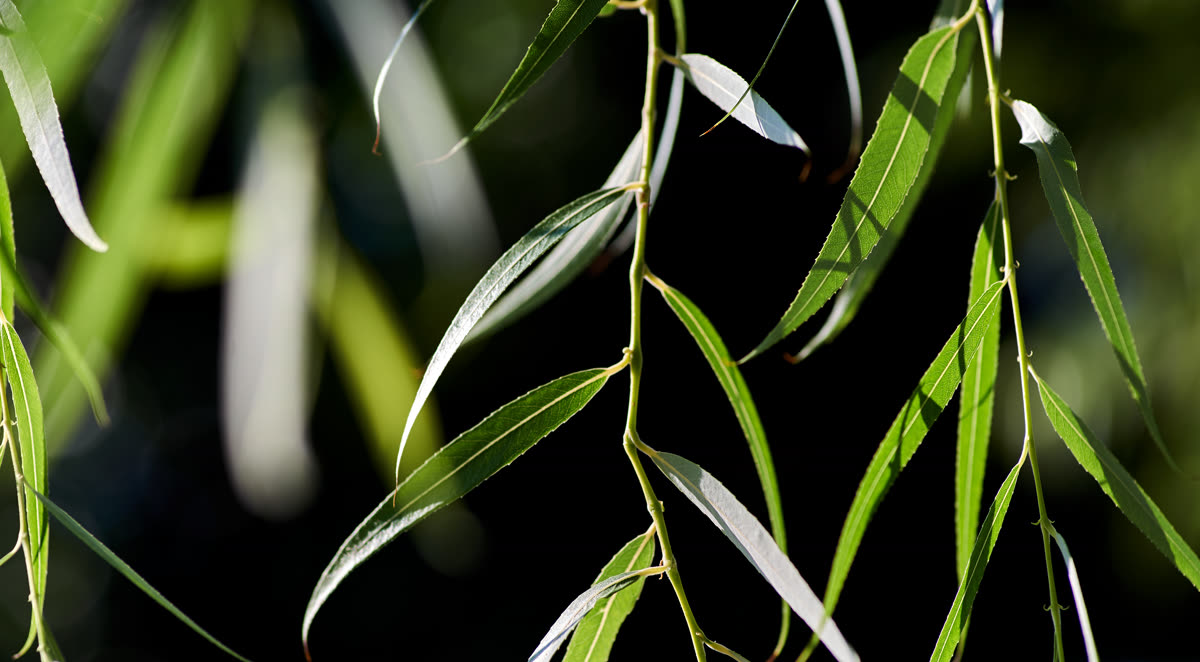
Also known as Salix alba (Also black willow (S. nigra), purple willow (S. purpurea) and other Salix species)
FR Saule blanc (écorce)ES Sauce blanco (corteza)AR الصفصاف
What the evidence says
Oral willow bark has trial evidence for back pain, but topical cosmetic benefits rest on lab data and manufacturer claims, not independent human trials.
- Best supported for
- Acne & Breakouts COily Skin & Pores C
- How to use it
- Extract in toners and cleansers · 1–5% (per supplier)
- Watch out for
- If you are allergic to aspirin or other salicylates, or have aspirin-sensitive asthma, avoid willow bark products (and never take willow bark orally) unless your doctor approves.
Checked against 1 cited study and our safety review · Updated 26 November 2026 · How we grade
Why you’ll love Willow Bark
Why you’ll love it
- A soothing, lightly tightening toner feel
- Gentle enough for very sensitive, oily skin
- A calm addition to a simple cleanse-and-tone routine
Best forOily or sensitive skin that wants a mild toner rather than a strong exfoliant.
Try it today
A soft toning step
- Choose a toner with willow bark extract and patch test it first; skip it if aspirin disagrees with you.
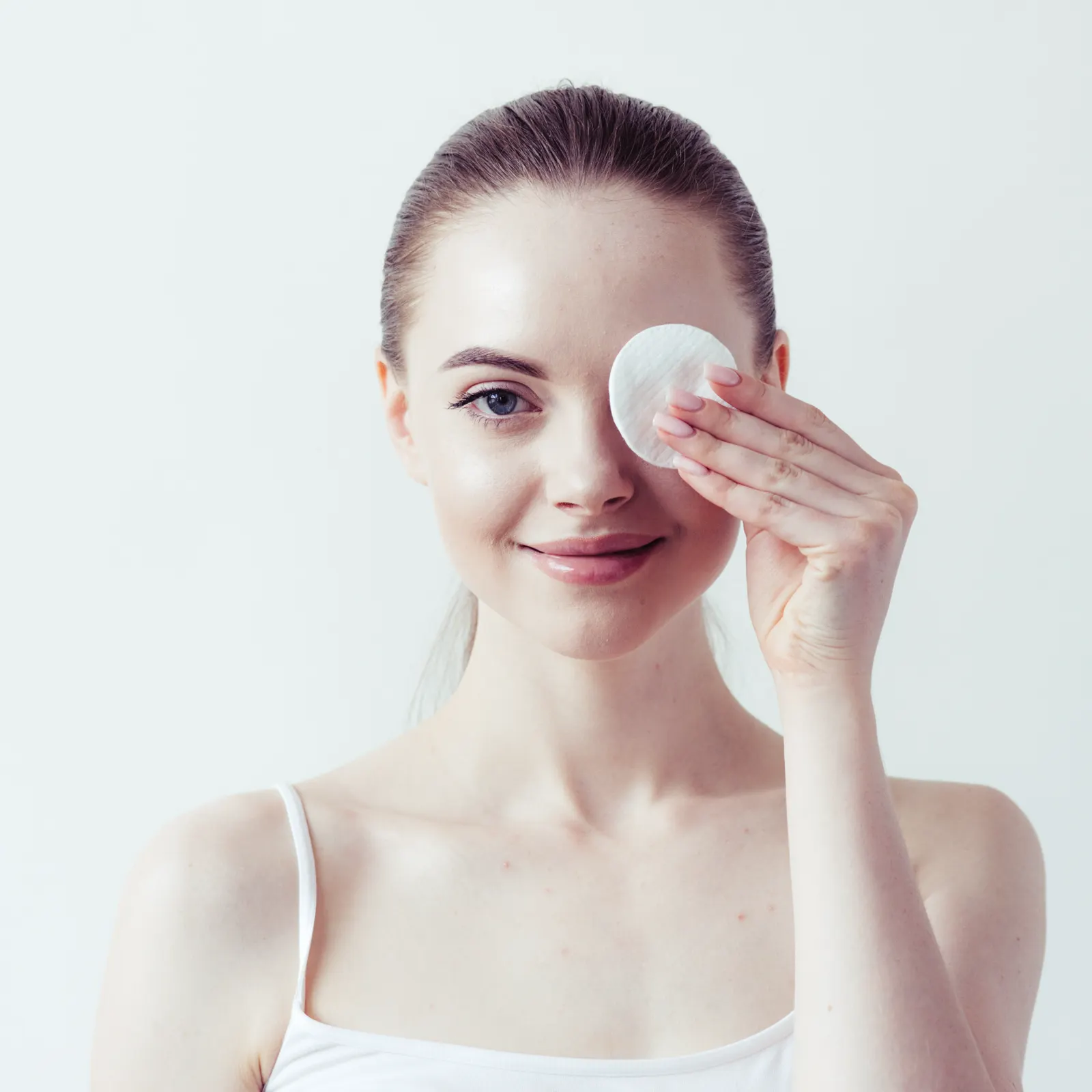
- Sweep it over clean skin with a cotton pad, focusing on oily areas.
- Follow with moisturizer, especially if your skin leans dry.
Good to know: Willow bark contains salicin, not salicylic acid, so it’s a soother, not a true BHA. Avoid it if you’re allergic to aspirin.
At a glance
| Parts used | Bark |
|---|---|
| Key actives | Salicin, Salicortin, Tremulacin, Flavonoids, Procyanidins (tannins) |
| INCI names | Salix Alba Bark Extract Salix Nigra Bark Extract |
| Skin types | oily, combination |
| Hair & scalp | oily scalp |
| Pairs well with | Witch HazelGreen TeaTea TreeAloe Vera |
| Evidence grade | DTraditional wisdom Oral willow bark has trial evidence for back pain, but topical cosmetic benefits rest on lab data and manufacturer claims, not independent human trials. |
What it does for skin and hair
Mild astringent and toner
Tannins (procyanidins) give a light tightening, shine-reducing feel on Oily Skin & Pores.
Soothing and antioxidant
Polyphenols and flavonoids show anti-inflammatory and antioxidant activity in lab studies.
Gentle alternative for very sensitive skin
Because it does not exfoliate like salicylic acid, it is unlikely to cause the dryness and peeling acids can; that is also why its effect on blemishes is modest.
How to use it
Start low, be consistent, and give it four to eight weeks. These are the amounts that work in real products and home recipes.
| Form | Typical use level | Notes |
|---|---|---|
| Extract in toners and cleansers | 1–5% (per supplier) | A soothing, lightly astringent addition for oily skin; water-based formulas need a preservative. |
| Scalp tonic or shampoo | 1–3% extract | For an oily scalp feel; for genuine flaking, salicylic acid or antifungal shampoos are better (see Dandruff & Itchy Scalp). |
| When you want real exfoliation | Salicylic acid 0.5–2% (within local regulatory limits) | Use a properly formulated salicylic acid product rather than relying on willow bark. See Acne & Breakouts. |
Use it safely
Low topical risk
- If you are allergic to aspirin or other salicylates, or have aspirin-sensitive asthma, avoid willow bark products (and never take willow bark orally) unless your doctor approves.
- Do not give oral willow bark to children or teenagers (risk of Reye’s syndrome, as with aspirin) or combine it orally with anticoagulants or NSAIDs.
- Topically it is usually well tolerated; tannins can feel drying on already dry skin.
- Check labels: “willow bark” products for acne often also contain synthetic salicylic acid, which is regulated in the EU with concentration limits and restrictions for young children.
- Pregnancy & breastfeeding
- Avoid oral willow bark in pregnancy and breastfeeding. Topical extracts at cosmetic levels are likely low-risk, but salicylic acid products should be used only as your clinician advises. Pregnancy guide
- Phototoxicity
- Not phototoxic at normal use levels.
- Declared fragrance allergens
- None expected
New to an ingredient? Patch test first. Stop and seek advice if you get burning, swelling, blistering or a spreading rash.
Buying well
Sustainability
Willows grow fast, coppice readily and are widely cultivated; bark is often a by-product of managed coppice. Not threatened.
How to choose quality
Read the INCI list: if a product promises BHA exfoliation, look for “Salicylic Acid” and its percentage. Willow bark extract on its own should be marketed as soothing or toning, not as an exfoliant.
The research For professionals
The chemistry, the studies and the evidence by concern, for practitioners, formulators and the curious.
Willow bark’s key compounds are phenolic glycosides: salicin (the β-glucoside of salicyl alcohol, or saligenin) and related esters such as salicortin and tremulacin, plus flavonoids and condensed tannins. Salicin is not salicylic acid. When swallowed, salicin is hydrolyzed in the gut to saligenin, which is absorbed and oxidized, chiefly in the liver, to salicylic acid. That pathway is what gave willow its pain-relieving reputation and inspired the synthesis of acetylsalicylic acid (aspirin).
On the skin, there is no good evidence that meaningful amounts of salicin are converted to salicylic acid. Salicylic acid works as a keratolytic, oil-soluble “beta hydroxy acid” that loosens dead cells inside pores at around 0.5–2% and a suitably low pH; willow bark extracts at typical use levels deliver little or no salicylic acid and do not reproduce that effect unless salicylic acid is added separately. Labels such as “natural BHA” or “willow bark (natural salicylic acid)” are therefore misleading; some products list willow bark alongside added salicylic acid, which is doing the actual exfoliating.
The best human evidence is oral: Chrubasik and colleagues (2000) found an extract providing 240 mg salicin daily relieved acute low back pain flare-ups more than placebo. For topical use, data are limited to in-vitro antioxidant and anti-inflammatory studies and manufacturer testing.
Evidence by concern
| Concern | Grade | What the evidence shows |
|---|---|---|
| Acne & Breakouts | C | Contains salicin and other salicylates that may gently exfoliate and calm, but it is far weaker than salicylic acid and human data are limited. |
| Oily Skin & Pores | C | Natural salicylates may provide light exfoliation and smoothing, but it is much weaker than salicylic acid and poorly studied. |
Key studies
Randomized, double-blind trial in about 210 patients with low back pain flare-ups: willow bark extract providing 240 mg salicin daily produced more pain-free patients than placebo. Oral use, not cosmetic.
Chrubasik S, et al. Am J Med. 2000 Read it in the bibliography Find on PubMed
MythWillow bark is natural salicylic acid.
EvidenceIt contains salicin, which becomes salicylic acid only after being swallowed and metabolized. On skin it does not act like a BHA exfoliant.
In tradition
Willow bark was chewed or brewed for pain and fever from ancient Egypt and Greece to medieval Europe; in the 19th century, salicin isolated from it led to aspirin.
Frequently asked questions
Is willow bark the same as salicylic acid?
Does willow bark extract help acne?
Can I use willow bark if I’m allergic to aspirin?
Cite this page
Herbs.Beauty. Willow Bark (Salix alba): evidence-based monograph. Updated 26 November 2026. https://herbs.beauty/ingredients/willow-bark.html