The ingredient encyclopedia · herb
Centella Asiatica (Cica)
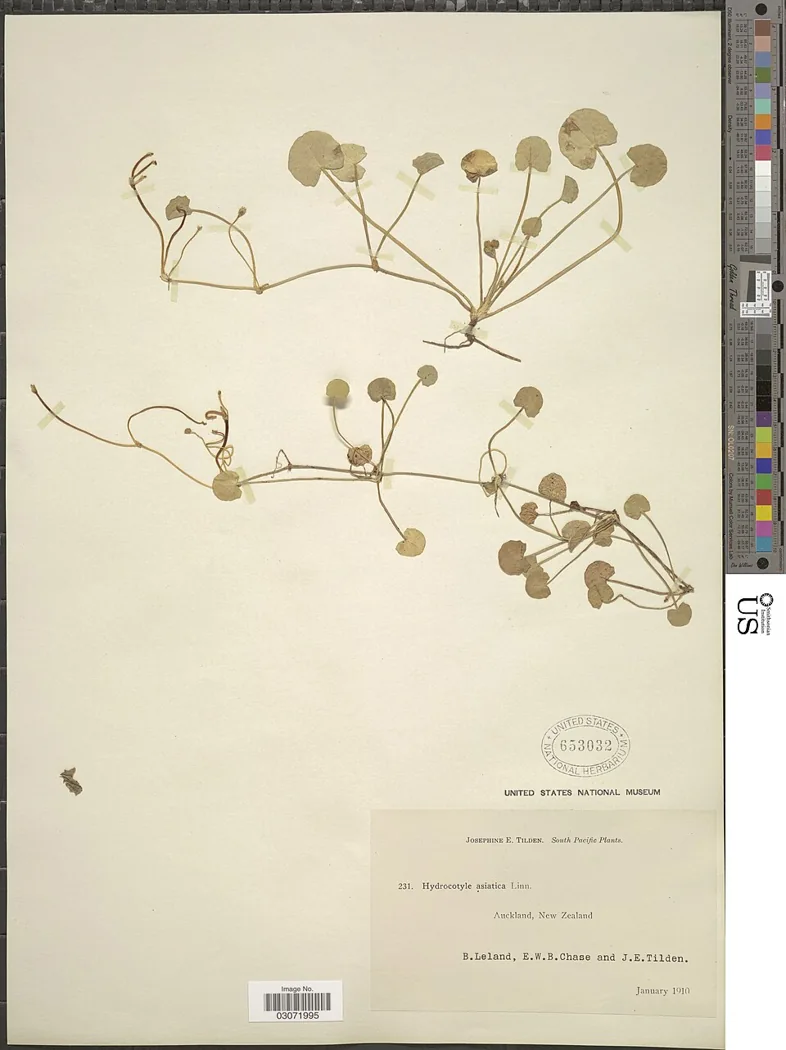
Centella asiatica (syn. Hydrocotyle asiatica) · Apiaceae
Cica, the beloved “tiger grass” of Asian skincare, brings calm and comfort to stressed, reactive skin.
FR Centella asiatique (hydrocotyle)ES Centella asiáticaAR السنتيلا الآسيوية (جوتو كولا)Gotu kola; Cica; Tiger grass; Mandukaparni (Sanskrit)
- How well proven
- CPromising
- Safety
- Low topical risk
- Sun-sensitive
- No
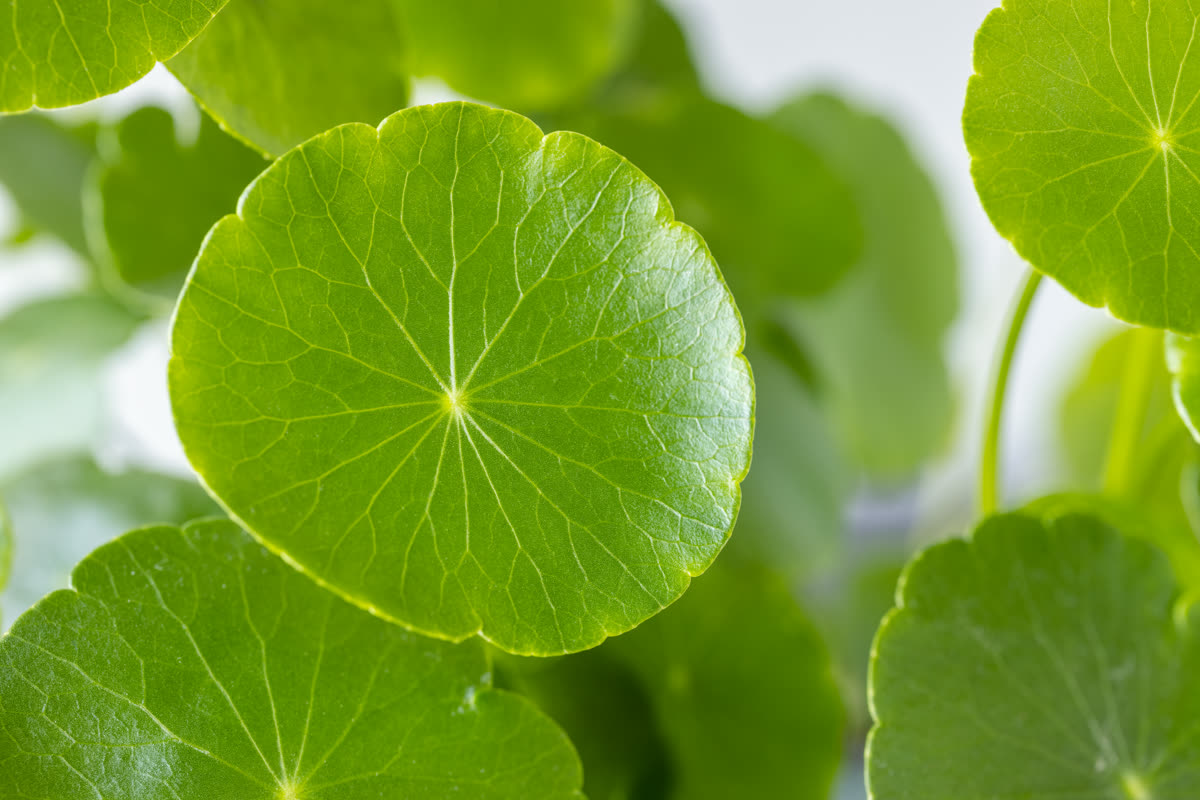
Also known as Centella asiatica (syn. Hydrocotyle asiatica)
FR Centella asiatique (hydrocotyle)ES Centella asiáticaAR السنتيلا الآسيوية (جوتو كولا)Gotu kola; Cica; Tiger grass; Mandukaparni (Sanskrit)
What the evidence says
Strong lab data and a long medicinal history in wound care, but cosmetic human trials are small and often test centella in multi-ingredient formulas, so its own contribution is hard to isolate.
- Best supported for
- Scars, Wounds & Stretch Marks BAging & Photoaging CSensitive Skin & Redness C
- How to use it
- Centella extract (standardized) · 0.5–5% in serums, creams and toners
- Watch out for
- Allergic contact dermatitis to centella is uncommon but has been reported, including from medicated creams.
Checked against 3 cited studies and our safety review · Updated 26 November 2026 · How we grade
Why you’ll love Centella Asiatica (Cica)
Why you’ll love it
- Soothes skin that feels tight, red or over-treated
- Light textures that layer easily under moisturizer
- Plays nicely with niacinamide, panthenol and ceramides
Best forSensitive or barrier-stressed skin, including skin recovering from too many actives.
Try it today
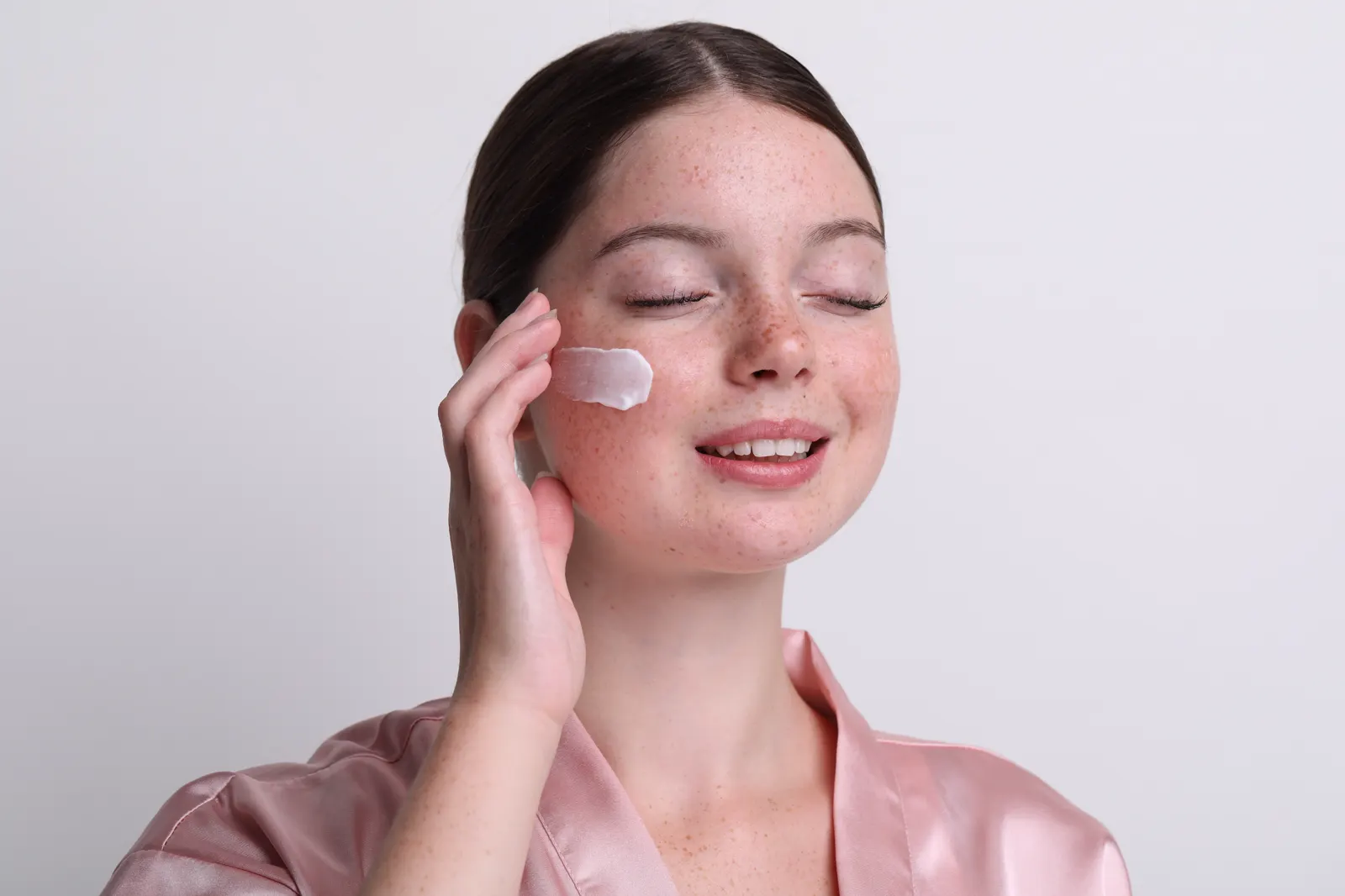
A calm-down evening routine
- Cleanse gently with lukewarm water and pat your skin almost dry.
- Press a centella toner or serum in with your palms; patch test first if your skin is very reactive.
- Seal it in with a simple, fragrance-free moisturizer, and skip acids and scrubs tonight.
Good to know: Loved for skin comfort, but cica creams don’t replace wound care. See a doctor for deep, infected or slow-healing wounds.
At a glance
| Parts used | Aerial parts (leaves and stems); whole extracts, leaf water, and purified triterpenes (madecassoside, asiaticoside, asiatic and madecassic acids) |
|---|---|
| Key actives | Madecassoside, Asiaticoside, Asiatic acid, Madecassic acid, Flavonoids and phenolic acids |
| INCI names | Centella Asiatica Extract Centella Asiatica Leaf Extract Centella Asiatica Leaf Water Madecassoside Asiaticoside Asiatic Acid Madecassic Acid |
| Skin types | sensitive, combination, oily, normal, mature |
| Pairs well with | Green TeaLicorice RootSqualaneAloe Vera |
| Evidence grade | CPromising Strong lab data and a long medicinal history in wound care, but cosmetic human trials are small and often test centella in multi-ingredient formulas, so its own contribution is hard to isolate. |
What it does for skin and hair
Supports skin repair
Centella triterpenes stimulate fibroblasts to make type I and III collagen in lab studies, and a titrated extract has long been used in European and Asian wound-healing creams.
Calms irritated, reactive skin
Madecassoside reduces inflammatory signaling in skin-cell models, which is why centella is popular in products for skin stressed by retinoids, acids or procedures.
May support firmer-looking skin
In a small double-blind study, a cream combining vitamin C with madecassoside improved signs of photoaging over six months. The design cannot separate the two ingredients.
Lightweight and well tolerated
Centella extracts and leaf water suit oily and acne-prone skin as well as dry, and allergic reactions are uncommon.
How to use it
Start low, be consistent, and give it four to eight weeks. These are the amounts that work in real products and home recipes.
| Form | Typical use level | Notes |
|---|---|---|
| Centella extract (standardized) | 0.5–5% in serums, creams and toners | Check the supplier’s triterpene content; higher-standardized extracts need lower use levels. Water-based products need a broad-spectrum preservative. Try it in Green Tea & Centella Soothing Toner. |
| Madecassoside (purified) | 0.1–1% | Water-soluble; add to the water phase or cool-down. Combines well with niacinamide, panthenol and ceramides in barrier-support products. |
| Centella leaf water | Up to 100% of the water phase | A gentle base for toners and essences; much lower in triterpenes than a standardized extract. Preserve as you would water. |
Use it safely
Low topical risk
- Allergic contact dermatitis to centella is uncommon but has been reported, including from medicated creams. Patch test, especially on compromised skin (How to Patch Test).
- Oral centella (gotu kola) supplements have been linked to rare cases of liver injury. This is not a concern for normal topical use, but avoid concentrated oral products if you have liver disease.
- Cica creams are not a substitute for medical wound care: see a doctor for deep, infected or non-healing wounds, and for burns beyond minor first-degree.
- Pregnancy & breastfeeding
- Topical centella is considered low risk in pregnancy and is a traditional stretch-mark ingredient. Oral supplements are not recommended because safety data are lacking. Pregnancy guide
- Phototoxicity
- Not phototoxic at normal use levels.
- Declared fragrance allergens
- None expected
New to an ingredient? Patch test first. Stop and seek advice if you get burning, swelling, blistering or a spreading rash.
Make it at home: recipes with centella asiatica (cica)
Buying well
Sustainability
Centella grows readily in damp tropical and subtropical ground and is assessed as Least Concern by the IUCN. Much pharmaceutical-grade material is still wild-collected in Madagascar, where fair pricing and traceability matter; cultivated supply from Asia is growing. Ask suppliers about origin and standardization.
How to choose quality
Look for extracts standardized to a stated percentage of total triterpenes or madecassoside. “Cica” on a label does not guarantee meaningful centella content — check where Centella Asiatica Extract or Madecassoside sits in the INCI list. Store powders sealed and dry; liquid extracts cool and dark.
The research For professionals
The chemistry, the studies and the evidence by concern, for practitioners, formulators and the curious.
Centella’s activity is attributed mainly to pentacyclic triterpenes: the glycosides asiaticoside and madecassoside and their aglycones asiatic acid and madecassic acid. Content varies widely with origin and growing conditions, which is why medicinal products use a titrated extract (TECA) standardized to a fixed triterpene profile. Plant material from Madagascar has historically supplied much of this market.
In cultured human fibroblasts, these triterpenes increase type I and III collagen synthesis, partly via TGF-β/Smad signaling, and in animal wound models they speed re-epithelialization and increase the tensile strength of healing tissue. Madecassoside also lowers inflammatory mediators (such as IL-1β and TNF-α) and has antioxidant activity in cell studies. These mechanisms are coherent and well replicated in the lab.
Human data are thinner. A double-blind study in women with photoaged skin found that a cream with 5% vitamin C and madecassoside improved clinical and instrumental measures of skin quality over six months (Haftek, 2008). An older double-blind trial of a stretch-mark prevention cream containing centella extract, vitamin E and collagen-elastin hydrolysates found fewer pregnant women developed striae than with placebo (Mallol, 1991). Both used combination formulas. Clinical experience with TECA in post-surgical and burn wounds is extensive in some countries, but modern, well-reported randomized trials are scarce. Grade C is a fair reflection.
For formulators: purified madecassoside is water-soluble and stable across a wide pH range; asiatic acid is poorly soluble and needs solubilizers. Whole extracts and leaf water bring a broader but less predictable triterpene load.
Evidence by concern
| Concern | Grade | What the evidence shows |
|---|---|---|
| Aging & Photoaging | C | Madecassoside and asiaticoside stimulate collagen in the lab; small trials of centella-containing creams showed improved firmness, mostly in combination products. |
| Sensitive Skin & Redness | C | Madecassoside and asiaticoside reduce inflammation and support barrier repair in the lab; small human studies of centella creams show improved redness and comfort. |
| Scars, Wounds & Stretch Marks | B | Asiaticoside and madecassoside promote collagen organization; small trials (mostly of combination creams) support use for stretch-mark prevention and scar appearance. |
Key studies
Double-blind study in women with photoaged skin: a cream with vitamin C and madecassoside improved clinical, biometric and structural measures over 6 months versus control.
Haftek M, et al. Exp Dermatol. 2008 Read it in the bibliography Find on PubMedDouble-blind trial in about 80 pregnant women: a cream containing centella extract, vitamin E and collagen-elastin hydrolysates was associated with fewer stretch marks than placebo.
Mallol J, et al. Int J Cosmet Sci. 1991 Read it in the bibliography Find on PubMedReview of centella in cosmetology: consistent lab evidence for collagen stimulation and anti-inflammatory activity; human evidence limited and mostly from combination products.
Bylka W, et al. Postepy Dermatol Alergol. 2013 Read it in the bibliography Find on PubMed
Myth“Cica” creams repair your skin barrier on their own.
EvidenceMany cica products owe much of their barrier benefit to panthenol, ceramides, glycerin and occlusives. Centella adds soothing and repair signaling, but evidence for it alone is modest. See The Skin Barrier, Explained.
In tradition
Centella is mandukaparni in Ayurveda and ji xue cao in Chinese medicine, and in Sri Lanka gotu kola is eaten as a fresh salad. The “tiger grass” name comes from a folk tale of wounded tigers rolling in the plant.
From the first-edition dossier
From study to shelf
What a cica cream can tell you about centella.
- What was tested
- Four weeks of one face cream in an observational study with 88 women completing follow-up.
- What was found
- The average sensitivity score fell 66% from baseline at week two.
- What applies to a product
- The studied cream with centella leaf extract, ceramide NP and panthenol.
- Main limitation
- Without a control group, the effect of centella alone remains unknown.
On this page
What the studies found
Su et al. (2025)
- Study design
- A single-center study recruited 92 women in China, with 88 completing four weeks and included in the analysis. All used one cream made by Galderma containing centella leaf extract, ceramide NP and panthenol. There was no separate control group.
- Result
- The average Sensitive Scale-10 score fell by 66% from baseline at two weeks, the primary time point. The authors also reported reduced water loss through the skin at weeks one and two. Six potentially product-related adverse events were reported and resolved on their own.
- Limitations
- The study analyzed completers and lacked a separate control or a formula without centella. The 66% is a change in the average score, rather than the proportion of people who improved. Galderma funded the study and manufactured the cream.
- Disclosure
- The authors declared no conflicts of interest. Full text is available.
What the comfort score measures
The study’s primary outcome was the change at two weeks on the Sensitive Scale-10. It combines a visible sign with nine symptoms reported by the participant, such as tightness and itching. Water loss through the skin was assessed separately. A claim about comfort and a claim about barrier function therefore need different evidence.
Checks before you buy
- Look for Centella Asiatica Leaf Extract, Centella Asiatica Extract or a named component such as madecassoside. Each describes a different ingredient.
- If your goal is to relieve tightness, assess the whole moisturizer and how it feels with the rest of your routine.
- Treat a claim about a specific cream as evidence about that cream, particularly when it also contains ceramides or panthenol.
Questions readers ask
Does a cica label tell me how much centella is present?
No. Use the ingredient list to identify the form and check whether the maker discloses a concentration.
Is redness a diagnosis?
Redness has several possible causes. Seek medical advice if it persists, spreads or is accompanied by pain.
Compare the preparations
Cica is marketing shorthand that can refer to a centella-containing formula. The extract, madecassoside and asiaticoside are distinct label entries. A study on one preparation cannot establish performance for every cica product.
| Preparation | What to check |
|---|---|
| Centella extract | Check whether the extract names the plant part. |
| Leaf extract | The leaf is identified. Concentration and extraction method may remain unknown. |
| Madecassoside, a named constituent | Record it as a separate ingredient when declared alongside the extract. |
The research
A prospective observational study in people with sensitive skin reported changes after use of a product containing centella leaf extract, ceramide NP and panthenol. The design and combination of ingredients prevent attribution of the result to centella alone.
Safety and tolerance
If you react to the formula, stop using it. Compare the complete ingredient list with any allergens your clinician has identified.
What to look for on the label
Look for “Centella Asiatica Extract”, “Centella Asiatica Leaf Extract” or specific constituents such as “Madecassoside”.
A real label example
Spain ·
La Roche-Posay Cicaplast Baume B5+
- Dimethicone
- Glycerin
- Panthenol
- Madecassoside
Spain’s manufacturer listing for the balm without SPF names madecassoside and lists no separate Centella Asiatica Leaf Extract. The US B5+ listing names both and declares dimethicone as the active ingredient. Use the pack from your market when you shop.
Cica, centella extract and madecassoside
See the 12-label Spain investigation
Sources
Continue reading
First published in the original Herbs.Beauty atlas on 11 November 2026, with its sources as checked on that date.
Frequently asked questions
What does centella asiatica (cica) do for skin?
Can I use centella with retinol or vitamin C?
Does centella help with acne scars or stretch marks?
Is centella good for rosacea-prone skin?
Cite this page
Herbs.Beauty. Centella Asiatica (Cica) (Centella asiatica): evidence-based monograph. Updated 26 November 2026. https://herbs.beauty/ingredients/centella-asiatica.html