The ingredient encyclopedia · herb
Sage
Salvia officinalis L. (Common or Dalmatian sage. Not to be confused with Spanish sage (S. lavandulifolia) or clary sage (S. sclarea).) · Lamiaceae
Fresh, green and herbal, a cooled sage infusion makes a clarifying splash for oily skin and a bright final rinse for the scalp.
FR Sauge officinaleES SalviaAR مريميةSalmia (Darija); maramiya (Levantine Arabic)
- How well proven
- CPromising
- Safety
- Use with care
- Sun-sensitive
- No
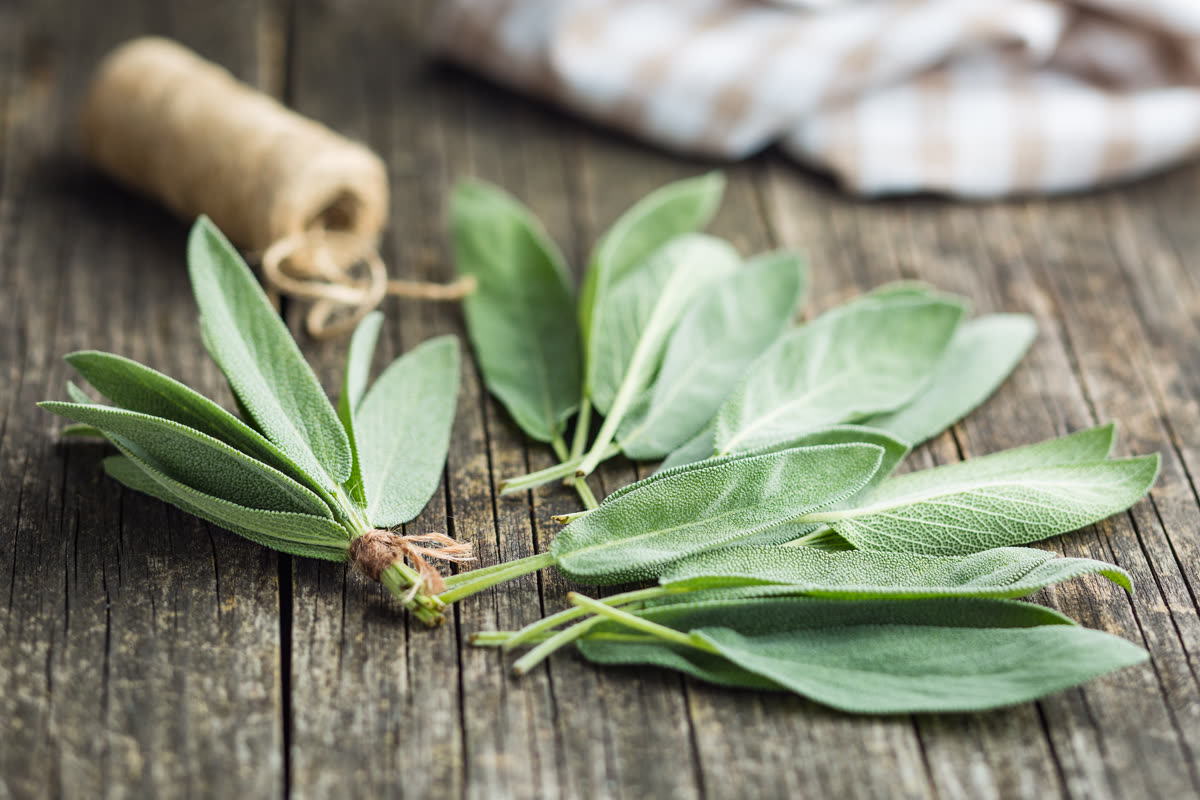
Also known as Salvia officinalis L. (Common or Dalmatian sage. Not to be confused with Spanish sage (S. lavandulifolia) or clary sage (S. sclarea).)
FR Sauge officinaleES SalviaAR مريميةSalmia (Darija); maramiya (Levantine Arabic)
What the evidence says
One small human study found a topical sage extract reduced UV-induced redness; other skin claims rest on lab data and tradition, and oral studies do not transfer to topical use.
- What it does
- Antioxidant leaf extract. Carnosic acid and carnosol — shared with rosemary — are powerful lipid antioxidants that protect both skin lipids and the oils in a formula.
- How to use it
- Fresh leaf infusion (toner or scalp rinse) · About 4–5 g dried leaf (2 tablespoons) per 250 ml just-boiled water, steeped 15 minutes
- Watch out for
- Thujone: sage essential oil is neurotoxic if swallowed and can trigger seizures; never ingest it, keep it away from children and avoid it entirely in epilepsy.
Checked against 1 cited study and our safety review · Updated 26 November 2026 · How we grade
Why you’ll love Sage
Why you’ll love it
- A mildly astringent toner feel that suits oily skin
- A refreshing final rinse for an oily, flaky scalp
- Antioxidant leaf compounds that also keep formula oils fresh
Best forOily and combination skin, oily scalps, and fans of fresh, herbal scents.
Try it today
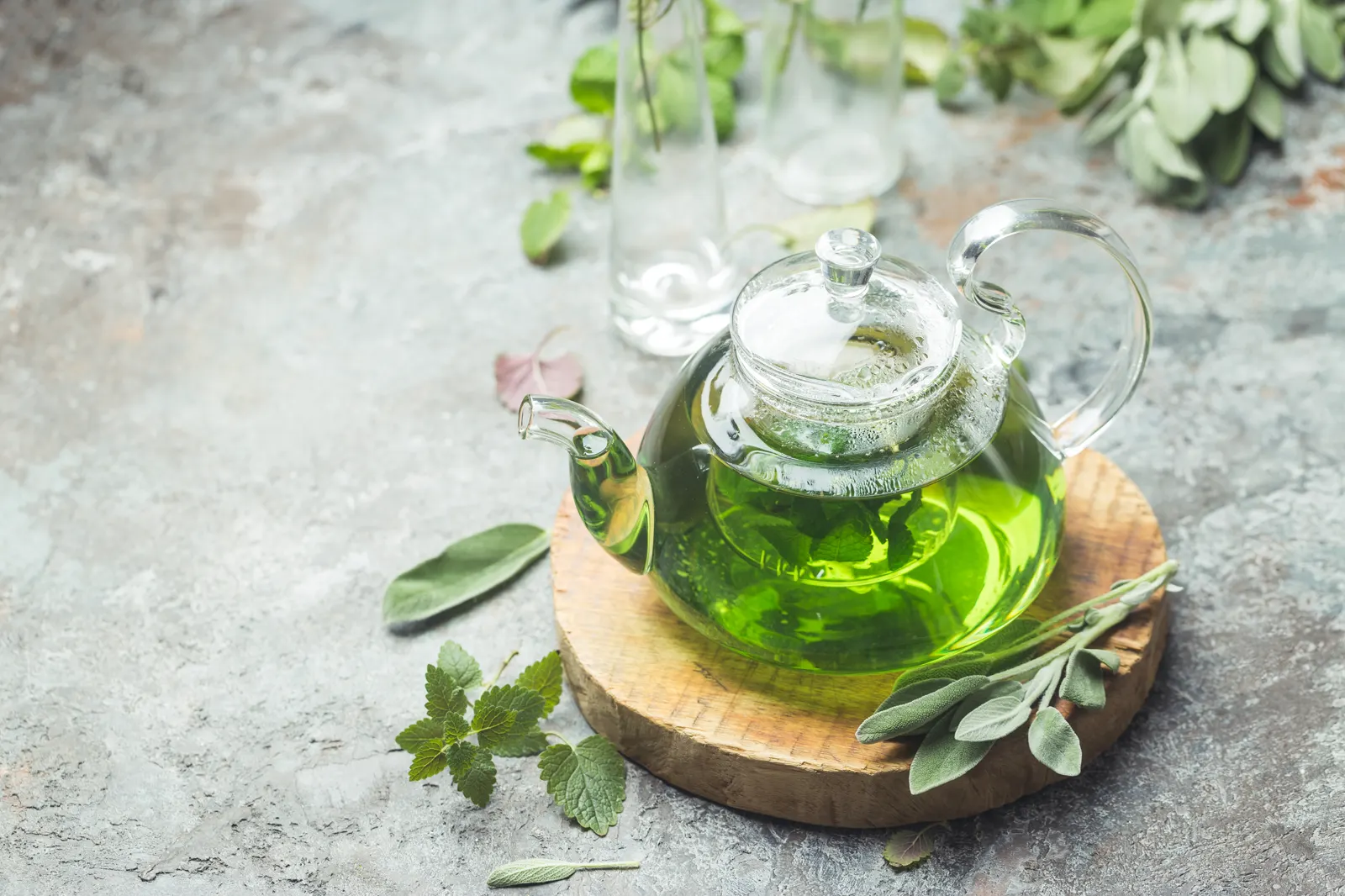
A same-day sage rinse
- Steep 2 tablespoons of dried sage leaf in 250 ml of just-boiled water for 15 minutes.
- Strain and cool completely; patch test, then use as a splash toner or final hair rinse.
- Discard leftovers the same day, and note it can stain light hair and fabrics.
Good to know: Use the leaf, not the essential oil: thujone-rich sage oil must never be swallowed; avoid it in pregnancy, epilepsy and around children.
At a glance
| Parts used | Leaf (infusions, hydroglycolic and CO₂ extracts); essential oil steam-distilled from the leaves |
|---|---|
| Key actives | Carnosic acid and carnosol, Rosmarinic acid, Ursolic and oleanolic acids, α- and β-Thujone (essential oil), 1,8‑Cineole and camphor (essential oil) |
| INCI names | Salvia Officinalis (Sage) Leaf Extract Salvia Officinalis (Sage) Oil |
| Skin types | oily, combination, normal |
| Hair & scalp | oily scalp |
| Pairs well with | RosemaryWitch HazelStinging NettleThyme |
| Evidence grade | CPromising One small human study found a topical sage extract reduced UV-induced redness; other skin claims rest on lab data and tradition, and oral studies do not transfer to topical use. |
What it does for skin and hair
Antioxidant leaf extract
Carnosic acid and carnosol — shared with rosemary — are powerful lipid antioxidants that protect both skin lipids and the oils in a formula.
A clarifying toner for oily skin
Tannins and phenolic acids give sage infusions a mild astringency that suits oily and combination skin in toners and rinses.
A natural deodorant ingredient
Sage extracts inhibit odor-causing bacteria in the lab and add a fresh, herbal scent. They reduce odor, not the amount of sweat.
A traditional scalp and hair rinse
Sage rinses are a folk remedy for oily scalp and flaking, and tannins can temporarily deepen the tone of gray or dark hair; evidence is anecdotal. See Dandruff & Itchy Scalp.
How to use it
Start low, be consistent, and give it four to eight weeks. These are the amounts that work in real products and home recipes.
| Form | Typical use level | Notes |
|---|---|---|
| Fresh leaf infusion (toner or scalp rinse) | About 4–5 g dried leaf (2 tablespoons) per 250 ml just-boiled water, steeped 15 minutes | Strain, cool and use the same day as a final rinse or splash toner; discard leftovers. It can stain light hair and fabrics. |
| Leaf extract in toners, deodorants and scalp tonics | 0.5–3% of a preserved water-based formula | Choose glycerin or hydroglycolic extracts; any water-based product needs a preservative. See DIY Safety: Water, Microbes & Preservatives. |
| Sage CO₂ or leaf extract as an antioxidant | 0.05–0.3% of the oil phase | Used like rosemary CO₂ extract to protect fragile oils from rancidity. |
| Essential oil (experienced formulators only) | ≤ 0.5% in body or rinse-off products; avoid on the face | Never use on children, in pregnancy or breastfeeding, or in people with epilepsy. Clary sage oil or leaf extract is a safer choice. See Essential Oil Safety: The Complete Guide. |
Use it safely
Use with care
- Thujone: sage essential oil is neurotoxic if swallowed and can trigger seizures; never ingest it, keep it away from children and avoid it entirely in epilepsy.
- Do not swap sage oil for clary sage oil in recipes — they are different plants with different chemistry and safety.
- Leaf infusions and extracts are well tolerated; allergy to Lamiaceae plants (sage, rosemary, thyme) is uncommon but possible — patch test.
- Oxidized oils and products containing limonene and linalool can sensitize fragrance-allergic skin.
- Pregnancy & breastfeeding
- Avoid sage essential oil and medicinal-dose sage preparations in pregnancy and breastfeeding (sage is traditionally used to reduce milk supply). Culinary amounts and rinse-off leaf extracts are not a concern. Pregnancy guide
- Phototoxicity
- Not phototoxic at normal use levels.
- Declared fragrance allergens
- Limonene, Linalool
New to an ingredient? Patch test first. Stop and seek advice if you get burning, swelling, blistering or a spreading rash.
Buying well
Sustainability
Sage is both cultivated and wild-harvested; much of the dried leaf in European trade has historically been collected wild in the Balkans, where overharvesting can deplete local stands. Spanish sage is largely wild-gathered in Spain. Sage oil is sometimes blended with cheaper oils or adjusted to a target thujone level, so ask for a GC-MS report. See Sustainable & Ethical Botanical Sourcing.
How to choose quality
Specify the species: Salvia officinalis (Dalmatian/common sage), S. lavandulifolia (Spanish sage) or S. sclarea (clary sage). Dried leaf should be gray-green, velvety and strongly aromatic. Extracts may be standardized for rosmarinic or carnosic acid. For essential oil, insist on a GC-MS report showing the thujone content. Store leaf airtight and dark; use within a year.
The research For professionals
The chemistry, the studies and the evidence by concern, for practitioners, formulators and the curious.
Sage leaf contains phenolic diterpenes, chiefly carnosic acid and its oxidation product carnosol, together with rosmarinic acid, the triterpenes ursolic and oleanolic acid, flavonoids and tannins. These make leaf extracts antioxidant, mildly astringent and antimicrobial in the lab; sage and rosemary extracts are also used to stop oils going rancid.
The essential oil is chemically distinct. Dalmatian sage oil typically contains substantial α- and β-thujone, with camphor, 1,8‑cineole, borneol and α-humulene, in proportions that vary widely. Thujone blocks GABA-A receptors in the brain, and seizures have been reported after ingestion of sage oil, including in children. Spanish sage oil (S. lavandulifolia) contains little thujone but is rich in camphor and may contain sabinyl acetate, a compound of concern in pregnancy. Clary sage (S. sclarea) is a different plant again, dominated by linalyl acetate and linalool, with no thujone. These oils are not interchangeable.
The best skin evidence is small: Reuter and colleagues found that a sage extract rich in carnosol and carnosic acid reduced UV-induced redness when applied to volunteers’ skin, compared with a vehicle — interesting, but a short test and no substitute for sunscreen. Europe’s herbal committee (EMA HMPC) recognizes sage leaf as a traditional remedy for excessive sweating (taken by mouth), for mouth and throat inflammation, and for minor skin inflammation. Oral trials in menopausal hot flushes exist but say nothing about topical use, and in deodorants sage reduces odor rather than blocking sweat ducts as aluminum salts do.
Key studies
In healthy volunteers, a topical sage extract rich in the phenolic diterpenes carnosol and carnosic acid reduced UV-induced erythema compared with the vehicle. Small study.
Reuter J, et al. Planta Med. 2007 Read it in the bibliography Find on PubMed
MythSage works like an antiperspirant.
EvidenceSage is a traditional oral remedy for excessive sweating, and oral studies exist, but in deodorants it acts on odor-causing bacteria and adds scent; it does not block sweat glands. If heavy sweating bothers you, aluminum-based antiperspirants or a doctor’s advice on hyperhidrosis treatments work far better.
In tradition
The medieval Salerno school asked, “Why should a man die who has sage in his garden?” In Moroccan winters, a sprig of salmia often joins the mint in a pot of tea, and sage rinses for oily or graying hair were a staple of Mediterranean home beauty.
Frequently asked questions
Is sage essential oil safe for skin?
Does sage darken gray hair?
What is the difference between sage and clary sage?
Is sage good for oily skin and acne?
Cite this page
Herbs.Beauty. Sage (Salvia officinalis L.): evidence-based monograph. Updated 26 November 2026. https://herbs.beauty/ingredients/sage.html